
Backpacking abroad is thrilling, but it can also lead to tricky conversations. Mastering these dialogues can enhance your travel experience and help you connect more deeply with others. Read Interesting article: Backpacking with Kids: Setting Boundaries with Love
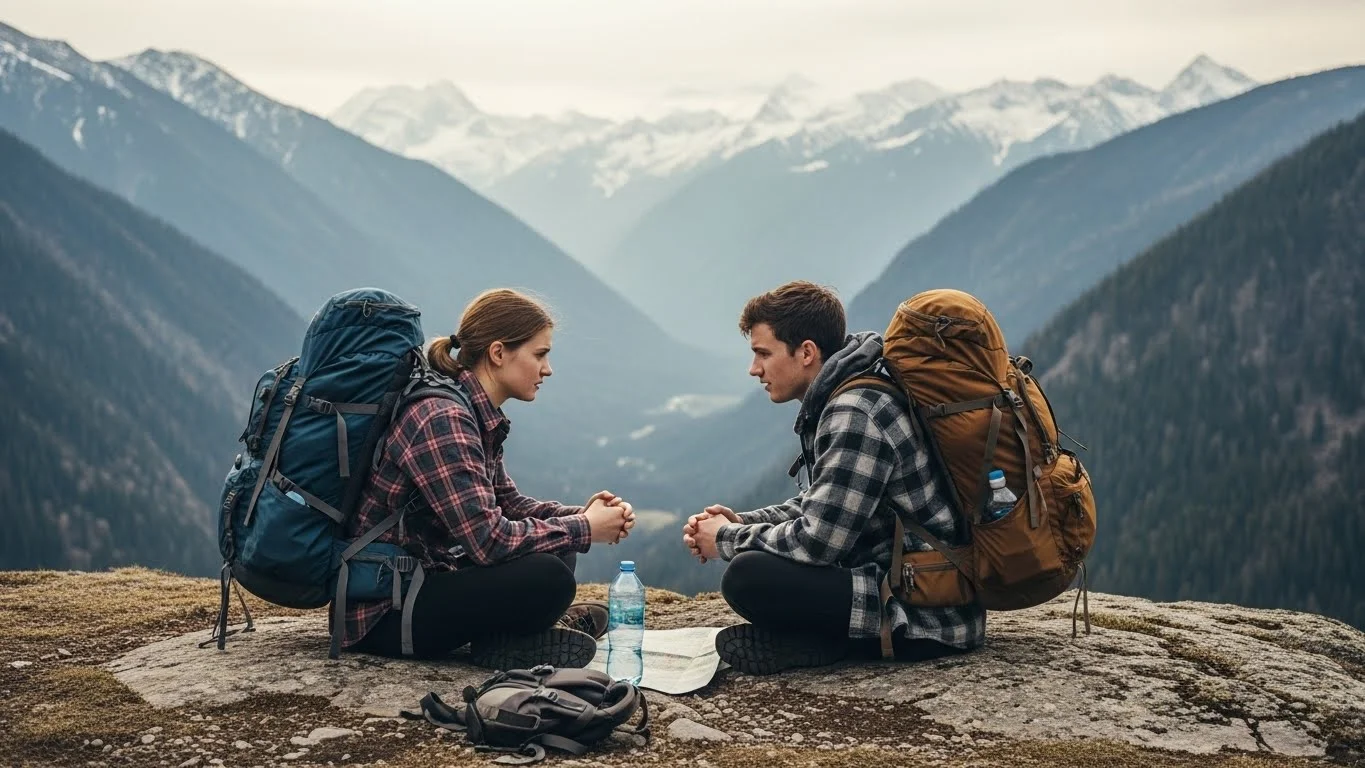
Understanding Difficult Conversations
When I first started backpacking, I quickly learned that not all conversations are easy. In fact, some can be downright challenging. Understanding what makes a conversation difficult is the first step in mastering this essential skill. For me, it often came down to topics that stirred strong emotions or discussions that involved cultural differences. I remember feeling anxious about expressing my thoughts and fears in unfamiliar environments. But as I traveled, I discovered that these conversations often held the key to deeper connections and understanding.
What Constitutes a Difficult Conversation?
A difficult conversation usually involves a topic that is sensitive, controversial, or potentially conflict-prone. This can range from personal beliefs to financial discussions to cultural misunderstandings. For example, I had a friend who struggled with discussing finances while we traveled together. The very thought of revealing our spending habits made us both uneasy. I realized that a difficult conversation isn’t just about the subject matter; it also involves how we approach it and our emotional readiness to engage. I found that the best way to frame such discussions is to focus on mutual respect and a shared goal—whether it’s making a decision together or understanding each other’s perspectives.
Common Scenarios While Backpacking
During my travels, I confronted various scenarios that tested my conversational skills. A few standout moments include:
- Disagreements in Itinerary: When traveling with friends or fellow backpackers, differing opinions on where to go next can lead to tension. I remember a time when I wanted to explore a small town, but my travel buddy was set on a more popular tourist destination. Instead of arguing, we agreed to discuss our reasons and find a compromise.
- Cultural Misunderstandings: I once misinterpreted a local’s gesture, which led to an awkward moment. I learned that what may seem friendly in one culture can be offensive in another. Discussing these misunderstandings openly was essential for navigating the next steps without causing further discomfort.
- Language Barriers: Communicating in a language I wasn’t fluent in was daunting. I often found myself fumbling through conversations, which made it challenging to express my needs or feelings. Learning to ask for help and clarifying intentions became vital for me. Read Interesting article: Budget Backpacking: Boost Early Language Skills Abroad
Preparing for Conversations While Traveling
As I embarked on more backpacking adventures, I realized that preparation can make a significant difference in handling difficult conversations. It’s not just about what you say; it’s also about introspection and understanding the environment around you.
Self-Reflection: Understanding Your Triggers
Before setting off on my trips, I started taking time to reflect on my own triggers. I asked myself questions like, “What topics make me uncomfortable?” or “How do I typically react in disagreements?” Knowing my emotional landscape helped me navigate conversations more smoothly. For instance, if I felt defensive about a topic, I learned to pause and breathe before responding. This self-awareness allowed me to approach discussions with a clearer mind.
Cultural Sensitivity and Awareness
Traveling to new countries means encountering different cultures, and I found that being sensitive to these differences is crucial for effective communication. For example, I learned that in some cultures, direct eye contact can be seen as confrontational, while in others, it signifies respect. I began making an effort to observe local customs and adapt my communication style accordingly. This not only eased my anxiety but also fostered a sense of connection with the locals.
Researching Local Communication Styles
In preparation for my travels, I started researching the communication styles of the places I would visit. This meant looking into regional norms, common expressions, and even body language. I found that understanding these nuances made conversations much more enjoyable. For example, when I traveled to Japan, I learned that being polite and indirect was essential. This knowledge helped me approach discussions with respect and openness, making my interactions more positive.
Essential Communication Skills
Active Listening Techniques
One skill I found invaluable while traveling is active listening. It’s amazing how much we can miss when we’re too focused on what we want to say next. I remember sitting in a small café in Paris, engaging with a local artist. Instead of thinking about my next question, I made a conscious effort to really listen to his stories. By nodding and maintaining eye contact, I showed him I was engaged. This not only deepened our conversation but also made him feel valued. I learned that repeating back what the other person said, or paraphrasing their thoughts, helps clarify and show that I care about their perspective. It’s a simple technique, but it’s made a remarkable difference in my interactions. Read Interesting article: Top Assistive Tech Tools for Budget Backpacking Adventures
Non-Verbal Communication Cues
Non-verbal communication can speak volumes, and I found it essential to pay attention to body language during my travels. I once had a conversation with a fellow backpacker who seemed uninterested, even though he was saying all the right things. His crossed arms and averted gaze told a different story. I realized that being aware of these cues allowed me to adjust my approach. When I learned to mirror positive body language—like leaning slightly forward or smiling—it made others feel more comfortable and open. This mutual understanding often led to more vibrant discussions. I believe that the little things, like a friendly gesture or an encouraging nod, can transform a simple chat into a genuine connection.
Empathy and Emotional Intelligence
Traveling teaches you a lot about empathy and emotional intelligence. I’ve encountered people from various backgrounds, each with their own stories and struggles. I remember a conversation with a woman in a market in Thailand. She shared her challenges as a single mother, and instead of just sympathizing, I tried to understand her feelings. I found that asking open-ended questions like, “How does that make you feel?” encouraged her to express herself more fully. This not only enriched our conversation but also allowed me to connect with her on a deeper level. I believe that being empathetic helps in navigating difficult conversations, especially when emotions run high.
Handling Difficult Topics
Discussing Finances with Travel Companions
Money can be a touchy subject, especially when you’re on the road with others. I discovered that discussing finances upfront can save a lot of awkwardness later. During one trip, I decided to initiate a conversation about budgeting with my travel partners. We gathered around in our hostel’s common area, and I suggested we set a daily limit for our expenses. This not only relieved the pressure of unexpected costs but also fostered transparency. I learned that being open about finances helped us plan better and avoid potential conflicts, making our trip smoother and more enjoyable.
Navigating Language Barriers
Language barriers can be daunting, but they can also lead to some memorable experiences. I recall trying to order food in a bustling market in Italy. My attempts at speaking Italian were met with giggles, but I found that humor broke down the tension. When I stumbled over a word, I laughed it off and gestured wildly. The vendor appreciated my effort and even taught me the correct pronunciation. I learned that using simple phrases, gestures, and a smile can go a long way in bridging communication gaps. It’s about making an effort that counts, and often, locals are more than willing to help you out.
Addressing Cultural Differences
Every culture has its own nuances, and recognizing these differences can make or break a conversation. I remember a moment in Morocco when I was invited to a family dinner. They had a unique way of sharing food—using their hands to eat from a communal plate. At first, I felt hesitant, but I quickly realized this was a form of bonding. Discussing these cultural practices openly, I asked questions about their traditions, which led to a lively exchange. This experience reminded me that addressing cultural differences with curiosity rather than judgment fosters understanding and respect.
Conflict Resolution Strategies
Identifying the Root Cause of Conflict
Conflict is a part of life, especially when traveling with others. I once found myself in a heated discussion over where to stay during a trip. Instead of just arguing about preferences, I took a step back to identify the root cause of our disagreement. I realized that my friend’s concern was about budget, while I prioritized comfort. By focusing on our underlying motivations, we were able to find a solution that satisfied both our needs. This experience taught me that understanding the ‘why’ behind a conflict can lead to more productive discussions.
Finding Common Ground
Finding common ground is another key strategy in resolving conflicts. During one of my trips, my travel buddy and I had different ideas about our itinerary. Instead of insisting on my plan, I suggested we list out what was important to each of us. By doing this, we discovered shared interests we hadn’t considered before. We ended up combining our plans, which made both of us happy. I learned that collaboration and compromise can turn potential conflicts into opportunities for creativity and connection.
Using ‘I’ Statements to Express Feelings
When addressing conflicts, I found that using ‘I’ statements was effective in expressing my feelings without sounding accusatory. For instance, instead of saying, “You always want to do things your way,” I would say, “I feel overlooked when my suggestions aren’t considered.” This shift in language helped us approach the conversation with more empathy and less defensiveness. It’s a small change in wording, but it made a world of difference in how we communicated and resolved our issues.
When to Escalate or De-escalate a Situation
Recognizing When to Step Back
Throughout my travels, I’ve learned that sometimes stepping back is the best option when a conversation becomes heated or uncomfortable. I remember a situation in a bustling market where I was trying to bargain for a handmade item. The vendor and I were going back and forth, and I could feel the tension rising. Instead of pushing harder, I decided to pause and take a deep breath. I realized that the more I pressed, the more defensive he became. I stepped back, smiled, and suggested we take a moment to look at other items. This simple act of stepping back not only diffused the tension but also allowed us to return to the conversation later with a lighter atmosphere, ultimately leading to a fair agreement. Recognizing these moments is crucial for maintaining positive interactions and avoiding unnecessary conflict.
Effective De-escalation Techniques
Once I became more aware of when to de-escalate a situation, I began to employ various techniques to ease tensions. One effective strategy I found was to use humor. During a bus ride in South America, I saw a fellow traveler getting upset over a missed connection. Instead of joining in on the frustration, I lightened the mood by joking about how we could start our own travel reality show titled “Lost in Translation.” Laughter erupted, and suddenly, the stress lifted. I realized that humor can be a powerful tool in tough situations, reminding us not to take ourselves too seriously. Additionally, validating the other person’s feelings by saying things like, “I understand why you feel that way,” can go a long way in calming the waters. It shows empathy and opens the door to a more constructive conversation.
Practical Tips for Backpackers
Choosing the Right Environment for Conversations
The setting of a conversation can impact its outcome significantly. I’ve learned that choosing the right environment can make difficult discussions easier. For instance, I prefer having serious conversations in quieter, relaxed settings. I once had a heart-to-heart with a close friend in a peaceful park, far away from the chaos of the city. The tranquil surroundings allowed us to speak openly without interruptions. When selecting a place, I consider factors like noise level, privacy, and comfort. I’ve found that places like cozy cafés or serene parks are ideal for meaningful discussions, providing a safe space to express our thoughts and feelings.
Establishing Boundaries with Fellow Travelers
Setting boundaries is an important aspect of maintaining healthy relationships while backpacking. I remember traveling with a group of new friends and quickly realizing that our travel styles differed. To avoid friction, I initiated a conversation about our preferences and limits. I expressed my need for occasional alone time to recharge, and to my surprise, others felt the same. By establishing clear boundaries early on, we created an atmosphere of respect and understanding, allowing everyone to enjoy the trip without feeling overwhelmed. I recommend being upfront about your needs and encouraging others to share theirs, as this openness lays the groundwork for harmonious interactions.
Utilizing Technology: Apps for Translation and Communication
In our digital age, technology can be a backpacker’s best friend, especially when it comes to communication. I’ve relied on translation apps to bridge language gaps during my travels. One memorable experience was trying to communicate with a local family while staying in their home. My limited grasp of their language made it challenging until I pulled out a translation app. With its help, I could ask questions and share stories more effectively. I found that even basic phrases, translated and spoken aloud, earned me smiles and gratitude. Using technology not only facilitated communication but also made me feel more connected to the people I met. I encourage fellow travelers to download essential language apps before heading out, as they can transform potentially awkward moments into delightful exchanges.
Real-Life Scenarios and Solutions
Dealing with Hostile Locals
Encountering hostility can be intimidating, but I’ve learned that how you respond makes all the difference. During my travels, I faced a situation in a busy market where a vendor became aggressive over a price dispute. Instead of reacting defensively, I took a moment to assess the situation. I calmly acknowledged his frustration and apologized for any misunderstanding. This approach softened his demeanor, and we ended up finding common ground. I believe that staying calm and respectful can often defuse hostility, turning a potentially negative experience into a collaborative one.
Conversations with Other Backpackers
Connecting with fellow backpackers can be both exciting and challenging. I remember meeting a group of travelers who had starkly different opinions on itineraries. Instead of letting those differences create divisions, I suggested we share our experiences and preferences openly. This led to a rich exchange of ideas and ultimately a more inclusive itinerary that satisfied everyone. I found that facilitating conversations among backpackers fosters camaraderie and helps us learn from one another. It’s a great reminder that we all have unique stories to tell and insights to share.
Interacting with Service Staff
Service staff play a vital role in our travel experiences, and I’ve found that treating them with respect can enhance our interactions. I recall a time when I was dining at a local restaurant, and I noticed the waiter seemed overwhelmed. Instead of becoming impatient, I took the time to ask how he was doing. His face lit up, and we struck up a conversation about the local cuisine. This small gesture not only made his day brighter but also enriched my dining experience. I believe that approaching service staff with kindness and gratitude can lead to memorable conversations and a greater appreciation for the culture.
Frequently Asked Questions
What is a difficult conversation in the context of backpacking?
A difficult conversation generally involves sensitive, controversial, or potentially conflict-prone topics, such as personal beliefs, financial discussions, or cultural misunderstandings.
How can I prepare for difficult conversations while traveling?
Preparation can include self-reflection to understand your triggers, being culturally sensitive, and researching local communication styles to facilitate smoother interactions.
What role does active listening play in traveling conversations?
Active listening is crucial as it allows you to truly engage with others. Techniques like nodding, maintaining eye contact, and paraphrasing what the other person said can enhance understanding and make them feel valued.
How can I handle disagreements about travel itineraries?
When facing disagreements about itineraries, discussing the reasons behind each other’s preferences and finding a compromise can help resolve tensions effectively.
What should I do if I encounter a cultural misunderstanding?
Address cultural misunderstandings openly by discussing the incident and asking questions about local customs, which can foster understanding and prevent further discomfort.
What is the importance of setting boundaries with fellow travelers?
Establishing boundaries is essential for maintaining healthy relationships while traveling. Openly discussing preferences and limits can create an atmosphere of respect and understanding.
How can I effectively communicate with locals who speak a different language?
Utilizing translation apps can help bridge language gaps. Even basic phrases translated and spoken aloud can facilitate communication and create positive interactions.
What strategies can I use for conflict resolution while backpacking?
Identifying the root cause of conflicts, finding common ground, and using ‘I’ statements to express feelings can help in resolving issues more productively.
How can humor be used in difficult conversations?
Using humor can lighten the mood during tense situations and help ease frustrations, making it easier to navigate challenging discussions.
What should I do if I encounter hostility from locals?
Remain calm and respectful, acknowledge their frustration, and strive to find common ground, which can help defuse hostility and turn the situation into a more positive interaction.