
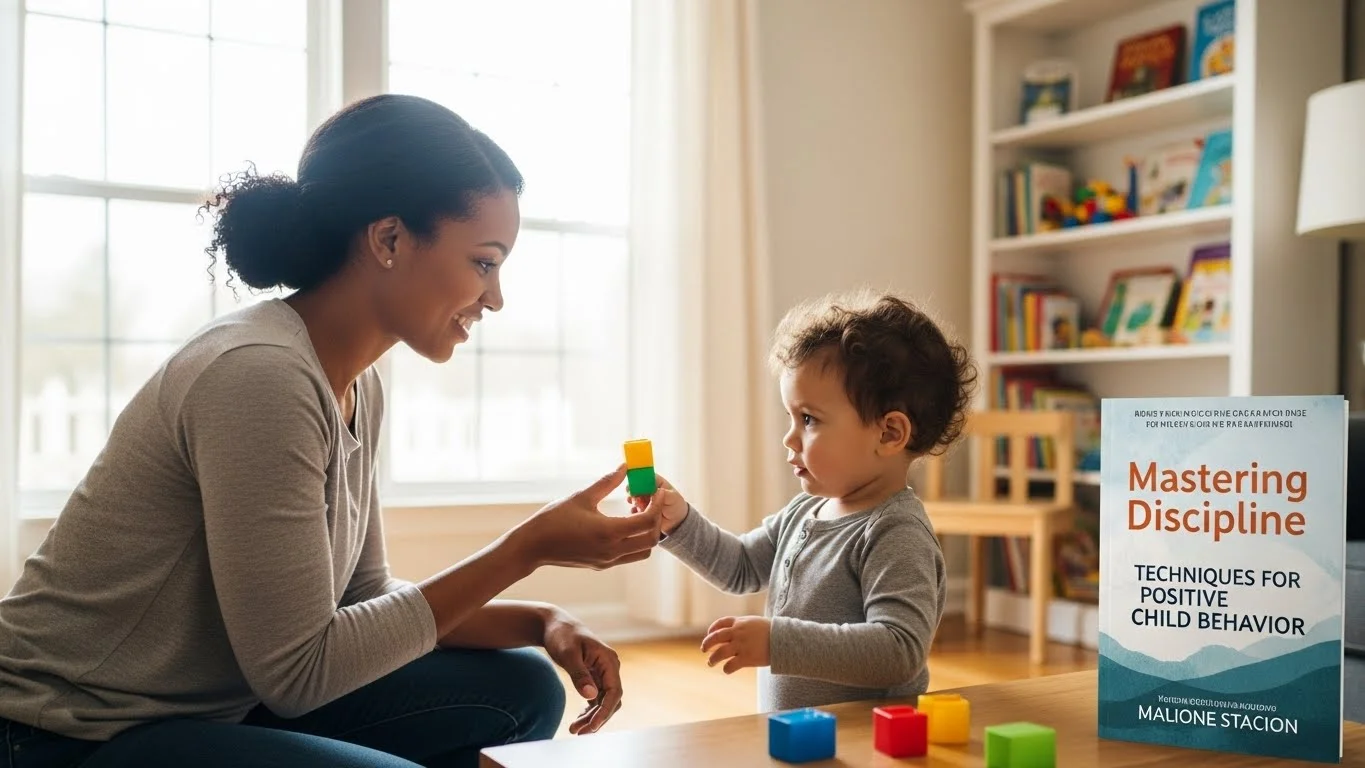
Mastering discipline is a journey every parent embarks on, filled with challenges and triumphs. Understanding how to foster positive child behavior can transform our parenting experience and strengthen our bond with our kids. For insights on this journey, you can explore Essential Discipline Techniques for Effective Child Development.
Understanding Discipline and Its Importance
Definition of Discipline in Child Rearing
When I think about discipline, I often reflect on how it’s more than just a set of rules or consequences. Discipline, in the context of child-rearing, is about teaching our children how to make good choices, understand boundaries, and develop self-control. It’s about guiding them toward becoming responsible and empathetic individuals. I remember when I first learned that discipline is rooted in love and guidance rather than fear. This realization changed everything for me, as I began to see discipline as a way to support my child’s growth and development, rather than merely a tool for punishment.
The Role of Discipline in Child Development
Discipline plays a crucial role in shaping a child’s behavior and personality. From my experience, when we provide consistent and loving guidance, children learn to navigate the world with confidence and security. They begin to understand the consequences of their actions and develop the ability to make informed decisions. I’ve seen how effective discipline helps in promoting social skills, emotional regulation, and ultimately, a strong sense of self. As our kids learn to manage their impulses and emotions, they become better equipped to handle challenges in life. For more on child development, check out Behavioral Milestones: What Every Parent Should Know.
Distinguishing Between Discipline and Punishment
One of the most important lessons I learned on my parenting journey is the difference between discipline and punishment. For a long time, I confused the two, thinking they were interchangeable. However, I realized that punishment often involves inflicting pain or discomfort to teach a lesson, while discipline focuses on teaching and guiding. I believe that discipline can be a positive experience that fosters learning and growth. It’s about setting our children up for success rather than simply reacting to their mistakes. By shifting my perspective, I’ve found that discipline can be constructive and nurturing, leading to better outcomes for my children.
Core Principles of Effective Discipline
Consistency in Parenting
One core principle I’ve discovered is the importance of consistency. Children thrive in environments where they know what to expect. I remember when I first started implementing consistent rules in our home; it was challenging at times. But the payoff was worth it. When I consistently enforced boundaries and expectations, my children began to feel secure, leading to fewer power struggles. They learned that certain behaviors would always have the same consequences, which helped them make better choices over time.
Setting Clear Expectations and Rules
Setting clear expectations and rules is another critical aspect of effective discipline. I found that when I explicitly communicated what behaviors were acceptable and which were not, my kids responded much better. For example, instead of saying “Be good,” I would say, “We need to use our inside voices while we’re in the house.” This clarity not only helped them understand my expectations but also empowered them to make choices aligned with those rules. I often involve my children in creating family rules, which makes them feel heard and respected, and they tend to take ownership of those rules.
The Importance of Positive Reinforcement
Positive reinforcement has been a game-changer in my approach to discipline. Instead of only focusing on what my children did wrong, I began to celebrate their successes, no matter how small. When my son helped clean up his toys without being asked, I made sure to praise him and acknowledge his effort. I noticed that this encouragement not only reinforced the behavior I wanted to see but also boosted his confidence and self-esteem. I believe that positive reinforcement is essential in creating a supportive environment where children feel encouraged to make good choices.
Modeling Appropriate Behavior
One of the most profound lessons I’ve learned is that children often emulate the behavior they see. As a parent, I’ve realized that I need to model the behavior I want my kids to adopt. For instance, I try to demonstrate patience and understanding, even during stressful moments. When I make mistakes, I openly acknowledge them, showing my children that it’s okay to be imperfect and learn from our experiences. I’ve found that when I embody the values I want to instill in them, they are more likely to reflect those values in their actions.
Techniques for Encouraging Positive Behavior
Positive Reinforcement Strategies
One of the most effective techniques I’ve found for encouraging positive behavior is positive reinforcement. Instead of only correcting negative behavior, I try to highlight and reward the good things my children do. It could be as simple as saying, “I really appreciated how you shared your toys with your sister today,” or giving them a high-five when they finish their homework without being reminded. By focusing on the positives, I noticed my children started to repeat those behaviors more often. I believe that acknowledging their efforts makes them feel valued and motivates them to continue striving for good behavior.
Implementing Natural Consequences
Natural consequences are another approach I’ve found particularly helpful. These are the outcomes that happen as a direct result of a child’s actions, which can serve as powerful learning experiences. For example, if my daughter refuses to wear her coat on a chilly day, she might feel cold, and that’s a natural consequence she can learn from. Instead of immediately stepping in to prevent her discomfort, I allow her to experience it (while keeping her safety in mind). This teaches her to think about her choices and helps her make better decisions in the future. I’ve seen how this method fosters responsibility in my kids, and it allows them to learn without me having to impose a punishment.
Time-Out: When and How to Use It
Time-out is a technique that I initially approached with hesitation, unsure of its effectiveness. However, I found that using it judiciously can be quite beneficial. For me, the key is to ensure that time-out is not seen as a punishment but rather as a moment for my child to reflect and calm down. I usually tell my child the reason for the time-out and set a timer for a couple of minutes based on their age. This gives them time to regroup their thoughts. Afterward, I make it a point to discuss what happened and how they can handle similar situations differently next time. I feel this helps them understand the impact of their actions while also reinforcing our connection as we talk through it together.
Using Reward Systems Effectively
In our household, we’ve implemented a reward system that has made a noticeable difference in encouraging good behavior. I remember creating a simple chart with my kids where they could earn stickers for completing chores or displaying positive behavior. Once they collected a certain number of stickers, they could choose a fun activity, like a family movie night or an extra story before bed. I’ve seen how this visual representation of their achievements motivates them. It’s not just about the reward; it’s about celebrating their hard work and effort, which fosters a sense of accomplishment in them. I genuinely believe that reward systems can be tailored to fit every family’s needs if done thoughtfully.
Active Listening and Communication Techniques
Active listening has transformed the way I communicate with my children. It’s so easy to get caught up in our adult responsibilities that we sometimes forget to really listen to what our kids are saying. I’ve made it a point to give my full attention when they share their thoughts or feelings. I find that kneeling down to their level and maintaining eye contact goes a long way in making them feel heard. I often repeat back what they’ve said to show that I understand and validate their feelings. This practice not only strengthens our bond but also sets the stage for open communication. I’ve witnessed how it encourages them to express themselves more freely and helps me address any behavioral issues before they escalate.
Age-Appropriate Discipline Techniques
Discipline Techniques for Toddlers
Disciplining toddlers can be quite the adventure! At this age, I’ve learned that simplicity is key. Toddlers are still learning about boundaries and often test limits. I focus on redirecting their behavior rather than punishing them. If my little one is throwing toys, I gently guide them to a more appropriate activity, like drawing or playing with blocks. I also use short, clear statements about what they can do instead of what they can’t. This helps them grasp acceptable behavior without overwhelming them with information.
Effective Strategies for Preschoolers
With preschoolers, I’ve found that using both guidance and natural consequences works wonders. At this stage, they’re developing a sense of independence, and I encourage that while still providing structure. For example, when my child refuses to put on shoes before heading out, I explain that they won’t be able to play outside until they’re ready. This gives them a sense of control while also teaching them responsibility. I also incorporate fun activities that reinforce good behavior, like role-playing scenarios where they can practice sharing or taking turns.
Disciplining School-Aged Children
As children enter school, discipline shifts again. I’ve noticed that they start to understand more complex ideas about fairness and consequences. During this phase, I emphasize open discussions. When issues arise, I sit down with my kids to talk about what happened and involve them in finding solutions. This collaborative approach not only teaches them problem-solving skills but also gives them ownership of their behavior. I also use tools like family meetings to discuss rules and expectations, which fosters a team spirit within our family.
Approaches for Teenagers
Disciplining teenagers can be particularly challenging. I’ve learned that this is a time when they seek independence and may resist authority. I try to maintain open lines of communication, allowing them to express their opinions and feelings without judgment. When conflicts arise, I aim to approach them as a discussion rather than a confrontation. I’ve found that setting clear boundaries while also giving them the freedom to make choices — even if they make mistakes — fosters mutual respect. I believe this balance helps them navigate their journey toward adulthood with confidence.
Common Challenges in Discipline and Solutions
Handling Defiance and Disobedience
One of the most challenging aspects of parenting, in my experience, is dealing with defiance. There are days when it feels like my kids have made it their mission to test every boundary I’ve set. I remember a particularly tough week when my son began refusing to follow simple instructions, like brushing his teeth or getting ready for bed. It was frustrating! I learned that the key to handling defiance is to remain calm and composed. Instead of reacting with anger, I tried to understand the underlying reasons for his behavior. I often found that when I gave him choices—like picking which toothbrush to use or choosing a bedtime story—he felt more in control, which lessened the defiant behavior. I believe that recognizing their feelings and providing options can turn a power struggle into a collaborative effort.
Addressing Behavioral Issues Related to Anxiety
Another challenge I’ve faced is addressing behavioral issues that stem from anxiety. I noticed that when my daughter started school, her anxiety levels increased, leading to some behavioral changes. She would often act out when she felt overwhelmed. I learned that it’s crucial to create a safe space for her to express her feelings. I began to have regular check-ins where we could talk about her day and any worries she had. I also started using calming techniques, like deep breathing exercises, which we practiced together. By acknowledging her feelings and offering support, I’ve seen a significant improvement in her behavior. It’s a reminder that sometimes, the root of misbehavior is not just defiance but deeper emotional struggles.
Dealing with Sibling Rivalry
Sibling rivalry can be a constant source of tension in our home. I remember when my two kids began bickering over toys, and it escalated into full-blown arguments. I found myself stepping in more often than I’d like, trying to mediate conflicts. Over time, I realized that I needed to shift my approach. I started to encourage them to resolve their disputes on their own, guiding them to use “I” statements to express how they felt. For example, instead of saying, “You took my toy!” they could say, “I felt sad when you took my toy.” It empowered them to communicate their feelings, and I noticed they started to handle conflicts better. I also introduced fun family games that required teamwork, which helped strengthen their bond and reduce rivalry.
Strategies for Managing Screen Time and Technology Use
In our tech-driven world, managing screen time is a challenge that many parents face. I remember the first time I realized how much time my kids were spending on their devices. It was eye-opening! I decided that instead of imposing strict limits, I would involve them in the conversation about technology use. We sat down as a family and created a screen time schedule together, discussing when and how long they could use their devices. This not only gave them a sense of ownership but also encouraged them to think critically about their choices. I also made a point to plan regular family activities that didn’t involve screens, like game nights or outdoor adventures, which helped balance their screen time with quality family interactions.
Building a Positive Parent-Child Relationship
The Role of Empathy in Discipline
Empathy has become a cornerstone of my discipline approach. I’ve learned that when I practice empathy, it transforms the way I respond to my children’s behavior. For instance, I remember a time when my son was upset because he didn’t get picked for a team at school. Instead of brushing off his feelings, I sat down with him and expressed understanding. I said, “I can see that you’re really disappointed, and that’s okay.” This simple acknowledgment let him know that his feelings were valid. I believe that by showing empathy, we create a safe environment for our kids to express themselves, which ultimately strengthens our relationship.
Creating a Supportive Home Environment
In our family, I strive to create a supportive home environment where everyone feels valued and heard. I’ve found that establishing traditions, like family meals or weekend outings, fosters connection. During these moments, we share our highs and lows, creating a space for open dialogue. I also make it a point to celebrate small victories, whether it’s completing a school project or simply making it through a challenging day. I’ve noticed that these practices help build a positive atmosphere in our home, where discipline feels like a shared journey rather than a series of rules to follow.
Encouraging Open Dialogue
I’ve always believed that communication is key to a healthy parent-child relationship. I try to encourage open dialogue by regularly checking in with my kids about their thoughts and feelings. I ask open-ended questions like, “What was the best part of your day?” or “Is there anything you’re worried about?” This not only shows them that I care but also gives them the opportunity to express themselves. I remember a time when my daughter hesitated to share her feelings about school, but after a few encouraging conversations, she opened up about her struggles. It was a turning point for her, and it reinforced the importance of maintaining that open line of communication.
Frequently Asked Questions
What is the definition of discipline in child-rearing?
Discipline in child-rearing is about teaching children how to make good choices, understand boundaries, and develop self-control. It focuses on guiding them toward becoming responsible and empathetic individuals, rooted in love and guidance rather than fear.
Why is discipline important in child development?
Discipline plays a crucial role in shaping a child’s behavior and personality. It helps children learn to navigate the world with confidence and security, understand the consequences of their actions, and develop social skills and emotional regulation.
How does discipline differ from punishment?
Discipline focuses on teaching and guiding children, while punishment often involves inflicting pain or discomfort to teach a lesson. Discipline is a positive experience that fosters learning and growth, aiming to set children up for success rather than simply reacting to their mistakes.
What is the significance of consistency in parenting?
Consistency is vital as children thrive in environments where they know what to expect. Consistent enforcement of boundaries and expectations helps children feel secure and reduces power struggles, leading to better choices over time.
How can parents set clear expectations and rules?
Parents can set clear expectations and rules by explicitly communicating acceptable behaviors. Involving children in creating family rules also makes them feel heard and respected, encouraging them to take ownership of those rules.
What role does positive reinforcement play in discipline?
Positive reinforcement encourages good behavior by highlighting and rewarding positive actions. Celebrating successes, no matter how small, boosts children’s confidence and self-esteem, reinforcing the behavior parents wish to see more often.
What techniques can parents use to encourage positive behavior?
Effective techniques include positive reinforcement strategies, implementing natural consequences, using time-out as a reflective moment, and establishing reward systems to celebrate achievements and foster a sense of accomplishment.
What discipline techniques are effective for toddlers?
For toddlers, redirecting behavior rather than punishing is key. Using short, clear statements about acceptable behaviors helps them understand boundaries without overwhelming them with information.
How should parents approach disciplining teenagers?
Disciplining teenagers involves maintaining open lines of communication, allowing them to express opinions and feelings without judgment, and setting clear boundaries while giving them the freedom to make choices, fostering mutual respect.
How can parents handle defiance in children?
To handle defiance, parents should remain calm and composed, try to understand the underlying reasons for the behavior, and provide choices to empower children, turning power struggles into collaborative efforts.
Read Interesting article: How to Track Your Child’s Behavioral Milestones Effectively