
Mastering communication with our kids can feel like an uphill battle at times. However, by setting clear boundaries, we create a nurturing environment for them to thrive. Let’s dive into how we can communicate effectively while establishing those essential limits.
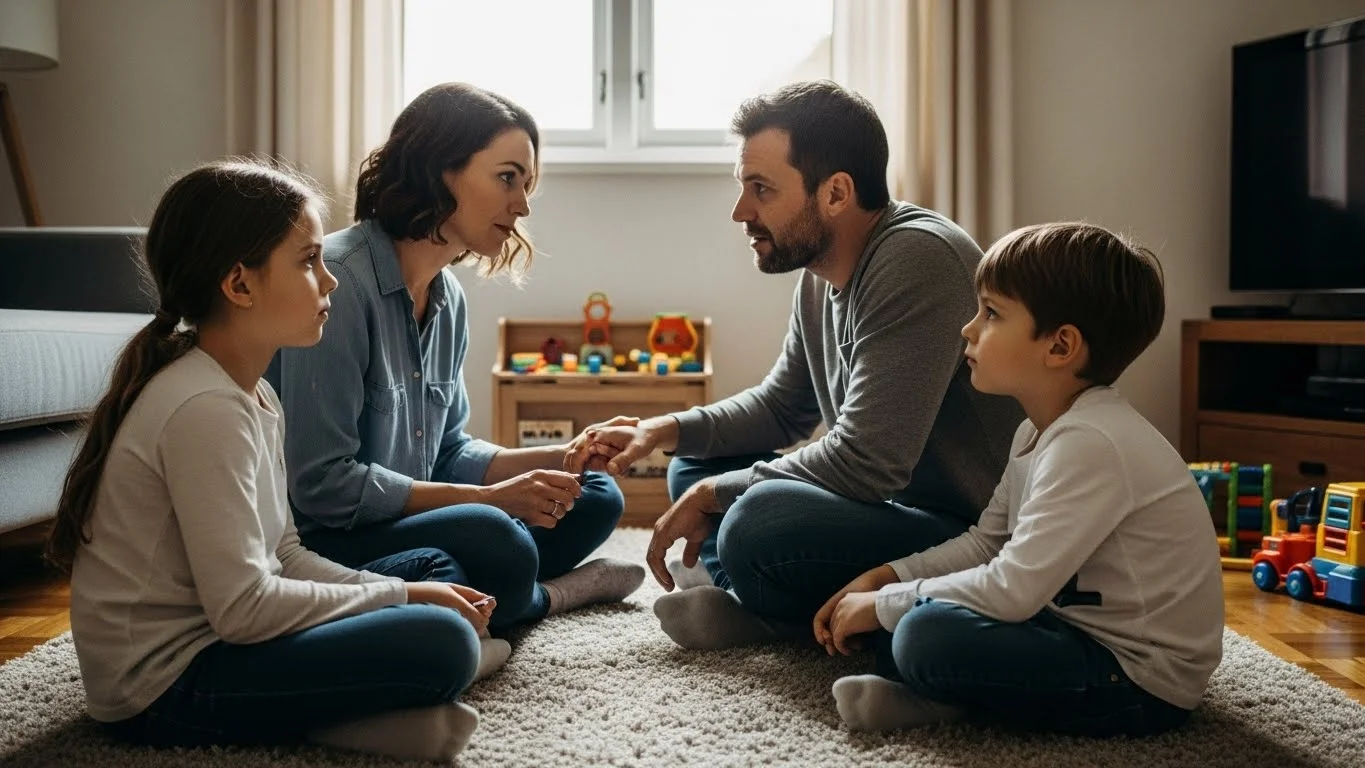
Understanding Effective Communication
What is Effective Communication?
Effective communication is more than just exchanging words; it’s about conveying our thoughts and feelings in a way that fosters understanding and connection. From my experience, it’s about being clear, respectful, and open to feedback. I’ve learned that when I communicate effectively, I’m not just talking at my kids; I’m inviting them into a two-way dialogue. This approach helps me understand their perspectives while also clearly articulating my own. It’s a dance of listening and speaking, where both partners contribute to the rhythm of conversation. Master Active Listening: Tips for Effective Communication can help enhance this dialogue.
Importance of Communication in Parenting
I believe that good communication is the bedrock of effective parenting. It sets the tone for our relationship with our children. When I started prioritizing open communication, I could see changes in my kids’ behavior and openness. They began to share their thoughts and feelings with me, which made it easier to navigate challenges together. Effective communication helps build trust and respect. This lays the groundwork for healthy boundaries, which we’ll explore further. Without this foundation, I often felt like I was talking to a wall, but now I feel like we’re a team working towards common goals.
Why Setting Boundaries is Essential
Benefits of Setting Boundaries with Children
Setting boundaries with kids isn’t just about rules; it’s about love and care. I remember when I first started establishing boundaries. At first, I felt guilty, thinking I was limiting my kids’ freedom. However, I quickly realized that boundaries provide security. They make kids feel safe because they know what to expect. When I set clear limits, my kids felt more confident and relaxed. They understood that boundaries are not meant to restrict them but to guide them. It’s like giving them a sturdy fence around a playground; they can explore safely within those limits.
Impact of Boundaries on Child Development
Research shows that boundaries play a crucial role in child development. Children who grow up with clear, consistent boundaries tend to develop better self-regulation and decision-making skills. I’ve seen this firsthand; my kids are more responsible because they know the boundaries I set. They learn to navigate their world, making choices that align with those limits. Additionally, boundaries teach respect for oneself and others. As they grow and test those limits, I’ve noticed my kids learning valuable lessons about consequences and accountability, which prepares them for adulthood. Setting Boundaries: Travel Smart with Effective Communication can provide further insights on this topic.
Types of Boundaries to Establish
Emotional Boundaries
Emotional boundaries are about recognizing and respecting feelings—both ours and our kids’. I’ve had to learn this the hard way. I used to dismiss my children’s emotions, thinking they were just being dramatic. However, when I started to acknowledge their feelings, I noticed a significant shift in our relationship. By teaching my kids to communicate their feelings and respecting them, I’ve created a safe space for them to express themselves without fear of judgment.
Physical Boundaries
Physical boundaries involve respecting personal space. I remember a time when I was busy working, and my youngest came over to interrupt me repeatedly. It dawned on me that I hadn’t established clear physical boundaries for when it was okay to approach me. Teaching my kids about personal space has helped them understand when to engage and when to give others time to focus. Together, we’ve learned to communicate our needs respectfully, which has led to smoother interactions.
Time Boundaries
Time boundaries are essential in our fast-paced lives. I’ve often found myself overwhelmed by my kids’ demands for my attention. Setting specific times for activities, chores, and relaxation has made a world of difference. It helps my kids understand that while I love spending time with them, I also need my own time to recharge. This mutual respect for time has improved our family dynamics significantly.
Behavioral Boundaries
Behavioral boundaries are about defining acceptable behaviors. We’ve had our fair share of challenges, but I’ve learned that consistency is key. When I set clear expectations for behavior, my kids understand what’s acceptable and what isn’t. We’ve even created family rules together, which empowers them to take ownership of their actions. This collaborative approach has led to fewer power struggles and more meaningful discussions about behavior.
Strategies for Effective Communication with Kids
Using Positive Language
One of the most impactful strategies I’ve adopted in my parenting journey is using positive language. Instead of focusing on what my kids shouldn’t do, I try to frame things in a way that highlights what they can do. For example, instead of saying, “Don’t run in the house,” I might say, “Let’s walk inside so we can be safe.” This subtle shift helps my kids feel empowered rather than restricted. It also encourages them to think about the positive actions they can take instead of dwelling on the negatives. I’ve found that when I use this approach, my kids respond better and are more willing to engage in conversations.
Active Listening Techniques
Active listening has transformed the way I connect with my children. I remember a time when my daughter was upset about something that happened at school. Initially, I wanted to jump in with solutions, but I took a step back. Instead, I focused on really hearing her out. I made eye contact, nodded, and repeated back what she said to show that I understood. It was amazing to see how much she appreciated that I was genuinely listening. I believe this practice not only helps my kids feel valued but also encourages them to express their thoughts and feelings more openly. Active listening fosters a sense of trust and strengthens our bond. For more tips on this topic, check out Effective Communication Tips for Tantrum Management.
Non-verbal Communication Cues
Have you ever noticed how much our body language communicates? I’ve learned that non-verbal cues can express just as much, if not more, than words. When I talk to my kids, I try to be mindful of my facial expressions and gestures. For instance, when I’m explaining something important, I lean in and maintain a relaxed posture. This signals to them that I’m engaged and invested in our conversation. I’ve also noticed that my kids often mirror my non-verbal cues, which creates a more open atmosphere. By being aware of both what I say and how I say it, I’ve discovered a deeper level of communication that resonates with my children.
How to Set Boundaries with Kids
Identifying Your Own Limits
Setting boundaries starts with understanding my own limits as a parent. I had to take a good look at what I needed to feel balanced and happy. For instance, I realized that I needed some quiet time after dinner to unwind. Once I identified this, I could communicate that need to my kids. I explained that after dinner, I would spend 30 minutes reading or relaxing, and they could use that time for their own activities. This clarity helped them understand my limits and gave them a sense of structure. It’s a journey of self-discovery that not only benefits me but also models healthy behavior for my kids.
Communicating Expectations Clearly
When it comes to setting boundaries, clarity is key. I’ve found that simply laying out my expectations can prevent misunderstandings. For example, during family meetings, we discuss our household rules together, like chores or screen time. I make sure to explain the ‘why’ behind each rule. When my kids understand the reasoning, they’re more likely to accept and follow the boundaries. I’ve noticed that this approach also encourages them to take part in the decision-making process, which gives them a sense of ownership over their actions.
Involving Children in the Process
Involving my kids in setting boundaries has been a game-changer. I remember one specific instance when we were discussing bedtime. Instead of imposing a strict time, I asked them what they thought was fair. We ended up agreeing on a time that worked for all of us, and I was amazed at how much they respected it. This inclusive approach fosters cooperation and respect. Kids are more likely to adhere to boundaries when they feel they had a hand in shaping them. It also opens the door for them to express their needs and negotiate limits, which helps them develop critical thinking skills.
Common Challenges in Setting Boundaries
Resistance from Children
Resistance is something I’ve faced more times than I can count. When I first started setting boundaries, my kids often pushed back. I remember when I limited screen time; there were protests, tears, and dramatic flare-ups. However, I learned that this resistance is often a natural part of the process. I found it helpful to stay calm and consistent. When I stuck to the boundaries while explaining the reasons behind them, my kids eventually came to accept them. I realized that patience is key, and over time, they learned to respect the limits I set.
Parental Guilt and Over-Accommodation
I’ve wrestled with parental guilt more than once. It’s easy to feel bad when I have to say no to my kids, especially when their faces fall in disappointment. I’ve learned that over-accommodating can blur boundaries and lead to confusion. When I give in too often, it undermines the limits I’ve set. I remind myself that boundaries are a form of love and protection. By holding firm, I’m teaching my kids valuable lessons about respect and responsibility. It’s a tough balance, but I’ve found that being consistent ultimately strengthens our relationship.
Consistency and Follow-Through Issues
Consistency is a challenge I continue to navigate. I’ve noticed that when I waver on my boundaries, it sends mixed messages to my kids. For example, if I allow extra screen time one night but not the next, it can lead to confusion and frustration. I’ve found that creating a family schedule or chart helps keep everyone on track. When my kids see the boundaries laid out clearly, they’re less likely to test them. Plus, it holds me accountable, ensuring I follow through on what we’ve agreed. We’re all in this together, and that shared responsibility makes it easier to maintain our boundaries.
Age-Appropriate Communication Techniques
Setting Boundaries with Toddlers
Communicating effectively with toddlers can feel like navigating a minefield. I remember when my youngest was just starting to understand language. At this age, toddlers are exploring their independence, which can lead to some challenging moments. I found that using simple, clear language was the key. Instead of saying, “Please don’t touch that,” I’d say, “Let’s keep our hands on the table.” This not only clearly communicated my expectations but also gave her a specific action to focus on. Toddlers benefit from repetition, so I would often reinforce these boundaries consistently. I noticed that when I remained calm and patient, they were more likely to respond positively.
Setting Boundaries with Preschoolers
As my kids transitioned into preschoolers, I discovered that they were starting to test their limits more actively. This age is marked by a growing sense of autonomy, and I realized that setting boundaries became increasingly important. When establishing rules, I often found it helpful to involve them in the discussion. For instance, during playtime, I’d ask, “What do you think our rules should be for sharing toys?” By involving them in the process, they felt a sense of ownership over the boundaries we set. I also learned that using visual aids, like charts or pictures, could help reinforce these limits and make them more tangible for preschoolers.
Setting Boundaries with School-Aged Children
Communicating with school-aged children presents an entirely different dynamic. At this stage, their ability to understand more complex concepts increases, and I’ve found that it’s essential to explain the reasoning behind boundaries. When I set limits on screen time or homework, I try to have open discussions about why these boundaries exist. My kids are more likely to comply when they understand that these limits are for their benefit. I’ve also discovered the effectiveness of using natural consequences. For instance, if they choose not to do their homework, they experience the natural consequence of not being prepared for school the next day. This teaches them responsibility and reinforces the boundaries we set together.
Setting Boundaries with Teenagers
Ah, teenagers—this is a whole new ball game! I’ve learned that effective communication with teens requires a shift in approach. At this age, they crave independence while still needing guidance. I’ve found that giving them the space to express their opinions is crucial. I remember having a conversation with my teenage son about curfews. Instead of imposing a strict time, I involved him in the discussion. We talked about his plans and how late he thought was reasonable. By allowing him to contribute, he felt respected, and I noticed he was more willing to adhere to the boundaries we negotiated together. It’s all about striking a balance between authority and collaboration.
Real-Life Scenarios and Solutions
Dealing with Tantrums and Defiance
One of the most challenging aspects of parenting is dealing with tantrums, especially when they arise from setting boundaries. I vividly recall a time when my daughter threw a fit because I wouldn’t let her have a cookie before dinner. In that moment, I focused on staying calm. I took a deep breath and gently reminded her of our mealtime rules. I found that acknowledging her feelings—“I understand you’re upset because you want a cookie”—helped diffuse the situation. Rather than engaging in a power struggle, I offered her a choice: “You can either wait until dinner, or we can find a healthy snack together.” This approach not only helped avoid further escalation but also empowered her to make a decision.
Handling Negotiations with Older Kids
As my kids grew older, I noticed that they became more adept at negotiating boundaries. One evening, my son wanted to stay up late to finish a video game. Instead of saying no outright, I listened to his reasoning and then shared my perspective about the importance of sleep. We ended up discussing a compromise where he could finish the game but would have to wake up early the next day. This negotiation taught him that boundaries can be flexible when approached with respect and understanding. By engaging in these discussions, I found that my kids felt more involved in the decision-making process, which paved the way for smoother interactions.
Examples of Effective Boundary Setting
Over the years, I’ve come across various effective ways to set boundaries that I think may resonate with other parents. For example, I’ve noticed that using family meetings can be an excellent tool. We gather as a family to discuss and establish our household rules together. This not only fosters a sense of teamwork but also allows everyone to voice their opinions. I also implemented a “no phones at the dinner table” rule, which we all agreed upon. I’ve seen significant improvements in our family conversations since we established this boundary. It’s these small, consistent practices that create a foundation for mutual respect and understanding in our home.
Frequently Asked Questions
What is effective communication in parenting?
Effective communication in parenting is about conveying thoughts and feelings in a way that fosters understanding and connection. It involves being clear, respectful, and open to feedback, creating a two-way dialogue with children to help understand their perspectives while articulating one’s own.
Why is communication important in parenting?
Good communication is the bedrock of effective parenting as it sets the tone for the parent-child relationship. When parents prioritize open communication, it leads to changes in children’s behavior and openness, helping to build trust and respect that are essential for establishing healthy boundaries.
What are the benefits of setting boundaries with children?
Setting boundaries provides security and helps children feel safe by knowing what to expect. It fosters confidence, as children learn that boundaries guide them rather than restrict them, allowing them to explore their environment safely.
How do boundaries impact child development?
Boundaries play a crucial role in child development by promoting better self-regulation and decision-making skills. Children who grow up with clear boundaries are often more responsible and learn valuable lessons about consequences and accountability.
What are emotional boundaries?
Emotional boundaries involve recognizing and respecting feelings—both of the parent and the child. Acknowledging children’s emotions creates a safe space for them to express themselves without fear of judgment, which strengthens the parent-child relationship.
What are some strategies for effective communication with kids?
Strategies for effective communication include using positive language, practicing active listening, and being mindful of non-verbal communication cues. These approaches help create an open atmosphere where children feel valued and are encouraged to express their thoughts and feelings.
How can parents set boundaries effectively?
Parents can set boundaries effectively by identifying their own limits, communicating expectations clearly, and involving children in the boundary-setting process. This clarity and collaboration foster a sense of ownership and respect for the established limits.
What challenges might parents face when setting boundaries?
Common challenges include resistance from children, parental guilt, and issues with consistency and follow-through. It’s important for parents to remain calm, patient, and consistent while explaining the reasons behind the boundaries to help children accept them.
How should boundaries be set with toddlers?
When setting boundaries with toddlers, using simple, clear language is essential. Parents should focus on specific actions and reinforce boundaries consistently while remaining calm and patient to encourage positive responses from toddlers.
How can parents communicate effectively with teenagers?
Effective communication with teenagers requires a shift in approach, allowing them to express their opinions while providing guidance. Involving them in discussions about boundaries, such as curfews, fosters respect and cooperation, making them more willing to adhere to the negotiated limits.
Setting boundaries with kids can feel overwhelming, but it’s an essential part of parenting. It helps create a safe and supportive environment where our children can thrive. Let’s dive into how to establish those important boundaries.
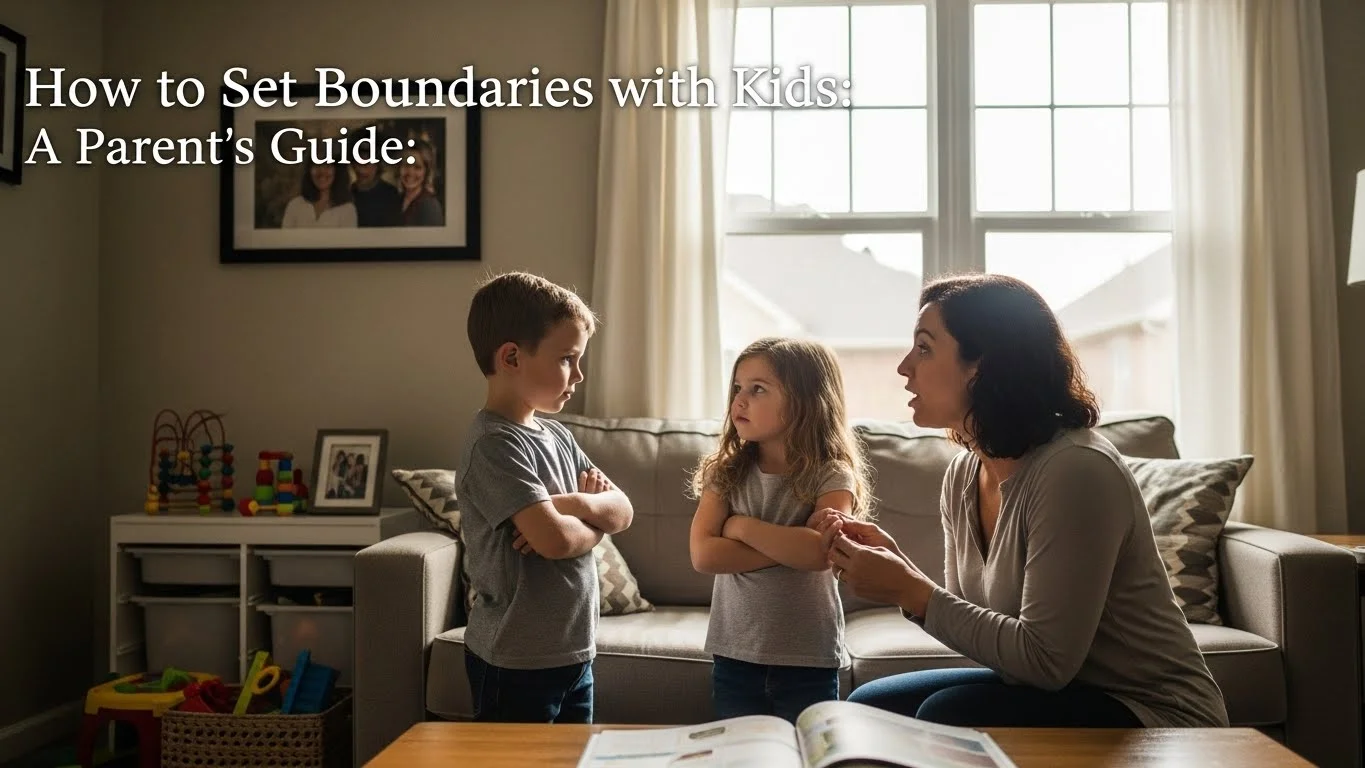
Understanding Boundaries in Parenting
What Are Boundaries?
Boundaries in parenting can be understood as guidelines that define what is acceptable behavior for both parents and children. They help to create a sense of safety and structure in a child’s life. I remember when my own kids were younger; I realized that boundaries weren’t just rules but rather essential tools for teaching them about respect, responsibility, and self-control. They help kids understand their limits and the expectations we have for them. For me, establishing boundaries meant setting clear lines about what behaviors would be tolerated and what would not. Read Interesting article: Mastering Effective Communication: Setting Boundaries with Kids
The Importance of Setting Boundaries with Kids
Setting boundaries is crucial for several reasons. First and foremost, they provide children with a sense of security. When kids know what to expect, they feel more comfortable exploring their environment. I’ve seen this firsthand with my children. When I laid down clear boundaries about screen time or bedtime, their overall behavior improved because they had a clear understanding of limits. Additionally, boundaries teach kids about accountability. They learn that their actions have consequences, which is a valuable lesson as they grow older. Read Interesting article: Essential Tips for Setting Healthy Boundaries with Children
Types of Boundaries: Emotional, Physical, and Behavioral
Boundaries can be categorized into three main types: emotional, physical, and behavioral. Understanding these categories has helped me navigate my parenting journey more effectively.
- Emotional Boundaries: These involve feelings and personal space. They teach children how to express their feelings and understand the feelings of others. For example, I encourage my kids to talk about their emotions and respect when someone needs space.
- Physical Boundaries: These are about personal space and physical touch. It’s important for kids to understand that they have control over their bodies. I often remind my children that it’s okay to say no to hugs or to ask for personal space when they need it.
- Behavioral Boundaries: These define acceptable behavior and expectations. I set clear rules about chores, homework, and how we treat each other in our home. For instance, we have a family rule that shouting is not tolerated, which helps maintain a peaceful environment.
When to Set Boundaries
Signs Your Child Needs Boundaries
Recognizing when our children need boundaries can be tricky. Some signs I’ve noticed in my own kids include increased clinginess, frequent tantrums, or challenges in following rules. If I feel overwhelmed by their behavior, it usually means it’s time to reassess our boundaries. I’ve learned that when kids start testing limits, it’s a clear indicator that they need more structure and guidance.
Age-Appropriate Boundary Setting
It’s essential to tailor boundaries to the age and developmental stage of your child. Younger children may need more straightforward, consistent boundaries, while older kids might require more flexibility. I remember when my kids were toddlers; I was firm about bedtime routines. As they grew into their pre-teen years, I found it helpful to involve them in discussions about rules, allowing them to have a say in their boundaries while still maintaining parental oversight.
Recognizing Situations That Require Boundaries
There are specific situations that often call for setting boundaries. For example, during playdates, I’ve noticed my kids sometimes struggle with sharing. In these instances, I step in to set clear expectations about sharing and taking turns. Similarly, in situations where my children are exposed to external influences, like media or peer pressure, I make it a point to discuss our family values and boundaries. This has helped my kids navigate tricky situations more confidently. Read Interesting article: Backpacking with Kids: Setting Boundaries with Love
By implementing these strategies, I’ve seen my children not only thrive but also grow into more responsible and respectful individuals. It’s not always easy, but the rewards of setting boundaries are truly priceless.How to Effectively Set Boundaries
Communicating Boundaries Clearly
One of the most important aspects of setting boundaries is how we communicate them. I’ve found that being clear and direct is essential. When I set a boundary, I try to explain the “why” behind it. For example, when I tell my kids that they need to turn off their screens an hour before bedtime, I explain how it helps them sleep better. This approach not only makes them more likely to respect the boundary, but it also fosters understanding and cooperation between us. I’ve learned that using simple language and being calm during these discussions goes a long way in helping them grasp what I’m trying to convey.
Using Positive Reinforcement
Positive reinforcement has been a game-changer in my parenting journey. Instead of only focusing on what my children shouldn’t do, I emphasize what they do well when they respect boundaries. I remember a time when my daughter kept her toys organized for an entire week. I praised her efforts and even rewarded her with a small treat. This not only encouraged her to maintain that behavior but also instilled a sense of accomplishment in her. Celebrating even small victories can motivate kids to adhere to the boundaries we’ve set, making the process more enjoyable for everyone.
Being Consistent with Boundaries
Consistency is key when it comes to boundaries. I’ve found that if I waver, my kids tend to push for more leniency. For instance, if I decide that homework needs to be done before screen time, but then occasionally allow them to play games first, it confuses them about what’s expected. I aim to be as consistent as possible, and when necessary, I adjust my expectations to fit our family dynamic while still maintaining the core rules. This way, my kids know they can count on me to uphold the boundaries we’ve set together.
Setting Consequences for Boundary Violations
Setting clear consequences is another crucial component of boundary-setting. I’ve come to realize that my children need to understand that actions have repercussions. When they cross a line, I ensure that the consequences are fair and related to their behavior. For example, if they ignore the rule about screen time, I might take away their device for a day. In these moments, I calmly explain why they’re facing a consequence, reinforcing the idea that boundaries exist for their benefit. I’ve noticed that when they experience the consequences of their actions, it helps them internalize the importance of respecting boundaries moving forward.
Common Challenges in Setting Boundaries
Resistance from Kids
Resistance can be one of the biggest challenges when setting boundaries. I’ve encountered it many times. My kids have tested their limits, pushing back against rules that I thought were straightforward. I’ve learned that this resistance often stems from a desire for independence or curiosity about where the boundaries lie. Instead of getting frustrated, I try to remain patient and recognize that this is part of their growth. When they resist, I find that engaging them in a discussion about the boundary can be helpful. Talking it through can often lead to a compromise that respects their feelings while still maintaining the boundary.
Managing Guilt as a Parent
As parents, it’s easy to feel guilty about the boundaries we set, especially when our kids express disappointment. I’ve been there, and it can be tough to balance being a loving parent and being a firm one. I remind myself that setting boundaries is an act of love. It might be hard for my kids in the moment, but I truly believe that they will benefit in the long run. I’ve found that talking to other parents and sharing our experiences helps me feel less isolated in this journey. Understanding that we’re all navigating similar challenges can make those moments of guilt a little easier to handle.
Dealing with External Influences (Peers, Media)
External influences can complicate boundary-setting. I’ve noticed that friends, media, and societal expectations can often conflict with the boundaries I try to establish at home. When my children come home with new ideas or behaviors from their friends that clash with our family values, it can feel overwhelming. In these situations, I find it important to have open conversations. I explain why our family has certain rules and values, and I encourage them to think critically about what they see in the media or hear from peers. This approach helps them make informed decisions rather than simply following the crowd, and I believe it strengthens their understanding of our family dynamics.
Tools and Techniques for Boundary Setting
Using Visual Aids (Charts, Schedules)
Visual aids have been incredibly beneficial in my home for establishing and maintaining boundaries. I found that creating charts and schedules helps my children see what’s expected of them in a way that feels engaging rather than restrictive. For example, I made a simple chore chart that outlines daily responsibilities for each child. This not only reminds them of their tasks but also encourages a sense of ownership. When they can check off a chore, it gives them a small sense of accomplishment. I also use a visual schedule for our daily routine, which includes everything from wake-up times to homework and family time. It helps eliminate the daily battles over what needs to be done and when because they can see it laid out clearly.
Role-Playing Scenarios with Kids
Role-playing has become a fun and effective way for us to practice boundary-setting scenarios. There have been times when my kids struggled with situations like sharing or expressing their feelings. To address this, I would set up role-playing games where they could practice these skills in a safe environment. For instance, we acted out a scenario where one child wanted a toy that the other was playing with. We discussed how to ask nicely, how to negotiate, and how to respect each other’s feelings. This not only helps them learn how to navigate real-life situations but also reinforces our boundaries in a playful way. I’ve noticed that after these activities, they seem more confident in handling similar situations on their own.
Setting Up Family Meetings
Family meetings have been a game-changer for our household. I believe having regular discussions about boundaries and expectations allows everyone to voice their feelings and concerns. During our family meetings, we sit down together and talk about what’s working and what isn’t. It’s a space where my children can share their thoughts about the boundaries we’ve set and suggest changes if needed. I remember one meeting where my kids expressed that they felt the homework rules were too strict. After discussing it, we made adjustments that still prioritized their responsibilities while giving them a bit more freedom. This collaborative approach not only helps in setting boundaries but also fosters a sense of teamwork and respect among us.
Examples of Effective Boundaries
Screen Time Limits
Screen time limits have been a hot topic in many households, including ours. I’ve learned that establishing clear rules around screen usage not only helps manage behavior but also encourages healthier habits. In our case, we decided on specific times when screens can be used, such as after homework is completed and only for a limited duration. I remember initially facing resistance from my kids, but I explained the benefits of moderation. We created a fun “screen time tracker” that allows them to earn extra time for good behavior or completing chores. This way, they feel involved in the process and understand the importance of balance.
Bedtime Routines
Bedtime routines have also been essential in setting boundaries that contribute to a peaceful household. I found that having a consistent wind-down routine helps my children transition from the day’s activities to a restful state. We established a ritual that includes quiet reading time, followed by a calming discussion about the day. I’ve noticed that when we stick to this routine, my kids are less resistant to going to bed. They know what to expect and feel more secure in their environment. Plus, it’s a lovely way to connect before they drift off to sleep.
Respecting Personal Space
Teaching my children about personal space has been a vital boundary in our family. I believe it’s important for them to understand that everyone deserves their own space, whether it’s physical or emotional. We have open conversations about what personal space means and how to ask for it. For instance, if one of my kids is playing and doesn’t want to be interrupted, they can express that by saying, “I need some time alone right now.” This practice not only respects their feelings but also helps them learn to communicate their needs effectively. It’s been rewarding to see them grow in this area and develop mutual respect for each other’s boundaries.
Adapting Boundaries as Kids Grow
Reassessing Boundaries at Different Developmental Stages
As my children grow, I’ve realized that it’s crucial to reassess and adapt boundaries to fit their changing needs. What worked when they were toddlers often doesn’t apply as they hit the pre-teen and teenage years. I remember a time when I had strict rules about curfews. As my kids matured, I started allowing them more flexibility, especially when they proved they could be responsible. We now have discussions about curfews based on their activities and trust. This approach has not only strengthened our relationship but has also equipped them with decision-making skills.
Encouraging Independence While Maintaining Boundaries
Encouraging independence is a delicate balance. I want my kids to feel confident in their choices while still understanding the importance of boundaries. For example, when they express interest in joining extracurricular activities, I support their independence by allowing them to choose which ones to pursue. However, I also set boundaries around time management and ensuring their responsibilities are met. I find that discussing these expectations with them helps reinforce the idea that independence comes with accountability.
Transitioning to Teenagers: A New Approach
As my children transition into their teenage years, I’ve noticed that the approach to boundary-setting has shifted. Teenagers often crave autonomy, and it’s essential to give them a sense of control while still providing guidance. I’ve learned to engage them in conversations about boundaries instead of imposing them. This has led to a more respectful dialogue where they feel heard. For instance, we discuss topics like social media usage, curfews, and academic expectations together, making it easier to navigate the challenges that come with their growing independence.
Resources for Parents
Books on Parenting and Boundaries
Websites and Online Communities
Professional Help: When to Consider Therapy or Counseling
Resources for Parents
Books on Parenting and Boundaries
There are several insightful books that have truly helped me navigate the complexities of setting boundaries with my kids. One of my favorites is “The Whole-Brain Child” by Daniel J. Siegel and Tina Payne Bryson. It offers practical strategies for understanding a child’s developing brain and how we can support their emotional growth. Another great read is “Boundaries with Kids” by Dr. Henry Cloud and Dr. John Townsend, which provides a solid framework for establishing limits that nurture responsibility. These books not only offer guidance but also reassure me that I’m not alone in facing these challenges.
Websites and Online Communities
In this digital age, I’ve found that online resources can be incredibly helpful. Websites like Aha! Parenting and Psychology Today offer articles and advice on various parenting topics, including boundary-setting. Additionally, I’ve joined several online parenting groups on platforms like Facebook. These communities are a great way to connect with other parents who share their experiences and offer support. I remember asking for advice on managing screen time, and I received a wealth of tips and encouragement from fellow parents who understood what I was going through.
Professional Help: When to Consider Therapy or Counseling
Sometimes, despite our best efforts, we might find ourselves struggling with boundary-setting with our children. In those moments, seeking professional help can be a valuable option. I learned this firsthand when a family member suggested family therapy after noticing the tension over boundaries in my home. A therapist provided us with tools to communicate better and understand each other’s perspectives. It’s essential to recognize that asking for help is a sign of strength, and it can lead to healthier family dynamics. If you feel overwhelmed, don’t hesitate to reach out to a professional for guidance. It could be the support you need to navigate your parenting journey more effectively.
Final Thoughts
Setting boundaries with our children is undeniably challenging, yet it’s one of the most rewarding aspects of parenting. From my experience, establishing clear boundaries helps create a nurturing environment where children can grow and learn. It’s about finding that balance between being a loving parent and maintaining the structure they need to thrive. I believe that the journey of setting boundaries is ongoing; as our kids grow and change, so must our approaches. Embracing this journey with patience and understanding can lead to stronger relationships and a healthy family dynamic. Each step we take in setting and adapting boundaries contributes to our children’s ability to navigate the world around them confidently and respectfully.
Frequently Asked Questions
What are boundaries in parenting?
Boundaries in parenting are guidelines that define acceptable behavior for both parents and children. They create a sense of safety and structure in a child’s life, teaching them about respect, responsibility, and self-control.
Why is setting boundaries with kids important?
Setting boundaries is crucial because they provide children with a sense of security, helping them understand limits and expectations. Additionally, boundaries teach accountability, showing kids that their actions have consequences.
What are the types of boundaries in parenting?
Boundaries can be categorized into three main types: emotional boundaries, physical boundaries, and behavioral boundaries. Emotional boundaries involve feelings and personal space; physical boundaries relate to control over one’s body; and behavioral boundaries define acceptable behavior and expectations.
How can I tell if my child needs boundaries?
Signs that a child may need boundaries include increased clinginess, frequent tantrums, or challenges in following rules. If a parent feels overwhelmed by their child’s behavior, it may indicate a need to reassess boundaries.
How should boundaries be adjusted as children grow?
As children grow, boundaries should be reassessed and adapted to fit their changing needs. What worked for toddlers may not apply to pre-teens and teenagers, requiring discussions and adjustments to allow for greater independence while maintaining accountability.
What role does communication play in setting boundaries?
Communicating boundaries clearly is essential. Parents should explain the reasons behind boundaries to foster understanding and cooperation. Using simple language and remaining calm during these discussions helps children grasp the intended message.
What is the significance of consistency in boundary-setting?
Consistency is key in boundary-setting. If parents waver on rules, it can confuse children about expectations, leading to them pushing for more leniency. Consistent enforcement helps children understand what is expected of them.
How can positive reinforcement help in setting boundaries?
Positive reinforcement encourages children to adhere to boundaries by emphasizing their good behavior when they respect limits. Celebrating small victories and providing rewards can motivate kids to maintain those behaviors.
What strategies can be used to set effective boundaries?
Effective strategies for setting boundaries include using visual aids like charts and schedules, role-playing scenarios to practice skills, and holding family meetings to discuss and reassess boundaries collaboratively.
When should parents consider seeking professional help for boundary issues?
Parents should consider seeking professional help, such as therapy or counseling, when they struggle with boundary-setting. A therapist can provide valuable tools for communication and understanding, leading to healthier family dynamics.
Have you ever felt the power of a simple compliment or a genuine smile? Positive reinforcement can transform our interactions, making communication more effective and enjoyable. It’s time to explore how to enhance our communication skills through this powerful strategy. Read Interesting article: Effective Communication: Harnessing Positive Reinforcement Strategies

Understanding Positive Reinforcement
Definition of Positive Reinforcement
Positive reinforcement is a concept that I’ve come to appreciate in my journey of personal and professional development. Essentially, it’s about encouraging desired behaviors by offering rewards or positive outcomes. Think of it as a way to say, “Great job!” or “I appreciate your effort!” when someone does something right. This approach can be applied in various areas of life, from parenting and teaching to workplace dynamics. By recognizing and rewarding positive actions, we not only boost morale but also encourage those behaviors to be repeated.
How Positive Reinforcement Works
When I first learned about positive reinforcement, I was fascinated by how it operates on a simple yet profound principle: people are more likely to repeat actions that lead to positive outcomes. In my experience, this doesn’t just apply to children or pets; it’s a fundamental aspect of human behavior. For instance, when a colleague receives praise for a project well done, they feel motivated to maintain that level of performance in future tasks. It’s like this invisible thread connecting our actions with the recognition we receive, creating a cycle of motivation and success.
One key to making positive reinforcement effective is to ensure that the reinforcement follows closely after the behavior we want to encourage. I noticed that when I give feedback promptly—whether it’s a quick “thank you” after someone helps with a task or a more formal recognition of their efforts during a meeting—it makes a huge difference in their response. This immediate acknowledgment not only makes the person feel valued but also reinforces the behavior I want to see again.
The Psychology Behind Positive Reinforcement
Diving deeper into the psychology, I found that positive reinforcement is grounded in the principles of behavioral psychology. The renowned psychologist B.F. Skinner emphasized that behavior is influenced by its consequences. When we provide a positive consequence following a behavior, we increase the likelihood of that behavior being repeated. I think this is especially relevant in communication, where the way we respond to others can shape future interactions significantly.
Moreover, I’ve observed that positive reinforcement enhances our emotional connections. When we acknowledge someone’s efforts, it not only boosts their confidence but also fosters a sense of belonging and appreciation. I remember a time when I received an unexpected compliment on my presentation skills. That small acknowledgment encouraged me to take on more speaking opportunities, and it reminded me of the importance of lifting others as we rise ourselves.
The Role of Positive Reinforcement in Communication
Building Trust and Rapport
One of the most significant benefits I’ve experienced with positive reinforcement is its ability to build trust and rapport. When we consistently recognize and appreciate others, it creates an environment where people feel safe to express themselves. I’ve seen in team settings that when leaders acknowledge individual contributions, it fosters a culture of openness. Team members are more willing to share their ideas and concerns, knowing that their input is valued.
Encouraging Open Dialogue
Positive reinforcement can also encourage open dialogue. I remember a time in a group project where one member was hesitant to voice her opinions. By actively acknowledging her contributions and encouraging her to share more, I saw her gradually open up. It was a beautiful transformation that highlighted how powerful our words can be. When we reinforce positive behaviors, we create an atmosphere that invites others to engage in meaningful conversations.
Enhancing Feedback Mechanisms
Feedback is a crucial aspect of communication, and positive reinforcement plays an essential role in enhancing these mechanisms. I’ve learned that when I provide constructive feedback alongside positive reinforcement, it creates a balanced approach. For instance, if a coworker makes a mistake but has shown significant improvement in another area, acknowledging that improvement can lead to a more productive discussion about the mistake. This method not only helps in delivering feedback but also maintains motivation and self-esteem.
I’ve found that incorporating positive reinforcement into feedback doesn’t just benefit the receiver. It enriches my own communication skills. When I focus on what others are doing well, I become more observant and appreciative of their strengths. This shift in perspective has helped me become a better communicator overall and has deepened my relationships in both personal and professional arenas.
As I continue to explore positive reinforcement, I realize its profound impact on communication. By understanding its principles and applying them in our interactions, we can enhance not only our skills but also the quality of our relationships. It’s a journey that I believe everyone can benefit from, leading to a more connected and supportive environment.
Key Positive Reinforcement Strategies
Verbal Praise and Acknowledgment
I can’t stress enough how impactful verbal praise can be. Just a simple “great job” or “I really appreciate your help” can work wonders in reinforcing positive behavior. In my own experience, I’ve noticed that when I make it a point to acknowledge the efforts of those around me, it not only lifts their spirits but also motivates them to keep striving for excellence. I remember during a particularly busy week at work, my team was feeling overwhelmed. I decided to take a moment each day to highlight what I appreciated about their work. The energy in the office shifted dramatically, and I could see a renewed enthusiasm among my colleagues.
Non-Verbal Cues: Smiles and Nods
Non-verbal communication is just as powerful as words, sometimes even more so. I’ve found that a genuine smile or a nod of encouragement can convey appreciation in a way that words might not capture. For instance, during team meetings, I make it a habit to smile and nod when someone shares a good idea. This small gesture tells them, “I’m listening, and what you say matters.” I’ve noticed that when I use these non-verbal cues, it encourages others to express their thoughts more freely, knowing they have my support.
Incentives and Rewards
Incentives can take the form of small rewards, and I’ve seen how they can effectively reinforce positive behavior. In my own life, I’ve implemented a system where I reward myself after completing a challenging task. This could be something as simple as treating myself to a favorite snack or taking a break to enjoy a show. I find that when I give myself that little push, it reinforces my desire to accomplish tasks in the future. Similarly, in a team setting, even small incentives—like recognition in a company newsletter or a gift card for a job well done—can inspire others to keep up the good work. Read Interesting article: Effective Positive Reinforcement Strategies for Kids’ Success
Active Listening as Reinforcement
Active listening is another powerful form of positive reinforcement that I’ve learned to embrace. When someone speaks, making a conscious effort to listen attentively shows that their input is valued. I recall a time when a coworker shared her ideas on a project, and instead of just nodding along, I asked follow-up questions and acknowledged her points. This not only showed her that I cared but also encouraged her to express more ideas in the future. By practicing active listening, we reinforce the behavior of sharing thoughts and opinions, creating a more collaborative environment.
Constructive Criticism with Positive Framing
Every now and then, we need to deliver constructive criticism, and I’ve learned that how we phrase it makes a huge difference. Instead of pointing out what went wrong, I focus on what went well and how things could improve. For example, instead of saying, “You missed the deadline,” I might say, “I really liked your approach to this project; let’s discuss how we can manage time better next time.” This way, I’m reinforcing the positive aspects while still addressing the areas for improvement. I find that this method not only maintains the individual’s motivation but also encourages a growth mindset.
Practical Applications in Different Settings
Positive Reinforcement in the Workplace
In the workplace, I’ve seen positive reinforcement work wonders for team morale and productivity. When leaders take the time to recognize employees for their hard work, it creates a sense of belonging. I remember when my manager started a “shout-out” section in our weekly meetings. This simple practice transformed our team dynamics. Everyone began looking forward to sharing their accomplishments, and it fostered a collaborative spirit. I think that in any workplace, implementing regular recognition can help employees feel appreciated and motivated, leading to a more harmonious work environment.
Applying Strategies in Educational Environments
In educational settings, positive reinforcement can be a game changer for students. I’ve seen teachers who regularly give verbal praise for good behavior or academic achievements create a more engaging classroom atmosphere. When students feel recognized, they’re more likely to participate and strive for excellence. I recall a teacher who would reward participation with small tokens or privileges; it made the classroom vibrant and motivated students to engage actively. These strategies can create a supportive learning environment where everyone feels encouraged to contribute.
Using Positive Reinforcement in Personal Relationships
In personal relationships, I’ve found that applying positive reinforcement strengthens connections. Whether it’s a friend or family member, acknowledging their efforts and expressing gratitude can deepen relationships. For example, when a friend goes out of their way to help me, I make sure to tell them how much I appreciate it. I’ve noticed that this practice not only makes them feel valued but also encourages them to continue being supportive. In my experience, fostering a culture of appreciation in our personal lives can lead to more meaningful and lasting connections.
Challenges and Misconceptions
Common Misunderstandings of Positive Reinforcement
As I’ve delved into the world of positive reinforcement, I’ve encountered several misconceptions that can cloud its effectiveness. One common misunderstanding is that positive reinforcement is just about giving praise. While verbal acknowledgment is crucial, it’s important to recognize that the reinforcement should be genuine and specific. I remember a time when I received vague compliments that felt insincere. Instead of motivating me, they left me questioning their authenticity. I believe that when we reinforce specific behaviors, it makes the acknowledgment more impactful and meaningful.
Another misconception is that positive reinforcement is only for children or pets. I’ve found that adults thrive on it just as much! In my workplace, I’ve seen how a simple “great job” can lift spirits and boost productivity among coworkers. It’s a reminder that we are all human, and we all appreciate recognition. I think it’s essential to challenge the idea that positive reinforcement is limited to certain age groups or situations.
When Positive Reinforcement Can Backfire
Despite its many benefits, I’ve learned that positive reinforcement can sometimes backfire if not applied thoughtfully. For instance, if reinforcement is given too frequently, it risks becoming expected rather than appreciated. I remember a colleague who was constantly praised for every small task. Over time, this led to a sense of entitlement rather than motivation. I realized that moderation is key; it’s about finding a balance between acknowledging contributions and ensuring that recognition feels special.
Additionally, using positive reinforcement inappropriately can also lead to confusion. For example, if someone is rewarded for mediocre performance, it can lower overall standards. I think it’s crucial to set benchmarks for what behaviors or achievements deserve recognition. This way, the reinforcement maintains its value and encourages everyone to strive for excellence.
Balancing Positive and Negative Feedback
One of the most challenging aspects of communication is balancing positive and negative feedback. I’ve often grappled with how to deliver constructive criticism without it overshadowing the positive aspects of a person’s performance. From my experience, it’s all about framing. I’ve learned that when I sandwich negative feedback between two positive comments, it softens the impact, making it easier for the recipient to digest the critique. This approach not only maintains motivation but also reinforces that I value their strengths.
For instance, if a team member is struggling with a project, I might start by acknowledging their efforts and creativity. Then I’ll address the areas that need improvement, followed by a positive note about how I believe they can overcome the challenges. This method has allowed me to deliver necessary feedback while preserving morale and fostering a growth mindset.
Measuring the Effectiveness of Positive Reinforcement
Setting Clear Communication Goals
To truly benefit from positive reinforcement, I’ve realized the importance of setting clear communication goals. Knowing what I want to achieve helps me tailor my approach. For example, if I aim to foster more teamwork in my workplace, I can focus on recognizing collaborative efforts. I remember when my team set a goal to improve our communication, and we decided to celebrate any successful collaboration during our meetings. This focus on a specific goal made it easier to identify and reinforce the right behaviors.
Monitoring Behavioral Changes
Another valuable strategy I’ve adopted is monitoring behavioral changes over time. I’ve found that keeping track of how people respond to positive reinforcement can provide insights into what works and what doesn’t. In my workplace, after implementing a recognition program, I noticed an increase in team cohesion and morale. I took the time to observe how often team members collaborated and shared ideas. This observation reinforced the notion that positive reinforcement was effective, encouraging me to continue and refine these practices.
Gathering Feedback to Adjust Strategies
Lastly, gathering feedback is crucial in measuring the effectiveness of positive reinforcement. I often ask for input from my colleagues about what forms of recognition resonate with them. By understanding their preferences, I can adjust my strategies accordingly. I remember a time when I thought a public acknowledgment would be appreciated, but it actually made some feel uncomfortable. Learning from that experience helped me realize the importance of tailoring my approach to individual preferences. This adaptability not only strengthens relationships but also ensures that the reinforcement is genuine and effective.
Resources for Further Learning
Books on Positive Reinforcement Techniques
As I’ve journeyed through the world of positive reinforcement, I’ve discovered a wealth of resources that can deepen our understanding of this powerful tool. One book that had a significant impact on me is “The Power of Positive Reinforcement” by Dr. Karen Pryor. It articulates the principles of positive reinforcement in a way that’s accessible for anyone. I found her insights on shaping behavior—whether in pets, children, or adults—very enlightening. Another gem is “Drive: The Surprising Truth About What Motivates Us” by Daniel H. Pink. It delves into what truly motivates us and intertwines the importance of recognition and positive reinforcement in fostering a productive environment.
Online Courses and Workshops
If you’re a hands-on learner like I am, online courses can be a fantastic way to dive deeper into positive reinforcement techniques. Websites like Coursera and Udemy offer courses on behavioral psychology and effective communication strategies. I took a workshop on “Positive Psychology in the Workplace” which provided practical tools for implementing these strategies in my professional life. Engaging with instructors and peers allowed me to share experiences and learn from others, enhancing my understanding significantly.
Articles and Research Studies on Communication Skills
Additionally, I’ve found that reading articles and research studies can provide valuable insights into the latest findings on communication and positive reinforcement. Websites like the American Psychological Association and Harvard Business Review frequently publish articles that discuss effective communication strategies in various contexts. I remember reading a study that highlighted the correlation between positive reinforcement and employee satisfaction, which motivated me to implement similar strategies in my team. Keeping up with current research helps me refine my approach and stay informed about best practices. Read Interesting article: Transform Behavior with Positive Reinforcement Communication Tips
Final Thoughts
Reflecting on my experiences with positive reinforcement, I truly believe it can transform our interactions for the better. Whether in the workplace, educational settings, or personal relationships, recognizing and appreciating the efforts of others fosters a supportive and collaborative environment. As we incorporate these strategies into our daily lives, we not only enhance our communication skills but also contribute to a culture of positivity and encouragement.
I’ve learned that the journey of mastering positive reinforcement is ongoing. Each interaction offers a new opportunity to practice and refine these skills. I encourage you to take small steps—whether it’s offering a compliment, actively listening, or providing constructive feedback wrapped in positivity. The ripple effects can be profound, creating stronger connections and a more uplifting atmosphere wherever we go.
Let’s commit to being the kind of communicators who lift others up, making the world a little brighter for ourselves and those around us. Together, we can harness the power of positive reinforcement and create an environment where everyone feels valued and motivated to thrive.
Frequently Asked Questions
What is positive reinforcement?
Positive reinforcement is the encouragement of desired behaviors by offering rewards or positive outcomes. It involves acknowledging and appreciating efforts, which can boost morale and encourage the repetition of those behaviors.
How does positive reinforcement work?
Positive reinforcement operates on the principle that people are more likely to repeat actions that lead to positive outcomes. It is effective when the reinforcement follows closely after the desired behavior, making the individual feel valued and motivated to continue that behavior.
What role does positive reinforcement play in communication?
Positive reinforcement enhances communication by building trust and rapport, encouraging open dialogue, and improving feedback mechanisms. It fosters an environment where individuals feel safe to express themselves and are more likely to engage in meaningful conversations.
What are some key strategies for implementing positive reinforcement?
Key strategies include verbal praise and acknowledgment, non-verbal cues like smiles and nods, providing incentives and rewards, practicing active listening, and framing constructive criticism positively.
How can positive reinforcement be applied in the workplace?
In the workplace, positive reinforcement can boost team morale and productivity. Regular recognition of employees’ hard work can create a sense of belonging and foster a collaborative spirit among team members.
Can positive reinforcement be used in educational settings?
Yes, in educational environments, positive reinforcement can significantly enhance student engagement. Teachers who praise good behavior or academic achievements create a vibrant classroom atmosphere that motivates students to participate actively.
What are common misconceptions about positive reinforcement?
A common misconception is that positive reinforcement is only about giving praise. While verbal acknowledgment is important, it should be specific and genuine. Another misunderstanding is that it is only effective for children or pets, but adults also thrive on recognition.
What challenges can arise with positive reinforcement?
Positive reinforcement can backfire if given too frequently, leading to entitlement rather than motivation. Additionally, inappropriate reinforcement can lower standards if individuals are rewarded for mediocre performance.
How can one measure the effectiveness of positive reinforcement?
Effectiveness can be measured by setting clear communication goals, monitoring behavioral changes over time, and gathering feedback to adjust strategies according to individual preferences and responses.
What resources are available for further learning about positive reinforcement?
Resources include books like “The Power of Positive Reinforcement” by Dr. Karen Pryor and “Drive” by Daniel H. Pink, online courses on platforms like Coursera and Udemy, and articles from reputable sources like the American Psychological Association and Harvard Business Review.
Setting boundaries can feel daunting, but it’s essential for our well-being. By combining boundary-setting with positive reinforcement techniques, we can create a healthier environment for ourselves and those around us. Read Interesting article: Backpacking with Kids: Using Positive Reinforcement Techniques
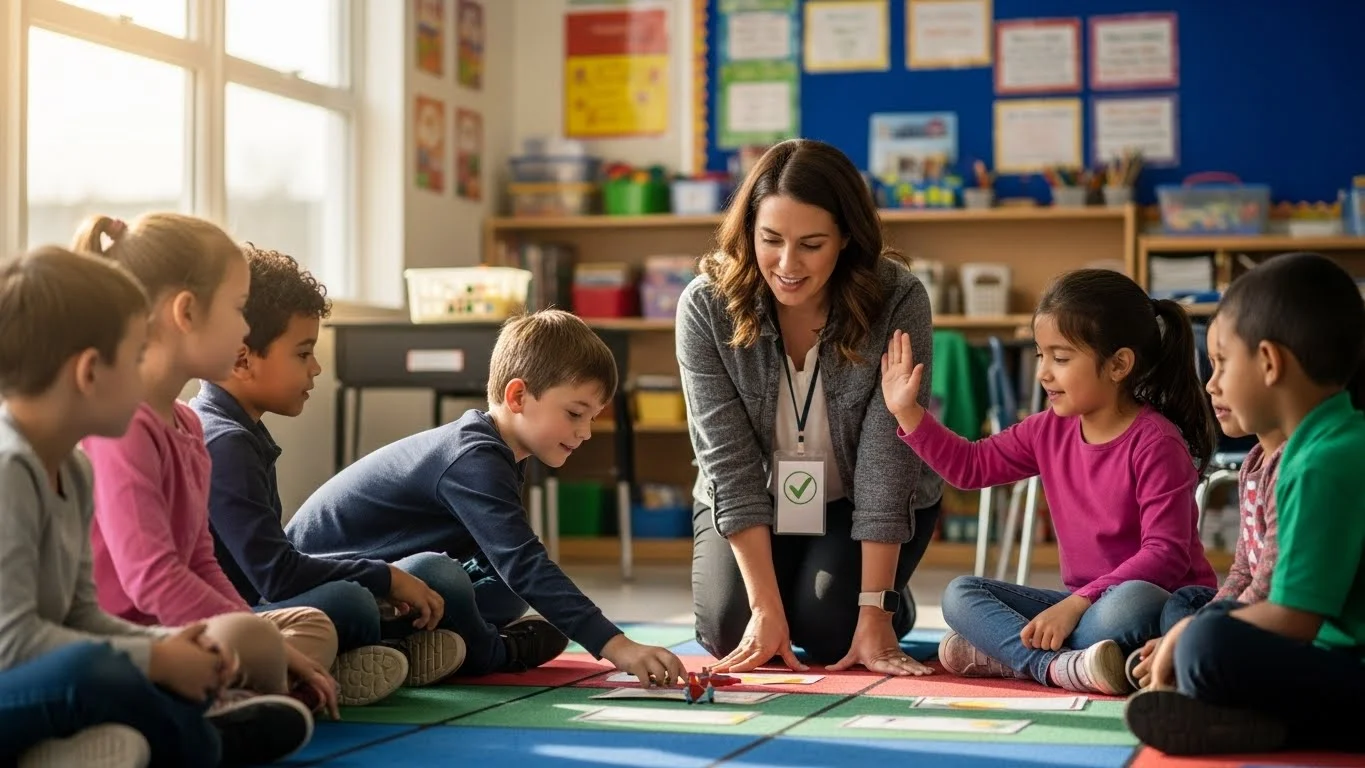
Understanding Boundaries
Definition of Boundaries
When I first began exploring the concept of boundaries, I realized how crucial they are in our lives. Boundaries are essentially guidelines we create to protect our physical, emotional, and mental space. They help define what we are comfortable with and what we are not. I’ve learned that having clear boundaries allows us to maintain our identity and protect our energy. Without them, I often felt overwhelmed and confused, unsure of where I ended and others began.
Types of Boundaries
Through my experiences, I discovered several types of boundaries that we can set. These include:
- Physical Boundaries: These relate to personal space and physical privacy. For example, I remember feeling uncomfortable when friends would invade my personal space while talking. It was a simple adjustment for me to step back and let them know I needed a little more room.
- Emotional Boundaries: These protect our feelings and emotional well-being. I’ve encountered situations where others would share their problems with me, expecting me to carry their emotional weight. I realized I needed to communicate that while I care, I also have my emotional limits.
- Time Boundaries: These involve how we allocate our time and prioritize our commitments. I’ve often overcommitted myself, leaving little time for self-care. By setting time boundaries, I’ve learned to say no when necessary, ensuring I dedicate time to my own needs.
- Material Boundaries: These refer to how we handle possessions and resources. I used to lend friends my belongings frequently, but I eventually realized that I needed to protect my things too. Establishing material boundaries meant I could feel comfortable saying no.
Importance of Setting Boundaries
Setting boundaries is not just about protecting ourselves; it’s also about fostering healthier relationships with others. I remember a time when I didn’t set boundaries, and I became resentful towards friends and family. By setting clear boundaries, I noticed a positive shift in my relationships. It’s like providing a roadmap for how I want to be treated. When I express my needs and limits, it encourages others to respect my space and feelings, leading to more fulfilling interactions. Read Interesting article: Discover How Parenting Styles Shape Kids’ Behavior Positively
The Role of Positive Reinforcement
Definition of Positive Reinforcement
Positive reinforcement is a technique that involves rewarding desired behaviors to encourage their repetition. I first encountered this concept in a psychology class, but it really hit home for me when I started applying it in my daily life. Instead of focusing solely on what I wanted to change in myself or others, I began paying attention to what was working well. For instance, when a friend respected my time boundaries, I made sure to acknowledge their effort. This not only reinforced their good behavior but also strengthened our friendship.
Benefits of Positive Reinforcement Techniques
In my experience, using positive reinforcement has multiple benefits. It creates a more encouraging environment, making it easier to set and maintain boundaries. When I positively reinforce behaviors I appreciate, it fosters a sense of collaboration and understanding. I’ve found that people are more likely to respond positively when they feel recognized and valued. Plus, it brings a sense of joy and motivation to both parties involved. I remember a time when I complimented my colleague for respecting my deadline, and this encouraged them to keep up that great behavior.
Psychological Principles Behind Positive Reinforcement
Understanding the psychological principles behind positive reinforcement has been eye-opening for me. It’s rooted in behavioral psychology, where the idea is that behaviors followed by positive outcomes are more likely to be repeated. I noticed this in my own life; when I reward myself for sticking to my boundaries—whether it’s treating myself to a favorite snack or taking a few moments of quiet time—I feel more motivated to maintain them. This principle also applies to others; when I acknowledge and celebrate positive behaviors, it encourages a cycle of respect and reinforcement.
Identifying Your Personal Boundaries
Self-Reflection Techniques
Identifying my personal boundaries was a journey that required a lot of self-reflection. I remember sitting down with a journal, asking myself deep questions about what I truly value and where I felt uncomfortable. I found that taking quiet moments to think about my experiences helped me clarify my needs. I would often ask myself, “What situations make me feel anxious or drained?” or “When do I feel overwhelmed?” These questions led me to understand my boundaries better. I recommend setting aside time each week to reflect on your feelings and experiences; it’s amazing what you uncover when you allow yourself to think deeply about your needs.
Recognizing Your Limits
Recognizing my limits took practice and patience. Initially, I struggled to pinpoint exactly what my limits were, especially when it came to social situations. I realized that I often pushed myself too far to please others. It wasn’t until I started paying attention to my physical and emotional responses that things started to change. For example, I would notice my heart racing or feeling drained after certain interactions. I learned to listen to these signals. If I felt tense or uncomfortable, it was a clear indicator that my boundary was being tested. I encourage you to pay close attention to how you feel in different situations, as these feelings can guide you toward understanding your limits.
Common Areas for Setting Boundaries
From my experiences, there are several common areas where we often need to set boundaries. These include:
- Social Boundaries: This includes how and when we engage with friends and family. I’ve had to learn to say no to social gatherings when I needed time alone to recharge. It helped me maintain healthier relationships.
- Emotional Boundaries: As I previously mentioned, these are vital for protecting our emotional space. I’ve seen how much healthier my relationships became when I communicated my emotional limits.
- Digital Boundaries: With technology being such a huge part of our lives, setting limits on screen time and social media interactions has become increasingly important. I found it necessary to turn off notifications and set specific times to check my messages, which helped reduce my stress.
- Work Boundaries: I’ve learned the importance of knowing when to disconnect from work. Setting boundaries around work hours has been crucial in preventing burnout and ensuring I have time for personal interests.
Implementing Positive Reinforcement Techniques
Effective Communication Strategies
When it comes to implementing positive reinforcement techniques, I found that effective communication is key. I realized that clear, honest conversations can make a world of difference. For instance, when I express my boundaries, I do my best to be direct but kind. Instead of saying, “I can’t do that,” I try to say, “I need to focus on my own well-being right now.” This approach not only communicates my needs but also encourages others to be more understanding. I believe that framing our needs positively allows us to maintain respect while being firm in our boundaries.
Using Praise and Rewards
In my experience, using praise and rewards has been an essential part of reinforcing positive behaviors. For example, when a colleague respects my time boundaries during a meeting, I often express my appreciation by saying, “Thank you for sticking to the agenda; it really helped me stay focused.” Recognizing these moments encourages them to continue respecting boundaries. I’ve also learned the power of small rewards for myself. If I successfully maintain a boundary, I might treat myself to a nice cup of coffee or a small treat. This reinforces my commitment and makes the process feel rewarding.
Consistency in Reinforcement
Consistency has been a game-changer for me when it comes to boundary-setting. I’ve found that the more consistently I reinforce positive behaviors, the more likely they are to stick. If I praise my friend for keeping our plans and showing up on time, I notice they’re more likely to do it again in the future. Likewise, I’ve learned that being consistent in maintaining my own boundaries is crucial. If I waver and allow someone to cross a boundary once, it becomes easier for them to do it again. I make it a point to be firm yet fair in my approach, ensuring that my boundaries remain clear and respected.
Setting Boundaries in Different Contexts
Personal Relationships
When I think about boundaries in personal relationships, I realize how vital they are for maintaining healthy connections. I remember a specific friendship that became strained because I didn’t set clear boundaries. I often felt overwhelmed by my friend’s emotional needs, which started to affect my well-being. It was a wake-up call for me. I began to communicate my limits openly, expressing that I cared but needed space to recharge. This honest conversation transformed our relationship. I noticed that when I set boundaries, it not only helped me but also allowed my friend to understand my perspective better. Our friendship became stronger as we learned to respect each other’s needs.
Workplace Boundaries
Workplace boundaries are another area where I’ve learned the importance of setting limits. I used to think that saying yes to every request would make me a team player, but it often led to burnout. I recall a time when I was overwhelmed with projects, and instead of voicing my concerns, I kept pushing myself. Eventually, I recognized that communicating my workload and setting boundaries around my availability was essential. I started to share with my manager when I had too much on my plate, which led to more realistic expectations. This shift not only improved my productivity but also helped foster a healthier work environment. I found that when I set clear boundaries at work, my colleagues began to respect them, leading to more efficient collaboration.
Parenting and Family Dynamics
Setting boundaries within the family can be especially challenging, yet it’s crucial for both parents and children. I remember when I became a parent, I felt the need to be available for my child at all times. However, I soon realized that I also needed time for myself to recharge. I began to set boundaries around my personal time while ensuring my child understood these limits. For instance, I would dedicate certain hours for my work or self-care, explaining that it was important for me to take care of myself to be a better parent. This approach not only helped me maintain my well-being but also taught my child the value of respecting personal space and time. It became a healthy practice that I believe benefits our family dynamic. Read Interesting article: Unlocking Positive Discipline: Effective Parenting Styles Explained
Overcoming Challenges in Boundary Setting
Dealing with Resistance from Others
One challenge I often faced when setting boundaries was dealing with resistance from others. It can be tough when people don’t respond positively to the limits we set. I remember a time when I told a friend I needed some quiet time to recharge. Instead of understanding, they insisted I join an outing. It was disheartening. In those moments, I learned that standing firm in my boundaries is crucial. I had to remind myself that I am entitled to my needs, even if others don’t agree. I found that calmly reaffirming my position and explaining my reasons helped. It’s a process that requires patience and self-confidence. Over time, I noticed that those who genuinely care respected my boundaries more as they understood my needs better.
Maintaining Boundaries Over Time
Another challenge I encountered was maintaining boundaries over time. It’s easy to slip back into old patterns, especially if others aren’t used to the new limits we’ve set. I experienced this first-hand when I allowed a few exceptions to my boundaries, which led to confusion. To combat this, I found it helpful to regularly check in with myself about my boundaries and their importance. I also remind myself that it’s perfectly okay to reinforce boundaries as needed. I’ve started to keep a journal where I jot down moments when I felt my boundaries were respected or disrespected. This reflection helps me stay committed to my limits and adjust where necessary.
Adjusting Boundaries as Needed
Boundary setting is not a one-size-fits-all approach. I learned that it’s essential to adjust our boundaries as circumstances change. For example, during a particularly busy work season, I needed to tighten my boundaries regarding social outings. I communicated this to my friends, explaining that I needed to focus on work. They understood and supported my decision. Flexibility in boundary setting has been key for me; I’ve learned that it’s okay to revisit and modify boundaries to suit different phases of life. Being open to adjustments not only helps me maintain balance but also encourages others to do the same. I believe that healthy relationships thrive on this understanding.
Measuring Success of Boundary Setting
Indicators of Healthy Boundaries
Measuring the success of boundary setting can be a bit tricky, but I’ve found that certain indicators can show me whether my boundaries are working. One major sign is how I feel in my relationships. I’ve noticed that when my boundaries are respected, I feel a sense of peace and a greater connection with others. There’s less resentment and more understanding. Additionally, I pay attention to my emotional responses. If I feel comfortable expressing my needs without fear of backlash, it’s a great indicator that my boundaries are healthy. I also look for changes in the behavior of others; when they respect my limits consistently, it shows that we’ve established a healthy dynamic.
Feedback and Adjustment Techniques
Feedback plays a crucial role in assessing the effectiveness of the boundaries I set. I’ve learned to have open conversations with those around me about how they feel regarding our interactions. For example, I once asked a close friend if they felt comfortable with the boundaries I had established in our friendship. Their positive response gave me the confidence that I was on the right track. I also take note of any discomfort or tension that arises during interactions, as this can signal that adjustments are needed. It’s important for me to be flexible and willing to adapt my boundaries based on feedback and experiences. I often remind myself that boundaries should serve both my needs and those of others.
Celebrating Small Wins
Celebrating small wins has been a game-changer in my boundary-setting journey. I used to overlook minor successes, but I’ve learned that acknowledging these moments is essential. For instance, when I successfully communicated my need for alone time without guilt, I made sure to reward myself afterward, maybe with a favorite snack or a relaxing activity. These little celebrations reinforce my commitment to maintaining boundaries and remind me of the progress I’ve made. I believe it’s important to recognize that every step forward, no matter how small, contributes to a healthier and more balanced life.
Final Thoughts
Setting boundaries can be daunting, but I’ve learned that it is a vital part of living a fulfilling life. By understanding, implementing, and measuring our boundaries, we pave the way for healthier relationships and a more authentic self. I think the journey of boundary setting is ongoing; it evolves as we grow and change. Embracing this process has not only nurtured my well-being but also enriched my connections with others. I encourage you to take this journey yourself—reflect on your needs, celebrate your progress, and remember that it’s okay to adjust as life unfolds. We all deserve to create spaces where we feel safe, respected, and empowered to be ourselves.
Frequently Asked Questions
What are boundaries?
Boundaries are guidelines we create to protect our physical, emotional, and mental space. They help define what we are comfortable with and what we are not, allowing us to maintain our identity and protect our energy.
What are the different types of boundaries?
The different types of boundaries include physical boundaries (personal space), emotional boundaries (protecting feelings), time boundaries (prioritizing commitments), and material boundaries (handling possessions).
Why is setting boundaries important?
Setting boundaries is essential for protecting ourselves and fostering healthier relationships. It allows individuals to express their needs and limits, encourages respect from others, and leads to more fulfilling interactions.
What is positive reinforcement?
Positive reinforcement is a technique that involves rewarding desired behaviors to encourage their repetition. It focuses on acknowledging what works well rather than solely on what needs to change.
How can positive reinforcement help in boundary-setting?
Using positive reinforcement creates a more encouraging environment, making it easier to set and maintain boundaries. It fosters collaboration and understanding, leading to more positive responses from others.
What are some self-reflection techniques for identifying personal boundaries?
Self-reflection techniques include journaling and asking oneself deep questions about values and uncomfortable situations. Setting aside time each week for reflection can help clarify individual needs.
What challenges might one face when setting boundaries?
Challenges may include dealing with resistance from others, maintaining boundaries over time, and knowing when to adjust boundaries according to changing circumstances.
How can someone measure the success of their boundary-setting?
Success can be measured by feelings of peace in relationships, comfort in expressing needs, and observing changes in the behavior of others. Feedback from those around you also plays a crucial role.
What strategies can be used for effective communication when setting boundaries?
Effective communication strategies include being direct yet kind when expressing boundaries and framing needs positively to encourage understanding from others.
How can celebrating small wins benefit boundary-setting?
Celebrating small wins reinforces commitment to maintaining boundaries and acknowledges progress. Recognizing these moments contributes to a healthier and more balanced life.
Active listening is a game-changer in communication. It’s not just about hearing words; it’s about truly understanding and connecting with others. Let’s explore how enhancing this skill can transform our interactions. Read Interesting article: Unlock Better Conversations with Active Listening Techniques

Understanding Active Listening
Definition of Active Listening
Active listening goes beyond simply hearing what someone says. It’s a conscious effort to really comprehend the message being communicated. When I first learned about active listening, I realized it involves focusing not just on words but also on the emotions and intentions behind them. This means being fully present in conversations, showing interest, and making an effort to understand the speaker’s point of view. It’s like tuning into a radio station with perfect clarity, where every word resonates. I think that’s what makes active listening so powerful—it creates a deeper connection.
Importance of Active Listening in Communication
Active listening is crucial in our daily interactions. I often find that when I practice it, conversations become more meaningful. It fosters respect and trust between people. In my experience, when I genuinely listen to others, they feel valued and understood. This not only strengthens personal relationships but also enhances professional ones. Leaders who practice active listening can build stronger teams, as employees feel heard and appreciated. I’ve seen how this can lead to open discussions, innovation, and a sense of belonging within a group. Read Interesting article: Master Active Listening: Tips for Effective Communication
Differences Between Active Listening and Passive Listening
It’s essential to distinguish active listening from passive listening. When I think of passive listening, I imagine those moments when I’m physically present but my mind is elsewhere—maybe distracted by my phone or a to-do list. In contrast, active listening demands my full attention. I learned that in passive listening, we might nod our heads and make brief acknowledgments, but we aren’t truly engaging with the speaker. This can lead to misunderstandings and frustration. For me, recognizing this difference was a turning point in how I approached conversations.
Core Components of Active Listening
Paying Attention
The first step in active listening is paying attention. I realized that this means more than just looking at the person speaking; it involves eliminating distractions and being mentally present. I often make a conscious effort to put my phone away and focus entirely on the speaker. This signals to them that they have my undivided attention, which I believe is crucial for effective communication. When I do this, I can pick up on nonverbal cues like body language and tone of voice, which enrich the conversation.
Providing Feedback
Feedback is another vital component of active listening. I’ve learned that reflecting on what the speaker says—whether through nodding, summarizing, or asking clarifying questions—shows engagement. For instance, when someone shares a concern with me, I often paraphrase what they’ve said to ensure I understand correctly. This not only helps clarify any misunderstandings but also demonstrates that I value their input. It’s amazing how a simple “So what you’re saying is…” can deepen the conversation and foster trust.
Deferring Judgment
Deferring judgment is perhaps one of the most challenging aspects of active listening. I used to find myself jumping to conclusions or formulating a response before the other person finished speaking. I realized that doing so not only undermined my listening skills but also hindered the quality of the conversation. Now, I make a conscious effort to set aside my biases and judgments while someone is talking. This allows me to fully immerse myself in their perspective and respond more thoughtfully.
Responding Appropriately
How we respond after listening is crucial. I’ve learned that a thoughtful response can validate the speaker’s feelings and encourage further conversation. I try to avoid one-word answers or dismissive phrases. Instead, I aim for responses that show empathy and understanding. For example, when a friend shares a difficult experience, I might say, “That sounds really tough. I can see why you’d feel that way.” This not only acknowledges their feelings but also opens the door for deeper discussion.
Benefits of Active Listening
Improved Relationships
One of the most significant benefits of active listening is the improvement in relationships. I’ve noticed that when I actively listen, my connections with friends, family, and colleagues become stronger. They feel understood, appreciated, and valued, which deepens our bond. I remember a time when a friend was going through a rough patch, and by simply being there to listen, I helped strengthen our friendship. It was a reminder that sometimes, all someone needs is to be heard.
Enhanced Understanding
Active listening enhances understanding, too. I’ve found that when I truly listen, I gain insights that I might have missed otherwise. This has been especially important in professional settings, where nuances can make a big difference in projects. I recall a team meeting where an idea was presented, and by actively listening and asking questions, I was able to clarify points that led to a more successful outcome. It’s amazing how much we can learn from others when we take the time to truly listen.
Conflict Resolution
Conflict resolution is another area where active listening shines. I’ve seen how effective listening can diffuse tense situations. When disagreements arise, being willing to listen to the other person’s point of view can lead to solutions that satisfy everyone involved. In my experience, approaching conflicts with an open mind and an active listening attitude often results in better understanding and collaboration.
Boosted Empathy
Lastly, active listening boosts empathy. The more we listen, the more we can relate to others’ feelings and experiences. I remember a time when a colleague shared their personal struggles with work-life balance. By actively listening, I could empathize with their situation and offer support. This not only strengthened our relationship but also helped me grow as an individual. Active listening fosters a culture of empathy, allowing us to connect on a deeper level.
Techniques to Improve Active Listening Skills
Practicing Mindfulness
I’ve always found that practicing mindfulness is a powerful way to enhance my active listening skills. When I consciously focus on being present in the moment, it transforms how I engage with others. This means putting aside my thoughts about the past or future and zeroing in on the conversation at hand. I remember attending a workshop where we practiced mindfulness exercises, and I was surprised by how much more engaged I felt afterward. I tried deep breathing techniques before conversations to calm my mind, which helped me listen better. I feel that being mindful not only helps me absorb what others are saying but also makes them feel respected and valued.
Using Open-Ended Questions
One technique I’ve adopted is using open-ended questions during conversations. Instead of asking questions that can be answered with a simple “yes” or “no,” I try to encourage elaboration. For instance, instead of saying, “Did you like the movie?” I might ask, “What did you think about the movie?” This invites the speaker to share their thoughts more fully. I’ve found that by asking open-ended questions, I not only gain deeper insights but also show that I’m genuinely interested in their perspective. It’s amazing how these small changes in questioning can lead to richer discussions.
Paraphrasing and Summarizing
Paraphrasing and summarizing are two skills I practice regularly. When someone shares their thoughts, I often repeat back what I’ve heard in my own words. This not only confirms my understanding but also shows the speaker that I’m paying attention. For example, if a colleague explains a project detail, I might say, “So, you’re saying that we need to focus on the timeline for the next phase, right?” This gives them a chance to clarify if I misunderstood something. I think this technique really fosters trust and makes people feel valued, which enhances overall communication.
Nonverbal Communication Cues
Nonverbal communication has always fascinated me, and I’ve learned that it plays a crucial role in active listening. Body language, eye contact, and facial expressions can speak volumes about our engagement in a conversation. I consciously try to maintain eye contact and nod at appropriate times to show I’m engaged. I’ve noticed that when I do this, the speaker feels more encouraged to share. Similarly, being aware of the other person’s nonverbal cues helps me understand their feelings and reactions better. For instance, if I notice someone crossing their arms, I might adjust my approach to make them feel more comfortable. This attention to nonverbal signals has deepened my connections with others.
Active Listening in Different Contexts
Active Listening in Personal Relationships
In my personal relationships, I’ve realized that active listening can significantly enhance the quality of my interactions. With family and friends, making an effort to listen attentively has led to more meaningful conversations. I remember a time when I was having a heart-to-heart talk with my sibling. By practicing active listening, I could sense their emotions and respond with empathy, which strengthened our bond. It made me realize that being a good listener is just as important as being a good talker. I think active listening fosters a safe space where loved ones feel comfortable sharing their thoughts and feelings.
Active Listening in Professional Settings
Active listening in the workplace has been a game-changer for me. I’ve noticed it can lead to improved collaboration and innovation. In meetings, I try to listen carefully to my colleagues’ ideas and give them the space to express themselves fully. I recall a brainstorming session where one team member felt hesitant to share their thoughts, but by actively encouraging them to speak up, we unearthed a fantastic idea that benefited the entire project. This experience taught me that when we listen actively, we not only empower others but also create a more inclusive environment for everyone. Read Interesting article: Essential Social Skills for Young Travelers: A Guide
Active Listening in Educational Environments
In educational settings, active listening becomes even more important. I’ve found that being an active listener in classrooms or workshops allows me to absorb new information more effectively. When I engage with teachers or fellow students, I notice that it leads to richer discussions and a better learning atmosphere. I remember a group project where we had to collaborate closely. By actively listening to each other’s input, we were able to combine our ideas and produce a cohesive presentation. It reminded me that active listening isn’t just about hearing; it’s about creating an environment that encourages everyone to contribute.
Common Barriers to Active Listening
Distractions and Multitasking
One of the biggest barriers to active listening that I’ve encountered is distractions. In our fast-paced world, it’s easy to get sidetracked by notifications on our phones or even our own thoughts. I’ve experienced moments where I tried to listen to someone while simultaneously checking my emails, and it only resulted in misunderstandings. To combat this, I’ve made it a habit to put my phone away and minimize distractions when I’m having important conversations. This simple change has made a world of difference in how I listen and engage with others.
Preconceived Notions and Bias
Preconceived notions can really hinder active listening. I’ve caught myself jumping to conclusions based on my assumptions about what someone will say. This not only limits my understanding but can also lead to frustrating interactions. I’ve learned to remind myself to approach conversations with an open mind. When I consciously set aside my biases, I find that I’m more receptive to new ideas and perspectives, which enriches my conversations.
Emotional Reactions
Emotional reactions can also be a significant barrier. I’ve noticed that when someone says something that triggers a strong emotion in me, it can be difficult to focus on what they’re saying. I’ve had to train myself to recognize my feelings and take a moment to breathe before responding. By doing this, I allow myself to listen more objectively and engage in a more constructive conversation. It’s a valuable skill that has improved my interactions, especially during sensitive discussions.
Language and Cultural Differences
Language and cultural differences can present challenges in active listening too. I’ve encountered situations where idioms or cultural references led to misunderstandings. In instances like these, I remind myself to be patient and ask for clarification. I’ve found that showing a willingness to understand different perspectives enriches my conversations and broadens my horizons. It’s a beautiful reminder that active listening can bridge gaps, fostering understanding among diverse groups.
Measuring Your Active Listening Skills
Self-Assessment Techniques
Measuring my active listening skills has been enlightening. I often engage in self-assessment techniques after conversations. Reflecting on how well I listened, what I could improve, and whether I responded appropriately has helped me identify areas for growth. Sometimes, I jot down notes about specific interactions to see patterns in my listening habits. This practice has made me more aware of my strengths and weaknesses in communication.
Soliciting Feedback from Others
Soliciting feedback from others has also been incredibly valuable. I’ve started asking friends and colleagues for their honest opinions about my listening skills. Their insights have opened my eyes to aspects I might not have recognized. I remember a colleague once told me that while I was good at summarizing, I could work on asking more questions. This feedback motivated me to enhance my active listening techniques further.
Tracking Progress Over Time
Lastly, tracking my progress has been a rewarding experience. I’ve kept a journal to document my listening experiences and the improvements I’ve noticed. It’s satisfying to look back and see how far I’ve come. I’ve noticed that with practice, I’m not only more effective in conversations but also more confident in my abilities. This ongoing journey of self-improvement is one I cherish.
Resources for Enhancing Active Listening
Books on Communication Skills
There are some fantastic books on communication skills that have helped me enhance my active listening abilities. I remember picking up “The Lost Art of Listening” by Michael P. Nichols, which opened my eyes to the importance of truly hearing others. Each chapter offered practical tips and insights that I could immediately apply to my daily interactions. I also enjoyed “Nonviolent Communication” by Marshall Rosenberg, which emphasizes empathy in conversations. I believe these resources can be invaluable for anyone looking to improve their listening skills.
Online Courses and Workshops
Online courses and workshops have been another great way for me to develop my active listening skills. I’ve participated in several webinars that focused on communication strategies, and they provided me with useful techniques and real-world examples. Platforms like Coursera and Udemy offer courses that are often tailored to specific contexts, whether personal or professional. I found that engaging with a community of learners also motivated me to practice what I was learning.
Practice Exercises and Activities
Lastly, I recommend incorporating practice exercises into your routine. Simple activities like role-playing with friends or colleagues can be fun and educational. We’ve set aside time to simulate conversations where one person speaks while the others practice active listening techniques. These sessions have been eye-opening and have allowed us to learn from each other’s experiences. I’ve found that the more I practice, the more natural active listening becomes.
Frequently Asked Questions
What is active listening?
Active listening is a conscious effort to truly comprehend the message being communicated, focusing on both the words and the emotions and intentions behind them. It involves being fully present in conversations and making an effort to understand the speaker’s point of view.
Why is active listening important in communication?
Active listening is crucial as it fosters respect and trust between people, making conversations more meaningful. It strengthens personal and professional relationships, allowing individuals to feel valued and understood, which can lead to open discussions and innovation.
What are the differences between active listening and passive listening?
Active listening involves full attention and engagement with the speaker, while passive listening may include physical presence without mental engagement, often leading to misunderstandings. Active listening is characterized by a conscious effort to understand, whereas passive listening can be distracted and less effective.
What are the core components of active listening?
The core components of active listening include paying attention, providing feedback, deferring judgment, and responding appropriately. These components help ensure that the listener is engaged and that the speaker feels heard and valued.
How can active listening improve relationships?
Active listening improves relationships by making individuals feel understood, appreciated, and valued. This deepens connections with friends, family, and colleagues, leading to stronger bonds and enhanced communication.
What techniques can enhance active listening skills?
Techniques to improve active listening skills include practicing mindfulness, using open-ended questions, paraphrasing and summarizing, and being attentive to nonverbal communication cues. These methods help listeners engage more fully in conversations.
How does active listening contribute to conflict resolution?
Active listening contributes to conflict resolution by allowing individuals to understand different perspectives during disagreements. This openness can lead to solutions that satisfy everyone involved and promote better collaboration.
What barriers can hinder active listening?
Common barriers to active listening include distractions and multitasking, preconceived notions and biases, emotional reactions, and language or cultural differences. These factors can impede effective communication and understanding.
How can one measure their active listening skills?
Active listening skills can be measured through self-assessment techniques, soliciting feedback from others, and tracking progress over time. Reflecting on interactions and seeking insights from peers can provide valuable information for improvement.
What resources are available for enhancing active listening?
Resources for enhancing active listening include books on communication skills, online courses and workshops, and practice exercises or activities. These can provide valuable techniques and opportunities for practice to improve listening skills.
Effective communication can transform our relationships, whether at work, home, or in social settings. By harnessing positive reinforcement strategies, we can foster understanding and connection in both personal and professional interactions. Read Interesting article: Unlock Positive Reinforcement: Tips for Effective Communication

Understanding Effective Communication
Definition of Effective Communication
Effective communication is more than just exchanging information. It’s about understanding the emotion and intentions behind the information shared. I remember when I first realized this during a group project in school. We were all speaking, but it felt like we were talking past each other. It wasn’t until we started to really listen and engage with each other that we found common ground. Effective communication involves clarity, active listening, and a genuine effort to connect with the speaker, making it a two-way street.
Importance in Personal and Professional Settings
In my experience, effective communication is crucial in both personal and professional environments. At work, clear communication can lead to better teamwork, fewer misunderstandings, and increased productivity. I’ve seen how a supportive team culture can thrive when everyone feels heard and valued. On the personal front, effective communication helps build trust and strengthens relationships. Whether I’m discussing my feelings with a close friend or negotiating a family decision, being open and clear makes all the difference. It creates a safe space where everyone can express their thoughts without fear of judgment. Read Interesting article: Master Positive Reinforcement: Boost Communication Skills Now
Barriers to Effective Communication
However, I’ve also faced several barriers to effective communication that can hinder our ability to connect. For instance, assumptions can cloud our judgment. I once assumed a colleague was upset with me because of their tone, but it turned out they were just having a bad day. Misinterpretations can lead to conflict, and I learned the hard way that not seeking clarification can result in unnecessary tension. Other barriers include emotional states, such as stress or anxiety, which can impact how we receive and express messages. Additionally, cultural differences can lead to misunderstandings if we’re not mindful of diverse perspectives. Recognizing and addressing these barriers is essential for fostering a communicative environment.
Introduction to Positive Reinforcement
What is Positive Reinforcement?
Positive reinforcement is a technique I’ve found incredibly useful in communication. It involves recognizing and rewarding desired behaviors to encourage their recurrence. For example, when I compliment a friend on their accomplishments, I’m not just being nice; I’m reinforcing their efforts and making them feel appreciated. This cycle of encouragement can lead to more positive interactions in the long run. Read Interesting article: Effective Positive Reinforcement Strategies for Kids’ Success
Types of Positive Reinforcement
There are various forms of positive reinforcement that we can use in our daily interactions. Verbal praise, for instance, is one of my favorites. A simple “Great job!” can light up someone’s day. Then there’s tangible reinforcement, like giving small rewards for achievements. I remember when my team implemented a point system for collaborative efforts; it really motivated everyone to contribute more. Recognition can also be public, such as celebrating successes in meetings, or private, where a personal message can feel even more special. Each type of reinforcement has its place, and understanding when to use them can enhance our communication.
Benefits of Using Positive Reinforcement in Communication
In my opinion, the benefits of using positive reinforcement in communication are vast. It can boost morale, increase motivation, and foster a supportive atmosphere. When I give positive feedback, I’ve noticed that not only does it uplift the recipient, but it also creates a ripple effect where others feel inspired to share their achievements too. This creates an environment where everyone feels valued and encouraged to grow. Moreover, positive reinforcement helps reduce stress and anxiety, making it easier for people to engage openly. It’s a win-win situation that transforms how we interact with one another.
Key Strategies for Implementing Positive Reinforcement
Verbal Acknowledgment
One of the simplest yet most effective ways to implement positive reinforcement is through verbal acknowledgment. I’ve found that a genuine compliment or a word of encouragement can uplift someone’s spirits and motivate them to do better. For example, when I notice a colleague working late to finish a project, I make it a point to say, “I appreciate your hard work; it really makes a difference.” This small gesture not only acknowledges their effort but also encourages them to continue putting in that effort. I believe that expressing appreciation regularly can create a culture of positivity and engagement.
Non-Verbal Cues and Body Language
Non-verbal communication plays a significant role in how messages are received. When I’m engaged in a conversation, I try to maintain eye contact and use open body language, such as leaning slightly forward to show I’m interested. I’ve noticed that when I do this, the other person feels more valued and understood. Simple gestures, like nodding in agreement or smiling, can reinforce positive behaviors without saying a word. It’s amazing how much our body language can communicate support and encouragement. By being aware of our non-verbal cues, we can enhance our connections and create a more open dialogue.
Celebrating Small Wins
Celebrating small wins is another strategy I’ve found to be incredibly beneficial. I remember working on a long-term project where each milestone felt like an uphill battle. To keep morale high, our team made it a point to celebrate every small victory, whether it was completing a report or hitting a deadline. We would take a moment to acknowledge our achievements with a quick team lunch or even a simple “high-five.” This practice not only boosted our spirits but also reinforced the idea that every step forward counts. Celebrating these moments fosters a sense of accomplishment and motivates everyone to continue striving for the bigger goals.
Providing Constructive Feedback
While positive reinforcement is about highlighting what’s going well, I’ve learned that providing constructive feedback is just as important. It’s crucial to balance praise with guidance on how to improve. I remember a time when I received feedback that was framed positively. Instead of just pointing out what I could have done better, my manager said, “Your presentation was great! To make it even more engaging, consider adding more visuals next time.” This approach made me feel appreciated while also encouraging me to grow. By providing constructive feedback in a supportive manner, we can help others understand their potential while reinforcing their strengths.
Creating a Supportive Environment
Creating a supportive environment is essential for positive reinforcement to thrive. I think about the places where I’ve felt most comfortable sharing ideas or asking for help. Those were always spaces where openness was encouraged, and everyone was supportive of one another. In my experience, fostering a culture where everyone feels safe to express themselves can lead to remarkable improvements in communication. Whether in personal relationships or at work, when individuals feel supported, they are more likely to take risks, share thoughts, and engage fully. Encouraging collaboration, showing empathy, and being approachable can significantly enhance the overall atmosphere and promote effective communication.
Positive Reinforcement in Different Contexts
In the Workplace
Implementing positive reinforcement in the workplace can transform team dynamics. I’ve seen organizations that prioritize employee recognition reap the rewards in terms of productivity and job satisfaction. Acknowledging employees not only boosts morale but also fosters loyalty. For instance, I worked for a company that had an “Employee of the Month” program. Each month, the selected employee received a small bonus and public recognition. This practice not only motivated the recognized individual but also inspired others to strive for excellence.
Employee Recognition Programs
Employee recognition programs can take many forms, from simple shout-outs during meetings to formal awards ceremonies. I’ve participated in both, and each has its benefits. The informal acknowledgment often feels more personal, while formal programs can create a sense of community and shared goals. In my opinion, the key is to ensure that recognition is sincere and frequent, as this builds a culture where everyone feels appreciated.
Team Building Activities
Team-building activities are another great way to implement positive reinforcement in the workplace. I recall a retreat my team had that focused on fun challenges and games. After each activity, we would share what we appreciated about each other’s contributions. The positive feedback we exchanged not only brought us closer but also reinforced our commitment to each other. Through these activities, we learned to celebrate our strengths, which in turn improved our collaboration on work projects.
In Educational Settings
Positive reinforcement is equally effective in educational settings. I remember how my teachers used to encourage us during class with praise for our efforts. This not only made learning enjoyable but also motivated us to engage more actively. When educators use positive reinforcement, they create an environment where students feel valued and empowered to participate.
Encouraging Student Participation
One effective way to encourage student participation is through the use of rewards for engagement. In one of my classes, the teacher implemented a “participation board” where students could earn points for contributing to discussions. The excitement of earning points encouraged everyone to speak up more, creating a vibrant classroom atmosphere. I believe that when students feel recognized for their efforts, they are more likely to take risks and express their ideas.
Parent-Teacher Communication
Effective communication between parents and teachers is vital for a child’s success. I’ve seen schools that encourage regular check-ins and provide positive feedback to parents about their child’s progress. When parents receive positive updates, it not only reassures them but also motivates them to support their child’s learning journey. This collaboration fosters a holistic approach to education, where everyone is working together toward the same goal.
In Personal Relationships
In personal relationships, positive reinforcement can strengthen bonds and foster trust. I’ve experienced how acknowledging a partner’s efforts in daily life can enhance our connection. A simple “thank you” for doing the dishes or a compliment on their cooking can go a long way in showing appreciation.
Building Trust and Empathy
When we express gratitude and acknowledgment in our relationships, we build trust and empathy. I’ve noticed that when I take the time to recognize the little things my partner does, it creates a safe space for open dialogue. This, in turn, allows us to navigate challenges more effectively, knowing that we have each other’s backs.
Conflict Resolution
Using positive reinforcement during conflict resolution can also be transformative. I remember a disagreement with a friend where we both felt misunderstood. Instead of escalating the situation, we decided to focus on what we appreciated about each other. By expressing gratitude and reinforcing our friendship, we were able to resolve the conflict more amicably. In my experience, this approach helps to de-escalate tension and fosters a more constructive conversation.
Measuring the Effectiveness of Positive Reinforcement
Setting Clear Communication Goals
When I think about effective communication, I realize that setting clear goals is essential for measuring success. For example, in my last team project, we established specific communication objectives, like ensuring everyone would share updates at least once a week. By having these goals in place, we were able to track our progress and see how well we were reinforcing positive behaviors. This clarity helped all of us stay accountable and focused on our contributions, allowing us to celebrate our successes more effectively.
Tracking Progress and Outcomes
Tracking progress is another vital step I’ve found helpful. In my experience, maintaining a shared document or a digital platform where we could log our achievements and feedback made a significant difference. It was rewarding to look back at what we accomplished through positive reinforcement. I remember after completing a project, we took a moment to review our progress and discuss how our open communication and encouragement had helped us reach our goals. It felt great to acknowledge how far we had come, and this retrospective analysis brought our team closer together.
Gathering Feedback from Recipients
Feedback is crucial in understanding whether our positive reinforcement strategies are effective. I’ve learned that asking for input from those we’re trying to encourage can provide valuable insights. For instance, after a team project, I initiated a casual feedback session where everyone could express their thoughts on the communication methods we used. I was pleasantly surprised by the variety of responses! Some team members appreciated the verbal acknowledgments, while others felt that tangible rewards motivated them more. This feedback allowed us to adapt our strategies moving forward, ensuring that everyone felt included and valued.
Common Challenges and Solutions
Overcoming Resistance to Positive Reinforcement
As much as I believe in the power of positive reinforcement, I’ve noticed resistance can arise in certain situations. There were times when team members seemed skeptical or felt it was too forced. I remember during a team-building exercise, one colleague expressed discomfort with public praise. In this case, I realized it was essential to respect individual preferences. I started to offer praise in private or through personal messages, which they found more comfortable. Finding alternative ways to encourage people can help overcome resistance, ensuring that positive reinforcement feels genuine and effective.
Balancing Positive and Negative Feedback
Balancing positive and negative feedback can be tricky. I’ve been in situations where I felt overwhelmed by constructive criticism, even when it was delivered with good intentions. To tackle this, I’ve learned to frame feedback constructively and focus on the positives. For example, I remember a performance review where my manager highlighted my strengths before discussing areas for improvement. This approach made me more receptive to the feedback. I believe that maintaining this balance is key to fostering a supportive environment without dampening motivation.
Adapting Strategies to Different Personalities
Not everyone responds the same way to positive reinforcement, and I’ve had to adapt my strategies to different personalities. I recall working with a colleague who thrived on public recognition, while another preferred a more low-key approach. This taught me the importance of being observant and flexible. I started paying attention to how people react to different types of reinforcement and adjusted my methods accordingly. Tailoring our approach to individual preferences ensures that our reinforcement strategies are effective, making everyone feel valued in their unique way.
Real-Life Examples of Positive Reinforcement in Action
Case Studies from Successful Organizations
Looking at successful organizations, I’m always inspired by how they implement positive reinforcement. One example that stands out to me is a tech company that developed a peer recognition program. Employees could send “kudos” to their colleagues through a digital platform, highlighting their contributions. This initiative not only improved morale but also fostered a culture of appreciation. I’ve seen firsthand how when employees feel recognized by their peers, they are more likely to engage and contribute to the team’s success.
Personal Anecdotes and Experiences
On a more personal level, I remember a time when I volunteered for a community project. The organizers made it a point to celebrate every small achievement, from collecting supplies to completing tasks. During our wrap-up meeting, they acknowledged our efforts with fun awards, like “Best Team Spirit” and “Most Creative Solution.” This recognition fostered a sense of camaraderie among us, and I left feeling motivated to participate in future projects. It reinforced my belief that positive reinforcement can transform not just work situations but also community efforts.
Frequently Asked Questions
What is effective communication?
Effective communication is the process of exchanging information while understanding the emotions and intentions behind the information shared. It involves clarity, active listening, and a genuine effort to connect with the speaker.
Why is effective communication important in personal and professional settings?
Effective communication is crucial as it leads to better teamwork, fewer misunderstandings, and increased productivity in professional environments. In personal relationships, it helps build trust and strengthens connections, allowing for open expression without fear of judgment.
What are some barriers to effective communication?
Barriers to effective communication include assumptions that cloud judgment, misinterpretations that can lead to conflict, emotional states like stress or anxiety, and cultural differences that may result in misunderstandings.
What is positive reinforcement in communication?
Positive reinforcement is a technique that involves recognizing and rewarding desired behaviors to encourage their recurrence. It can create a cycle of encouragement and positive interactions among individuals.
What are some types of positive reinforcement?
Types of positive reinforcement include verbal praise, tangible rewards, public recognition, and private acknowledgment. Each form has its place and can enhance communication when used appropriately.
What are the benefits of using positive reinforcement in communication?
The benefits of positive reinforcement include boosting morale, increasing motivation, fostering a supportive atmosphere, and reducing stress and anxiety, which helps individuals engage more openly.
How can verbal acknowledgment be implemented as a strategy for positive reinforcement?
Verbal acknowledgment can be implemented by offering genuine compliments or words of encouragement that uplift spirits and motivate individuals to continue their efforts, thereby creating a culture of positivity.
How does non-verbal communication contribute to effective communication?
Non-verbal communication, such as maintaining eye contact and using open body language, plays a significant role in how messages are received, making the other person feel valued and understood.
What role does positive reinforcement play in educational settings?
In educational settings, positive reinforcement encourages student participation and engagement by creating an environment where students feel valued, which motivates them to contribute actively to discussions and learning activities.
How can feedback help measure the effectiveness of positive reinforcement strategies?
Gathering feedback from recipients can provide valuable insights into the effectiveness of positive reinforcement strategies, allowing for adjustments based on individual preferences and ensuring that everyone feels included and valued.
Building self-discipline in kids can feel like a daunting task, but daily chores can be a powerful tool. Through simple responsibilities, we can help children develop skills that last a lifetime. Read Interesting article: How to Set Boundaries for Lasting Self-Discipline
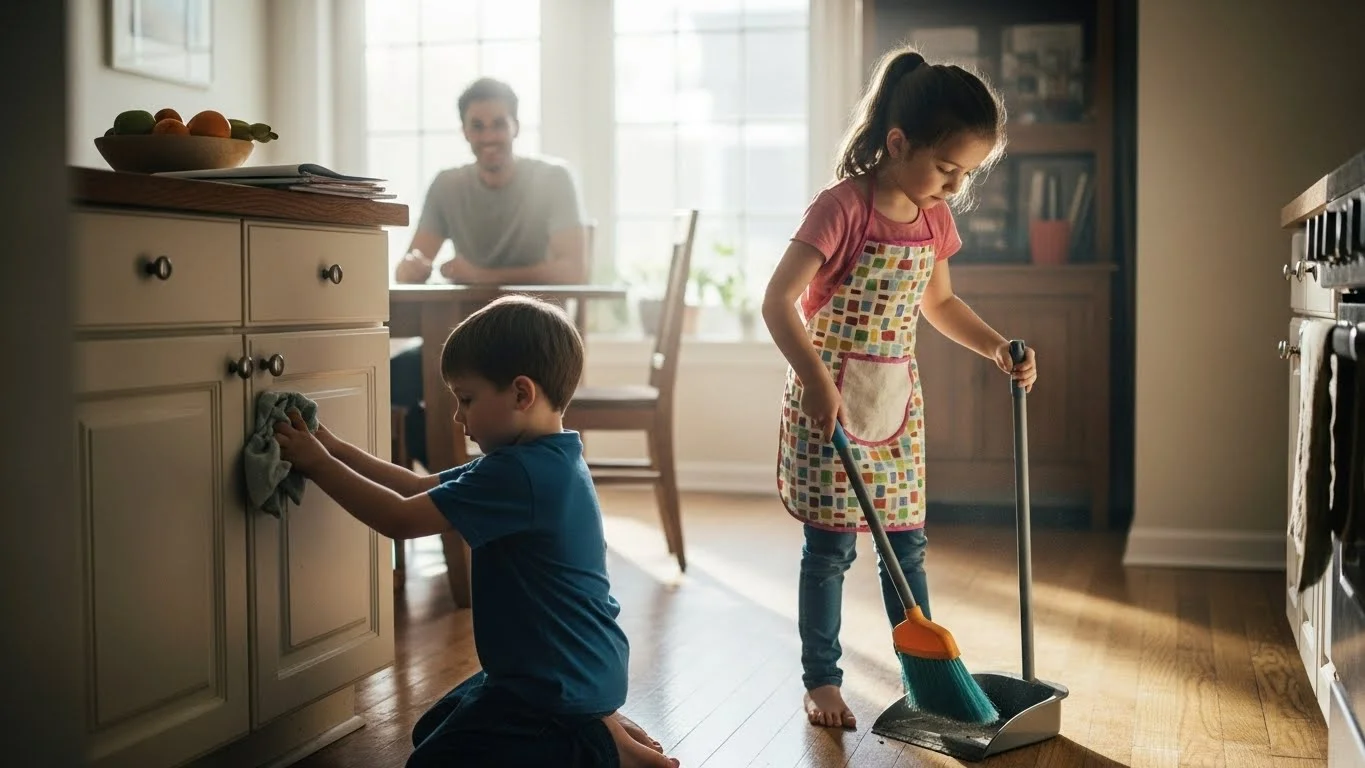
Understanding Self-Discipline in Children
Definition of Self-Discipline
Self-discipline, in my experience, is about teaching children to control their impulses and make choices that align with their goals. It’s not just about following rules; it’s about understanding the value of hard work and persistence. I’ve noticed that when children can delay gratification, they are more equipped to face challenges and achieve their aspirations. This ability to manage their actions and emotions is a vital part of growing up and is something I strive to instill in my own kids.
The Importance of Self-Discipline in Childhood
When I think about the importance of self-discipline, I remember how it shaped my own childhood. I had chores to do, and while I initially resisted them, I later realized they were a significant part of my development. Self-discipline helps children establish routines and learn responsibility. It sets the foundation for good habits, fosters resilience, and encourages a sense of accomplishment. Watching my kids finish a task, no matter how small, fills me with pride and reminds me of the importance of these lessons.
How Self-Discipline Affects Future Success
Looking back, I can clearly see how self-discipline influenced my own path. Research supports the idea that the skills we cultivate in childhood can lead to future success in both personal and professional lives. Children who are self-disciplined tend to perform better academically and are more likely to pursue their goals with determination. I’ve seen this in the kids around me who manage their time wisely, complete their homework, and take initiative. This connection between self-discipline and success reinforces my belief that we are helping our children prepare for their futures through daily responsibilities.
The Role of Daily Chores in Building Self-Discipline
What Are Daily Chores?
Daily chores are simply tasks that need to be completed regularly around the house. They can range from making the bed to washing dishes or taking out the trash. I remember as a kid dreading chores, but now I see them as essential life skills. Incorporating chores into our daily routines provides structure and teaches kids the importance of contributing to the family. It’s not just about keeping the house tidy; it’s about creating a sense of belonging and teamwork within our homes.
The Connection Between Chores and Responsibility
When I started giving my kids chores, I noticed a shift in their attitudes. They began to understand that their contributions mattered. Chores foster a sense of responsibility that is crucial in growing up. By completing tasks, children learn that they have a role in their family and that their actions have consequences. This understanding cultivates accountability, and I’ve found that when my kids own their responsibilities, they take pride in their work. It’s a beautiful thing to witness.
Benefits of Chores for Developing Self-Discipline
Engaging in chores has numerous benefits that go beyond just having a clean home. From my perspective, one of the most significant advantages is the development of time management skills. When my kids have chores to complete, they learn to prioritize tasks, which is a skill that will serve them well in school and later in life. Additionally, chores help build perseverance and resilience; I’ve seen my kids struggle with a task but push through to finish it. This determination is a core aspect of self-discipline. Moreover, doing chores together can strengthen our family bonds. I cherish the moments we spend working side by side, and I believe that teamwork fosters a sense of unity that is invaluable in our relationships. Read Interesting article: Boost Your Self-Discipline: Positive Reinforcement Tips
Types of Chores Suitable for Different Age Groups
Chores for Toddlers (Ages 2-4)
When I think about toddlers and chores, I remember how eager my little ones were to help, even if they didn’t quite understand what they were doing. For this age group, chores should be simple and fun. Tasks like picking up toys, putting books on a shelf, or wiping spills with a damp cloth can be great starting points. I found that turning chores into a game made them more appealing. For instance, we would sing a song while cleaning up, which not only made the task enjoyable but also helped my toddlers feel like they were contributing to the family. It’s amazing how proud they were to show off their ‘clean’ room, even if it was just a small part of it!
Chores for Preschoolers (Ages 4-5)
As kids transition to preschool age, they can take on a bit more responsibility. I remember how my son loved to help set the table or sort laundry by colors. These tasks not only kept them engaged but also taught them important skills. At this age, I recommend chores like dusting low furniture, sorting silverware, or feeding pets. Each chore is a little lesson in responsibility and teamwork. I noticed that my daughter, for example, took delight in helping with snack preparation. It was a great way for her to feel involved, and it sparked her interest in cooking, which we still enjoy together today.
Chores for Early Elementary (Ages 6-8)
Once they hit early elementary school, kids are ready for more structured chores. I remember giving my kids a mix of daily and weekly tasks, like making their beds, vacuuming, or helping with grocery shopping. These chores introduced a sense of routine that I believe helped them feel more secure. They also learned about planning and time management; for instance, if they wanted to play with friends after school, they knew their chores had to be done first. I often sat down with them to create a chore chart, which made it easier for them to see what needed to be done and check off tasks as they finished them. This visual representation gave them a sense of accomplishment that I cherished watching unfold.
Chores for Tweens (Ages 9-12)
Tweens are at a perfect age to take on even greater responsibilities. I noticed that my kids enjoyed the independence that came with chores during this stage. Tasks like doing their own laundry, preparing simple meals, or even cleaning their bathrooms became part of their routine. At this age, I felt it was essential to engage them in discussions about why these chores were important—not just for the family but for their own development. I often emphasized that learning these skills was part of growing up, which they understood and appreciated. It was also fascinating to see how they began to take pride in their work, especially when they invited friends over and showcased their clean spaces!
Chores for Teenagers (Ages 13-18)
Teenagers can often handle a full range of household responsibilities. I’ve seen my own kids thrive when given the freedom to manage their chores. At this age, they might take on more complex tasks, like grocery shopping, cooking meals for the family, or even budgeting for their own expenses. I’ve found that engaging them in conversations about these chores can be enlightening. We often discuss how these skills will help them when they leave home, whether for college or a job. It’s also a great way for them to learn about time management, as they juggle schoolwork and social lives. I remember having one of those heart-to-heart talks with my daughter about how cooking is not only a chore but also a vital life skill. It was empowering for her to realize that she could create meals for herself and others!
Effective Strategies for Implementing Chores
Creating a Chore Chart
One of the most effective strategies I’ve found for implementing chores is creating a chore chart. I remember sitting down with my kids to design one together. We used colorful markers and stickers to make it visually appealing. This chart not only lists their tasks but also serves as a visual reminder of what needs to be done. Each time they finish a chore, they get to check it off, which gives them a sense of accomplishment. I’ve seen how this small act can dramatically boost their motivation and excitement about helping around the house. Plus, it creates a bit of friendly competition between my kids to see who can complete their chores first!
Setting Clear Expectations
Setting clear expectations has been crucial in my experience. I’ve learned that kids thrive when they know exactly what is expected of them. When I assign chores, I make sure to explain not only what needs to be done but also how to do it. For example, when I first asked my daughter to clean her room, I took the time to walk her through the process, from making the bed to organizing her toys. This clarity helps avoid confusion and frustration. I’ve found that when they understand what’s required, they are much more likely to complete their chores without a fuss.
Incorporating Rewards and Consequences
In my family, we’ve found that incorporating a system of rewards and consequences can be quite effective. When my kids complete their chores consistently, I like to reward them with small incentives, like extra playtime or a fun family outing. This positive reinforcement encourages them to stay on track and makes completing chores feel more rewarding. On the flip side, we discuss the natural consequences of not completing chores as well. I remember a time when my son didn’t do his laundry, and he had to wear mismatched socks to school the next day. It was a learning experience for him, and rather than scolding him, I just pointed out the situation. This balancing act of rewards and consequences helps them understand the importance of their responsibilities in a way that feels fair and logical. Read Interesting article: Setting Boundaries: Key to Building Self-Discipline
Making Chores Fun and Engaging
Making chores fun has been a game-changer for us. I’ve discovered that turning chores into games or challenges can transform the atmosphere in our home. For instance, we sometimes have a “speed clean” competition where we race to see who can pick up the most toys in five minutes. I’ve noticed that my kids laugh, bond, and actually enjoy the process. Music can also play a huge role—turning on our favorite playlist while we clean can make all the difference. I remember one Saturday morning when we danced around the living room while putting away laundry; it turned a mundane task into a memorable family moment. These creative approaches not only get the chores done but also foster teamwork and joy in our home.
Overcoming Common Challenges
Resistance to Chores
Resistance to chores is something I’ve faced time and again. I remember my kids would often protest when it was time to clean up or do their tasks. One strategy that worked well for us was to involve them in the decision-making process. I would sit down with them and ask what chores they would like to take on or how they think they could contribute. This empowerment made them feel more in control and less likely to resist. I’ve found that when children have a say in their responsibilities, they are much more willing to take ownership of their tasks.
Scheduling Conflicts
Managing scheduling conflicts can also be tricky, especially with busy lives filled with school, extracurricular activities, and family commitments. I’ve learned that having a family meeting to discuss everyone’s schedules can be really helpful. This way, we can plan chores around our busy days. For example, if my kids have a soccer game on Wednesday, we make sure to allocate lighter chores that day. We also try to prioritize chores that fit into the natural flow of our day, like sweeping after dinner or doing a quick tidy-up before family movie night. Finding that balance has made a positive impact on how we approach chores.
Maintaining Consistency
Maintaining consistency with chores is a challenge I’ve encountered, too. There are days when life gets chaotic, and it’s easy to let chores slide. I’ve found that setting a routine helps immensely. We’ve established a “chores first” rule before screen time, which encourages my kids to complete their tasks before diving into video games or TV. I’ve noticed that having this routine has led to fewer arguments about chores and has instilled a sense of discipline that my kids have begun to embrace.
Dealing with Mistakes and Messes
Eventually, mistakes and messes happen, and I’ve learned that how we respond is key. Instead of getting frustrated when my kids didn’t do a chore correctly, I try to approach it as a teaching moment. For instance, if my son missed a spot while cleaning the kitchen, I would gently point it out and show him how to do it properly. I’ve found that reinforcing the idea that mistakes are part of learning helps them feel safe and encouraged to keep trying. This approach fosters a growth mindset and reinforces that self-discipline is a journey, not a destination.
The Long-Term Impact of Chores on Self-Discipline
Building a Strong Work Ethic
As I reflect on my own experiences, I realize how chores have played a crucial role in developing a strong work ethic in my children. When they commit to regular tasks, they begin to understand that hard work is essential to achieving goals. I’ve seen that when my kids complete their chores, they take pride in their contributions, reinforcing the idea that effort leads to accomplishment. This mindset is not just about the tasks at hand; it extends into their schoolwork and hobbies. I remember one moment when my daughter struggled with a school project, and she applied the same persistence she had learned from chores. Watching her tackle challenges head-on reminded me of the invaluable lessons that come from these everyday responsibilities.
Preparing for Independence and Adulthood
One of the most rewarding aspects of encouraging chores is seeing how it prepares my kids for independence. I often think about what life will look like when they leave home, and I want them to feel equipped to handle it. When my son started doing his own laundry, I could see the wheels turning in his mind—he was taking charge of his life in a small but significant way. This sense of competence is incredibly empowering. As they grow older, chores evolve into vital life skills, from cooking to budgeting. I believe that these experiences will serve them well as they navigate adulthood, and it fills me with hope for their future.
Fostering Life Skills Beyond Chores
Doing chores goes beyond just completing tasks; it fosters a range of life skills that I cherish watching my children develop. For instance, while cleaning the kitchen, my kids learn about teamwork and collaboration, skills that will serve them in future relationships and careers. I’ve also noticed that chores teach problem-solving skills. When my daughter encounters a messy situation, she has to figure out the best way to tackle it. These moments are teaching opportunities that extend far beyond the chore itself. It’s a beautiful thing to witness how the lessons learned at home can prepare them for various challenges they will face in life.
Parental Involvement and Support
The Role of Parents in Encouraging Chores
As parents, I believe our involvement is crucial in encouraging kids to take on chores. I’ve found that when I actively participate in chores with my kids, it transforms the experience. Instead of them seeing chores as a burden, they view them as shared activities that strengthen our bond. We often work together on larger tasks, like cleaning the garage or organizing a closet. This collaborative approach not only makes chores more enjoyable but also shows them that we value their contributions. I think they appreciate the effort and feel more motivated to participate when they see us working alongside them.
Modeling Self-Discipline as a Parent
Modeling self-discipline is another essential aspect of fostering this trait in children. I strive to show my kids that I also have responsibilities and that I approach my tasks with commitment. Whether it’s maintaining the garden or completing work-related projects, I try to demonstrate that self-discipline is a lifelong journey. I remember a time when I had to finish a pressing deadline, and I involved my kids by explaining how I managed my time. This not only reinforced the importance of self-discipline but also allowed them to see it in action. I’ve learned that showing them the process can be just as beneficial as discussing it.
Communicating the Importance of Chores
Lastly, I find that communicating the importance of chores is vital. I often take the time to sit down with my kids and talk about why we all contribute to the household. I emphasize that chores are not just about keeping things tidy; they are about being responsible members of our family. Sharing anecdotes from my childhood about how chores benefited me helps make the concept more relatable. This dialogue allows my children to see the bigger picture and understand the value behind their contributions. I think when they grasp the “why” behind chores, they feel a stronger connection to their responsibilities.
Final Thoughts
Building self-discipline through daily chores is a journey that requires patience, creativity, and involvement. As we encourage our children to take on responsibilities, we help them develop essential life skills that will serve them well into adulthood. I’ve seen firsthand how these simple tasks can foster a sense of accomplishment, independence, and teamwork. Each chore completed is a building block toward a more disciplined and responsible individual. I truly believe that by investing in our children’s ability to manage their tasks, we are setting them up for success in every aspect of their lives. So, let’s embrace the power of chores and watch our kids grow into confident, capable adults.
Frequently Asked Questions
What is self-discipline in children?
Self-discipline in children is about teaching them to control their impulses and make choices that align with their goals. It involves understanding the value of hard work and persistence, which helps them manage their actions and emotions.
Why is self-discipline important in childhood?
Self-discipline is important in childhood as it helps establish routines, learn responsibility, and fosters resilience. It sets the foundation for good habits and encourages a sense of accomplishment, which can shape a child’s development.
How does self-discipline affect future success?
Self-discipline influences future success by helping children perform better academically and pursue their goals with determination. It cultivates skills that lead to success in personal and professional lives.
What are daily chores?
Daily chores are tasks that need to be completed regularly around the house, such as making the bed, washing dishes, or taking out the trash. They provide structure and teach children the importance of contributing to the family.
What is the connection between chores and responsibility?
Chores foster a sense of responsibility in children, teaching them that their contributions matter and that their actions have consequences. This understanding cultivates accountability and pride in their work.
What are some benefits of chores for developing self-discipline?
Engaging in chores helps develop time management skills, perseverance, and resilience. Chores also strengthen family bonds and provide opportunities for teamwork, which reinforces the concept of self-discipline.
What types of chores are suitable for toddlers?
For toddlers (ages 2-4), suitable chores include picking up toys, putting books on a shelf, or wiping spills with a damp cloth. These tasks should be simple and fun to encourage involvement.
How can parents effectively implement chores for their children?
Parents can effectively implement chores by creating a chore chart, setting clear expectations, incorporating rewards and consequences, and making chores fun and engaging through games or music.
What challenges might arise when assigning chores?
Common challenges include resistance to chores, scheduling conflicts, maintaining consistency, and dealing with mistakes. Strategies like involving children in decision-making and establishing routines can help overcome these challenges.
What long-term impacts can chores have on children?
Chores can build a strong work ethic, prepare children for independence and adulthood, and foster life skills such as teamwork and problem-solving, which are essential for navigating future challenges.
Boundaries shape our interactions and relationships. Understanding them can be empowering, helping us navigate life more effectively and authentically. Read Interesting article: The Power of Accountability: Setting Boundaries Wisely

Understanding Boundaries: A Fundamental Concept
Definition of Personal Boundaries
When I first started learning about boundaries, I realized I had a very vague idea of what they truly meant. Personal boundaries are the limits we set regarding how we want to be treated by others. They can be physical, emotional, or even digital, serving as a protective barrier that allows us to maintain our well-being. Think of them as the invisible lines that define our personal space, our emotional health, and our digital presence. This concept really hit home for me when I started reflecting on my own experiences and the times I felt overwhelmed or taken advantage of.
The Importance of Setting Boundaries
Setting boundaries is essential for our mental and emotional health. I remember a time when I found it incredibly hard to say no to friends and family, always fearing disappointment or conflict. This led to feelings of resentment and fatigue. I realized that without clear boundaries, I was letting others dictate how I spent my time and energy. By establishing boundaries, I learned to prioritize my own needs and desires, which ultimately made me a happier and more fulfilled person. Boundaries help us communicate our limits clearly, ensuring that our relationships are based on mutual respect and understanding. Read Interesting article: Mastering Toddler Boundaries: A Parent’s Guide
Types of Boundaries: Physical, Emotional, and Digital
Boundaries come in various forms, each playing a crucial role in how we interact with the world. I found it helpful to categorize them into three main types:
- Physical Boundaries: These involve personal space and physical touch. I remember feeling uncomfortable at gatherings when someone stood too close or invaded my personal space. Establishing physical boundaries has helped me feel safer and more comfortable in social situations.
- Emotional Boundaries: These protect our feelings and emotional well-being. I used to struggle with sharing too much about my emotions with others, which often left me feeling exposed. Learning to express my feelings while setting limits on how much I share has been empowering. It’s okay to keep some thoughts and emotions private!
- Digital Boundaries: In our tech-driven world, these are becoming increasingly important. I’ve noticed how easy it is to feel overwhelmed by constant notifications and social media interactions. Setting digital boundaries, like limiting screen time or being selective about who I engage with online, has significantly improved my mental clarity.
Understanding these types of boundaries has allowed me to create a healthier environment for myself. Each type serves its purpose, and recognizing when and where to apply them is crucial for our overall well-being.
The Consequences of Weak Boundaries
Emotional Consequences: Anxiety and Stress
Weak boundaries can lead to emotional turmoil. I’ve been there, feeling anxious and stressed when I didn’t stand up for myself. When we fail to assert our limits, we can become overwhelmed by the demands of others, leading to burnout. I learned that it’s not just about saying “no”; it’s also about understanding that my feelings are valid, and I deserve to protect my mental health.
Interpersonal Consequences: Relationship Strain
Relationships can suffer when boundaries are unclear. I’ve had friendships where one person constantly took more than they gave, leading to resentment. I realized that without healthy boundaries, I was enabling this behavior. Setting clear limits not only protects me but also encourages a more balanced dynamic in my relationships. It fosters respect and understanding, which are vital for any healthy connection.
Professional Consequences: Burnout and Decreased Productivity
In the workplace, weak boundaries can lead to severe consequences like burnout. I remember pushing myself to meet every deadline and please my boss, often sacrificing my work-life balance. This eventually resulted in fatigue and decreased productivity. I learned that it’s essential to set professional boundaries, such as knowing when to leave work at work and not taking on extra responsibilities that I can’t handle. By doing this, I’ve found a more sustainable approach to my career.
Reflecting on my journey with boundaries has revealed how critical they are for maintaining balance in all aspects of life. I’ve learned that when we understand and enforce our boundaries, we can lead happier, more fulfilling lives. Boundaries may seem daunting at first, but they are truly liberating when we embrace them. My experiences have shown me that by respecting our own limits, we also teach others to respect them. And this, I believe, is the foundation of healthier relationships with ourselves and others.
Identifying Personal Boundary Issues
Signs of Weak Boundaries
Recognizing when our boundaries are weak is the first step toward improvement. I’ve found that certain signs often indicate a lack of boundaries. For instance, I would feel drained after social interactions, as if I had given too much of myself without getting anything back. Another sign is feeling guilty when I set limits or say no. If you often find yourself apologizing for taking care of your own needs, it might be time to assess your boundaries. I also noticed I was constantly seeking approval from others, which left me feeling insecure and unsettled. These feelings were red flags that pointed to weak boundaries in my life.
Common Boundary Violations
Boundary violations can come in many forms, and recognizing them can be quite enlightening. I often experienced emotional manipulations, like guilt-tripping or passive-aggressive comments, especially from people who were close to me. It was hard to differentiate between concern and overstepping, but I learned that true support doesn’t come with strings attached. Physical violations, such as unsolicited touching or invading personal space, also stood out to me. I used to brush these off, thinking I was overreacting, but now I realize that everyone deserves to have their physical space respected. Being aware of these types of violations has helped me set clearer boundaries.
Self-Reflection Questions to Assess Boundaries
Self-reflection is a powerful tool for evaluating our boundaries. I found it helpful to ask myself a few key questions to get to the root of my boundary issues. Questions like, “Do I often feel overwhelmed by the demands of others?” or “Am I uncomfortable sharing my opinions or feelings?” provided me insight into my interactions. I also would reflect on whether I felt resentful after spending time with certain people. If I answered ‘yes’ to these questions, it indicated that my boundaries needed attention. Journaling my thoughts helped me clarify these feelings, allowing me to recognize patterns and areas where I needed to assert myself more strongly.
Strategies for Building Stronger Boundaries
Understanding Your Needs and Values
Taking the time to understand my needs and values was a game-changer. I remember sitting down and making a list of what truly mattered to me, both personally and in my relationships. This exercise helped me gain clarity on where I needed to set limits. For instance, I realized that my need for downtime was crucial for my mental health, so I started prioritizing that. Knowing what I value has empowered me to communicate my boundaries more effectively. When I understand my needs, I can better articulate them to others, which has made a significant difference in my relationships.
Communicating Boundaries Effectively
Once I identified my boundaries, the next step was learning how to communicate them effectively. I used to hesitate, thinking that people would react negatively, but I’ve found that being clear is often appreciated. I recommend using “I” statements, which helped me express my feelings without sounding accusatory. For example, saying, “I feel overwhelmed when I’m asked to take on additional tasks at work” rather than “You always give me too much work” made my message clearer and less confrontational. This approach has made it easier for others to understand where I stand without feeling attacked.
Practicing Assertiveness in Boundary Setting
Developing assertiveness was a huge step for me in boundary setting. I learned that it’s not just about saying “no,” but also about standing firm in my choices. I found that practicing assertiveness in small, everyday situations helped build my confidence. For example, I started by declining invitations for events I didn’t want to attend. It felt uncomfortable at first, but as I practiced, it became easier. I realized that asserting my needs doesn’t make me selfish; rather, it’s a way of honoring myself and my time. This newfound assertiveness has positively impacted my relationships, as people began to respect my limits more.
Tools for Maintaining Boundaries: Journaling and Mindfulness
Maintaining boundaries is an ongoing process, and I’ve discovered that journaling and mindfulness are effective tools in this journey. Journaling allows me to track my feelings and interactions, helping me identify situations where my boundaries may have been crossed. It’s therapeutic to write down my thoughts, and it often reveals patterns I might not notice otherwise. Mindfulness practices, such as meditation, have also helped me stay centered and aware of my emotions in the moment. When I feel overwhelmed, taking a few deep breaths and checking in with myself has been invaluable. These practices keep me grounded and remind me to prioritize my boundaries.
Consequences of Establishing Strong Boundaries
Positive Emotional Outcomes: Increased Self-Esteem
Establishing strong boundaries has profoundly impacted my emotional well-being. I remember the first time I firmly stated my limits; it felt like I was finally reclaiming my power. The moment I chose to prioritize my needs, I noticed a significant boost in my self-esteem. It was as if I had been wearing a heavy cloak of expectations and obligations, and once I shed it, I felt lighter and more confident. I learned that by respecting my own boundaries, I was signaling to myself that I was worthy of care and consideration. This ripple effect encouraged me to embrace my authentic self, leading to a more profound sense of self-worth.
Improved Relationships: Respect and Understanding
The boundaries I set didn’t just benefit me; they also transformed my relationships. I found that when I was clear about what I was willing to accept, others began to reciprocate that respect. I recall a time when I started to speak openly about my limits with friends and family. Initially, there was some surprise and even confusion, but soon after, I noticed a shift. My friends began to communicate their boundaries as well, and our interactions became more genuine and fulfilling. Establishing boundaries created a space for more authentic connections, where both parties felt valued and understood. It’s amazing how much healthier relationships can become when both sides recognize and respect each other’s limits.
Enhanced Well-Being: Reduced Stress and Anxiety
When I think about the stress and anxiety I used to carry around, I can’t help but feel grateful for the boundaries I’ve built. I learned that saying “no” doesn’t just apply to others; it also means saying “yes” to myself. By clearly defining what I will and won’t tolerate, I’ve managed to reduce the noise in my life. I remember one particularly stressful period when I was juggling work commitments and social obligations. By setting boundaries around my time, I was able to create a sense of calm amidst the chaos. For instance, I began scheduling regular “me time,” a concept that felt foreign to me before. This designated time allowed me to recharge and focus on my mental health, leading to a noticeable decrease in anxiety. The clarity that comes with boundaries has been nothing short of transformative. Read Interesting article: Mastering Child Development Stages for Better Behavior
Real-Life Examples of Boundary Setting
Case Study: Personal Relationships
One of the most impactful experiences I had with boundary setting occurred in my personal life. I had a friend who, while well-meaning, often overwhelmed me with her emotional needs. I found myself constantly listening to her problems, feeling like I was her therapist instead of a friend. After reflecting on this imbalance, I knew I had to set a boundary. I chose to have an honest conversation with her about how our interactions were affecting me. I expressed my love for her but emphasized that I needed more balance in our relationship. Surprisingly, she responded positively, appreciating my honesty and agreeing to work on our dynamic together. This experience taught me that setting boundaries can strengthen relationships rather than damage them.
Case Study: Workplace Dynamics
In the workplace, establishing boundaries became crucial for my overall productivity and mental health. I recall a time when my supervisor frequently assigned me last-minute tasks that disrupted my schedule and caused unnecessary stress. I decided it was time to address this issue directly. I scheduled a meeting with my supervisor and calmly expressed my concerns about the impact of these sudden demands on my workload. I proposed setting clearer deadlines and discussing upcoming projects more in advance. To my surprise, my supervisor was receptive and agreed to implement these changes. This experience not only improved my work-life balance but also fostered a greater sense of mutual respect between us. It reinforced my belief that healthy boundaries can enhance workplace relationships and create a more productive environment.
Case Study: Family Boundaries
Family dynamics can be particularly challenging when it comes to boundary setting. I remember feeling overwhelmed during family gatherings, where certain relatives would dominate conversations or push their opinions on me. I realized I needed to establish boundaries to protect my peace. During one family meeting, I took a deep breath and told everyone that I felt uncomfortable when discussions turned heated. I suggested that we focus on listening to each other rather than debating. To my surprise, my family members respected my request. This simple act of setting boundaries not only improved the atmosphere during our gatherings but also encouraged others to share their thoughts more respectfully. It was a reminder to me that even in family relationships, clear boundaries can lead to happier interactions.
Common Challenges in Boundary Setting
Fear of Rejection or Conflict
One of the biggest hurdles I faced when establishing my boundaries was the fear of rejection or conflict. I remember feeling anxious just thinking about how others might react if I said no or expressed my needs. This fear often kept me from being honest with myself and those around me. I’ve learned that while it’s natural to worry about how people will respond, it’s essential to prioritize my well-being. I realized that avoiding conflict only leads to bigger issues down the road. By facing these fears head-on, I discovered that most people respect honesty and appreciate clarity, even if it’s uncomfortable at first.
Cultural and Societal Influences on Boundaries
Cultural norms can also complicate boundary setting. Different cultures have varying expectations about personal space, emotional sharing, and social interactions. I’ve noticed that in some communities, saying no might be seen as rude or disrespectful, making it even harder to assert my boundaries. This realization prompted me to reflect on what I truly valued versus what was imposed by society. I learned that it’s okay to navigate these cultural waters while still standing firm in my own needs. Understanding that everyone has their unique perspective on boundaries has made it easier for me to assert my own while respecting others.
Overcoming Guilt Associated with Setting Boundaries
Guilt can be a significant barrier when it comes to establishing boundaries. I often felt guilty for prioritizing my needs over others’, thinking I was being selfish. However, I realized that setting boundaries is an act of self-care, not selfishness. It took time, but I learned to reframe my thinking. I began to view my boundaries as necessary for maintaining healthy relationships, rather than as a rejection of others. When I felt guilt creeping in, I reminded myself that everyone deserves to have their needs recognized and honored. This shift in mindset has been freeing, allowing me to communicate my limits without the weight of guilt.
Long-Term Maintenance of Boundaries
Regular Self-Check-Ins
Maintaining boundaries is an ongoing process that requires regular self-check-ins. I’ve found that taking time to reflect on my feelings and interactions has been invaluable. Journaling or simply setting aside time to think about what’s working and what’s not has helped me stay attuned to my needs. I ask myself questions like, “Am I feeling overwhelmed again?” or “Are there new situations where I need to set limits?” These check-ins are crucial for adjusting my boundaries as life changes.
Adapting Boundaries as Relationships Evolve
As relationships grow and change, so do our boundaries. I’ve learned that flexibility is essential. What worked for me in one situation might not be effective in another. For instance, I had a close friend whose needs shifted over time, and I needed to reassess how I interacted with her. Being open to adapting my boundaries based on the dynamics of my relationships has allowed me to maintain healthy connections. It’s essential to communicate any adjustments to others, ensuring everyone is on the same page.
Seeking Professional Help: Therapy and Counseling
Sometimes, the journey of establishing and maintaining boundaries can feel overwhelming. I found that seeking professional help through therapy or counseling was incredibly beneficial. A therapist helped me explore my feelings about boundaries and provided strategies to communicate them effectively. It’s comforting to have a safe space to discuss my challenges and gain insights from someone trained in these matters. I encourage anyone struggling with boundary setting to consider reaching out for support; it can make a world of difference.
Final Thoughts
Reflecting on my journey with boundaries has been a transformative experience. I’ve learned that setting and maintaining boundaries, though challenging, is crucial for my emotional well-being and the health of my relationships. Embracing the discomfort of boundary setting has led to deeper connections and a greater sense of self-worth. I believe that by respecting our own limits, we not only take care of ourselves but also foster healthier interactions with others. Boundaries are not barriers; they are bridges to more authentic relationships and a fulfilling life.
Frequently Asked Questions
What are personal boundaries?
Personal boundaries are the limits we set regarding how we want to be treated by others. They can be physical, emotional, or digital, serving as protective barriers that allow us to maintain our well-being.
Why is setting boundaries important?
Setting boundaries is essential for our mental and emotional health. They help us prioritize our own needs and desires, communicate our limits clearly, and ensure that our relationships are based on mutual respect and understanding.
What are the different types of boundaries?
Boundaries can be categorized into three main types: physical boundaries (involving personal space and physical touch), emotional boundaries (protecting our feelings and emotional well-being), and digital boundaries (managing our online presence and interactions).
What are the emotional consequences of weak boundaries?
Weak boundaries can lead to emotional turmoil, such as anxiety and stress. When we fail to assert our limits, we can become overwhelmed by the demands of others, leading to burnout.
How can one identify signs of weak boundaries?
Signs of weak boundaries include feeling drained after social interactions, feeling guilty when setting limits, and constantly seeking approval from others. These feelings indicate a need to assess and improve one’s boundaries.
What strategies can help build stronger boundaries?
Strategies for building stronger boundaries include understanding your needs and values, communicating boundaries effectively using “I” statements, practicing assertiveness, and utilizing tools like journaling and mindfulness to maintain boundaries.
What positive outcomes can arise from establishing strong boundaries?
Establishing strong boundaries can lead to positive emotional outcomes, such as increased self-esteem, improved relationships based on respect and understanding, and enhanced well-being with reduced stress and anxiety.
How can one overcome guilt associated with setting boundaries?
To overcome guilt, it is important to reframe the mindset that setting boundaries is selfish. Recognizing that boundaries are necessary for maintaining healthy relationships can alleviate feelings of guilt.
What role does professional help play in boundary setting?
Seeking professional help through therapy or counseling can be beneficial in exploring feelings about boundaries and providing strategies for effective communication. It offers a safe space to discuss challenges and gain insights.
How can boundaries be maintained over time?
Maintaining boundaries requires regular self-check-ins to reflect on feelings and interactions, adapting boundaries as relationships evolve, and being open to adjusting them based on changing dynamics.
Setting boundaries with kids can feel like a daunting task, but it’s essential for their growth and safety. I’ve found that establishing clear boundaries helps children understand their limits and fosters healthier relationships. Read Interesting article: How to Set Boundaries with Kids: A Parent’s Guide
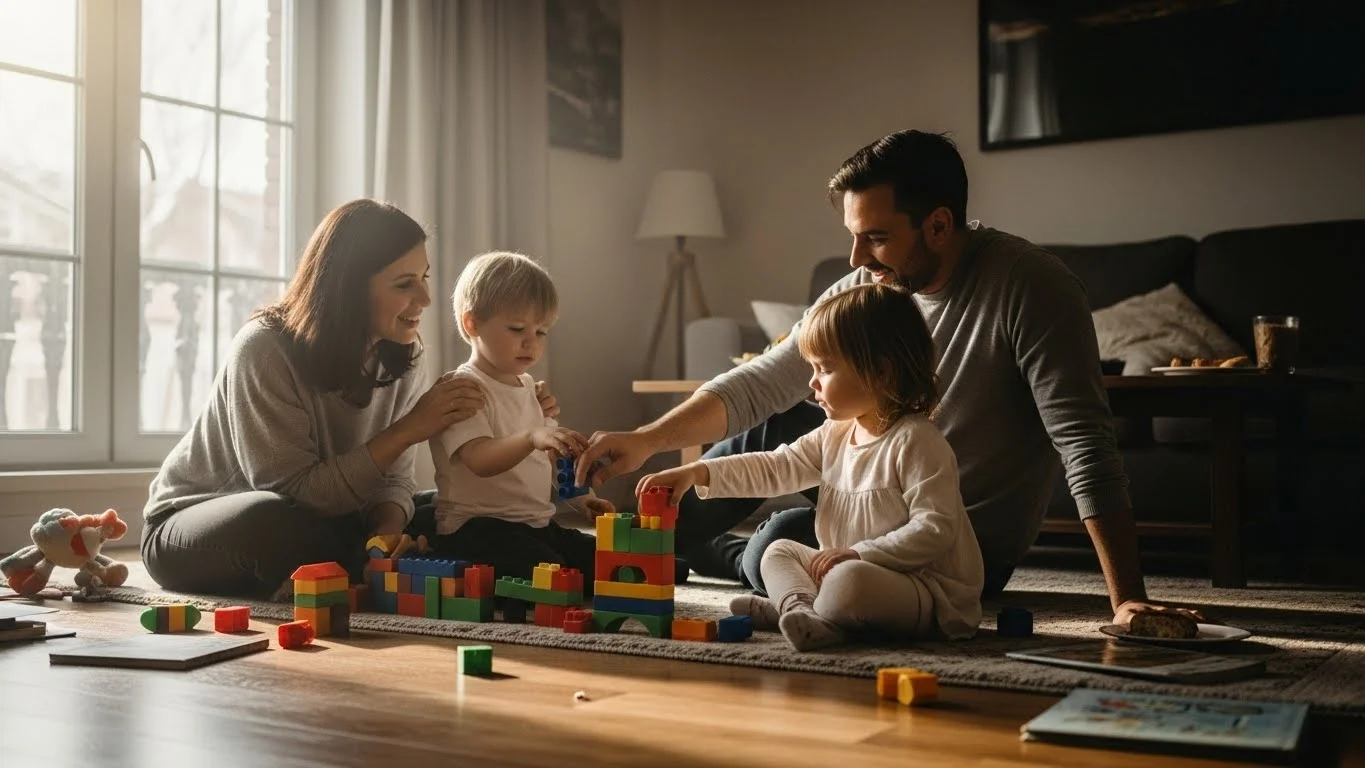
Understanding the Importance of Boundaries
What Are Boundaries?
Boundaries are like invisible lines we draw to protect our personal space, emotions, and values. They help define what is acceptable and unacceptable behavior, both for ourselves and others. When I first started thinking about boundaries, I realized they are not just rules but essential guidelines that help maintain healthy relationships. For kids, understanding these boundaries can be a game-changer in how they interact with peers and adults alike.
Why Boundaries Matter for Kids
As parents, we often want to protect our children from harm, and boundaries play a crucial role in that. I’ve seen how boundaries empower kids to speak up when they feel uncomfortable or unsafe. They learn to recognize their feelings and advocate for themselves. This can be particularly important in social settings, where peer influence can often lead to confusion. When children understand their boundaries, it helps them navigate relationships more effectively, reducing anxiety and boosting their self-esteem.
Benefits of Teaching Boundaries Early
Teaching boundaries early on can have lasting benefits. For me, one of the biggest revelations was realizing that kids are like sponges; they absorb everything we teach them. By instilling the importance of boundaries from a young age, we equip them with skills they will carry through their lives. They learn respect for themselves and others, which is vital as they grow up. Early lessons in boundaries can lead to healthier relationships, better decision-making skills, and an increased sense of autonomy. I’ve noticed my own children are more confident when they know their limits and how to express them clearly. Read Interesting article: Essential Tips for Setting Healthy Boundaries with Children
Types of Boundaries to Communicate
Physical Boundaries
Physical boundaries relate to personal space and touch. It’s important for kids to understand that their bodies belong to them. I remember a time when my daughter was uncomfortable with a relative who would hug her without asking. We had a conversation about consent and the importance of saying “no” when someone invades their personal space. Teaching kids about physical boundaries helps them feel secure and reinforces their right to control their bodies.
Emotional Boundaries
Emotional boundaries involve protecting one’s feelings and emotional health. Kids must learn it’s okay to express their emotions and set limits on what they are comfortable discussing. I’ve found that encouraging my kids to communicate their feelings—whether happy, sad, or upset—leads to a more open dialogue. This type of boundary teaches them about empathy and respect for others’ feelings too.
Social Boundaries
Social boundaries help kids understand their limits in relationships with friends and peers. As they grow, friendships can become complicated. I noticed my son struggling with peer pressure, and we talked about the importance of surrounding himself with friends who respect his boundaries. Teaching kids to identify toxic relationships and understand the importance of loyalty and trust is essential for their social development.
Digital Boundaries
In our tech-driven world, digital boundaries are increasingly important. I’ve made it a point to discuss online safety with my kids. We talk about who they interact with online, what to share, and how to recognize inappropriate content. Setting limits on screen time is another aspect of digital boundaries that we’ve found beneficial. Teaching kids to be mindful of their digital presence empowers them to navigate the online world safely.
Effective Communication Techniques
Using Clear and Simple Language
When communicating boundaries, I’ve discovered that using clear and simple language is crucial. Kids respond better when they understand what’s expected of them. I often break down complex ideas into simpler terms. For instance, instead of saying, “You need to respect others’ personal space,” I might say, “Keep an arm’s length between you and your friend.” This clarity helps them grasp the concept more easily.
Modeling Behavior: Leading by Example
Kids often mirror our actions. I realized that to teach boundaries, I needed to model them myself. I make it a point to respect my own boundaries and those of others. When I say “no” to a request or need time for myself, I show my children that it’s okay to set limits. This has created a ripple effect in our family. They’ve learned that boundaries are not just rules; they are a part of self-care and respect.
Active Listening Strategies
Practicing active listening is another effective technique. When my children express their feelings about boundaries, I make sure to give them my full attention. I nod, maintain eye contact, and summarize their thoughts to show that I’m listening. This not only reinforces their feelings but also encourages them to express themselves openly. It’s amazing how much more willing they are to share when they feel heard.
Using ‘I’ Statements to Express Feelings
Teaching kids to use ‘I’ statements can transform how they communicate their needs. When my son feels overwhelmed, I encourage him to say, “I feel upset when you take my toys without asking,” rather than blaming others. This approach helps him articulate his feelings without creating defensiveness in others. It’s a skill I wish I had learned earlier in life!
Age-Appropriate Methods for Different Developmental Stages
Communicating with Toddlers
When it comes to toddlers, I’ve found that simplicity is key. At this age, children are just beginning to understand the concept of boundaries, so it’s essential to communicate in a way that’s relatable to them. I remember using tangible examples like “This is your space, and this is my space” while showing them with our toys. Using physical markers, like placing a blanket on the floor, helped them visualize what personal space looks like. It’s also beneficial to use playful language and games to reinforce these ideas. For instance, I’d play a game where we pretend our toys have their own personal space, and if anyone crosses that line, we’d gently remind them to give the toys some room. It was a fun way to teach limits without making it feel heavy or serious.
Strategies for Preschoolers
As kids move into preschool, I’ve noticed they start to grasp more complex concepts. This is a great time to introduce discussions about feelings and how to respect the boundaries of others. I found it helpful to use stories or characters from their favorite shows to illustrate situations involving boundaries. For example, if a character didn’t want to share a toy, I’d ask my child how they think that character feels and what they should do. This engages their empathy while teaching them to articulate their own feelings and boundaries. I also encourage role-playing where my child can practice saying “no” or expressing discomfort in a safe environment. These activities not only empower them but also help them feel confident in their ability to set and maintain boundaries.
Engaging Elementary School Kids
Elementary school kids are often more socially aware and can engage in deeper conversations about boundaries. I’ve found that it’s crucial to encourage them to share their experiences and feelings about peer interactions. One of my favorite ways to do this is through family meetings, where we discuss real-life scenarios. I might say, “Have you ever felt uncomfortable with a friend’s behavior? How did you handle it?” This encourages open dialogue and reinforces that it’s acceptable to talk about these issues. I also like to introduce the concept of “boundary check-ins” during our discussions. For example, I’ll ask my kids, “Are you feeling okay about how your friend treated you today?” This helps them practice self-reflection and become more aware of their feelings.
Adolescents and Teenagers: Navigating Changes
For adolescents and teenagers, I’ve found that it’s essential to shift from teaching them to engaging them in conversations about boundaries. This stage is often filled with social complexities, and kids are starting to form their identities. I encourage my teenagers to set their own boundaries and express their needs clearly. I remember a time when my daughter was feeling overwhelmed with schoolwork and social expectations. I asked her how she could communicate her limits to her friends without feeling guilty. We brainstormed together, and she came up with a simple solution: telling her friends she needed some quiet time to recharge. This not only helped her manage her stress but also taught her the importance of prioritizing her mental health. Creating an environment where they feel comfortable expressing themselves is key to helping them navigate these changes confidently.
Practical Scenarios and Role-Playing
Role-Playing Common Situations
Role-playing can be an incredibly effective way to teach kids about boundaries in a safe and controlled environment. I love to set up scenarios that my children might encounter, such as a friend asking to borrow a toy or someone invading their personal space. By acting these situations out, it gives them a chance to practice their responses. I remember one instance where we role-played a situation where someone was teasing them. My son was able to practice saying, “That’s not funny, and I don’t like it.” This exercise not only helped him articulate his feelings but also built his confidence in standing up for himself. It’s amazing how much more prepared they feel after these practice runs.
Using Stories and Books to Illustrate Boundaries
Books can be such a powerful tool in teaching boundaries. I often read stories with my kids that tackle these themes. For instance, there’s a wonderful book called “My Body! What I Say Goes!” that discusses personal space and consent in a kid-friendly way. After reading, I like to have discussions about the characters’ choices and how they could have handled situations differently. This fosters critical thinking and allows my kids to reflect on their own experiences. I’ve seen that when they relate to a character, it helps them internalize the lessons being taught.
Incorporating Games to Teach Boundaries
Games can also be a fun and effective way to reinforce the lessons of boundaries. I’ve created simple games that involve setting up “safe zones” where kids can practice asking permission before entering or touching each other’s toys. Another favorite of ours is a game of charades where they have to act out different emotions and boundaries. This not only helps them understand the nuances of communication but also teaches them how to read body language and emotional cues. I’ve found that when learning is fun, it sticks with them much longer. Read Interesting article: Mastering Effective Communication: Setting Boundaries with Kids
Encouraging Open Dialogue
Creating a Safe Space for Conversations
One of the most important aspects of teaching boundaries is creating a safe space for our kids to talk about their feelings and experiences. I’ve found that when my children know they can speak openly without judgment, they’re much more likely to share their thoughts. At home, we have a no-judgment zone. This means that even if they feel embarrassed or worried about something, they know I’m there to listen without jumping to conclusions. I remember a time when my son hesitated to tell me about a situation at school where a friend made him uncomfortable. He finally opened up because he felt safe to express himself. I assure you, fostering that environment is key to building trust and encouraging them to set and maintain their own boundaries.
Encouraging Questions and Curiosity
Kids are naturally curious, and I believe we can harness that curiosity to encourage them to ask questions about boundaries. I often invite my children to ask me anything, whether it’s related to their experiences or simply a general inquiry. I recall a moment when my daughter asked why some of her friends were allowed to do things she couldn’t, like staying up late or having a smartphone. Instead of dismissing her question, I took the opportunity to discuss how different families have different boundaries and values. This not only validated her feelings but also opened up a conversation about what boundaries we’ve set and why they matter. By promoting curiosity, we empower our children to explore their limits and understand the reasoning behind them.
Validating Their Feelings and Opinions
Validation is crucial when it comes to boundaries. When my children express their feelings about a situation, I make it a point to acknowledge those feelings, even if I don’t necessarily agree. For instance, if my son feels upset because a friend didn’t include him in a game, I might say, “I understand why that would make you feel sad.” This validation helps him feel heard and understood, reinforcing his right to his feelings. It’s important for children to know that their emotions are valid, and this understanding can motivate them to communicate their boundaries confidently. I find that when they feel validated, they are more likely to recognize and assert their own boundaries with others.
Reinforcing Boundaries Consistently
Establishing Routine and Structure
Creating a routine around boundaries can help reinforce them in a way that feels natural for kids. I’ve learned that consistency is key. For example, setting specific times for screen use and ensuring that my children know those times helps them understand limits. I remember when we first started doing this, my kids would often test the boundaries. But over time, they adapted to the structure, and I saw them become more comfortable with it. I like to review our routines together regularly, making adjustments as needed and discussing why those boundaries are in place. This not only builds a sense of security but also teaches them responsibility.
Setting Consequences for Boundary Violations
It’s important to establish clear consequences when boundaries are violated. I’ve found that discussing these consequences ahead of time helps prepare my kids for what to expect. For example, if my child interrupts during family time, we’ve agreed on taking a short break from the activity as a consequence. I make sure to explain why the behavior is unacceptable and how it affects others. This approach has led to discussions about accountability, which I believe is essential for their growth. I remember one instance when my daughter overstepped a friend’s boundaries, and we talked about the impact of her actions. We then agreed together on a consequence that felt appropriate, reinforcing the importance of respecting others.
Positive Reinforcement Techniques
In my experience, positive reinforcement can be a game-changer when it comes to teaching boundaries. Celebrating small victories—like when my son successfully speaks up for himself—can motivate them to continue practicing those skills. I often use praise, stickers, or small rewards to acknowledge their efforts. I remember a time when my daughter set a boundary with a friend about sharing her toys; I made sure to praise her for being assertive. This recognition encouraged her to keep asserting her boundaries in other situations. I’ve found that when we highlight their successes, it not only boosts their confidence but also reinforces the behavior we want to see.
Common Challenges and Solutions
Resistance from Kids
It’s not uncommon for kids to resist boundaries. I’ve certainly faced my fair share of pushback! When my children test the limits, I try to remain calm and patient. I understand that they are naturally curious and sometimes want to see how far they can go. One effective strategy I’ve used is to reframe the conversation. Instead of focusing on the boundary itself, I talk about the underlying reason for it. For example, if my son resists curfews, I explain that it’s about keeping him safe, not just a restriction. This helps him see boundaries not as punishments but as protective measures.
Dealing with Peer Pressure
Peer pressure can complicate boundary-setting, especially as kids grow older. I often find myself discussing the importance of staying true to one’s values with my children. We talk about scenarios where they might feel pressured to override their boundaries. I remember a conversation with my daughter about a friend who encouraged her to skip studying for an important test. We brainstormed ways she could respond assertively without losing her friend’s respect. I’ve learned that role-playing these situations can help my children feel more prepared to handle peer pressure when it arises.
Adjusting Boundaries as Kids Grow
As kids develop, their understanding of boundaries evolves. I’ve found that being open to adjusting boundaries has been key to our family’s success. I regularly check in with my children about their comfort levels and needs. For example, as my son transitioned into adolescence, we revisited our discussions about curfews and screen time. I encouraged him to express his thoughts on what felt appropriate. This approach not only empowers them but also teaches them that boundaries can be flexible and should be tailored to fit their growth and changing circumstances.
Frequently Asked Questions
What are boundaries and why are they important for kids?
Boundaries are like invisible lines we draw to protect our personal space, emotions, and values. They help define acceptable and unacceptable behavior. For kids, understanding boundaries can change how they interact with peers and adults, empowering them to speak up when they feel uncomfortable or unsafe.
What are the different types of boundaries children should learn?
Children should learn about physical boundaries (related to personal space and touch), emotional boundaries (protecting feelings and emotional health), social boundaries (understanding limits with friends), and digital boundaries (online safety and screen time limits).
How can parents effectively communicate boundaries to their children?
Parents can communicate boundaries effectively by using clear and simple language, modeling behavior by respecting their own boundaries, practicing active listening, and teaching kids to use ‘I’ statements to express their feelings.
What techniques can be used to teach toddlers about boundaries?
For toddlers, simplicity is key. Using tangible examples, physical markers, playful language, and games can help them visualize and understand personal space and boundaries in a relatable way.
How can parents engage elementary school kids in discussions about boundaries?
Parents can encourage elementary school kids to share their experiences through family meetings, discussing real-life scenarios, and checking in on their feelings regarding peer interactions, which fosters open dialogue about boundaries.
What role does validation play in teaching kids about boundaries?
Validation is crucial as it helps children feel heard and understood when they express their feelings about situations. Acknowledging their emotions reinforces their right to their feelings and encourages them to communicate their boundaries confidently.
How can role-playing be used to teach kids about boundaries?
Role-playing allows kids to practice responses to common situations they might encounter, such as a friend asking to borrow a toy or someone invading their personal space. This practice helps build their confidence in asserting their boundaries.
What are some strategies for dealing with resistance from kids regarding boundaries?
When kids resist boundaries, it’s important to remain calm and patient. Reframing the conversation to focus on the reasons behind the boundary, rather than the boundary itself, can help them understand that boundaries are protective measures, not just restrictions.
How can parents adjust boundaries as their kids grow?
Parents should be open to adjusting boundaries as kids develop. Regular check-ins about comfort levels and needs allow parents and children to revisit discussions about boundaries like curfews and screen time to ensure they remain appropriate.
What are the benefits of teaching boundaries early in childhood?
Teaching boundaries early equips children with skills they will carry through their lives, leading to healthier relationships, better decision-making skills, and an increased sense of autonomy, ultimately boosting their confidence.
Setting boundaries for toddlers can feel like navigating a maze. I remember the first time my child tested my limits; it was both challenging and enlightening. Understanding how to master these boundaries is essential for a healthy parent-child relationship. How to Effectively Set Boundaries for Toddlers can provide useful insights to help parents.
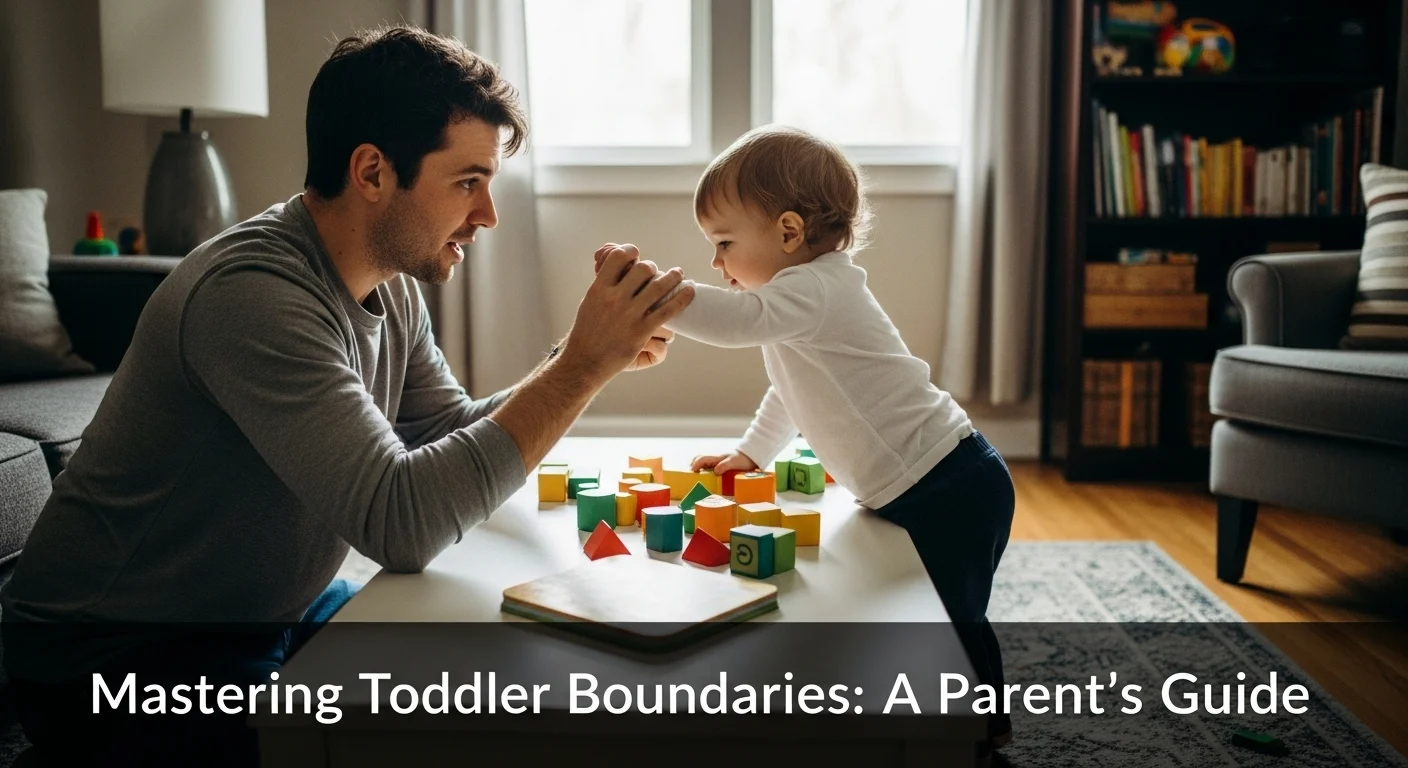
Understanding Toddler Development and Boundaries
As parents, we often find ourselves wondering how to guide our little ones through their formative years. Understanding toddler development is key to setting effective boundaries. Toddlers, usually between the ages of one and three, are in a crucial stage of growth where they begin to explore their world and assert their independence. This is both a thrilling and challenging time for us as parents. I’ve experienced the whirlwind of emotions and chaos that comes with this age, and I know I’m not alone.
The Importance of Setting Boundaries
Setting boundaries is not just about enforcing rules; it’s about creating a safe environment where our toddlers can learn and grow. I’ve found that boundaries help children understand what is acceptable behavior, and they serve as a guide for navigating social interactions. When I set clear and consistent boundaries, I noticed that my child felt more secure. They knew what to expect, which in turn reduced anxiety for both of us. In my experience, boundaries help foster a sense of responsibility and self-discipline, two traits that are invaluable as they grow older. Essential Tips for Setting Boundaries with Your Toddler can further enhance your approach.
Typical Toddler Behavior Patterns
Every parent soon realizes that toddlers are a bundle of energy and curiosity. They love to explore, push limits, and test boundaries. I remember how my child would climb everything in sight, from furniture to shelves. It was as if they were determined to see how far they could go! Typical behaviors include tantrums, defiance, and questioning everything. These behaviors are normal and often stem from a desire to exert independence. It’s a phase that can be overwhelming, but understanding it helps us approach the situation with empathy and patience.
Developmental Milestones Related to Boundaries
Developmental milestones are crucial when it comes to boundary setting. Around ages one to two, toddlers begin to understand the concept of “no.” They may not always agree with it, but they start to grasp it. I remember when my child first pointed to the cookie jar and said “no” after I told them they couldn’t have a cookie before dinner. That was a lightbulb moment for me; my child was starting to understand limits. By age three, they typically show more understanding of social cues, making it a prime time to reinforce boundaries. I’ve learned that aligning boundary-setting with these milestones can significantly enhance the effectiveness of our parenting efforts.
Types of Boundaries for Toddlers
Physical Boundaries
Physical boundaries are the most straightforward type of boundaries for toddlers. These include teaching them safe behaviors, such as not running into the street or climbing on furniture. I’ve always found it helpful to have clear rules about where they can and cannot go. Setting up safe zones in our home made it easier for my child to understand where they could explore without me constantly worrying. These physical boundaries protect our little adventurers while allowing them to satisfy their curiosity.
Emotional Boundaries
Emotional boundaries are about teaching toddlers to express their feelings while also respecting others’ emotions. I used to find it hard to navigate my child’s big feelings. When they were upset, I made it a point to validate their emotions, saying things like “I see you’re really upset. It’s okay to feel that way.” This has helped my child understand their feelings better and express them appropriately. I believe that teaching emotional boundaries fosters empathy and connection, which are crucial for building healthy relationships.
Social Boundaries
Social boundaries involve teaching toddlers about personal space and how to interact with others. I recall an instance when my child would get too close to others during playdates, making both kids uncomfortable. To address this, I taught them about respecting personal space by using visual markers, like an imaginary bubble around them. This kind of boundary helps them understand social cues and develop friendships.
Behavioral Boundaries
Behavioral boundaries encompass rules about what is acceptable behavior. For instance, I found that establishing rules around biting, hitting, or yelling can help toddlers learn appropriate ways to communicate. When we consistently enforce these boundaries, we give our children a framework for their behavior. I practiced using “time-outs” not as punishment but as a chance for my child to calm down and reflect on their actions. This technique has worked wonders in helping them understand the consequences of their behavior. I’ve also found that Boost Your Toddler’s Growth: Positive Reinforcement Tips can enhance this process.
When to Start Setting Boundaries
Recognizing the Right Age
Deciding when to start setting boundaries can be tricky. From my experience, it’s never too early to start thinking about them. Most experts suggest that boundaries should begin to be established around the age of one, as toddlers start to explore their environment more actively. I remember the first time my child ventured beyond the safety of our living room. I felt a rush of excitement and fear, realizing that this was the perfect moment to start laying down some ground rules. It’s crucial to recognize that while the rules can evolve, the concept of boundaries should be introduced early to help children feel secure.
Signs Your Toddler Needs Boundaries
As I’ve watched my child grow, I’ve noticed certain signs that clearly indicate when boundaries are needed. If your toddler frequently tests limits, has intense emotional reactions, or seems unsure about acceptable behaviors, it may be time to step in. I recall a time when my child threw a tantrum every time we visited the park. It became apparent that they didn’t understand the rules of sharing and taking turns. This was my cue to establish clear boundaries about social interactions, which helped ease their frustration and improved their playtime experience.
Gradual vs. Immediate Boundary Setting
When it comes to boundary setting, I’ve discovered that a gradual approach often works best for toddlers. Instead of overwhelming my child with a long list of rules, I introduced them one at a time. This way, we could focus on understanding each boundary together, which made the learning process smoother. For example, I started with simple rules like “no hitting” and “use gentle hands.” Once my child grasped these concepts, I moved on to more complex boundaries. I believe this gradual method allows children to digest and internalize the rules without feeling too restricted.
Strategies for Setting Effective Boundaries
Clear and Consistent Communication
One of the most effective strategies I’ve found for setting boundaries is clear and consistent communication. It’s vital to explain the reasons behind each boundary in a way that toddlers can understand. I often say, “We don’t hit because it hurts people.” This approach not only clarifies the boundary but also helps my child connect their actions to their consequences. Using simple language and visual cues—like pictures or demonstrations—has made it easier for my toddler to grasp these concepts. Consistency is equally important; if a rule is established, it needs to be enforced every time, so my child knows I mean what I say.
Using Positive Reinforcement
Positive reinforcement has been a game-changer in my journey of setting boundaries. I’ve learned that praising my child when they follow the rules encourages them to continue that behavior. For instance, when my child shares toys without prompting, I enthusiastically say, “I’m so proud of you for sharing!” I believe that celebrating these small victories reinforces the behaviors we want to see more of. This has not only motivated my child but also created a positive atmosphere where boundaries are seen as helpful rather than restrictive.
Role-Playing and Modeling Behavior
Role-playing has become one of my favorite techniques for boundary setting. By acting out scenarios with my child, we both get to practice how to handle different situations. I remember using stuffed animals to demonstrate sharing and taking turns, which made the concept much more relatable and fun for my toddler. Additionally, I try to model the behaviors I want to instill. When I respect personal space during conversations or handle frustration calmly, my child picks up on these behaviors and mimics them. I find that children learn best by watching us, so being a good role model is crucial.
Incorporating Choices
Incorporating choices into boundary setting has made the process feel more collaborative. I’ve noticed that giving my child a choice within the boundaries I set helps them feel more in control and respected. For example, instead of saying, “You can’t have a cookie,” I offer options like, “Would you like an apple or a banana before dinner?” This simple shift gives my child agency while still adhering to the boundaries I want to maintain. It’s a win-win that fosters independence while ensuring they understand the importance of the limits we’re setting.
Dealing with Boundaries and Tantrums
Understanding the Tantrum Triggers
Tantrums are a normal part of toddler development, but they can certainly be challenging. I’ve learned that understanding what triggers these outbursts can help us manage them more effectively. Common triggers I’ve noticed in my own child include hunger, fatigue, or frustration when they can’t express themselves. By recognizing these patterns, I’ve tried to be proactive—ensuring my child is well-fed and rested, which has significantly reduced the frequency of tantrums. It’s all about being attuned to their needs and emotions.
Staying Calm During Meltdowns
During a tantrum, staying calm is easier said than done. I’ve found that taking a deep breath and grounding myself helps me respond more effectively. I try to remember that my child is not acting out to upset me; they’re expressing their feelings in the only way they know how. Maintaining my composure helps create a calming presence. Sometimes, I simply kneel down to their level and offer a comforting touch or a reassuring word, which often helps to de-escalate the situation.
Techniques to De-escalate Situations
Through trial and error, I’ve discovered several techniques that can help de-escalate tantrums. For instance, distraction has worked wonders in my case. When I notice a tantrum brewing, I’ll shift my child’s focus by suggesting a fun activity or pointing out something interesting in the environment. Another effective approach is to validate their feelings. I’ve learned that saying something like, “I can see you’re really upset. It’s okay to feel that way,” often helps my child feel understood. This acknowledgment can sometimes diffuse the intensity of their feelings and help them settle down more quickly.
Common Challenges Parents Face
Inconsistency in Boundary Setting
One of the most significant challenges I’ve faced in setting boundaries for my toddler has been inconsistency. I remember days when I felt overwhelmed and would slip into a more lenient approach, only to find that my child reacted to my mixed signals. For example, I’d say “no” one day about jumping on the couch, only to let it slide the next day when I was too tired to enforce the rule. I quickly learned that this inconsistency can confuse toddlers. They thrive on predictability, and when the rules seem to change, it can lead to frustration for both of us. I’ve found it helpful to have a family meeting (even if it’s just the two of us!) to discuss and reinforce our boundaries regularly. This way, we are both on the same page, and my child understands that I mean what I say.
Resistance from the Toddler
Resistance is another hurdle we encounter frequently. It’s almost as if my child has a built-in radar for when I’m trying to set a new boundary. I recall a time when I introduced a rule about limited screen time. My child pushed back fiercely, declaring that they didn’t want to comply. I realized this was not just a testing of limits but a natural part of asserting independence. In these moments, I focused on staying calm and explaining why the boundaries are in place. I remember saying, “I want you to have fun, but we also need to make time for playing outside.” I believe that acknowledging their feelings while gently enforcing limits has made a difference in reducing their resistance over time.
Involving Other Caregivers
When it comes to boundary setting, involving other caregivers can be tricky. Whether it’s a partner, grandparent, or babysitter, each person may have their own approach to discipline and boundaries. I experienced this firsthand when my parents babysat for a weekend. They were more lenient on some of the rules I had established, which led to my child being confused about what was allowed. I realized that open communication with all caregivers is key. I took the time to discuss our boundaries and the reasoning behind them, ensuring everyone was on the same page. I also created a simple chart of our key rules that anyone watching my child could refer to. This collaborative approach not only reinforced consistency but also made me feel more supported as a parent.
Building a Healthy Parent-Toddler Relationship
The Role of Trust in Boundary Setting
Building trust is essential when it comes to setting boundaries. I’ve learned that creating a foundation of trust helps my child feel secure. They need to know that I’m looking out for their best interests. I remember a time when my child was upset because I wouldn’t let them have a cookie before dinner. Instead of simply saying “no,” I sat down with them and explained, “I know you really want that cookie, but it’s important to eat dinner first so you can feel good.” I noticed that when I took the time to explain my reasoning, my child was more likely to accept the boundaries. Trust leads to a stronger relationship, making it easier for them to understand and respect the limits I set.
Encouraging Open Communication
Open communication is another vital aspect of our relationship. I’ve found that encouraging my child to express their feelings and thoughts about the boundaries helps us connect on a deeper level. For example, when my child expressed frustration about a new rule, I welcomed their feelings rather than dismissing them. I would say, “I understand this is hard for you. Let’s talk about how we can make it easier.” This dialogue allows us to work together, making them feel heard and valued. I believe this approach not only helps in managing boundaries but also teaches my child how to articulate their feelings as they grow.
Balancing Discipline and Affection
Finding the right balance between discipline and affection can be a challenge too. I’ve experienced moments where I focused heavily on enforcing rules, only to notice my child becoming more withdrawn. It was a reminder that while boundaries are important, so is showing love and affection. I’ve made it a priority to incorporate hugs, praise, and quality time into our daily routine. When I discipline, I try to remind my child that my love for them is unconditional. For instance, after a difficult conversation about a boundary, I often follow it with a cuddle session on the couch. This balance has helped reinforce that discipline is not about punishment but about guiding them toward better choices.
Resources for Parents
Books on Parenting and Boundaries
There are so many valuable resources available for parents looking to navigate the complexities of setting boundaries. One of my favorite books is “The Whole-Brain Child” by Daniel J. Siegel and Tina Payne Bryson. It offers insightful strategies on understanding child development and how to communicate effectively. Another great read is “No-Drama Discipline,” which emphasizes the importance of addressing behavior with empathy and connection. I’ve found that having these resources on hand not only boosts my confidence in parenting but also provides a fresh perspective on challenges I face.
Online Communities and Support Groups
Sometimes, I just need to connect with other parents who are going through similar experiences. Online communities and support groups have been invaluable for me. Websites like Reddit’s parenting subreddits or Facebook groups can offer a wealth of shared experiences, advice, and encouragement. I’ve found that hearing about others’ journeys helps me feel less isolated and more equipped to handle my own challenges. Plus, it’s comforting to know that I’m not alone in this parenting adventure.
Professional Guidance: When to Seek Help
There are times when it may feel overwhelming, and seeking professional guidance can be beneficial. If I noticed that my child consistently struggles with emotional regulation or if we encountered persistent behavioral issues, I wouldn’t hesitate to consult a child psychologist or counselor. These professionals can provide tailored strategies and insights that might not be evident to us as parents. I’ve learned that asking for help is a sign of strength, not weakness, and it can make a significant difference in our parenting journey.
Frequently Asked Questions
1. Why is setting boundaries important for toddlers?
Setting boundaries is essential for creating a safe environment where toddlers can learn and grow. It helps children understand acceptable behavior and serves as a guide for navigating social interactions, fostering a sense of security, responsibility, and self-discipline.
2. What are typical behaviors exhibited by toddlers?
Typical toddler behaviors include energy and curiosity, along with actions such as tantrums, defiance, and questioning limits. These behaviors often stem from their desire to assert independence and explore their surroundings.
3. What types of boundaries should parents set for toddlers?
Parents should establish physical boundaries (safe behaviors), emotional boundaries (expressing feelings), social boundaries (personal space), and behavioral boundaries (acceptable behaviors). Each type plays a critical role in helping toddlers learn how to interact with the world around them.
4. When should parents start setting boundaries?
Most experts suggest that boundaries should begin to be established around the age of one, as toddlers start exploring their environment more actively. Early introduction to boundaries helps children feel secure as they grow.
5. What signs indicate that a toddler needs boundaries?
Signs that a toddler may need boundaries include frequently testing limits, having intense emotional reactions, or appearing unsure about acceptable behaviors. Recognizing these signs can prompt parents to step in and establish clear boundaries.
6. What strategies can parents use to set effective boundaries?
Effective strategies for setting boundaries include clear and consistent communication, using positive reinforcement, role-playing and modeling behavior, and incorporating choices within the boundaries to promote collaboration and respect.
7. How can parents manage tantrums effectively?
To manage tantrums, parents should understand what triggers them, stay calm during meltdowns, and use techniques such as distraction and validating feelings to de-escalate situations and help their child feel understood.
8. What common challenges do parents face in boundary setting?
Common challenges include inconsistency in boundary setting, resistance from the toddler when new rules are introduced, and the difficulty of involving other caregivers who may have different approaches to discipline and boundaries.
9. How does trust play a role in setting boundaries?
Building trust is crucial when setting boundaries, as it helps the child feel secure. When parents explain the reasoning behind boundaries, it fosters acceptance and understanding, strengthening the parent-child relationship.
10. What resources are available for parents navigating boundary setting?
Parents can benefit from books on parenting such as “The Whole-Brain Child” and “No-Drama Discipline,” as well as online communities and support groups where they can share experiences and seek advice. Professional guidance from child psychologists or counselors may also be beneficial in challenging situations.
Setting boundaries for toddlers is crucial, yet it can feel overwhelming. I’ve been there, navigating through the chaos with my little ones, and learned how essential these boundaries are for their development and our sanity. Read Interesting article: Essential Tips for Setting Boundaries with Your Toddler

Understanding Boundaries for Toddlers
What are Boundaries?
Boundaries are guidelines that help define what is acceptable behavior and what is not. For toddlers, these can be physical, emotional, behavioral, or social limits. They help kids understand their environment and feel safe. From my experience, toddlers thrive when they have clear boundaries. It gives them a sense of security and helps them navigate the world around them. When I set boundaries, I noticed my children felt more confident because they knew what to expect from me and their surroundings.
Why Setting Boundaries is Important
Setting boundaries is not just about saying “no”; it’s about teaching kids the difference between right and wrong. I realized that when I enforced boundaries, I was guiding my children towards making better choices. Boundaries help toddlers understand consequences and the importance of respecting others. They learn to listen, to share, and to follow rules. I believe that without boundaries, kids can feel lost and confused. They might act out, not because they’re defiant, but because they lack understanding of their environment and the people in it.
Developmental Stage of Toddlers
Understanding the developmental stage of toddlers is key to setting effective boundaries. Toddlers, typically aged 1 to 3, are exploring their independence while still needing guidance. I’ve noticed that this age is filled with curiosity and a desire to push limits. They are learning language, motor skills, and social interactions, all of which can lead to testing boundaries. They might want to assert their independence by saying “no” or refusing to follow rules. It’s important to remember that this behavior is a natural part of their growth. By setting appropriate boundaries, we can help them learn how to navigate their newfound independence safely.
Types of Boundaries to Set
Physical Boundaries
Physical boundaries are perhaps the most straightforward. They involve the physical space around toddlers. For instance, I learned quickly that it’s essential to have safe areas where my kids could play without the risk of injury. Establishing limits on where they can go, especially in public places, helps keep them safe. I often find myself saying things like, “We stay close to Mommy in the store,” or “The stairs are off-limits unless I’m with you.” It’s all about creating a safe environment for them to explore while also teaching them to respect their surroundings.
Emotional Boundaries
Emotional boundaries are just as important, though they can be a bit more complex. These boundaries help children understand their feelings and the feelings of others. For example, I often encourage my kids to express their emotions. When they’re upset or angry, I remind them that it’s okay to feel those things, but it’s not okay to hit or yell. Teaching my toddlers to identify their emotions and express them appropriately has been a game-changer. I’ve found that when they understand their feelings, they are less likely to act out.
Behavioral Boundaries
Behavioral boundaries dictate acceptable actions. I remember one time at a family gathering when my toddler started grabbing toys from other kids. I stepped in and calmly explained that sharing is important. Setting rules like, “We ask before we take toys,” helps them learn to interact positively with others. I make sure to enforce these boundaries consistently, so my kids know what is expected of them in different situations.
Social Boundaries
Social boundaries involve how toddlers interact with peers and adults. I’ve often found that teaching my children about personal space is crucial. I encourage them to respect others’ space and to ask before hugging or touching someone. This not only helps them navigate social interactions but also teaches them to understand and respect other people’s comfort levels. I think this is a vital lesson that will benefit them throughout their lives. Read Interesting article: Essential Social Skills for Toddlers While Traveling
When to Start Setting Boundaries
Recognizing Key Developmental Milestones
Knowing when to set boundaries can be tricky, but I’ve found that recognizing key developmental milestones can guide us. For instance, around 12 to 18 months, toddlers begin to assert their independence. They might start to explore more, which is fantastic, but it’s also the perfect time to introduce boundaries. I remember the first time my child climbed onto the couch. I was torn between wanting to let them explore and needing to ensure they were safe. That’s when I realized it was time to set some clear physical boundaries. As they grow, around the age of two, they start to develop language skills and can understand simple instructions. This is an excellent opportunity to verbalize those boundaries, like saying, “We don’t hit,” or “We share our toys.” I’ve seen firsthand how these milestones can be the perfect cues to start implementing rules.
Signs Your Toddler Needs Boundaries
I’ve learned that toddlers often give us signs when they need boundaries. When I noticed my children becoming more defiant or testing limits, it was a clear indicator that they were seeking structure. For example, if my toddler constantly throws toys or refuses to listen, it’s usually a sign that they might feel overwhelmed and need guidance. I’ve also noticed that when their behavior becomes erratic, like sudden tantrums or acting out in social settings, it’s time to step in. These are not just mischievous behaviors; they signal that they may feel insecure or confused about the rules they should be following. By paying attention to these signs, we can respond proactively and set appropriate boundaries that help them feel more secure.
Effective Strategies for Setting Boundaries
Clear and Consistent Communication
One of the most effective strategies I’ve found for setting boundaries is clear and consistent communication. I always try to be straightforward with my toddlers about what’s expected of them. For example, I tell my kids, “We use gentle hands,” when they get excited and start to push or shove during playtime. I repeat this often so it sticks. I’ve learned that the more consistent I am with my language and expectations, the more my kids understand what I’m trying to communicate. It’s also important to explain why those boundaries are in place. I remember explaining to my child why we don’t touch hot surfaces. They seemed to grasp it better when I shared the reasoning behind my rules.
Using Positive Reinforcement
Positive reinforcement has been a game changer for me. I’ve found that when I praise my toddlers for following the rules, they are more likely to repeat that behavior. For instance, when my child politely asks to borrow a toy rather than grabbing it, I make a big deal about it. I’ll say, “I love how you asked! That was very polite!” This kind of encouragement goes a long way. I believe it helps them internalize the behavior I want to see more of. It’s like planting a seed; with the right care and attention, it flourishes. Read Interesting article: Unlocking Adventure: Play-Based Learning for Toddlers
Modeling Behavior
Modeling the behavior I want to see in my toddlers has proven to be one of the best strategies. I realized that my kids mirror my actions, so if I want them to be respectful and kind, I need to show that in my interactions. When I’m talking to them or others, I make sure to use polite language and demonstrate patience. I often remind myself that they are watching and learning from me every day. I’ve found that when I model good behavior, it not only reinforces the boundaries but also builds a strong foundation of mutual respect in our relationship.
Setting Consequences for Crossing Boundaries
Setting consequences for crossing boundaries is another essential strategy. I learned the hard way that it’s not enough just to set rules; there need to be clear consequences if those rules are broken. For instance, if my child refuses to share and takes a toy from a friend, I calmly take the toy away and explain why that was not okay. I say something like, “We can’t take toys from others. Let’s try again when you’re ready to share.” I’ve noticed that this approach helps my children understand that actions have consequences, which is a vital life lesson. Of course, the consequences should be age-appropriate and not overly punitive. The goal is to teach them, not to punish them.
Common Challenges in Setting Boundaries
Resistance from Toddlers
One challenge I faced when setting boundaries is resistance from my toddlers. They can be quite stubborn! I remember a phase when my little one would scream and cry if I tried to enforce a boundary. It was tough for both of us, but I learned that staying calm and consistent is essential. I found that offering choices, like, “You can either pick up your toys now or after dinner,” gives them a sense of control while still keeping boundaries in place. I’ve seen that when they feel empowered, their resistance often decreases.
Parental Inconsistency
Parental inconsistency is another significant challenge. I found that when my partner and I weren’t on the same page about boundaries, it created confusion for our kids. For example, if one of us said “no” to something and the other didn’t, it sent mixed signals. I realized that we needed to communicate openly and agree on our boundaries so that our kids received a consistent message. Having family meetings to discuss our parenting approach has been a lifesaver for us. It’s been crucial in ensuring we present a united front, which helps our children understand the rules better.
External Influences (e.g., Family and Friends)
External influences can also complicate boundary-setting. I’ve experienced moments where grandparents or friends unintentionally undermined the rules we set at home. It can be frustrating when others don’t follow the same guidelines we’ve established. In those situations, I’ve learned to have gentle, open conversations with family and friends about our boundaries. I explain our approach and why it’s important to us. Most people appreciate the clarity and want to support our parenting efforts. It’s all about fostering a supportive environment that reinforces the boundaries we’ve set.
Tools and Techniques for Parents
Visual Aids and Charts
One tool I’ve found incredibly helpful is the use of visual aids and charts. Toddlers often respond better to pictures than to words, especially when they’re just beginning to understand language. I created a simple behavior chart for my kids that illustrates different rules and expectations. For example, I included pictures of sharing, using gentle hands, and asking for help. Every time they follow a rule, they get to put a sticker on the chart. I remember watching their faces light up with pride as they filled the chart. This visual reinforcement not only makes learning fun but also helps them remember the boundaries we’ve set together.
Storytelling and Role-Playing
Storytelling and role-playing have been game-changers in our house. I often incorporate stories that illustrate the importance of boundaries. For instance, I might read a story about a character who learns to share or about a child who has to navigate a tricky social situation. My kids love when I use different voices and act out the parts. After the story, we discuss the lessons learned, which reinforces the idea of boundaries in a relatable way. I also sometimes role-play scenarios with them. For example, I might play the role of a friend who doesn’t want to share a toy, and then we practice how to ask politely. This interactive approach not only teaches important skills but also makes them more comfortable with real-life situations.
Using Time-Outs Effectively
Time-outs can be a controversial topic, but I find them effective when used properly. I learned that time-outs should not feel like a punishment but rather a chance for my toddlers to calm down and regroup. When a boundary is crossed, I calmly explain why their behavior is unacceptable. If they continue to act out, I guide them to a quiet space for a few minutes. I often say something like, “You need a moment to think about what just happened.” After the time-out, we talk about what went wrong and how they can handle it differently next time. This approach has helped my kids understand the consequences of their actions without feeling shamed. It’s all about helping them reflect rather than punishing them.
Maintaining Boundaries as Toddlers Grow
Adapting Boundaries with Age
As my children grow, I’ve learned that boundaries need to evolve. What worked for them at age two may not be appropriate at age four. For example, when they were toddlers, I focused heavily on physical boundaries to ensure safety. Now that they are older, I find myself shifting toward emotional and social boundaries. I’ve started to engage them in conversations about feelings and relationships, helping them navigate friendships and peer pressure. This adaptive approach not only respects their growing independence but also encourages them to take ownership of their behavior. I’ve found that regularly checking in with them about what they feel comfortable with gives them a sense of agency in our family rules.
Transitioning to New Boundaries
Transitioning to new boundaries can be challenging, but I’ve discovered that communication is key. Whenever I introduce a new boundary, I make sure to explain the reasoning behind it. For instance, when I decided it was time for my kids to start having a set bedtime, I sat down with them and talked about the importance of sleep for their health and energy. I also involved them in the process by letting them choose a bedtime story or a small reward for going to bed on time. This way, they not only understand the new rules but also feel included in the decision-making process. I’ve noticed that when they have a say in these transitions, they’re more receptive and cooperative.
Resources for Parents
Books on Parenting and Boundaries
There’s a wealth of resources out there when it comes to parenting and setting boundaries. I’ve found several books that have been particularly helpful on my journey. One of my favorites is “The Whole-Brain Child” by Daniel J. Siegel and Tina Payne Bryson. This book provides excellent insights into child development and offers practical strategies for setting boundaries that align with their growing brains. Another great resource is “How to Talk So Kids Will Listen & Listen So Kids Will Talk” by Adele Faber and Elaine Mazlish. This book is full of real-life scenarios and effective communication techniques that have helped me engage with my kids in meaningful ways.
Support Groups and Online Communities
Finding support from other parents can make all the difference. I joined a local parenting group where we share experiences, challenges, and solutions. It’s comforting to know that I’m not alone in my struggles, and hearing other parents’ stories has provided me with new ideas and perspectives. Online communities, like forums or social media groups, have also been great resources for advice and support. I’ve often found myself scrolling through posts, reading about others’ experiences with similar challenges. It’s reassuring to connect with others who truly understand what we’re going through.
Professional Help: When to Seek Guidance
Sometimes, despite our best efforts, we may need professional help. I’ve learned that seeking guidance from a child psychologist or counselor can be beneficial, especially if I notice persistent behavioral issues. These professionals can provide tailored strategies and support that align with my family’s unique needs. I remember when my child was having difficulties with social interactions; consulting a child psychologist helped me understand how to better support them in developing those skills. It’s essential to recognize that asking for help is a strength, not a weakness, and it can significantly improve our parenting journey.
Frequently Asked Questions
What are boundaries for toddlers?
Boundaries are guidelines that help define acceptable and unacceptable behavior for toddlers. They can be physical, emotional, behavioral, or social limits that provide a sense of security and help children understand their environment.
Why is setting boundaries important for toddlers?
Setting boundaries teaches toddlers the difference between right and wrong, helps them understand consequences, and the importance of respecting others. It guides them towards making better choices and provides a sense of structure.
When should I start setting boundaries for my toddler?
Recognizing key developmental milestones can guide when to set boundaries. Around 12 to 18 months, toddlers begin to assert their independence, making it an ideal time to introduce clear boundaries as they start to explore more.
What types of boundaries can I set for my toddler?
There are several types of boundaries to set for toddlers, including physical boundaries (defining safe play areas), emotional boundaries (understanding and expressing feelings), behavioral boundaries (acceptable actions), and social boundaries (interacting with peers and adults).
What strategies can I use to effectively set boundaries?
Effective strategies include clear and consistent communication about expectations, using positive reinforcement to encourage desired behaviors, modeling the behavior you want to see, and setting appropriate consequences for crossing boundaries.
How can I handle resistance from my toddler when setting boundaries?
Resistance is common, and staying calm and consistent is key. Offering choices can help toddlers feel empowered while maintaining boundaries, which can decrease their resistance to rules.
What role does parental consistency play in boundary-setting?
Parental consistency is crucial as mixed signals can create confusion for toddlers. Communicating openly with your partner about agreed boundaries can help present a united front, making it easier for children to understand the rules.
How can visual aids assist in teaching boundaries to toddlers?
Visual aids, such as behavior charts with pictures, can help toddlers understand rules better than words alone. They can visually track their progress and feel a sense of pride when following boundaries.
What should I do if my toddler continues to cross boundaries?
If boundaries are crossed, it is important to calmly explain why the behavior is unacceptable and set clear, age-appropriate consequences. This helps them understand that actions have consequences without feeling shamed.
When should I consider seeking professional help regarding my toddler’s behavior?
If persistent behavioral issues arise, it may be beneficial to seek guidance from a child psychologist or counselor. Professional advice can provide tailored strategies to support your family’s unique needs.
Effective communication with kids is vital for building strong relationships. When we connect with them on a deeper level, we foster trust and understanding that lasts a lifetime. Read Interesting article: Mastering Communication: Connect Better with Your Kids

Understanding the Importance of Communication with Kids
Why Effective Communication Matters
I’ve always believed that communication is the cornerstone of any relationship, and when it comes to our children, it’s even more crucial. I remember when my youngest was just starting to speak; every new word felt like a milestone. Effective communication allows us to express our thoughts and feelings and helps our kids articulate their own. It sets the stage for their emotional and social skills development. When we communicate well, we help our children feel heard and valued, which builds their self-esteem.
Think about it: when we listen to our kids, we send a message that their opinions matter. I’ve found that even simple conversations can turn into meaningful exchanges that strengthen our bond. Whether it’s discussing their day at school or their feelings about a friend, every interaction is an opportunity to connect. When we take the time to engage in open dialogue, we cultivate a safe environment for them to express themselves freely.
The Role of Communication in Child Development
Communication plays a pivotal role in child development. From my experience, I’ve seen how verbal and non-verbal interactions shape a child’s understanding of the world. For instance, when I talk to my children about their emotions, I’m not just helping them label their feelings; I’m also teaching them how to process and express those emotions appropriately. This skill is invaluable as they grow and encounter more complex situations.
Research shows that effective communication fosters cognitive development, too. When we engage our kids in discussions, we encourage critical thinking and problem-solving skills. I recall an instance when my daughter faced a dilemma with her friends. Instead of jumping in with a solution, I prompted her with questions. This approach not only helped her think through her options, but it also reinforced her ability to communicate her thoughts clearly. By allowing them to voice their concerns, we empower them to make decisions and learn from their experiences.
Moreover, communication can significantly affect a child’s social skills. I noticed that when we have regular family discussions, my kids learn to listen actively and respect others’ viewpoints. These skills are essential as they navigate friendships and more complex social interactions. I’ve witnessed their confidence grow as they learn to express themselves clearly and respectfully. Read Interesting article: Fostering Empathy in Kids: Travel Tips for Positive Discipline
Fundamental Communication Skills for Parents
Active Listening Techniques
Active listening is one of the most powerful tools in effective communication. It goes beyond just hearing what our kids say; it involves truly understanding and engaging with them. I remember a time when my son was upset about something that seemed trivial to me, but I realized it was significant to him. I put my phone down, made eye contact, and asked him to tell me more. This simple act of listening made him feel valued and understood, which led to a deeper conversation.
To practice active listening, I’ve found it helpful to repeat back what my children say to ensure I understand them correctly. Phrases like “What I hear you saying is…” can clarify their feelings and show them that I’m genuinely interested. I’ve noticed that when I make this effort, they open up more, sharing their thoughts and feelings without hesitation.
Empathy and Emotional Validation
Empathy is another crucial skill in communication. It’s about putting ourselves in our children’s shoes and acknowledging their feelings. I often remind myself that while their problems may seem small to us, they can feel monumental to them. I try to validate their emotions by saying things like, “It’s okay to feel sad about that,” or “I understand why you’re frustrated.” This practice not only comforts them but also teaches them that it’s okay to express their emotions.
One time, my daughter was feeling left out at school, and I could see she was struggling. Instead of dismissing her feelings, I sat down with her and shared a similar experience from my childhood. She appreciated that I could relate, which sparked a deeper conversation about friendship and inclusivity. I’ve learned that sharing our own experiences can bridge the gap and create a sense of solidarity.
Non-Verbal Communication Cues
Non-verbal communication is equally important, especially with younger children who may not have the words yet to express themselves. I’ve noticed that my kids are very perceptive; they often pick up on my tone, facial expressions, and body language. I make a conscious effort to ensure my non-verbal cues align with my words. For instance, when I’m giving instructions, I try to maintain a calm demeanor and make eye contact. I’ve seen how this can influence their willingness to listen and engage.
Similarly, I pay attention to their non-verbal signals. Sometimes, I can tell when something is bothering them even if they haven’t said a word. I’ve learned to ask open-ended questions when I sense something is off, allowing them to share their thoughts when they’re ready. This mutual understanding strengthens our bond and encourages more honest communication.
Age-Appropriate Communication Strategies
Communicating with Infants and Toddlers
When my children were infants, I quickly learned that communication starts long before they can speak. I remember spending countless hours talking, singing, and even making funny faces at my babies. It felt a bit silly at times, but I know now that those early interactions were vital. Infants pick up on our tone of voice and facial expressions, and I’ve seen how this shapes their understanding of communication.
With toddlers, I found that using simple words and phrases made a big difference. I’d narrate our daily activities, like saying, “We’re going to the park!” or “It’s time for a bath!” This not only helped them learn new vocabulary but also gave them a sense of routine. I’ve noticed that when I engaged them with questions, even if they couldn’t articulate their answers yet, they would respond with smiles or gestures, which reinforced our bond and encouraged their development.
Effective Dialogue with Preschoolers
As my kids grew into preschoolers, I discovered that they had so much curiosity and a desire to express themselves. I embraced this by making our conversations more interactive. I remember when my son would ask, “Why is the sky blue?” Instead of providing a quick answer, I turned it into a little exploration. We’d look outside, I’d ask him what colors he saw, and we’d talk about light. This kind of dialogue not only nurtured his curiosity but also made him feel like an important part of the conversation.
I also found that using stories during our chats helped capture their attention. I would ask them about their favorite characters and what they thought those characters might do in different situations. This opened up discussions about emotions and morals in a way that felt natural and engaging. I’ve seen how storytelling can spark their imagination and lead to deeper conversations about real-life situations. Read Interesting article: Budget Backpacking: Teach Kids Empathy On A Shoestring
Engaging School-Age Children in Conversation
When my kids reached school age, I noticed they had a lot more to say about their daily experiences. I made it a habit to ask open-ended questions during dinner, like “What was the best part of your day?” or “Did anything surprise you today?” These questions encouraged them to share their thoughts and feelings in a relaxed atmosphere. I remember one evening, my daughter opened up about a tough day at school, and I was able to help her navigate her feelings by just listening and asking guiding questions.
At this stage, I also realized the importance of validating their feelings. If they were upset about something, I’d say things like, “I can see you’re really frustrated. Let’s talk about it.” This approach made them feel respected and understood, and it paved the way for more honest conversations. I’ve noticed that when I share my own experiences, it helps them relate and feel less alone in their challenges.
Communicating with Teenagers: Navigating Challenges
Communicating with teenagers can often feel like navigating a minefield, and I can definitely relate to that! During this phase, I discovered the importance of giving them space while remaining approachable. I remember when my son hit his teenage years; I made a conscious effort to check in with him without being intrusive. I’d casually ask about his friends or interests while respecting his need for independence.
I learned that picking the right moment for deeper conversations is crucial. Late-night chats while we were both winding down often turned into some of our most meaningful discussions. I’d share my own teenage experiences, which opened the door for him to share his thoughts and feelings freely. I found that being honest about my own struggles helped him feel more comfortable discussing his challenges.
Moreover, I’ve noticed how important it is to listen without judgment. Sometimes they just need to vent, and I’ve learned to let them express their frustrations without jumping in with solutions right away. This approach helped me build trust and encouraged them to come to me with their issues, knowing they wouldn’t be dismissed or judged. I think that embracing this open communication during their teenage years has strengthened our relationship tremendously.
Common Barriers to Communication with Kids
Understanding Developmental Stages
One major barrier to effective communication can stem from not fully understanding where our children are developmentally. I’ve experienced this firsthand when I tried to engage in complex conversations with my kids before they were ready. Each stage of development comes with different capabilities for understanding and expressing thoughts, and I’ve learned to adapt my communication style accordingly.
For example, I found that expecting my toddlers to grasp abstract concepts was unrealistic. Instead, I focused on concrete language and visuals. As they grew, I began introducing more complex ideas, but even then, I had to be mindful of their individual maturity levels. I’ve found that educating myself about child development has helped me avoid miscommunication and misunderstandings.
Cultural and Social Influences
Cultural and social factors can also play a role in how we communicate with our children. I’ve noticed that different families and communities have unique ways of expressing love and support. For instance, in some cultures, open discussions about emotions are encouraged, while in others, it’s more common to approach these topics indirectly. I’ve had to reflect on my own upbringing and recognize how it influences my communication style.
Being aware of these differences has helped me adapt my approach. I’ve found it valuable to engage in discussions about cultural norms with my kids, teaching them how to navigate diverse social situations while remaining true to themselves. This kind of dialogue has enriched our family conversations and helped my kids feel more confident in expressing themselves.
Technology and Screen Time Impact
Technology has become a significant part of our lives, but I’ve seen how it can create barriers in communication. With screens often taking precedence, I noticed that my kids sometimes preferred texting or messaging over face-to-face conversations. This shift was concerning to me, as I believe in the importance of personal interaction.
To counteract this, I made a conscious effort to set aside screen-free family time. During these moments, we play games, share meals, or simply talk. I’ve realized that creating tech-free zones fosters more genuine conversations, allowing us to connect on a deeper level. I encourage my kids to share their online experiences, which opens up discussions about the impact of technology on relationships, helping them navigate this digital landscape more thoughtfully.
Building Trust and Openness
Creating a Safe Space for Discussion
Creating a safe space for discussion is one of the most important aspects of effective communication with our kids. I’ve learned that when my children feel safe, they’re more likely to share their thoughts and feelings openly. I remember a time when my daughter was nervous about a school project. Instead of brushing it off, I made it a point to sit down with her in a quiet space away from distractions. I told her that it was okay to feel anxious and that she could talk to me about anything, no matter how big or small. This reassurance made her feel more comfortable, and she opened up about her worries, which allowed us to work through them together.
To build this safe environment, I’ve found it helpful to establish some ground rules for our conversations. For instance, I let my kids know that they can express their feelings without fear of judgment or punishment. This approach has fostered a sense of trust, where they feel valued and respected. I make sure to actively listen without interrupting, and I encourage them to voice their thoughts, no matter how trivial they may seem. I truly believe that when kids know they can talk to us about anything, it strengthens our relationship.
Encouraging Honest Conversations
Encouraging honest conversations is another key element in building a strong communication foundation. I’ve found that the more I show my kids that I’m genuinely interested in their lives, the more they feel comfortable being transparent with me. I try to ask open-ended questions like, “What was the best part of your day?” or “What challenges did you face today?” This creates opportunities for them to share their experiences without feeling pressured.
One of my favorite techniques is to share my own experiences first. For instance, if I want my child to talk about a tough day, I might initiate by sharing a challenge I faced recently. This not only breaks the ice but also shows them that it’s okay to be vulnerable. I remember a moment when I shared a story about a difficult conversation I had at work. My son then felt safe to talk about a conflict he faced with a friend at school. We ended up having a heartfelt discussion about friendship and the importance of communication. This reciprocity has fostered a bond of honesty between us.
Practical Tips for Everyday Communication
Using Play as a Communication Tool
Play has always been a natural and powerful way to communicate with children. I discovered that it helps break down barriers and encourages openness, especially in younger kids. I remember when my kids were little; during playtime, they would often reveal their feelings and thoughts without even realizing it. We would build forts or play with dolls, and in those moments, they would share their worries or joys in a way that felt safe and fun.
Incorporating games into our conversations has been a game changer. For instance, when we play board games, I’ve noticed that it opens up discussions about fair play, emotions, and even frustrations. These moments create a relaxed atmosphere where kids feel comfortable expressing themselves. I encourage you to try using toys, games, or role-playing scenarios to facilitate deeper conversations with your children. It’s amazing what you can learn just by engaging in their world.
Incorporating Storytelling
Storytelling is another fantastic way to enhance communication with our kids. I’ve always loved reading stories to my children, but I’ve also found that creating our own stories can spark incredible conversations. I remember during a car ride, I started a story about a brave knight, and my kids quickly jumped in, adding their own twists and characters. This not only kept them engaged but also led to discussions about bravery, kindness, and problem-solving.
Using stories as a communication tool can help kids express their feelings in a more comfortable way. I often ask them how they would feel in a character’s shoes or what they might do in a similar situation. This technique lets them explore their emotions safely while fostering their imagination. Plus, it’s a great way to bond as we create and share our narratives together.
Setting Aside Quality Time for Conversations
Amid our busy lives, I’ve realized how important it is to set aside quality time for conversations with my kids. I’ve noticed that when we prioritize this time, it sends a message that they are important and valued. Sometimes, this means scheduling “family huddles” where we gather after dinner to chat about our days. Other times, it might just be during our routine walks after dinner, where we can talk freely without distractions.
During these moments, I make a conscious effort to be present—putting away my phone and truly engaging with what my kids are saying. I’ve learned that even five to ten minutes of intentional conversation can lead to meaningful exchanges. Recently, during one of our family huddles, my son shared something deeply personal about a friendship issue he was facing. I was grateful for the chance to support him and provide guidance. Making time for these conversations has not only strengthened our relationship but has also given my kids the confidence to share their lives with me.
Frequently Asked Questions
Why is effective communication important for building relationships with kids?
Effective communication is vital for building strong relationships as it fosters trust and understanding, allowing children to feel heard and valued, which in turn builds their self-esteem.
How does communication influence child development?
Communication plays a pivotal role in child development by helping children articulate their thoughts and emotions, fostering cognitive development, critical thinking, and social skills, while also enabling them to process and express their feelings appropriately.
What are some active listening techniques for parents?
Active listening techniques include making eye contact, putting away distractions, repeating back what children say to ensure understanding, and using phrases like “What I hear you saying is…” to clarify their feelings and show genuine interest.
How can parents show empathy and emotional validation to their children?
Parents can show empathy by acknowledging their children’s feelings, validating them with phrases like “It’s okay to feel sad about that,” or sharing similar experiences to create a sense of solidarity and understanding.
What role does non-verbal communication play in communicating with kids?
Non-verbal communication is crucial, especially for younger children, as they pick up on tone, facial expressions, and body language. Aligning non-verbal cues with verbal communication can enhance understanding and engagement.
What are some effective communication strategies for preschoolers?
For preschoolers, making conversations interactive, using storytelling, and asking open-ended questions can nurture their curiosity and help them express themselves more fully.
How can parents communicate effectively with teenagers?
Effective communication with teenagers involves giving them space while remaining approachable, picking the right moments for deeper conversations, listening without judgment, and sharing personal experiences to encourage openness.
What are common barriers to communication with kids?
Common barriers include not understanding developmental stages, cultural and social influences, and the impact of technology and screen time on personal interaction.
How can parents create a safe environment for discussion?
Creating a safe environment involves establishing ground rules for conversations, actively listening without interrupting, and assuring children that they can express their feelings without fear of judgment or punishment.
What practical tips can parents use for everyday communication with their kids?
Parents can use play as a communication tool, incorporate storytelling, and set aside quality time for conversations to foster deeper connections and encourage open dialogue with their children.
Active listening is more than just hearing words; it’s about understanding and connecting with others. By mastering this skill, we can enhance our communication and build stronger relationships. For instance, effective communication can be particularly beneficial in challenging situations, as highlighted in Effective Communication Tips for Tantrum Management.

Understanding Active Listening
Definition of Active Listening
Active listening is a communication technique that involves fully concentrating, understanding, and responding to a speaker. It goes beyond simply hearing the words spoken; it requires us to engage with the content, emotions, and intentions behind those words. I remember when I first learned about active listening in a communication workshop. The instructor emphasized that it’s not just about nodding or saying “uh-huh.” It’s about being fully present and engaged in the conversation. This means setting aside distractions and truly focusing on the speaker.
Importance of Active Listening in Communication
In my experience, active listening is a vital part of effective communication. It fosters understanding and trust, which are essential in both personal and professional relationships. When we actively listen, we show the other person that we value their thoughts and feelings. This simple act can significantly reduce misunderstandings and conflicts. For instance, during a recent team meeting, I noticed how the atmosphere changed when everyone practiced active listening. Ideas flowed more freely, and we ultimately arrived at a better solution together.
Benefits of Mastering Active Listening
Mastering active listening comes with several benefits. One of the most significant advantages is improved relationships. When people feel heard, they are more likely to share openly and collaborate effectively. I’ve found that this can lead to stronger bonds with friends, family, and colleagues. Additionally, active listening can enhance our problem-solving skills. By truly understanding different perspectives, we become better equipped to address challenges. Another benefit is personal growth. Engaging deeply with others allows us to learn from their experiences, broadening our horizons and enriching our understanding of the world. For more insights on communication strategies, check out Handling Tantrums: Tips for Toddlers to Teens.
Core Components of Active Listening
Paying Attention
The first core component of active listening is paying attention. This means not only hearing the words but also focusing on the speaker’s body language and tone. I try to eliminate distractions when someone is talking to me, whether it’s putting my phone away or turning off the TV. I’ve noticed that when I give someone my full attention, they feel more valued and understood, which often leads to a deeper conversation.
Providing Feedback
Feedback is another crucial element of active listening. It shows that we are engaged in the conversation and helps clarify any misunderstandings. Simple gestures like nodding or verbal affirmations like “I see” or “That’s interesting” can go a long way. I remember a friend once told me how impactful it felt when I reflected back what she said during a tough time. It made her feel understood and supported, which strengthened our friendship.
Deferring Judgment
Deferring judgment is an essential part of active listening. It’s important to approach conversations without preconceived notions or biases. I often have to remind myself to listen openly, especially when I encounter opinions that differ from my own. When I let go of my judgments, I find that I can appreciate new ideas and perspectives. This has led to some enlightening discussions and has even changed my own views on certain topics.
Responding Appropriately
Finally, responding appropriately is the last component of active listening. This involves not only giving thoughtful responses but also asking relevant questions. I’ve learned that asking follow-up questions not only deepens the conversation but also shows the speaker that I’m truly interested in what they have to say. For example, during a recent conversation about career goals, I asked a friend to elaborate on his aspirations. This not only encouraged him to share more but also helped me understand his motivations better. It’s amazing how one question can unlock a wealth of information.
Techniques to Improve Active Listening Skills
Non-Verbal Communication Cues
Non-verbal communication plays a huge role in active listening. I’ve found that my body language can convey just as much as my words. Keeping eye contact, facing the speaker, and nodding can all reinforce that I’m engaged. When I’m in a conversation, I often make a conscious effort to maintain an open posture and lean in slightly, signaling my interest in what the other person is saying.
Paraphrasing and Summarizing
Another technique that has helped me is paraphrasing or summarizing what the speaker has said. This not only confirms my understanding but also gives the speaker a chance to clarify if needed. I remember a conversation with my colleague about a project deadline. By summarizing her concerns, I was able to address them directly, which made her feel heard and valued.
Asking Open-Ended Questions
Asking open-ended questions is a technique that encourages deeper conversations. Instead of simply asking, “Did you like the presentation?” I try to ask, “What did you think about the presentation?” This invites the speaker to share their thoughts more freely. I’ve noticed that people often have rich insights to share when given the space to elaborate.
Using Silence Effectively
Lastly, using silence effectively can be a powerful tool in active listening. I sometimes feel the urge to fill every pause with words, but I’ve learned that silence can allow the speaker to gather their thoughts or delve deeper into their feelings. I’ve experienced moments where a little silence has led to profound insights from others.
Barriers to Effective Active Listening
Distractions and Multitasking
One of the most common barriers to effective active listening is distractions. I know firsthand how easy it is to get sidetracked by notifications on my phone or the sounds of the environment around me. When I’m in a conversation and my mind starts wandering, I often miss key points, and that can lead to misunderstandings. Multitasking, while often seen as a skill, can be detrimental to active listening. I’ve learned that putting away my phone and focusing solely on the person speaking can make a huge difference. By limiting distractions, I find that I can truly immerse myself in the conversation.
Preconceived Notions and Biases
Preconceived notions and biases can also cloud our ability to listen actively. I’ve caught myself jumping to conclusions before someone even finishes speaking, especially if their viewpoint contradicts my own. This kind of thinking can prevent me from fully understanding their perspective. I’ve started to remind myself that every conversation is an opportunity to learn something new. By setting aside my assumptions, I can engage more openly, allowing for a richer dialogue.
Emotional Barriers
Emotions can act as a significant barrier to active listening too. I’ve experienced times when I was feeling stressed or upset, which made it hard for me to focus on what others were saying. When emotions run high, it can be challenging to remain objective and open. I’ve found that taking a moment to acknowledge my feelings before engaging in a conversation helps clear my mind. Practicing mindfulness techniques, like deep breathing, can create a space for better listening, allowing me to be present and attentive.
Environmental Factors
The environment plays a crucial role in how well we listen. I’ve been in situations where loud noises or uncomfortable settings made it difficult to concentrate. For example, during a meeting in a crowded café, I struggled to hear my colleagues. I learned that choosing a quiet place for important discussions can enhance communication significantly. Creating a comfortable environment not only helps me listen better but also encourages others to express themselves freely.
Active Listening in Different Contexts
Active Listening in Personal Relationships
Active listening is especially important in personal relationships. I’ve seen how it strengthens the bonds I share with family and friends. When I actively listen to my partner during discussions, it fosters trust and connection. I remember a time when we were navigating a tough decision together. By really listening to each other’s thoughts and feelings, we reached a consensus that honored both of our perspectives. It made me realize that active listening is not just a skill but a way to deepen relationships.
Active Listening in Professional Settings
In my professional life, I’ve found that active listening can transform team dynamics. When I lead meetings, I encourage my team to practice active listening. I’ve noticed that when everyone feels heard, collaboration improves, and we produce better outcomes. For example, during a brainstorming session, I make it a point to acknowledge each person’s input. This not only validates their contributions but also sparks creativity and innovation within the group.
Active Listening in Conflict Resolution
Conflicts are inevitable in any relationship, but I’ve discovered that active listening can be a powerful tool for resolution. I remember a disagreement with a friend that escalated quickly. When I took a step back and listened to her perspective without interruption, I was able to understand her feelings better. This shift helped us find common ground and ultimately resolve the issue. I believe that active listening allows us to approach conflicts with empathy, leading to more constructive outcomes.
Active Listening in Educational Environments
Active listening is equally vital in educational settings. As a student, I’ve learned that engaging with teachers and classmates through active listening enhances my learning experience. When I listen attentively, I grasp concepts more effectively and participate meaningfully in discussions. I remember a particularly engaging classroom session where the teacher encouraged us to share our thoughts while the others listened. This practice not only enriched our understanding but also created a supportive learning environment. I think educators can foster a culture of active listening, benefiting both students and teachers alike.
Practicing Active Listening
Role-Playing Exercises
Role-playing exercises have been instrumental in helping me practice active listening skills. I remember participating in a workshop where we paired up and took turns role-playing different scenarios. This hands-on approach allowed me to experience both sides of a conversation. I learned to listen actively while also expressing my own thoughts. It was eye-opening to see how practicing in a safe environment built my confidence in real-life situations.
Active Listening Workshops
Attending active listening workshops has also been a valuable experience for me. These workshops often provide interactive activities that reinforce the principles of active listening. I’ve met people from various backgrounds, and hearing their stories enriched my understanding further. In these settings, I’ve discovered new techniques and tips that I’ve been able to incorporate into my daily life. I wholeheartedly recommend finding a workshop to anyone looking to enhance their listening skills.
Journaling and Self-Reflection
Journaling and self-reflection have become essential practices in my journey to becoming a better listener. After conversations, I often take a moment to reflect on what went well and what I could improve. Writing down my thoughts helps me identify patterns in my listening habits. I’ve found that this personal insight guides me in becoming more intentional about my listening skills. Taking the time to reflect can lead to significant growth.
Measuring Your Active Listening Skills
Self-Assessment Techniques
Measuring my active listening skills has been a valuable part of my growth journey. I find that self-assessment techniques can help me reflect on my listening abilities and pinpoint areas for improvement. One method I use is to keep a listening journal. After conversations, I jot down notes on how well I felt I listened. Did I interrupt? Did I ask questions? This reflection helps me see patterns in my behavior. I also like to set specific listening goals for myself, such as maintaining eye contact for the entire conversation or waiting a few seconds before responding to let the speaker finish their thoughts. These self-imposed challenges motivate me to become a more attentive listener.
Feedback from Peers and Colleagues
Another effective way I measure my active listening skills is through feedback from peers and colleagues. I’ve learned that asking for constructive criticism can provide insights I might miss on my own. For example, I once asked a close friend how they felt about our conversations. They mentioned that I sometimes seemed distracted, which prompted me to be more mindful during our chats. I also encourage team members to give feedback during meetings. Knowing that I’m open to hearing their thoughts on my listening habits helps create a culture of trust and communication. It’s amazing how feedback can be a mirror, reflecting back what we may not see ourselves.
Continuous Improvement Strategies
Continuous improvement is essential when it comes to mastering active listening. I believe that just as we practice skills in sports or music, we should also practice listening. I’ve found that setting aside time each week to focus on my listening skills can make a huge difference. I might choose one technique to concentrate on, like asking open-ended questions or using silence effectively. For instance, I once dedicated a week to practicing paraphrasing during conversations. This focus not only sharpened my skills but also made my conversations more engaging. I’ve also discovered the benefits of regular check-ins with myself, where I assess my progress and make adjustments as needed. This ongoing commitment to improvement keeps me motivated and eager to grow.
Resources for Further Learning
Books on Active Listening
Books have been a treasure trove of knowledge for me in my quest to master active listening. One of my favorites is “The Lost Art of Listening” by Michael P. Nichols. It really dives deep into the importance of listening and provides practical techniques. I remember highlighting passages that resonated with me and thinking about how I could apply those lessons in my daily interactions. Another great read is “Listening: The Forgotten Skill” by Madelyn Burley-Allen. This book offers insights into how to listen effectively in both personal and professional contexts. I recommend keeping a list of books to read or even starting a book club focused on communication skills for added accountability and engagement.
Online Courses and Webinars
In today’s digital age, online courses and webinars have become incredible resources for learning active listening techniques. I’ve participated in a few webinars that focused specifically on communication skills, and I always leave with new insights and strategies. Websites like Coursera and Udemy offer courses that cover not only active listening but also broader communication skills. I always appreciate the flexibility of online learning, as I can go at my own pace. I encourage others to explore these resources, as they often include interactive elements like quizzes or group discussions that enhance the learning experience.
Podcasts and Videos on Communication Skills
Podcasts and videos have also been instrumental in my learning journey. I love tuning into podcasts that focus on personal development and communication. For example, “The Art of Charm” frequently discusses listening techniques and interviewing skills, which I find incredibly helpful. I’ve even started following YouTube channels dedicated to communication strategies. Watching demonstrations of active listening in action gives me a clearer picture of how to apply these techniques in real life. I often take notes while listening or watching, which helps reinforce the concepts. Sharing these resources with friends or colleagues has also sparked interesting discussions about our listening experiences.
Frequently Asked Questions
What is the definition of active listening?
Active listening is a communication technique that involves fully concentrating, understanding, and responding to a speaker. It requires engaging with the content, emotions, and intentions behind the words spoken.
Why is active listening important in communication?
Active listening fosters understanding and trust, which are essential in both personal and professional relationships. It shows the other person that we value their thoughts and feelings, significantly reducing misunderstandings and conflicts.
What are the benefits of mastering active listening?
Mastering active listening improves relationships, enhances problem-solving skills, and promotes personal growth. When people feel heard, they are more likely to share openly and collaborate effectively.
What are the core components of active listening?
The core components of active listening include paying attention, providing feedback, deferring judgment, and responding appropriately. These elements help ensure that the listener is fully engaged in the conversation.
How can non-verbal communication enhance active listening?
Non-verbal communication enhances active listening by conveying engagement through body language, such as maintaining eye contact, nodding, and adopting an open posture, which signals interest in the speaker’s message.
What techniques can improve active listening skills?
Techniques to improve active listening skills include paraphrasing and summarizing the speaker’s points, asking open-ended questions, and using silence effectively to allow the speaker to gather their thoughts. For example, these techniques can be particularly useful when discussing sensitive topics, as noted in Top 10 Tips to Prevent Toddler Tantrums While Traveling.
What barriers can hinder effective active listening?
Barriers to effective active listening include distractions and multitasking, preconceived notions and biases, emotional barriers, and unfavorable environmental factors that can impede concentration.
How does active listening apply in personal relationships?
Active listening strengthens bonds in personal relationships by fostering trust and connection. It allows individuals to navigate discussions more effectively and reach consensus on important decisions.
In what ways can active listening be beneficial in professional settings?
In professional settings, active listening transforms team dynamics by improving collaboration, validating contributions, and encouraging creativity and innovation during group discussions.
What resources are available for further learning about active listening?
Resources for further learning about active listening include books, online courses and webinars, and podcasts or videos that focus on communication skills and provide practical techniques for improving listening abilities.