
Understanding how to help your newborn sleep can feel overwhelming, but establishing effective routines might just be the key to success. Let’s dive into the world of newborn sleep patterns and how we can navigate them together. Read Interesting article: Coping with Postpartum Emotions: Strategies for New Parents
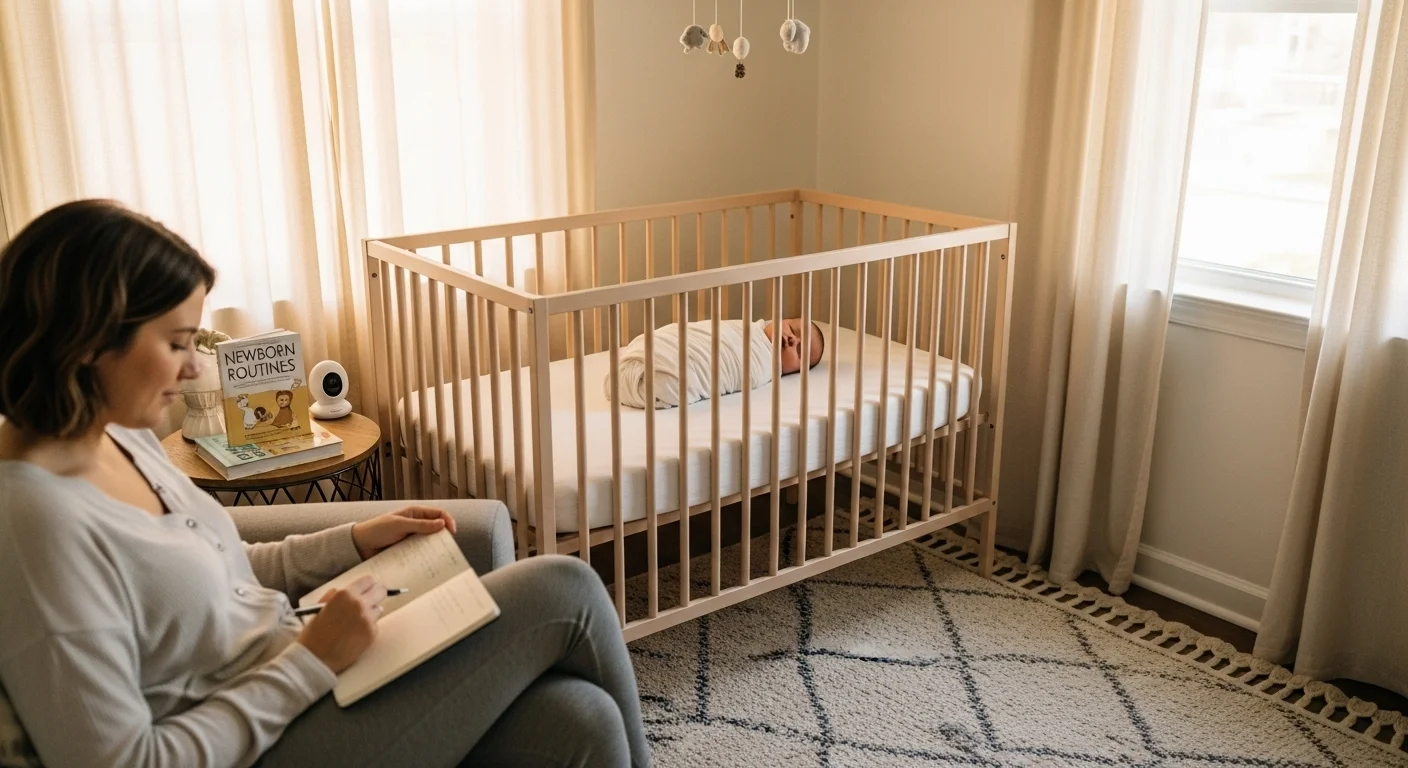
Understanding Newborn Sleep Patterns
When I first became a parent, I was amazed by how little I knew about newborn sleep patterns. I quickly learned that sleep for these tiny humans isn’t quite the same as it is for adults. The first few weeks of life are a whirlwind of feeding, changing, and sleepless nights. By understanding newborn sleep patterns, we can better support our babies—and ourselves—through this challenging time.
The Sleep Cycle of Newborns
Newborns typically sleep between 14 to 17 hours a day, but it’s not all in one long stretch. Their sleep cycles are shorter, lasting about 50 to 60 minutes, compared to the 90-minute cycles we experience as adults. I remember waking up every hour, thinking my baby was awake for the day, only to realize they were just transitioning between sleep stages. It’s important to note that newborns spend a lot of time in the REM sleep stage, which is vital for brain development. This phase is when they dream, and I often wondered what my little one might be dreaming about!
Differences Between Newborn and Adult Sleep
One of the biggest differences I found between newborn and adult sleep is that newborns don’t have a set day-night cycle. They are influenced more by their basic needs rather than the time of day. I remember trying to keep my baby awake during the day, thinking it would help them sleep longer at night. But newborns simply don’t work that way; they sleep when they need to, and it can be any time of day or night. Understanding this helped me relax and adjust my expectations.
Common Sleep Challenges in Newborns
Every baby is unique, and along with their sleeping habits, they can bring a host of challenges. One major issue I faced was the startle reflex. Newborns have a natural reflex that can cause them to wake suddenly, which can be frustrating when you’ve just settled them down. I also encountered the “witching hour,” where my baby would become fussy in the evening, making it tough to establish a bedtime routine. I learned that these challenges are common, and I wasn’t alone in my struggles. Connecting with other parents made all the difference in knowing I was in good company.
Importance of Establishing Routines
As I navigated the complex world of newborn sleep, I quickly realized the importance of establishing routines. Consistent sleep routines not only help our babies feel secure but also make life easier for us as parents. I found that when I created a predictable pattern for sleep, it made a world of difference for my little one. Read Interesting article: Understanding Your Postpartum Feelings: What to Expect
Benefits of a Consistent Sleep Routine
One of the greatest benefits I discovered was that a consistent sleep routine helped my baby learn when it was time to sleep. Establishing a regular bedtime and wake-up time can help regulate their internal clock. This predictability also helped me feel more in control of our days and nights. I started to notice that my baby began to fall asleep more easily and stayed asleep longer as we stuck to our routine.
How Routines Promote Better Sleep
When I implemented a calming bedtime routine, I saw a significant improvement in my baby’s sleep. Activities like a warm bath, gentle rocking, and a lullaby created a peaceful atmosphere that signaled it was time to wind down. I found that these calming rituals not only helped my baby relax but also gave me a sense of structure in our chaotic days. Over time, my baby began to associate these activities with sleep, making it easier for them to drift off into dreamland.
Impact of Routines on Infant Development
Establishing a sleep routine has benefits beyond just sleep; it also supports overall infant development. I learned that a well-rested baby is a happier baby, which made our days much more enjoyable. Sleep is crucial for brain development, and I wanted to ensure my baby was getting the rest they needed to grow and thrive. By investing time in a consistent routine, I felt I was doing my part in supporting my child’s developmental milestones. It was a win-win for both of us.
Creating a Sleep-Friendly Environment
When I started to think about my baby’s sleep, I quickly realized that the environment plays a huge role in how well they rest. Creating a sleep-friendly space was one of the best decisions I made. I discovered that small adjustments could lead to big improvements in my baby’s sleep quality.
Optimal Room Temperature for Newborns
I remember the first few nights when I was constantly checking if my baby was too hot or too cold. The ideal room temperature for newborns is between 68°F and 72°F (20°C to 22°C). I found that keeping the room slightly cooler helped my baby sleep better. If the room felt too warm, I noticed my baby would wake more often. I invested in a simple thermometer for the nursery, which helped me keep the temperature just right. A well-regulated temperature helped my baby stay comfortable and sleep longer stretches, which was a relief for both of us!
Choosing the Right Crib and Bedding
Finding the right crib was another adventure. I spent a lot of time researching safe sleeping options, and I learned that a firm mattress in a crib is essential. I opted for a crib that met all current safety standards. I also kept bedding minimal—just a fitted sheet and no pillows or blankets. I found that using a sleep sack was a great alternative to blankets, keeping my baby warm and cozy without the risks of suffocation. It felt good to know that I was providing a safe sleep environment while still ensuring my little one was comfortable.
Noise and Light Management
Managing noise and light was another area where I made significant changes. I realized that my baby was sensitive to noise, so I started to use a white noise machine. I found it soothing, too! The gentle hum created a comforting atmosphere, masking other household sounds that might wake my baby. I also invested in blackout curtains to keep the nursery dark during nap times. When I learned that dim lighting signals to babies that it’s time to sleep, I began dimming the lights during our bedtime routine. These simple adjustments helped create a calming environment that supported better sleep for my newborn.
Key Components of a Successful Sleep Routine
As I became more familiar with my baby’s sleep needs, I realized that certain key components helped create a successful sleep routine. It wasn’t just about putting my baby down to sleep; it was about establishing a pattern that signaled it was time to wind down.
Establishing a Bedtime Ritual
Creating a bedtime ritual was one of my favorite parts of our routine. I started with a warm bath, which seemed to signal that it was time to relax. After the bath, I would dress my baby in comfy pajamas and dim the lights. I added gentle rocking and singing lullabies, which became our special time together. The consistency of this ritual helped my baby understand that it was time for sleep. I cherished those moments; they allowed me to bond with my baby while establishing a calming atmosphere.
Feeding and Sleep Timing
I quickly learned that feeding and sleep timing go hand in hand. I tried to align feedings with sleep schedules, so my baby would not go to bed hungry. I noticed that if I fed my baby right before bedtime, they would settle down more easily. However, I also learned not to rush the process; sometimes, my baby would need a bit of time after eating to fall asleep comfortably. Finding that balance took some trial and error, but when I got it right, it made a big difference in how quickly my baby would drift off.
Soothing Techniques for Newborns
Soothing techniques became a crucial part of our routine, especially on those tougher nights. I discovered several methods that worked wonders for calming my baby. Gentle rocking, swaddling, and using a pacifier were all effective in helping my little one settle down. I also found that skin-to-skin contact can be incredibly soothing for newborns. There were times when I would simply hold my baby close and let them feel my heartbeat. This connection seemed to bring both of us peace. I realized that being responsive to my baby’s needs helped foster their ability to self-soothe as they grew.
When to Start Establishing Sleep Routines
As I continued my journey with my newborn, I often wondered when the right time would be to start establishing sleep routines. It felt like a game of trial and error, and I wanted to make sure I was doing what was best for my baby. I found that understanding the growth phases of newborns was crucial in determining when to introduce a consistent routine.
Understanding Newborn Growth Phases
Newborns go through various growth phases that can impact their sleep patterns. I learned that during the first few weeks, babies primarily focus on adjusting to life outside the womb. Their needs revolve around feeding, sleeping, and bonding. It was during the second month that I noticed my baby becoming more alert and aware of their surroundings. This was a sign that my little one was starting to develop a day-night rhythm. I remember reading that around six to eight weeks, many babies begin to show signs of readiness for a more structured sleep routine. This was the moment I decided to start introducing a consistent approach to sleep. Read Interesting article: Navigating Postpartum Emotions: A Guide for New Moms
Signs Your Baby is Ready for a Routine
Recognizing the signs that my baby was ready for a sleep routine was a game changer. I looked for cues like yawning, rubbing their eyes, or becoming fussy after being awake for a certain period. I found that my baby would often start showing tired signs about one to two hours after waking. Knowing this helped me establish a rhythm. Another significant indicator was when my baby began to manage longer awake periods. I felt confident that as they became more alert, it was time to help them learn how to wind down and sleep more effectively. It made me feel empowered as a parent, knowing I was responding to their needs.
Adapting Routines as Your Baby Grows
Just when I thought I had it all figured out, I quickly learned that routines are not one-size-fits-all. As my baby grew, their sleep needs changed. I remember how around three to four months, my little one began to develop a more predictable sleep schedule. With this newfound pattern, I realized it was essential to adapt our routine to fit those changes. Some nights, I would find that my baby needed a little more soothing, while other nights they would fall asleep almost instantly. Being flexible and responsive to my baby’s evolving needs was crucial in maintaining a successful sleep routine.
One of the things I loved most about adapting our routine was incorporating new elements as my baby grew. For instance, as my little one became more physically active, I started including gentle playtime during our daytime hours to help them tire out. I also learned to adjust nap schedules, ensuring my baby was not overtired by bedtime. Each adjustment felt like a new milestone, and I cherished those moments of growth.
Common Myths About Newborn Sleep
As I navigated the world of newborn sleep, I came across several myths that often confused me. I think it’s essential to debunk these misconceptions to help new parents feel more at ease in their journey.
Myth: Newborns Should Sleep Through the Night
One of the most prevalent myths I encountered was the belief that newborns should be sleeping through the night. I remember feeling overwhelmed by that expectation, especially during those sleepless nights. The truth is, newborns have tiny stomachs that need frequent filling, and it’s perfectly normal for them to wake up for feedings. I learned that sleep patterns vary significantly among babies, and it’s unrealistic to expect them to sleep for long stretches right away. Understanding this helped alleviate some of the pressure I put on myself and my baby.
Myth: Letting Babies Cry is Harmful
Another myth I stumbled upon was the notion that letting babies cry is harmful. I was torn between wanting to respond to my baby’s needs and feeling pressured to let them “cry it out.” I learned that while it’s important to respond to my baby’s cries, some gentle self-soothing techniques can also be beneficial. I found that allowing my baby a few moments to settle themselves didn’t harm them; instead, it helped them learn to self-soothe over time. It was all about finding a balance that worked for us.
Myth: All Babies Sleep the Same Way
Finally, the myth that all babies sleep the same way often left me feeling inadequate. I realized that every baby is unique, and their sleep patterns can vary widely. I learned to appreciate my baby’s individual needs and preferences. What worked for one friend’s baby might not work for mine, and that was completely okay. Embracing our uniqueness as a family and finding our rhythm made the experience more enjoyable.
Ultimately, understanding these myths helped me navigate the early days of parenthood with more confidence. By debunking these misconceptions, I felt empowered to create a sleep routine that worked for my family, adapting as needed along the way. It’s a journey, and I believe embracing the process is what makes it all worthwhile.
Expert Tips for New Parents
Consulting with Pediatricians
One of the best pieces of advice I received was to consult with my pediatrician about sleep issues. I remember feeling overwhelmed and unsure if I was doing everything right. When I finally reached out, my pediatrician offered me reassurance and guidance tailored to my baby’s specific needs. They helped me understand normal sleep patterns and when to be concerned. I highly recommend keeping an open line of communication with your pediatrician. They can provide valuable insights that make a significant difference in your approach to sleep routines.
Involving Partners in Sleep Routines
Involving my partner in our baby’s sleep routine was another game changer. Early on, I found myself taking on most of the nighttime responsibilities, which left me feeling exhausted. When we decided to share the load, things became much smoother. Whether it was alternating who would wake up for feedings or taking turns with bedtime rituals, it created a sense of teamwork that strengthened our bond as parents. I believe that having both parents involved not only benefits the baby but also nurtures the relationship between partners, making the journey of parenthood more enjoyable.
Tracking Sleep Patterns for Better Insights
I discovered that keeping track of my baby’s sleep patterns was incredibly helpful. I started using a simple notebook (or even an app) to jot down when my baby would sleep, how long they slept, and any other relevant notes, like feeding times or fussy periods. Over time, I noticed certain patterns that helped me adjust our routine. For example, I learned that my baby tended to sleep longer after afternoon naps. This information empowered me to make more informed decisions about when to put my baby down for sleep, ultimately leading to better nights for all of us.
Resources and Tools for Newborn Sleep Management
Sleep Tracking Apps
In my quest for better sleep management, I stumbled upon various sleep tracking apps that proved to be incredibly helpful. Many of these apps allow you to log sleep times, feeding schedules, and even diaper changes. They often come with features that help you visualize patterns over time. Using an app not only simplified the tracking process, but it also gave me insights that I might have otherwise missed. If you’re tech-savvy, I highly recommend exploring these options to see what fits your style.
Books on Infant Sleep Strategies
Another resource that I found invaluable was reading books on infant sleep strategies. There are numerous titles out there, each offering different perspectives and techniques. Some books focus on gentle sleep training, while others provide structured methods. I enjoyed reading a variety of approaches to find what resonated with me and my baby. I learned that every family is unique, and the more I educated myself, the better equipped I felt to make decisions that aligned with our values and needs.
Online Support Groups and Forums
Connecting with other parents through online support groups and forums was a lifeline for me. I found comfort in knowing I was not alone in my struggles. These communities are filled with parents who share their experiences, tips, and even frustrations. I often found answers to questions I hadn’t thought to ask and gained insights from parents who had been through similar challenges. I highly recommend seeking out these spaces to share your journey and absorb the wisdom of others who truly understand what you’re going through.
Final Thoughts
Parenting a newborn is undoubtedly a journey filled with surprises, challenges, and countless learning experiences. As I navigated this world, I found that understanding my baby’s sleep patterns, establishing effective routines, and creating a supportive environment were crucial steps. I believe that every little effort we make as parents contributes to our child’s development and our overall well-being. Embracing flexibility and adapting to our baby’s unique needs helped us find our rhythm. Remember, it’s perfectly okay to seek help, share experiences, and lean on one another. We’re all in this together, and it’s those connections and shared knowledge that make the ride so much more enjoyable. Here’s to restful nights and happy parenting!
Frequently Asked Questions
What are typical newborn sleep patterns?
Newborns typically sleep between 14 to 17 hours a day in shorter sleep cycles lasting about 50 to 60 minutes. They spend a lot of time in the REM sleep stage, which is vital for brain development.
How do newborn sleep cycles differ from adult sleep cycles?
Newborn sleep cycles are shorter, lasting about 50 to 60 minutes compared to the 90-minute cycles experienced by adults. Additionally, newborns do not have a set day-night cycle and are influenced more by their basic needs.
What common challenges do parents face with newborn sleep?
Common challenges include the startle reflex, which can cause sudden waking, and the “witching hour,” where babies may become fussy in the evening. These challenges are typical and can often be managed with support from other parents.
Why is establishing a sleep routine important for newborns?
Establishing a sleep routine helps babies feel secure and makes life easier for parents. A predictable pattern for sleep can help regulate the baby’s internal clock and improve their ability to fall asleep and stay asleep.
What are some effective components of a successful sleep routine?
Key components include a calming bedtime ritual such as a warm bath, gentle rocking, and lullabies, as well as aligning feeding times with sleep schedules to ensure the baby is not going to bed hungry.
What is the ideal room temperature for a newborn’s sleep environment?
The ideal room temperature for newborns is between 68°F and 72°F (20°C to 22°C). Keeping the room slightly cooler can help the baby sleep better and longer.
How can noise and light affect a newborn’s sleep?
Noise and light can significantly impact a newborn’s sleep quality. Using a white noise machine can create a soothing atmosphere, while blackout curtains can keep the nursery dark during nap times, signaling to the baby that it’s time to sleep.
When should parents start establishing sleep routines for their newborn?
Parents can start establishing sleep routines around six to eight weeks when many babies begin to show signs of readiness for a more structured sleep routine. Look for cues like yawning or rubbing their eyes as indicators.
What are some myths about newborn sleep?
Common myths include the belief that newborns should sleep through the night, that letting babies cry is harmful, and that all babies sleep the same way. Each baby is unique and has different sleep needs.
How can parents track their baby’s sleep patterns?
Parents can track their baby’s sleep patterns using a simple notebook or sleep tracking apps to log sleep times, feeding schedules, and other relevant notes. This can help identify patterns and adjust routines effectively.