
Mastering open dialogue can transform your travel experience, allowing you to connect deeply with different cultures. This backpacker’s communication guide will help you navigate conversations with ease and confidence. Read Interesting article: Communicate Better on the Road: Tips for Open Dialogue
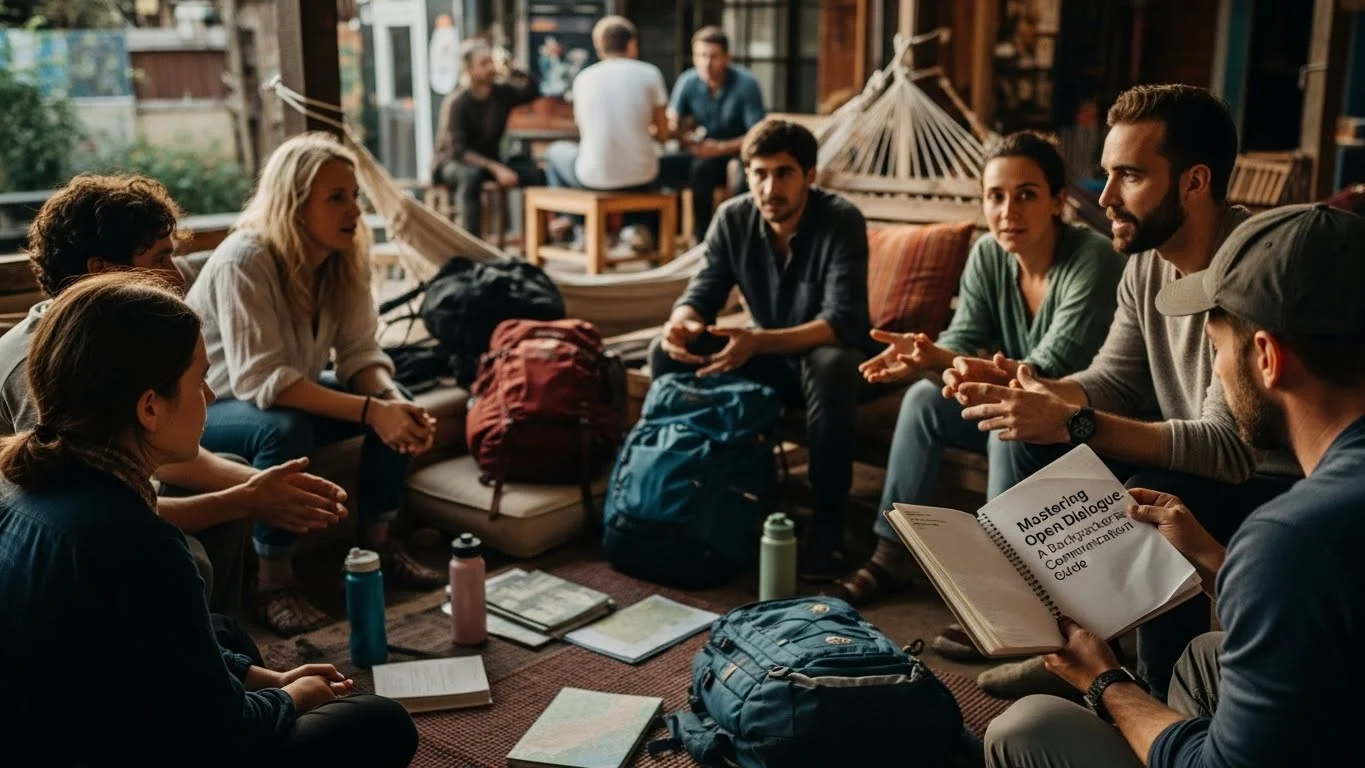
Understanding Open Dialogue in Communication
Definition of Open Dialogue
Open dialogue is an approach where communication flows freely between individuals, fostering a space where everyone feels heard and valued. I’ve often found that it’s not just about exchanging words but about creating an atmosphere of trust. When I engage in open dialogue, I try to focus on being present and genuinely interested in what the other person is saying. This means listening with intent and responding thoughtfully. It’s a dance of words and emotions, where both parties contribute to a shared understanding.
Importance of Open Dialogue for Backpackers
As backpackers, we often find ourselves in unfamiliar territories, surrounded by diverse cultures and languages. Open dialogue is crucial because it helps bridge these gaps. I remember my first solo trip to Thailand, where the language barrier felt daunting. However, when I approached locals with an open mindset and a willingness to learn, I found that many were eager to share their stories and knowledge. Open dialogue not only enriches our travel experiences but also deepens our appreciation for the places we visit. It turns strangers into friends and transforms mundane interactions into meaningful exchanges. Read Interesting article: Unlocking Travel Secrets: How to Encourage Open Dialogue
Key Principles of Open Dialogue
To truly master open dialogue, there are several key principles I strive to follow. First, **active listening** is essential. This means putting aside distractions and focusing entirely on the speaker. I make it a point to nod or give small verbal affirmations to show I’m engaged. Next, I always aim to be respectful and considerate, understanding that cultural differences may influence communication styles. I’ve learned to ask questions, not just to fill the silence, but to invite the other person into the conversation. This encourages them to share more, enhancing the dialogue. Lastly, honesty and openness are vital. When I share my thoughts and feelings genuinely, I’ve noticed that others are more likely to reciprocate, leading to richer conversations.
Essential Communication Skills for Backpackers
Active Listening Techniques
Active listening is one of the most powerful tools I’ve discovered in enhancing my conversations while traveling. It’s not just about hearing the words; it’s about understanding the emotions behind them. I’ve found that when I listen actively, I can respond more effectively. One technique I use is summarizing what the other person has said, which shows I value their input and helps clarify any misunderstandings. For example, during a bus ride in Colombia, I practiced this with a fellow traveler, and it led to a fascinating discussion about our backgrounds and travel experiences.
Non-Verbal Communication Cues
Non-verbal cues play a significant role in communication, especially when words fail us. I remember a time in Japan when I struggled to express myself verbally. I noticed how much I could convey through gestures, facial expressions, and even eye contact. Smiling, nodding, and being aware of my body language helped me connect with locals. I’ve come to appreciate that non-verbal communication can sometimes speak louder than words. When we travel, it’s essential to be mindful of these signals, as they can vary greatly across cultures.
Empathy and Understanding in Conversations
Empathy is at the heart of open dialogue. I believe that showing empathy means putting ourselves in the other person’s shoes, considering their feelings and perspectives. While traveling, I often encounter people with stories that are vastly different from mine. By approaching these conversations with curiosity and compassion, I’ve learned so much. I recall a conversation with a street vendor in Morocco, who shared his struggles and dreams. I listened not just with my ears but with my heart, which helped me connect with him on a human level. This bond made my travel experience richer and more meaningful.
Constructive Feedback and Response
When communicating, providing constructive feedback can enhance the conversation. I’ve learned that it’s important to express my thoughts respectfully, focusing on the message rather than the person. For example, if a friend shares a travel idea that seems impractical, I might say, “That’s an interesting thought! Have you considered how you might handle the logistics?” This approach not only fosters healthy dialogue but also encourages openness. I’ve found that when I give feedback in a supportive way, it leads to deeper conversations and better understanding.
Overcoming Language Barriers
Basic Phrases in Common Languages
When I travel, I’ve realized that learning a few basic phrases in the local language can make a world of difference. It shows respect and enthusiasm for the culture. For instance, I remember my trip to Italy, where I learned simple phrases like “Ciao,” “Per favore” (please), and “Grazie” (thank you). Even though my pronunciation was far from perfect, the locals appreciated my efforts. They often responded with smiles and more open conversations. I recommend creating a small cheat sheet or using language learning apps to practice these phrases before hitting the road. It’s a small investment of time that pays off in big ways when you see people light up at your attempt to communicate in their language.
Using Translation Apps Effectively
In today’s digital age, translation apps are lifesavers for travelers. I vividly remember a time in Spain when I was trying to order food at a local restaurant. My Spanish was basic at best, but I had my trusty translation app on hand. I typed in what I wanted to say, and it provided me with the Spanish equivalent. The waiter not only understood me but also engaged in a fun back-and-forth conversation. To get the most out of these apps, I found that using them to translate a few sentences beforehand helps. This way, I can familiarize myself with the pronunciation and context. Plus, it’s often more polite to attempt speaking the language before resorting to the app, as it shows you value their culture.
Understanding Cultural Nuances and Idioms
Every language comes with its unique idioms and cultural nuances that can sometimes trip us up. During my travels in Turkey, I learned that certain phrases don’t translate directly. For example, the expression “It’s raining cats and dogs” would leave someone in Turkey scratching their head. Instead, I discovered local phrases that conveyed similar meanings. Taking the time to learn these nuances not only helps avoid confusion but also shows locals that you’re making an effort to understand their culture. I often consult travel blogs or talk to locals about common sayings or expressions before diving into a conversation, which has enriched my interactions immensely.
Engaging with Locals: Tips and Tricks
One of the best parts of traveling is the people you meet along the way. I’ve learned that engaging with locals can turn a typical day into an extraordinary experience. One tip that has worked wonders for me is to visit local markets or community events. For example, at a night market in Taiwan, I struck up a conversation with a vendor selling street food. I asked about the ingredients of a dish, and before I knew it, we were chatting about family recipes and cooking traditions. This not only led to delicious food but also a genuine connection. Another trick is to show genuine curiosity. Asking open-ended questions about their experiences or recommendations for hidden gems can spark meaningful dialogues.
Building Confidence in Communication
Preparing for Conversations Before Traveling
Feeling nervous about communicating in a new place is completely normal. I’ve been there! To build my confidence, I take time to prepare before traveling. I research the culture and language of my destination, which helps me feel more familiar with what to expect. I often jot down some conversation starters and questions. For instance, I’ll write down topics that interest me, like local cuisine or historical sites. Having these in my back pocket not only eases my nerves but also gives me a head start on making connections. Knowing that I have thoughtful topics to discuss allows me to approach conversations with more confidence.
Practicing Speaking Skills
Before embarking on a trip, I find it beneficial to practice speaking skills. Whether it’s through language exchange meetups or apps like Tandem, getting comfortable with the sounds and rhythm of a language boosts my confidence. I once participated in a language exchange group where I practiced my French with native speakers. It was a little intimidating at first, but the friendly atmosphere made it enjoyable. I realized that everyone was there to learn, and making mistakes was part of the process. I recommend seeking out similar opportunities, as they provide a safe space to practice and build confidence.
Role-Playing Scenarios with Fellow Travelers
One fun and effective way to build communication confidence is through role-playing scenarios with fellow travelers. I remember organizing a small meet-up with other backpackers at a hostel, where we took turns pretending to be tourists and locals. We acted out various situations, like ordering food or asking for directions. This exercise not only made us laugh but also prepared us for real-life interactions. It’s amazing how role-playing can ease anxiety and allow us to think on our feet. I’d recommend setting up a similar activity with friends or fellow travelers; it’s a great way to bond while also honing your skills.
Strategies for Effective Conversations Abroad
Starting Conversations with Strangers
One of the most rewarding aspects of traveling is the opportunity to meet new people. I’ve learned that starting conversations with strangers can often lead to the most memorable experiences. A simple smile and eye contact can go a long way. I remember being in a café in Prague, and I saw a couple at the next table. I complimented their choice of dessert, and that small comment opened up a delightful conversation about our travels. They shared tips on hidden gems in the city, and I gave them insights on places I had visited in their home country. It was a beautiful exchange that turned two strangers into friends for that afternoon.
Another effective strategy is to ask open-ended questions. Instead of asking, “Did you have a good trip?” try something like, “What has been the highlight of your travels so far?” This type of question invites a more detailed response and encourages the other person to share their experiences. I’ve found that people love to talk about their adventures, and it often leads to discussions filled with laughter and shared insights.
Maintaining a Dialogue with New Friends
Once you’ve started a conversation, maintaining that dialogue is key. I’ve noticed that showing genuine interest in the other person’s story helps keep the conversation flowing. I often find ways to relate what they’re saying to my own experiences, which creates a natural back-and-forth exchange. For instance, I met a fellow backpacker in Costa Rica who was passionate about wildlife photography. I shared my experience volunteering at an animal sanctuary, and we ended up swapping tips on capturing the perfect shot.
It’s also essential to pay attention to non-verbal signals during these conversations. I try to be aware of my body language and the other person’s as well. If they seem engaged, leaning in or nodding, I know I’m on the right track. However, if they start looking away or checking their phone, it might be time to change the subject or ask them about something they’re passionate about. I’ve found that being adaptable in conversations keeps them lively and enjoyable.
Handling Difficult Conversations or Conflicts
Not every conversation will go smoothly, and that’s okay. I’ve encountered moments where misunderstandings arise due to language barriers or differing viewpoints. In one instance, during a group hike in the Andes, I had a disagreement with another traveler about the best route to take. Instead of letting it escalate, I took a step back and acknowledged their perspective. I said, “I see where you’re coming from, but I think this route might offer us a better view.” This approach diffused the tension and allowed us to reach a compromise that worked for everyone.
It’s essential to approach these conversations with an open mind and a willingness to listen. I learned that staying calm and respectful can lead to productive discussions, even in challenging situations. I’ve also discovered that a little humor can help lighten the mood. When I accidentally offended someone with a joke that didn’t translate well, I quickly apologized and followed it up with a light-hearted comment to ease the awkwardness. It’s all about keeping the dialogue open and ensuring both parties feel heard.
Using Humor and Storytelling to Connect
Humor has been one of my secret weapons in building connections. Sharing a funny travel mishap can break the ice and create a warm atmosphere. I recall a time when I mistakenly ordered a dish with an ingredient I was allergic to in Thailand. Instead of being embarrassed, I turned it into a funny story, and soon everyone was laughing. This shared humor not only eased my embarrassment but also encouraged others to share their own travel blunders, deepening our bond.
Storytelling is another powerful tool I’ve utilized in conversations. I remember sitting around a campfire in New Zealand, where everyone was sharing their favorite travel stories. I shared my experience of getting lost in Venice, and how I ended up discovering a hidden art gallery. The excitement in my voice seemed to resonate with everyone, and soon we were all trading tales of unexpected adventures and serendipitous moments. Storytelling creates a sense of camaraderie and can turn simple interactions into lasting memories.
Leveraging Technology for Better Communication
Top Communication Apps for Travelers
In our tech-savvy world, I can’t stress enough how useful communication apps can be for travelers. My go-to app is Google Translate, which has saved me countless times. I’ve used it to order food, ask for directions, and even negotiate prices in markets. The conversation feature allows for real-time translation, which can make a world of difference. I also love using Duolingo to brush up on basic phrases before my trips. It’s a fun way to engage with the language and gives me a bit more confidence when speaking with locals.
Another app I find helpful is HelloTalk, which connects you with native speakers around the world for language exchange. I’ve made some great friends through this app, and practicing with them has enriched my travel experiences. We’ve shared not just language tips but also cultural insights, which makes the app a two-for-one deal!
Social Media as a Tool for Connection
Social media can also be a powerful tool for connecting with fellow travelers and locals. I’ve joined various travel groups on platforms like Facebook and Instagram, where travelers share experiences, tips, and even meet-ups. I’ve met some incredible people this way, and it often leads to spontaneous adventures. For example, while in Australia, I saw a post about a local beach cleanup event and decided to join. Not only did I contribute to the community, but I also made friends with several locals who shared my passion for environmental conservation.
Online Communities and Forums for Backpackers
Online forums are another great resource for backpackers. Websites like Lonely Planet’s Thorn Tree and Reddit’s travel communities provide platforms for asking questions, sharing experiences, and getting advice. I’ve posted about my upcoming trip to a new destination, and the responses have been incredibly helpful. Fellow travelers often offer insights about local customs, safety tips, and even suggest hidden spots that aren’t in the guidebooks. Engaging in these communities has not only prepared me for my trips but has also expanded my perspective on traveling.
Frequently Asked Questions
What is open dialogue in communication?
Open dialogue is an approach where communication flows freely between individuals, fostering a space where everyone feels heard and valued. It focuses on being present, genuinely interested, and creating an atmosphere of trust.
Why is open dialogue important for backpackers?
Open dialogue is crucial for backpackers as it helps bridge cultural and language gaps, enriching travel experiences and deepening appreciation for different places. It turns strangers into friends and transforms mundane interactions into meaningful exchanges.
What are the key principles of open dialogue?
The key principles of open dialogue include active listening, being respectful and considerate, asking questions to invite conversation, and practicing honesty and openness to foster richer discussions.
How can active listening enhance communication while traveling?
Active listening enhances communication by helping travelers understand the emotions behind the words spoken. Techniques like summarizing what the other person has said show value for their input and help clarify misunderstandings.
What role does non-verbal communication play in travel conversations?
Non-verbal communication plays a significant role, especially when language fails. Cues like gestures, facial expressions, and eye contact can convey meaning and help connect with locals, making it essential to be mindful of these signals across different cultures.
What are some basic phrases travelers should learn in local languages?
Learning basic phrases such as greetings, “please,” and “thank you” in the local language shows respect and enthusiasm for the culture, making interactions more positive and engaging with locals.
How can translation apps assist travelers in communication?
Translation apps can be lifesavers for travelers, allowing them to translate phrases in real-time and facilitating conversations. Using these apps effectively by familiarizing oneself with pronunciation and context enhances communication efforts.
What strategies can backpackers use to start conversations with strangers?
Backpackers can start conversations by using simple greetings, making eye contact, and asking open-ended questions that invite detailed responses, creating opportunities for memorable exchanges.
How can humor and storytelling enhance connections during travel?
Humor and storytelling can break the ice and create a warm atmosphere, fostering camaraderie. Sharing funny travel mishaps or engaging in storytelling about adventures can turn simple interactions into lasting memories.
What technology tools are recommended for better communication while traveling?
Useful technology tools include communication apps like Google Translate for real-time translation, Duolingo for language practice, and social media platforms for connecting with fellow travelers and locals.