
Mastering positive discipline can transform our parenting journey, leading to stronger connections with our children and fostering a nurturing environment. Let’s explore how reinforcement plays a vital role in this approach. Read Interesting article: Transform Behavior with Positive Reinforcement in Parenting
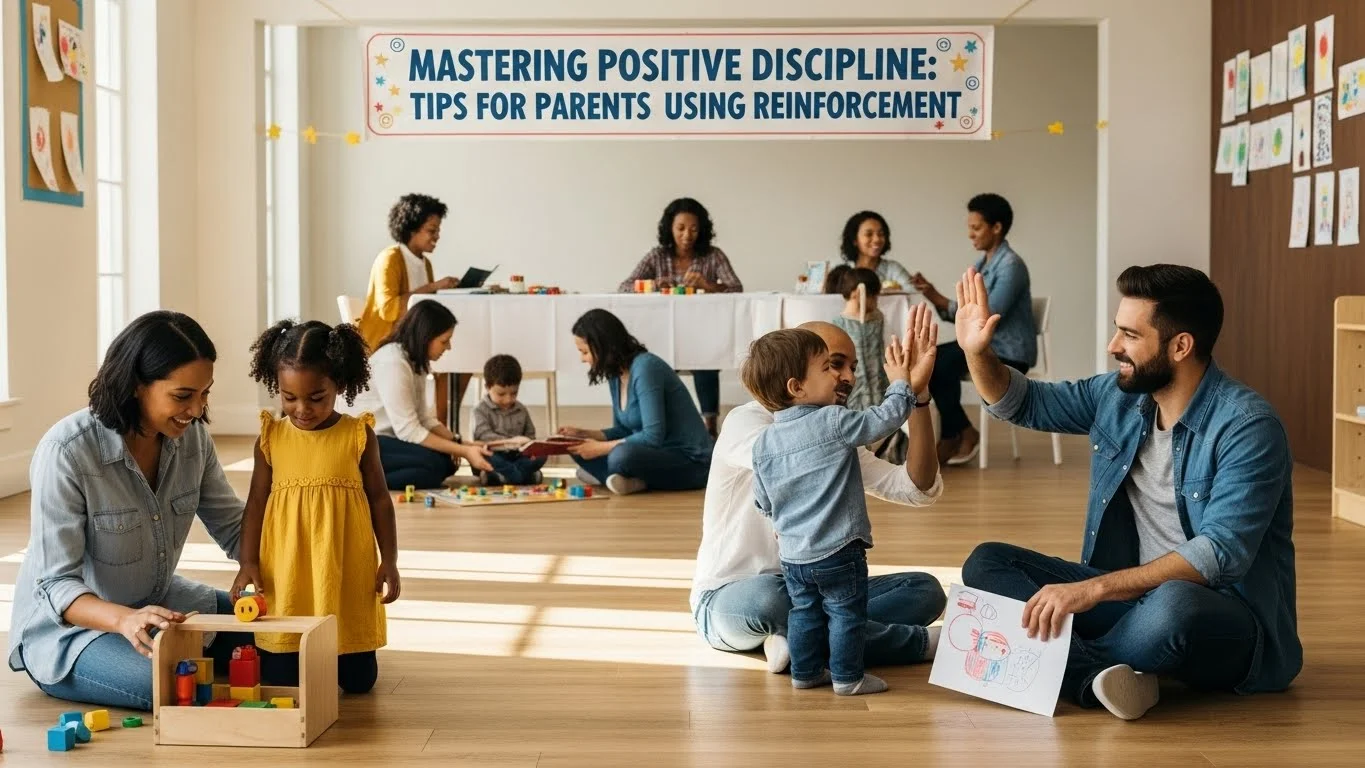
Understanding Positive Discipline
Definition and Importance
Positive discipline is a parenting method that emphasizes guidance, encouragement, and mutual respect rather than punishment. I remember when I first stumbled upon this concept; it felt like a breath of fresh air compared to traditional discipline methods. Instead of focusing solely on correcting misbehavior, positive discipline encourages teaching valuable life skills and fostering emotional intelligence. This approach helps children learn from their mistakes in a supportive environment, which I found to be incredibly effective in my own parenting journey.
The importance of positive discipline lies in its ability to nurture a child’s self-esteem and resilience. I’ve seen firsthand how this approach leads to long-lasting behavioral changes rather than temporary compliance. When children feel safe and understood, they are more likely to cooperate and develop a positive attitude towards learning and growth.
Core Principles of Positive Discipline
At its core, positive discipline is built upon several key principles. First and foremost, it promotes connection over correction. I realized that when I focused on building a strong relationship with my children, they were more willing to listen and learn. This connection fosters trust, allowing children to feel comfortable expressing their feelings and challenges.
Another principle is setting clear expectations. I learned that when I communicated what was expected of my children, they understood the boundaries and were less likely to push them. Additionally, positive discipline emphasizes teaching problem-solving skills. Instead of simply pointing out what’s wrong, I started to guide my children in finding solutions, which empowered them to take ownership of their actions.
Benefits for Children and Parents
The benefits of positive discipline reach both children and parents. For children, it fosters emotional regulation, social skills, and responsibility. I noticed that my kids became more empathetic and better at managing their emotions as they learned to navigate challenges. They weren’t just avoiding punishment; they were actively engaging in learning how to behave appropriately.
For parents, the advantage is equally profound. Positive discipline reduces stress and frustration in our parenting journey. I remember how overwhelmed I felt when I relied on traditional discipline methods, often leading to power struggles and negative interactions. With positive discipline, I found more joy in my parenting, as our interactions became more constructive and meaningful.
Additionally, this approach encourages self-reflection among parents. I often find myself evaluating my reactions and considering how I can respond in a way that aligns with positive discipline principles. It has transformed not only my relationship with my kids but also my understanding of myself as a parent.
Key Concepts in Positive Discipline
Reinforcement: Positive vs. Negative
Reinforcement is at the heart of positive discipline, and it can be categorized into two types: positive and negative reinforcement. Positive reinforcement involves adding something desirable to encourage a behavior, like praising your child when they share their toys. I’ve found that a simple, heartfelt “great job!” can go a long way in motivating my children to repeat positive behaviors. Read Interesting article: Unlocking Positive Discipline: 5 Key Reinforcement Techniques
On the other hand, negative reinforcement involves removing an unpleasant stimulus to strengthen a behavior. For instance, if my child cleans their room, they might avoid the nagging reminder that usually follows. While both forms of reinforcement can be effective, I prefer focusing on positive reinforcement to create a more uplifting environment.
The Role of Consequences
Consequences are an integral part of positive discipline, but they should be constructive rather than punitive. I’ve learned that using consequences as a learning opportunity helps my children understand the impact of their actions. For example, if my child forgets to complete their homework, the consequence isn’t a punishment but rather a chance to discuss what happened and how to prevent it in the future.
By framing consequences this way, I encourage my children to take responsibility and learn from their mistakes, rather than feeling ashamed or defensive. This shift in perspective has not only benefited my children but has also made our household feel more peaceful.
Understanding Natural and Logical Consequences
Natural consequences happen as a result of a child’s actions without parental intervention. For instance, if my child refuses to wear a coat on a chilly day, they will feel cold. This experience teaches them valuable lessons about the importance of dressing appropriately. I’ve noticed that these natural consequences often resonate more deeply with my children than anything I could say.
Logical consequences, on the other hand, are imposed by parents and are directly related to the misbehavior. For example, if my child decides to leave their toys out, a logical consequence would be putting those toys away for a period of time. This approach reinforces the idea that actions have consequences, helping my children connect their choices with outcomes.
Understanding both types of consequences has enriched my parenting strategy. It’s all about balancing guidance with opportunities for my children to learn and grow, which I believe is essential for their development.
Practical Tips for Parents Using Reinforcement
Establishing Clear Expectations
One of the first things I learned in my journey with positive discipline is the importance of establishing clear expectations. I realized that when I laid out what I expected from my children, it created a roadmap for their behavior. Instead of vague instructions like “be good,” I started using specific phrases like “please remember to share your toys when your friends come over.” This clarity helped my kids understand what was acceptable and what wasn’t.
To set clear expectations, I found it beneficial to involve my children in the discussion. We would sit down together and create a list of family rules. By giving them a voice, I noticed they took more ownership of these rules. This process also opened up a dialogue about why those expectations were in place, helping them grasp the reasoning behind our family’s values and norms.
Using Positive Reinforcement Effectively
Positive reinforcement is a powerful tool in positive discipline, and I’ve seen tremendous results when I use it effectively. Instead of waiting for my children to do something “right” before I acknowledge them, I learned to catch them being good. For example, when I noticed my child helping a sibling or completing a task without being asked, I would highlight that behavior immediately with praise.
What I found particularly effective is being specific about what behavior I was praising. Instead of just saying “good job,” I might say, “I really appreciate how you helped your sister with her homework.” This not only reinforces the behavior but also makes my child feel valued for their actions. I’ve noticed that this approach encourages them to repeat those positive behaviors more frequently.
Implementing Consistent Consequences
Consistency is crucial when it comes to implementing consequences. In my experience, I discovered that if I was inconsistent, it confused my children and led to frustration on both sides. I learned to communicate the consequences clearly ahead of time, so they understood what would happen if the rules were broken.
For instance, if my child leaves their bike out after being reminded to put it away, the consequence would be that the bike goes into a “time-out” for a day. I made sure to follow through every time without fail, which helped my children understand that their actions had predictable outcomes. Over time, they began to internalize this lesson, which made my job as a parent a bit easier.
Setting Up a Reward System
Creating a reward system has been one of the most rewarding aspects of my positive discipline journey. I decided to implement a chart where my children could earn stickers for showing positive behaviors, like completing chores or helping out at home. Once they gathered a certain number of stickers, they could trade them in for a special treat or activity, like a movie night or an outing to their favorite ice cream shop.
This setup not only motivated my kids but also made the process of learning and growing together fun. I noticed they started to work harder to earn those stickers, and it fostered a sense of achievement and pride in their accomplishments. It turned discipline into something positive, rather than just a series of restrictions.
Encouraging Self-Discipline
Encouraging self-discipline is perhaps one of the greatest gifts I can give my children. I remember when I started teaching my kids to set their own goals. For example, if they wanted to save up for a new video game, we would sit down and create a plan together. This involved tracking their allowance and deciding how much they would save each week.
By involving them in the process, I found that they began to take responsibility for their choices. When they faced temptations, like wanting to spend their money on candy instead of saving, I encouraged them to weigh the pros and cons of their decisions. This practice not only taught them about financial responsibility but also helped them develop impulse control and patience.
Watching my children grow into self-disciplined individuals has been incredibly fulfilling. It’s a journey that requires patience and persistence, but with positive discipline, I feel we’re heading in the right direction. As they learn to make choices aligned with their goals, it’s clear that they’re internalizing the life skills that will serve them well in the future.
Common Challenges and Solutions
Dealing with Resistance to Discipline
One challenge I frequently faced was my children’s resistance to discipline. I remember those moments when I would set a clear expectation, only to be met with eye rolls or outright defiance. It could be frustrating, but I learned that resistance often stems from a child feeling misunderstood or overwhelmed. To tackle this, I decided to approach discipline as a team effort. I would sit down with my kids and discuss the boundaries we were setting, allowing them to voice their feelings and concerns.
I found that when they felt heard, they were more likely to cooperate. For instance, if I noticed one of my kids struggling with a new rule about screen time, I would ask questions to understand their perspective. This open communication helped us reach a compromise that respected their feelings while still maintaining necessary boundaries. By involving them in the process, I turned resistance into a collaborative discussion, which significantly reduced the friction we initially faced.
Managing Tantrums and Emotional Outbursts
Tantrums have been another hurdle in my parenting journey. It’s heart-wrenching to see your child in distress, and I remember how helpless I felt during those moments. However, I learned that rather than viewing tantrums as misbehavior, I could see them as opportunities for teaching emotional regulation. When my child would have an outburst, I made it a point to remain calm and supportive, rather than reactive. I would remind myself that they were overwhelmed, and my job was to guide them through it.
During calmer moments, I began to teach my children about feelings and how to express them. We started using a “feelings chart” where they could point out what they were feeling instead of lashing out. For instance, if they were frustrated, they might use a picture of an angry face to express that instead of throwing a toy. This simple tool has empowered my kids to communicate their emotions more effectively, which has dramatically reduced the frequency of tantrums.
Balancing Discipline and Affection
Finding the right balance between discipline and affection has been a constant learning curve for me. I’ve realized that when I’m too strict, I risk alienating my children, but if I’m too lenient, the boundaries can become blurred. To strike that balance, I focused on being consistent and clear in my expectations while ensuring my children felt loved and supported. I started to incorporate affection into our daily routines, making it a point to express love and appreciation even during discipline moments.
I found that simple gestures, like a hug before discussing a misbehavior or a high-five after they followed through with their responsibilities, went a long way. I began to say things like, “I love you, and that’s why I want you to understand why we can’t do that.” This approach created a sense of security for them, allowing them to recognize that discipline doesn’t equate to a lack of love. It’s about nurturing their growth and understanding that mistakes are part of learning.
Positive Discipline Strategies for Different Ages
Positive Discipline for Toddlers
When it comes to toddlers, I’ve learned that consistency and simplicity are key. With my little ones, I focused on setting clear, simple rules that they could understand. I remember using phrases like “gentle hands” or “we use our words” to redirect their behavior. Toddlers often test boundaries, so I made sure to stay calm and consistent in my responses. It was also helpful to offer choices when possible; for instance, “Do you want to wear the red shirt or the blue one?” This gave them a sense of control while still adhering to our family’s expectations.
Positive Discipline for Preschoolers
As my children transitioned into preschool, I noticed their social interactions became more complex. I found that role-playing was a fantastic way to teach them about sharing and cooperation. We would act out different scenarios, discussing how to handle conflicts or practice sharing toys. This not only made learning fun but also provided them with concrete examples of the behaviors we were encouraging. I also started to emphasize empathy by asking them how they would feel in certain situations, which helped them develop a deeper understanding of their peers.
Positive Discipline for Elementary School Children
With elementary-aged kids, I found that encouraging independence became essential. I started involving my children in setting their own goals, like completing homework or chores. This shift not only empowered them but also taught them about accountability. I remember one instance where my child had a big project due, and instead of hovering over them, I guided them in creating a timeline. That way, they took ownership of their responsibilities while I provided support along the way.
Positive Discipline for Teenagers
As my kids entered their teenage years, I realized that open communication became even more critical. Teenagers are navigating a whirlwind of emotions and social pressures, so I made it a priority to create a safe space for them to express themselves. I began having regular check-ins where we would discuss their feelings, challenges, and victories. This not only fostered trust but also allowed for discussions around boundaries and expectations in a way that felt respectful to their growing independence.
Resources for Parents
Books on Positive Discipline
One of the best ways to deepen my understanding of positive discipline was through reading. I found several books that resonated with me and provided practical strategies. One standout is “Positive Discipline” by Jane Nelsen, which lays out a comprehensive approach to nurturing children while maintaining respect and dignity. I also enjoyed “The Whole-Brain Child” by Daniel J. Siegel and Tina Payne Bryson, which offers insights on how to help kids develop emotional intelligence. These books not only helped me grasp key concepts but also inspired me to be more intentional in my parenting practices.
Online Courses and Workshops
Exploring online courses and workshops was another valuable resource in my journey. I discovered platforms like Coursera and Udemy, which offer courses on positive parenting strategies. Participating in a workshop helped me connect with others on similar paths, sharing struggles and gaining insights. I remember one particular course that emphasized role-playing scenarios, which I found to be a game-changer. It provided me with real-life applications that made the theories I read about more tangible.
Support Groups and Communities
Connecting with other parents through support groups and online communities has been incredibly beneficial. I joined a local parenting group, where we exchanged experiences and advice. It was comforting to know that I wasn’t alone in my challenges. Online forums, like those on Facebook or parenting blogs, became places where I could seek guidance and share my successes. The sense of camaraderie helped me feel supported, and I often left these discussions feeling uplifted and motivated.
Real-Life Examples and Case Studies
Successful Implementation of Positive Discipline
In my experience, applying positive discipline has produced remarkable results. For instance, my friend Lisa struggled with her son’s defiance during homework time. After implementing some positive discipline strategies, she began rewarding him with extra playtime when he completed his tasks without fussing. She noticed an immediate change; he started taking pride in his work and even began asking for new challenges. Witnessing this transformation reinforced my belief in the power of positive discipline.
Parent Testimonials and Experiences
Hearing from other parents has been enlightening. I remember attending a seminar where parents shared their journeys with positive discipline. One mother described how her daughter, who had frequent meltdowns, learned to express her emotions using a feelings chart. As a result, their home became much more peaceful. These testimonials serve as reminders that while the path may be challenging, the rewards are abundant when we commit to this nurturing approach.
Final Thoughts
Embracing positive discipline has truly been a transformative experience for my family and me. It’s a conscious choice to focus on nurturing our children’s emotional intelligence while building strong relationships. I’ve learned that parenting is not about being perfect but about being present and engaged. The tools and strategies I’ve shared have empowered me to approach challenges with empathy and understanding. I encourage all parents to explore positive discipline, as it can lead to a more harmonious family dynamic and happy, resilient children. Together, we can create environments that foster growth, learning, and love, making our parenting journey a fulfilling one.
Frequently Asked Questions
What is positive discipline?
Positive discipline is a parenting method that emphasizes guidance, encouragement, and mutual respect rather than punishment. It focuses on teaching valuable life skills and fostering emotional intelligence in children.
Why is positive discipline important?
The importance of positive discipline lies in its ability to nurture a child’s self-esteem and resilience, leading to long-lasting behavioral changes rather than temporary compliance. Children who feel safe and understood are more likely to cooperate and develop a positive attitude towards learning and growth.
What are the core principles of positive discipline?
Core principles of positive discipline include promoting connection over correction, setting clear expectations, and teaching problem-solving skills. These principles foster trust and empower children to take ownership of their actions.
What are the benefits of positive discipline for children?
For children, positive discipline fosters emotional regulation, social skills, and responsibility. It helps them become more empathetic and better at managing their emotions while actively engaging in appropriate behavior.
How does positive discipline benefit parents?
Positive discipline reduces stress and frustration in parenting, leading to more constructive and meaningful interactions. It encourages self-reflection among parents, transforming their understanding of themselves and their relationships with their children.
What is the difference between positive and negative reinforcement?
Positive reinforcement involves adding something desirable to encourage a behavior, such as praising a child for sharing. Negative reinforcement involves removing an unpleasant stimulus to strengthen a behavior, like avoiding nagging when a child cleans their room.
What are natural and logical consequences in positive discipline?
Natural consequences occur as a result of a child’s actions without parental intervention, teaching valuable lessons. Logical consequences are imposed by parents and are directly related to misbehavior, reinforcing the idea that actions have predictable outcomes.
How can parents establish clear expectations?
Parents can establish clear expectations by communicating specific rules and involving children in the discussion. Creating a list of family rules together helps children take ownership and understand the reasoning behind the expectations.
What strategies can be used for positive reinforcement?
Effective strategies for positive reinforcement include catching children being good, being specific in praise, and reinforcing desired behaviors immediately to encourage repetition of those behaviors.
How can parents balance discipline and affection?
To balance discipline and affection, parents should be consistent and clear in their expectations while ensuring their children feel loved and supported. Incorporating affection into daily routines can help create a sense of security, reinforcing that discipline is about nurturing growth.