
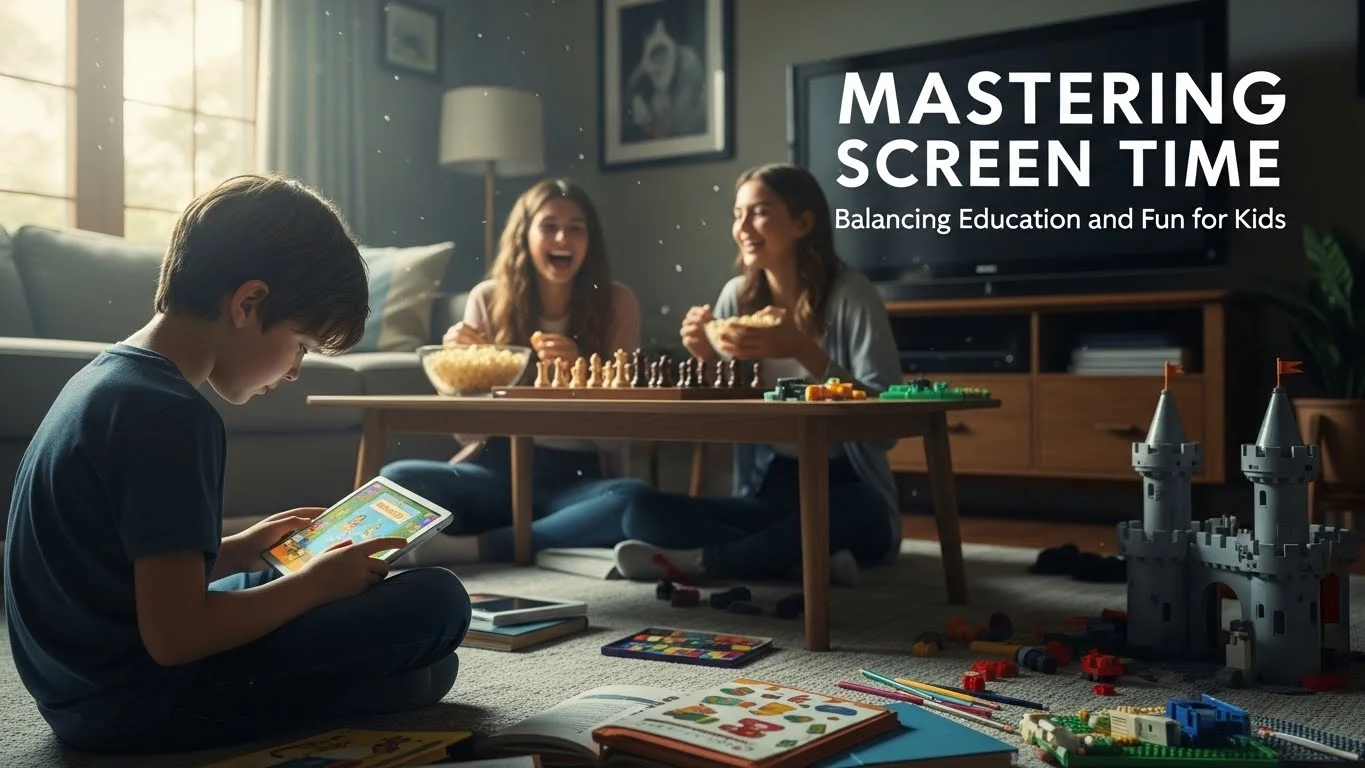
Mastering screen time is essential for a healthy balance between education and fun for kids. As we navigate this digital age, it’s crucial to understand how to make screens work for us, not against us. Read Interesting article: Master Time Management: Essential Tips for Homeschooling Success
Understanding Screen Time
Definition of Screen Time
Screen time refers to the amount of time a person spends in front of a screen, whether it be a television, computer, tablet, or smartphone. For many of us, screens have become a central part of daily life, especially for kids who are growing up in a world where technology is everywhere. I remember when my kids first started using tablets; it was both exciting and a little nerve-wracking. I wanted them to enjoy the benefits of technology without letting it take over their lives. Finding that balance has become an ongoing journey for us.
Types of Screen Time: Educational vs. Recreational
When I think about screen time, I find it helpful to break it down into two main categories: educational and recreational. Educational screen time includes activities like using learning apps, online classes, or interactive games that teach math and reading skills. On the flip side, recreational screen time involves watching movies, playing video games, or scrolling through social media. I’ve seen both types offer unique benefits and challenges. The key for me has been to encourage more educational usage while allowing some time for pure fun, which is equally important for relaxation and creativity.
Importance of Screen Time in Modern Education
In our modern world, screen time is becoming an integral part of our children’s education. I’ve noticed that many schools are adopting technology in classrooms, using tablets and computers to enhance learning experiences. This shift has made it clear that screens can be powerful educational tools. For instance, my kids have participated in online science projects that were both engaging and informative, sparking a genuine interest in learning. I believe that when used appropriately, screens can open doors to new concepts and ideas, making education more interactive and accessible than ever before. It’s not just about absorbing information; it’s about using technology to foster creativity and critical thinking skills.
Recommended Screen Time Guidelines for Kids
Age-Based Recommendations
As I dove deeper into managing screen time, I found it helpful to refer to age-based recommendations. For younger children, particularly those under the age of 2, the consensus is to limit screen time to virtually none, focusing instead on interactive play and face-to-face interactions. For kids aged 2 to 5, I’ve learned that up to one hour of high-quality programming can be beneficial, especially when parents engage with their children during viewing. For older kids, the guidelines are a bit more flexible but still emphasize moderation. It’s been a balancing act in our house, ensuring that screens don’t dominate their day while still allowing for valuable screen experiences.
American Academy of Pediatrics Guidelines
The American Academy of Pediatrics (AAP) has guidelines that I found very useful in setting screen time limits. They suggest that parents create a media use plan that considers the family’s specific needs. I took this advice to heart and sat down with my kids to discuss how much time they think is fair for both educational and recreational activities. This collaborative approach made them feel involved, which helped us set realistic boundaries together. The AAP also encourages the importance of screen-free times and zones, such as during family meals or before bedtime, which I’ve found invaluable in promoting healthy habits. Read Interesting article: How Playtime Shapes Your Toddler’s Emotional Growth
International Guidelines on Screen Time
Different countries have their own guidelines regarding screen time. For example, Canada has a similar approach to the AAP, emphasizing that screen time should not replace sleep, physical activity, or other healthy behaviors. I think it’s fascinating to see how different cultures are approaching this issue. In our family, we try to integrate elements from various recommendations, tailoring our screen time strategies to fit our lifestyle while still adhering to the core principles of balance and moderation. It’s all about finding what works best for us as a family.
Benefits of Screen Time for Education
Interactive Learning Tools and Apps
When I think about the benefits of screen time for education, one of the first things that comes to mind is the wealth of interactive learning tools and apps available today. I remember when my youngest struggled with math concepts. After a bit of searching, we discovered some fantastic educational apps that turned learning into a game. These apps made math fun and engaging, and I was amazed at how quickly my child picked up new skills. Interactive tools can adapt to a child’s learning pace, allowing them to progress without feeling overwhelmed. This personalized approach to education has been a game-changer for us.
Online Educational Platforms
In addition to apps, online educational platforms have transformed how kids learn. Websites like Khan Academy and ABCmouse offer structured courses and resources that cater to various age groups and subjects. I love how these platforms not only provide lessons but also track progress, which can be motivating for kids. For instance, when my kids completed a series of lessons and earned badges, I saw their confidence grow. These platforms can be an excellent supplement to traditional education, allowing children to explore subjects they’re passionate about. We often set aside some time each week for the kids to dive into topics that interest them the most, making learning feel more like an adventure.
Enhancing Critical Thinking and Problem-Solving Skills
One of the most significant benefits of screen time for education is its potential to enhance critical thinking and problem-solving skills. I’ve seen my kids tackle challenging puzzles and games that require them to think outside the box. For example, when they play strategy games, they’re not just having fun; they’re learning to plan, make decisions, and anticipate outcomes. I often join them in these activities, which not only gives us bonding time but also lets me observe their thought processes. I believe this kind of engagement is crucial for developing skills that will benefit them throughout their lives.
Fun and Recreational Screen Time Activities
Educational Games and Their Benefits
While I appreciate the educational benefits of screen time, I also recognize the importance of fun and recreational activities. Educational games can be a perfect blend of both. I remember when my eldest discovered a geography game that required players to identify countries on a map. Not only did it sharpen their geographical knowledge, but they also enjoyed the friendly competition it fostered with friends and family. I think games like this can stimulate learning in a relaxed setting, making it easier for kids to absorb information without the pressure of a traditional classroom environment.
Creative Apps for Art and Music
I’ve also found that creative apps can spark my kids’ imagination and artistic talent. There’s something magical about watching them create digital art or compose music using apps designed for that purpose. One day, my daughter came running to show me a song she had written using a music app—it was such a proud moment. These creative outlets not only foster their artistic skills but also provide a means of self-expression. I believe that encouraging creativity through screen time is just as important as the educational aspect.
Recommended Family-Friendly Movies and Shows
Another way we enjoy recreational screen time is through family-friendly movies and shows. I love cozying up with my kids for movie nights where we pick films that stimulate conversations afterward. We often choose animated movies with meaningful messages, fostering discussions about values and friendship. I especially cherish those moments when we all laugh or cry together. It’s not just entertainment; it’s a way to bond as a family. I encourage parents to seek out films that align with their values and open the door for deeper conversations with their children. Read Interesting article: Understanding Hormonal Shifts in Pregnancy for Emotional Balance
Setting Boundaries and Rules for Screen Time
Creating a Family Media Plan
As we’ve navigated our screen time journey, creating a family media plan has been invaluable. This plan helps us communicate our expectations and limits regarding screen usage. I remember sitting down with my family to discuss what we each thought was fair, which included setting daily time limits and choosing what types of content were appropriate. It was a collaborative effort that made everyone feel heard and involved in the decision-making process. I think having a plan in place makes it easier to stick to our guidelines and serves as a reference point for any discussions about screen time in the future.
Establishing Screen-Free Zones and Times
To maintain a healthy balance, we’ve established screen-free zones and times in our home. For us, the dining table is a no-screen zone, which encourages meaningful conversations during meals. I’ve noticed that these simple rules have significantly improved our family interactions. We also have a screen-free time before bedtime, allowing everyone to unwind without the distractions of screens. These boundaries have helped my kids learn to appreciate time away from screens while still enjoying their benefits during designated times.
Monitoring Screen Time Usage
Monitoring screen time usage has become a part of our routine as well. I’ve found it helpful to check in with my kids about how they’re spending their time online. We’ve had open discussions about what they like to watch or play, which not only keeps me informed but also gives them a chance to express themselves. I’ve used apps that help track their usage and set reminders for breaks, ensuring that they are aware of their habits. I believe that staying engaged with their screen activities helps promote responsibility and awareness about time spent on devices.
Tips for Balancing Education and Fun
Integrating Educational Content into Entertainment
As I reflect on our screen time practices, one of the most effective strategies we’ve adopted is integrating educational content into entertainment. I remember when my kids were hooked on a popular animated series. Instead of just letting them binge-watch, I suggested we watch episodes that aligned with what they were learning in school. For example, we found a show that explored scientific concepts in a fun way. It not only kept them entertained but also deepened their understanding of the material. I believe this approach can help kids see the connections between their interests and their education, making learning feel less like a chore and more like an adventure.
Encouraging Active Screen Time vs. Passive Consumption
I’ve noticed a big difference in how my kids engage with screens based on the type of content they’re consuming. Active screen time, like playing interactive games or participating in virtual classrooms, keeps them engaged and thinking. On the other hand, passive consumption, such as mindlessly watching television, can lead to boredom and restlessness. To foster active screen time in our home, I often encourage my kids to choose activities that require participation, like coding games or science experiments they can follow along with online. This shift has not only made screen time more enriching but has also sparked their curiosity and creativity.
Involving Kids in Content Selection
One of the best decisions I made was to involve my kids in selecting the content they engage with. I found that when they have a say in what they watch or play, they feel more invested and excited about it. For instance, we set aside time each week to explore new shows or apps together. I encourage them to research and suggest educational games that interest them. This collaborative approach has helped me discover great resources I might not have found on my own. Plus, it empowers my kids to take ownership of their screen time, making them more likely to choose content that is both fun and enriching.
Addressing Concerns Related to Screen Time
Impact on Physical Health
As we’ve navigated our screen time journey, one concern I often hear from other parents is the potential impact on physical health. I know that too much screen time can lead to a sedentary lifestyle, which is a valid worry. To counter this, we’ve made a conscious effort to incorporate physical activity into our routine. I remember when we started having “screen breaks” where we would all put our devices down and go outside for a walk or play a game in the backyard. These breaks not only help with physical health but also provide a refreshing reset for our minds. I feel that balancing screen time with physical activity is essential for overall well-being.
Effects on Mental Health and Social Skills
I’ve come to realize that excessive screen time can also affect my kids’ mental health and social skills. There were times when I noticed my children becoming more withdrawn after long periods of screen use. To combat this, we prioritize family time and encourage face-to-face interactions with friends. I remember organizing playdates that included both outdoor activities and time for unstructured play, which really helped them develop social skills and build connections. I believe fostering these relationships is crucial, especially as kids navigate their feelings and social environments.
Managing Screen Addiction and Distractions
Screen addiction is a topic that many parents, including myself, worry about. I’ve seen my kids get absorbed in their devices to the point where it becomes challenging to pull them away. To address this, we’ve implemented specific rules around screen usage, like designated times for devices and encouraging them to take breaks when they start feeling overwhelmed. I also try to model healthy habits by limiting my own screen time when we’re together. I think it’s important to create an environment where screens serve a purpose, rather than becoming a constant distraction. This balance allows us to enjoy the benefits of technology while still maintaining strong connections within our family.
Resources and Tools for Parents
Parental Control Apps and Software
In my quest for managing screen time, I’ve come across various parental control apps and software that have proven helpful. These tools allow me to set limits, monitor usage, and even filter content so that my kids are exposed to age-appropriate material. I remember when we first started using a parental control app; it gave me peace of mind knowing I could keep track of their online activities. I encourage other parents to explore these options, as they can provide an additional layer of support in guiding children’s screen experiences.
Books and Articles on Screen Time Management
Another resource I found invaluable are books and articles focused on screen time management. I’ve read several that offer practical tips and research-based insights on how to balance screen usage effectively. One particular book that resonated with me shared personal stories from parents and provided strategies that could be easily implemented. I often recommend these reads to friends who are looking for guidance. There’s something comforting about knowing that we’re not alone in this journey and that others have faced similar challenges.
Support Groups and Online Forums for Parents
Lastly, connecting with other parents through support groups and online forums has been an eye-opening experience. I’ve joined a few communities where we share our experiences, challenges, and successes regarding screen time. It’s reassuring to know that there are others out there navigating the same waters. These discussions have sparked new ideas and approaches that I hadn’t considered before. I think having a supportive network can make all the difference in managing screen time and finding balance in our families.
Frequently Asked Questions
What is screen time?
Screen time refers to the amount of time a person spends in front of a screen, whether it be a television, computer, tablet, or smartphone. It has become a central part of daily life, especially for kids growing up in a tech-savvy environment.
What are the two main types of screen time?
The two main types of screen time are educational and recreational. Educational screen time includes activities like using learning apps and online classes, while recreational screen time involves watching movies, playing video games, or scrolling through social media.
What are the recommended screen time guidelines for children?
For children under the age of 2, screen time should be virtually none, focusing on interactive play. For kids aged 2 to 5, up to one hour of high-quality programming is recommended. Older kids have more flexible guidelines but still emphasize moderation.
What guidelines does the American Academy of Pediatrics provide for screen time?
The American Academy of Pediatrics suggests that parents create a media use plan considering the family’s specific needs, promote screen-free times and zones, and involve children in discussions about screen time limits.
How can screen time be beneficial for education?
Screen time can enhance education through interactive learning tools and apps, online educational platforms, and opportunities for developing critical thinking and problem-solving skills through engaging content.
What are some effective ways to balance educational and recreational screen time?
Effective strategies include integrating educational content into entertainment, encouraging active screen time versus passive consumption, and involving kids in selecting the content they engage with.
What are the physical health concerns related to screen time?
Excessive screen time can lead to a sedentary lifestyle, which is a valid concern for parents. To mitigate this, it’s important to incorporate physical activity into daily routines, such as taking breaks for outdoor play.
How can parents manage screen addiction and distractions?
Parents can manage screen addiction by implementing specific rules around usage, encouraging breaks, and modeling healthy habits by limiting their own screen time during family interactions.
What resources are available for parents to manage screen time?
Resources include parental control apps and software for monitoring usage, books and articles focused on screen time management, and support groups or online forums where parents can share experiences and strategies.
Why is it important to establish screen-free zones and times?
Establishing screen-free zones and times, such as during meals and before bedtime, encourages meaningful conversations and improves family interactions while helping children learn to appreciate time away from screens.