
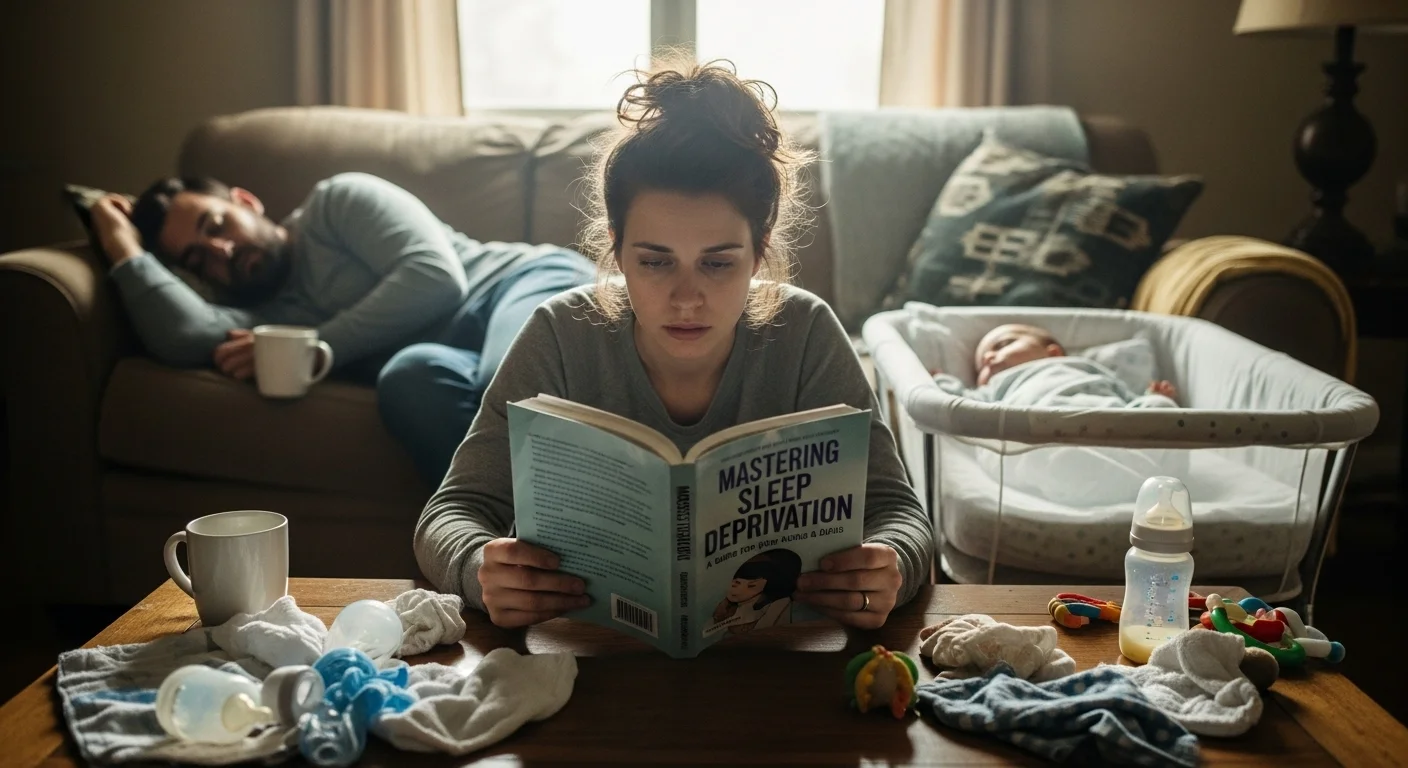
Becoming a new parent is a beautiful yet exhausting journey, often filled with sleepless nights. Mastering sleep deprivation is essential for both your well-being and your baby’s development. Let’s dive into understanding this challenging yet rewarding phase. Read Interesting article: Survive Sleep Deprivation: Essential Tips for New Parents
Understanding Sleep Deprivation in New Parents
The Science of Sleep: Why Sleep Matters
Sleep is a fundamental part of our lives, and I’ve come to realize just how crucial it is, especially after becoming a parent. It’s not just about feeling rested; sleep plays a vital role in our physical health, mental clarity, and emotional stability. During sleep, our bodies undergo processes that repair muscles, synthesize proteins, and release hormones that regulate growth and appetite. I remember learning that sleep helps consolidate memories and enhances our ability to learn new information, which is something I desperately wanted to do as I navigated parenthood.
The science of sleep reveals that adults generally need between seven to nine hours of sleep per night for optimal functioning. However, as new parents, we often find ourselves with drastically less. I’ve spoken to many friends who felt almost like zombies in those early weeks, questioning their ability to function at all. Our bodies are resilient, but prolonged sleep deprivation can lead to serious health issues. It’s important to understand this, as it can motivate us to seek solutions rather than surrender to exhaustion.
Common Causes of Sleep Deprivation for New Moms and Dads
When I first brought my baby home, I quickly discovered the various factors contributing to my sleep deprivation. One of the most obvious causes is, of course, the baby’s sleep schedule. Newborns often wake every few hours to feed, which disrupts our sleep cycles. I also noticed that the anxiety and excitement surrounding a new baby can keep our minds racing when we do have a moment to rest. I often laid awake, worrying about whether I was doing everything right.
Other common causes include the physical recovery needed after childbirth, especially for moms who may be dealing with postpartum healing. For dads, the emotional transition into parenthood can be overwhelming too. Then there are household responsibilities—cooking, cleaning, and, of course, taking care of the baby. All of this can pile up and take away from precious sleep time. I learned that it’s essential to recognize these factors, as acknowledging them can help us figure out how to manage our time and energy better. Read Interesting article: Essential Support Systems for New Parents: A Complete Guide
Physical and Mental Effects of Sleep Deprivation
The effects of sleep deprivation can be quite profound, and I experienced many of them firsthand. Physically, I felt run down, my immune system took a hit, and I was constantly battling fatigue. I noticed I was more prone to catching colds and I felt achy and sluggish. My body simply didn’t have the energy it needed to support both myself and my newborn.
Mentally, the effects were even more noticeable. I often struggled with concentration and memory; simple tasks felt overwhelming. I remember leaving my keys in the fridge one morning, which I found hilarious at the time but also a bit concerning. I realized that my cognitive functions were indeed impaired. The emotional toll was equally significant. I experienced mood swings and sometimes felt anxious or overwhelmed, which can be quite typical for new parents. I found myself longing for just a few hours of uninterrupted sleep, yet it felt elusive.
Sleep deprivation can lead to feelings of isolation as well. I think many new parents can relate to the feeling of being trapped in a cycle of exhaustion and anxiety. It’s vital to understand that we are not alone in this; many of us are navigating this challenging phase together. Recognizing the physical and mental effects can be the first step toward finding ways to cope.
In our case, it became essential to talk openly with each other about our experiences with sleep deprivation. This helped us feel less isolated and more connected as partners. Understanding these effects can empower us to seek help and explore strategies that can improve our situation. After all, we’re in this together, and finding ways to support one another is crucial for our journey through parenthood.
Strategies for Managing Sleep Deprivation
Creating a Sleep-Friendly Environment
Once I started to understand the impact of sleep deprivation, I realized that creating a sleep-friendly environment was crucial. My bedroom became my sanctuary. I made a few simple changes that made a world of difference. For starters, I invested in blackout curtains to block out the morning light. I found that even a little sunlight streaming in could wake me up too early, especially when I desperately needed those extra minutes of rest.
I also focused on keeping the room at a comfortable temperature. I learned that a cooler environment is generally more conducive to sleep. I remember those nights when I was too hot; it felt impossible to drift off. So, I adjusted the thermostat and made sure to use breathable bedding. Additionally, I added a white noise machine, which helped drown out any potential disturbances from outside. The soothing sound became a signal for my body that it was time to relax and sleep.
Establishing a Bedtime Routine
One of the most effective strategies I found was establishing a bedtime routine, both for myself and for my baby. In the early days, I was so focused on the baby’s routine that I neglected my own. However, I soon realized that having a consistent bedtime ritual helped signal to my body that it was time to wind down. I began to carve out about 30 minutes each night for myself before going to bed.
This modest routine included activities that helped me relax—like reading a book I enjoyed or practicing a few deep breathing exercises. I also made it a point to avoid screens during this time. I noticed that scrolling through my phone or watching TV could keep my mind too active. Creating that little bubble of calm was a game changer. Plus, I started implementing a similar routine for my baby, making bedtime smoother for both of us.
Utilizing Naps Effectively
Naps became my best friend during those early months. I had heard about the power of napping, but it wasn’t until I was a sleep-deprived parent that I truly appreciated it. I learned to seize any opportunity for a quick snooze, even if it was just for 20 minutes. I remember those afternoons when my baby would fall asleep in my arms. Instead of trying to put her down and risk waking her, I would recline on the couch and close my eyes, letting the world drift away for a little while.
What I found helpful was not just napping, but also being strategic about it. I learned that short naps can boost alertness without making me feel groggy. Anytime I felt that mid-afternoon slump creeping in, I’d take advantage of nap time. I also made sure to sync my naps with my baby’s sleep schedule when possible. Those little bursts of rest provided me with the energy I needed to tackle the rest of the day.
Sharing Responsibilities with Your Partner
One of the most important lessons I learned was the value of sharing responsibilities with my partner. I know it can be tempting to take on everything ourselves, especially when we feel that we can do it better. But I quickly realized that teamwork was essential. We sat down and discussed how to split nighttime duties. This simple step made a world of difference. We decided to alternate nights, so one of us would handle the late-night feedings while the other could catch up on sleep.
We also learned to support each other in other household tasks. On days when one of us felt particularly drained, the other would step in to handle chores or even cook meals. I remember feeling relieved when my partner offered to take care of dinner after a particularly sleepless night. It was a reminder that we were in this together, and leaning on each other made the challenges more manageable.
By communicating openly about our needs and how we felt, we found a rhythm that worked for our family. It was amazing how much lighter the load felt when we shared it. For anyone in a partnership, I highly recommend having those candid conversations. It can transform your experience and help maintain a sense of balance during this hectic time.
Sleep Training Techniques for Newborns and Infants
Understanding Different Sleep Training Methods
As I delved deeper into managing sleep deprivation, I discovered that sleep training my baby could offer us some much-needed relief. There are various methods, each with its own philosophy and approach. I remember feeling a bit overwhelmed by the choices at first, but understanding the basics helped me make a more informed decision.
One popular method is the Ferber method, which involves letting your baby cry for progressively longer intervals before comforting them. I was hesitant about this at first, but I learned that it aims to teach babies how to self-soothe. There’s also the no-tears method, which focuses on gradually helping your baby fall asleep without crying. This approach resonated more with me since I wanted to ease my baby into sleep without distress.
Another method is the chair method, where you gradually move further away from your baby each night until they learn to fall asleep on their own. I found this idea appealing because it offered a balance between support and fostering independence. Whatever method you choose, I think it’s vital to be consistent and patient, as every baby is different and may respond in their own time.
When to Start Sleep Training
Deciding when to start sleep training can be tricky. From my experience, it’s best to wait until your baby is at least four to six months old. By this age, they usually have more regular sleep patterns and can sleep for longer stretches. I remember feeling anxious about starting too early, fearing it might add to the stress. I wanted to ensure my baby was developmentally ready for this step.
Another factor to consider is your own family dynamics. I realized that if I was too sleep-deprived or stressed, it might not be the right time for us. I wanted to approach sleep training with a clear mind and a supportive environment. It’s crucial to listen to your instincts as a parent; if it doesn’t feel right, it’s okay to wait a little longer.
Tips for Successful Sleep Training
Once we decided to dive into sleep training, I found a few strategies that worked well for us. First, creating a calming bedtime routine was essential. This routine became our ritual—a signal that it was time to wind down for the night. I incorporated soft lullabies and gentle rocking, which helped my baby feel relaxed before sleep.
Another important tip I discovered was to be consistent with our approach. I made a point to stick to the same method each night, which helped reinforce what we were trying to achieve. I also learned to give it time. There were nights when it felt like we were taking one step forward and two steps back, but I had to remind myself that progress takes time. Patience became my mantra.
It was also beneficial to document our journey. I kept a sleep log to track my baby’s sleep patterns, which helped us see trends and adjust our approach accordingly. This practice not only provided me with insights but also reassured me that we were making progress, even when it felt slow.
Lastly, I think it’s crucial to be flexible. Sometimes, life happens, and things don’t go as planned. I learned to adapt our approach when necessary, whether it was due to teething or illness. Being able to pivot allowed me to maintain a sense of calm during those challenging times.
Self-Care for New Parents to Combat Sleep Deprivation
Nutrition and Hydration Tips for Better Sleep
While navigating through sleep deprivation, I quickly realized that taking care of my body was essential. I learned that nutrition plays a significant role in how well we sleep. I started paying attention to what I was eating and drinking, which made a noticeable difference in my energy levels.
I began to focus on a balanced diet, rich in whole foods like fruits, vegetables, and lean proteins. I remember how important it felt to fuel my body properly, especially when I was running on empty. I also made a conscious effort to stay hydrated. I found that drinking enough water throughout the day helped me feel more alert and less fatigued. I kept a water bottle handy and tried to sip regularly, which became a small but effective practice.
Avoiding caffeine in the late afternoon and evening was another change I made. I used to love my afternoon coffee, but I noticed it was interfering with my ability to fall asleep at night. Switching to herbal tea or simply opting for water helped me enjoy a more restful night.
Exercise and Its Impact on Sleep Quality
Staying active became another vital part of my self-care routine. I had heard about the benefits of exercise on sleep quality, but I didn’t fully appreciate it until I began incorporating some movement into my day. Whether it was a short walk with my baby in the stroller or a quick workout at home, I found that getting my heart rate up helped me feel more energized.
I also noticed that exercising during the day made it easier for me to fall asleep at night. The exhaustion from physical activity created a natural craving for rest. I remember those days when I was too tired to get moving; I’d remind myself that even a little bit of movement could lift my mood and help me sleep better.
Mindfulness and Stress Management Techniques
As a new parent, I realized that managing stress was just as important as getting enough sleep. I started exploring mindfulness techniques to help calm my racing mind. Simple practices like meditation or deep breathing exercises became my go-to tools during moments of overwhelm.
Taking a few minutes to pause, breathe, and center myself made a significant difference in how I handled challenging situations. I remember sitting quietly in a cozy spot in my house, focusing on my breath and letting the worries of the day slip away. This practice not only helped reduce my stress but also improved my overall well-being.
Another technique I found helpful was journaling. I started jotting down my thoughts and feelings, which provided an outlet for my emotions. It was a way for me to reflect on my experiences and process the challenges of parenthood. I often felt lighter after writing, almost like I was sharing my burdens with the page.
When to Seek Professional Help
Recognizing Signs of Severe Sleep Deprivation
As I navigated the early days of parenthood, I learned to pay attention to my own mental and physical health. It became clear that while sleep deprivation is common, there are times when it can become more serious. I found myself feeling increasingly irritable, unable to focus, and even experiencing mood swings that were tougher to manage. I realized that severe sleep deprivation can lead to heightened anxiety or feelings of depression.
If you start noticing that your exhaustion is affecting your ability to care for your baby or yourself, it might be time to seek help. This could manifest as extreme fatigue, persistent sadness, or a sense of hopelessness. In my experience, it’s important to trust your instincts. If something feels off, don’t hesitate to reach out for support. I learned that acknowledging these feelings is a vital part of the journey, and seeking help is not a sign of weakness but rather a step towards healing.
Consulting a Pediatrician or Sleep Specialist
Recognizing when to consult a pediatrician or sleep specialist was another essential lesson for me. If your baby is consistently struggling to sleep despite your best efforts at creating a sleep-friendly environment and implementing sleep training, it might be time to get some professional insight. I remember feeling overwhelmed by the abundance of advice out there, and consulting a professional helped me cut through the noise.
Pediatricians can provide valuable guidance on sleep patterns and offer reassurance about what to expect at various developmental stages. They can also help rule out any underlying health issues that might be affecting your baby’s sleep. For parents like me, who were feeling the weight of sleep deprivation, sharing my concerns with a pediatrician was a relief. They were able to suggest strategies tailored to our unique situation.
Support Groups and Resources for New Parents
Connecting with other parents was a game changer for me. I discovered that support groups, whether in-person or online, provided a safe space to share experiences and feelings about sleep deprivation. Hearing from others who were going through similar struggles made me feel less isolated. I remember joining a local parenting group where we could vent our frustrations, share tips, and even laugh about the challenges we faced. It was refreshing to know that I wasn’t alone in this journey.
Additionally, there are numerous online resources, forums, and books dedicated to parenting and sleep strategies. I found myself diving into blogs and podcasts filled with tips and personal stories that resonated with my experience. These resources can offer practical advice and the comfort of knowing that others have walked this path. Together, we can navigate this challenging yet rewarding phase of parenthood. Read Interesting article: Coping with Postpartum Emotions: A Guide for New Moms
FAQs About Sleep Deprivation and Parenthood
How long does sleep deprivation last after childbirth?
From my experience, the intensity of sleep deprivation can vary widely among new parents. Typically, it can last for several months, often improving as your baby develops more regular sleep patterns around three to six months of age. However, every family is different, and it’s important to be patient with yourself as you adjust to this new reality.
Can sleep deprivation affect breastfeeding?
Absolutely. I noticed that my milk supply was more difficult to maintain when I was overly exhausted. Sleep deprivation can impact hormone levels that are critical for milk production. It’s essential to prioritize rest as much as possible, even if it feels impossible at times.
What are the best sleep aids for new parents?
While I preferred to avoid medication, I found natural sleep aids like herbal teas or essential oils helpful. Chamomile tea, for example, became a nightly ritual for me. Additionally, white noise machines and blackout curtains really improved my sleep environment, making it easier to drift off even when the world was chaotic around me.
What are common causes of sleep deprivation for new parents?
Common causes include the baby’s sleep schedule, anxiety and excitement surrounding a new baby, physical recovery after childbirth, emotional transitions into parenthood, and household responsibilities like cooking and cleaning.
What strategies can help manage sleep deprivation?
Strategies include creating a sleep-friendly environment, establishing a bedtime routine, utilizing naps effectively, and sharing responsibilities with your partner to ensure both parents get some rest.
When is the best time to start sleep training for infants?
It’s best to wait until your baby is at least four to six months old, as they usually have more regular sleep patterns and can sleep for longer stretches by this age.
What are some tips for successful sleep training?
Tips for successful sleep training include creating a calming bedtime routine, being consistent with your approach, giving it time, documenting your baby’s sleep patterns, and remaining flexible to adapt when necessary.
How can nutrition and hydration impact sleep for new parents?
Nutrition plays a significant role in sleep quality. A balanced diet rich in whole foods and proper hydration can improve energy levels and help combat fatigue. Avoiding caffeine in the late afternoon and evening also contributes to better sleep.
What role does exercise have in improving sleep quality?
Staying active can improve sleep quality by helping to energize you during the day and creating a natural craving for rest at night. Even short walks or quick workouts can be beneficial.
When should new parents consider seeking professional help for sleep deprivation?
If exhaustion is affecting your ability to care for your baby or yourself, or if you notice signs of severe sleep deprivation like persistent sadness or anxiety, it might be time to seek help from a professional.
Final Thoughts
Embracing the journey of parenthood can be incredibly rewarding, but it also comes with its share of sleepless nights and challenges. Through my experience, I’ve learned the importance of understanding sleep deprivation—not just for myself, but for my family as a whole. By sharing responsibilities, creating a supportive environment, and recognizing when to seek help, we can navigate this phase together. Remember, it’s okay to ask for assistance and connect with others who understand your struggles. Parenthood is a journey best traveled together, and with patience and love, we can overcome the hurdles that come our way.