
Traveling can be exhilarating, but it also comes with its own set of challenges. Mastering sportsmanship can enhance our experiences and create a safer emotional environment on our journeys. Read Interesting article: Childhood Sports Safety: Injury Prevention Strategies for Parents
Understanding Sportsmanship in Travel
Definition of Sportsmanship
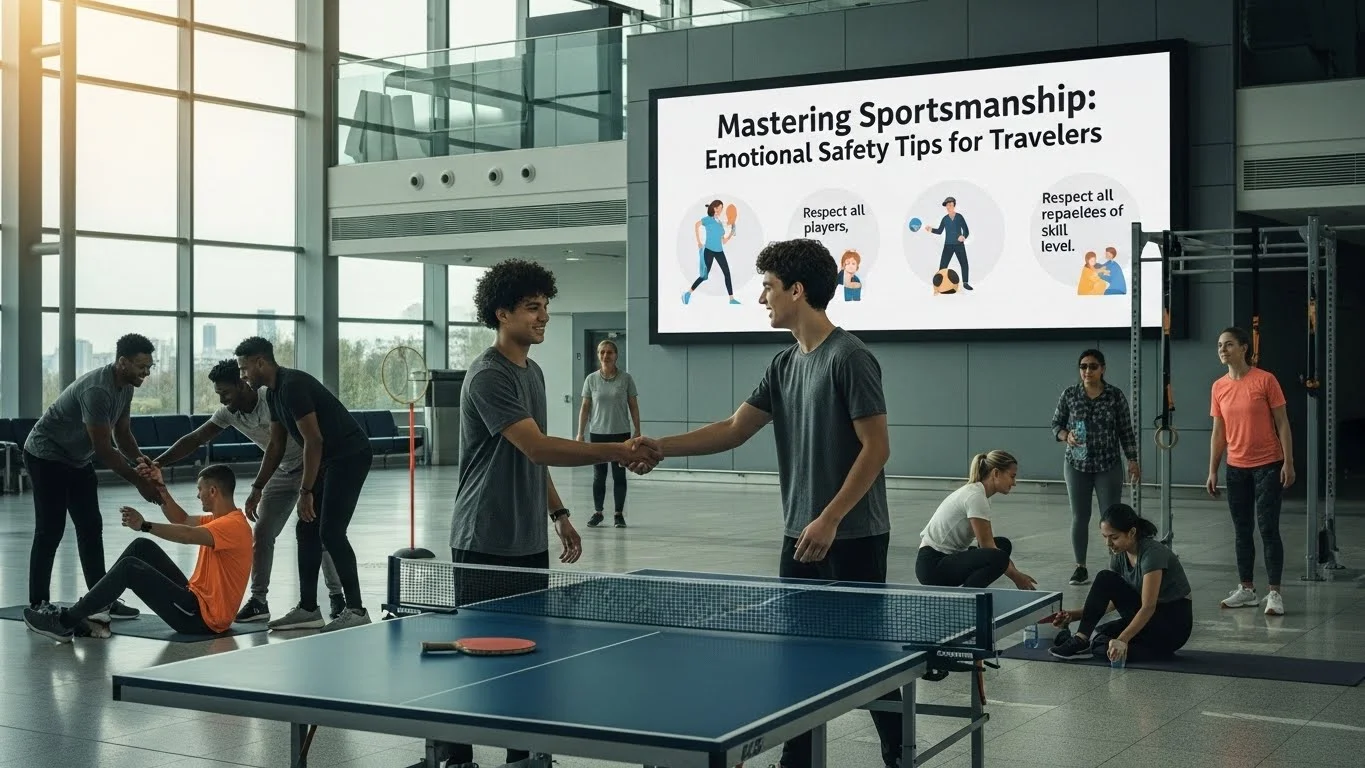
When I think of sportsmanship, I picture athletes shaking hands after a game, showing respect whether they win or lose. In the context of travel, sportsmanship embodies the same spirit of respect, fairness, and graciousness. It means engaging positively with others, honoring local customs, and fostering camaraderie among fellow travelers. It’s more than just being polite; it’s about embracing a mindset that prioritizes kindness and understanding, regardless of the circumstances we encounter on our adventures.
The Importance of Sportsmanship for Travelers
From my experience, sportsmanship in travel can have a profound impact on our journeys. When we approach new cultures and environments with an open heart, it transforms our interactions and enriches our travel experiences. I’ve found that practicing good sportsmanship helps build connections with locals and fellow travelers, turning potentially stressful situations into opportunities for friendship and mutual understanding. For instance, when I visited Japan, I was amazed by how a simple bow and a smile could bridge the language barrier. It reminded me that at the core, we all share common desires: respect, connection, and understanding.
Moreover, sportsmanship teaches us to handle setbacks gracefully. Whether it’s a flight delay or a miscommunication, embracing this attitude helps us stay calm and positive. Instead of letting frustration consume me, I’ve learned to view these challenges as part of the adventure. By practicing sportsmanship, we not only uplift ourselves but also influence those around us positively, creating an atmosphere where everyone feels valued and respected.
Emotional Safety in Travel
What is Emotional Safety?
Emotional safety, in my view, is about feeling secure enough to express ourselves and our feelings without fear of judgment. Many of us don’t realize how crucial this is while traveling. I remember my first solo trip; the excitement was overwhelming, but so was the anxiety of being in an unfamiliar place. Emotional safety means creating an environment where we can share our experiences and vulnerabilities, whether it’s with fellow travelers or locals. It’s about fostering connections that allow us to feel safe in expressing our thoughts and emotions.
The Role of Emotional Safety in Sportsmanship
Emotional safety directly impacts sportsmanship. When we feel emotionally secure, we’re more likely to engage positively and respectfully with others. For instance, during a group hike in the mountains, I noticed that participants were more open to helping each other when they felt safe and supported. This sense of safety encouraged team spirit and fostered an environment where everyone could contribute, regardless of their skill level. It’s a reminder that when we prioritize emotional safety, we enhance not only our own experiences but also those of others around us. Creating bonds based on respect and understanding can lead to lifelong friendships and memorable adventures, and that’s something I value immensely.
Building Emotional Resilience
Mindfulness Techniques for Travelers
Mindfulness has been a game-changer for me when it comes to building emotional resilience while traveling. By staying present and aware of my surroundings, I find it easier to manage stress and navigate challenges. I often take a moment to breathe deeply and appreciate the beauty around me, whether it’s a stunning landscape or the hustle of a local market. Simple techniques like focusing on my breath or being aware of my senses help ground me in the moment, making the travel experience richer and more enjoyable.
Staying Positive in Challenging Situations
When things don’t go as planned, I try to remind myself that every trip has its ups and downs. I’ve learned to reframe setbacks as learning experiences. For instance, after missing a train in Italy, I chose to explore the station instead. That unexpected detour led me to a charming café where I met some amazing locals. Staying positive in challenging situations isn’t always easy, but I believe it’s essential for maintaining emotional safety and fostering a spirit of sportsmanship. It allows us to embrace the unpredictability of travel and find joy even when things seem to go awry.
Tips for Practicing Good Sportsmanship
Respecting Local Cultures and Traditions
One of the most beautiful aspects of traveling is immersing ourselves in the rich tapestry of local cultures. I’ve found that showing respect for local customs not only enhances our experience but also fosters goodwill. When I visited Morocco, I made it a point to learn a few basic phrases in Arabic and familiarize myself with local etiquette. This small effort went a long way. Locals appreciated my attempts, and it opened doors to deeper conversations and connections.
For me, it’s important to be observant and adaptable. When in doubt, I often observe how locals interact and try to follow suit. Whether it’s dressing appropriately for a visit to a temple or participating in traditional ceremonies, these actions demonstrate respect. I remember feeling a genuine sense of belonging when I was invited to join a family for a local meal just because I took the time to learn about their customs. Embracing local traditions is a fantastic way to practice sportsmanship and immerse ourselves fully in the travel experience.
Handling Conflicts Gracefully
Conflicts are an inevitable part of travel. I’ve had my fair share of misunderstandings, whether it was due to language barriers or cultural differences. What I’ve learned is that handling these situations with grace is crucial. Instead of reacting with frustration, I try to approach conflicts with curiosity and a willingness to understand the other person’s perspective.
Once, while traveling in Italy, I accidentally sat at a table reserved for another party. Instead of getting defensive when the waiter pointed it out, I smiled, apologized, and moved to another table. The waiter appreciated my response, and our interaction ended on a positive note. Handling conflicts gracefully not only reflects good sportsmanship but also fosters an atmosphere where everyone feels valued. I often remind myself that we’re all human, navigating the complexities of our own experiences. A little patience and kindness can go a long way.
Encouraging Team Spirit Among Fellow Travelers
Travel is often about shared experiences, and I love the sense of camaraderie that can develop among fellow travelers. Whether it’s a group tour or an impromptu adventure, I make it a point to encourage team spirit. I remember my experience during a multi-day trek in the Andes; we were a diverse group, each with different skill levels and backgrounds. As we tackled challenges together, I made it a point to uplift others, celebrating small victories along the way.
Simple gestures, like offering help to someone struggling with their backpack or cheering each other on during a tough climb, can create a supportive environment. I believe that when we actively contribute to a team’s morale, we enhance our own experiences too. It’s like a ripple effect: positivity breeds positivity. I’ve often found that these shared moments of encouragement lead to the strongest friendships and the most cherished memories. Team spirit is not just about working together; it’s about celebrating each person’s unique contributions.
Effective Communication Skills for Travelers
Active Listening Techniques
Effective communication is a cornerstone of good sportsmanship in travel. One technique I’ve found invaluable is active listening. It’s not just about hearing what someone says; it’s about truly understanding and engaging with them. When I converse with locals or fellow travelers, I strive to listen more than I speak. This approach allows me to absorb their stories and insights, which often leads to a richer travel experience.
I remember sitting with a group of local artisans in Guatemala. As they shared their craft and culture, I made sure to listen intently, nodding and asking questions that showed my genuine interest. This not only made them feel valued but also deepened my understanding of their world. Active listening fosters connections that transcend language barriers and cultural differences, making it a powerful tool for any traveler.
Expressing Gratitude and Positivity
Expressing gratitude has become a vital part of my travel philosophy. I’ve learned that taking a moment to acknowledge the efforts of others can create positive vibes. Whether it’s thanking a hotel staff member for their hospitality or a local for guiding me through a busy market, these small acts of appreciation can make a significant impact.
During my travels, I often carry a little notebook where I jot down moments of gratitude. Reflecting on these experiences helps me maintain a positive mindset. Once, after a challenging day of travel logistics, I met a kind stranger who offered me directions and a smile. I made sure to thank them sincerely, and it turned out to be a pivotal moment that brightened my entire day. Positivity is contagious, and I believe that sharing it can uplift not just our own spirits, but also those of everyone around us. Read Interesting article: Essential Tips for Preventing Childhood Sports Injuries
Managing Expectations During Travel
Setting Realistic Goals for Your Trip
One lesson I’ve learned over the years is the importance of setting realistic goals for my travels. It’s easy to get caught up in the excitement and create an overly ambitious itinerary. However, I’ve found that giving myself permission to go with the flow often leads to the most memorable experiences. I try to choose a few key sights or activities that I really want to enjoy, but I also leave room for spontaneity.
I remember a trip to Thailand where I planned to visit several islands in a week. Halfway through, I realized I was more stressed about making connections than actually enjoying the beauty around me. I decided to slow down, focus on one island, and really soak it in. That decision turned out to be one of the best I made; I met incredible people and discovered hidden gems I would have rushed past. Setting realistic goals allows us to savor our journeys and appreciate the moments that truly matter.
Dealing with Disappointments and Setbacks
No matter how well we plan, travel can come with its share of disappointments. I’ve faced my fair share of setbacks—missed flights, closed attractions, or unexpected weather changes. What I’ve learned is that how we respond to these disappointments can either make or break our experience. Instead of letting frustration take over, I remind myself that these challenges are simply part of the adventure.
For example, during a trip to Iceland, I planned to see the Northern Lights. After several nights of waiting, they never appeared. Initially, I felt let down, but then I decided to explore the beautiful landscapes of the country instead. I ended up discovering stunning waterfalls and charming towns that I wouldn’t have visited otherwise. Embracing setbacks as opportunities can transform our experiences, reminding me that travel is about the journey, not just the destination.
Engaging in Team Sports While Traveling
Opportunities for Group Sports Activities
I’ve always felt that engaging in sports while traveling can add a unique layer to our adventures. It’s like opening a door to a whole new world, where we connect with locals and fellow travelers alike. I remember my trip to Brazil, where the energy of the streets was palpable, especially during football season. I joined a local pickup game at a nearby park, and it turned out to be one of the highlights of my trip.
Participating in group sports activities not only allowed me to enjoy the game but also to meet incredible people. The laughter, friendly banter, and shared enthusiasm created an immediate bond among us. I found that sports can break down barriers, making it easier to connect and communicate, even if language skills are limited. Whether it’s joining a spontaneous soccer match on the beach or playing beach volleyball with locals, these experiences have a way of enriching our travels and creating lasting memories.
Benefits of Playing Sports with Locals
Playing sports with locals has a host of benefits that go beyond just physical activity. For starters, it’s an incredible opportunity to immerse ourselves in the culture. I have learned so much about different customs and traditions simply by participating in their favorite sports. In Thailand, I joined a Muay Thai class, and the trainers were enthusiastic in sharing their knowledge, not just about the sport but also about their way of life. It was a genuine exchange of culture that I cherished deeply.
Moreover, engaging in sports fosters a sense of community and belonging. During a group hike in the Swiss Alps, I was surprised by how quickly we became a tight-knit group. The shared challenges of the hike, coupled with the stunning views, made for an unforgettable experience. We encouraged one another, shared stories, and celebrated our collective triumph. This spirit of camaraderie was something I didn’t expect but ended up being one of the most rewarding aspects of my trip.
Also, I think the physical activity itself can help alleviate travel-related stress and anxiety. When I feel overwhelmed by the hustle of traveling—like navigating busy airports or crowded tourist spots—playing a sport allows me to release some of that tension. It’s refreshing to focus on the game instead of the stressors of the journey. I’ve found that a good workout can work wonders for my mood and overall travel experience.
Resources for Enhancing Sportsmanship
Books and Articles on Sportsmanship
To deepen my understanding of sportsmanship, I’ve turned to various resources that offer valuable insights. There are several books that focus on the principles of good sportsmanship, teamwork, and respect. For example, “The Sportsman’s Guide to Life” offers practical advice that resonates not only in sports but in daily interactions as well. I found it fascinating how the lessons in sports could easily translate to travel, highlighting the importance of fairness and respect in every interaction.
Additionally, reading articles on the topic has opened my eyes to different perspectives on sportsmanship. I often find myself browsing travel blogs and forums where others share their experiences and tips on practicing good sportsmanship while exploring new places. These shared stories provide a treasure trove of ideas that can inspire us to approach our travels with a more thoughtful mindset. Read Interesting article: Top Tips for Managing Hazardous Materials at Home
Online Communities and Forums
Connecting with others who value sportsmanship can be immensely beneficial. I’ve joined several online communities and forums dedicated to travel and sports, where members share their experiences and insights. Sites like Reddit and Facebook groups provide platforms for discussing everything from cultural norms to sports experiences in different countries. I always appreciate hearing firsthand accounts from fellow travelers who have encountered similar situations. It’s comforting to realize that we’re not alone in our experiences.
Moreover, these communities often promote events, group activities, and sports meetups that travelers can join. Participating in these events can lead to new friendships and shared experiences that enhance our travels. I once found a local running group in Barcelona through an online forum, and running through the city with locals not only helped me stay active but also allowed me to discover hidden gems that I would have missed otherwise.
Ultimately, investing time in understanding sportsmanship, finding resources, and engaging with others can significantly enrich our travel experiences. By fostering positive interactions and embracing the spirit of community, we create not just memories, but connections that can last a lifetime.
Frequently Asked Questions
What is the definition of sportsmanship in the context of travel?
In the context of travel, sportsmanship embodies respect, fairness, and graciousness. It means engaging positively with others, honoring local customs, and fostering camaraderie among fellow travelers, prioritizing kindness and understanding regardless of circumstances.
Why is sportsmanship important for travelers?
Sportsmanship is important for travelers as it enhances interactions with new cultures, builds connections with locals and fellow travelers, and helps transform potentially stressful situations into opportunities for friendship and understanding.
What does emotional safety mean in travel?
Emotional safety refers to feeling secure enough to express ourselves and our feelings without fear of judgment. It is crucial while traveling, allowing us to share our experiences and vulnerabilities with fellow travelers or locals.
How does emotional safety impact sportsmanship?
Emotional safety enhances sportsmanship by encouraging positive and respectful engagement with others. When individuals feel safe, they are more open to helping each other and contributing to a supportive environment, fostering team spirit.
What mindfulness techniques can help travelers build emotional resilience?
Mindfulness techniques such as focusing on breath, being aware of surroundings, and appreciating beauty can help travelers manage stress and navigate challenges, making the travel experience richer and more enjoyable.
How can travelers handle conflicts gracefully?
Travelers can handle conflicts gracefully by approaching situations with curiosity and a willingness to understand the other person’s perspective. This means responding with patience and kindness rather than frustration.
What are some tips for practicing good sportsmanship while traveling?
Some tips for practicing good sportsmanship include respecting local cultures and traditions, handling conflicts gracefully, encouraging team spirit among fellow travelers, and actively listening to others during interactions.
Why is expressing gratitude important during travel?
Expressing gratitude is vital as it creates positive vibes, acknowledges the efforts of others, and enhances overall travel experiences. Thanking locals and fellow travelers can uplift spirits and foster connections.
What should travelers consider when setting goals for their trips?
Travelers should set realistic goals by choosing a few key sights or activities to focus on while leaving room for spontaneity. This approach allows for a more enjoyable experience and the opportunity to savor memorable moments.
How can participating in sports with locals enhance travel experiences?
Participating in sports with locals fosters a sense of community, allows for cultural immersion, and provides a way to connect with others. It can also alleviate travel-related stress and create lasting memories through shared experiences.