
Mastering time-out can transform our approach to behavior management, fostering better relationships and understanding with our children. Join me as we explore effective strategies for using this tool effectively in our parenting journey. Read Interesting article: Effective Behavior Management: Taming Defiance on Family Trips
Understanding Time-Out as a Behavior Management Tool
Definition of Time-Out
Time-out is a behavior management technique that involves temporarily removing a child from a situation where inappropriate behavior occurs. The goal is to give them space to calm down and reflect on their actions. When I first learned about time-out, I thought of it as merely a way to separate my child from the chaos of the moment. However, I soon discovered that it could serve a much deeper purpose in helping them develop self-regulation skills.
The Psychology Behind Time-Out
I remember feeling skeptical about the effectiveness of time-out. Would it really help my child understand the consequences of their actions? Through research and observation, I learned that time-out works by allowing children to pause and reset their emotional state. It’s a moment to step back from heightened emotions, which can cloud judgment and behavior. In essence, it provides them with an opportunity to process what happened and think about a better response next time.
Psychologically, children often struggle with impulse control and emotional regulation. By incorporating a time-out, we’re helping them learn to manage these feelings. It’s crucial to remember that time-out isn’t about punishment, but rather about teaching our kids how to navigate their emotions and behavior in a constructive way. Read Interesting article: Mastering Behavior Management: Travel Strategies for Parents
Benefits of Using Time-Out
From my experience, the benefits of using time-out effectively are numerous. First, it creates a clear boundary for unacceptable behavior. When we consistently enforce time-out, our children begin to understand that certain actions have consequences. I’ve seen how this consistency can lead to improved behavior over time.
Furthermore, time-out allows children to calm down in a controlled environment. I’ve noticed that when my child has a moment to themselves, they often emerge more composed and ready to engage positively. This method also promotes self-reflection, encouraging them to think about their actions and how they affect others. In my opinion, these skills are invaluable for their emotional development.
Another benefit is that it helps parents establish a sense of control. In challenging moments, having a structured approach can ease our anxiety. I’ve felt more confident in my parenting choices when I know I have a strategy that not only addresses behavior but also fosters growth. I recommend that parents view time-out as a partnership between them and their children, working together to understand and improve behavior rather than just reacting to it.
When and How to Implement Time-Out
Identifying Trigger Behaviors
The first step in effectively using time-out is recognizing the behaviors that warrant intervention. I’ve found it helpful to keep a mental note of the situations that frequently lead to conflicts. For my child, tantrums often arise during playdates or when they’re tired. By identifying these triggers, I can proactively manage situations before they escalate. It’s also beneficial to discuss these triggers with my child, helping them learn to recognize their own feelings and reactions.
Optimal Timing for Time-Out
Timing is everything when it comes to implementing time-out. I’ve learned that addressing the behavior as soon as it happens is essential for effectiveness. If I wait too long, the moment may pass, and my child might not connect the time-out to the misbehavior. In my experience, using a calm and firm voice when explaining that they need a time-out helps reinforce its purpose. It’s not about shaming them; it’s about guiding them back towards appropriate behavior.
Duration of Time-Out: Guidelines by Age
Determining how long a time-out should last can be a bit tricky. A common guideline I follow is the “one minute per year of age” rule. For instance, if my child is four years old, a four-minute time-out feels appropriate. I’ve noticed that keeping it short and manageable helps maintain their understanding of the purpose without causing frustration. It’s also important to remember that younger children may find it difficult to sit still for extended periods, so shorter durations can be more effective.
Setting Up a Time-Out Space
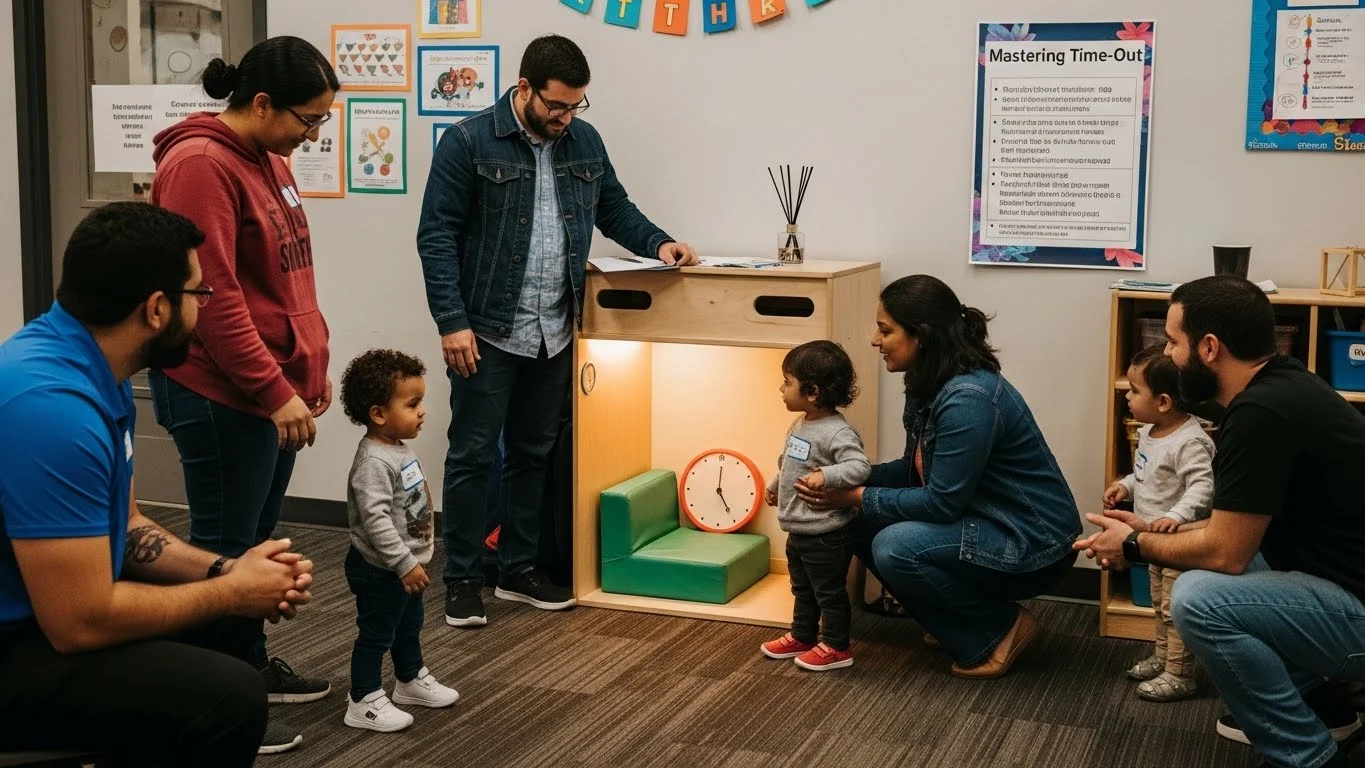
Creating an appropriate time-out space is another crucial step. I found that it doesn’t have to be an elaborate setup; a quiet corner or a designated chair in our home works well. The key is that the area should be free of distractions. When I first started, I made the mistake of placing my child in a space filled with toys or screens, which only led to further agitation. The goal is for the space to promote calmness and reflection, not to feel like a punishment.
We also talked about what the space would look like with our child. Including them in the process made it feel less like a consequence and more like a chance to regroup. I believe this collaboration fosters a sense of ownership and understanding, which is vital for the effectiveness of time-out.
Different Approaches to Time-Out
Traditional Time-Out Methods
When I first started using time-out as a behavior management tool, I mostly followed the traditional methods I had read about. This usually meant sending my child to a designated spot in our home whenever they misbehaved. I was careful to explain why they were going into time-out, and I made sure to set a timer to keep things consistent. I felt it was important to stick to the rules I had set, believing this would help enforce boundaries. However, I soon learned that there’s more than one way to utilize time-out effectively.
One of the traditional approaches I found useful was the concept of “resetting” the situation. After the time-out, I would often sit down with my child to discuss what happened. I found that this helped reinforce the lesson I wanted to teach and encouraged them to reflect on their feelings and actions. Through this method, I noticed that my child was more likely to understand the rationale behind the time-out and was more willing to engage in discussions about their behavior.
Positive Reinforcement Before Time-Out
Along my journey, I discovered the power of positive reinforcement as a proactive approach to managing behaviors. Instead of solely waiting for misbehavior to occur before implementing time-out, I began to praise my child for good behavior more often. I noticed that by acknowledging the positive moments, it made them more aware of the behaviors I wanted to see. This shifted our dynamic and created an environment where my child felt more motivated to behave appropriately.
For instance, during playtime, I would highlight moments when my child shared toys or played nicely with others, which would often reduce the chances of conflicts occurring. I realized that by focusing on the positives, I was not only reinforcing good behavior but also reducing the need for time-outs. In my experience, this blend of reinforcement and strategic time-outs helped create a more harmonious atmosphere in our home.
Alternative Techniques: Calm Down Corners
As I experimented with different methods, I stumbled upon the concept of a “calm down corner.” This idea resonated with me because it allows children to take a break without the stigma that sometimes accompanies traditional time-outs. Instead of viewing it as a punishment, my child would see it as a safe space to process their emotions. I set it up with cozy pillows, books, and calming sensory toys, creating an inviting atmosphere.
I found that this approach not only encouraged my child to self-regulate but also gave them a sense of agency. They could choose when to go to the calm down corner, which empowered them to recognize their own feelings and take the initiative to seek out a moment of peace. I’ve seen how this method promotes emotional intelligence, as children learn to identify their feelings and manage them in a constructive way. Read Interesting article: Setting Travel Boundaries: Tips for Budget Backpackers
By incorporating these alternative techniques into our routine, I felt we were developing a more mindful approach to behavior management. It became less about punishment and more about nurturing emotional growth and understanding.
Common Misconceptions About Time-Out
Time-Out as Punishment vs. Time-Out as Consequence
One misconception I encountered early on was the idea that time-out is simply a form of punishment. It took me some time to recognize that this perspective can hinder the effectiveness of the tool. When I viewed time-out as merely a way to discipline my child, it felt adversarial, and I wasn’t seeing the growth I hoped for. Over time, I learned to frame time-out as a natural consequence of behavior, focusing on teaching rather than punishing.
I believe that when we shift our mindset to see time-out as a learning opportunity, we can foster a healthier environment for our children. By emphasizing that they are taking a break to reflect on their actions, we’ll help them understand the connection between their choices and the resulting consequences. I found that this change in perspective not only made the process more meaningful for my child but also helped me feel more at ease with the entire approach.
Addressing Concerns About Emotional Impact
Another concern I had was about the emotional impact of time-out on my child. I worried that it might lead to feelings of isolation or rejection. However, I learned that the emotional effects depend largely on how we communicate and implement time-out. When I approached it with empathy, ensuring that my child understood it was not a reflection of their worth, it made a significant difference.
I also made it a point to check in with my child afterward, discussing how they felt during the time-out and what they had learned. This helped reassure them that they were still loved and valued, regardless of their behavior. From my experience, addressing these emotional aspects can turn time-out from a potentially distressing experience into a valuable lesson in self-awareness and emotional growth.
Time-Out and Child Development: What Research Says
Research surrounding time-out has shown that when used appropriately, it can be an effective tool for promoting self-regulation in children. I came across studies that highlighted how structured behavior management strategies, including time-out, can help children learn to manage their emotions and behavior better over time. Understanding this helped me feel more confident in my approach, knowing there was support from research backing the effectiveness of these methods.
Furthermore, I found that time-out can play a role in developing empathy. When children reflect on their behaviors and the impact they have on others, they begin to understand the importance of considering feelings outside their own. I think this aspect of time-out is crucial for fostering emotional intelligence and helping children grow into compassionate individuals.
Managing Resistance to Time-Out
Understanding Child Reactions to Time-Out
One of the most eye-opening experiences for me was realizing how my child might react to time-out. Initially, I expected them to accept it without fuss. However, I quickly learned that children often have strong feelings about being removed from a situation. Sometimes, I would see them become upset or even angry, and other times they would just shut down. It made me reflect on their perspective, realizing that they might not fully understand why they were being asked to step away. Understanding these reactions helped me approach time-out with more empathy and patience.
I found that many children often view time-out as a separation from the fun or engagement, which can lead to resistance. I remember one particular instance when my child screamed, “It’s not fair!” in response to being placed in time-out. That moment illuminated the importance of recognizing their feelings and validating them, even when I was trying to teach a lesson. Acknowledging that their emotions were valid helped me find a balance between enforcing the time-out and ensuring they felt heard.
Strategies for Dealing with Pushback
After witnessing resistance a few times, I realized I needed to develop strategies to help my child cope with the time-out process. One approach that worked well for us was to create a countdown. I would set a timer and explain that it was a short break, which made it feel more manageable. Breaking down the experience into smaller chunks helped my child understand that it wasn’t a permanent separation but a moment to regroup.
Another strategy that proved effective was to prepare my child for the possibility of a time-out. I started to have conversations during calm moments about what behaviors might lead to a time-out. By discussing it proactively, my child felt more prepared, and I noticed they were less resistant when the time came. It felt like we were in this together, and they understood that time-out was not just a consequence but a part of our family’s approach to managing behavior. I learned that setting clear expectations can make a significant difference in how children respond to time-out.
Communicating Effectively During Time-Out
I can’t stress enough the importance of communication when implementing time-out. In the beginning, I sometimes fell into the trap of simply sending my child away without much explanation. However, I found that taking a moment to calmly explain why they were going to time-out was crucial. I would say something like, “You’re going to take a break because you hit your brother. Hitting is not okay, and we need to calm down.” This way, they could connect the dots between their action and the consequence.
After the time-out, I made it a point to check in with my child. I would ask them about their feelings, allowing them to express themselves. I learned that these conversations were vital for reinforcing the lessons learned during the time-out. It was a chance to discuss how they could handle similar situations differently in the future. This part of our routine fostered an open line of communication and showed my child that I was there to support them, not just reprimand them.
Integrating Time-Out with Other Behavior Management Strategies
Combining Time-Out with Positive Discipline Techniques
I’ve found that time-out is most effective when used alongside other positive discipline techniques. Instead of relying solely on time-out as the primary tool, I started incorporating praise and encouragement for positive behaviors. By recognizing and celebrating good actions, I noticed that my child was more inclined to repeat those behaviors.
For instance, if my child shared toys during playtime, I would make a big deal about it by saying, “I love how you shared your toys with your friend!” This positive reinforcement made my child feel good and encouraged them to engage in similar behaviors. When I combined this approach with time-out for the instances when they misbehaved, it created a more balanced atmosphere at home. I felt like we were building on their strengths while also addressing areas that needed improvement.
Using Time-Out Alongside Natural Consequences
Another effective strategy I discovered was integrating time-out with natural consequences. I learned that allowing my child to experience the natural outcome of their actions could often reinforce the lesson better than time-out alone. For example, if my child refused to clean up their toys and we had to step over them all day, I would explain that if they didn’t tidy up, we couldn’t play with them the next day. This approach helped them understand that their actions had real-world consequences, making the lessons more impactful.
By pairing time-out with these natural consequences, I felt like I was providing a fuller picture of behavior management. It helped my child connect their actions directly with the outcomes, reinforcing the idea that their choices matter. I noticed that this combination made it easier for my child to understand the lessons behind time-out, which ultimately aided their emotional and social development.
The Role of Consistency in Behavior Management
One of the most important aspects of using time-out effectively is consistency. I realized that if I was inconsistent in applying the time-out strategy, my child would quickly become confused about what behaviors were acceptable. For example, if I let a minor infraction slide one day but enforced a time-out for the same behavior the next, it could lead to frustration for both of us.
I made a commitment to apply time-out consistently, ensuring that my child understood the boundaries we had set together. This commitment created a sense of security, as they began to recognize the patterns of behavior that would lead to specific consequences. It felt like we were on the same team, working together to improve behavior and build understanding. Consistency has been a cornerstone in our parenting approach, and I believe it plays a significant role in effective behavior management.
Frequently Asked Questions
What is time-out in behavior management?
Time-out is a behavior management technique that involves temporarily removing a child from a situation where inappropriate behavior occurs, allowing them space to calm down and reflect on their actions.
How does time-out help children develop self-regulation skills?
Time-out provides children with a moment to step back from heightened emotions, enabling them to process what happened and think about a better response, thereby aiding in impulse control and emotional regulation.
What are the benefits of using time-out effectively?
The benefits include creating clear boundaries for unacceptable behavior, allowing children to calm down in a controlled environment, promoting self-reflection, and helping parents establish a sense of control over behavior management.
When should time-out be implemented?
Time-out should be implemented as soon as the misbehavior occurs to ensure the child connects the time-out with their actions. Using a calm and firm voice when explaining the time-out is also essential for effectiveness.
How long should a time-out last?
A common guideline is to use the “one minute per year of age” rule. For example, a four-year-old would have a four-minute time-out, which helps maintain their understanding without causing frustration.
What should a time-out space look like?
A time-out space should be a quiet corner or designated area free of distractions. It should promote calmness and reflection, rather than feel like a punishment, and can be established in collaboration with the child.
What misconceptions exist about time-out?
A common misconception is that time-out is merely a form of punishment. In reality, it should be viewed as a learning opportunity and a natural consequence of behavior, helping children understand the connection between their choices and outcomes.
How can parents manage resistance to time-out?
Parents can manage resistance by preparing the child for the possibility of time-out through discussions about behaviors that may lead to it and using strategies like setting a timer to help them cope with the time-out process.
How can time-out be integrated with other behavior management strategies?
Time-out can be combined with positive discipline techniques, such as praising good behavior, and using natural consequences to reinforce lessons learned, helping children connect their actions with outcomes more effectively.
Why is consistency important in applying time-out?
Consistency is crucial because inconsistent application can confuse children about acceptable behaviors. Consistent enforcement of time-out helps children understand boundaries and fosters a sense of security in behavior management.