
Backpacking with toddlers can be a thrilling adventure, but it also brings unique challenges, especially when it comes to discipline. Mastering this balance on a budget adds another layer of excitement and necessity! Read Interesting article: Budget Backpacking: Discipline Tips for Young Travelers
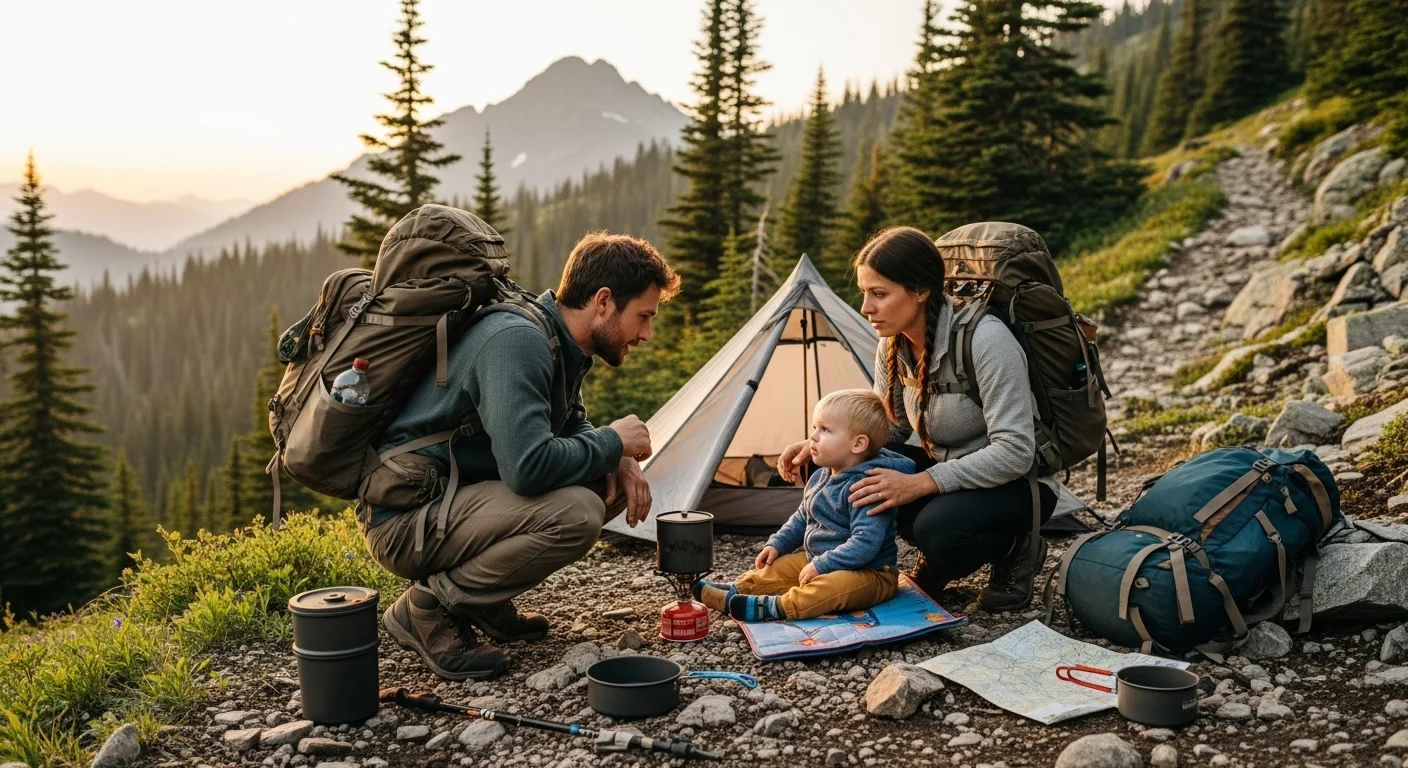
Understanding Toddler Behavior in New Environments
Traveling can be a whirlwind of sights, sounds, and experiences, and I’ve learned that toddlers often react to these changes in unexpected ways. When we embarked on our first backpacking trip with our little one, I quickly discovered how crucial it was to understand their behavior in new environments. It was a steep learning curve, but it helped shape how we approached discipline on the road.
The Impact of Travel on Toddler Emotions
Our toddlers are like little sponges, soaking up everything around them. New environments can be both exciting and overwhelming. I remember our first stop at a bustling market; the bright colors and loud noises fascinated my child, but it also led to a sensory overload. This dichotomy can result in a rollercoaster of emotions—joy, fear, excitement, and sometimes frustration. When I noticed my toddler becoming restless or cranky, I realized it was a signal that I needed to step in and create a calm space for them.
During our journey, I made a point to frequently check in with my child’s emotions. I found that taking a moment to sit down, breathe, and talk about what we were seeing helped them process the overwhelming stimuli. This not only calmed their nerves but also gave us a chance to bond over the experience. I believe that recognizing these emotional shifts allowed me to be more responsive to their needs, which is essential in promoting positive behavior. Read Interesting article: Top Emotional Bonding Techniques for Newborns on the Go
Common Behavioral Challenges While Backpacking
While backpacking, I faced some behavioral challenges that I hadn’t anticipated. One of the most memorable was when my toddler decided that running away from me in a crowded park was the best idea in the world. Panic set in, and I quickly learned that clear communication and boundaries were key. I had to establish the expectation that we would stay close together during our adventures.
Another challenge I noticed was the infamous toddler tantrum. When they were tired, hungry, or simply too excited, it could lead to an all-out meltdown. I had to remind myself that this was a part of their development and not a personal failure on my part. Instead of reacting with frustration, I learned to approach these situations with empathy. I started to carry snacks and small toys that could help distract them or soothe their feelings during difficult moments.
Through these experiences, I realized that setting realistic expectations for our trips was crucial. We couldn’t do everything on our itinerary, and that was okay! Flexibility was key, and I learned to embrace a slower pace that allowed for spontaneous exploration, which ultimately led to more enjoyable experiences for all of us.
Essential Principles of Toddler Discipline
As I navigated the complexities of toddler behavior while backpacking, I discovered some fundamental principles of discipline that made our travels much smoother. These principles not only helped me maintain order but also fostered a positive environment for my child to thrive in.
Positive Reinforcement Techniques
One of the most effective strategies I adopted was positive reinforcement. I found that praising my toddler for good behavior while traveling made a world of difference. Whenever they listened or followed the rules, I would shower them with compliments. “Great job holding my hand in the crowd!” became a common phrase, and I could see their little faces light up with pride. This approach not only encouraged them to repeat the behavior but also built their confidence.
Setting Clear Boundaries and Expectations
Before our trips, I started setting clear boundaries and expectations. I would explain to my toddler what our day would look like and what behaviors were acceptable. For example, before we headed to a new park, I would say, “We need to stay close to Mommy and Daddy, and we can explore together!” This clarity helped them understand the importance of safety and made them feel involved in our adventures.
Consistency in Discipline Approaches
Consistency became my best friend on the road. I aimed to apply the same rules we had at home while we traveled. This meant that if we had a rule about not throwing toys, that rule still applied in our hotel room. I found that maintaining this consistency helped my toddler feel more secure, as it created a sense of familiarity in an otherwise changing environment.
From my experience, these principles not only helped me manage my toddler’s behavior but also allowed us to enjoy our travels more. It turned our backpacking adventures into opportunities for learning and growth, both for my child and myself. I believe that with a little preparation and understanding, we can all master the art of toddler discipline while enjoying the beauty of exploring the world together. Read Interesting article: Effective Discipline Strategies for Toddlers on the Go
Preparing for a Budget Backpacking Trip with Toddlers
Choosing Family-Friendly Destinations
When it comes to backpacking with toddlers, picking the right destination can make all the difference. I’ve learned that family-friendly locations not only provide a more enjoyable experience for everyone but also ease the stress of traveling with little ones. For our trips, I always look for places with kid-friendly attractions, ample outdoor space, and a welcoming atmosphere for families.
One of our favorite trips was to a national park known for its stunning views and straightforward hiking trails. I was pleasantly surprised to find that many of the parks had programs specifically designed for young children. These programs often included guided nature walks and educational talks, which allowed us to engage with the environment while ensuring our toddler had a blast. I recommend researching destinations that prioritize family involvement in activities, as this can create lasting memories and keep our little ones entertained.
Additionally, I discovered that cities with accessible public transportation make life easier. For example, during our trip to a large city, we utilized trams and buses to navigate around. This not only saved us from the stress of parking but also provided our toddler with a fun and engaging way to travel. Each destination we chose became a new adventure, making our backpacking experience both enjoyable and educational.
Budget Accommodation Options that Cater to Families
Finding budget-friendly accommodations that are also family-friendly can be tricky, but it’s not impossible. I remember our first attempt at booking a family-friendly spot; we ended up in a cramped hotel room, which quickly became chaotic. Since then, I’ve learned to prioritize accommodations that offer additional space and amenities catering to families.
One option we loved was renting a small cabin or a family-friendly Airbnb. These spaces often come equipped with kitchens, allowing us to prepare our meals and save on dining out. Plus, having a separate sleeping area for our toddler ensured they could rest peacefully while we unwound after a long day of exploring.
Another great option is hostels that offer family rooms. Many hostels have evolved over the years, now providing private family rooms and shared spaces where we could mingle with other travelers. Some even offer childcare services, which gave us some much-needed downtime while knowing our toddler was in good hands. It’s worth checking reviews and amenities to ensure the places we choose are truly family-friendly.
Essential Packing List for Traveling with Toddlers
Packing for a backpacking trip with a toddler is an art form in itself. I learned early on that the key is to strike a balance between bringing necessary items without overloading myself. The last thing I wanted was to be weighed down by bags, especially when I had to carry a toddler, too!
Here are some of the essentials I never leave home without:
- Comfortable Backpack: A good-quality, ergonomic backpack is a must. It should have enough space for all our gear but still be comfortable to carry.
- Travel-Friendly Snacks: Toddlers can be unpredictable when it comes to hunger. I always pack a variety of healthy snacks that are easy to grab, like granola bars, dried fruit, and nuts.
- Portable High Chair or Booster Seat: Eating out can be a challenge, so having a portable high chair can make meal times more manageable.
- Lightweight Stroller: A compact and lightweight stroller is great for urban environments and helps us maneuver through busy streets.
- First Aid Kit: Accidents happen, and I’ve found that having a basic first aid kit on hand gives me peace of mind.
- Comfort Items: Bringing along a favorite blanket or stuffed animal can provide comfort to our toddler in unfamiliar settings.
- Weather-Appropriate Clothing: I always check the forecast before packing and dress my toddler in layers, ready for any sudden changes in weather.
With a well-thought-out packing list, traveling becomes less stressful and more enjoyable for all of us. I believe that the more prepared we are, the more we can focus on enjoying our adventures together.
Strategies for Effective Discipline While Traveling
Creating a Routine on the Road
Establishing a routine while traveling can seem like a daunting task, especially with a toddler in tow. From my experience, I found that a loose routine helped create a sense of stability for my child amidst the chaos of new environments. While we couldn’t stick to our home schedule, I noticed that having a predictable flow to our days made our adventures more enjoyable.
For example, we would try to align our meal times and nap schedules with our travel plans. I made it a point to incorporate quiet times in the afternoons, where we would read stories or take a rest in the shade. This downtime allowed my toddler to recharge and kept tantrums at bay. I also learned to be flexible; sometimes, we needed to adjust our plans to accommodate their needs, and that was perfectly okay. Embracing this routine, even when it was out of sync with our normal life, helped my child feel more secure and less overwhelmed.
Using Distractions to Manage Tantrums
Tantrums are a part of toddler life, and I quickly learned that having a few distraction techniques in my back pocket was crucial. Whenever my child began to fuss or get frustrated, I found that redirecting their attention could work wonders. I started carrying small toys, books, or even simple activities, like coloring books, to engage them during stressful moments.
One time, while waiting for a bus in a lively city, my toddler started to get restless. Instead of letting frustration take over, I pulled out a small puzzle. Their focus shifted immediately, and within moments, we were both laughing as they played. I realized that by having these distraction tactics ready, I could help diffuse potential meltdowns before they escalated. It’s all about being prepared and thinking ahead, which not only helps the child but also eases the stress for us as parents.
Implementing Time-Outs in Different Settings
Even while traveling, I found that time-outs could be an effective tool for discipline. However, I had to adapt my approach to fit our surroundings. Instead of a traditional time-out in a quiet room, I would find a calm corner in a park or a quiet spot in a café where my toddler could take a moment to regroup. I learned to explain the purpose of the time-out gently, framing it as a way to help them calm down and think about their behavior.
One memorable instance was during a hike when my child decided to throw a small rock at a tree in frustration. Instead of reacting harshly, I calmly explained why this wasn’t safe or appropriate. We took a short break, sat on a nearby log, and talked through their feelings. This approach turned a potential discipline issue into a valuable lesson about emotions and appropriate behaviors in a way that felt supportive rather than punitive.
Engaging Toddlers During Travel
Fun and Educational Activities While Backpacking
Keeping toddlers engaged while backpacking can be challenging, but I believe it’s also one of the most rewarding parts of our adventures. I’ve discovered that incorporating fun and educational activities into our trips not only entertained my child but also enhanced their learning experience. For instance, we often turned hikes into nature scavenger hunts. I would create a simple list of things for them to find, like specific leaves, rocks, or even animals. It turned our walks into exciting adventures.
During a visit to a historical site, I found a kid-friendly audio guide that narrated stories in an engaging way. My toddler was captivated by the tales, which helped them connect with the place we were exploring. I recommend looking for similar activities at your destinations, as they can transform learning into an enjoyable experience for your little one.
Incorporating Local Culture into Learning Experiences
Traveling offers a unique opportunity to introduce our toddlers to different cultures. I believe that sharing local traditions, foods, and customs can enrich our child’s understanding of the world. During our travels, I made it a point to involve my toddler in local experiences, like trying regional foods or participating in cultural festivals. They loved helping choose what to eat and trying new flavors.
At one point, we stumbled upon a local craft fair. I encouraged my child to interact with the artisans and even try a few hands-on activities, like pottery. Watching their eyes light up as they engaged with local traditions was a beautiful reminder of how travel can bridge cultural gaps and create lasting memories.
Interactive Games to Keep Toddlers Entertained
Finding ways to keep my toddler entertained during long travel times was crucial. I discovered that interactive games can be a lifesaver. Simple games like “I Spy” or counting cars helped pass the time and keep my child engaged. We also created a travel journal together, where my toddler could draw pictures or stick in souvenirs from our adventures. This not only occupied their time but also provided a wonderful keepsake to look back on.
One of my favorite in-car games involved singing songs together or making up silly stories about the places we were passing. It brought us closer and made the journey just as enjoyable as the destination. I believe that these playful moments contribute to a fun atmosphere, making even the most challenging travel days memorable.
Budget-Friendly Tips for Traveling with Toddlers
Finding Low-Cost or Free Attractions
One of the best parts about traveling with toddlers is discovering that many attractions cater to families without breaking the bank. I quickly learned to seek out low-cost or free activities that allowed us to explore without spending a fortune. Local parks, nature trails, and community events often offer free admission, and my toddler loved running around and exploring these areas.
During one of our trips, we stumbled upon a local festival in a nearby town. The event featured live music, food stalls, and fun activities for kids—all at no cost. My child had a blast dancing to the music and trying out games, creating unforgettable memories without us needing to spend much. I recommend checking local tourism sites or community boards for free events or attractions during your trip; our family has had some of the most enjoyable experiences this way!
Meal Planning and Budget Eating Strategies
Food costs can add up quickly when traveling, especially with a toddler who seems to eat constantly! I learned that planning meals in advance could save us money and time. Before our trips, I’d make a list of easy-to-pack, budget-friendly meals and snacks. Items like sandwiches, fruits, and yogurt cups became staples in our travel diet.
During outings, I often looked for local grocery stores to stock up on snacks and easy meals. One time, we found a small grocery store that sold freshly made sandwiches and salads. We grabbed our lunch, found a picnic table at a nearby park, and enjoyed our meal surrounded by nature, which turned out to be one of the highlights of our day.
Additionally, I discovered that dining during off-peak hours could save us some money. Many restaurants offer lunch specials or discounts for early dinners. This strategy not only helped our budget but also ensured we could avoid long waits that might test our toddler’s patience.
Transportation Options for Families on a Budget
Getting around can be a significant expense, but I’ve found several budget-friendly transportation options that make traveling with toddlers much more manageable. For instance, public transportation is often a great way to explore cities while saving money. I remember a trip where we used the metro system to get from place to place, and my toddler loved riding the train. It became an adventure in itself!
Sometimes, we opted for walking or biking, especially in cities with pedestrian-friendly areas. This not only saved us money but allowed my child to see the sights up close. I also found that renting bikes with child seats or using bike-sharing programs can be a fun way to explore without spending much. Plus, it keeps us active and engaged with our surroundings.
Maintaining Discipline and Safety on the Go
Teaching Toddlers About Safety in New Places
One of the most important aspects of traveling with toddlers is ensuring their safety, especially in unfamiliar environments. Before heading out each day, I would take a moment to talk about safety rules. Simple reminders like “Hold my hand in crowded places” or “Stay close to Mommy and Daddy” became routine. I found that involving my child in these conversations made them more aware and attentive.
We also practiced identifying safe spaces, like asking questions about where to go if they got lost. I remember one time in a busy market, I pointed out a nearby information booth and told my toddler they could go there if they needed help. This gave us both peace of mind as we explored.
Handling Emergencies and Unexpected Situations
No matter how well we plan, unexpected situations can arise. I learned to stay calm and prepared for emergencies. Carrying a small first-aid kit and essential contact information helped me feel more at ease. During one trip, my child had a minor scrape while climbing. Instead of panicking, I calmly assessed the situation, used our first-aid supplies, and reassured them. Having that kit made a stressful moment much easier to handle.
Balancing Freedom and Safety in Public Spaces
Finding the right balance between allowing my toddler to explore freely and keeping them safe was a challenge I faced. I learned to set boundaries while giving them the freedom to move around. For instance, at parks, I designated safe areas where they could run and explore while keeping a watchful eye.
I also discovered that letting them have a little independence, like choosing which path to take during hikes or picking a snack from our backpack, made them feel empowered. This balance not only kept them safe but also allowed them to learn and grow in new environments.
Real-Life Stories and Tips from Other Parents
Successful Backpacking Experiences with Toddlers
I’ve talked to many parents who shared their incredible backpacking stories. One friend recounted a trip to the mountains with their toddler, where they spent the day hiking and exploring nature. They shared how engaging their child in their surroundings, like identifying plants and animals, made the experience memorable. It reminded me that adventure is all about connection—both with each other and the environment.
Lessons Learned from Travel Mishaps
Travel doesn’t always go as planned, and I’ve had my fair share of mishaps. Another parent recounted a time when their toddler got sick during a trip. Instead of panicking, they took it as a learning experience, finding ways to adapt their plans while ensuring their child was comfortable. This story resonated with me, as it reinforced the idea that flexibility and patience are key during travel.
Community Resources for Parental Support While Traveling
Connecting with other parents can be incredibly helpful while traveling. I found various online groups and forums where parents share tips and support for traveling with toddlers. These communities have been invaluable in providing advice, recommendations, and encouragement. I believe that sharing experiences and learning from one another can make all the difference in our travel adventures.
Final Thoughts
Traveling with toddlers is a unique journey filled with both challenges and joys. From my experience, I learned that preparation, flexibility, and understanding can turn what seems daunting into delightful memories. By embracing the unpredictability of toddler behavior and maintaining a positive attitude, we can make our adventures enjoyable for everyone involved. Each trip has taught me more about my child and myself, ultimately deepening our bond through shared experiences. I encourage parents to embark on these journeys with open hearts and minds, as the rewards far outweigh the hurdles. Remember, every moment spent together is an opportunity for growth, laughter, and love.
Frequently Asked Questions
What are some common behavioral challenges faced while backpacking with toddlers?
Common behavioral challenges include running away in crowded areas, tantrums due to tiredness or hunger, and adjusting to new environments. Parents can address these by setting clear boundaries, maintaining consistency in discipline, and being empathetic to the child’s needs.
How can parents effectively manage toddler emotions during travel?
Parents can manage toddler emotions by frequently checking in on their feelings, creating calm spaces when needed, and taking time to breathe and talk about their experiences. This helps toddlers process overwhelming stimuli and promotes positive behavior.
What principles of discipline are effective while traveling with toddlers?
Effective principles include using positive reinforcement, setting clear boundaries and expectations, and maintaining consistency in discipline approaches. These strategies help create a supportive environment for toddlers to thrive while traveling.
How can parents prepare for a budget-friendly backpacking trip with toddlers?
Preparation involves choosing family-friendly destinations, finding budget accommodations that cater to families, and creating a well-thought-out packing list that includes essentials without overloading. Researching activities and amenities helps ensure a smooth trip.
What should be included in an essential packing list for traveling with toddlers?
Essentials include a comfortable backpack, travel-friendly snacks, a portable high chair or booster seat, a lightweight stroller, a first aid kit, comfort items like a favorite blanket, and weather-appropriate clothing.
How can a routine benefit toddlers while traveling?
Establishing a loose routine helps create stability for toddlers amidst chaotic environments. Aligning meal times, nap schedules, and incorporating quiet times can reduce stress and prevent tantrums, making the trip more enjoyable.
What strategies can be used to manage tantrums during travel?
Distraction techniques are effective for managing tantrums. Carrying small toys, books, or activities can help redirect a toddler’s attention during stressful moments, preventing potential meltdowns.
What are some fun and educational activities for toddlers while backpacking?
Incorporating activities like nature scavenger hunts, using kid-friendly audio guides at historical sites, and engaging in local culture through crafts or foods can make the experience enjoyable and educational for toddlers.
How can parents find low-cost or free attractions while traveling with toddlers?
Parents can seek out local parks, nature trails, and community events that offer free admission. Checking local tourism sites or community boards can lead to discovering enjoyable experiences without spending much.
What safety measures should parents take when traveling with toddlers?
Parents should discuss safety rules with their toddlers, identify safe spaces, and practice what to do in case they get lost. Carrying a first-aid kit and essential contact information can also help handle emergencies effectively.