
Helping toddlers navigate their emotions can feel like an uphill battle. However, with the right strategies and insights, we can create a smoother path for both our little ones and ourselves. Read Interesting article: Understanding Toddler Emotions While Backpacking: Essential Tips
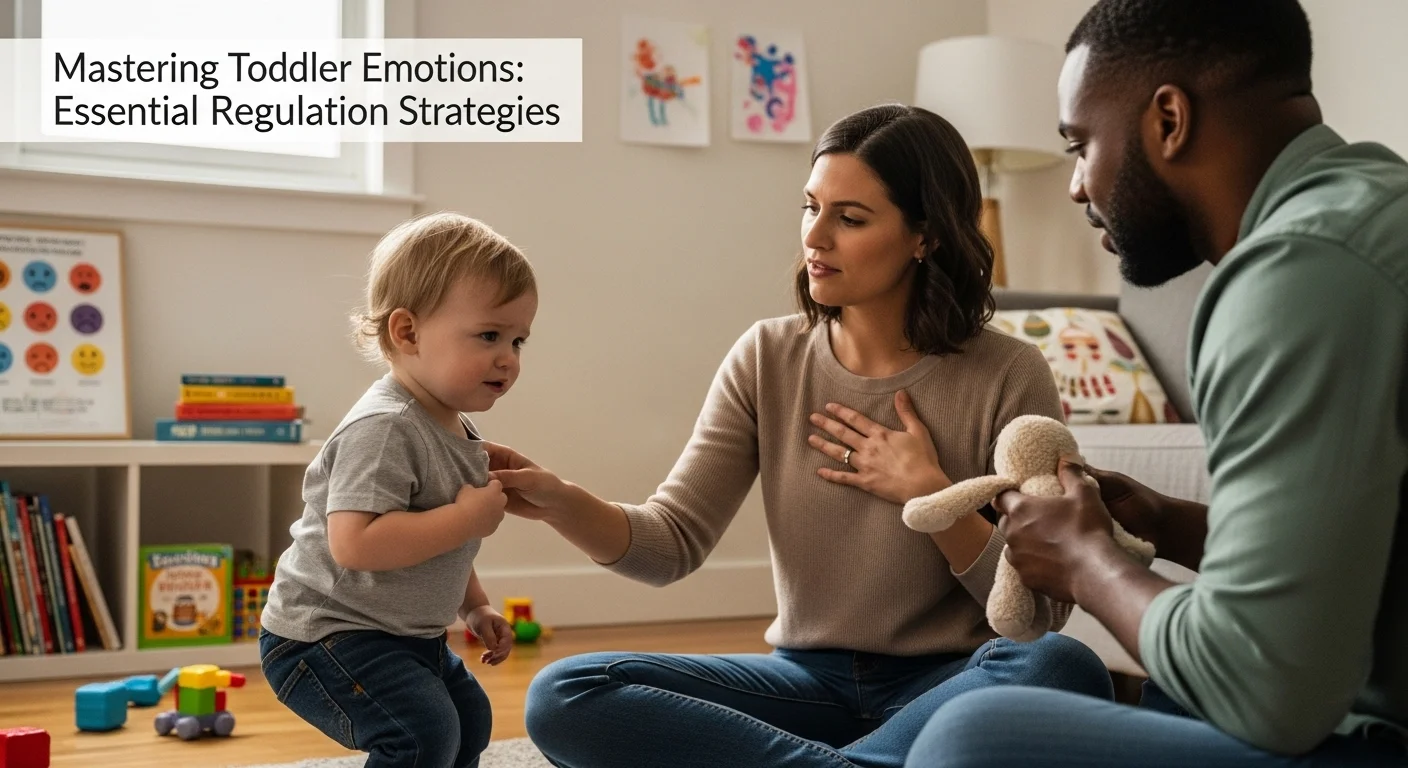
Understanding Toddler Emotions
The Emotional Development of Toddlers
Growing up is a wild ride filled with emotional ups and downs, and toddlers are right in the thick of it. I remember watching my own little one go from joyful giggles to tears in a matter of seconds. This emotional whirlwind is completely normal as toddlers are just beginning to explore their feelings and learn how to express them. During this stage, they are developing their emotional intelligence, which is crucial for their future social interactions and relationships.
Between the ages of 1 and 3, toddlers experience rapid emotional development. They start to recognize their feelings and the feelings of others, but their ability to manage these emotions is still in the early stages. I’ve noticed that this can lead to frustration, both for them and for us as parents. It’s during this time that we need to provide guidance and support to help them navigate the emotional landscape. Read Interesting article: Backpacking with Toddlers: Recognizing and Managing Emotions
Common Emotions in Toddlers
When it comes to toddlers, the range of emotions they can feel is surprisingly vast. Joy, anger, sadness, fear, and frustration are just a few of the emotions I’ve seen play out in my household. Joy often comes from simple things like a favorite toy or a fun game, but anger can erupt when something doesn’t go their way. I’ve seen this firsthand when my little one wanted to play with a toy that wasn’t working correctly. The tears and tantrums that followed were a clear indicator that they were overwhelmed by feelings.
Another common emotion is fear, which can manifest in various situations, like being in a new environment or meeting unfamiliar people. I remember a time when my child was terrified of a costumed character at a birthday party. Even though it was meant to be fun, they didn’t know how to express that fear, leading to an emotional meltdown. Recognizing these emotions is the first step towards helping our toddlers learn how to manage them.
Recognizing Emotional Triggers
As parents, part of our job is to identify what triggers our toddlers’ emotions. I’ve learned that these triggers can vary widely from child to child. For example, some children may become upset when they’re hungry, tired, or overwhelmed by too much noise or activity. I found that keeping a close eye on my toddler’s behavior helped me spot patterns in their emotional responses. It’s almost like being a detective, piecing together clues to figure out what’s going on in their little minds.
One approach I’ve found helpful is keeping a journal of my child’s emotional reactions. I noted the situations that led to outbursts or tears, which helped me understand their triggers and anticipate their needs. This awareness allows me to intervene early, whether that means offering a snack when they seem cranky or creating a quieter space for them to decompress. It’s all about being proactive rather than reactive.
The Importance of Emotion Regulation
Why Emotion Regulation Matters for Toddlers
Emotion regulation is a critical skill for toddlers to develop, and I’ve come to realize just how significant it is as they grow. It’s not just about calming down when they’re upset; it’s about learning to handle feelings in a way that’s healthy and constructive. When toddlers learn to regulate their emotions, they’re better equipped to handle frustration, disappointment, and even joy. I’ve seen how this skill can help my child navigate social situations more smoothly, like sharing toys or playing with friends. Read Interesting article: Unlocking Toddler Emotions: A Backpacker’s Guide to Understanding
The Impact of Unregulated Emotions
On the flip side, unregulated emotions can lead to challenging behaviors that affect both the child and those around them. I’ve experienced this when my toddler would throw a tantrum in the grocery store over something as simple as not getting a candy bar. It’s during these moments that I’ve realized how vital it is for them to learn healthier ways to express their feelings. When emotions go unchecked, it can lead to a cycle of frustration, where the child feels overwhelmed and the parent feels helpless.
Moreover, if toddlers frequently resort to tantrums or outbursts, it can hinder their social development. I’ve noticed that children who struggle with emotional regulation may have difficulty forming friendships as they grow older. This realization has motivated me to prioritize emotional learning in our daily routines, as I want my child to thrive socially and emotionally.
Essential Strategies for Emotion Regulation
Modeling Emotional Responses
I’ve learned that one of the most powerful ways to help my toddler navigate emotions is by modeling my own emotional responses. Kids are like little sponges, soaking up everything we do and say. When I express my feelings openly and appropriately, it encourages my child to do the same. For instance, if I’m feeling frustrated, I take a moment to explain why I feel that way. I might say something like, “I’m feeling really frustrated because I can’t find my keys.” This not only validates my feelings but also shows my child that it’s okay to express emotions instead of bottling them up.
Additionally, I try to show how I manage those emotions. When something goes wrong, instead of erupting in anger, I might take a deep breath and say, “I need a moment to calm down.” This simple action teaches my child that it’s normal to feel strong feelings and that there are healthy ways to cope with them.
Teaching Emotional Vocabulary
Another strategy that I’ve found incredibly beneficial is teaching my toddler emotional vocabulary. It’s amazing how naming feelings can help children understand and manage them better. I often point out emotions during our daily activities. For example, when my child is playing, I might say, “Wow, you look really happy when you’re building that tower!” Or if they’re upset, I might gently say, “I see you’re feeling sad right now. That’s okay.”
This practice has opened up conversations about emotions in our home. I’ve noticed my child is starting to identify and articulate their feelings more clearly. When they can say, “I’m angry,” instead of just throwing a tantrum, it makes it easier for both of us to address the underlying issue. I believe that this foundational skill will serve them well as they grow older, enabling them to express themselves more effectively.
Implementing Mindfulness Techniques
Mindfulness is another tool that has made a difference in our lives. I’ve introduced simple mindfulness techniques that help my toddler focus on the present moment. One activity we enjoy is “mindful breathing.” We take a moment to sit together, close our eyes, and take deep breaths. I guide my child to feel their belly rise and fall as they breathe in and out.
This practice not only calms them down during overwhelming moments but also helps them develop self-awareness. I’ve noticed that when my child feels anxious or upset, they can now take a moment to breathe and recenter themselves. It’s wonderful to see how this simple technique empowers them to take control of their emotions.
Setting Up a Calm Down Corner
Creating a calm down corner in our home has been a game-changer for managing emotions. I designated a cozy little spot filled with soft pillows, calming books, and sensory items like stress balls and fidget toys. Whenever my toddler feels overwhelmed, I gently encourage them to use this space to take a break and collect their thoughts.
This area has become a safe haven for my child, providing them with a physical space to decompress. I’ve seen them use it during moments of frustration or sadness, and it allows them to process their emotions in a healthy way. It’s also a great reminder for me as a parent to give them the space they need to work through their feelings.
Using Visual Aids and Emotion Charts
Visual aids have been another fantastic tool in our journey of emotional regulation. I created an emotion chart featuring different facial expressions and feelings that my toddler can refer to when they’re struggling to express themselves. It’s a fun, interactive way to engage with emotions, and my child enjoys pointing to the faces that match how they feel.
Using these charts has helped us communicate more effectively. For example, during breakfast, if my child seems upset, I can ask, “Do you feel like this one?” while pointing at the chart. This not only validates their feelings but also encourages them to articulate what’s wrong. I find that these visual aids make discussing emotions less intimidating and more relatable for my little one.
Developing Coping Mechanisms
Breathing Exercises for Toddlers
One of the most effective coping mechanisms I’ve taught my toddler is breathing exercises. It’s amazing how something as simple as focusing on our breath can help calm an overwhelmed mind and body. I remember the first time I introduced this technique; we were in the midst of a meltdown over a toy that broke. I knelt down to my child’s level and said, “Let’s take some deep breaths together.” We inhaled through our noses and exhaled through our mouths, counting to three with each breath. I could see my toddler gradually relax as we practiced this together.
Now, whenever emotions start to bubble over, we take a moment to breathe. I guide them by saying things like, “Let’s blow out the birthday candles,” which makes it fun and imaginative. These breathing exercises have become a go-to strategy for both of us. It’s a simple yet powerful way to teach them that they can control their feelings, and I’ve seen how effective it can be in redirecting their energy. I believe it lays the groundwork for emotional resilience as they grow.
Creative Outlets: Art and Play
Art and play have also played a significant role in helping my toddler express emotions. I’ve found that creative outlets allow for self-expression and can serve as a form of therapy. Whether it’s painting, drawing, or playing with clay, these activities give children a chance to channel their feelings into something tangible. I remember a day when my child was feeling particularly sad, and instead of asking them to talk about it, I set up an art station with various supplies. We spent time creating together, and I noticed that my little one began to open up as we crafted.
Sometimes, the artwork itself can be a conversation starter. I might ask, “What does this picture mean?” or “Can you tell me about the colors you chose?” This approach not only nurtures their creativity but also fosters emotional intelligence. Many times, I’ve seen my child create something that reflects their feelings, making it easier for them to articulate what they’re going through. It’s a beautiful way to bond and understand each other better.
Storytelling as a Tool for Emotional Understanding
Storytelling has also been an invaluable tool in our emotional toolkit. I’ve realized that reading stories about characters experiencing various emotions can help my toddler relate to what they’re feeling. I often choose books that highlight different emotions, such as happiness, sadness, or anger. As we read together, I pause to ask questions like, “How do you think this character feels?” or “What would you do if you were in their shoes?”
This technique not only sparks conversations about emotions but also helps my child understand that it’s normal to feel a wide range of feelings. I’ve noticed that after reading, my toddler is more willing to talk about their own experiences. Storytelling creates a safe space for them to explore their emotions vicariously through the characters, which has been incredibly helpful in normalizing their feelings and providing a valuable lesson in empathy.
When to Seek Professional Help
Signs Your Toddler May Need Support
While many emotional ups and downs are a normal part of toddlerhood, I’ve come to understand that there are times when seeking professional help may be necessary. If you notice that your child is frequently experiencing intense emotions that seem unmanageable, or if their emotional outbursts are disrupting daily life, it might be time to reach out for support. I’ve learned to look for signs such as prolonged sadness, excessive anger, or withdrawal from activities they once enjoyed.
In our case, when my toddler’s reactions started to escalate beyond typical tantrums, I felt it was important to consult a professional. I found that talking to a child psychologist helped us gain strategies tailored to our child’s specific needs. Recognizing when to seek help can be challenging, but I’ve learned that it’s always better to err on the side of caution. After all, we want our toddlers to thrive emotionally and socially.
Finding the Right Professional Resources
When looking for professional resources, I recommend asking for recommendations from trusted friends or family members. It’s also helpful to consult your pediatrician, who can provide referrals to child psychologists or counselors specializing in early childhood development. I found that meeting potential therapists beforehand—whether through a phone call or a short meeting—was beneficial to see if their approach aligns with our family’s needs.
Additionally, I’ve discovered that many professionals offer workshops or parent support groups focused on emotional regulation and child development. Engaging in these resources has not only supported my child but also provided me with a supportive community of parents who understand the challenges we face. It’s a comforting reminder that we’re all navigating this journey together.
Incorporating Emotion Regulation into Daily Life
Creating a Routine that Supports Emotional Health
Developing a daily routine has been incredibly helpful for my toddler’s emotional health. I’ve noticed that having a structured day gives my little one a sense of security, which can minimize anxiety and emotional outbursts. I remember the early days when we didn’t have much of a routine; those chaotic mornings often led to meltdowns over the smallest things, like choosing what to wear or what to eat for breakfast.
Now, I try to establish a consistent schedule for meals, playtime, and bedtime. For instance, we have a set time for lunch, followed by a quiet hour where we read books or do puzzles. I’ve found that this predictability makes my toddler feel more secure, and they’re less likely to feel overwhelmed by unexpected changes. When we need to deviate from the routine, I make sure to prepare my child by discussing the change ahead of time. This way, they feel included in the process rather than caught off guard.
Engaging in Emotion-Focused Activities
Incorporating emotion-focused activities into our day has been a rewarding experience. One of my favorites is the “emotion of the day” game we play during lunch. I choose an emotion and we both share examples of when we felt that way recently. I usually start by saying, “Today, let’s talk about happiness! Can you think of a time you felt really happy?” This simple activity not only opens up channels for emotional expression but also strengthens our bond as we share those experiences.
I’ve also found that outdoor activities, like playing at the park or going for nature walks, provide great opportunities for emotional discussions. Being in a natural setting often makes my toddler more relaxed and open to talking about their feelings. We might spot a butterfly and I could say, “Look how happy that butterfly looks! What do you think makes it happy?” This encourages my child to think about emotions in a broader context and relate them to the world around them.
Parent-Child Communication Techniques
Effective communication has been at the heart of our emotional journey. I’ve learned that the way I communicate with my toddler can significantly influence their emotional development. One technique I’ve adopted is to ask open-ended questions that encourage them to express themselves. Instead of asking, “Did you have fun today?” I might say, “What was your favorite part of today?” This encourages my child to think and respond in more depth.
I’ve also found it helpful to practice active listening. When my toddler shares their feelings, I make it a point to give them my full attention. I kneel down to their level, maintain eye contact, and respond with affirmations like, “I understand,” or “That sounds really tough.” This not only validates their feelings but also helps them feel heard. I believe that fostering this type of communication will empower them to express their feelings as they grow older and face more complex emotional situations.
Resources for Parents
Books on Toddler Emotions and Regulation
Reading has always been a passion of mine, and it’s been a fantastic resource for navigating toddler emotions. I’ve come across several books that provide valuable insights into emotional development and regulation. Titles like “The Whole-Brain Child” by Daniel J. Siegel and Tina Payne Bryson have really opened my eyes to how children’s brains work and how I can better support my toddler’s emotional growth. I often find myself referencing these books when I face challenges, and they provide practical strategies that I can incorporate into our daily lives.
Online Courses and Workshops
Participating in online courses and workshops has also been a game-changer for me. I discovered platforms that offer parenting classes focused on emotional regulation and child development. These courses provide expert advice and practical tips that I can apply right away. I remember attending a webinar about emotional intelligence for toddlers, and it was eye-opening. I walked away with new strategies and a community of parents who were navigating similar challenges.
Support Groups and Parenting Networks
Connecting with other parents has been one of the most supportive aspects of my journey. I joined a local parenting group where we meet bi-weekly to share experiences and strategies. It’s comforting to discuss challenges with others who understand what I’m going through, and we often exchange resources that have worked for us. I encourage every parent to seek out similar support networks, whether online or in their community, as it can provide encouragement and reinforce the idea that we are not alone in this journey.
Final Thoughts
Helping toddlers navigate their emotions is no small feat, but it’s a journey filled with joy and learning. I believe that by being proactive, patient, and loving, we can set our little ones up for a lifetime of emotional health. Each strategy we implement, from modeling emotional responses to creating a calm environment, plays a role in fostering their ability to recognize and manage their feelings. And as we support them, we often learn a lot about ourselves along the way. I hope that as we continue to grow together, we can create a safe space for our toddlers to express themselves, allowing them to flourish emotionally and socially.
Frequently Asked Questions
What is emotional development in toddlers?
Emotional development in toddlers refers to the process by which they begin to explore their feelings and learn how to express them. This stage is crucial for their future social interactions and relationships, as toddlers experience rapid emotional growth between the ages of 1 and 3.
What are common emotions that toddlers experience?
Toddlers can experience a wide range of emotions, including joy, anger, sadness, fear, and frustration. These emotions can arise from simple situations, such as wanting a favorite toy or feeling overwhelmed in a new environment.
How can parents recognize emotional triggers in their toddlers?
Parents can recognize emotional triggers by observing their toddler’s behavior and noting patterns in their emotional responses. Keeping a journal of emotional reactions can help identify what situations lead to outbursts or tears, allowing parents to anticipate their child’s needs.
Why is emotion regulation important for toddlers?
Emotion regulation is important for toddlers because it helps them handle feelings in a healthy and constructive way. Learning to regulate emotions can improve their ability to cope with frustration and disappointment, ultimately aiding their social interactions and relationships.
What are some effective strategies for teaching toddlers to regulate their emotions?
Effective strategies for teaching toddlers emotion regulation include modeling emotional responses, teaching emotional vocabulary, implementing mindfulness techniques, setting up a calm down corner, and using visual aids like emotion charts.
How can breathing exercises help toddlers manage their emotions?
Breathing exercises can help toddlers calm down during overwhelming moments by focusing on their breath. This technique teaches them that they can control their feelings and serves as a powerful coping mechanism during emotional distress.
What role do creative outlets play in emotional expression for toddlers?
Creative outlets, such as art and play, allow toddlers to express their emotions in tangible ways. Activities like painting or drawing provide a medium for self-expression, helping them articulate their feelings more easily.
When should parents seek professional help for their toddler’s emotional issues?
Parents should consider seeking professional help if their toddler frequently experiences intense emotions that seem unmanageable or if emotional outbursts disrupt daily life. Signs may include prolonged sadness, excessive anger, or withdrawal from activities they once enjoyed.
How can establishing a routine benefit a toddler’s emotional health?
Establishing a routine can benefit a toddler’s emotional health by providing a sense of security, which minimizes anxiety and emotional outbursts. A consistent schedule helps toddlers feel more secure and less overwhelmed by unexpected changes.
What resources are available for parents seeking to support their toddler’s emotional development?
Parents can access a variety of resources including books on toddler emotions and regulation, online courses and workshops focused on emotional development, and support groups or parenting networks where they can share experiences and strategies with other parents.