
Maximizing fun in toddler play is all about the magic of parent involvement. When we engage in our children’s play, we open up a world of learning, laughter, and connection that enriches their development and strengthens our bond. Read Interesting article: Top 10 Budget-Friendly Activities for Toddler Growth
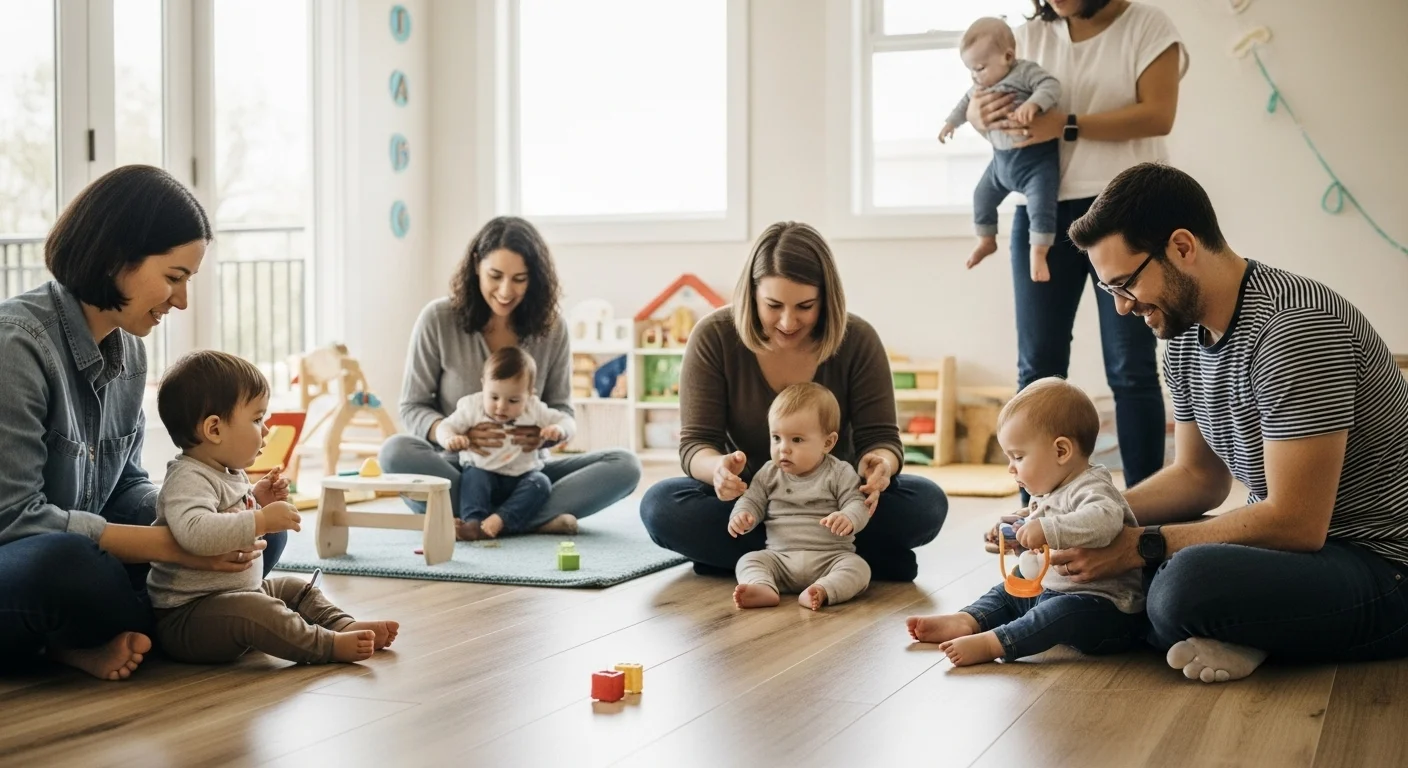
Understanding the Importance of Parent Involvement in Toddler Play
As a parent, I’ve come to realize how crucial my involvement is in my toddler’s playtime. It’s not just about keeping them entertained; it’s a golden opportunity for their growth and development. Engaging with our kids during play allows us to be part of their learning journey. I remember the first time I sat down to play with my child. It was eye-opening. I learned how much they thrive on my participation, and I discovered new ways to connect with them.
The Role of Parents in Early Childhood Development
Parents play an essential role in early childhood development. I often think of play as a child’s first classroom. When I play with my toddler, I’m not just having fun; I’m helping them develop critical skills. According to research, children learn best through play, and as parents, we are their first teachers. By participating in their activities, we guide them in solving problems, exploring new ideas, and understanding social cues. I’ve found that my active involvement helps my child feel more secure and confident as they navigate their little world. Read Interesting article: Cognitive Development Through Play: Expert Tips for Parents
Benefits of Engaging in Play Activities with Toddlers
Engaging in play activities brings a wealth of benefits, not only for our toddlers but for us as parents as well. For one, it strengthens our bond. I’ve noticed that when I’m present during play, my child is more likely to open up and share their thoughts and feelings. This communication builds trust and deepens our relationship.
Moreover, playtime offers us the chance to observe our children in action. I can see their interests, strengths, and areas where they might need more support. Whether it’s building with blocks or creating a masterpiece with crayons, I find that every play session reveals something new about my child. It’s a unique window into their developing minds.
Additionally, it provides us both with a break from our daily routines. Stepping away from the chores or screens and diving into imaginative play rejuvenates us. I often find myself laughing and enjoying the moment, and it reminds me not to take life too seriously. Playtime can be a beautiful escape where we can just be silly and have fun together.
Types of Play Activities for Toddlers
When it comes to play activities, the possibilities are endless. I’ve discovered that different types of play can enhance various skills in toddlers. Here are some types of play activities that I’ve found to be especially beneficial.
Physical Play: Enhancing Motor Skills
Physical play is a cornerstone for developing motor skills. Activities like running, jumping, and climbing help toddlers gain strength and coordination. I remember setting up a mini obstacle course in our living room. It was amazing to see my child’s eyes light up as they navigated through it! Such activities not only promote physical health but also boost confidence as they master new movements. Read Interesting article: Physical Changes After Delivery: Tips for New Parents
Creative Play: Fostering Imagination
Creative play allows toddlers to express their feelings and ideas. Engaging in arts and crafts, music, or pretend play can ignite their imagination. I’ve spent countless afternoons painting with my little one, and I’ve learned that it’s not just about the end result. It’s the process of creating together that matters. It’s in these moments that I see their creativity flourish, and it warms my heart to watch them explore their artistic side.
Social Play: Building Relationships
Social play is vital for developing interpersonal skills. When I arrange playdates or join group activities, I notice how my child learns to share, take turns, and collaborate with others. These are essential skills they’ll need as they grow. I often join in on the fun, either guiding their interactions or playing alongside them, which helps foster friendships among their peers.
Exploratory Play: Encouraging Curiosity
Exploratory play is all about discovery. I encourage my toddler to explore nature, whether we’re at the park or in our backyard. Collecting leaves, rocks, or even bugs sparks their curiosity about the world around them. I enjoy watching them ask questions and seek answers, which is the foundation for critical thinking. It’s during these explorations that I see their natural curiosity come alive.
Through these various types of play, I’ve learned just how vital it is to be involved. Each activity not only supports my child’s development but also strengthens the bond we share. By actively participating in their play, I feel like I’m giving them the best gift of all: my time and attention.
How to Maximize Fun During Playtime
Maximizing fun during playtime is something I’ve put a lot of thought into. I’ve discovered that making play more enjoyable isn’t just about the activities we choose but also about the environment we create and our attitudes toward the experience. Here are some tips I’ve found helpful in turning ordinary playtime into extraordinary moments.
Creating a Safe and Stimulating Environment
One of the first things I learned is the importance of a safe and stimulating environment. I want my toddler to feel free to explore and express themselves without any worries. We’ve made our play area inviting by using colorful rugs and soft cushions, which not only make it cozy but also stimulate their senses. I’ve noticed that when the space is well-organized and has a variety of textures and colors, my child is more engaged and excited to play.
Safety is also a priority. I ensure that all toys are age-appropriate and free from small parts that could be a choking hazard. I remember the time we had a playdate, and I realized how important it was to check that everything was toddler-safe. It felt great knowing I could relax and let the kids explore without constant worry. Creating a safe space encourages more adventurous play, which is essential for learning.
Choosing Age-Appropriate Toys and Activities
Choosing the right toys and activities can make a huge difference in how much fun we have during playtime. I’ve found that age-appropriate toys not only keep my child entertained but also support their developmental milestones. For example, building blocks have been a big hit in our house. They allow for open-ended play, where my child can create anything their imagination dreams up. I’ve seen how building and knocking things down can teach them about balance and cause-and-effect.
When I choose activities, I try to incorporate my child’s interests. If they’re fascinated by animals, I’ll set up a pretend zoo or go on a nature scavenger hunt in the backyard. Tailoring activities to their interests keeps their attention and makes them feel valued. I truly believe that when play feels personal, it becomes even more meaningful.
Incorporating Learning into Play
One of my favorite things about playtime is how effortlessly it can blend learning with fun. I often find myself incorporating educational elements into our activities without my toddler even realizing it. For instance, when we play with puzzles, I use that time to introduce numbers, colors, or shapes. I’ve learned that I can ask questions like, “What color is this piece?” or “How many pieces can you see?” These simple inquiries turn play into a fun learning experience.
We also use storytime as a playful learning opportunity. I remember reading a book about animals and then transitioning to a game where we mimic the sounds of those animals. It’s amazing how these moments enhance my child’s understanding of language and storytelling. I feel like I’m planting little seeds of knowledge that will grow as they develop.
Creating a playful learning environment has made me more creative in how I approach games. I’ve found that when I infuse a bit of educational content into our fun, it keeps my toddler engaged and also satisfies my desire to contribute to their learning journey.
Engaging Play Activities for Parents and Toddlers
Arts and Crafts Projects
Arts and crafts projects are always a hit in our house. I love setting aside time for creative activities because they allow my toddler to express themselves freely. From finger painting to simple collage projects, I’ve seen my child’s creativity blossom. I often gather materials like old magazines, crayons, and glue and let them lead the way. I remember one afternoon when we made a giant poster that displayed their favorite animals. Watching them add personal touches to their artwork made my heart swell with pride.
Outdoor Games and Physical Activities
Outdoor play is another fantastic way to maximize fun. We often go to the park, where I can join in on games like tag or hide-and-seek. I’ve noticed that being physically active together not only brings us closer but also helps my toddler develop their gross motor skills. I remember the first time we flew a kite together; the joy on their face as it soared high in the sky was unforgettable. It’s moments like these that remind me of the simple pleasures of play.
Storytime and Imaginative Play
Imaginative play is something I treasure. Whether we’re acting out stories from our favorite books or creating our own adventures, I’ve found that these moments spark joy and creativity. I enjoy using props from around the house to enhance our pretend play. A simple blanket can become a spaceship or a cave! My toddler and I often end up in fits of giggles as we invent wild scenarios. It’s a reminder of how powerful imagination can be.
Building and Construction Activities
Building activities are another favorite in our playtime routine. We frequently pull out blocks, LEGO sets, or even recycled materials to construct everything from castles to cars. I’ve noticed that these activities encourage patience and problem-solving skills. I find myself amazed at how focused my toddler can be when they’re building something new. It’s also a great opportunity for me to offer guidance while allowing them to lead the way. We often celebrate our creations with a little ceremony, which makes the process even more fun!
Tips for Effective Parent-Child Interaction
Active Participation vs. Observing
One of the key lessons I’ve learned about enhancing playtime is the balance between active participation and simply observing. There are moments when I dive right into the play, and then there are times when I take a step back and watch my toddler engage with their toys or friends. I’ve found that both approaches are valuable. When I actively participate, I can guide and interact, which often leads to richer experiences. However, there are also benefits to observing. It allows me to see how my child thinks and plays independently. I remember one day watching my little one build an elaborate tower with blocks. I was amazed at their creativity and problem-solving as they figured out how to balance the pieces. By observing, I could appreciate their individual skills and let them shine without interference.
Encouraging Communication and Expression
Communication is a foundational aspect of play that I strive to nurture. I’ve discovered that play is a natural way for toddlers to express themselves. When we’re engaged in activities, I often ask open-ended questions like, “What do you think will happen if we add this block here?” or “How does this color make you feel?” These kinds of questions encourage my child to articulate their thoughts and feelings, which helps to develop their language skills. During play, I also make a point to acknowledge their ideas and encourage them to share. I notice they light up when I show genuine interest in what they’re saying. It’s those little moments of connection that build their confidence and foster a love for communication.
Setting a Positive Example Through Play
As parents, I believe we have the power to set the tone for our children’s approach to play and learning. By being enthusiastic and positive during our playtime, I’ve seen how it influences my child’s attitude. I remember a day when we were playing with a new puzzle, and I wasn’t able to find a piece that fit. Instead of showing frustration, I laughed it off and said, “Let’s keep trying together!” This simple shift in perspective not only made the activity more enjoyable but also modeled resilience and a growth mindset for my toddler. I’ve realized that when I embrace mistakes and celebrate efforts instead of just outcomes, it encourages my child to adopt a similar attitude toward challenges.
Challenges to Parent Involvement and How to Overcome Them
Time Constraints and Busy Schedules
One of the biggest challenges I face as a parent is finding time for meaningful play amid our busy schedules. Between work, chores, and other commitments, it can feel overwhelming. However, I’ve discovered that it’s not always about the quantity of time but the quality. Even short bursts of play can be incredibly enriching. I’ve started to set aside specific times in our day, like after dinner or before bedtime, that are dedicated to playing together. It’s become a special routine that my toddler looks forward to. On days when we’re particularly pressed for time, I try to incorporate play into our daily activities, like turning cleanup into a game or singing songs while preparing meals.
Understanding Different Parenting Styles
As I’ve navigated my parenting journey, I’ve come to realize that each family has its own style, and that can affect how we engage with our children during play. I’ve found it helpful to be flexible and open-minded about different approaches. For example, some parents may prefer structured activities, while others might lean towards free play. I remember a playdate where I was surprised by how another parent encouraged their child to take the lead in play. Initially, I felt apprehensive about stepping back, but I learned a lot from observing their dynamic. It made me appreciate the diversity of parenting styles and how each can offer valuable lessons about interaction and engagement.
Dealing with Resistance from Toddlers
Every parent knows that toddlers can be pretty stubborn at times! I’ve certainly faced my share of resistance during play. When my child doesn’t want to participate or is uninterested in the activity, it can be tempting to push them to engage. However, I’ve learned to take a step back and try to understand what they’re feeling. Sometimes, they might be tired or just need a break. I’ve found that being patient and offering choices can be much more effective. For instance, if my toddler isn’t interested in a particular game, I’ll ask them what they’d like to do instead. This empowers them and often leads to more enjoyable playtime. I’ve also discovered that mixing in familiar activities with new ones can help ease them into trying something different.
Resources for Parents to Enhance Playtime
Books and Guides on Toddler Play
There are so many fantastic resources available for parents looking to enhance playtime. I’ve found that reading books and guides on toddler play can provide fresh ideas and insights. Some of my favorites include “The Playful Parent” and “Playful Learning.” These books offer practical activities and the developmental benefits behind them. Diving into these resources has sparked my creativity and reminded me of the importance of play in fostering growth.
Online Communities and Support Groups
Joining online communities has been a game-changer for me. I’ve connected with other parents who share similar experiences and challenges. Platforms like Facebook and parenting forums have supportive groups where we exchange ideas and advice about play. I remember posting a question about engaging my toddler during playdates and received a flood of helpful suggestions. It’s comforting to know that I’m not alone in this journey, and these communities provide a wealth of shared knowledge and support.
Local Classes and Workshops for Parents and Toddlers
Attending local classes or workshops has also enriched our playtime. I’ve signed up for art classes and music sessions where I can play alongside my toddler and meet other parents in the process. These classes often introduce new activities that I might not have thought of on my own. Plus, the social interactions for both my child and me are invaluable. It’s a wonderful way to expand our horizons and create lasting memories together.
Frequently Asked Questions
What is the significance of parent involvement in toddler play?
Parent involvement in toddler play is crucial as it opens up a world of learning, laughter, and connection, enriching the child’s development and strengthening the bond between parent and child.
How does play act as a learning opportunity for toddlers?
Play serves as a child’s first classroom, allowing them to develop critical skills. Parents, as first teachers, can guide toddlers in solving problems, exploring ideas, and understanding social cues through their participation in play.
What are some benefits of engaging in play activities with toddlers?
Engaging in play activities strengthens the bond between parent and child, enhances communication, allows observation of the child’s interests and strengths, and provides a break from daily routines for both parties.
What types of play activities are beneficial for toddlers?
Beneficial types of play activities for toddlers include physical play (to enhance motor skills), creative play (to foster imagination), social play (to build relationships), and exploratory play (to encourage curiosity).
How can parents maximize fun during playtime?
To maximize fun during playtime, parents can create a safe and stimulating environment, choose age-appropriate toys and activities, and incorporate learning elements into play without the child realizing it.
What are some effective parent-child interaction techniques during play?
Effective techniques include active participation in play, encouraging communication and expression, and setting a positive example through enthusiasm and resilience during activities.
What challenges do parents face in being involved in toddler play?
Challenges include time constraints due to busy schedules, navigating different parenting styles, and dealing with resistance from toddlers who may not want to participate in certain activities.
How can parents overcome time constraints to engage in play?
Parents can overcome time constraints by focusing on the quality of play rather than quantity, setting aside specific times for play, and incorporating playful elements into daily routines.
What resources are available for parents to enhance toddler play?
Resources for enhancing toddler play include books and guides on toddler play, online communities and support groups, and local classes or workshops for parents and toddlers.
How can parents incorporate educational content into play activities?
Parents can incorporate educational content into play by blending learning with fun, such as using puzzles to teach numbers, colors, and shapes, or engaging in storytime that includes related games.