
Maximizing learning at home is essential for success. With the right environment, we can enhance focus, comfort, and motivation, making home learning a rewarding experience. Read Interesting article: Budget-Friendly Tips to Design a Home Learning Space
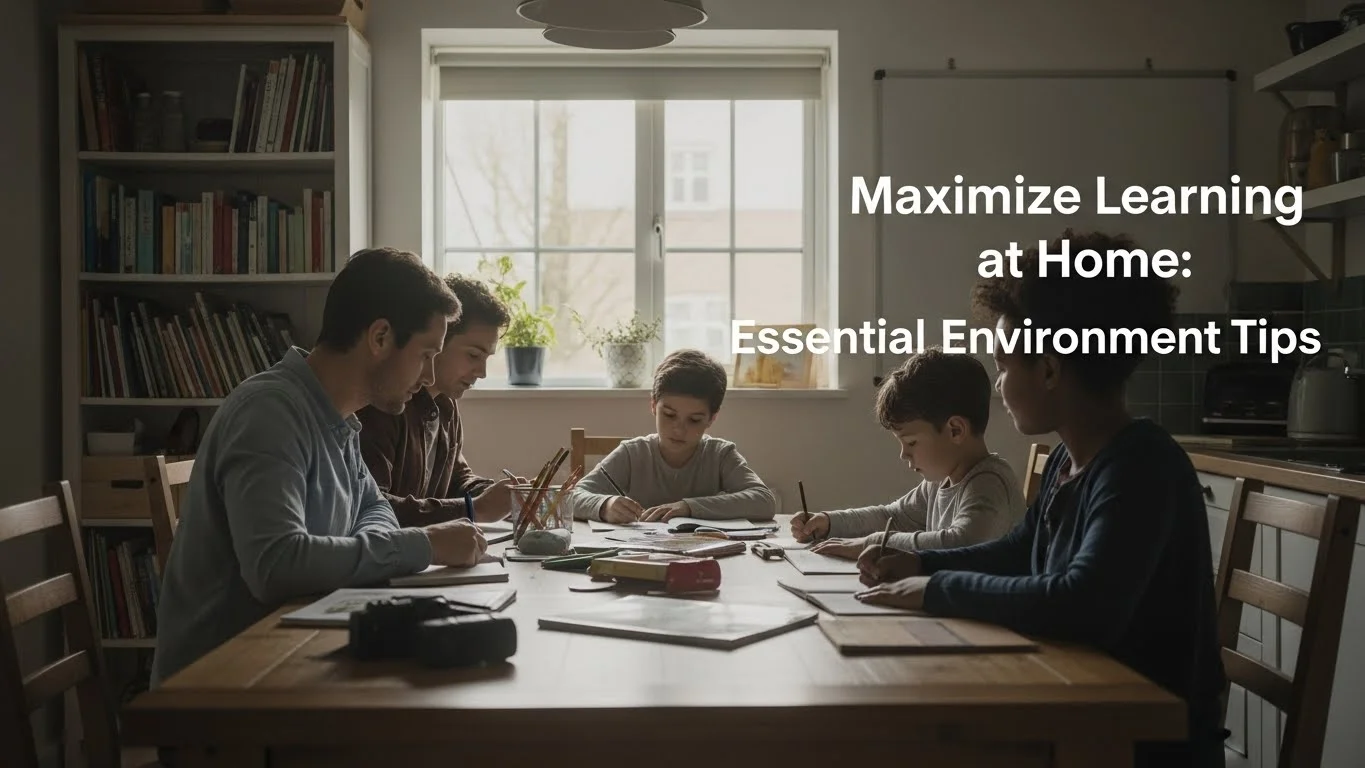
Understanding the Importance of the Learning Environment
When I first started learning at home, I quickly realized how crucial my environment was to my success. The space where we learn can significantly impact our ability to focus and absorb information. I remember feeling distracted in cluttered areas, while a clean, organized space seemed to spark my creativity and concentration. I believe understanding this importance can help us all create better learning experiences at home.
Impact on Focus and Concentration
Focus and concentration are like the air we breathe while learning; without them, we struggle. I noticed that when I was in a messy room, my mind wandered easily. It felt like my attention was pulled in every direction. On the other hand, when I sat down in a tidy space, I felt more grounded and ready to tackle my studies. Research supports this – a well-organized environment reduces distractions and enhances cognitive performance.
To improve focus, I recommend that we evaluate our surroundings. Are there too many stimuli, like pictures or clutter? I found that minimizing distractions, such as unnecessary decorations, helps keep my mind sharp. For me, having a clear desk and a specific spot dedicated to learning made a world of difference. Read Interesting article: Transform Your Home: Create a Learning Haven for Kids
Role of Comfort and Ergonomics
Another aspect I learned about was comfort. I remember trying to study at my kitchen table, hunched over my notes. It didn’t take long for me to realize that my body ached, which made it even harder to concentrate. Investing in ergonomic furniture can be a game changer. I decided to buy a comfortable chair and a desk at the right height, and it transformed my learning experience.
Comfort is not just about having the right chair; it’s also about how we set up our workspace. I discovered that keeping essentials within reach prevents unnecessary movements that can disrupt our focus. A well-thought-out arrangement makes learning feel more accessible and enjoyable. So, I recommend looking for furniture that supports good posture and allows for easy organization of materials.
Influence of Lighting and Color
The lighting and color of a space can influence our mood and energy levels. I used to study in spaces with harsh fluorescent lighting, which made me feel drained quickly. I learned that natural light can do wonders for my learning environment. When I moved my desk closer to a window, I noticed an immediate boost in my mood and motivation.
In terms of color, I’ve found that it can also impact our focus and creativity. Soft blues and greens are calming, while brighter colors can energize. I painted my study area a light green, and it created a refreshing atmosphere that kept me engaged for longer periods. I recommend experimenting with colors that resonate with you. Our personal preferences can make a big difference in how we feel while learning.
Creating an Ideal Learning Space
Now that we understand the importance of our learning environment, let’s dive into how we can create an ideal space at home. I’ve learned that it’s not just about having a designated spot; it’s about making that spot work for us in the best way possible.
Choosing the Right Location in Your Home
Choosing the right location for your learning space can be crucial. I experimented with different areas in my home, and I found that a quiet corner away from distractions is essential. Initially, I tried studying in the living room, but the TV was always a temptation. Once I moved to a quieter room, I felt much more focused.
Consider the noise levels and foot traffic in each area. I’ve found that a dedicated room or nook often works best. If you don’t have an entire room, even a well-defined corner can serve as a meaningful space that signals to our brains that it’s time to learn.
Essential Furniture for Learning
My experience taught me that the right furniture can enhance our learning environment significantly.
Ergonomic Chairs and Desks
As I mentioned, ergonomic chairs and desks are vital. When I invested in a chair that supported my back, I noticed I could study longer without discomfort. It’s worth considering adjustable desks as well, allowing us to alternate between sitting and standing, which helps with energy levels.
Storage Solutions for Organization
Another important factor is organization. I used to have piles of books and papers everywhere, which made it tough to find what I needed. I discovered that having storage solutions – like shelves, bins, and folders – can help keep everything in its place. It helps us stay organized and reduces the chaos that can come with learning materials scattered everywhere.
Setting Up Technology and Tools
In our digital age, setting up technology is essential for effective learning. I learned the hard way that a good internet connection can make or break an online study session.
Computer and Internet Setup
Make sure your computer is in good working order and that you have a reliable internet connection. I’ve experienced the frustration of slow connections during important video calls, so investing in a good router or upgrading your internet plan can be worthwhile.
Education Apps and Software
Finally, consider the apps and software you use. I’ve found that tools like note-taking apps and online collaboration platforms can streamline the learning process. Having everything we need at our fingertips can save time and keep us organized. Read Interesting article: Homeschooling Success: Adapting to Different Learning Styles
By focusing on these aspects of our learning environment, I believe we can create spaces that not only facilitate learning but also inspire us to grow and thrive. It’s about finding what works best for each of us and making the effort to adjust our surroundings to fit our learning needs. I’ve learned that a little effort in setting up the right environment goes a long way in maximizing our learning potential at home.
Minimizing Distractions
Identifying Common Distractions
One of the biggest challenges I faced while learning at home was dealing with distractions. It’s surprising how many things can pull our attention away from studying. I remember sitting down to read, only to be sidetracked by my phone buzzing or the sound of the refrigerator humming. I realized that identifying these distractions was the first step in minimizing their impact.
Common distractions can range from external noises, like traffic or family members chatting, to internal ones, like my own wandering thoughts. I’ve noticed that even simple things, like the time of day or what I had for lunch, could affect my concentration. Once I started recognizing these distractions, I found it easier to implement strategies to overcome them.
Strategies to Reduce Noise
Reducing noise has been a game changer for me. I experimented with various strategies until I found what worked best. One of the simplest yet most effective methods was to create a dedicated study zone away from traffic and noise. If you have a dedicated room, close the door. If not, try to find a corner of your home where noise is minimal.
Using Noise-Canceling Headphones
Another strategy that I highly recommend is investing in a pair of noise-canceling headphones. They’re not just for music; they can create an oasis of calm in a noisy environment. I remember using them while studying during family gatherings; they helped me stay in the zone and block out distractions. Plus, they can be great for listening to calming music or white noise, which can enhance focus.
Creating a Quiet Zone
Designating a quiet zone has worked wonders for my study routine. This area should be free from interruptions, where we can focus solely on learning. I made it a point to communicate with my family about this space. I explained that when I was in my study area, I needed quiet time. This not only helped me but also made them more mindful of my study needs.
Managing Digital Distractions
In today’s digital age, managing distractions from our devices is crucial. I learned early on that technology could be both a friend and a foe in my learning journey. While I relied on my computer for research and online classes, I found that notifications from social media or texts would constantly pull my attention away. To combat this, I adopted several strategies that helped me stay focused.
Setting Up Focused Work Sessions
One approach that worked well for me was setting up focused work sessions. I started using the Pomodoro Technique, where I would study for 25 minutes and then take a 5-minute break. During those 25 minutes, I would turn off all notifications and put my phone on silent. I found that this method not only improved my concentration but also made me feel a sense of accomplishment with each completed session.
Using Website Blockers
Website blockers became my best friends. I discovered various apps that allowed me to restrict access to distracting sites during my study hours. I set these up to block social media and entertainment sites, which made it easier to focus on the task at hand. Knowing that I couldn’t easily scroll through my feeds helped me resist temptation and stay on track.
Incorporating Elements of Motivation
Personalizing the Learning Space
Creating a motivating learning environment has been essential for me. Personalizing my space has turned it into a place I actually want to be. I’ve learned that when I surround myself with things that inspire me, I feel more engaged and motivated to learn. This could be as simple as adding personal touches or reminders of my goals.
Inspiring Decor and Visuals
I started by adding inspiring quotes and visuals to my walls. I printed out motivational quotes and hung them up where I could see them while studying. I also included images that reminded me of my goals and dreams. Each time I glanced up, I felt a boost of motivation. It’s amazing how visual cues can influence our mindset and energy levels.
Creating a Reward System
Another motivating factor for me was setting up a reward system. I decided to treat myself after completing a certain amount of study time or finishing a challenging assignment. Whether it was enjoying a favorite snack, watching an episode of my favorite show, or taking a walk, these small rewards kept me motivated and gave me something to look forward to during my study sessions.
Involving Family Members
Getting my family involved in my learning journey has made a significant difference. I found that sharing my goals and progress with them created a supportive environment that encouraged me to stay on track. When they understood my study needs, they were more willing to help me maintain my quiet zone and minimize distractions.
Setting Up Group Study Sessions
Sometimes, I’ve found that studying with family can be beneficial. We planned group study sessions where we could all work on our own tasks while still being together. This created a sense of accountability and made studying feel less isolating. Plus, it allowed us to help each other when needed, turning learning into a collaborative effort.
Encouraging Accountability
Accountability has been key to keeping me motivated. I learned that sharing my goals with family members led to more support. They would often check in on my progress, and this little nudge helped me stay focused. Knowing that someone else was rooting for me made a big difference in my motivation levels.
Utilizing Natural Elements
Benefits of Natural Light
One of the best changes I made to my learning environment was maximizing the natural light in my space. I used to underestimate how much sunlight could uplift my mood and energy levels. When I started studying near windows, I felt more awake and focused. The warmth of the sun on my skin while reading or writing made my study sessions feel more pleasant. I believe natural light can play a significant role in enhancing overall productivity.
Research shows that exposure to natural light can help regulate our circadian rhythms, leading to better sleep and increased alertness during the day. I remember feeling sluggish and unmotivated on cloudy days when I didn’t have much light in my study area. So, I made it a point to arrange my workspace to take advantage of available sunlight. It’s incredible what a little brightness can do for our mindset!
Incorporating Plants and Greenery
Adding plants to my learning space has been another game changer. I’ve always loved nature, but I never realized how much of a positive impact having greenery around me could have on my studies. When I brought in a few small plants, I noticed a shift in my attitude. The vibrant colors and life they brought to my workspace made it feel more inviting and refreshing.
Choosing Low-Maintenance Plants
If you’re not confident in your gardening skills, don’t worry! I started with low-maintenance plants like succulents and snake plants. They require minimal care, which made it easy for me to keep them alive. I learned that even a small touch of nature can create a calming atmosphere. Plus, taking breaks to water or check on my plants became a nice little mental reset during study sessions.
The Psychological Benefits of Nature
The psychological benefits of having plants around are profound. I came across studies suggesting that being near greenery can reduce stress and anxiety levels. I found this to be true in my experience. Whenever I felt overwhelmed, taking a moment to look at my plants or simply breathe in their freshness helped ground me. It’s amazing how nature can bring a sense of peace and clarity to our minds, making the learning process a little less daunting.
Establishing a Routine for Learning
Creating a Schedule that Works
Having a solid routine has been crucial for me in managing my learning effectively. I remember when I first started studying at home; my days felt chaotic without structure. I decided to create a schedule that outlined specific times for studying, breaks, and even relaxation. This framework has not only kept me organized but has also helped me develop a rhythm that makes learning feel more natural.
I recommend trying to find a schedule that aligns with your most productive moments. For instance, I discovered that I focus best in the mornings, so I planned my most challenging subjects during that time. By scheduling less demanding tasks for the afternoons, I could seamlessly transition into a productive study day.
Balancing Learning and Breaks
One important lesson I’ve learned is the value of balancing learning with regular breaks. Initially, I thought pushing through long hours without breaks would lead to better results. However, I quickly realized that this approach backfired. My concentration dwindled, and I often felt burnt out. Incorporating short breaks has been a game changer for me. I started using techniques like the Pomodoro Technique, where I study for 25 minutes and then take a 5-minute break. This simple method helps keep my mind fresh and allows me to return to my studies with renewed energy.
During my breaks, I tried to step away from my desk. I would take walks, stretch, or even grab a snack. These little pauses not only rejuvenate my spirit but also give me a chance to reflect on what I’ve learned. I truly believe that taking breaks is just as important as the studying itself.
Adjusting the Routine for Different Learning Styles
It’s essential to recognize that we all learn differently, and I’ve found that my routine should adapt to my individual learning style. For a while, I struggled with certain subjects until I took the time to identify my preferred methods of learning. I realized that some topics made more sense when I could visualize them, while others were easier to grasp through reading or listening.
Once I understood my learning style, I adjusted my routine to incorporate various methods. I began using videos, podcasts, and even interactive tools to enhance my understanding. This not only made learning more enjoyable but also helped me retain information better. I suggest experimenting with different approaches until you find what resonates with you. Tailoring your routine to suit your learning preferences can make a world of difference in your overall experience.
Frequently Asked Questions
What is the significance of the learning environment at home?
The learning environment is crucial for success as it significantly impacts our ability to focus, absorb information, and feel motivated while studying at home.
How does a cluttered space affect focus and concentration?
A cluttered space can lead to distractions, making it difficult to concentrate and absorb information. In contrast, a clean and organized area enhances focus and creativity.
What role does comfort play in a home learning environment?
Comfort is essential for effective learning. Investing in ergonomic furniture, such as a supportive chair and appropriately sized desk, can reduce physical discomfort and enhance concentration.
How can lighting and color influence learning?
Lighting and color can affect mood and energy levels. Natural light can boost motivation, while certain colors, like soft blues and greens, can create a calming atmosphere that enhances focus.
What should be considered when choosing a location for a learning space?
It’s important to select a quiet area away from distractions, considering noise levels and foot traffic. A dedicated room or a well-defined corner can significantly improve focus while studying.
What are some effective strategies to minimize distractions while studying at home?
Strategies include creating a dedicated study zone, using noise-canceling headphones, and managing digital distractions by turning off notifications and using website blockers.
How can personalizing the learning space enhance motivation?
Personalizing the learning space with inspiring decor, visuals, and a reward system can create a more engaging environment, making it easier to stay motivated and focused on learning goals.
What benefits do natural elements, such as plants, provide in a learning environment?
Incorporating plants can enhance the learning space by reducing stress and anxiety levels, creating a calming atmosphere, and improving overall mood and focus during study sessions.
Why is establishing a routine important for learning at home?
Having a solid routine helps manage learning effectively by providing structure, enabling better time management, and ensuring a balance between studying and breaks to maintain concentration.
How can adjusting the routine for different learning styles improve the learning experience?
Adjusting the routine to align with individual learning styles can enhance understanding and retention of information. Experimenting with various methods, such as visual aids or interactive tools, can make learning more enjoyable.