
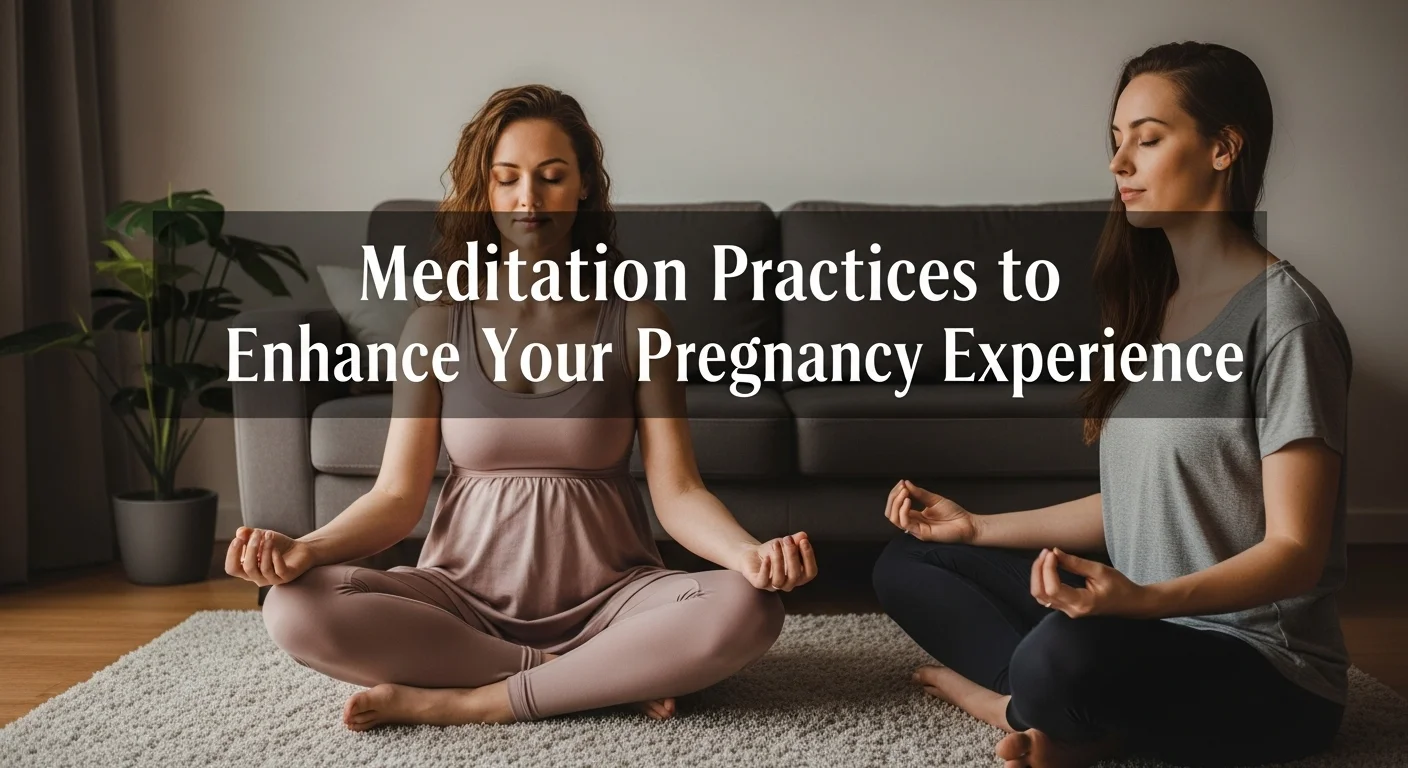
Pregnancy is a transformative journey, and meditation can become a vital companion to enhance this experience. By incorporating meditation into your routine, you can nurture both your body and mind, creating a peaceful environment for you and your baby. For more insights, check out Mindfulness Techniques for a Peaceful Pregnancy Journey.
Understanding the Benefits of Meditation During Pregnancy
As I embarked on my own pregnancy journey, I quickly discovered that meditation was more than just a trendy wellness practice. It became an essential part of my daily life, providing numerous benefits that helped me navigate the physical, mental, and emotional changes I experienced. Let’s explore how meditation can enhance the pregnancy experience.
Physical Benefits
During pregnancy, our bodies undergo significant transformations that can sometimes be overwhelming. I found that meditation helped me manage many of these physical changes. One of the most notable benefits was the way it eased my physical discomfort. Through regular meditation, I learned to relax my muscles and release tension, which was particularly useful as my belly grew. Studies suggest that meditation can lower blood pressure and reduce stress hormones, both of which contribute to a healthier pregnancy.
Additionally, meditation promotes better sleep, something I desperately needed as sleep troubles often arise during pregnancy. I remember the nights I would lay in bed, my mind racing, unable to find rest. After incorporating meditation into my bedtime routine, I noticed a significant improvement. Focusing on my breath or listening to calming guided meditations allowed me to drift off more easily. The physical benefits of improved sleep cannot be overstated, as quality rest is crucial for both the mother and the developing baby.
Mental and Emotional Benefits
Pregnancy is a rollercoaster of emotions. I often felt joy one moment and anxiety the next. Through my meditation practice, I learned to observe these feelings without judgment. This shift in perspective was empowering. Meditation encourages mindfulness, helping us stay present and aware of our thoughts and feelings. I discovered that instead of getting lost in worries about the future or fears about childbirth, I could acknowledge those feelings and gently redirect my focus back to the present moment. For further support, consider reading Coping with Mood Swings During Pregnancy: A Survival Guide.
Research supports the idea that meditation can reduce anxiety and depression during pregnancy. By dedicating even a few minutes each day to meditation, I found that my overall mood improved. I learned techniques to cope with stress, which made the entire journey more enjoyable. Whether it was a simple breathing exercise or a longer mindfulness session, those moments of stillness became my sanctuary.
Spiritual Growth and Connection
For many, pregnancy is not just a physical experience but also a spiritual one. I felt a profound connection to my baby as I meditated. It was during these quiet moments that I could visualize my child and feel a deep sense of love and gratitude. Meditation provided a space for spiritual growth, allowing me to reflect on my hopes and dreams for my child. This connection was both grounding and uplifting, reminding me of the miracle of life growing within me.
Engaging in meditation also opened doors to explore my beliefs and values as a parent. I remember pondering questions about the kind of upbringing I wanted to provide and the lessons I hoped to impart. By taking the time to meditate, I could clarify my intentions and approach to motherhood, which I believe has laid a solid foundation for the future.
Incorporating meditation into my pregnancy experience brought clarity, peace, and joy. The physical relief, emotional support, and spiritual connection I gained were invaluable. Meditation became my ally, helping me navigate the complexities of pregnancy with grace and awareness. As I continued my journey, I realized that these benefits were just the beginning, and there were many types of meditation practices to explore for a richer experience. Let’s dive into those practices next.
Types of Meditation Practices for Pregnant Women
As I delved deeper into my meditation practice during pregnancy, I discovered a variety of techniques that catered to my needs and feelings. Each type of meditation offered its unique benefits, making it easier to find what resonated with me. Here’s a closer look at some of the most effective meditation practices for pregnant women.
Mindfulness Meditation
Mindfulness meditation quickly became a favorite of mine. It involves being fully present in the moment and observing my thoughts without judgment. I remember sitting comfortably, closing my eyes, and focusing on my breath. I felt the gentle rise and fall of my belly as my baby moved inside me. This practice helped me embrace each moment, whether it was filled with joy or discomfort. I learned to acknowledge my feelings without letting them overwhelm me, which was especially helpful during those times of anxiety.
Guided Visualization
Guided visualization was another practice that made a significant impact on my pregnancy journey. I would often listen to recordings that took me through serene landscapes or calming scenarios. I remember vividly a session where I was visualizing my baby’s birth. Imagining the warmth, light, and love surrounding that moment brought me immense peace. This technique not only calmed my nerves but also allowed me to foster a strong connection with my baby, envisioning a positive and empowering birth experience.
Breath Awareness Techniques
Breath awareness techniques became my go-to during moments of stress or discomfort. Focusing on my breath allowed me to ground myself and find stillness. I would take deep inhales, feeling my belly expand, and long exhales that released tension. This practice was particularly helpful during those times when pregnancy discomfort made it hard to relax. I felt refreshed and centered, and it became a natural part of my day, whether I was sitting at home or out and about.
Body Scan Meditation
The body scan meditation was an experience I cherished. I would lie down in a comfortable position and mentally scan my body from head to toe. I remember how it felt to focus on each part of my body, noticing areas of tension or discomfort and consciously relaxing them. This practice not only relaxed my muscles but also enhanced my body awareness. It was a wonderful way to connect with the changes happening in my body and to express gratitude for the miraculous journey of creating life.
Mantra Meditation
Mantra meditation introduced me to the power of words. I would repeat calming phrases or affirmations that resonated with me, such as “I am strong” or “I am capable.” This repetition created a sense of rhythm and focus that brought me tranquility. I found it especially helpful during periods of uncertainty, where I could remind myself of my strength and resilience as an expecting mother. It felt like having a personal cheerleader, encouraging me to embrace the journey ahead.
Exploring these different meditation practices enriched my pregnancy experience. Each technique offered something unique, helping me cope with the changes and embrace the beautiful journey of motherhood. Now that I had a variety of practices in my toolkit, I felt empowered to incorporate meditation into my daily routine, taking advantage of its many benefits. Let’s discuss how to get started with meditation during pregnancy.
How to Get Started with Meditation During Pregnancy
Starting a meditation practice during pregnancy can feel a bit intimidating, but I promise it doesn’t have to be! When I first began, I wasn’t sure where to start or how to fit it into my busy days. However, I soon realized that with a few simple steps, I could easily incorporate meditation into my life. Here’s how you can get started on this beautiful journey.
Choosing the Right Space
Creating a calming environment was crucial for my meditation practice. I found that having a designated space helped to signal my mind that it was time to relax. I chose a corner of my living room that had soft lighting, a cozy blanket, and a few cushions. Surrounding myself with items that brought me peace, like candles and plants, made a huge difference. I remember sitting in this little sanctuary, feeling the stress of the day melt away as I prepared to meditate. Think about what makes you feel comfortable and at ease, and try to replicate that in your meditation space.
Setting a Regular Schedule
Establishing a routine was key for me. I decided that I would meditate for just ten minutes every morning after I woke up. It became a beautiful ritual that set a positive tone for my day. I also experimented with other times, like during my lunch break or before bed, to see what felt best. I found that consistency helped me stay committed to the practice. Choose a time that works for you and try to stick with it. Even if it’s just a few minutes a day, those moments can add up and significantly enhance your overall experience.
Finding Suitable Resources (Apps, Classes, Books)
There’s a wealth of resources available to guide you on your meditation journey. I explored various apps, like Headspace and Calm, which offer specific meditation sessions tailored for pregnant women. These guided meditations were incredibly helpful, especially when I was just starting out. I also discovered prenatal yoga classes that incorporated meditation techniques, allowing me to connect my body to my breath gently. Books focused on mindfulness during pregnancy provided insights and inspiration that kept me motivated. Don’t hesitate to explore different resources until you find what resonates with you. It’s all about what makes you feel most comfortable and supported.
Incorporating Meditation into Your Daily Routine
Once I got the hang of starting my meditation practice, I realized how versatile it could be. There were so many opportunities throughout the day to weave meditation into my routine. Here’s how I did it:
Morning Meditation Rituals
My mornings took on a new light when I added a meditation ritual. After waking up, I would sit in my cozy corner, close my eyes, and focus on my breath. I often visualized how I wanted my day to unfold, setting positive intentions. This simple practice helped me approach each day with gratitude and calmness. You might consider starting with just a few minutes and gradually increasing the time as you become more comfortable.
Midday Mindfulness Breaks
As the day progressed, I learned to take short breaks for mindfulness. During my lunch hours, instead of scrolling through my phone or rushing through a meal, I would take a few moments to step outside or find a quiet spot. I practiced breath awareness or listened to a quick guided meditation. These pauses rejuvenated my mind and spirit, allowing me to return to my tasks with renewed energy. I encourage you to carve out these little moments for yourself—they can make a world of difference.
Evening Relaxation Techniques
After a long day, winding down with meditation became a soothing habit. I often tried body scan meditation or gentle breathing exercises to ease my body into relaxation before bed. I remember how calming it felt to focus on each part of my body, releasing tension accumulated throughout the day. This practice not only improved my sleep quality but also helped me connect with my baby as I visualized a peaceful night for both of us. Finding an evening routine that includes meditation can truly enhance your ability to unwind and prepare for restful sleep.
Integrating meditation into your daily life doesn’t need to feel overwhelming. With these small adjustments, I found that meditation became not just a practice but a way of life. As I continued on my journey, I felt more empowered and connected to myself and my baby. Now that we’ve covered these foundational aspects, let’s explore some common concerns and challenges that may arise during your meditation practice.
Addressing Common Concerns and Challenges
As I dove deeper into my meditation practice during pregnancy, I encountered some challenges along the way. It’s natural to have concerns, and I found that addressing them head-on made a significant difference in maintaining my practice. Here are a few common concerns and how I navigated through them.
Managing Discomfort and Physical Limitations
Physical discomfort is an undeniable reality during pregnancy. I remember struggling to find a comfortable position while meditating, especially as my belly grew. At times, sitting cross-legged felt like a distant memory. I decided to adapt my practice by finding different positions that worked for me. Sometimes, I would lie down or sit in a supportive chair. It’s all about listening to what your body needs and allowing yourself the flexibility to change things up. I also found that using cushions or props helped alleviate discomfort, making my meditation sessions more enjoyable.
Overcoming Mental Blocks and Anxiety
Mental blocks can creep in unexpectedly. There were days when my mind felt like a whirlwind of thoughts, making it hard to focus. I learned that this was entirely normal. On those challenging days, I shifted my approach to meditation. Instead of forcing myself to clear my mind, I would simply observe my thoughts without judgment. It became a practice of acceptance. I would remind myself that it’s okay to have an off day and that meditation is a journey, not a destination. Gradually, I noticed that the act of letting go of expectations allowed me to find stillness more easily.
Finding Time Amidst Busy Schedules
Balancing the demands of pregnancy with meditation can feel daunting. I often worried about fitting my practice into my busy days. However, I realized that meditation didn’t have to be a lengthy commitment. I started with just five minutes when I could, whether it was in the morning, during a lunch break, or even while cooking. The key was being consistent, even if the sessions were short. I also discovered that incorporating meditation into existing routines, like while waiting for an appointment or before bed, made it feel more manageable. It’s all about finding those pockets of time that work for you.
Specific Meditation Techniques for Each Trimester
As my pregnancy progressed, I tailored my meditation practice to align with the unique experiences of each trimester. Each stage brought different feelings and needs, and adapting my approach made a world of difference.
First Trimester Practices
During the first trimester, I focused on grounding techniques. I often practiced mindfulness meditation, connecting with my breath and embracing the early stages of my pregnancy. It was a time of uncertainty, so I found solace in visualizing my growing baby and nurturing that connection. Journaling after my sessions also became important, allowing me to express my thoughts and feelings.
Second Trimester Practices
As I moved into the second trimester, my energy levels increased. I found myself drawn to guided visualizations that centered on healthy pregnancy and childbirth. These sessions helped me cultivate a positive mindset and eased any anxieties I had about the changes happening in my body. I also incorporated body scan meditations, which helped me stay in tune with my physical sensations as my belly grew.
Third Trimester Practices
In the third trimester, I focused on preparing for childbirth. I dedicated more time to breath awareness techniques, which I hoped would support me during labor. Visualizing the birth process became a comforting ritual, and I practiced mantra meditation with affirmations like “I am ready” and “I trust my body.” These practices empowered me and fostered a sense of calm as I approached the final stage of my pregnancy. For more information on emotional changes during pregnancy, read Hormonal Changes in Pregnancy: What to Expect Emotionally.
Partner and Family Involvement in Meditation
Meditation isn’t just a solo journey; it can also be a beautiful way to connect with your partner and family during pregnancy. I found sharing my practice with my partner deepened our bond and created a supportive environment for our growing family.
Shared Meditation Practices for Couples
Involving my partner in meditation was a game-changer. We began to set aside time for joint meditation sessions, often practicing guided visualizations together. This shared experience allowed us to connect on a deeper level and discuss our hopes and dreams for our baby. It was comforting to realize that we were both on the same page, ready to embrace the journey ahead.
Family Involvement in Pregnancy Meditation
Including family members in meditation can also be enriching. I invited my parents and siblings to join us for a family meditation session, where we focused on love and support for the new baby. Creating a collective space for mindfulness fostered a sense of unity and excitement as we awaited the arrival of our little one. It’s a wonderful way to bring everyone together, sharing the experience and the joy of welcoming a new life.
Final Thoughts
My journey with meditation during pregnancy transformed my experience. It provided me with tools to navigate the ups and downs, fostering a deeper connection with myself and my baby. I encourage you to embrace this practice, no matter where you are in your pregnancy. Remember, it’s not about perfection; it’s about the moments of peace and clarity you create for yourself. Each session is a step toward nurturing a mindful approach to motherhood, enriching the beautiful journey ahead. I hope you find the same joy and empowerment in your meditation practice as I did.
Frequently Asked Questions
What are the physical benefits of meditation during pregnancy?
Meditation can help manage physical discomfort, ease muscle tension, lower blood pressure, and reduce stress hormones, contributing to a healthier pregnancy. It also promotes better sleep, which is crucial for both the mother and the developing baby.
How can meditation help with emotional changes during pregnancy?
Meditation encourages mindfulness, helping expectant mothers observe their emotions without judgment. It can reduce anxiety and depression during pregnancy, improve overall mood, and provide techniques to cope with stress.
What types of meditation practices are recommended for pregnant women?
Some effective meditation practices for pregnant women include mindfulness meditation, guided visualization, breath awareness techniques, body scan meditation, and mantra meditation.
How can I create a suitable environment for meditation during pregnancy?
Creating a calming environment involves designating a peaceful space with soft lighting, comfortable seating, and items that bring you peace, such as candles and plants, to signal your mind that it’s time to relax.
What is a good way to start a meditation practice during pregnancy?
Start by establishing a regular schedule, even if it’s just for a few minutes each day. Choose a time that works best for you, such as in the morning, during lunch breaks, or before bed.
How can I incorporate meditation into my daily routine while pregnant?
You can incorporate meditation by creating morning rituals, taking midday mindfulness breaks, and using evening relaxation techniques to unwind and connect with your baby.
What should I do if I experience discomfort while meditating during pregnancy?
If you experience discomfort, adapt your meditation practice by finding comfortable positions, using cushions or props, and listening to your body’s needs to make the sessions more enjoyable.
How can I overcome mental blocks during meditation?
Accept that mental blocks are normal. Instead of forcing a clear mind, observe your thoughts without judgment and focus on acceptance, allowing yourself to let go of expectations.
What specific meditation techniques can I use during each trimester?
In the first trimester, focus on grounding techniques; in the second trimester, use guided visualizations and body scans; and in the third trimester, practice breath awareness and mantra meditation to prepare for childbirth.
Can I involve my partner or family in my meditation practice during pregnancy?
Yes, involving your partner in joint meditation sessions can deepen your bond. Including family members in meditation can create a supportive environment and foster unity as you prepare for the new baby.