
Every parent eagerly anticipates their baby’s first words and sounds. Understanding the communication milestones can help us celebrate these precious moments and support our little ones as they grow. Essential Communication Skills for Your Newborn’s Growth can provide valuable insights into this journey.
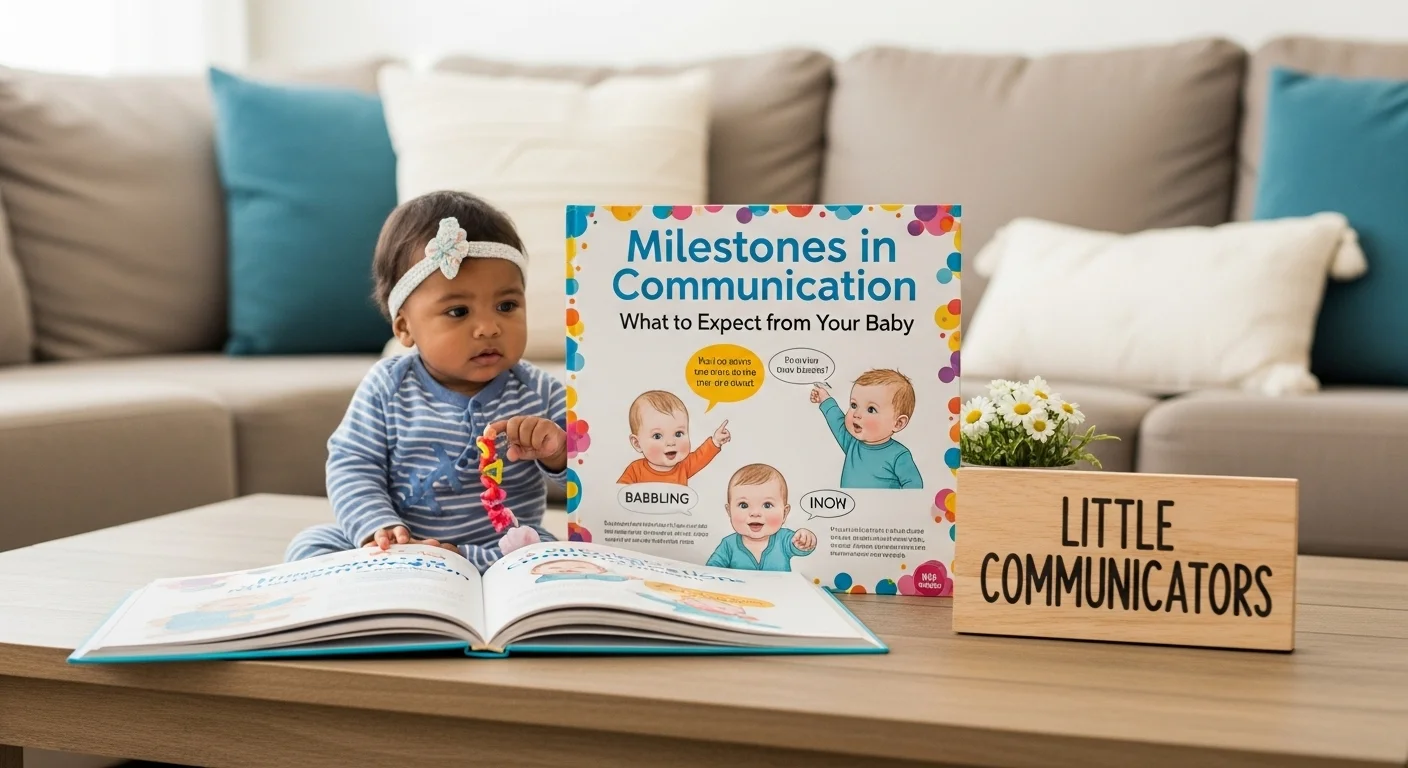
Understanding Communication Milestones
Definition of Communication Milestones
Communication milestones refer to the specific skills and abilities that children develop as they learn to express themselves and understand others. These milestones are typically characterized by the sounds they make, their ability to recognize voices, and how they engage with us through eye contact and gestures. Each milestone marks a significant step in their journey toward effective communication, which is crucial for their overall development.
Importance of Tracking Communication Development
Tracking communication development is important for several reasons. As a parent, I’ve learned that noticing these milestones can help us understand our baby’s needs and emotions better. For instance, if I hear my baby cooing, I know they are starting to explore sounds and express themselves. Observing these developments not only gives us insight into their emotional state but also allows us to intervene early if we notice any delays. Communication is a vital skill that sets the foundation for social interactions, learning, and building relationships. By being aware of these milestones, we can actively engage with our babies and encourage their growth in this area. Additionally, Guide to Baby’s Social Development While Traveling can offer parents helpful strategies for fostering communication during travel.
Early Communication Skills (0-3 Months)
Baby’s First Sounds: Cooing and Crying
In the first few months, my baby’s communication began with a range of cries. Each cry had its own meaning, which I tried to decipher. I quickly learned that a hungry cry sounded different from a tired one. Then came the delightful stage of cooing. Hearing those sweet, soft sounds was like music to my ears. Cooing usually starts around six to eight weeks, and it’s a pivotal moment. It signifies that my baby is beginning to explore their voice, and I felt encouraged to respond with smiles and coos of my own. Engaging in this back-and-forth made me realize how important it is to create a responsive environment where our babies feel heard and understood.
Recognizing Parental Voices
During this stage, I noticed something fascinating: my baby would turn their head towards my voice. It was a simple yet profound realization. Around two months, babies start to recognize familiar sounds, especially their parents’ voices. This recognition is a crucial part of their communication journey. I often found myself talking and singing to my baby, noticing how they would light up at the sound of my voice. This connection fosters trust and security, making them feel safe as they begin to explore the world around them.
Visual Engagement and Eye Contact
Eye contact is another essential aspect of communication that develops in these early months. I remember looking into my baby’s eyes and feeling an indescribable bond. From about six weeks, babies start to focus on faces, and by three months, they engage in eye contact more intentionally. This visual connection is significant; it not only helps them learn about emotions but also encourages social interaction. I made it a point to hold my baby’s gaze during our conversations, which I believe enhanced our connection and encouraged them to respond with smiles and coos.
Communication Development (4-6 Months)
Babbling: The Precursor to Speech
As my baby approached the four-month mark, I was thrilled to hear the delightful sounds of babbling. This stage is where babies begin to experiment with different sounds, combining consonants and vowels. I remember my baby’s first “ba-ba” and “da-da.” It was like a magical moment, a glimpse into the future of their language development. Babbling is crucial because it helps babies practice the rhythms and patterns of speech. I found myself encouraging this phase by responding enthusiastically, which seemed to motivate my baby to babble even more. It felt like we were having our own little conversation, even if it wasn’t quite coherent yet!
Exploring Sounds: Different Cry Types
During this time, I also became more aware of the different types of cries my baby made. Each one seemed to convey something unique. There was a distinct cry for discomfort, another for hunger, and yet another for wanting attention. Understanding these cries was crucial for me as a parent. It felt empowering to know that I could respond to their needs based on these sounds. I learned to listen closely, and I believe this heightened awareness strengthened our bond.
Reactions to Tone and Emotion
At around five to six months, I noticed that my baby began to react to the tone of my voice. If I spoke softly and gently, they would calm down, while a more enthusiastic tone seemed to excite them. This response is a vital part of emotional development. I found it fascinating how they began to associate different tones with feelings. I made an effort to use varied tones during our interactions, and it was incredible to see how my baby would respond with smiles or coos, mirroring my emotions. It showed me the importance of positive communication and how it could impact their social skills in the future.
Building Blocks of Language (7-12 Months)
First Words: When and What to Expect
As my baby approached the seven-month mark, I found myself eagerly anticipating those magical first words. I had read that most babies say their first words between 10 to 14 months, but I was hopeful that my little one would surprise me earlier. I remember sitting on the floor with toys scattered around us, cheering when my baby attempted to say “mama” or “dada.” The first time they actually formed those sounds purposefully, I felt my heart swell with joy. It was a moment of connection that I had been dreaming of. Hearing those first words signaled a significant milestone not just for them, but for me as a parent as well. It felt like we were entering a new chapter in our communication journey.
Gestures: Pointing, Waving, and Nodding
Alongside their first words, my baby also started to use gestures to communicate. I noticed them pointing at objects or waving goodbye with excitement. I was amazed at how these simple gestures carried so much meaning. For instance, when they pointed at a toy they wanted, it was like they were trying to engage me in their world, sharing their thoughts and desires. I made it a point to acknowledge these gestures, responding with enthusiasm. This back-and-forth interaction helped reinforce their communication skills. By actively participating in this process, I felt like I was encouraging my baby to express themselves more, and it filled each day with joy and laughter.
Understanding Simple Commands
As my baby entered the 12-month mark, I was pleasantly surprised to discover that they began to understand simple commands. I remember saying “come here” or “give me the toy,” and to my astonishment, my baby would respond by crawling towards me or handing over the toy. Those moments were thrilling! It showed me that they were not just babbling sounds but were beginning to comprehend language. I felt connected to their growing understanding and loved celebrating each little achievement. This stage reinforced the importance of consistent and clear communication. I made sure to use simple, direct instructions, and it was remarkable to see how quickly they learned to follow along.
Expanding Vocabulary and Expression (12-24 Months)
Rapid Vocabulary Growth: Common First Words
Once we hit the one-year milestone, I noticed an exciting shift in my baby’s language development. Their vocabulary seemed to explode overnight! Words like “ball,” “bye-bye,” and “more” became part of our daily interactions. I remember being in awe as they began to label objects around the house. It was like a light bulb had gone on, and my baby was eager to share their discoveries. I loved playing games where I would point at different items and encourage them to say the name. This playfulness created an enjoyable learning atmosphere, making it fun for both of us. Every new word felt like a victory, and I cherished these moments, knowing they were laying the groundwork for even more complex language skills.
Two-Word Combinations: Starting to Form Sentences
As we moved closer to the 18-month mark, I was thrilled to hear my baby begin to string words together. Two-word combinations like “more juice” or “big truck” started to emerge, and it was fascinating to witness them taking their first steps into sentence formation. I remember the first time they said “mama go,” and it made me realize just how much they were beginning to comprehend and express their thoughts. I encouraged this development by responding to their phrases and expanding on them, saying things like, “Yes, mama is going to the store!” This interaction not only validated their efforts but also provided them with a model for more complex speech.
Using Language for Social Interaction
During this stage, I also noticed how my baby started using language as a tool for social interaction. They would call out to me or other family members, seeking attention and connection. It warmed my heart when they began to use words to initiate play or to express feelings. I found that when I engaged in conversations with them, even if it was just babbling back and forth, it encouraged them to use language more. We would share stories, laugh at silly words, and celebrate their attempts at communication. This experience showed me the importance of fostering a supportive environment where language could flourish. I truly believe that our daily interactions played a huge role in helping them become confident communicators.
Understanding Non-Verbal Communication
Body Language and Facial Expressions
As my baby continued to grow, I realized that their communication was not just about words. Non-verbal communication became a significant part of our interactions. I found myself paying close attention to their body language and facial expressions. A smile, a frown, or even a shrug could convey so much. I learned to interpret these cues, which helped me respond more effectively to their needs and emotions. For example, when they would scrunch up their nose in disapproval, I understood they weren’t ready to eat that broccoli! This aspect of communication deepened our connection and made me feel more attuned to their feelings.
The Role of Play in Communication Skills
Playtime also became a crucial part of developing communication skills. I noticed that during play, my baby would often mimic sounds or words. Whether we were playing with blocks, dolls, or cars, they would repeat words or sounds associated with the toys. I took this as an opportunity to join in the fun, narrating our play and introducing new vocabulary. This made our time together enjoyable and educational. I started to realize that play was more than just fun; it was a rich context for language learning. I felt grateful for these playful moments, knowing they were vital in nurturing my baby’s communication abilities.
Reading Social Cues and Emotional Responses
Through our daily interactions, I also observed how my baby began to read social cues and respond emotionally. They would react differently depending on the mood in the room. I remember one day when we were all laughing during a family gathering, and my baby joined in with giggles, reflecting the joy around them. Conversely, if someone was upset, my baby would often approach with a concerned look. I realized that these emotional responses were a pivotal part of their social development. It was incredible to see how they were learning to navigate social situations, and it made me appreciate the importance of creating a nurturing environment filled with love and support.
Supporting Your Baby’s Communication Skills
Engaging in Conversations: The Importance of Interaction
As I continued to witness my baby’s language skills evolve, I found that engaging in conversations became increasingly important. From my experience, even when my baby was too young to respond with words, talking to them made a huge difference. I remember sitting together during feeding times or play sessions, sharing my thoughts and narrating what we were doing. I noticed that these moments of interaction encouraged my baby to pay attention and respond with coos or even those adorable babbles. It felt like we were sharing a little secret language, and it strengthened our bond. I believe that actively engaging with our little ones creates an environment where they feel valued and heard, which is so important for their overall communication development.
Reading to Your Baby: Benefits for Language Development
One of my favorite activities became reading to my baby, and I can’t emphasize enough how beneficial it is for language development. I started with simple board books filled with colorful pictures and rhymes. I remember the joy on my baby’s face as they looked at the vibrant images while I read aloud. Reading not only builds vocabulary but also introduces the rhythm and patterns of language. As I turned each page, I would point out objects and name them, which helped reinforce their understanding. I found that making reading a daily ritual not only nurtured a love for books but also provided invaluable opportunities for learning. The more we read together, the more my baby became engaged, and I could see the excitement in their eyes every time we sat down with a new book.
Using Music and Rhymes to Enhance Communication
Music and rhymes became another delightful way to support my baby’s communication skills. I discovered that singing simple songs or nursery rhymes was not just entertaining; it also played a fundamental role in language development. I loved singing classics like “Twinkle, Twinkle, Little Star” or “Itsy Bitsy Spider,” watching as my baby’s eyes lit up with curiosity. The melodies and rhythms helped them grasp language concepts more easily. I noticed that they began to tap their little hands along to the beat, which was a sign of their growing engagement. I truly believe that incorporating music into our daily routine made learning feel like play, and it was a wonderful way to bond and enjoy each other’s company.
When to Seek Help: Signs of Communication Delays
Identifying Delays in Speech and Language Development
As I navigated through my baby’s communication journey, I became aware of the signs that could indicate potential delays in speech and language development. I learned that if my baby wasn’t cooing by three months or didn’t babble by six months, it might be worth paying attention to. I also kept an eye on their ability to respond to their name or follow simple commands. It was important for me to stay informed, as early intervention can make a significant difference. I remember discussing these concerns with other parents and learning from their experiences, which helped me feel more confident in recognizing any potential issues.
Consulting Professionals: When and Who to Contact
If I ever felt uncertain about my baby’s progress, I knew it was crucial to consult a professional. Pediatricians and speech-language pathologists are wonderful resources to help assess communication skills and provide guidance. I found it helpful to keep track of my baby’s milestones and share this information during doctor visits. It’s reassuring to know that seeking help doesn’t mean there’s something wrong; rather, it means being proactive in supporting my baby’s growth. I remember feeling relieved when I reached out, as the professionals provided valuable insights and strategies to further encourage my baby’s communication development.
Resources for Parents: Support Groups and Educational Materials
Throughout this journey, I discovered numerous resources that were incredibly helpful for parents like us. Support groups offered a space to share experiences and insights with others going through similar stages. I found local parenting groups and online communities that provided a wealth of information about child development. Additionally, I explored educational materials like books and websites focused on communication milestones. How Backpacking Enhances Your Baby’s Emotional Skills can also be an interesting resource for parents looking to enhance their baby’s emotional development. These resources helped me feel connected and empowered in my parenting journey. I believe that as parents, we should lean on each other and seek out knowledge to create the best environment for our little ones to thrive.
Frequently Asked Questions
What are communication milestones?
Communication milestones refer to the specific skills and abilities that children develop as they learn to express themselves and understand others, characterized by the sounds they make, their ability to recognize voices, and how they engage through eye contact and gestures.
Why is it important to track communication development?
Tracking communication development helps parents understand their baby’s needs and emotions, intervene early if there are delays, and supports the overall development of social interactions and relationships.
What are the first sounds a baby makes?
In the first few months, a baby’s communication begins with cries that have different meanings, followed by cooing, which usually starts around six to eight weeks, indicating they are exploring their voice.
When do babies start recognizing parental voices?
Babies typically start to recognize familiar sounds, especially their parents’ voices, around two months of age.
What is babbling and when does it occur?
Babbling is a stage where babies experiment with different sounds, combining consonants and vowels, and it usually begins around the four-month mark.
What types of cries do babies make and what do they mean?
Babies make different types of cries that convey unique messages, such as discomfort, hunger, or a desire for attention, and understanding these cries is crucial for parents to respond effectively to their needs.
What should parents expect as their baby approaches the one-year mark?
As babies approach one year, parents can expect their child to start understanding simple commands, using gestures, and saying their first words, usually between 10 to 14 months.
How can parents support their baby’s communication skills?
Parents can support communication skills by engaging in conversations, reading to their baby, and using music and rhymes, as these activities enhance language development and create a nurturing environment for learning.
What are the signs of communication delays in children?
Signs of communication delays may include a lack of cooing by three months, not babbling by six months, or not responding to their name or following simple commands.
When should parents consult professionals about their child’s communication development?
Parents should consult professionals, such as pediatricians or speech-language pathologists, if they have concerns about their baby’s communication progress, as early intervention can significantly support their development.