
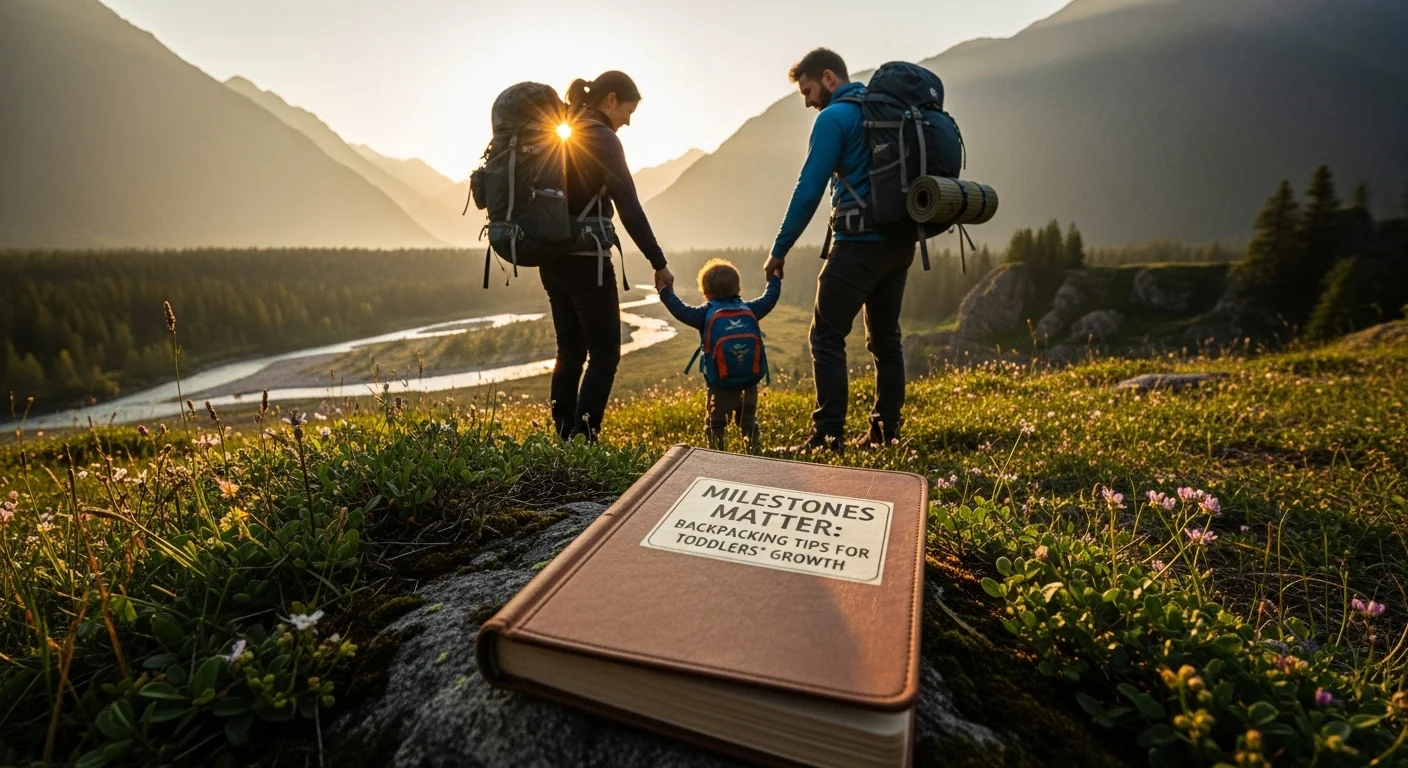
Backpacking with toddlers can be a thrilling adventure that fosters growth and development. As we explore nature together, we create unforgettable memories that support their milestones and make learning fun. For parents looking for guidance, Top Tips for Backpacking with Toddlers: Milestone Guide offers valuable insights.
Understanding Milestones in Toddler Development
As parents, we often find ourselves marveling at how quickly our little ones grow. Each stage of their development comes with unique milestones that help shape their personalities, skills, and overall well-being. Understanding these milestones is essential, especially when we venture out into the great outdoors. Backpacking not only provides us with quality time together but also reinforces these developmental stages. Let’s dive into the different types of milestones and why they matter.
Cognitive Milestones
Cognitive milestones refer to how toddlers learn and process information. From my experience, I’ve observed that even simple outdoor experiences can significantly boost a toddler’s cognitive skills. For instance, during a hike, I often point out different plants, animals, and natural formations. This interaction stimulates their curiosity and encourages them to ask questions about their surroundings. I’ve noticed that toddlers thrive on exploration, and being in nature allows them to engage their senses fully. They learn to recognize shapes, colors, and sounds, which enhances their understanding of the world.
Activities like counting rocks or identifying leaves can make these learning moments even more enjoyable. I remember one outing where my toddler collected various leaves, and we talked about their colors and textures. It was amazing to see how this simple activity sparked a deeper interest in nature, showcasing the power of hands-on learning during these formative years. Cognitive milestones are not just about memorization; they are about connecting experiences to knowledge.
Physical Milestones
Physical milestones encompass various aspects, such as gross and fine motor skills. As toddlers explore the trails, they develop their balance, coordination, and strength. I’ve seen my little one climb over rocks, navigate uneven paths, and even try jumping over small streams. Each of these activities contributes to their physical growth, enhancing their motor skills in ways that a playground cannot. I’ve learned that allowing them to take the lead during hikes fosters their independence and encourages physical confidence.
Moreover, the act of walking or running on different terrains provides a fantastic workout for toddlers. I often look for trails that offer varied surfaces—gravel, grass, and dirt—to give them a full range of experiences. This not only makes our adventures more interesting but also ensures they are developing the necessary muscles and coordination to tackle more challenging activities as they grow. For more insights on how to support these milestones, check out the Backpacking Budget: Supporting Toddler Development Milestones.
Social and Emotional Milestones
Social and emotional development is equally crucial during toddler years. When we backpack together, I witness numerous opportunities for my child to interact, share, and express emotions. I remember a hike where my toddler met another child along the trail. They began to play together, discovering a shared love for nature. Witnessing this interaction made me realize how valuable social experiences are in their growth. Being outdoors with other families allows toddlers to learn cooperation, empathy, and communication skills.
Additionally, being in nature can foster emotional resilience. I’ve seen my child handle small setbacks, like tripping or feeling tired, with more confidence after experiencing the great outdoors. We talk about feelings during our hikes, discussing how it’s okay to feel frustrated or tired but also how rewarding it is to continue exploring. This open dialogue helps them understand and process their emotions while building a strong emotional foundation.
In my opinion, understanding these milestones is crucial as they provide a roadmap of what to expect and how to support our little ones. Backpacking gives us the perfect backdrop to encourage their growth in cognitive, physical, and social-emotional domains. By engaging with nature and each other, we create a nurturing environment that allows our toddlers to thrive. It’s a beautiful journey, and I believe that every step we take together not only brings us closer to nature but also to each other.
Why Backpacking is Beneficial for Toddlers
Enhancing Physical Development
When I think about how backpacking has impacted my child’s physical development, I can’t help but smile. Each hike offers countless opportunities for movement that are both fun and beneficial. I’ve noticed that navigating through different terrains helps my toddler develop strength and coordination. From climbing up hills to balancing on fallen logs, every step they take is a chance to build their muscles and refine their motor skills.
During our last outing, we tackled a trail that included some steep inclines. At first, my little one struggled to keep up, but I encouraged them to go at their own pace. To my surprise, they found their rhythm and even started running ahead, eager to explore. Watching them tackle these challenges fueled their confidence and offered a sense of accomplishment. I believe that every little victory on the trail translates into better physical abilities that they can carry into other areas of their life.
Moreover, the fresh air and natural surroundings seem to energize my toddler. I find that they are more willing to engage in physical activities outdoors than they would be at home. Just the other day, we made a game out of hopping from one rock to another, which not only got their heart rate up but also led to some deep belly laughs. This type of playful movement is crucial for developing the foundations of a healthy lifestyle, and it’s something I cherish as we adventure together.
Boosting Cognitive Skills through Exploration
The cognitive benefits of backpacking are perhaps some of the most rewarding to witness. Every hike presents new sights, sounds, and experiences that fuel my toddler’s curiosity. I often see them observe their surroundings with wide eyes, taking everything in. The act of exploring nature allows them to ask questions and think critically about what they see, which aids their cognitive development.
For instance, when we encountered a babbling brook during one of our hikes, my toddler was fascinated. We spent time discussing how the water flows and where it might lead. I encouraged them to think about the different animals that might call the water home. These kinds of conversations help reinforce their understanding of the world around them and inspire a love of learning. I genuinely believe that exposure to nature enhances their problem-solving skills and creativity.
I’ve also noticed that hiking together provides a unique opportunity for storytelling. On the trail, I often share tales about the history of the land we’re walking through or make up whimsical stories about the creatures we might encounter. This sparks my toddler’s imagination and helps them connect emotionally with the environment. These moments are not only educational but also foster a deeper appreciation for nature. If you’re looking for more tips on backpacking, the Ultimate Guide to Backpacking with Toddlers: Tips & Tricks is a great resource.
Fostering Social Skills and Emotional Growth
Backpacking is a fantastic way to nurture my toddler’s social skills and emotional growth. Being in an outdoor setting with other families naturally encourages interaction and sharing. I’ve seen my child develop friendships with other kids we’ve met on the trails, and those connections have helped them learn valuable lessons about teamwork and cooperation.
On a recent trip, my toddler played with another child as they explored a meadow together, creating games from their surroundings. They learned to share their toys and take turns, which is something I feel is essential at this age. The camaraderie that develops in these settings makes my heart swell, knowing that they are learning how to communicate and interact positively with peers.
Emotional growth is equally important, and I often talk to my toddler about their feelings during our hikes. When they feel tired or frustrated, we discuss those emotions openly. I encourage them to express how they feel, whether it’s excitement about seeing a squirrel or disappointment after slipping on the trail. I’ve found that this promotes resilience; they learn that it’s okay to experience a range of emotions, and it’s all part of the adventure. These discussions not only strengthen our bond but also provide them with the tools to handle their emotions better as they grow.
In my opinion, the benefits of backpacking extend far beyond just physical fitness. It’s a holistic experience that enriches cognitive, social, and emotional development. Every step we take in nature together is a step toward growing not only as individuals but also as a family. I cherish these moments deeply, as they lay the groundwork for a lifetime of learning, exploration, and connection.
Choosing the Right Backpack for Your Toddler
Size and Fit Considerations
Choosing the right backpack for my toddler is one of the most important decisions we make before heading out on an adventure. I remember the first time we went backpacking; I didn’t put too much thought into my child’s backpack. It was too big and heavy, and my little one struggled to keep up. After that experience, I learned that size and fit are crucial. A well-fitted backpack should feel comfortable and not weigh them down. I’ve found that it’s essential to look for a pack that fits snugly but allows for some movement, ensuring that they can explore without feeling restricted.
When selecting a backpack, I often take my child with me to try on different options. We spend time adjusting the straps and making sure it sits right on their back. It’s important that the backpack doesn’t hang too low or sit too high; it should align with their body for proper weight distribution. I also pay attention to the padding on the straps, as this can make a significant difference in comfort on longer hikes.
Lightweight Materials for Comfort
Another factor I consider is the material of the backpack. I’ve learned that lightweight materials are key when it comes to keeping my toddler comfortable. On one of our first hikes with a heavier pack, my little one quickly became tired and cranky. After some research, I discovered there are many excellent lightweight options available that are both durable and easy to carry. I look for backpacks made of breathable fabrics that allow air circulation, especially during warmer days.
Moreover, I appreciate backpacks that come with additional features, such as hydration reservoirs or pockets for snacks. These little conveniences can make a huge difference during a hike, as it allows my toddler to stay hydrated and energized without having to stop frequently. We can keep moving and exploring, which keeps the adventure lively and enjoyable.
Fun Designs to Encourage Participation
I also believe that the design of the backpack plays a role in my toddler’s excitement about hiking. I’ve noticed that when my child has a backpack with a fun design or their favorite character, they are much more enthusiastic about the journey ahead. We’ve picked backpacks with vibrant colors and fun patterns that spark their imagination. It’s incredible how a simple design can transform the way they feel about carrying their gear.
Involving my child in the selection process not only makes them more excited about our adventures but also encourages a sense of ownership. They feel proud to wear their backpack, knowing that they chose it themselves. This participation fosters a positive attitude toward hiking and makes our trips together even more special.
Essential Gear for Backpacking with Toddlers
Clothing for Varying Weather Conditions
When planning for a backpacking trip, I always prioritize the right clothing for my toddler. Weather can change quickly, especially in the mountains or during unpredictable seasons, so I make sure to layer their clothing. I’ve found that starting with a moisture-wicking base layer helps keep them dry and comfortable. Our go-to items include long-sleeve shirts and lightweight pants that allow for movement while providing protection from scratches and insects.
As we hike, I also pack a light jacket or a fleece for cooler temperatures. I remember a chilly morning hike where my little one was shivering because I didn’t bring an extra layer. Lesson learned! Now, I also keep a waterproof jacket handy for unexpected rain showers. Having the right clothing ensures that my toddler stays comfortable and ready for anything nature throws our way.
Safety Gear: Helmets and First Aid Kits
Safety is a top priority for me, especially when hiking with my toddler. I always carry a small first aid kit filled with essentials like band-aids, antiseptic wipes, and any necessary medications. I’ve experienced a few scrapes and bumps along the way, and having a first aid kit has been a lifesaver. Knowing that I can quickly address minor injuries provides peace of mind and allows us to focus on having fun.
Additionally, I consider using safety gear like helmets when we’re biking or exploring areas with rough terrain. I feel it’s crucial to teach my child the importance of safety from a young age. Wearing a helmet gives them a sense of security, and I hope it instills responsible habits as they grow. I’ve found that leading by example and discussing safety openly has made them more aware and attentive to their surroundings.
Comfort Items: Snacks and Toys
Let’s not forget about comfort items! I always pack a variety of snacks to keep my toddler energized and happy during our hikes. I’ve learned from experience that a hungry child can quickly turn a fun outing into a challenging one. We usually bring along trail mix, granola bars, and fruit. I also make sure to have plenty of water on hand to keep them hydrated.
In addition to snacks, I often include a few small toys or books in their backpack. These items can be a great distraction if we take a break or if my child starts to feel tired. I remember one hike when my little one was feeling a bit worn out, and pulling out a favorite book to read together rejuvenated their spirits. It’s those little moments of comfort that can make all the difference in our outdoor adventures.
Planning Your Backpacking Route
Selecting Family-Friendly Trails
When it comes to planning our backpacking routes, I’ve learned that selecting family-friendly trails can make all the difference in our experience. I often look for trails that are not only beautiful but also manageable for my toddler. We’ve discovered that shorter, flatter trails with interesting features, like streams or scenic viewpoints, keep my little one engaged and excited. I remember one hike that led us to a stunning waterfall. The moment we arrived, I could see their eyes light up with wonder. It was a reminder of how much joy can come from choosing the right path.
Another tip I’ve found useful is to check the trail’s popularity. More well-known trails can be a great option since they tend to be better maintained and offer a sense of community. I often look for reviews online or ask other parents for recommendations. This way, we can enjoy a safe and enjoyable adventure without unexpected surprises. Plus, the chance of bumping into other families can add an extra layer of fun, as our toddlers get to interact with new friends along the way.
Identifying Milestone-Friendly Activities
Incorporating milestone-friendly activities into our hikes has been a game changer. I love to think about how each outing can serve as a learning opportunity. For instance, I’ve started bringing along a small nature scavenger hunt checklist that includes items like “find a butterfly,” “spot a red leaf,” or “collect a smooth stone.” These activities not only keep my child engaged but also help reinforce their cognitive skills and foster a sense of achievement when they check things off the list.
We also like to stop and take moments to observe our surroundings. On one hike, we found a tree stump that had been carved by a woodpecker. Taking a few minutes to discuss the different animals that might live in or around that stump sparked a lively conversation. It’s moments like these that make me appreciate the beauty of learning through experience. I’ve learned that every little activity we add to our hike makes it richer and more meaningful.
Setting Realistic Distance Goals
Setting realistic distance goals is crucial for making our backpacking adventures enjoyable. I’ve found that toddlers have their own unique pace, and pushing them too hard can lead to meltdowns. I usually aim for shorter distances and include plenty of breaks. When we first started backpacking, I made the mistake of planning routes that were too long. I quickly realized that it’s better to choose a shorter trail and enjoy it fully than to rush through a longer one and end up exhausted.
A good rule of thumb I follow is to aim for about one mile for every year of their age. For example, if my child is four years old, I try to keep our hike around four miles or less, taking into account the terrain and any stops we’ll make along the way. This way, we can maintain a fun rhythm and leave plenty of time for exploration and play. I remember one hike where we only covered two miles, but we spent hours playing by a stream, and it turned out to be one of our best experiences together.
Backpacking Tips for Engaging Your Toddler
Incorporating Educational Activities
One of the joys of backpacking is finding ways to incorporate educational activities during our hikes. I love to leverage the natural world around us to teach my toddler about plants, animals, and even basic science concepts. For example, when we encounter a flower, I may ask questions like, “What colors do you see?” or “Why do you think bees like this flower?” These kinds of interactions help stimulate their curiosity while making learning feel like an adventure.
Sometimes, I bring along a simple field guide or app that identifies local flora and fauna. When we spot something new, we take a moment to look it up together. It adds a layer of excitement and makes the hike feel more like a treasure hunt. I’ve found that when my toddler actively participates in learning about nature, it creates lasting memories that deepen their love for the outdoors.
Games and Songs on the Trail
Games and songs are another fantastic way to keep the energy up and make our hikes more enjoyable. I often find myself singing silly songs or playing games like “I Spy.” These activities not only keep my toddler entertained but also foster a sense of teamwork and connection between us. I remember one trail where we decided to make up a story about a brave little squirrel who was on a quest to find the biggest acorn. The laughter that ensued made the hike feel even more special.
Encouraging Curiosity and Exploration
Encouraging curiosity and exploration is at the heart of our backpacking adventures. I try to give my toddler the freedom to wander a bit, explore new paths, and discover hidden treasures like interesting rocks or unique plants. I’ve learned that allowing them to lead sometimes can result in the most delightful surprises. One time, my child spotted a family of ducks waddling by a pond, and the joy on their face was priceless. These moments reinforce the idea that the journey is just as important as the destination.
Monitoring Growth Through Backpacking Experiences
Tracking Physical Development Progress
After each hike, I like to take a moment to reflect on my toddler’s physical development progress. I’ve kept a little journal where I jot down their milestones, such as how long they walked without needing a break or how well they climbed over obstacles. It’s rewarding to see how they become more confident and capable with each outing. I’ve learned that tracking these moments helps me appreciate their growth and adapt our future hikes to ensure they continue to challenge themselves.
Observing Social Interactions and Behavior
Backpacking also provides a unique opportunity to observe my toddler’s social interactions and behavior with other children. I’ve noticed how they learn to share, communicate, and engage with peers during our hikes. By watching how they interact, I can see the skills they are developing. For example, I remember a time when my child helped another toddler who had fallen, offering them a comforting hand. It was heartwarming to witness their budding empathy and kindness.
Documenting Learning Experiences
Documenting our learning experiences has become a cherished practice for me. I’ve started taking photos and keeping notes about the different things we’ve seen and learned on our hikes. This not only serves as a wonderful keepsake but also helps my toddler recall their adventures and the lessons learned while exploring. I believe these memories will be something we can look back on together, inspiring future adventures and a lifelong love for nature.
Safety Considerations for Backpacking with Toddlers
Emergency Preparedness
When heading out for our backpacking trips, I always prioritize emergency preparedness. I make sure to have a well-stocked first aid kit and know basic first aid procedures. In addition, I share with my toddler what to do in case of an emergency, like staying put or calling for help. It’s important to instill a sense of safety while still allowing them to explore comfortably.
Understanding Environmental Hazards
I’ve learned the importance of understanding environmental hazards in the areas we explore. Whether it’s potential wildlife encounters or navigating tricky terrains, being aware of these factors helps us stay safe. I often talk to my child about respecting wildlife and the environment, teaching them to appreciate nature while also being cautious.
Keeping Your Toddler Hydrated and Nourished
Lastly, I never underestimate the importance of keeping my toddler hydrated and nourished during our hikes. I always pack plenty of water and healthy snacks to keep their energy levels up. I’ve learned that a well-fed child is generally a happier one, and it makes our time outdoors far more enjoyable. I encourage them to take water breaks regularly, reminding them that staying hydrated is part of the adventure!
Final Thoughts
Backpacking with toddlers is not just about hitting the trails; it’s about growth, learning, and forging deep connections with nature and each other. Each adventure teaches us something new, whether it’s about the world around us or about ourselves as a family. I cherish the moments spent exploring, laughing, and discovering together, knowing that each step we take forward helps shape our little ones into curious, resilient individuals ready to embrace all that life has to offer. As we continue this journey, I’m excited about the many trails yet to explore and the memories we’ll create along the way.
Frequently Asked Questions
What are some cognitive milestones that toddlers achieve while backpacking?
Cognitive milestones in toddlers refer to how they learn and process information. Backpacking can enhance these skills through exploration, where children engage their senses and develop curiosity about their surroundings by recognizing shapes, colors, and sounds.
How does backpacking contribute to a toddler’s physical development?
Backpacking helps toddlers develop balance, coordination, and strength as they navigate different terrains. Activities like climbing over rocks and walking on varied surfaces enhance their gross and fine motor skills, fostering physical confidence and independence.
What social and emotional benefits do toddlers gain from backpacking?
Backpacking provides opportunities for toddlers to interact with peers, learn cooperation, empathy, and communication skills. It also fosters emotional resilience as they handle minor setbacks during hikes, allowing for open discussions about feelings and experiences.
How can parents choose the right backpack for their toddler?
Parents should consider size and fit, ensuring the backpack is comfortable and allows for movement. Lightweight materials are also important for comfort, and fun designs can encourage toddlers’ enthusiasm for hiking.
What essential gear should be packed for backpacking with toddlers?
Essential gear includes appropriate clothing for varying weather conditions, safety gear like helmets and first aid kits, and comfort items such as snacks and small toys to keep toddlers energized and engaged during hikes.
How can parents plan family-friendly backpacking routes?
When planning routes, parents should select shorter, flatter trails with engaging features, check the trail’s popularity for safety, and incorporate milestone-friendly activities like nature scavenger hunts to enhance the experience.
What are some tips for keeping toddlers engaged during hikes?
Incorporating educational activities, playing games, and singing songs can keep toddlers engaged. Encouraging curiosity and allowing them to explore can also lead to delightful discoveries during hikes.
How can parents monitor their toddler’s growth through backpacking experiences?
Parents can track physical development by noting milestones after hikes, observing social interactions with peers, and documenting learning experiences through photos and notes to reflect on their adventures together.
What safety considerations should be taken when backpacking with toddlers?
Safety considerations include being prepared for emergencies with a first aid kit, understanding environmental hazards, and ensuring toddlers stay hydrated and nourished throughout the hike.
What are the overall benefits of backpacking with toddlers?
Backpacking fosters growth, learning, and deep connections with nature and each other. It provides valuable experiences that help shape toddlers into curious and resilient individuals while creating cherished family memories.