
Mindfulness isn’t just for adults; kids can benefit immensely from it too! By introducing mindfulness practices, we can help our children build self-discipline while keeping it fun and engaging – and it doesn’t have to cost a dime!
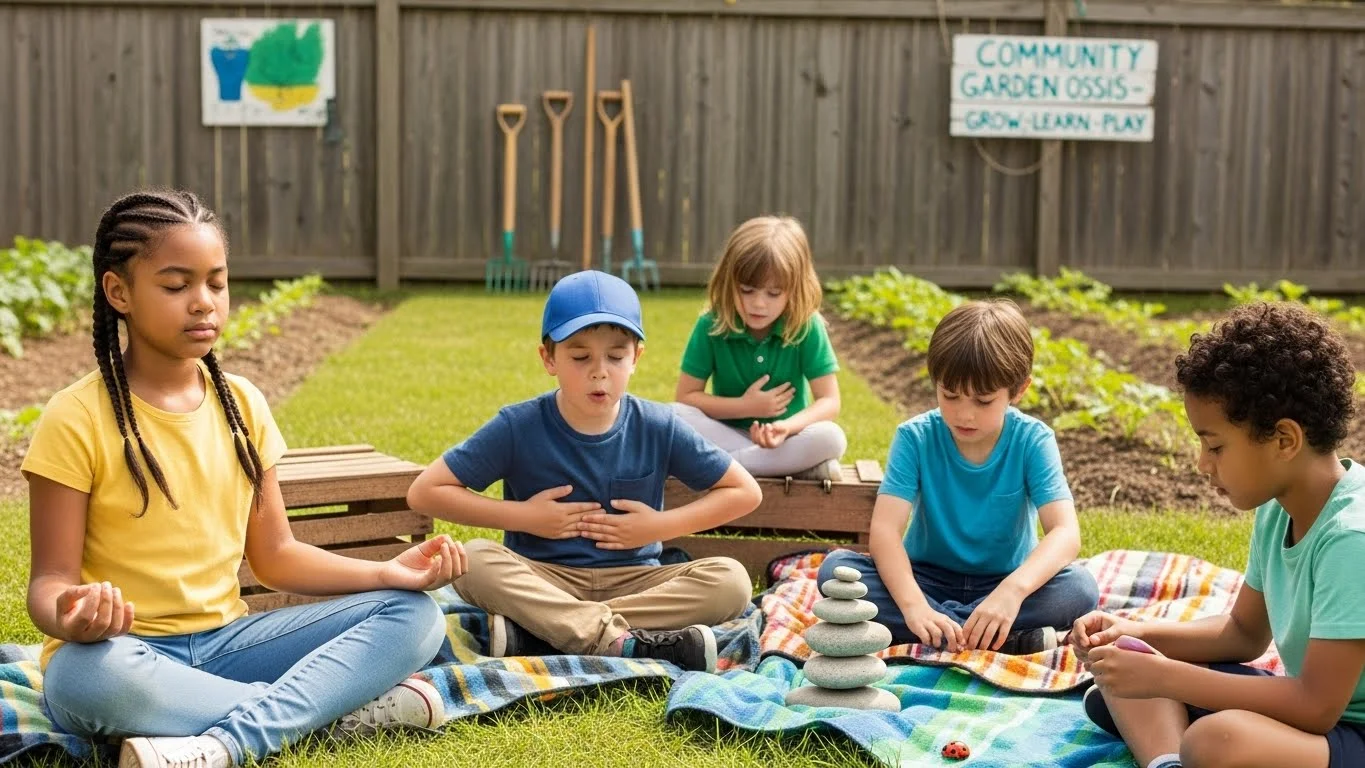
Understanding Mindfulness for Kids
Definition of Mindfulness
When I first came across the term “mindfulness,” I was amazed at how simple yet profound it is. Mindfulness, at its core, means paying attention to the present moment without judgment. It’s about being aware of our thoughts, feelings, and surroundings. For kids, this can look like noticing how their bodies feel, recognizing their emotions, or simply savoring their snacks without distractions. I think it’s incredible how a little awareness can lead to such big changes, and that’s exactly what kids can learn through mindfulness.
Benefits of Mindfulness in Childhood
Over the years, I’ve witnessed firsthand the many benefits that mindfulness can provide for children. One of the most significant advantages is enhanced emotional regulation. Kids often struggle with overwhelming feelings, and mindfulness teaches them how to pause, breathe, and respond rather than react. I’ve noticed that my own children have become more patient and less impulsive since we started practicing mindfulness together. Another benefit is improved focus and attention. In a world full of distractions, teaching kids to concentrate can feel like an uphill battle. Mindfulness practices help train their minds to focus on one thing at a time. I remember a time when my daughter was having difficulty with her homework. After trying some simple breathing exercises, she was able to tackle her assignments with renewed focus and energy. If you’re looking for more techniques to help with discipline, consider reading about effective discipline techniques for kids. Moreover, mindfulness fosters empathy and compassion. As children learn to tune into their own feelings, they also become more aware of others’ emotions. This can lead to better relationships with peers and family members. I’ve seen how my kids have become more understanding and supportive of their friends when they’re facing challenges.
How Mindfulness Builds Self-Discipline
Self-discipline is a crucial skill that can benefit kids in numerous ways, from academics to personal relationships. Mindfulness practices can be a great tool for developing this skill. When kids learn to be present and aware, they start to recognize their impulses and instant reactions. Instead of acting on every whim, they can pause and consider their choices. I’ve found that my children are now more willing to take a moment before responding to challenges, whether it’s deciding to argue with a sibling or pushing through a tough homework assignment. Additionally, mindfulness encourages a growth mindset. Kids learn that it’s okay to struggle and that they can persevere through difficulties. I often remind my kids that every time they practice mindfulness, they are building their “mental muscles.” This idea of growth has been empowering for them, and I believe it’s essential for them to understand that self-discipline doesn’t just appear; it’s cultivated over time through practice and dedication.
For many parents, the idea of introducing mindfulness might feel overwhelming or complicated. However, it can be as easy as integrating small practices into our daily routines. Just a few minutes a day can make a significant impact. I encourage everyone to explore mindfulness together with their children, as it not only benefits them but can also be a beautiful bonding experience for us as parents. We are all learning together, creating a foundation for better focus, emotional regulation, and self-discipline – all while having fun and discovering the beauty of the present moment. If you’re interested in additional resources, you might find the article on emotional regulation on the road helpful.
Simple Mindfulness Practices for Kids
Breathing Exercises
One of the easiest and most effective mindfulness practices for kids is breathing exercises. I remember introducing my children to “bubble breathing” where they imagine they’re blowing bubbles. They take a deep breath in and then blow out slowly, as if they’re making the biggest bubble they can. This exercise not only calms them down but also makes breathing feel fun! I’ve noticed that when they feel anxious or overwhelmed, they can quickly revert to this technique, helping them regain composure. Whether it’s during a stressful moment or just as a part of our morning routine, these exercises have become a game-changer for us.
Guided Imagery and Visualization
Guided imagery is another fantastic technique that I’ve found really resonates with kids. It’s like storytelling but with a purpose. We often sit together and I lead them through a calming visualization, where they imagine themselves in a peaceful place, like a beach or a magical forest. I describe the sights, sounds, and smells, and encourage them to immerse themselves in that moment. I can see their faces relax as they engage with the imagery. This has not only helped them manage stress but also sparks their creativity. After our sessions, they often share their own stories inspired by these visualizations, enhancing their imagination.
Mindful Movement and Yoga
Incorporating mindful movement and yoga into our routine has been a delightful experience. I started with simple stretches and movements, which we do together, often in the living room. I found that my kids love to mimic animal poses, like downward dog or butterfly pose. Making it playful keeps them engaged, and I’ve noticed that it helps them develop body awareness. We often play relaxing music in the background, which sets a calming atmosphere. Yoga has not only improved their flexibility but also their ability to focus and be present in the moment. It’s become a cherished part of our family time.
Gratitude Journals
Keeping a gratitude journal has been a transformative practice for my kids and me. At the end of each day, we take a few minutes to reflect on the things we’re thankful for. I started by writing down three things each day, and soon they wanted to join in. We write about simple joys, like a sunny day or a fun game we played together. This practice has helped us shift our focus from what we lack to appreciating our daily blessings. I’ve noticed that my kids are becoming more positive and resilient. Plus, it’s a lovely bonding moment where we share our thoughts and feelings.
Mindful Eating Activities
Mindful eating is another practice I’ve introduced, especially during snack times. I encourage my kids to take a moment to really experience their food. We do this by observing the colors, textures, and even the smells of the snacks we have. I remember one day when we had strawberries; instead of just munching on them, we took a moment to appreciate their vibrant red color and juicy sweetness. I’ve found that this practice not only enhances their enjoyment of food but also promotes healthy eating habits. It’s fascinating to see how they savor their meals more when they’re fully present.
Budget-Friendly Mindfulness Resources
Free Online Mindfulness Apps and Websites
Finding resources to support mindfulness practices doesn’t have to break the bank. I’ve come across several free apps and websites tailored specifically for kids. Apps like “Smiling Mind” and “Headspace for Kids” offer guided meditations and activities designed for children. They’re engaging and interactive, making mindfulness accessible and enjoyable. I’ve found that using these tools together can help reinforce what we practice at home. Plus, they often have fun challenges that keep my kids motivated and excited to participate!
DIY Mindfulness Tools and Activities
Creating DIY mindfulness tools can be a fun project for us as a family. For instance, we made our own “calm down jars” filled with glitter and water. Shaking the jar and watching the glitter settle helps my kids focus and calm down when they’re feeling overwhelmed. We also created a “mindfulness corner” at home with cushions, relaxing posters, and a little bookshelf filled with mindfulness books. This space has become a go-to spot for my kids when they need a moment alone to reflect or practice their techniques. It’s incredible how simple crafts can foster a deeper understanding of mindfulness.
Community Resources: Workshops and Classes
Don’t overlook the power of community! I’ve discovered that many local organizations offer free or low-cost mindfulness workshops for kids and families. These classes can introduce new practices and provide a social aspect that makes learning even more enjoyable. I took my kids to a workshop last summer, and it was amazing to see how they connected with other kids while learning together. It reminded me that mindfulness can be a shared journey, and finding community resources can enhance our practice at home. I encourage parents to check local listings or community centers for offerings in their area.
Creating a Mindfulness Routine at Home
Establishing a Consistent Schedule
One thing I’ve learned through my journey with mindfulness is the importance of consistency. I found that setting aside specific times for mindfulness practices really helped my kids know what to expect and made it easier for them to engage. We decided to incorporate mindfulness into our mornings, right after breakfast, and before bed. This routine has become something my kids look forward to. It’s like our little ritual. I remember when we first started, it felt a bit chaotic, but now it’s a smooth part of our day. We light a candle, take a few deep breaths, and dive into whichever practice we’ve chosen for that day. This consistency has helped reinforce the idea that mindfulness is a priority in our lives, not just an occasional activity.
Incorporating Mindfulness into Daily Activities
Mindfulness doesn’t have to be limited to dedicated practice time. I’ve found ways to weave it into our daily activities. For example, while washing dishes, we talk about the sensations of the water and the smell of the soap. During car rides, we play “mindful listening,” where we focus on the sounds around us—birds chirping, wind blowing, or even the hum of the engine. My kids have become more aware of their surroundings and the little things they often overlook. I also encourage them to practice mindfulness during transitions, like moving from school to home, where they can take a moment to breathe and reflect on their day. These small moments have proven to be impactful and help reinforce mindfulness as a lifestyle choice.
Creating a Mindfulness Space
Creating a designated mindfulness space in our home has been a game changer. We turned a corner of our living room into a cozy nook with cushions, blankets, and some of our favorite mindfulness books. I let my kids choose decorations, which helped them feel more connected to the space. We also added a small plant to bring a touch of nature indoors. This space has become our go-to place for practice, where they feel safe and calm. Whenever someone needs a little break, they know they can retreat there to practice their breathing or just relax with a book. I’ve noticed how much they enjoy having a special spot that’s all about mindfulness, and it serves as a reminder to take time for ourselves when life gets busy.
Mindfulness Activities for Different Age Groups
Mindfulness for Toddlers (Ages 2-4)
Introducing mindfulness to toddlers can be extremely rewarding, although it requires a playful approach. I remember playing simple games with my youngest, like “freeze dance,” where we would dance around and then freeze to notice our breathing. We’d giggle and then take a moment to feel our heartbeats. Even at this young age, they can grasp the concept of being present in a fun way. Another favorite was “nature walks.” We’d go outside and take our time to explore, stopping to touch leaves or listen to the wind. This exploration encourages curiosity and mindfulness simultaneously, and it has been a joy to see how they engage with the world around them.
Mindfulness for Preschoolers (Ages 4-5)
As my kids got a bit older, I noticed they were ready for more structured mindfulness activities. For preschoolers, I recommend simple yoga poses that align with stories or themes they enjoy. We’d do a “tree pose” while talking about trees and nature. This combination of movement and storytelling keeps them engaged while teaching balance and focus. Additionally, using visual aids like mindfulness cards with images of different emotions or nature scenes can help them identify feelings and connect with what they see. I’ve found that these activities spark their imagination while also grounding them in the present.
Mindfulness for Elementary School Kids (Ages 6-12)
For my older kids, I’ve introduced more in-depth practices, like journaling and guided meditations tailored for their age. We often have discussions about how mindfulness applies to their daily challenges, whether it’s school-related stress or social dynamics. Encouraging them to write about their feelings and experiences has been empowering. I also noticed they enjoy group activities, like practicing mindfulness with their friends during playdates. We’ve organized “mindfulness days” where they do activities together, such as nature scavenger hunts that encourage observation and presence. It’s heartwarming to see them share these practices with their peers and strengthen their social bonds while discovering the importance of mindfulness together.
Engaging Kids in Mindfulness
Using Games and Play for Mindfulness
In my experience, kids learn best when they’re having fun. So, I’ve focused on turning mindfulness practices into games. For instance, we play a game called “mindful moments,” where we take turns calling out something we see, hear, or feel. This not only sharpens our awareness but also adds an element of excitement. There are also many mindful crafts we engage in, like creating art with natural materials. This allows kids to express themselves while being present in the activity. I’ve discovered that playful engagement makes mindfulness feel less like a chore and more like an adventure!
Mindfulness in Group Settings (School or Playdates)
When my kids have friends over, I encourage them to share what they’ve learned about mindfulness. I’ve noticed that group settings can enhance the experience, especially when kids bounce ideas off each other. During playdates, we set aside time for a mini mindfulness session led by my kids. They love taking charge and teaching their friends the breathing exercises or simple yoga poses. It’s incredible to see how well they communicate these concepts, and I believe it reinforces their own understanding.
Involving Parents and Caregivers
One thing I’ve emphasized is the importance of involving parents and caregivers in the mindfulness journey. I believe that when we practice together, we strengthen our family bonds. I often invite other parents to join us during our mindfulness activities. It transforms the practice into a community experience. We’ve even hosted mindfulness sessions at home where families come together to explore techniques. I feel that when parents are engaged, it creates a ripple effect that encourages mindfulness to extend beyond just our homes, fostering a supportive environment for our kids.
Measuring the Impact of Mindfulness
Signs of Improved Self-Discipline
As I reflected on our mindfulness journey, I started to notice certain signs that showed my kids were developing better self-discipline. One of the first things I observed was a noticeable change in their reactions to frustration. Instead of immediately throwing a tantrum or sulking, they began to take a breath and think about their feelings. I remember one afternoon when my son was upset because he couldn’t find his favorite toy. Instead of getting angry, he took a deep breath and asked for help calmly. That moment was a breakthrough for us and showed me that the mindfulness practices were indeed taking root in their daily lives.
Feedback from Kids and Parents
Checking in with my kids about their mindfulness experiences has been incredibly insightful. I often ask them how they feel after our mindfulness practices. They share their thoughts openly, expressing how much they enjoy the breathing exercises or storytelling sessions. One of my daughters once said, “I feel like I can think better after we do our mindfulness time.” Hearing them articulate their feelings has reinforced my belief that these practices are beneficial. Additionally, I’ve encouraged other parents in our circle to share their feedback, and it’s heartwarming to see how many families have experienced positive changes as well. It’s a reminder that we are all on this journey together.
Adjusting Practices Based on Results
As we’ve continued down this path, I’ve learned that flexibility is key. Not every mindfulness practice works for every child, and it’s essential to be open to adjusting our approach. I’ve experimented with different activities and paid attention to which ones resonate the most with my kids. Some days, they might be more receptive to quiet meditation, while other days, they may prefer active mindfulness through movement or games. By being attuned to their needs, I’ve been able to create a more tailored mindfulness routine that truly supports their individual growth. This adaptability has been a significant aspect of our mindfulness journey, helping us to stay engaged and excited.
Additional Resources for Parents
Books on Mindfulness for Kids
One of my favorite ways to deepen our understanding of mindfulness is through reading. There are fantastic books out there that cater specifically to kids. I often pick up titles like “The Very Hungry Caterpillar” by Eric Carle, which has a great message about appreciating the present moment. Another favorite is “What Does It Mean to Be Present?” by Rana DiOrio, which beautifully explains mindfulness concepts in a way that kids can relate to. We sometimes read these stories together, prompting discussions about how we can apply the lessons in our lives. I believe that literature can be a wonderful tool for exploring mindfulness principles.
Online Communities and Forums
Connecting with other parents who are on a mindfulness journey has been invaluable. I’ve found online communities and forums where we can share experiences, tips, and support. These spaces have provided a wealth of information and have helped me feel less alone in this adventure. Sometimes, just knowing there are others out there who share similar goals gives me the motivation to keep pushing forward. I encourage parents to explore social media groups or parenting forums to connect with like-minded individuals.
Professional Help: When to Seek Guidance
While many mindfulness practices can be done at home, I’ve learned that sometimes professional guidance can be beneficial. If a child struggles significantly with emotional regulation or mindfulness, it might be worth seeking help from a therapist or counselor who specializes in mindfulness techniques. I remember talking to a friend who sought help for her child and found that professional support made a world of difference. It’s essential to recognize that every child is unique, and finding the right tools for them may require additional assistance.
Final Thoughts
Mindfulness has truly transformed our family dynamic and created a nurturing environment where my kids can thrive emotionally and socially. As we’ve embraced these practices together, I’ve witnessed not just individual growth but also a deeper connection among us. It’s about more than just teaching my children how to be mindful; it’s about fostering a sense of belonging and support. I encourage parents to take the plunge, explore mindfulness alongside their children, and witness the beautiful journey that unfolds. With patience, creativity, and a willingness to adapt, I believe we can all cultivate a more mindful and fulfilling life for ourselves and our kids. If you’re looking for proven study strategies to enhance your child’s learning, check out the article on study strategies for kids.
Frequently Asked Questions
What is mindfulness?
Mindfulness is paying attention to the present moment without judgment, being aware of our thoughts, feelings, and surroundings. For kids, it can involve noticing how their bodies feel, recognizing their emotions, or savoring snacks without distractions.
How does mindfulness benefit children?
Mindfulness enhances emotional regulation, improves focus and attention, and fosters empathy and compassion. It teaches kids to pause and respond rather than react, helps them concentrate amidst distractions, and promotes better relationships with peers and family members.
What role does mindfulness play in building self-discipline in kids?
Mindfulness helps kids recognize their impulses and instant reactions, allowing them to pause and consider their choices. It encourages a growth mindset, teaching them that struggling is okay and that self-discipline is cultivated over time through practice and dedication.
What are some simple mindfulness practices for kids?
Some simple mindfulness practices include breathing exercises, guided imagery and visualization, mindful movement and yoga, keeping gratitude journals, and engaging in mindful eating activities.
Are there budget-friendly resources for mindfulness?
Yes, there are several free online mindfulness apps and websites for kids, DIY mindfulness tools that families can create together, and community resources such as workshops and classes that offer mindfulness training at low or no cost.
How can parents create a mindfulness routine at home?
Parents can establish a consistent schedule by setting aside specific times for mindfulness practices, incorporate mindfulness into daily activities, and create a designated mindfulness space at home to encourage regular practice.
What mindfulness activities are suitable for different age groups?
For toddlers (ages 2-4), playful games like “freeze dance” and “nature walks” work well. Preschoolers (ages 4-5) can engage in simple yoga poses and use visual aids. For elementary school kids (ages 6-12), journaling and guided meditations are more appropriate, along with group activities during playdates.
How can kids engage in mindfulness while playing?
Kids can engage in mindfulness through games that incorporate awareness, such as “mindful moments,” or by doing mindful crafts that allow them to express themselves while staying present in the activity.
When should parents consider seeking professional help for mindfulness?
If a child struggles significantly with emotional regulation or mindfulness, it may be beneficial to seek help from a therapist or counselor who specializes in mindfulness techniques for additional guidance and support.
What additional resources can help parents teach mindfulness to their kids?
Books on mindfulness for kids can be a great tool, as well as online communities and forums where parents can share experiences, tips, and support. These resources can enhance the mindfulness journey for families.