
As parents, we all want the best for our children, especially when it comes to their growth and development. Understanding the essential minerals they need can make a significant difference in their health journey. Read Interesting article: Boost Your Child’s Growth with Key Nutritional Minerals
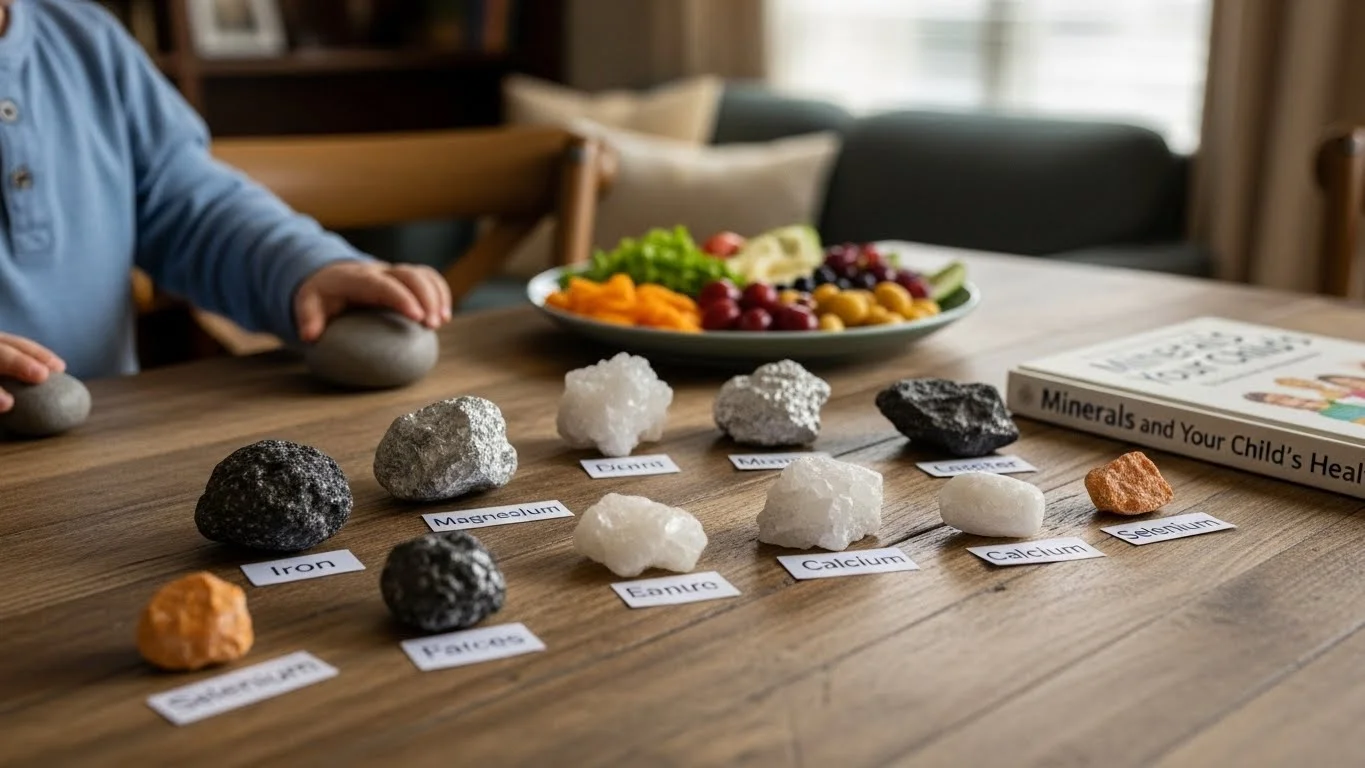
Understanding the Importance of Minerals for Child Growth
When I started my parenting journey, I quickly realized that nutrition plays a vital role in a child’s development. I remember reading about how minerals are more than just compounds; they are fundamental to growth, energy, and overall health. But what exactly are these minerals, and why should we, as parents, prioritize them?
What Are Minerals?
Minerals are naturally occurring substances found in the earth. They are not made by living organisms, but they are essential for our bodies. I learned that minerals can be divided into two categories: macrominerals and trace minerals. Macrominerals, like calcium and magnesium, are needed in larger amounts, while trace minerals, such as iron and zinc, are required in smaller quantities but are equally important. Each mineral has unique functions and benefits for our bodies, especially for our growing children.
Why Minerals Are Crucial for Growth and Development
From my experience, understanding the role of minerals helped me appreciate their significance in my children’s growth. Minerals assist in various physiological processes, including building strong bones, producing energy, and supporting the immune system. For instance, calcium is vital for developing strong bones and teeth, while iron is crucial for transporting oxygen in the blood. I noticed that when my kids had a balanced intake of these minerals, they seemed more energetic and active. In contrast, when they lacked these nutrients, it was evident in their mood and overall health. Proper mineral intake lays the foundation for a healthier future, helping prevent growth issues and chronic diseases.
One thing I found particularly interesting is the connection between minerals and cognitive development. Studies show that deficiencies in certain minerals, like iron and zinc, can negatively impact a child’s ability to concentrate and learn. As a parent, ensuring that my children received adequate minerals wasn’t just about their physical growth; it was also essential for their mental development. I believe that a well-rounded diet rich in minerals supports not only their bodies but also their minds.
As I started exploring more about child nutrition, I discovered that different life stages require varying amounts of minerals. Infants, toddlers, school-age kids, and teenagers all have unique needs. For example, during periods of rapid growth, like adolescence, the demand for certain minerals increases significantly. I realized that staying informed about these changes was key to providing my children with the right nutrients at the right times.
In my quest to ensure my kids were getting enough minerals, I also learned about the potential consequences of deficiencies. For instance, a lack of calcium can lead to weakened bones, which can cause issues later in life. Similarly, insufficient iron intake can result in anemia, leaving children feeling tired and less active. I recognized that monitoring their mineral intake was just as important as encouraging them to eat their vegetables or drink their milk. It became clear that a little knowledge could go a long way in supporting their growth and well-being.
Ultimately, I found that making informed choices about my children’s diets was an ongoing journey. I started reading labels, experimenting with various foods, and even consulting with healthcare professionals to ensure I was on the right track. It’s about creating a balanced approach, understanding what minerals they need, and recognizing how to incorporate those into their daily meals.
In the following sections, I’ll dive deeper into the essential minerals every parent should know and how to ensure our children get the nutrients they need for optimal growth and development. I’m excited to share the knowledge I’ve gathered, and I hope it helps you navigate this important aspect of parenting just as it has for me. Read Interesting article: Top 5 Essential Minerals for Your Child’s Growth
Essential Minerals for Child Growth
Calcium
Calcium has always been one of the first minerals that come to mind when I think about my kids’ nutritional needs. It’s like the superhero of minerals, especially when it comes to building strong bones and teeth. I remember my pediatrician emphasizing how crucial it is for growing children, as their bones are still developing. Calcium isn’t just about bones, though; it plays a vital role in muscle function and nerve signaling. I’ve seen the benefits firsthand when my kids consume enough calcium-rich foods. They seem more energetic, and I feel reassured knowing I’m helping their bodies grow strong.
Some great sources of calcium that I’ve incorporated into our meals include dairy products like milk, yogurt, and cheese. However, I also learned about non-dairy options, which is helpful for kids who are lactose intolerant. Leafy greens, almonds, and fortified plant-based milks can provide significant amounts of calcium too. I try to make smoothies with fortified almond milk and throw in some spinach or kale. It’s a sneaky way to add nutrition without them even noticing!
Iron
Iron is another essential mineral that has captured my attention, especially since I learned about its role in transporting oxygen in the bloodstream. I remember a time when my youngest seemed a bit more fatigued and less active than usual, which made me think about her iron intake. I found out that iron deficiency can lead to anemia, which can affect a child’s energy levels and overall health. So, I made a conscious effort to include iron-rich foods in our meals.
Red meat, chicken, and fish are excellent sources of heme iron, which is more easily absorbed by the body. For my kids, who often prefer plant-based options, I’ve added beans, lentils, and fortified cereals to our diet. Pairing these with vitamin C-rich foods like oranges or bell peppers helps enhance iron absorption, which was a tip I picked up from a nutrition article. I try to make meals colorful and varied, helping both with absorption and making it visually appealing for my kids.
Magnesium
Magnesium might not be the first mineral that pops into your head, but it’s crucial for many bodily functions. I learned that magnesium supports muscle and nerve function, helps regulate blood sugar levels, and even contributes to bone health. I remember feeling relieved when I discovered how easy it was to include magnesium in my children’s diet. Foods like whole grains, nuts, and seeds became staples in our pantry.
We’ve started enjoying oatmeal for breakfast, sprinkled with a handful of nuts and seeds. This simple addition helps ensure they’re getting enough magnesium. I’ve also noticed a difference in their sleep patterns; I believe that magnesium plays a role in promoting better sleep. It’s fascinating how these minerals work together for our overall well-being.
Zinc
Zinc is another mineral I’ve come to appreciate, especially when I learned about its role in immune function and cell growth. As a parent, I often worry about colds and other illnesses, so ensuring my kids have adequate zinc levels has become important for me. I found out that zinc is crucial for growth during childhood and can even impact how well they heal and recover from illnesses.
Meat, shellfish, legumes, and dairy are great sources of zinc. I’ve made it a habit to prepare more dishes that incorporate beans and chickpeas, especially in the form of spreads or dips that my kids love. I’ve even experimented with homemade hummus, which is a hit as a snack or spread on sandwiches.
Phosphorus
Phosphorus is another mineral that works alongside calcium, which I found fascinating. It’s vital for bone health, energy production, and the formation of DNA. Many foods that are rich in protein also contain phosphorus, such as meat, dairy, and nuts. I noticed that a balanced diet often takes care of our phosphorus needs without me needing to focus too much on it.
When I prepare meals, I try to ensure that we have a good source of protein, which typically brings along phosphorus. From my experience, a varied approach to meals takes the pressure off worrying about individual minerals too much.
Sodium
Sodium is an essential mineral, but I’ve learned that it’s crucial to monitor its intake, especially with kids. While we need sodium for fluid balance and proper nerve function, excessive amounts can lead to health problems later in life. I’ve made a conscious effort to limit processed foods that are high in sodium and instead focus on seasoning with herbs and spices. This approach not only helps control sodium intake but also introduces my kids to new flavors.
Potassium
Potassium is often overlooked, but it’s so important for maintaining healthy blood pressure and proper muscle function. I remember the first time I made a banana bread recipe with my kids; it turned out to be a fun way to sneak in potassium! Bananas, sweet potatoes, and avocados are just a few of the potassium-rich foods that I’ve started incorporating more into our meals.
It’s amazing to think about how these essential minerals all play their parts in our children’s health. Through my experience in focusing on these nutrients, I’ve felt empowered in my parenting journey and hopeful about my kids’ growth. Next, I want to share some practical sources of these essential minerals to help you and your family thrive. Read Interesting article: Guide to Choosing the Best Vitamins for Your Child
Sources of Essential Minerals
Dairy Products
Dairy products have been a staple in our home, especially for their calcium content. I remember when I made the switch to a more focused approach to incorporating these foods into our meals. Milk, yogurt, and cheese are not just tasty; they are packed with essential minerals. I found that my kids enjoy yogurt parfaits with fruits and a sprinkle of granola for breakfast. Not only does this give them a boost of calcium, but it also adds variety to their morning routine. I’ve even discovered that there are creative ways to use dairy, like adding cheese to vegetable dishes, which makes them more appealing to little ones who might be picky about their greens.
Fruits and Vegetables
When it comes to fruits and vegetables, I’ve come to realize how crucial they are for providing a range of minerals. While I initially focused on just a few options, I soon found that the more colorful my kids’ plates were, the more nutrients they received. Bananas and sweet potatoes are great sources of potassium, while leafy greens like spinach and kale offer a wealth of calcium and magnesium. I love involving my kids in the kitchen, so we often make smoothies together. We throw in a handful of spinach, a banana, and some berries, and they never even notice the greens! This little trick has made me feel good about sneaking in those essential minerals.
Meat and Poultry
Meat and poultry have become go-to sources for several essential minerals, especially iron and zinc. I remember when I first learned about how important iron is for my children’s energy levels. It made me more intentional about including lean meats like chicken and turkey in our meals. We’ve had fun experimenting with different recipes, like homemade meatballs or chicken stir-fries, which not only taste great but also provide those necessary nutrients. I’ve noticed that my kids are more likely to eat their meals when they’re involved in the cooking process. It’s a win-win situation!
Whole Grains
Whole grains have also been a game-changer in our diet. I didn’t realize just how beneficial they could be until I started replacing refined grains with whole grains. Foods like brown rice, quinoa, and whole-grain bread are rich in magnesium and phosphorus. I enjoy making breakfast bowls with oatmeal topped with fruits and nuts, which not only provides a nutritious start to the day but is also filling. I’ve found that introducing whole grains makes our meals heartier and keeps the kids satisfied longer, which is always a plus for busy days.
Nuts and Seeds
Nuts and seeds are another treasure trove of minerals. I remember trying to find healthy snacks that my kids would actually enjoy, and that’s when I stumbled upon trail mixes. I mix a variety of nuts, seeds, and dried fruits, and they’ve become a favorite snack for after school or sports. Almonds and pumpkin seeds are particularly high in magnesium and zinc. I’ve also started adding chia seeds to smoothies and yogurt, which is an easy way to boost their nutrient intake without them even noticing. This simple addition has made me feel like I’m really maximizing their mineral consumption.
Fortified Foods
Fortified foods have played an important role in our mineral intake, especially for some nutrients that can be harder to obtain from diet alone. I remember when my pediatrician brought up the benefits of fortified cereals and plant-based milks. We have transitioned to fortified almond milk for my dairy-sensitive child and made sure to choose cereals that include added vitamins and minerals. I feel that these small switches have helped fill in any gaps in their diet. It’s comforting to know that with just a little extra attention, I can ensure my kids are getting the nutrients they need.
By exploring these diverse food sources, I’ve created a more well-rounded diet for my children. It’s fascinating how these essential minerals come together to support their growth and development. As I think about the role these foods play in their lives, I feel a sense of empowerment in knowing that I’m helping them thrive. Next, I want to delve into mineral deficiencies, so we can better recognize the signs and symptoms that may arise if our kids aren’t getting enough of these vital nutrients.
Mineral Deficiencies: Signs and Symptoms
Calcium Deficiency Symptoms
Calcium deficiency is something I’ve become increasingly aware of as my kids grow. Initially, I thought a simple lack of milk in their diet would be the only sign, but I learned there’s much more to it. I remember feeling a bit worried when my oldest started complaining about leg cramps and occasional muscle spasms. After doing some reading, I discovered that these could be signs of low calcium levels. Other symptoms might include brittle nails, dental issues, and even growth delays. I’ve made it a priority to keep calcium-rich foods in our home, just to be sure we’re all covered.
Iron Deficiency Symptoms
Iron deficiency has been another area of concern for me. I recall a time when my youngest seemed to have less energy than usual. After some research, I found that common signs of iron deficiency include fatigue, irritability, and pale skin. I also learned that frequent infections can be a symptom since iron is crucial for a healthy immune system. Whenever I notice my kids feeling unusually tired, I think back to their iron intake and try to sneak in more iron-rich foods into our meals.
Magnesium Deficiency Symptoms
Magnesium deficiency can be tricky since the symptoms can be quite subtle. I’ve read that it can manifest as muscle cramps, anxiety, or irregular heartbeats. I remember a stressful week when my kids were a bit more anxious than usual, and I wondered if their magnesium intake was low. I started focusing on including more nuts and seeds in our snacks and meals. It’s incredible how something so simple can have a positive impact on their mood and overall well-being.
Zinc Deficiency Symptoms
Zinc deficiency can also pose some challenges. I learned that symptoms can include poor appetite, hair loss, and slower wound healing. One day, my friend mentioned how her child was getting sick more often, which made me think about the importance of zinc in immune function. I took that as a reminder to ensure my kids were getting enough zinc through foods like legumes and meats. Since then, I try to keep track of their intake, especially during cold and flu season.
Recommended Daily Allowances for Children
Age-Specific Mineral Requirements
Understanding the recommended daily allowances (RDAs) for minerals has been an eye-opener for me. I found that these guidelines vary significantly with age. For instance, toddlers need about 700 mg of calcium, while teens may require up to 1,300 mg. I remember initially being overwhelmed by these numbers, but I quickly realized that by incorporating a variety of foods, I could meet these needs without too much fuss. It has encouraged me to be more mindful of how I plan our meals, ensuring we’re hitting those targets.
How to Ensure Adequate Intake
Ensuring my kids get the right amount of minerals has become a bit of a daily mission. I started by keeping a food diary, which helped me visualize what they were eating. I also make it a point to introduce new foods regularly, as I believe variety is key. Cooking together has been a fantastic way for us to explore different ingredients and discover what we all enjoy, and it also helps ensure they’re getting a balanced intake of essential minerals.
Impact of Mineral Supplements
When to Consider Supplements
There are times when I’ve thought about mineral supplements, especially when I noticed my children not getting enough from food. For instance, during periods of rapid growth or if they’re picky eaters, I’ve considered adding a multivitamin to their routine. Consulting with our pediatrician has been vital in these decisions, as they can provide personalized recommendations based on my kids’ unique needs.
Potential Risks of Over-Supplementation
While supplements can be beneficial, I’ve learned that over-supplementation can be risky. I read about how too much iron can lead to toxicity and how excessive calcium can cause kidney issues. This has made me cautious about using supplements liberally. Instead, I prefer to focus on whole foods and consult with professionals when I feel it’s necessary to consider adding something extra to their diet.
Role of Minerals in Specific Growth Phases
Infancy and Early Childhood
During infancy and early childhood, the role of minerals is absolutely crucial. I remember the early days with my babies, knowing that their growth depended heavily on adequate mineral intake. Calcium, iron, and zinc play a significant role in developing strong bodies and minds during this phase. I made sure to include iron-fortified cereals and pureed veggies to give them a solid nutritional foundation.
School Age
As my kids entered school, I noticed their nutritional needs shifting. They became more active, and their mineral requirements increased. I focused on providing balanced meals and healthy snacks that would fuel their energy levels throughout the day. I found that involving them in meal prep helped them appreciate the importance of nutrition, making them more willing to try new foods.
Adolescence
Adolescence brought a whole new set of challenges, as my kids experienced growth spurts and increased physical activity. I realized that their mineral needs would peak during these years. I encouraged them to listen to their bodies and eat more, especially when it came to nutrient-dense foods. It’s been rewarding to see them take an interest in their health and nutrition, and I feel as though I’m supporting their independence in making healthy choices.
Tips for Parents: Ensuring Mineral Intake
Creating Balanced Meals
Creating balanced meals has become a fun challenge for me. I try to include a variety of food groups in every meal, ensuring my kids get a mix of minerals. I’ve found that planning meals ahead of time and involving them in the cooking process helps keep them excited about eating well.
Incorporating Variety in Diet
I’ve learned that variety is more than just a buzzword; it’s essential for providing the necessary minerals. Each week, I try to introduce a new fruit or vegetable to our meals. This not only keeps things interesting but also helps ensure we’re covering a wide range of nutrients.
Monitoring Mineral Intake
Monitoring my kids’ mineral intake has been an ongoing journey. I keep an eye on what they eat and make adjustments when necessary. I’ve also found it helpful to talk openly with them about nutrition, making it a part of our daily conversations, which helps them understand the importance of minerals in their growth.
Consulting with Healthcare Professionals
When to Seek Advice
There have been times when I felt unsure about whether my kids were getting enough minerals. That’s when I knew it was time to consult with our pediatrician. They’ve provided valuable insights and recommendations tailored to our family’s needs, and it’s been reassuring to have that support.
Understanding Nutritional Needs
Understanding my children’s nutritional needs has been a learning curve. I’ve realized that it’s okay to ask for help and seek professional advice when necessary. This partnership with healthcare professionals has empowered me to make informed decisions for my kids’ health.
Final Thoughts
Reflecting on this journey, I feel grateful for the knowledge I’ve gained about essential minerals and how they impact my children’s growth and development. It’s rewarding to see the positive changes in their energy levels and overall well-being as I’ve focused on providing a balanced diet rich in these nutrients. I believe that as parents, we can make a tremendous difference by prioritizing nutrition and being proactive in our children’s health journeys. Our efforts today will lay the groundwork for their future, and that’s a responsibility I take to heart.
Frequently Asked Questions
What are minerals and why are they important for children?
Minerals are naturally occurring substances essential for our bodies and are critical for a child’s growth, energy production, and overall health. They assist in various physiological processes, including building strong bones, producing energy, and supporting the immune system.
What are the two categories of minerals?
Minerals can be divided into two categories: macrominerals, which are needed in larger amounts (like calcium and magnesium), and trace minerals, which are required in smaller quantities (like iron and zinc).
How do deficiencies in minerals affect children’s health?
Deficiencies in minerals can lead to various health issues. For example, a lack of calcium can result in weakened bones, while insufficient iron intake can cause anemia, leading to fatigue and decreased activity levels.
What are some essential minerals for child growth?
Essential minerals for child growth include calcium, iron, magnesium, zinc, phosphorus, sodium, and potassium. Each plays a specific role in supporting physical and cognitive development.
How can parents ensure their children receive adequate mineral intake?
Parents can ensure their children receive adequate mineral intake by creating balanced meals that incorporate a variety of food groups, monitoring their dietary habits, and consulting with healthcare professionals for personalized advice.
What are some dietary sources of calcium?
Dietary sources of calcium include dairy products such as milk, yogurt, and cheese, as well as non-dairy options like leafy greens, almonds, and fortified plant-based milks.
What are the symptoms of iron deficiency in children?
Symptoms of iron deficiency in children can include fatigue, irritability, pale skin, and frequent infections, as iron is crucial for a healthy immune system and energy levels.
What role does magnesium play in children’s health?
Magnesium supports muscle and nerve function, helps regulate blood sugar levels, and contributes to bone health. It can also have a positive impact on sleep patterns and overall mood.
When should parents consider mineral supplements for their children?
Parents should consider mineral supplements during periods of rapid growth, if their children are picky eaters, or if they notice insufficient mineral intake from food. Consulting a pediatrician is recommended before starting any supplements.
What is the significance of monitoring mineral intake in children?
Monitoring mineral intake is vital for ensuring children receive the necessary nutrients for growth and development. It helps parents make informed dietary choices and address any deficiencies that may arise.