
Motor skills development is a fascinating journey that begins at birth. These skills are crucial for your little one’s growth, impacting their ability to explore and interact with the world around them. To learn more about the key stages in this process, check out Unlocking Your Newborn’s Potential: Motor Skills Milestones.
Understanding Motor Skills Development
Definition of Motor Skills
When I first started learning about motor skills, I found it helpful to break down the definition. Motor skills refer to the abilities that allow us to move and control our bodies. They are divided into two main categories: gross motor skills, which involve large muscle groups for movements like crawling and walking, and fine motor skills, which involve smaller muscle groups for tasks like grasping and manipulating objects. As a parent, I became increasingly aware of how these skills develop right from our newborns’ first days.
Importance of Motor Skills in Early Childhood
Motor skills are fundamental for a child’s growth and development. Initially, it may not seem like a big deal when a baby learns to kick or wave their arms, but I realized that these small actions lay the groundwork for more complex movements later on. For example, strong gross motor skills help children run and jump, while refined fine motor skills are essential for tasks like writing and drawing. In my experience, I noticed that each milestone achieved not only promotes physical abilities but also boosts confidence and independence in my kids. The joy on their faces when they accomplish something new is priceless!
Key Motor Skills Milestones for Newborns
Reflexes: The Initial Motor Skills
When babies are born, they come equipped with a variety of reflexes. I remember being fascinated by how these involuntary actions, like the grasp reflex or the rooting reflex, help newborns interact with their environment right away. The grasp reflex allows them to cling to a finger when it’s placed in their palm, while the rooting reflex helps them turn toward a touch on their cheek, ready for feeding. These reflexes are not just random; they’re essential survival skills that kickstart motor development. I found it amazing how these little instincts can pave the way for more deliberate movements as they grow.
Gross Motor Skills: Development Stages
As I observed my children, I realized that gross motor skills follow a predictable pattern of development. Each milestone felt like a celebration, both for them and for me. Here are some key stages I noticed:
Head Control
One of the first major milestones is head control. By around two months, babies begin to lift their heads while lying on their stomach. I remember laying my baby on their tummy during supervised playtime, and seeing that little head lift was such a proud moment! This is crucial as it strengthens neck muscles and sets the stage for later milestones.
Rolling Over
Next comes rolling over, usually happening between four to six months. I couldn’t believe how my baby would suddenly roll from their stomach to their back with such ease. It’s not just about movement; rolling over helps develop balance and coordination. Watching them discover this new ability made me realize how exciting each step is in their journey.
Sitting Up
By six to eight months, most babies can sit up with support and eventually on their own. This was a huge deal for me as a parent. I remember sitting behind my baby with pillows for support, and then one day, they just sat up all by themselves! Sitting up opens up a whole new perspective for babies, allowing them to engage with their surroundings in a different way.
Fine Motor Skills: Development Stages
While gross motor skills are exciting, fine motor skills are equally important. I found that these skills develop gradually and involve more precise movements. Here’s what I observed:
Grasping Objects
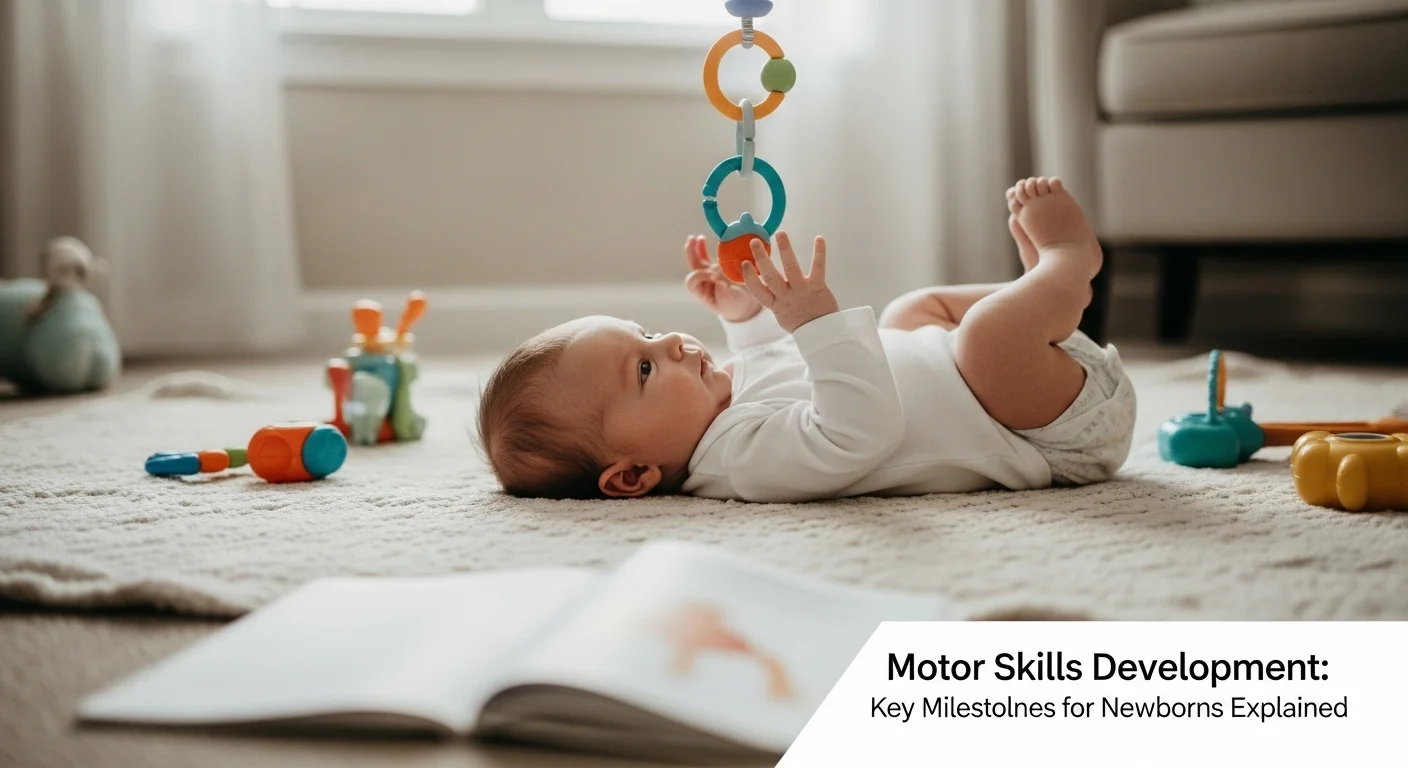
Fine motor skills begin with the ability to grasp objects. Around three months, babies start reaching for toys and can hold onto them. I loved placing colorful toys within their reach and watching them experiment with different grips. This not only enhances hand strength but also encourages exploration.
Hand-Eye Coordination
As babies grow, their hand-eye coordination improves significantly. Around five to six months, I noticed my baby had started to look at a toy, reach for it, and actually grab it. It was incredible to see how this skill helped them connect what they see with what they can do, laying the groundwork for future skills.
Reaching and Batting
By about six to nine months, babies begin to reach and bat at objects with more intent. I recall how my baby would swing their arms to knock over blocks, delighting in the sound they made as they fell. This playful interaction is not only fun but also essential for developing coordination and strength.
Factors Influencing Motor Skills Development
Genetics and Heredity
As I delved deeper into understanding motor skills, I found that genetics plays a significant role in how children develop these abilities. I often wondered if some of the traits I saw in my kids were inherited from me or my partner. It turns out, research suggests that a child’s genetic makeup can influence their physical capabilities, including motor skills. For instance, if we were both active individuals, I noticed that our kids tended to show similar tendencies, whether it was their eagerness to crawl or their balance while learning to walk. It’s fascinating to think that genetic factors can set the stage for motor development, but it doesn’t mean that environment and experiences can’t make a difference as well.
Environment and Stimulation
In my experience, the environment a child grows up in is just as crucial as their genetic predispositions. I remember creating play spaces filled with different textures, colors, and shapes for my kids to explore. I realized that providing a stimulating environment can significantly enhance motor skills development. Whether it was a soft mat for tummy time or a play gym with hanging toys, these elements encouraged my children to reach out, crawl, and eventually walk. I’ve also noticed that when children have ample opportunities for movement—like safe spaces to roll, crawl, and explore—they tend to reach their milestones more confidently and quickly. It’s like giving them the tools they need to thrive! For more insights on this topic, see Essential Motor Skills Milestones for Your Newborn’s Growth.
Nutrition and Health
Nutrition is another key factor that I learned about when considering motor skills development. I remember stressing over what to feed my children because I wanted to ensure they were getting the right nutrients to support their growth. A balanced diet rich in vitamins and minerals is essential for muscle development and overall health. I found that incorporating foods rich in omega-3 fatty acids, calcium, and iron contributed positively to their energy levels and physical growth. It’s amazing how a well-nourished body can encourage active play, which in turn promotes motor skills. Keeping an eye on regular pediatric check-ups also helped me stay informed about their growth and health, ensuring they were on track developmentally.
How to Support Motor Skills Development in Newborns
Creating a Safe Space for Movement
One of the best things I did as a parent was to create a designated space for my children to move freely. I found that having a soft, safe area for my kids to explore was essential. We cleared a section of our living room, laid down rugs, and removed sharp objects or anything they could bump into. This made it easier for them to practice rolling, crawling, and eventually walking without worrying about getting hurt. I also made sure there were plenty of age-appropriate toys nearby that would encourage them to reach and explore. Every time I saw them moving around happily, it reminded me how crucial a safe space is for their motor skills development.
Engaging in Tummy Time
Tummy time was a game changer for us. I remember when my pediatrician first suggested it, I was skeptical. But once I started laying my babies on their tummies during playtime, I quickly saw the benefits. Tummy time helps babies strengthen their neck and shoulder muscles, which are essential for gross motor skills. I found that using toys to encourage them to lift their heads and push up was a great motivator. I’d place colorful toys just out of reach, and it was incredible to see them straining to get closer to those objects. This simple activity became a bonding time for us, and watching their progress was so rewarding!
Encouraging Grasping and Reaching Activities
To nurture fine motor skills, I introduced my children to various activities that encouraged grasping and reaching. I’d provide them with soft toys, rattles, and even crinkly fabric books to explore. I remember the joy they showed when they managed to hold onto a toy or successfully bat at an object. These little victories were key to developing their hand-eye coordination and strengthening their grip. I also made it a point to engage in activities like finger painting or stacking blocks as they grew older. Not only did these activities promote fine motor skills, but they also sparked their creativity and curiosity. It’s incredible how playtime can be both fun and educational!
Signs of Delayed Motor Skills Development
When to Seek Professional Help
As I navigated the journey of my children’s motor skills development, I often wondered about the signs that indicated when something might be off. I remember speaking with other parents and realizing that it’s completely normal to feel concerned at times. There are specific milestones that can serve as a guide, and if you notice that your child isn’t meeting these milestones, it might be time to seek professional help.
For instance, if your baby isn’t showing head control by four months or isn’t able to roll over by six months, these can be red flags. Similarly, if they aren’t sitting up by eight months or aren’t able to grasp and manipulate toys by one year, I believe it’s a good idea to consult with a pediatrician. They can provide guidance and suggest whether further evaluation is needed. I felt a sense of relief when I learned that early intervention can make a huge difference, so don’t hesitate if you have concerns.
Common Developmental Disorders
Throughout my journey, I’ve come across various developmental disorders that can affect motor skills. It was eye-opening to learn about conditions like cerebral palsy, which can impact a child’s ability to move and control their muscles. This condition is often identified in infancy, and I found it inspiring to hear stories of families who sought early intervention therapies that helped their children thrive.
Another condition that can affect motor skills is developmental coordination disorder (DCD), often referred to as dyspraxia. Children with DCD may struggle with planning and executing movements, making tasks like riding a bike or playing sports more challenging. I remember discussing with friends the importance of recognizing these signs, as they can sometimes be overlooked. If a child seems clumsy or has difficulty keeping up with peers, it’s worth investigating further.
As a parent, I learned that being proactive and informed is essential. Understanding these disorders and their signs can empower us to advocate for our children and ensure they get the support they need to flourish. Early detection can lead to tailored interventions that enhance their motor skills and overall development.
Resources for Parents and Caregivers
Books on Motor Skills Development
Over the years, I’ve found that reading can be a great way to gather knowledge and strategies for supporting my kids’ motor skills development. There are many fantastic books out there that I would recommend. One that stood out for me is “The Whole-Brain Child” by Daniel J. Siegel and Tina Payne Bryson. This book offers insights into child development and provides practical strategies to support various skills, including motor skills.
Another favorite of mine is “Gross Motor Skills in Children with Down Syndrome” by Patricia C. Winders. Even though it focuses on children with Down syndrome, I discovered that the strategies and exercises discussed are beneficial for all children. It’s filled with engaging activities that I incorporated into our playtime, and I noticed significant improvements in my kids’ motor skills.
Recommended Websites and Online Communities
In addition to books, I found online resources invaluable for connecting with other parents and gathering information. Websites like Zero to Three provide a wealth of information on early childhood development, including articles and tips about motor skills. I remember browsing their site and feeling reassured by the expert advice and community support available.
Social media platforms also have thriving groups where parents share their experiences and resources. I joined a couple of parenting forums that focus on child development. These communities are great for asking questions and sharing successes. It’s comforting to know we’re not alone in our parenting journeys. I felt empowered by the shared wisdom and encouragement from fellow parents who understood the challenges and joys of raising little ones.
Consulting Pediatric Professionals
Lastly, I can’t stress enough the importance of consulting with pediatric professionals. Regular check-ups with our pediatrician helped me keep track of my children’s development. I remember feeling nervous during those visits, but they were always supportive and ready to answer my questions. They could provide assessments and refer us to specialists if necessary.
I also found that occupational therapists can be incredibly helpful when it comes to motor skills development. If your child is struggling, seeking an evaluation from a pediatric occupational therapist can offer tailored strategies and activities to promote motor skill enhancement. In my case, having professionals in our corner made a world of difference, and I truly encourage any parent to reach out for expertise when needed.
Final Thoughts
Reflecting on my journey as a parent, I realize that understanding motor skills development has been crucial for nurturing my children. Each milestone they achieved filled me with pride and joy. I believe that as parents and caregivers, we have the power to influence this development positively by creating a supportive environment filled with love, encouragement, and appropriate resources.
From my experience, recognizing the signs of both progress and potential delays is essential. It’s normal to feel a bit anxious about our children’s milestones, but being informed helps us advocate for their needs effectively. I remember feeling a sense of comfort whenever I consulted with pediatric professionals. Their insights reassured me and provided a roadmap to support my children’s growth.
Engaging with my kids during play, offering them safe spaces to explore, and providing healthy nutrition were all integral parts of this journey. I found that playtime was not just about fun; it was a valuable opportunity for my children to develop their motor skills naturally. I’ve noticed that the bond we created during these activities not only promoted their physical abilities but also deepened our relationship.
As we continue to navigate this journey of parenting, I hope that by sharing my experiences and the resources I discovered, I can help other parents feel empowered and informed. Remember, every child develops at their own pace, and the most important thing we can do is support them with patience and love. The joy of watching them grow and master new skills is truly one of life’s greatest pleasures, and I cherish every moment of it.
Let’s celebrate those small victories together and embrace the beautiful journey of watching our children thrive!
Frequently Asked Questions
What are motor skills?
Motor skills refer to the abilities that allow us to move and control our bodies. They are divided into two main categories: gross motor skills, which involve large muscle groups for movements like crawling and walking, and fine motor skills, which involve smaller muscle groups for tasks like grasping and manipulating objects.
Why are motor skills important in early childhood?
Motor skills are fundamental for a child’s growth and development. They help children achieve milestones that are essential for physical abilities, boost confidence, and promote independence. Each small action, like kicking or waving arms, lays the groundwork for more complex movements later on.
What are some key gross motor skills milestones for newborns?
Key gross motor skills milestones include head control, which typically develops by around two months; rolling over, usually between four to six months; and sitting up by six to eight months, where most babies can sit up with support and eventually on their own.
How do fine motor skills develop in newborns?
Fine motor skills develop gradually, starting with the ability to grasp objects around three months. As babies grow, they improve their hand-eye coordination, which usually becomes noticeable around five to six months, and by six to nine months, they begin to reach and bat at objects with more intent.
What factors influence motor skills development?
Factors influencing motor skills development include genetics and heredity, the environment and stimulation a child receives, and nutrition and health. A stimulating environment with ample opportunities for movement and a balanced diet rich in essential nutrients can significantly enhance motor skills development.
How can parents support motor skills development in newborns?
Parents can support motor skills development by creating a safe space for movement, engaging in tummy time to strengthen neck and shoulder muscles, and encouraging grasping and reaching activities with toys that promote fine motor skills.
When should parents seek professional help regarding motor skills development?
Parents should consider seeking professional help if their child is not showing head control by four months, cannot roll over by six months, is unable to sit up by eight months, or cannot grasp and manipulate toys by one year. Early intervention can make a significant difference.
What are some common developmental disorders affecting motor skills?
Common developmental disorders that can affect motor skills include cerebral palsy, which impacts muscle control, and developmental coordination disorder (DCD), also known as dyspraxia, which makes planning and executing movements challenging.
What resources are available for parents and caregivers regarding motor skills development?
Resources for parents include books on motor skills development, such as “The Whole-Brain Child” and “Gross Motor Skills in Children with Down Syndrome,” as well as websites like Zero to Three. Consulting pediatric professionals and connecting with online communities can also provide valuable support and information.
How does nutrition impact motor skills development?
Nutrition plays a key role in motor skills development. A balanced diet rich in vitamins and minerals is essential for muscle development and overall health. Foods high in omega-3 fatty acids, calcium, and iron contribute positively to a child’s energy levels and physical growth.