
Welcoming a newborn into your life is an incredible journey, but it also comes with a lot of sleepless nights. Understanding what your little one needs for a good night’s sleep is essential for their comfort—and your sanity! Read Interesting article: Essential Sleep Patterns for Newborns: A Guide for Parents
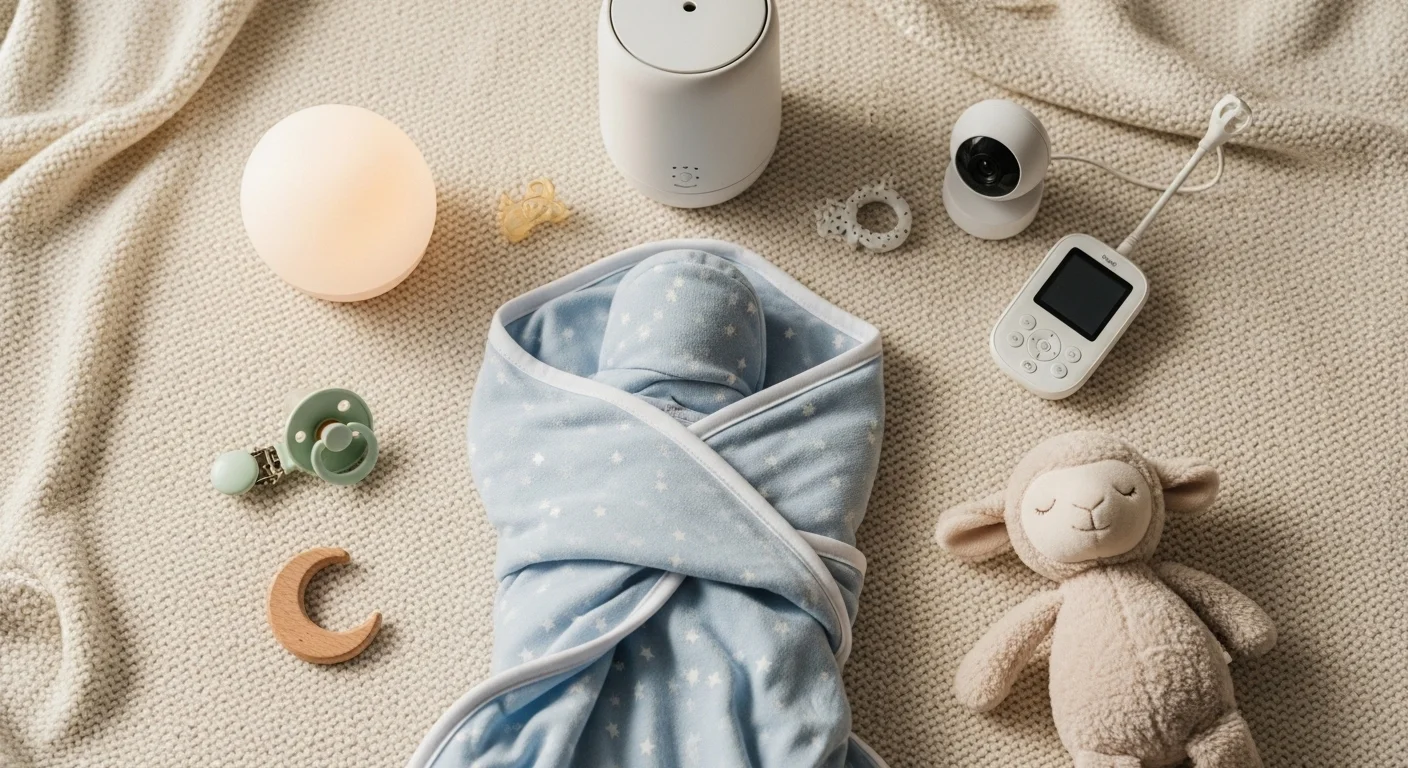
Understanding Newborn Sleep Needs
The Importance of Sleep for Newborns
When I first became a parent, I was amazed at how much sleep my newborn needed. Sleep is vital for their growth and development. Newborns spend about 16 to 18 hours a day sleeping, and this is when their bodies do crucial work, like building the brain and immune system. I learned that during deep sleep, brain activity increases significantly, which is critical for forming neural connections. Watching my baby sleep peacefully made me realize how important this time is for their health.
Typical Sleep Patterns in Newborns
Newborn sleep patterns can seem erratic, and I certainly felt that way at first. Babies typically sleep in short bursts of 2 to 4 hours, waking for feedings and diaper changes. I remember feeling like I was on a constant loop of feeding and changing! Over time, I noticed that these patterns would gradually shift. By around 2 to 3 months, many babies start to sleep for longer stretches at night, which was a relief for us. It’s essential to be patient and understand that every baby is different, and their sleep schedules will evolve. Read Interesting article: Essential Safe Sleeping Tips for Traveling Newborns
Essential Sleep Products for Newborns
Cribs and Bassinets
As I prepared for my baby’s arrival, choosing a safe sleeping space was at the top of my list. Cribs and bassinets are the most popular options, but I wanted to ensure I picked one that met safety standards. I found that a bassinet was perfect for the early months, as it allowed me to keep my baby close during those late-night feedings. When choosing, I looked for one with sturdy construction and breathable sides. I also loved that some came with rocking features, which helped soothe my little one back to sleep.
Mattresses: Firmness and Safety Standards
Along with the crib or bassinet, I quickly realized that the mattress choice is just as important. I learned that a firm mattress is crucial for reducing the risk of Sudden Infant Death Syndrome (SIDS). I opted for a mattress that fit snugly in the crib with no gaps. Safety certifications were also a priority for me; I wanted to ensure it was free from harmful chemicals. I found it helpful to read reviews and recommendations from other parents before making a purchase.
Swaddles and Sleep Sacks
One of my favorite sleep essentials was the swaddle. Wrapping my baby snugly not only provided comfort but also mimicked the womb’s feeling, which helped them feel secure. I experimented with different materials—some were cotton, while others were fleece. I found that lightweight fabrics worked best for us, especially since my baby tended to get warm quickly. As my little one grew, we transitioned to sleep sacks, which allowed for more movement while still providing that cozy, secure feeling. I appreciated how they came in various sizes, accommodating my baby as they grew.
Baby Monitors: Types and Features
Keeping an eye on my baby while they slept was essential for my peace of mind. I invested in a baby monitor, and it was a game-changer. There are many types available—audio-only, video, and even smart monitors that connect to your phone. I chose a video monitor that allowed me to see my baby at all times, and it brought me great comfort. I also loved the built-in night vision feature, which let me peek in without disturbing my little one. The two-way audio feature was a bonus, allowing me to soothe my baby with my voice from another room.
Pajamas and Sleepwear: Fabric and Fit
When it came to sleepwear, I quickly learned that comfort is key. I tried various pajamas, and I found that breathable, soft fabrics like cotton worked best for my baby. I remember the first time I put my little one in a cozy onesie; they seemed to relax immediately. The fit is also something to consider; I made sure to get sizes that allow for some growth, especially during those early months when babies grow so quickly. I appreciated the convenience of pajamas with zippers or snap buttons that made late-night diaper changes a bit easier.
Creating a Comfortable Sleep Environment
Room Temperature and Humidity Control
Creating the right sleep environment for my baby was just as important as the sleep products I chose. I quickly learned that maintaining a comfortable room temperature is key. The ideal temperature for a newborn’s room is between 68°F and 72°F. I remember a few nights when I thought my little one felt a bit too warm or cool, so I started using a room thermometer. It really helped me keep things just right. I found that dressing my baby appropriately for the temperature and using a lightweight blanket allowed for flexibility, especially as the seasons changed.
Humidity also played a role in my baby’s comfort. In our case, we had a humidifier running on particularly dry days, which made a noticeable difference. I noticed my baby slept more soundly when the air wasn’t too dry, especially during the winter months. It was a simple adjustment, but it had a big impact on how restful my baby’s sleep was.
Noise Machines and Sound Soothers
One of my favorite discoveries was the use of sound machines. I found that gentle white noise or soothing sounds helped drown out any background noise from our home, which was especially useful during the day when I was trying to get my baby to nap. I remember testing out different sounds—ocean waves, rain, and even heartbeat sounds. Eventually, we settled on a soft lullaby that seemed to calm my baby right away.
These machines really helped create a calming atmosphere for sleep. It was comforting to know that I could set a timer, and the sounds would gently fade out, allowing for a smooth transition into deeper sleep. I also discovered that many of these machines were portable, so we could take it with us when we traveled or visited family, ensuring my baby would have that familiar background noise wherever we went.
Lighting Options: Night Lights and Blackout Curtains
Lighting was another crucial element in creating a restful environment. I found that having a night light in the nursery was helpful for late-night feedings and diaper changes. It provided just enough illumination to see what I was doing without fully waking my baby. I chose one that had adjustable brightness levels, so I could switch it to a softer light when it was time to settle down for sleep.
Blackout curtains were a game changer for us as well. I remember the first time I used them for daytime naps; it felt like a miracle! The darkness helped my baby recognize that it was time to sleep, even during the bright hours of the day. These curtains also kept the room cooler during warmer months, which was an added bonus. I definitely recommend considering blackout curtains for any nursery!
Safety Tips for Newborn Sleep
Safe Sleep Practices (ABC of Safe Sleep)
As a new parent, I became very aware of the importance of safe sleep practices. Adhering to the ABCs of safe sleep—Alone, Back, and Crib—was my mantra. I always made sure my baby slept alone in their crib, on their back, and without any soft bedding or toys that could pose a suffocation risk.
It felt a bit nerve-wracking at first, but educating myself about SIDS and how to create a safe sleeping environment was empowering. I learned to resist the temptation to put my baby in bed with me, even when they seemed to want to be close. Instead, I made use of the bassinet next to my bed. It gave me peace of mind knowing my baby was close, yet still in a safe space.
Common Sleep Mistakes to Avoid
Through my journey, I noticed a few common sleep mistakes that many new parents make. One mistake I see often is over-bundling a baby. I learned that while keeping my baby cozy is important, too many layers can lead to overheating. Also, I realized that having a consistent bedtime routine helped signal to my little one that it was time to wind down. We established a simple routine of feeding, a short cuddle, and then laying them down awake but drowsy, which helped them learn to fall asleep on their own.
Another mistake I noticed was waiting too long to put the baby down for a nap. I found that watching for sleepy cues—like yawning or rubbing their eyes—was crucial. I made the mistake of thinking my baby could stay awake longer than they could, which often resulted in an overtired baby who struggled to settle down for sleep.
Other Accessories to Enhance Sleep Quality
Comfortable Bedding and Linens
When it came to bedding, I discovered that comfort truly matters. I opted for soft, breathable crib sheets made from organic cotton. I loved how gentle they felt against my baby’s skin, and it gave me peace of mind knowing they were free from harsh chemicals. Changing the sheets regularly also helped create a fresh sleeping environment, which is essential for a baby’s sensitive skin.
Pacifiers: Usage and Benefits
Pacifiers became a helpful tool for us. I found that offering a pacifier at bedtime provided my baby with comfort and helped soothe them back to sleep when they stirred. I learned that pacifier use can also reduce the risk of SIDS, which was a reassuring benefit. I tried several types before finding one that my baby liked, and I appreciated that they come in different shapes and sizes to accommodate growing mouths.
Baby Sleep Positioners: Pros and Cons
Lastly, I came across baby sleep positioners, which are designed to keep babies in a specific position while sleeping. I was tempted to use one but decided against it after doing some research. The consensus seemed to be that they could pose safety risks, like increasing the chance of rolling over or becoming trapped. Instead, I chose to focus on safe sleep practices and let my baby find their own comfortable positions as they grew.
Frequently Asked Questions
How much sleep does a newborn need?
From my experience, newborns typically need around 16 to 18 hours of sleep in a 24-hour period. It can be surprising, but they usually sleep in short stretches of 2 to 4 hours, waking up for feedings and diaper changes. I remember feeling like I was constantly swaddling, feeding, and soothing my little one. It’s essential to remember that every baby is unique, and their sleep needs can vary. Some may need a little more or less sleep, and that’s perfectly normal. I found it helpful to follow my baby’s cues; if they seemed sleepy, they were likely ready for another nap, even if it was only an hour after they last woke up.
When should I transition my baby to a crib?
Deciding when to transition your baby to a crib can be a big step. For us, we made the switch around 3 months, once my little one was more accustomed to their sleep patterns. I found that the bassinet was great for the initial months, as it allowed me to keep them close during those sleepless nights. However, as they grew and started to move around more, it felt like the right time to move them to a crib where they had more space to wiggle and stretch. I recommend looking for signs that your baby is ready, like starting to outgrow the bassinet or if they seem cramped when sleeping. Always remember to ensure a safe sleep environment, regardless of where they sleep.
What if my baby won’t sleep?
I’ve been there—those frustrating moments when my baby just wouldn’t settle down. It can feel overwhelming, but there are a few strategies that worked for me. First, I realized that establishing a calming bedtime routine made a significant difference. A warm bath, gentle rocking, or some soft lullabies helped signal to my baby that it was time to wind down. Additionally, checking if my baby was hungry, tired, or needed a diaper change was key. Sometimes, a little extra cuddling was all they needed to feel secure. I found that being patient and trying different soothing techniques helped us both find our rhythm.
When to seek help for sleep issues?
If you’re feeling concerned about your baby’s sleep patterns, it’s okay to reach out for help. I learned that if my baby consistently struggled to fall asleep or stay asleep after trying various strategies, it was a good idea to consult with our pediatrician. They can provide valuable insights and rule out any underlying issues. I remember feeling anxious during some sleepless nights, and having professional support made a huge difference. It’s essential to trust your instincts as a parent. If something doesn’t feel right, don’t hesitate to seek advice. Remember, you’re not alone in this journey, and many parents face similar challenges. Read Interesting article: Budget Backpacking with Baby: Safe Sleep Tips You Need
Other Accessories to Enhance Sleep Quality
Comfortable Bedding and Linens
When I started to think about bedding for my baby, I quickly realized how crucial it was to choose the right materials. I opted for soft, breathable crib sheets made from organic cotton. The gentle texture felt so nice against my baby’s sensitive skin, and knowing they were free from harsh chemicals gave me peace of mind. I remember the first time I changed the sheets; it felt like such a small but significant way to create a comfortable sleeping environment. I also made it a habit to change the sheets regularly, which helped maintain cleanliness and freshness, essential for a baby’s delicate skin.
Pacifiers: Usage and Benefits
Pacifiers became a comforting companion for my little one and me during those early months. I found that offering a pacifier at bedtime provided my baby with a sense of calm and security. There were nights when I would hear my baby stir, and a quick pop of the pacifier back into their mouth would often help them drift back to sleep. I learned that pacifier use can also reduce the risk of SIDS, which was an added reassurance for me. It took a bit of trial and error to find a pacifier that my baby liked, but once we did, it became a cherished bedtime accessory. Plus, they come in various shapes and sizes to accommodate growing mouths, which I found helpful as my baby grew.
Baby Sleep Positioners: Pros and Cons
When I first heard about baby sleep positioners, I must admit I was intrigued. They promised to keep babies in a specific position while sleeping, which sounded appealing. However, after researching and talking to other parents, I decided against using one. I learned that these devices could pose safety risks, including the potential to increase the chance of rolling over or becoming trapped. Instead, I focused on safe sleep practices, allowing my little one to find their own comfortable sleeping positions. It was a relief to know that I could trust my baby’s instincts as they grew and became more mobile.
Frequently Asked Questions
How much sleep does a newborn need?
From my experience, newborns typically need around 16 to 18 hours of sleep in a 24-hour period. It can be surprising, but they usually sleep in short stretches of 2 to 4 hours, waking up for feedings and diaper changes. I remember feeling like I was constantly swaddling, feeding, and soothing my little one. It’s essential to remember that every baby is unique, and their sleep needs can vary. Some may need a little more or less sleep, and that’s perfectly normal. I found it helpful to follow my baby’s cues; if they seemed sleepy, they were likely ready for another nap, even if it was only an hour after they last woke up.
When should I transition my baby to a crib?
Deciding when to transition your baby to a crib can be a big step. For us, we made the switch around 3 months, once my little one was more accustomed to their sleep patterns. I found that the bassinet was great for the initial months, as it allowed me to keep them close during those sleepless nights. However, as they grew and started to move around more, it felt like the right time to move them to a crib where they had more space to wiggle and stretch. I recommend looking for signs that your baby is ready, like starting to outgrow the bassinet or if they seem cramped when sleeping. Always remember to ensure a safe sleep environment, regardless of where they sleep.
What if my baby won’t sleep?
I’ve been there—those frustrating moments when my baby just wouldn’t settle down. It can feel overwhelming, but there are a few strategies that worked for me. First, I realized that establishing a calming bedtime routine made a significant difference. A warm bath, gentle rocking, or some soft lullabies helped signal to my baby that it was time to wind down. Additionally, checking if my baby was hungry, tired, or needed a diaper change was key. Sometimes, a little extra cuddling was all they needed to feel secure. I found that being patient and trying different soothing techniques helped us both find our rhythm.
When to seek help for sleep issues?
If you’re feeling concerned about your baby’s sleep patterns, it’s okay to reach out for help. I learned that if my baby consistently struggled to fall asleep or stay asleep after trying various strategies, it was a good idea to consult with our pediatrician. They can provide valuable insights and rule out any underlying issues. I remember feeling anxious during some sleepless nights, and having professional support made a huge difference. It’s essential to trust your instincts as a parent. If something doesn’t feel right, don’t hesitate to seek advice. Remember, you’re not alone in this journey, and many parents face similar challenges.
Final Thoughts
Navigating the world of newborn sleep can be both challenging and rewarding. I’ve shared my experiences, tips, and insights that helped us create a nurturing sleep environment for our little one. Each baby is unique, and what works for one family may not work for another. I believe that being patient, flexible, and attentive to your baby’s needs is key to finding the right sleep routine. As you embark on this journey, trust your instincts, seek support when needed, and remember that you’re doing an amazing job. Cherish those quiet moments of sleep, as they are fleeting, and soon enough, your baby will be off exploring the world.