
Have you ever wondered how to guide your child toward better choices without constant nagging or punishment? Natural consequences might just be the key to fostering independence and responsibility in your little one. Read Interesting article: Unlock Positive Discipline: Embrace Natural Consequences
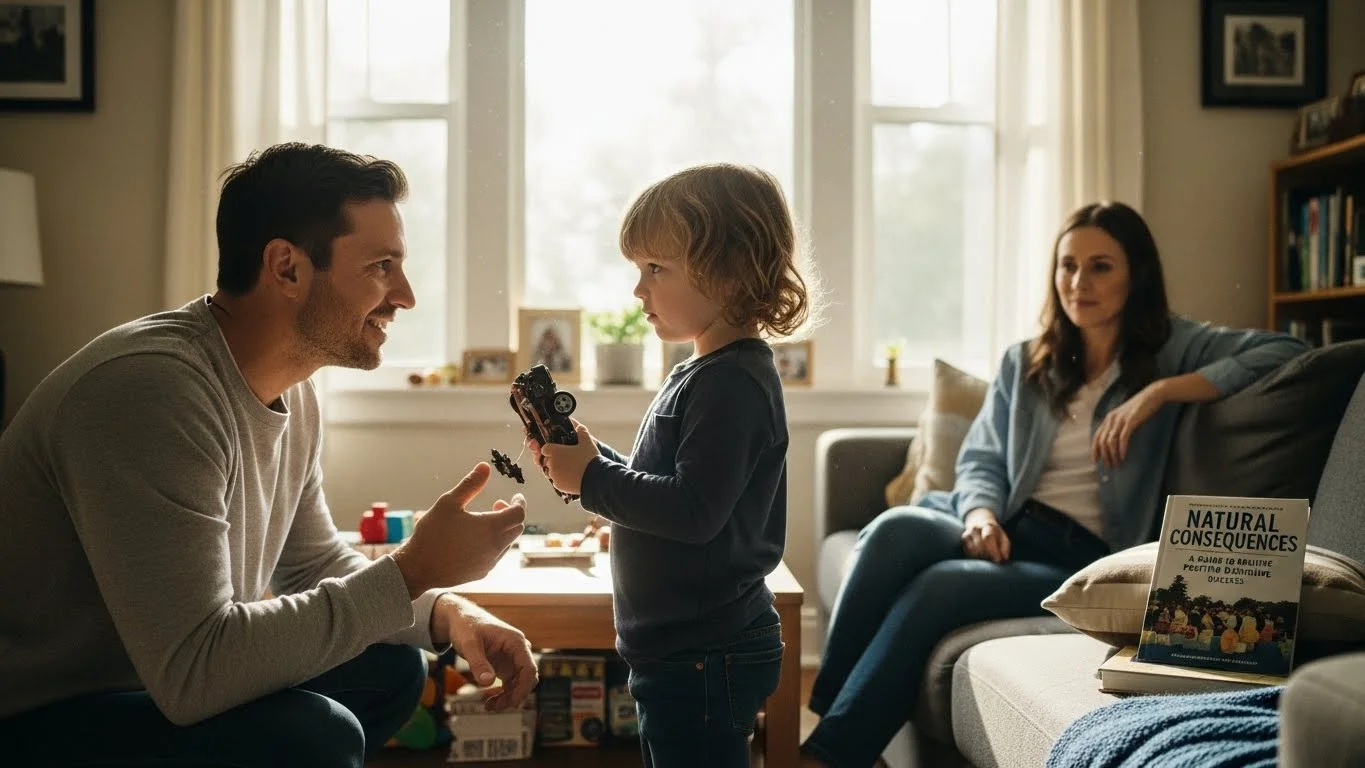
Understanding Natural Consequences in Positive Discipline
Definition of Natural Consequences
Natural consequences are the outcomes that occur as a direct result of a child’s actions, without any intervention from parents or caretakers. For instance, if a child refuses to wear a jacket on a chilly day, they might feel cold. This experience teaches them a valuable lesson about personal comfort without the need for a lecture or punishment. I’ve learned that these types of consequences allow children to connect their behavior with the results, promoting a sense of responsibility and self-awareness.
Difference Between Natural and Logical Consequences
While natural consequences arise organically from a child’s actions, logical consequences are intentionally imposed by parents to teach a lesson. For example, if a child loses a toy due to carelessness, a logical consequence might be that they have to save their allowance to buy a new one. I find it essential to differentiate between the two because natural consequences often feel more authentic to kids. They’re experiencing the impact of their choices directly, which can be more meaningful than just facing a punishment that someone else decided on.
Importance of Natural Consequences in Child Development
Understanding and utilizing natural consequences is crucial for child development. They help kids learn vital life skills, such as decision-making, problem-solving, and self-discipline. I remember my son once forgot to pack his lunch for school. He was hungry by lunchtime but quickly learned to double-check his bag before heading out. It was a tough lesson, but he never forgot again. This kind of experiential learning fosters resilience and independence, which are key components for success later in life. Read Interesting article: Positive Discipline While Traveling: A Guide for Parents
Key Principles of Positive Discipline
Respect and Understanding
One of the core principles of positive discipline is mutual respect. This means respecting your child’s feelings and perspectives, while also expecting that they respect yours. I’ve often found myself kneeling down to my child’s level to have a conversation. It’s incredible how eye contact and an open heart can create a more understanding environment. This approach not only builds trust but also encourages kids to express themselves openly, which is vital for their emotional development.
Encouragement vs. Punishment
Encouragement is a powerful tool in positive discipline. Instead of focusing on what children do wrong, we should celebrate their efforts and successes. I remember when my daughter was struggling with her math homework. Instead of criticizing her mistakes, I praised her for trying. This small shift in focus made a huge difference in her attitude toward learning. She began to tackle her homework with a sense of pride rather than fear of punishment. I truly believe that encouragement helps children develop a positive self-image and a love for learning.
Building a Sense of Responsibility
Teaching children to take responsibility for their actions is another essential aspect of positive discipline. When we allow them to face natural consequences, we’re giving them the gift of accountability. My friend once allowed her son to skip his chores. When he realized his room was a mess and he couldn’t find his favorite toy, he learned the importance of keeping his space tidy. It wasn’t just about the mess; it was about understanding that his actions had direct effects on his day-to-day life. This lesson instilled a sense of responsibility that has lasted well into his teenage years.
Implementing Natural Consequences Effectively
Identifying Appropriate Situations for Natural Consequences
Recognizing when to let natural consequences play out can be tricky. I’ve learned to evaluate situations carefully. For example, if my child refuses to wear shoes outside, I might let them experience the discomfort of rough ground. But I always ensure that the situation is safe and won’t cause any harm. I think it’s essential to strike a balance; we want our kids to learn but also to feel secure and protected. It’s all about using our judgment to guide their experiences.
Communicating Expectations Clearly
Clear communication is key to successfully implementing natural consequences. I always try to explain situations to my kids beforehand. If we’re going to a park where they can’t run off, I remind them of the rules and the expected consequences. When they know what to expect, they are more likely to understand and accept the outcomes of their choices. This practice not only prepares them for their decisions but also fosters a sense of trust between us.
Monitoring and Reflecting on Outcomes
After a natural consequence has occurred, I believe it’s crucial to reflect on the outcomes together. Discussing what happened allows kids to process their experiences and learn from them. I often sit down with my children after a situation has unfolded, asking questions like, “How did that feel?” or “What would you do differently next time?” This reflection not only reinforces the lesson but also shows them that I care about their thoughts and feelings. It creates a safe space for them to explore their choices and learn from them genuinely.
Common Challenges and Solutions
Resistance from Children
One of the biggest challenges I’ve encountered when implementing natural consequences is resistance from my children. Kids inherently want to test boundaries, and sometimes, they resist the idea of facing the consequences of their actions. I remember a time when my daughter refused to do her homework, insisting she’d rather play with her friends. When the next day came, she faced her teacher’s disappointment, which was a hard pill for her to swallow. I’ve found that acknowledging their feelings is key. I listened to her frustration and talked about why it’s important to prioritize responsibilities. By giving her space to express her feelings, I was able to help her see the situation from a different perspective. It’s all about guiding them through their resistance while still allowing them to feel the impact of their choices.
Parental Concerns About Safety
As parents, our instinct is to protect our children, which can sometimes conflict with allowing natural consequences to play out. I’ve often found myself in situations where I needed to weigh the potential risks against the lessons learned. For instance, I once hesitated to let my son ride his bike to a nearby park without a helmet, fearing he might fall and hurt himself. But I realized that allowing him to feel the consequences of his choices—like feeling embarrassed for not wearing a helmet when his friends did—could teach him about safety in a way that simply telling him wouldn’t. I think it’s important to set boundaries that ensure safety while still allowing room for natural consequences. We can encourage safe practices while also guiding them to understand why those practices are important.
Inconsistent Application of Discipline
Another challenge that I’ve encountered is the inconsistency in applying discipline strategies, including natural consequences. There have been days when I’ve been exhausted or overwhelmed, and I’ve let things slide that I normally wouldn’t. This inconsistency can confuse children, making them unsure about the rules and consequences. I realized that it’s essential to have a family agreement about expectations and consequences. We often sit down together—yes, even my teenagers—and talk about what we expect from each other. By cultivating an open dialogue, we create a more unified front when it comes to discipline. It helps everyone stay on the same page and reinforces the idea that accountability is a shared family value.
Real-Life Examples of Natural Consequences
Everyday Scenarios in Home Life
In our household, we encounter plenty of everyday scenarios where natural consequences come into play. I recall a time when my daughter decided to leave her favorite book outside in the rain after a long day of playing. The next morning, she was heartbroken to find it drenched and ruined. Initially, I felt the urge to swoop in and replace it immediately, but I stopped myself. Instead, I helped her process her feelings of loss and talked about the importance of taking care of our belongings. This experience taught her a valuable lesson about responsibility, and she quickly learned to be more mindful about where she leaves her things. I think these everyday lessons resonate more deeply because they are tied to real emotions and experiences.
School and Social Situations
Natural consequences aren’t just limited to home life; they also apply to school and social situations. I’ve seen my kids navigate friendships and school dynamics where their choices had direct outcomes. For instance, my son once decided to skip a group project meeting with his classmates. When he showed up on presentation day, he realized he didn’t have the same level of understanding as his peers. Instead of stepping in to fix the problem, I encouraged him to speak to his group and express what he didn’t understand. This not only helped him learn the importance of teamwork but also reinforced the value of communication and collaboration. It’s rewarding to watch them learn these social skills through their experiences.
Long-term Benefits of Natural Consequences
Reflecting on these experiences, I see the long-term benefits of allowing natural consequences to unfold. My children have developed a sense of independence and a deeper understanding of their actions. I often notice them thinking twice before making a choice, weighing the potential outcomes. They’ve become more responsible individuals who are more willing to tackle difficult situations because they know there’s a lesson to be learned. For me, the ultimate reward is seeing them grow into thoughtful, self-aware young adults who can navigate life’s challenges with confidence. I believe that the lessons learned through natural consequences will serve them well as they continue to face the complexities of life. Read Interesting article: Mastering Positive Discipline: Tips for Parents Using Reinforcement
Complementing Natural Consequences with Other Discipline Strategies
Combining Natural Consequences with Logical Consequences
While natural consequences are powerful, I’ve found that they can be even more effective when combined with logical consequences. It’s like having a toolkit filled with different strategies to help our kids learn. For instance, if my child forgets to bring home their sports uniform, they may miss out on a game. But if I also encourage them to ask their coach about alternatives or express how it feels to let their team down, they get the best of both worlds. They experience the natural consequence of missing the game while also understanding the logical connection between forgetting and the outcome. I feel this dual approach not only reinforces their learning but also helps them develop critical thinking skills.
Using Positive Reinforcement Alongside Natural Consequences
Positive reinforcement is another strategy I love to incorporate alongside natural consequences. Celebrating my children’s successes, no matter how small, can motivate them to make better choices. For example, when my son remembered to pack his lunch for school all week, I praised his effort and offered to let him choose dinner one night. This acknowledgment of good behavior encourages him to continue making positive choices. I believe that a balanced approach—using both natural consequences and positive reinforcement—creates a nurturing environment where kids feel supported while learning important life lessons.
Setting Boundaries and Limits
Setting clear boundaries is crucial in the context of natural consequences. I’ve noticed that when my children understand the boundaries and limits I’ve set, they feel more secure and are more willing to take responsibility. For instance, we have a family rule about screen time. If they exceed their time without asking, they naturally lose the privilege for the day. It’s about teaching them that boundaries are in place for their well-being. I think it’s essential to communicate these boundaries clearly and consistently, allowing natural consequences to reinforce their importance. This structure helps children feel safe while also fostering their independence.
Resources for Further Learning
Books on Positive Discipline
When I first started exploring the concept of positive discipline, I found myself overwhelmed by the sheer volume of information available. One of the best resources that guided me was the book “Positive Discipline” by Jane Nelsen. This book has become a staple on my parenting shelf. It provides practical tips and real-life examples that helped me understand how to apply positive discipline techniques effectively. I also enjoyed “The Whole-Brain Child” by Daniel J. Siegel and Tina Payne Bryson, which offers insights into how understanding brain development can enhance our parenting strategies. These books not only provided me with useful techniques but also inspired me to approach discipline with empathy and understanding.
Workshops and Parenting Classes
Another avenue I found incredibly beneficial was attending workshops and parenting classes focused on positive discipline. I remember signing up for a local class that brought together parents from different backgrounds. It was refreshing to share our experiences and learn from one another. The instructor was knowledgeable and provided us with hands-on activities to practice what we learned. If you have the opportunity, I recommend checking community centers or local parenting organizations for similar workshops. The connections I made with other parents were invaluable, and I always left feeling motivated and empowered to implement new strategies at home.
Online Communities and Support Groups
In today’s digital age, online communities have become a fantastic resource for parents seeking support and ideas. I joined several Facebook groups focused on positive discipline, where parents share their experiences, challenges, and victories. It’s reassuring to know that I’m not alone in this journey. I’ve learned so much from reading others’ stories and asking questions. These groups often provide links to articles, videos, and other educational resources that offer fresh perspectives on child-rearing. I also love participating in discussions on forums like Reddit’s parenting subreddits, where it’s easy to find advice tailored to specific situations. Engaging with these communities has truly enriched my parenting experience.
Final Thoughts
As I reflect on my journey through parenting, I truly believe that embracing natural consequences has opened up a world of learning opportunities for my children. It’s not always easy to step back and allow them to experience the consequences of their actions, especially when my instinct is to protect them from discomfort. However, I’ve seen firsthand how these experiences shape their understanding of responsibility and decision-making.
By allowing natural consequences to unfold, I’ve noticed my children becoming more thoughtful and self-reliant. They are starting to connect the dots between their choices and the outcomes, which is a profound skill that will serve them well into adulthood. For example, my youngest recently decided to skip breakfast one morning. By lunchtime, he regretted it when he was too hungry to concentrate on his schoolwork. I could have easily told him to eat something before he left, but instead, I listened to his reflections on the day. It was rewarding to see him recognize that his choice directly affected his ability to focus. Moments like these reaffirm my belief in the power of natural consequences.
It’s essential to remember that the goal of implementing natural consequences is not to punish our children but to help them learn and grow. I think what makes this approach so effective is that it encourages them to think critically about their actions. When they face the results of their decisions, they learn to weigh their options more carefully in the future. In my experience, this has fostered a sense of independence that I cherish as a parent.
Of course, we can’t ignore that the path to applying natural consequences is paved with challenges. There will be resistance, moments of doubt, and times when safety concerns loom large in our minds. I’ve had my fair share of sleepless nights, worrying if I made the right call by allowing my children to face certain situations. But I’ve learned that it’s all part of the journey. By staying consistent and open to communication, we can navigate these challenges together. It’s about building trust and showing our children that we believe in their ability to learn from their experiences.
As I continue to explore the world of positive discipline, I find comfort in knowing that I have a range of resources at my disposal. From insightful books to supportive communities, I’m never alone in this parenting adventure. Every lesson learned and every story shared fuels my determination to cultivate a positive and nurturing environment for my kids. Ultimately, it’s about creating a space where they can thrive, make mistakes, and learn without fear of harsh judgment. I wholeheartedly believe that this approach will empower them to grow into compassionate and responsible adults.
So, as you embark on your journey of implementing natural consequences, I encourage you to embrace the challenges and celebrate the victories. Our children are resilient, and with our guidance, they can navigate the complexities of life with confidence and independence. Let’s continue to support one another in this incredible journey of parenthood.
Frequently Asked Questions
What are natural consequences in parenting?
Natural consequences are the outcomes that occur as a direct result of a child’s actions without any intervention from parents or caretakers. For example, a child who refuses to wear a jacket on a chilly day may feel cold, teaching them a lesson about personal comfort.
How do natural consequences differ from logical consequences?
Natural consequences arise organically from a child’s actions, while logical consequences are intentionally imposed by parents to teach a lesson. For example, if a child loses a toy due to carelessness, a logical consequence might be that they must save their allowance to buy a new one.
Why are natural consequences important for child development?
Natural consequences help children learn vital life skills such as decision-making, problem-solving, and self-discipline. They foster resilience and independence, which are crucial for success later in life.
What is a key principle of positive discipline?
One core principle of positive discipline is mutual respect, which involves respecting a child’s feelings and perspectives while also expecting respect in return. This approach builds trust and encourages open communication.
How can parents effectively implement natural consequences?
Parents can effectively implement natural consequences by identifying appropriate situations, communicating expectations clearly, and monitoring and reflecting on outcomes together with their children.
What challenges might parents face when allowing natural consequences?
Parents may face challenges such as resistance from children, concerns about safety, and inconsistency in applying discipline strategies. It is important to navigate these challenges with open communication and consistent expectations.
Can natural consequences be applied in school and social situations?
Yes, natural consequences can apply in school and social situations as children navigate friendships and school dynamics. For instance, a child who skips a crucial meeting may find themselves unprepared for a group project, learning the importance of teamwork and communication.
What are some examples of natural consequences in everyday life?
Examples of natural consequences include a child leaving a favorite book outside in the rain and finding it ruined, or skipping breakfast and feeling too hungry to concentrate on schoolwork later.
How can positive reinforcement complement the use of natural consequences?
Positive reinforcement can motivate children to make better choices by celebrating their successes, which encourages them to continue engaging in positive behaviors alongside experiencing natural consequences.
What resources can parents use to learn more about positive discipline?
Parents can explore books such as “Positive Discipline” by Jane Nelsen and “The Whole-Brain Child” by Daniel J. Siegel, attend workshops and parenting classes, and engage with online communities and support groups focused on positive discipline.
Effective communication is a cornerstone of positive discipline, fostering understanding and respect between parents and children. This guide explores how to communicate effectively, ensuring a nurturing environment for growth and learning.
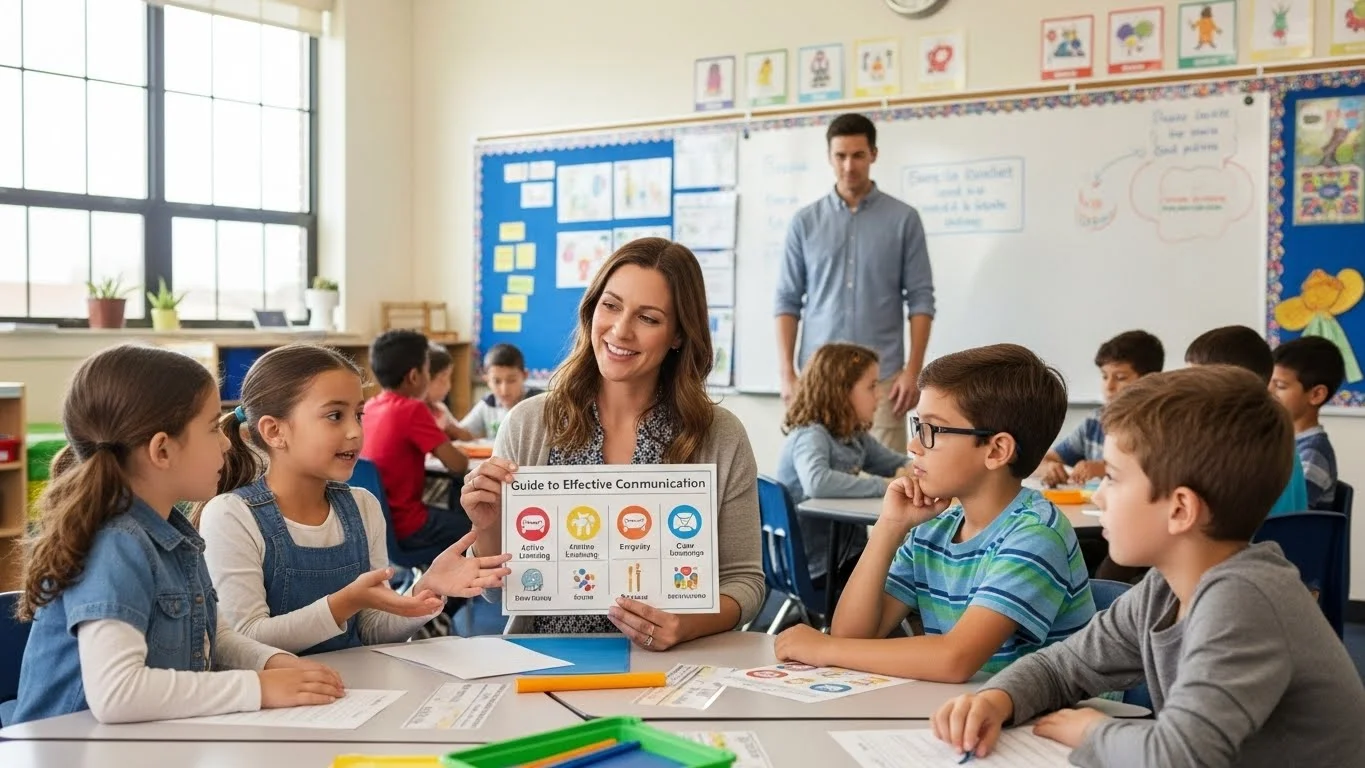
Understanding Positive Discipline
What is Positive Discipline?
Positive discipline is more than just a parenting style; it’s a philosophy rooted in mutual respect and understanding. I remember when I first learned about it, it was eye-opening. The idea isn’t to punish children but to teach them about consequences and responsibilities. It focuses on helping kids develop self-discipline, responsibility, and problem-solving skills. By using strategies that are kind yet firm, we can guide our children towards making better choices while maintaining a loving relationship.
Core Principles of Positive Discipline
There are several core principles that form the foundation of positive discipline. First, it emphasizes the importance of teaching rather than punishing. I’ve found that children learn best when they understand the reasons behind their actions. Another principle is the idea of connection before correction. When we connect with our children, they are more likely to respond positively. This means spending quality time together, showing affection, and being present in their lives. Lastly, positive discipline encourages us to focus on solutions rather than blame. I’ve learned that when we work together to solve a problem, we build trust and enhance our relationship.
Benefits of Positive Discipline in Parenting
The benefits of positive discipline are profound. For starters, it fosters a sense of security in children. When they know their parents are there to guide them without harsh punishments, they feel safe to express themselves. I remember my own experience; my parents used positive discipline, and I always felt comfortable coming to them with my problems. This approach also helps in developing strong communication skills. Since we’re encouraged to talk about feelings and issues openly, children learn to express themselves more clearly. Additionally, I’ve noticed that children raised with positive discipline tend to have better emotional regulation. They learn to cope with frustration and disappointment constructively, which is a valuable life skill. Read Interesting article: Unlock Positive Discipline Through Effective Communication
Key Communication Skills for Positive Discipline
Active Listening
One of the most vital communication skills in positive discipline is active listening. I can’t stress enough how important it is to really hear what our children are saying. It’s not just about the words; it’s about understanding the emotions behind them. When I practice active listening, I make a conscious effort to focus on my child, maintaining eye contact and nodding to show I’m engaged. I often repeat back what they’ve said to ensure I’ve understood correctly. This not only makes them feel heard but also encourages them to express themselves more openly.
Empathy and Understanding
Empathy is another key element when communicating with our children. I’ve found that when I try to put myself in my child’s shoes, I can respond more appropriately to their feelings. For example, if my child is upset about losing a favorite toy, instead of dismissing their feelings, I acknowledge their disappointment. I say things like, “I can see you’re really sad about that.” This not only validates their feelings but also opens the door for a deeper conversation about loss and coping. It’s amazing how a little empathy can go a long way.
Nonverbal Communication
Nonverbal communication is just as crucial as what we say. I’ve learned that my body language, facial expressions, and tone of voice can convey messages that words alone cannot. When I approach my child with an open posture and a calm voice, they are more likely to respond positively. I remember a time when I was upset about something, and even though I tried to communicate calmly, my tense posture made my child anxious. I realized then that I needed to be mindful of my nonverbal cues to ensure they felt safe and comfortable.
Asking Open-Ended Questions
Asking open-ended questions is a powerful way to encourage dialogue. Instead of asking yes-or-no questions, I try to frame my questions in a way that requires more thoughtful responses. For example, instead of asking, “Did you have a good day?” I might ask, “What was the best part of your day?” This invites my child to share their thoughts and feelings in a more meaningful way. I’ve noticed that when I do this, they often reveal insights that I wouldn’t have gotten otherwise, helping me understand their perspective better.
Effective Strategies for Communicating with Children
Setting Clear Expectations
Setting clear expectations is vital in fostering effective communication. I’ve learned that children thrive when they know what is expected of them. It can be as simple as outlining the rules of the house or explaining the steps needed to complete a task. For instance, when we have family chores, I make it a point to explain not only what needs to be done but also why it’s important. I often say something like, “We all share this space, so it’s our job to keep it clean.” This way, my children understand that their contributions matter and are part of a bigger picture. By being clear about expectations, we can avoid misunderstandings and help our kids feel more secure in their roles within the family.
Using Positive Language
Positive language can transform how we communicate with our children. Instead of focusing on what they shouldn’t do, I try to frame things positively. For example, instead of saying, “Don’t run in the house,” I might say, “Please walk inside.” This shift in language has made a noticeable difference in how my kids respond. They seem less defensive and more willing to cooperate. I’ve also found that complimenting their efforts, even for small things, encourages them to continue those behaviors. Saying “I love how you shared your toys with your friend!” reinforces positive actions and creates a more encouraging atmosphere.
Implementing Time-Outs Effectively
Time-outs can often have a bad reputation, but I’ve discovered they can be a useful tool when used effectively. Instead of making it a punishment, I frame it as a moment for my child to calm down and reflect. When my child is overwhelmed or acting out, I gently guide them to a quiet space where they can take a break. I explain, “Let’s take a moment to breathe and think about what just happened.” After some time, I check in with them to talk through their feelings and actions. This approach allows for reflection rather than simply removing them from the situation, and I’ve seen it help my children learn how to manage their emotions better.
Encouraging Problem-Solving Skills
Encouraging problem-solving skills in our children is one of the most rewarding aspects of positive discipline. Instead of immediately stepping in to fix a problem, I’ve learned to guide my children through the process of finding solutions themselves. For instance, if my child is struggling with a disagreement with a friend, I ask questions like, “What do you think you could say to resolve this?” This not only empowers them but also helps them develop critical thinking skills. I remember feeling proud when my child successfully resolved a conflict using their own words. It reinforced my belief that children are capable of handling challenges when given the right support. Read Interesting article: Transform Discipline with Effective Communication Skills
Age-Appropriate Communication Techniques
Communicating with Toddlers
When it comes to toddlers, I’ve found that simple, clear language works best. They thrive on routine and visual cues, so I often use short phrases and gestures to communicate. For example, when it’s time to clean up, I might say, “Let’s put the toys away!” while demonstrating the action. I also use songs and games to make transitions smoother. Through my experience, I’ve realized that keeping communication fun and engaging helps toddlers learn while feeling secure.
Communicating with Preschoolers
As children grow into preschoolers, their ability to express themselves improves, but they still need guidance. I’ve tried to encourage their thoughts by asking open-ended questions that inspire their imagination. For instance, when reading a story, I ask, “What do you think will happen next?” This not only keeps them engaged but also helps develop their critical thinking. I’ve noticed that allowing them to share their ideas makes them feel valued and boosts their confidence.
Communicating with School-Aged Children
With school-aged children, I’ve learned the importance of being a good listener. They often have more complex thoughts and feelings about their experiences. I make an effort to create a routine where we have regular check-ins, like during dinner time. I ask them about their day and encourage them to share their successes and challenges. This not only strengthens our bond but also provides them with a safe space to talk through any issues they may encounter.
Communicating with Teenagers
Communicating with teenagers can sometimes feel like navigating a minefield, but I’ve found that showing respect and understanding is crucial. I try to keep the lines of communication open by being approachable and non-judgmental. I remember a time when my teenager was hesitant to share a problem with me. Instead of pushing, I made it clear that I was there to listen whenever they were ready. This openness encouraged them to come to me, knowing they wouldn’t face harsh criticism. I believe that fostering this trust creates a solid foundation for discussions about tough topics.
Common Challenges in Communication and How to Overcome Them
Dealing with Defiance
One of the most common challenges I’ve faced in communication with my children is defiance. It can be incredibly frustrating when a child refuses to listen or follow directions. I remember a time when my child flat-out refused to do homework. Instead of reacting with anger, I took a step back to understand what was going on. I learned that sometimes, defiance is often a sign of frustration or a need for control. I started to ask open-ended questions about what was bothering them. This not only helped me understand their feelings but also opened the door for a conversation about their needs. I found that when I acknowledged their feelings and worked together to find a solution, the defiance decreased significantly.
Addressing Emotional Outbursts
Emotional outbursts can also be a big hurdle in effective communication. I’ve had moments when my child would erupt in tears or anger over seemingly small issues. It can be challenging to navigate these emotions, especially when they happen in public or at inconvenient times. I learned that the best approach is to remain calm and provide comfort. I usually say something like, “I can see you’re really upset right now; let’s take a deep breath together.” Once they feel more settled, I can help them articulate what they’re experiencing. This not only teaches them to express their emotions but also reassures them that it’s okay to feel deeply. I’ve found that these moments, while tough, can lead to meaningful conversations about emotions and coping strategies.
Handling Miscommunication
Miscommunication is another frequent challenge that can lead to misunderstandings and frustration. I remember a time when my child thought I said they could go out to play, but I had actually said it was time for dinner. This led to a meltdown when I called them back in. From this experience, I realized how important it is to check for understanding. I’ve made it a habit to ask my children if they understand what I’m saying or to repeat back what they’ve heard. Simple phrases like, “Can you tell me what we just talked about?” can clarify any confusion and ensure we’re on the same page. It’s a small step, but it can prevent larger issues down the line.
Building a Positive Relationship Through Communication
Establishing Trust and Respect
Building trust and respect is essential in any relationship, especially between parents and children. I’ve learned that when my children feel trusted, they are more likely to open up and share their thoughts with me. I try to respect their opinions, even when I disagree. For instance, if my child wants to wear mismatched socks to school, instead of making them change, I might say, “That’s an interesting choice! What made you decide on that outfit?” This not only shows that I respect their individuality but also creates a space where they feel valued. Over time, I’ve noticed that this approach encourages them to express themselves more openly, knowing that their voice matters.
Creating a Safe Space for Discussion
Creating a safe space for discussion is something I prioritize in our home. I want my children to feel comfortable bringing up any topic, no matter how sensitive. To foster this environment, I’ve set up regular family meetings where everyone can share their thoughts and feelings. I encourage my kids to talk about their day, their worries, or even their favorite moments. During these discussions, I make it a point to listen without judgment. I believe that when children know they can talk freely, it builds a strong foundation for communication. I often remind them that every feeling is valid, and it’s okay to express what they are going through.
Encouraging Expression of Feelings
Encouraging my children to express their feelings has been one of the most rewarding aspects of our communication journey. I remember when my child first learned to articulate their emotions using a feelings chart. It was amazing to see them identify and label their feelings, such as sadness, frustration, or excitement. I often prompt them by saying, “How did that make you feel?” or “What emotions are you experiencing right now?” This practice has not only improved their emotional vocabulary but has also opened up conversations about empathy and understanding. I’ve found that when children feel empowered to express themselves, it leads to healthier emotional development and stronger connections between us.
Resources for Parents on Positive Discipline
Books on Positive Discipline
There are so many great books available that delve into the principles of positive discipline. I’ve found titles like “Positive Discipline” by Jane Nelsen to be incredibly insightful. This book provides practical strategies that are easy to implement in everyday parenting. Another favorite of mine is “The Whole-Brain Child” by Daniel J. Siegel, which explores how understanding brain development can enhance our parenting approaches. These resources have helped me refine my skills and become more effective in my communication.
Workshops and Support Groups
Participating in workshops and support groups has also been invaluable. I remember attending a local parenting workshop focused on positive discipline techniques. It was refreshing to share experiences with other parents and learn from each other. These gatherings often provide new ideas and reaffirm that we are not alone in our challenges. I recommend looking for community resources or online workshops that fit your schedule, as they can be enriching experiences.
Online Resources and Communities
The internet is filled with online resources and communities dedicated to positive parenting. From forums where we can share our experiences to websites offering articles and expert advice, these resources have become a go-to for me. I’ve found that platforms like Facebook groups or parenting blogs can provide support and encouragement when I need it most. Connecting with other parents who are on a similar journey makes the challenges feel lighter and more manageable.
Frequently Asked Questions
What is positive discipline?
Positive discipline is a philosophy rooted in mutual respect and understanding, focusing on teaching children about consequences and responsibilities rather than punishing them. It aims to help kids develop self-discipline, responsibility, and problem-solving skills while maintaining a loving relationship.
What are the core principles of positive discipline?
The core principles of positive discipline include teaching rather than punishing, connecting with children before correcting them, and focusing on solutions instead of blame. These principles emphasize the importance of understanding and trust in the parent-child relationship.
What are the benefits of positive discipline for children?
Positive discipline fosters a sense of security, helps develop strong communication skills, and improves emotional regulation. Children raised with this approach feel safe to express themselves and learn to cope with frustration and disappointment constructively.
What is active listening and why is it important?
Active listening involves fully concentrating on what a child is saying, understanding their emotions, and responding appropriately. It is important because it makes children feel heard and encourages them to express themselves more openly.
How can parents encourage problem-solving skills in their children?
Parents can encourage problem-solving skills by guiding their children to find solutions themselves instead of immediately stepping in to fix problems. Asking open-ended questions helps children think critically and empowers them to resolve conflicts on their own.
What communication techniques are effective for toddlers?
When communicating with toddlers, using simple, clear language, along with routine and visual cues, works best. Keeping communication fun and engaging through short phrases and gestures helps toddlers feel secure and learn effectively.
How can parents handle emotional outbursts in children?
To handle emotional outbursts, parents should remain calm and provide comfort, acknowledging the child’s feelings. Once the child feels settled, the parent can help them articulate their emotions, which teaches them to express their feelings constructively.
What role does empathy play in communication with children?
Empathy is crucial as it allows parents to understand and respond appropriately to their children’s feelings. Acknowledging a child’s emotions validates their experiences and opens the door for deeper conversations about feelings and coping mechanisms.
How can parents create a safe space for discussion?
Parents can create a safe space for discussion by holding regular family meetings where everyone can share their thoughts and feelings without judgment. This fosters an environment where children feel comfortable discussing any topic, knowing their feelings are valid.
What resources are available for parents on positive discipline?
Parents can explore various resources, including books like “Positive Discipline” by Jane Nelsen, workshops and support groups, and online communities that provide articles and expert advice on positive parenting techniques.
Positive discipline is a nurturing approach that fosters respect and understanding between parents and children. By focusing on love and guidance, it creates a supportive environment for healthy development. Read Interesting article: Guide to Effective Communication in Positive Discipline
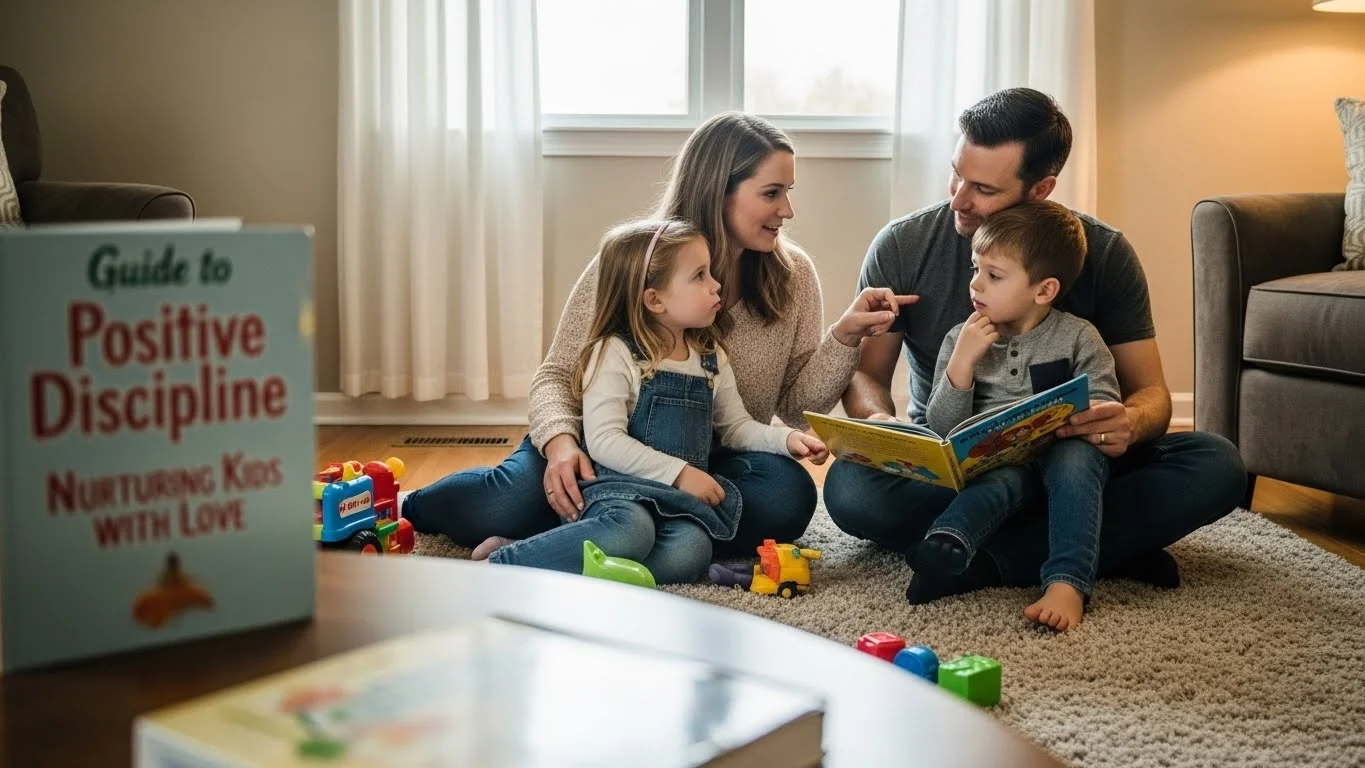
Understanding Positive Discipline
Definition of Positive Discipline
When I first stumbled upon the concept of positive discipline, I was intrigued. I learned that positive discipline is not about punishing children for misbehavior but rather about teaching them to understand the consequences of their actions. It emphasizes respect, kindness, and understanding, prioritizing the emotional well-being of the child. As I explored further, I realized that it’s a framework that guides parents in raising children who feel secure, valued, and capable.
Core Principles of Positive Discipline
In my journey with positive discipline, I discovered several core principles that resonate deeply. Firstly, it’s essential to recognize that children are not inherently naughty; they are simply learning and need our guidance. This perspective shift was enlightening for me. Secondly, the idea of mutual respect stood out. It’s about treating children as we would want to be treated ourselves while also teaching them to respect others. Thirdly, positive discipline emphasizes the importance of teaching problem-solving skills rather than merely reprimanding children. I found this approach incredibly empowering, as it encourages children to think critically about their actions and develop emotional intelligence.
Benefits of Positive Discipline for Children
From my experience, the benefits of positive discipline are numerous. One of the most significant advantages is the development of strong, trusting relationships between parents and children. I noticed that when I adopted this approach, my children felt more open to communicating with me about their feelings and challenges. This openness led to fewer outbursts and misunderstandings.
Another benefit is that children learn self-discipline and responsibility. They begin to understand the impact of their choices on themselves and others. In my household, for instance, when my kids made mistakes, instead of focusing on punishment, we would discuss what went wrong and how they could make better choices next time. This not only helped them learn but also built their confidence.
Furthermore, positive discipline helps children develop resilience. As they face challenges and learn to navigate them with support, they become better equipped to tackle difficulties in the future. I’ve seen this firsthand as my children faced various situations at school and learned to approach them with a positive mindset. They became problem solvers instead of just followers of rules.
Lastly, I believe that positive discipline encourages a lifelong love of learning. When children feel safe and respected, they are more likely to explore and engage with the world around them. I’ve watched my kids dive into new activities, ask questions, and express their curiosity without fear of harsh judgment. This nurturing atmosphere has laid a strong foundation for their personal growth.
The Philosophy Behind Positive Discipline
How Positive Discipline Differs from Traditional Discipline
Reflecting on my experiences with traditional discipline, I realized it often revolved around punishment and compliance. In contrast, positive discipline focuses on teaching and guiding. I remember a time when I would raise my voice or impose strict consequences for behavior, but it only led to fear and resentment. When I switched to positive discipline, I noticed a profound shift in my children’s reactions. They responded better to guidance and understood the reasons behind the rules.
Connecting Discipline with Love and Respect
In my opinion, the connection between discipline and love is crucial. I learned that when children feel loved and respected, they are more likely to respond positively to guidance. I have made it a point to express my love openly, even when correcting behavior. By using gentle words and active listening, I found that my children felt secure enough to express their feelings, making discipline a shared experience rather than a battle.
Long-term Impact on Child Development
Understanding the long-term impact of positive discipline is something I find fascinating. It shapes not only the immediate behavior of children but also their future relationships and emotional health. I’ve observed that children raised with positive discipline tend to have better social skills and emotional regulation as they grow. They learn to empathize with others and build meaningful connections. This insight has motivated me to stay committed to this approach, knowing the profound difference it can make in their lives.
Key Techniques in Positive Discipline
Encouragement vs. Praise
One of the first things I learned in my journey with positive discipline was the difference between encouragement and praise. At first, I thought they were the same, but I quickly realized how each affects my children differently. Praise, as I’ve come to understand, often focuses on the outcome. For instance, telling my child, “You did a great job!” can sometimes feel superficial and puts pressure on them to seek approval. Instead, I discovered that encouragement focuses on effort and the process. I started saying things like, “I noticed how hard you worked on that project!” This shift not only helps my kids feel good about their efforts but also encourages them to keep trying, regardless of the outcome. I’ve seen how this simple change can boost their self-esteem and resilience.
Setting Clear Expectations and Boundaries
Another key technique I embraced was setting clear expectations and boundaries. I remember the confusion my children faced when they weren’t sure what was allowed and what wasn’t. By sitting down with them and explaining our family rules, I found that they not only understood what was expected but also felt a sense of ownership over these rules. We even created a family agreement together! This collaborative approach made it easier for my kids to follow the guidelines. I learned that when children are involved in the process, they are more likely to adhere to the boundaries we’ve set. It’s been a game-changer for our family dynamics.
Natural and Logical Consequences
Understanding natural and logical consequences was another eye-opener for me. Initially, I thought consequences meant punishment, but I’ve learned that they can be valuable teaching moments. For example, if my child forgets their lunch, rather than rushing to their school with a replacement, I let them experience the natural consequence of being hungry. This experience taught them the importance of being responsible for their belongings. On the other hand, I also implemented logical consequences. If my child misuses a toy, a logical consequence would be temporarily removing that toy. This way, they understand the direct impact of their actions. I’ve seen how these strategies help my kids learn accountability in a supportive way. Read Interesting article: Natural Consequences: A Guide to Positive Discipline Success
Problem-Solving and Conflict Resolution Skills
Teaching my children problem-solving and conflict resolution skills has been one of the most rewarding aspects of positive discipline. I remember a time when my kids had a disagreement over a game. Instead of stepping in to resolve it myself, I guided them through the process. We talked about how both of them felt and encouraged them to come up with solutions together. I was amazed at how they could negotiate and find a compromise that made both of them happy. This not only strengthened their relationship but also equipped them with essential life skills. I’ve seen how these problem-solving skills empower my children to deal with conflicts in a positive manner, fostering their independence and emotional intelligence.
Implementing Positive Discipline at Home
Creating a Positive Environment
Creating a positive environment at home was crucial in my positive discipline journey. I’ve learned that the atmosphere we cultivate can strongly influence our children’s behavior. For me, this meant fostering a space filled with warmth, understanding, and support. I started by minimizing distractions during family discussions and ensuring that our home was a place where everyone felt comfortable expressing their feelings. We decorate the walls with art created by my kids, showcasing their creativity and making them feel valued. I’ve noticed that when our environment is positive, my children are more inclined to behave well and communicate openly.
Daily Routines and Structure
Establishing daily routines and structure has also been incredibly beneficial. I remember feeling overwhelmed by the chaos of our day-to-day life, so I decided to implement a more consistent schedule. We set aside specific times for homework, chores, and play. This predictability helped my kids know what to expect, reducing anxiety and behavior issues. I often hear the phrase “children thrive on routine,” and I couldn’t agree more. It gives them a sense of security and teaches them time management skills. We even hold weekly family meetings to plan out our week, which has encouraged my kids to take responsibility and participate actively in our family life.
Effective Communication Strategies
Effective communication has become a cornerstone of our positive discipline approach. I’ve learned that how I communicate with my children can significantly impact their willingness to listen and engage. I’ve adopted active listening techniques, which involve not just hearing their words but also understanding their feelings. I often repeat back what they say to show them I’m listening, like, “It sounds like you’re feeling upset about your friend not playing with you.” This practice has encouraged my children to share their feelings openly and has strengthened our bond. I believe that when we communicate effectively, we can work through challenges together.
Involving Children in Decision-Making
Finally, involving my children in decision-making has been a powerful aspect of positive discipline. I’ve noticed that when they have a say in family decisions—whether it’s choosing a movie for movie night or planning a family outing—they feel more empowered and respected. I try to ask for their opinions and let them weigh in on matters that affect them. This not only boosts their confidence but also teaches them how to think critically and consider different perspectives. I’ve learned that when children feel valued in decision-making, they are more invested in our family’s values and rules.
Positive Discipline Strategies for Different Age Groups
Positive Discipline for Toddlers
When I first started applying positive discipline with my toddlers, I quickly realized that this age group requires a unique approach. Toddlers are naturally curious and testing boundaries, which is a normal part of their development. I found that using simple language and clear visuals helped them understand expectations. For instance, when my little one would throw toys, instead of scolding, I would calmly say, “Toys are for playing, not throwing.” I also created a picture chart of acceptable behaviors, which helped my toddlers visualize what was expected. This method not only guided their actions but also made them feel involved in the learning process.
Another effective strategy was to redirect their energy. I remember a day when my toddler was climbing on furniture. Instead of yelling, I gently guided them to a safe area and suggested a different activity, like building blocks. This not only kept them safe but also shifted their focus to something constructive. I learned that toddlers need lots of patience and consistency, but those small adjustments brought big changes in their behavior.
Positive Discipline for Preschoolers
As my children reached preschool age, I noticed that they were beginning to express more complex emotions and desires. This was a pivotal time for implementing positive discipline. I embraced the idea of using storytelling as a tool to teach important lessons. I would often create stories that reflected situations they encountered, like sharing toys with friends. This helped them relate to the characters and understand the consequences of their actions without feeling directly criticized.
Additionally, I learned the importance of giving my preschoolers choices. Instead of simply telling them what to do, I would say, “Would you like to read a book or play with blocks?” This gave them a sense of control and made them more receptive to following through with the activity. I realized that offering choices helped reduce power struggles and encouraged them to be more cooperative.
Positive Discipline for School-Aged Children
Once my kids started school, I had to adapt my positive discipline techniques to fit their growing independence. I found that involving them in family meetings was incredibly beneficial. We would sit down once a week to discuss any issues they faced at school and brainstorm solutions together. This not only built their problem-solving skills but also made them feel heard and valued. I cherished these moments as they often led to deeper conversations about their feelings and experiences.
Another approach I discovered was using natural consequences to teach responsibility. If my child forgot their homework, instead of rescuing them with a last-minute trip to school, I would let them face the outcome. The first time this happened, I felt anxious, but I noticed it taught them a valuable lesson about planning and accountability. They became more diligent about organizing their assignments, and I felt proud knowing they learned from their own experiences.
Positive Discipline for Teenagers
As my children transitioned into their teenage years, I understood that positive discipline required a shift towards more open communication and mutual respect. I learned that teenagers crave independence, so I started treating them more like partners in discussions. I would often ask for their opinions on family decisions, which made them feel more respected and valued.
I also introduced regular check-ins to discuss their feelings and challenges. These conversations often began with questions like, “What’s something you’re excited about this week?” or “Is there anything bothering you?” This practice helped create a safe space for them to express themselves. I realized that acknowledging their emotions made a significant difference in how they responded to guidance.
Furthermore, I found it essential to set clear expectations while allowing flexibility. I would discuss curfews and responsibilities, ensuring that my teenagers understood the reasons behind the rules. This collaborative approach fostered trust and encouraged them to take ownership of their actions. I have seen how this strategy not only strengthens our bond but also prepares them for the independence they will need as adults.
Challenges and Solutions in Positive Discipline
Common Misconceptions about Positive Discipline
As I delved into positive discipline, I faced several misconceptions that I think many parents encounter. One common belief is that positive discipline means being permissive or lenient. I initially worried that if I didn’t enforce strict rules, my children would take advantage of the situation. However, I learned that positive discipline is about setting boundaries with love and guidance, not about letting kids do whatever they want. It’s about teaching them to understand the “why” behind the rules so they can internalize the values we want to instill in them.
Another misconception I encountered is the idea that positive discipline doesn’t involve consequences. I used to think that not punishing my children would lead to chaos, but I discovered that consequences are still important—they just need to be framed differently. Instead of punitive measures, I focus on natural and logical consequences, which help my children learn from their mistakes while feeling supported rather than scared.
Dealing with Resistance and Pushback
Resistance is something I’ve experienced firsthand. There were times when my children tested boundaries or reacted negatively to this new way of parenting. I remember a specific instance when my youngest was upset about sharing toys with a friend. Instead of succumbing to frustration, I chose to remain calm and reminded them of our family values around sharing. I positioned this as a learning opportunity, asking them how they could handle the situation differently next time. This approach often resulted in more productive conversations and healthier emotional expressions.
I also realized that consistency is key. I’ve learned to stick to the principles of positive discipline even when it’s challenging. When I wavered, my kids sensed the inconsistency, which led to more pushback. By being consistent, I empowered my children to trust that the boundaries we set are stable and created a sense of security that they crave.
Maintaining Consistency in Discipline
Maintaining consistency has been one of my biggest challenges. I sometimes found myself slipping into old habits during stressful moments. To combat this, I established a family mantra that we would all remember: “We learn together.” This reminder helped everyone in our family commit to the positive discipline approach. We often revisited this mantra during family meetings, reinforcing our shared goals and values.
Additionally, I’ve made it a point to regularly reflect on our discipline strategies. I’ve found that discussing what works and what doesn’t, both with my partner and the kids, reinforces our commitment to positive discipline. This open dialogue encourages accountability and helps us stay aligned in our parenting approach.
Resources for Parents and Educators
Books on Positive Discipline
One of the best ways I learned about positive discipline was through books. I found “Positive Discipline” by Jane Nelsen to be a treasure trove of valuable insights and practical strategies. This book not only deepened my understanding but also equipped me with tools I could implement immediately. I also recommend reading “The Whole-Brain Child” by Daniel J. Siegel and Tina Payne Bryson, which offers fantastic insights into child development and how we can support it through our discipline methods.
Workshops and Online Courses
Participating in workshops has been a game-changer for me. I’ve attended several sessions focused on positive discipline, and they provided a platform for discussion and learning from other parents’ experiences. Online courses can also be a flexible way to learn at your own pace. I found that engaging with experts and other parents helped reinforce the concepts I had been reading about, making them feel more relatable and applicable.
Support Groups and Communities
Finding a community of like-minded parents has been incredibly supportive. I joined a local parenting group that focuses on positive parenting techniques. Sharing our successes and challenges has not only been encouraging but also helped me gather different perspectives on the challenges we all face. Online forums can also be a great way to connect if local groups aren’t available.
Consulting Child Development Experts
If you ever feel stuck, I strongly recommend consulting a child development expert or a family therapist. They can provide personalized strategies and insights based on your specific family dynamics. I remember reaching out when I faced a particularly tough situation with my teenager, and the expert’s advice helped me navigate the conversation with empathy and understanding.
Real-life Examples and Case Studies
Success Stories of Positive Discipline
Throughout my journey, I’ve encountered numerous success stories that inspire me. One of my friends, who struggled with her son’s anger issues, found that implementing positive discipline transformed their relationship. She began using an approach that focused on expressing emotions and solving problems collaboratively. Over time, her son became more open about his feelings and learned healthier ways to cope with frustration. Hearing her story motivated me even further to continue on this path.
Lessons Learned from Challenges
I’ve also faced challenges that taught me valuable lessons. There was a period when my oldest started pushing back against boundaries, feeling that they were too strict. I learned the importance of involving her in the rule-making process, which empowered her to take responsibility for her actions. This taught me that involving children in discussions about rules not only fosters respect but also nurtures their critical thinking skills.
Adapting Techniques to Individual Needs
Every child is unique, and I’ve learned to adapt my techniques to fit their individual needs. For instance, my youngest thrives on routine, while my oldest craves more autonomy. By recognizing these differences, I’ve been able to tailor my positive discipline strategies to support both of them effectively. This flexibility has been key to ensuring that our family dynamics remain strong and nurturing.
Final Thoughts
As I reflect on my journey with positive discipline, I feel grateful for the transformation it has brought to our family life. It’s not always easy, and I still face challenges, but I believe that the effort is undoubtedly worth it. By focusing on love, respect, and understanding, I’ve seen my children grow into more responsible, empathetic individuals. Positive discipline has not only improved our relationships but has also laid a strong foundation for their future. I encourage every parent to explore this approach and discover the profound impact it can have on their family dynamics. Read Interesting article: Positive Discipline While Traveling: A Guide for Parents
Frequently Asked Questions
What is positive discipline?
Positive discipline is a nurturing approach that fosters respect and understanding between parents and children. It focuses on love and guidance, teaching children to understand the consequences of their actions rather than punishing them for misbehavior.
What are the core principles of positive discipline?
The core principles of positive discipline include recognizing that children are not inherently naughty but are learning and need guidance, promoting mutual respect, and emphasizing problem-solving skills instead of reprimanding children.
What are the benefits of positive discipline for children?
Benefits of positive discipline for children include the development of strong, trusting relationships with parents, enhanced self-discipline and responsibility, improved resilience in facing challenges, and a lifelong love of learning.
How does positive discipline differ from traditional discipline?
Positive discipline differs from traditional discipline in that it focuses on teaching and guiding children rather than punishment and compliance. It aims to create an environment where children understand the reasons behind rules rather than simply following them out of fear.
What techniques are used in positive discipline?
Key techniques in positive discipline include encouragement rather than praise, setting clear expectations and boundaries, using natural and logical consequences, and teaching problem-solving and conflict resolution skills.
How can parents create a positive environment at home?
Parents can create a positive environment at home by fostering warmth and understanding, minimizing distractions during discussions, and encouraging open communication. Decorating the home with children’s artwork can also help them feel valued and appreciated.
What strategies can be applied for different age groups in positive discipline?
For toddlers, use simple language and redirection; for preschoolers, utilize storytelling and offer choices; for school-aged children, involve them in family meetings and teach through natural consequences; and for teenagers, encourage open communication and mutual respect.
What are common misconceptions about positive discipline?
Common misconceptions include the belief that positive discipline is permissive or lenient and that it does not involve consequences. In reality, positive discipline sets boundaries with love and includes natural and logical consequences to support learning.
How can parents deal with resistance and pushback when using positive discipline?
Parents can deal with resistance by remaining calm, reinforcing family values, and maintaining consistency in their discipline approach. Involving children in discussions about rules can also help reduce pushback and foster respect.
What resources are available for parents interested in positive discipline?
Resources for parents include books such as “Positive Discipline” by Jane Nelsen, workshops and online courses focused on positive discipline, support groups and communities, and consulting with child development experts for personalized strategies.
Mastering positive discipline can transform our parenting journey, leading to stronger connections with our children and fostering a nurturing environment. Let’s explore how reinforcement plays a vital role in this approach. Read Interesting article: Transform Behavior with Positive Reinforcement in Parenting
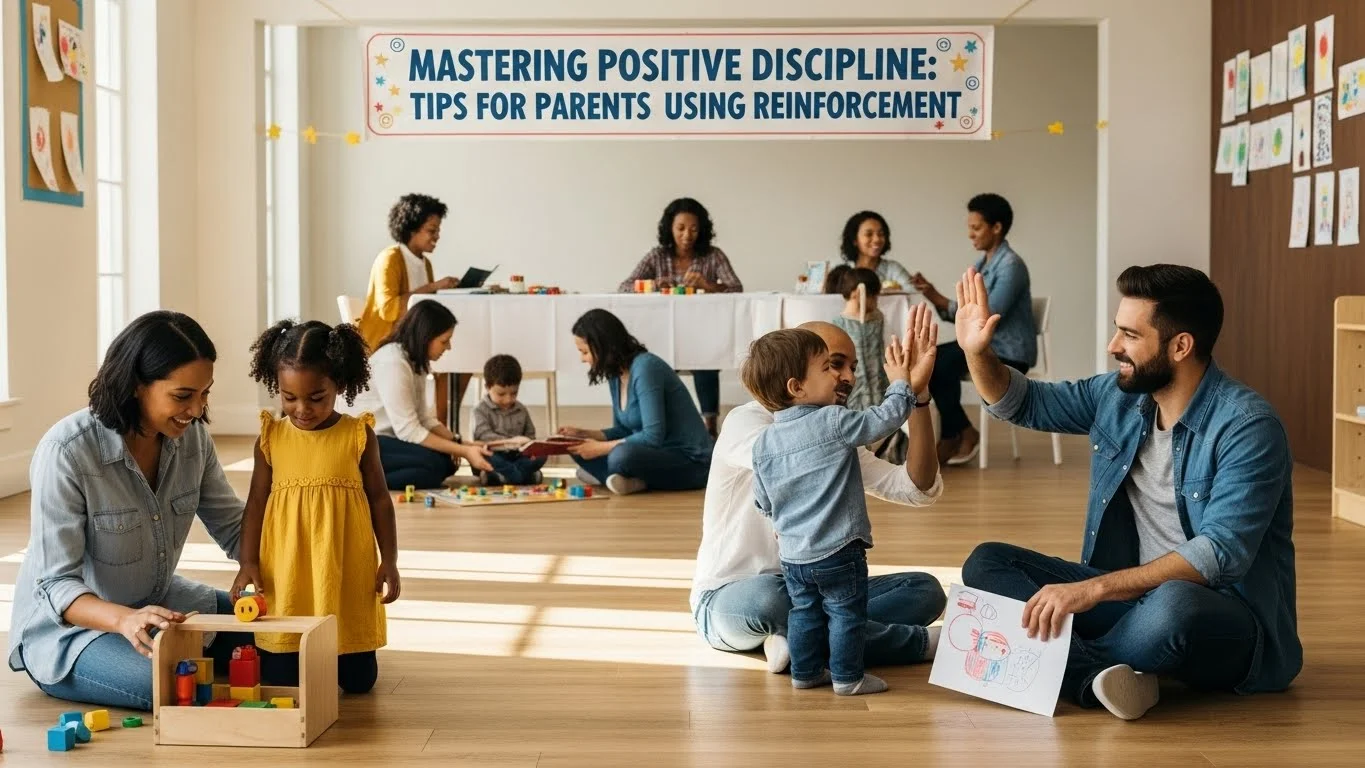
Understanding Positive Discipline
Definition and Importance
Positive discipline is a parenting method that emphasizes guidance, encouragement, and mutual respect rather than punishment. I remember when I first stumbled upon this concept; it felt like a breath of fresh air compared to traditional discipline methods. Instead of focusing solely on correcting misbehavior, positive discipline encourages teaching valuable life skills and fostering emotional intelligence. This approach helps children learn from their mistakes in a supportive environment, which I found to be incredibly effective in my own parenting journey.
The importance of positive discipline lies in its ability to nurture a child’s self-esteem and resilience. I’ve seen firsthand how this approach leads to long-lasting behavioral changes rather than temporary compliance. When children feel safe and understood, they are more likely to cooperate and develop a positive attitude towards learning and growth.
Core Principles of Positive Discipline
At its core, positive discipline is built upon several key principles. First and foremost, it promotes connection over correction. I realized that when I focused on building a strong relationship with my children, they were more willing to listen and learn. This connection fosters trust, allowing children to feel comfortable expressing their feelings and challenges.
Another principle is setting clear expectations. I learned that when I communicated what was expected of my children, they understood the boundaries and were less likely to push them. Additionally, positive discipline emphasizes teaching problem-solving skills. Instead of simply pointing out what’s wrong, I started to guide my children in finding solutions, which empowered them to take ownership of their actions.
Benefits for Children and Parents
The benefits of positive discipline reach both children and parents. For children, it fosters emotional regulation, social skills, and responsibility. I noticed that my kids became more empathetic and better at managing their emotions as they learned to navigate challenges. They weren’t just avoiding punishment; they were actively engaging in learning how to behave appropriately.
For parents, the advantage is equally profound. Positive discipline reduces stress and frustration in our parenting journey. I remember how overwhelmed I felt when I relied on traditional discipline methods, often leading to power struggles and negative interactions. With positive discipline, I found more joy in my parenting, as our interactions became more constructive and meaningful.
Additionally, this approach encourages self-reflection among parents. I often find myself evaluating my reactions and considering how I can respond in a way that aligns with positive discipline principles. It has transformed not only my relationship with my kids but also my understanding of myself as a parent.
Key Concepts in Positive Discipline
Reinforcement: Positive vs. Negative
Reinforcement is at the heart of positive discipline, and it can be categorized into two types: positive and negative reinforcement. Positive reinforcement involves adding something desirable to encourage a behavior, like praising your child when they share their toys. I’ve found that a simple, heartfelt “great job!” can go a long way in motivating my children to repeat positive behaviors. Read Interesting article: Unlocking Positive Discipline: 5 Key Reinforcement Techniques
On the other hand, negative reinforcement involves removing an unpleasant stimulus to strengthen a behavior. For instance, if my child cleans their room, they might avoid the nagging reminder that usually follows. While both forms of reinforcement can be effective, I prefer focusing on positive reinforcement to create a more uplifting environment.
The Role of Consequences
Consequences are an integral part of positive discipline, but they should be constructive rather than punitive. I’ve learned that using consequences as a learning opportunity helps my children understand the impact of their actions. For example, if my child forgets to complete their homework, the consequence isn’t a punishment but rather a chance to discuss what happened and how to prevent it in the future.
By framing consequences this way, I encourage my children to take responsibility and learn from their mistakes, rather than feeling ashamed or defensive. This shift in perspective has not only benefited my children but has also made our household feel more peaceful.
Understanding Natural and Logical Consequences
Natural consequences happen as a result of a child’s actions without parental intervention. For instance, if my child refuses to wear a coat on a chilly day, they will feel cold. This experience teaches them valuable lessons about the importance of dressing appropriately. I’ve noticed that these natural consequences often resonate more deeply with my children than anything I could say.
Logical consequences, on the other hand, are imposed by parents and are directly related to the misbehavior. For example, if my child decides to leave their toys out, a logical consequence would be putting those toys away for a period of time. This approach reinforces the idea that actions have consequences, helping my children connect their choices with outcomes.
Understanding both types of consequences has enriched my parenting strategy. It’s all about balancing guidance with opportunities for my children to learn and grow, which I believe is essential for their development.
Practical Tips for Parents Using Reinforcement
Establishing Clear Expectations
One of the first things I learned in my journey with positive discipline is the importance of establishing clear expectations. I realized that when I laid out what I expected from my children, it created a roadmap for their behavior. Instead of vague instructions like “be good,” I started using specific phrases like “please remember to share your toys when your friends come over.” This clarity helped my kids understand what was acceptable and what wasn’t.
To set clear expectations, I found it beneficial to involve my children in the discussion. We would sit down together and create a list of family rules. By giving them a voice, I noticed they took more ownership of these rules. This process also opened up a dialogue about why those expectations were in place, helping them grasp the reasoning behind our family’s values and norms.
Using Positive Reinforcement Effectively
Positive reinforcement is a powerful tool in positive discipline, and I’ve seen tremendous results when I use it effectively. Instead of waiting for my children to do something “right” before I acknowledge them, I learned to catch them being good. For example, when I noticed my child helping a sibling or completing a task without being asked, I would highlight that behavior immediately with praise.
What I found particularly effective is being specific about what behavior I was praising. Instead of just saying “good job,” I might say, “I really appreciate how you helped your sister with her homework.” This not only reinforces the behavior but also makes my child feel valued for their actions. I’ve noticed that this approach encourages them to repeat those positive behaviors more frequently.
Implementing Consistent Consequences
Consistency is crucial when it comes to implementing consequences. In my experience, I discovered that if I was inconsistent, it confused my children and led to frustration on both sides. I learned to communicate the consequences clearly ahead of time, so they understood what would happen if the rules were broken.
For instance, if my child leaves their bike out after being reminded to put it away, the consequence would be that the bike goes into a “time-out” for a day. I made sure to follow through every time without fail, which helped my children understand that their actions had predictable outcomes. Over time, they began to internalize this lesson, which made my job as a parent a bit easier.
Setting Up a Reward System
Creating a reward system has been one of the most rewarding aspects of my positive discipline journey. I decided to implement a chart where my children could earn stickers for showing positive behaviors, like completing chores or helping out at home. Once they gathered a certain number of stickers, they could trade them in for a special treat or activity, like a movie night or an outing to their favorite ice cream shop.
This setup not only motivated my kids but also made the process of learning and growing together fun. I noticed they started to work harder to earn those stickers, and it fostered a sense of achievement and pride in their accomplishments. It turned discipline into something positive, rather than just a series of restrictions.
Encouraging Self-Discipline
Encouraging self-discipline is perhaps one of the greatest gifts I can give my children. I remember when I started teaching my kids to set their own goals. For example, if they wanted to save up for a new video game, we would sit down and create a plan together. This involved tracking their allowance and deciding how much they would save each week.
By involving them in the process, I found that they began to take responsibility for their choices. When they faced temptations, like wanting to spend their money on candy instead of saving, I encouraged them to weigh the pros and cons of their decisions. This practice not only taught them about financial responsibility but also helped them develop impulse control and patience.
Watching my children grow into self-disciplined individuals has been incredibly fulfilling. It’s a journey that requires patience and persistence, but with positive discipline, I feel we’re heading in the right direction. As they learn to make choices aligned with their goals, it’s clear that they’re internalizing the life skills that will serve them well in the future.
Common Challenges and Solutions
Dealing with Resistance to Discipline
One challenge I frequently faced was my children’s resistance to discipline. I remember those moments when I would set a clear expectation, only to be met with eye rolls or outright defiance. It could be frustrating, but I learned that resistance often stems from a child feeling misunderstood or overwhelmed. To tackle this, I decided to approach discipline as a team effort. I would sit down with my kids and discuss the boundaries we were setting, allowing them to voice their feelings and concerns.
I found that when they felt heard, they were more likely to cooperate. For instance, if I noticed one of my kids struggling with a new rule about screen time, I would ask questions to understand their perspective. This open communication helped us reach a compromise that respected their feelings while still maintaining necessary boundaries. By involving them in the process, I turned resistance into a collaborative discussion, which significantly reduced the friction we initially faced.
Managing Tantrums and Emotional Outbursts
Tantrums have been another hurdle in my parenting journey. It’s heart-wrenching to see your child in distress, and I remember how helpless I felt during those moments. However, I learned that rather than viewing tantrums as misbehavior, I could see them as opportunities for teaching emotional regulation. When my child would have an outburst, I made it a point to remain calm and supportive, rather than reactive. I would remind myself that they were overwhelmed, and my job was to guide them through it.
During calmer moments, I began to teach my children about feelings and how to express them. We started using a “feelings chart” where they could point out what they were feeling instead of lashing out. For instance, if they were frustrated, they might use a picture of an angry face to express that instead of throwing a toy. This simple tool has empowered my kids to communicate their emotions more effectively, which has dramatically reduced the frequency of tantrums.
Balancing Discipline and Affection
Finding the right balance between discipline and affection has been a constant learning curve for me. I’ve realized that when I’m too strict, I risk alienating my children, but if I’m too lenient, the boundaries can become blurred. To strike that balance, I focused on being consistent and clear in my expectations while ensuring my children felt loved and supported. I started to incorporate affection into our daily routines, making it a point to express love and appreciation even during discipline moments.
I found that simple gestures, like a hug before discussing a misbehavior or a high-five after they followed through with their responsibilities, went a long way. I began to say things like, “I love you, and that’s why I want you to understand why we can’t do that.” This approach created a sense of security for them, allowing them to recognize that discipline doesn’t equate to a lack of love. It’s about nurturing their growth and understanding that mistakes are part of learning.
Positive Discipline Strategies for Different Ages
Positive Discipline for Toddlers
When it comes to toddlers, I’ve learned that consistency and simplicity are key. With my little ones, I focused on setting clear, simple rules that they could understand. I remember using phrases like “gentle hands” or “we use our words” to redirect their behavior. Toddlers often test boundaries, so I made sure to stay calm and consistent in my responses. It was also helpful to offer choices when possible; for instance, “Do you want to wear the red shirt or the blue one?” This gave them a sense of control while still adhering to our family’s expectations.
Positive Discipline for Preschoolers
As my children transitioned into preschool, I noticed their social interactions became more complex. I found that role-playing was a fantastic way to teach them about sharing and cooperation. We would act out different scenarios, discussing how to handle conflicts or practice sharing toys. This not only made learning fun but also provided them with concrete examples of the behaviors we were encouraging. I also started to emphasize empathy by asking them how they would feel in certain situations, which helped them develop a deeper understanding of their peers.
Positive Discipline for Elementary School Children
With elementary-aged kids, I found that encouraging independence became essential. I started involving my children in setting their own goals, like completing homework or chores. This shift not only empowered them but also taught them about accountability. I remember one instance where my child had a big project due, and instead of hovering over them, I guided them in creating a timeline. That way, they took ownership of their responsibilities while I provided support along the way.
Positive Discipline for Teenagers
As my kids entered their teenage years, I realized that open communication became even more critical. Teenagers are navigating a whirlwind of emotions and social pressures, so I made it a priority to create a safe space for them to express themselves. I began having regular check-ins where we would discuss their feelings, challenges, and victories. This not only fostered trust but also allowed for discussions around boundaries and expectations in a way that felt respectful to their growing independence.
Resources for Parents
Books on Positive Discipline
One of the best ways to deepen my understanding of positive discipline was through reading. I found several books that resonated with me and provided practical strategies. One standout is “Positive Discipline” by Jane Nelsen, which lays out a comprehensive approach to nurturing children while maintaining respect and dignity. I also enjoyed “The Whole-Brain Child” by Daniel J. Siegel and Tina Payne Bryson, which offers insights on how to help kids develop emotional intelligence. These books not only helped me grasp key concepts but also inspired me to be more intentional in my parenting practices.
Online Courses and Workshops
Exploring online courses and workshops was another valuable resource in my journey. I discovered platforms like Coursera and Udemy, which offer courses on positive parenting strategies. Participating in a workshop helped me connect with others on similar paths, sharing struggles and gaining insights. I remember one particular course that emphasized role-playing scenarios, which I found to be a game-changer. It provided me with real-life applications that made the theories I read about more tangible.
Support Groups and Communities
Connecting with other parents through support groups and online communities has been incredibly beneficial. I joined a local parenting group, where we exchanged experiences and advice. It was comforting to know that I wasn’t alone in my challenges. Online forums, like those on Facebook or parenting blogs, became places where I could seek guidance and share my successes. The sense of camaraderie helped me feel supported, and I often left these discussions feeling uplifted and motivated.
Real-Life Examples and Case Studies
Successful Implementation of Positive Discipline
In my experience, applying positive discipline has produced remarkable results. For instance, my friend Lisa struggled with her son’s defiance during homework time. After implementing some positive discipline strategies, she began rewarding him with extra playtime when he completed his tasks without fussing. She noticed an immediate change; he started taking pride in his work and even began asking for new challenges. Witnessing this transformation reinforced my belief in the power of positive discipline.
Parent Testimonials and Experiences
Hearing from other parents has been enlightening. I remember attending a seminar where parents shared their journeys with positive discipline. One mother described how her daughter, who had frequent meltdowns, learned to express her emotions using a feelings chart. As a result, their home became much more peaceful. These testimonials serve as reminders that while the path may be challenging, the rewards are abundant when we commit to this nurturing approach.
Final Thoughts
Embracing positive discipline has truly been a transformative experience for my family and me. It’s a conscious choice to focus on nurturing our children’s emotional intelligence while building strong relationships. I’ve learned that parenting is not about being perfect but about being present and engaged. The tools and strategies I’ve shared have empowered me to approach challenges with empathy and understanding. I encourage all parents to explore positive discipline, as it can lead to a more harmonious family dynamic and happy, resilient children. Together, we can create environments that foster growth, learning, and love, making our parenting journey a fulfilling one.
Frequently Asked Questions
What is positive discipline?
Positive discipline is a parenting method that emphasizes guidance, encouragement, and mutual respect rather than punishment. It focuses on teaching valuable life skills and fostering emotional intelligence in children.
Why is positive discipline important?
The importance of positive discipline lies in its ability to nurture a child’s self-esteem and resilience, leading to long-lasting behavioral changes rather than temporary compliance. Children who feel safe and understood are more likely to cooperate and develop a positive attitude towards learning and growth.
What are the core principles of positive discipline?
Core principles of positive discipline include promoting connection over correction, setting clear expectations, and teaching problem-solving skills. These principles foster trust and empower children to take ownership of their actions.
What are the benefits of positive discipline for children?
For children, positive discipline fosters emotional regulation, social skills, and responsibility. It helps them become more empathetic and better at managing their emotions while actively engaging in appropriate behavior.
How does positive discipline benefit parents?
Positive discipline reduces stress and frustration in parenting, leading to more constructive and meaningful interactions. It encourages self-reflection among parents, transforming their understanding of themselves and their relationships with their children.
What is the difference between positive and negative reinforcement?
Positive reinforcement involves adding something desirable to encourage a behavior, such as praising a child for sharing. Negative reinforcement involves removing an unpleasant stimulus to strengthen a behavior, like avoiding nagging when a child cleans their room.
What are natural and logical consequences in positive discipline?
Natural consequences occur as a result of a child’s actions without parental intervention, teaching valuable lessons. Logical consequences are imposed by parents and are directly related to misbehavior, reinforcing the idea that actions have predictable outcomes.
How can parents establish clear expectations?
Parents can establish clear expectations by communicating specific rules and involving children in the discussion. Creating a list of family rules together helps children take ownership and understand the reasoning behind the expectations.
What strategies can be used for positive reinforcement?
Effective strategies for positive reinforcement include catching children being good, being specific in praise, and reinforcing desired behaviors immediately to encourage repetition of those behaviors.
How can parents balance discipline and affection?
To balance discipline and affection, parents should be consistent and clear in their expectations while ensuring their children feel loved and supported. Incorporating affection into daily routines can help create a sense of security, reinforcing that discipline is about nurturing growth.
Discipline is essential in child development, shaping behavior and fostering growth. Understanding effective techniques can transform our parenting journey and strengthen our relationship with our children. For more insights, you can read about Unlocking Positive Discipline: 5 Key Reinforcement Techniques.
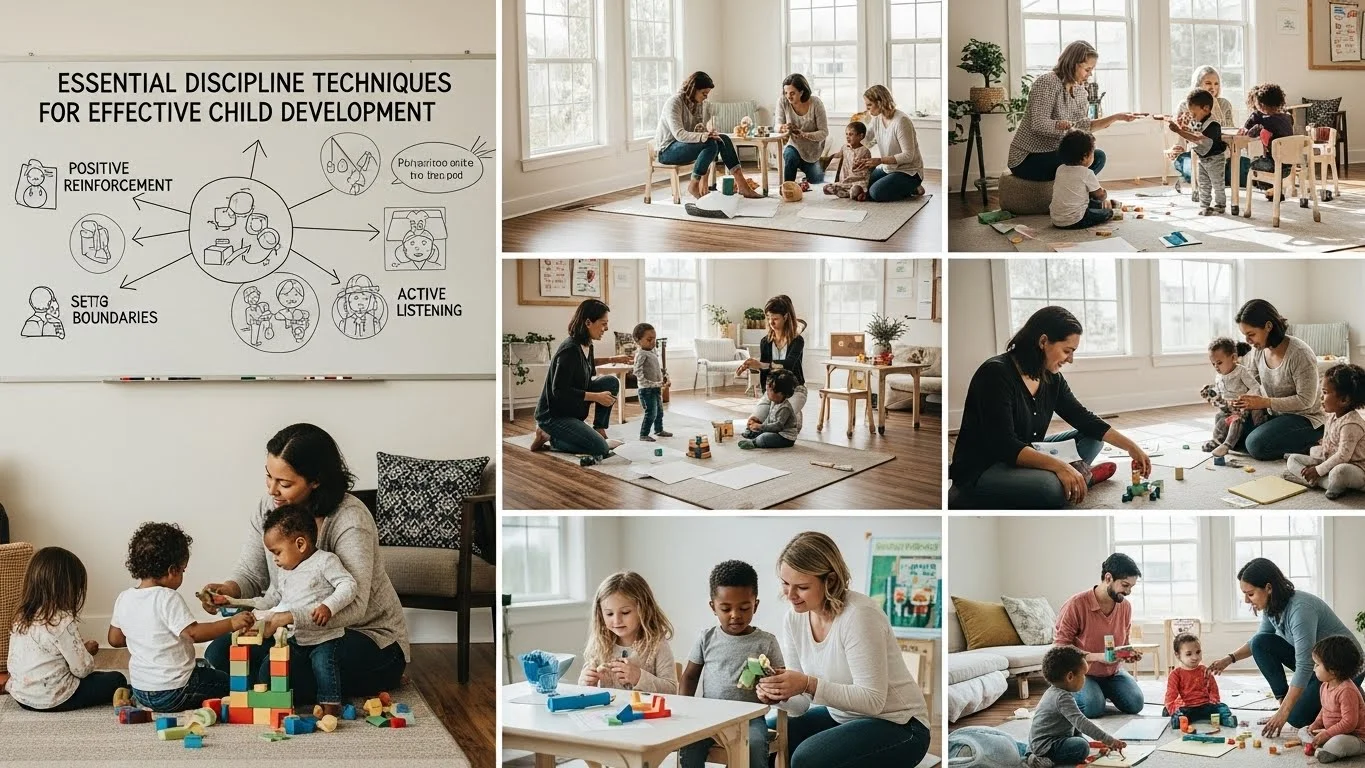
Understanding Child Discipline
The Purpose of Discipline in Child Development
Discipline isn’t just about punishment; it’s a fundamental part of child development. From my experience, I believe the core purpose of discipline is to guide children towards understanding consequences and making better choices. I remember when my child first tested boundaries. I felt overwhelmed at times, but then I realized that discipline can be a teaching tool rather than a punitive measure. It provides kids with the skills they need to navigate the world safely and responsibly.
When we set clear boundaries and expectations, we help our children learn self-control and responsibility. Discipline is about teaching them right from wrong and instilling values that will guide them throughout their lives. It’s about fostering a sense of security and stability in their environment, which I’ve learned is crucial for their emotional development. For more on this topic, check out Setting Boundaries: Achieving Consistency in Discipline Matters.
Common Misconceptions About Discipline
One common misconception I encountered is that discipline equates to being harsh or authoritarian. I used to think that being strict was the only way to ensure my child followed rules. However, I found that this often led to resistance and fear, rather than understanding. It’s essential to shift away from this idea and recognize that effective discipline fosters a supportive environment.
Another misconception is that discipline is solely the parent’s responsibility. In my experience, it involves collaboration with caregivers, teachers, and extended family. When everyone is on the same page, kids thrive. I realized that consistency from all sources is vital for reinforcing the lessons we teach. For more on maintaining consistency, refer to Consistency in Discipline: A Guide to Effective Parenting Strategies.
Types of Discipline Techniques
Positive Reinforcement
Positive reinforcement has been a game-changer for me. Instead of focusing on what my child did wrong, I started emphasizing good behavior. When my little one helps with chores or shares toys, I make sure to acknowledge and celebrate those moments. This approach builds confidence and encourages them to repeat those behaviors. I recommend using specific praise, like, “I loved how you shared your toys with your friend!” It makes a difference in their motivation and self-esteem.
Natural Consequences
Natural consequences can sometimes be the best teachers. When my child forgot their jacket on a chilly day, they felt the discomfort and learned to remember it next time. I’ve noticed that these real-life experiences stick with them much longer than anything I could say. It’s all about allowing them to experience the results of their choices while ensuring they are safe. Of course, this requires a delicate balance—safety first!
Logical Consequences
Logical consequences are another effective technique I’ve used. For example, if my child refuses to clean up their toys, I take them away for a short period. This helps them understand that their actions have consequences directly related to their behavior. It’s a way to foster responsibility without resorting to punishment. I find that discussing these consequences beforehand helps them grasp the concept better, reinforcing the idea that they have a choice in how they act.
Time-Outs and Reflection Techniques
Time-outs can sometimes feel like a controversial method, but I’ve found them beneficial when used correctly. When emotions run high, I’ve used time-outs as a chance for my child to calm down and reflect. It’s not about isolating them but rather giving them space to process their feelings. I remember one instance where my child was upset after a disagreement with a friend. After a brief time-out, they were able to articulate their feelings and apologize. It taught me the importance of reflection in the discipline process.
Modeling Appropriate Behavior
Modeling appropriate behavior is perhaps the most powerful technique I’ve embraced. Children are like sponges, soaking up everything around them. I’ve made a conscious effort to demonstrate the behaviors I want to see. For instance, when I show kindness to others, my child is more likely to mirror that behavior. I’ve learned that being a positive role model sets the tone for how they interact with others and manage their emotions.
Incorporating these discipline techniques has transformed my approach to parenting. I’ve seen firsthand how effective discipline fosters a loving environment where my child feels secure and understood. Each technique offers a different way to connect and guide our children as they grow and learn. As we continue this journey, I’m excited to explore more techniques and strategies that help us nurture our children’s development.
Effective Communication Strategies
Using Clear and Consistent Language
One of the most valuable lessons I’ve learned in parenting is the importance of using clear and consistent language when talking to my child about discipline. When I first started, I noticed how easily my little one could misinterpret my words if I wasn’t precise. For instance, saying, “Don’t run!” could lead to confusion about whether running indoors or outdoors was acceptable. So, I shifted to using more specific phrases, like “Please walk inside the house.” I found that this not only made it easier for them to understand expectations but also reduced the chances of misbehavior.
Consistency is key. I’ve realized that if I say one thing one day and something different the next, it creates confusion and frustration. For example, I decided that screen time should only be allowed after chores are done. If I occasionally let it slide, my child naturally tried to negotiate for exceptions. By sticking to my word and using the same phrases consistently, I feel we create a more structured environment where my child knows exactly what to expect.
The Importance of Active Listening
Active listening is another strategy I’ve come to value deeply in our communication. I remember a time when my child was upset about a small incident at school. Instead of jumping in with solutions, I paused, made eye contact, and listened. I felt their frustration and realized that sometimes they just needed to vent. By acknowledging their feelings and reflecting back what I heard, like “It sounds like you felt left out,” I showed them that their emotions mattered. This connection not only helped them process their feelings but also opened the door for deeper conversations about handling social situations in the future.
Active listening also teaches my child that their voice is important. When they see me genuinely engaged, it encourages them to express themselves more freely, which I believe is crucial for their emotional growth. I’ve noticed that when they feel heard, they are more likely to be receptive to the lessons I want to teach them about discipline and behavior.
Setting Clear Expectations and Boundaries
Setting clear expectations and boundaries has been a game-changer in our home. I remember when my child was at an age where they started exploring independence. I realized I needed to establish clear rules to guide their behavior. We sat down together and discussed what the expectations were for different situations—like mealtimes, playdates, and homework. It wasn’t just about laying down the law; it was about involving them in the process.
I found that when my child helped create these rules, they felt a sense of ownership and responsibility. For example, we agreed together that screen time would only be allowed after homework was completed. Having them participate in this decision-making made them more likely to adhere to the rules. I believe this approach fosters a sense of accountability and helps them become more mindful of their actions.
Additionally, I’ve realized that it’s essential to revisit these boundaries regularly. As my child grows, their needs and understanding of the world change. By having open discussions about whether certain rules still make sense, we maintain flexibility while ensuring they understand that some boundaries are non-negotiable.
Age-Appropriate Discipline Techniques
Discipline Techniques for Toddlers
When it comes to toddlers, I learned that simplicity is key. At this age, children are just starting to explore their surroundings, so I focused on two main techniques: redirection and consistent routines. I remember when my toddler would throw toys in frustration. Instead of reacting with anger, I would gently redirect their attention to a different activity, like coloring or building blocks. This not only distracted them but also taught them that there are other ways to express their feelings.
Establishing daily routines helped my child feel secure and understand expectations. For instance, we created a bedtime routine that included reading a story and brushing teeth. This structure made transitions smoother and reduced meltdowns. I found that when toddlers know what to expect, they feel more in control, which significantly reduces challenging behaviors.
Discipline Techniques for Preschoolers
As my child entered preschool, I noticed their social interactions increased, which brought new challenges. At this stage, I focused on encouraging empathy and understanding consequences. I found that discussing feelings became more effective during conflicts with playmates. I’d ask questions like, “How do you think your friend felt when you took the toy?” This helped them connect their actions with others’ emotions, fostering their ability to empathize.
At this age, I also introduced more logical consequences. For instance, if my child refused to share a toy, I’d explain that they might miss out on playing with friends. By linking their actions to real-life outcomes, they began to understand the importance of cooperation and sharing.
Discipline Techniques for School-Aged Children
For school-aged children, I shifted my focus to fostering independence and responsibility. I encouraged my child to take ownership of their choices, which often involved setting up a reward system for completing chores or homework. This technique motivated them to stay on track, as they loved seeing their progress and earning small rewards.
I also emphasized the importance of open dialogue. I remember having regular check-ins where we talked about their day, school, and any challenges they faced. This not only strengthened our relationship but also provided an opportunity for me to guide them through issues they encountered, helping them learn problem-solving skills.
Discipline Techniques for Teenagers
As my child reached their teenage years, I learned that the approach to discipline had to evolve again. Adolescents require a blend of guidance and independence. I found that involving them in discussions about rules was essential. I would outline expectations but also be open to hearing their perspectives. This mutual respect fostered trust and allowed them to feel heard.
Additionally, I focused on teaching them about natural consequences. If they chose to neglect their studies, I would allow them to experience the resulting lower grades, while still being there to support and discuss ways to improve. This helped them understand that their choices directly impact their lives, promoting personal responsibility.
Emotional Intelligence in Discipline
The Role of Empathy in Effective Discipline
One of the most powerful tools I’ve discovered in my parenting journey is empathy. I realized that when I approach discipline with empathy, it transforms the way my child responds. Instead of simply enforcing rules, I try to understand the feelings behind their behavior. For instance, if my child acts out because they’re frustrated, I’ve learned to pause and ask open-ended questions like, “Can you tell me what’s bothering you?” This not only helps me connect with them on a deeper level but also teaches them that their feelings are valid and important.
When I acknowledge their emotions, I’ve found they’re more willing to listen and cooperate. I believe this approach creates a more compassionate environment where they learn to express their feelings rather than suppress them. By modeling empathy, I hope to instill the importance of understanding others’ perspectives, which is essential for their emotional development and social interactions.
Teaching Emotional Regulation
Teaching my child how to manage their emotions has been a significant focus for me. I’ve seen that children often struggle to express themselves appropriately, especially when overwhelmed. To help, I started introducing simple techniques for emotional regulation. One practice that worked wonders is teaching them deep breathing exercises. Whenever my child feels anxious or frustrated, we take a moment to breathe deeply together, counting to four on the inhale and exhale. It’s amazing to see how just a few breaths can help calm racing thoughts and emotions.
Additionally, I’ve found that using visual aids, like feelings charts, can be incredibly helpful. We created a chart together that illustrates various emotions, and my child refers to it when they’re struggling to express how they feel. This exercise not only empowers them to identify their emotions but also opens the door for conversations about appropriate ways to express those feelings. Over time, I’ve witnessed their ability to communicate their emotions improve significantly.
Recognizing Triggers and Responding Appropriately
Understanding my child’s triggers has been a transformative experience. I found that certain situations led to challenging behaviors, whether it was tiredness, hunger, or overstimulation. By paying close attention to these patterns, I began to anticipate when my child might be on edge. For example, I noticed that after a long day at school, they would often struggle with transitions at home. To address this, I started building in some downtime when we got home, allowing them space to unwind before jumping into homework or chores.
Being proactive about potential triggers has made a significant difference in our household. I’ve learned to respond with patience and understanding rather than frustration. When I can recognize when my child is struggling, I can offer support rather than discipline, which reinforces our bond. Instead of reacting to the behavior, I focus on addressing the root cause, and this shift has led to a more harmonious environment.
Creating a Positive Discipline Environment
Establishing Routines and Structure
Creating a routine has been incredibly beneficial for our family. I remember feeling overwhelmed with chaos during busy mornings or hectic evenings. To combat this, we established a structured daily routine that includes set times for meals, homework, and bedtime. I’ve found that having a predictable schedule gives my child a sense of security and helps them manage their time effectively.
For instance, we created a visual schedule that outlines daily activities, which my child loves to check off as we go along. This simple tool not only keeps us organized but also allows them to take ownership of their day. I’ve noticed that when routines are consistent, my child feels more in control, leading to fewer meltdowns and misunderstandings.
Promoting a Growth Mindset
Encouraging a growth mindset has been a fundamental shift in our household. I’ve learned that praising effort rather than just outcome fosters resilience and a willingness to tackle challenges. For example, when my child faces a difficult task, I remind them that it’s okay not to get it right the first time. We celebrate the effort they put in, no matter the result. I often say, “I’m proud of you for trying, and you can keep improving!” This focus on growth has helped my child develop a more positive attitude toward setbacks.
By framing challenges as opportunities to learn, I’ve seen my child become more motivated to engage in new activities without the fear of failure. This mindset encourages them to take risks and explore their interests, which I believe is essential for their development.
Encouraging Responsibility and Independence
Encouraging my child to take responsibility for their actions has been an enlightening process. I started by giving them age-appropriate tasks that promote independence, like choosing their clothes or helping with meal prep. These small responsibilities empower them to make decisions and understand the consequences of those choices.
I’ve also found that it’s essential to allow my child to experience the natural outcomes of their actions. For instance, if they forget their homework, rather than rushing to help, I let them face the consequences at school. This approach has taught them accountability and the importance of preparation. Over time, I’ve noticed they become more mindful about their responsibilities, which makes me feel like we’re moving in the right direction as a team.
Frequently Asked Questions
What is the core purpose of discipline in child development?
The core purpose of discipline is to guide children towards understanding consequences and making better choices. It serves as a teaching tool that helps children learn self-control, responsibility, and the difference between right and wrong.
What are some common misconceptions about discipline?
One common misconception is that discipline equates to being harsh or authoritarian. Another misconception is that discipline is solely the responsibility of the parent; in reality, it involves collaboration with caregivers, teachers, and extended family for consistency.
What is positive reinforcement in the context of discipline?
Positive reinforcement involves emphasizing good behavior rather than focusing on what a child did wrong. Acknowledging and celebrating positive actions helps build a child’s confidence and encourages them to repeat those behaviors.
How do natural consequences work as a discipline technique?
Natural consequences allow children to experience the results of their actions in a safe manner. For example, if a child forgets their jacket, they will feel cold and learn to remember it next time, reinforcing the lesson through real-life experience.
What are logical consequences?
Logical consequences are directly related to a child’s behavior. For instance, if a child refuses to clean up their toys, taking them away for a short period helps them understand that their actions have direct consequences.
How can time-outs be used effectively in discipline?
Time-outs can be beneficial when used as a chance for a child to calm down and reflect on their feelings. It is not about isolation but providing space to process emotions, which can lead to better communication and understanding.
What role does modeling appropriate behavior play in discipline?
Modeling appropriate behavior is crucial because children learn by observing adults. By demonstrating positive behaviors, parents can set the tone for how children interact with others and manage their emotions.
How can parents establish clear expectations and boundaries?
Parents can establish clear expectations by involving children in the rule-making process. Discussing and agreeing on rules together fosters a sense of ownership and accountability, making children more likely to adhere to them.
What is the importance of active listening in communication with children?
Active listening helps children feel heard and valued, encouraging them to express themselves freely. This connection can lead to deeper conversations about feelings and behaviors, which is essential for emotional growth.
How can parents encourage a growth mindset in their children?
Encouraging a growth mindset involves praising effort rather than just outcomes. By framing challenges as opportunities to learn, parents can help children develop resilience and a positive attitude towards setbacks.
Mastering consistency in discipline can transform our parenting journey. It’s a path filled with challenges, yet the rewards of raising well-adjusted children make it worthwhile.
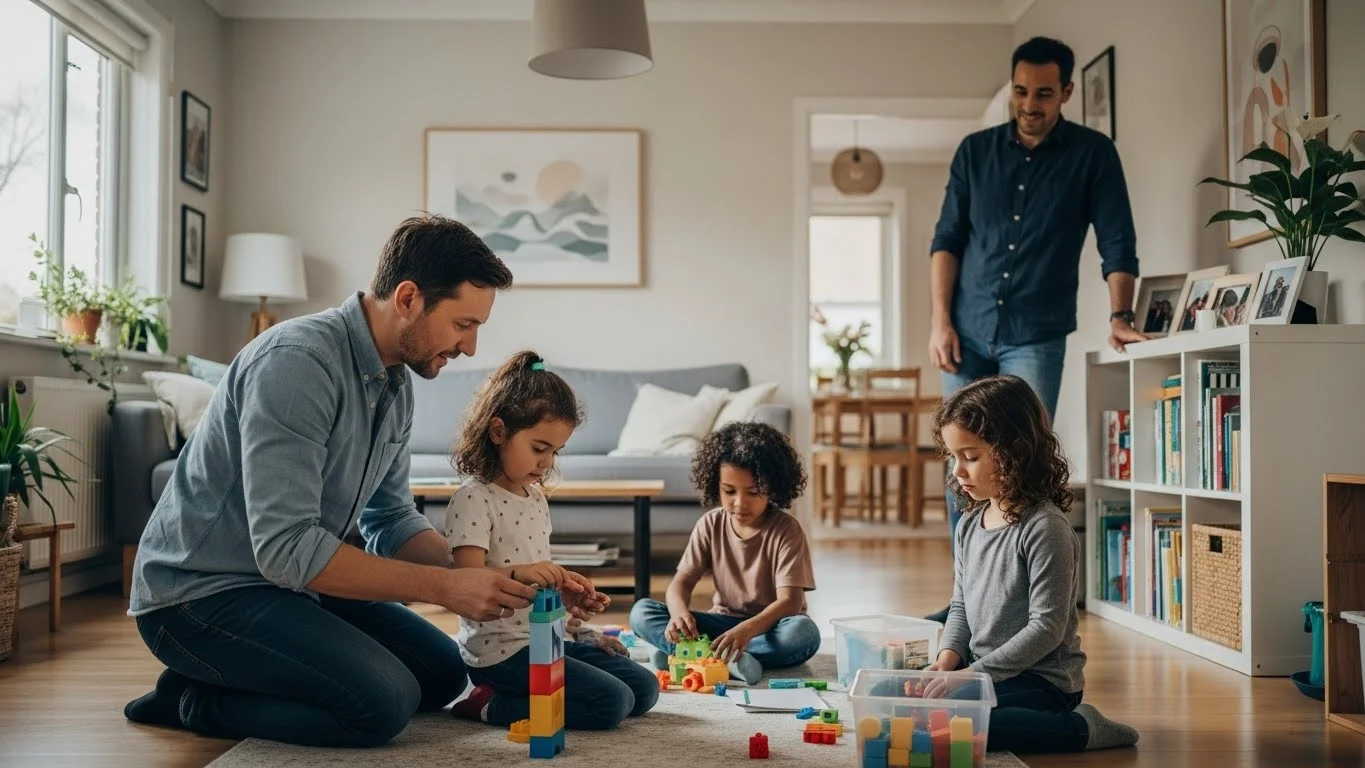
Understanding the Importance of Consistency in Parenting
When we talk about consistency in parenting, we’re diving into a core principle that can shape our children’s behavior, emotional health, and overall development. I remember my early days as a parent, trying to navigate the complexities of raising my children. I often found myself wondering, “What does consistency really mean in this context?” It’s not just about following the same rules; it’s about creating an environment where expectations are clear and reliable.
What is Consistency in Parenting?
In my experience, consistency in parenting means applying the same standards and responses to a child’s behavior over time. It’s about being predictable in our reactions and maintaining uniformity in rules and consequences. For instance, if my kids knew that the consequence for not doing their homework was a loss of screen time, I had to stick to that every time. This predictability helps children understand the link between their actions and the outcomes. I found that when I wavered, they became confused and started testing boundaries more frequently.
Why Consistency Matters for Child Development
Research supports what I’ve felt in my own parenting journey—children thrive in structured environments. Consistency provides a sense of security. When kids know what to expect, they’re more likely to behave appropriately and feel safe. I saw this firsthand with my child, who, after a few months of maintaining the same bedtime routine, became much calmer and more willing to go to bed without a fuss. This predictability fosters trust and helps children develop self-discipline, resilience, and emotional regulation.
Additionally, consistent discipline aids in developing a child’s ability to make good choices. They learn that certain behaviors lead to specific outcomes, which helps them navigate social situations outside the home. I believe this is crucial as they grow older and face peer pressure or other external influences. The skills they learn at home through consistency can be invaluable throughout their lives. The Power of Positive Discipline: Transform Your Parenting Style is a great resource for understanding how to implement these principles effectively.
Common Misconceptions About Discipline and Consistency
However, there are many misconceptions surrounding discipline and consistency that I’ve encountered along the way. One common belief is that being consistent means being strict or harsh. But that’s not the case! I learned that consistency can also be about positive reinforcement, which can be just as effective, if not more so, than punitive measures. For instance, rewarding my children for good behavior often led to more of the same, reinforcing their positive actions.
Another misconception is that consistency means never changing rules. Life is dynamic; children’s needs evolve as they grow. While the core values and rules can remain consistent, I’ve found it equally important to adapt to my child’s changing maturity and circumstances. We can adjust the way we enforce those rules without losing the essence of consistency.
Some parents might think that if they occasionally give in or change their approach, it will confuse their child, but I’ve seen the opposite can be true. Open communication about why certain rules or consequences exist allows for flexibility while maintaining a consistent framework. It’s about striking a balance and being aware of our children’s developmental stages and needs.
In my parenting experience, I discovered that understanding the importance of consistency isn’t just about enforcing rules. It’s about creating an atmosphere where children feel supported and understood. Being consistent doesn’t mean being rigid; it’s about being reliable and nurturing at the same time.
As I reflect on my parenting journey, I realize that mastering consistency in discipline is a continuous process. It requires patience, flexibility, and a willingness to learn. I encourage all parents to embrace this journey with an open heart and mind, knowing that consistency can lead to a more harmonious and effective parenting experience. Whether we are just starting or have been on this path for years, the commitment to consistency can profoundly impact our children’s lives.
Key Principles of Effective Discipline
Positive Reinforcement
One principle that has always resonated with me is the power of positive reinforcement. I remember a time when my child struggled with sharing toys with friends. Instead of solely focusing on the negative behavior of grabbing toys, I decided to highlight moments when they willingly shared. I praised them, saying things like, “I loved how you shared your truck with your friend today!” This approach not only made my child smile but also encouraged them to repeat that kind behavior. I found that celebrating small victories can go a long way in instilling positive habits. Unlocking Positive Discipline: Effective Parenting Styles Explained provides further insights on this topic.
From my experience, using rewards, whether verbal praises or small privileges, helps to reinforce desired behaviors. I’ve learned that positive reinforcement doesn’t have to be extravagant; simple acknowledgments can create a lasting impact. Children thrive on encouragement, and making it a routine in our parenting approach helped my kids feel more confident and eager to behave well.
Setting Clear Expectations
Setting clear expectations is another crucial principle of effective discipline. I found that when I clearly communicated what I expected from my children, they were more likely to meet those expectations. For example, I would tell my kids, “We need to clean up our toys before dinner,” instead of just saying, “Clean up.” This clarity removes ambiguity and helps children understand what they need to do.
In our household, we established “family expectations” that included things like being respectful, helping with chores, and communicating openly. Having these guidelines not only made it easier for my kids to know what was expected of them but also created a shared understanding that made our family life smoother. I believe that when we set clear expectations, we provide our children with a roadmap for their behavior.
Establishing Consequences
Every parent faces moments when their child tests boundaries, and it’s essential to establish consequences for behaviors that don’t align with family expectations. I’ve learned that consequences should be fair and related to the behavior, allowing kids to understand the link between their actions and the outcomes. For instance, if my child refused to do their homework, a related consequence would be losing video game time. This connection helped my child see the importance of completing their responsibilities.
In my experience, consequences should be consistent but also flexible. There were times when I noticed my child was under stress or overwhelmed, like during exam weeks. In those instances, I would adjust the consequences to account for their emotional state, which taught them that life can sometimes require adaptability. This balance between firmness and flexibility is something every parent can strive for.
Age-Appropriate Discipline Strategies
Another aspect of effective discipline is recognizing that strategies should evolve as children grow. What worked for my toddler might not resonate with my pre-teen, and I learned to adjust my approach accordingly. For younger children, I found that simple time-outs or removing a favorite toy worked well. However, as my kids grew older, I realized that discussions about their choices became more effective. Effective Time-Out Strategies for Peaceful Parenting can be beneficial as well.
When my teenager went through a rebellious phase, I felt it was essential to engage them in conversations about their decisions rather than impose strict punishments. I remember one instance where my child was caught sneaking out. Instead of grounding them for weeks, we sat down and talked about the potential dangers and how I felt as a parent. This dialogue helped my child understand the consequences of their actions, fostering a sense of responsibility. I believe that adapting discipline strategies to suit a child’s age and emotional maturity can enhance their understanding and cooperation.
Building a Consistent Parenting Framework
Creating Family Rules and Guidelines
Creating family rules and guidelines is a great way to build a consistent parenting framework. I loved the idea of involving everyone in the process. Sitting down as a family to discuss our values and what behaviors we wanted to encourage helped everyone feel included. We brainstormed rules together, ensuring that each person understood and agreed to them.
This approach not only made it easier for my kids to follow the rules, but it also gave them a sense of ownership. When they felt like they had a say in the matter, they were more likely to adhere to the rules we set. I saw how this collaborative effort strengthened our family bond and created a supportive environment.
Communicating Expectations with Your Child
Communication is the backbone of any parenting framework. I’ve found that regularly discussing expectations helps keep everyone on the same page. We made it a routine to check in with our kids, whether during family dinners or casual chats. This habit allowed us to clarify any misunderstandings and reinforce our family rules.
For instance, if my kids were struggling with schoolwork, I would remind them of our family expectation of prioritizing education. This open dialogue created a safe space for them to express frustrations and seek help when needed. It showed them that we were in this together, and it was okay to ask for support.
Involving Children in Rule-Making
Involving children in rule-making is an effective strategy that I truly value. When my kids participated in creating the rules, they felt a sense of responsibility towards them. I remember a time when we discussed screen time limits. Instead of just imposing rules, we talked about how much time felt fair to everyone. This collaboration led to an agreement that everyone was more willing to respect.
This involvement also teaches children about compromise and negotiation. They learn that rules can be flexible as long as there’s an open discussion. I believe that this practice not only fosters respect for rules but also prepares them for future interactions in social settings.
Regularly Reviewing and Adjusting Rules
Lastly, regularly reviewing and adjusting our family rules has been essential to our consistent parenting framework. Life changes, and our family dynamics evolve. I’ve learned that it’s okay to revisit our rules and see if they still align with our family’s needs. We made it a practice to have family meetings every few months to discuss what was working and what wasn’t.
During these meetings, my kids were encouraged to voice their thoughts on the existing rules. If they felt something was too strict or not relevant anymore, we would discuss it openly. This practice shows them that their opinions matter and helps cultivate a democratic environment at home. In my experience, this adaptability has been key to maintaining a harmonious family atmosphere.
Challenges to Maintaining Consistency
Dealing with Inconsistency from Caregivers
As I navigated my parenting journey, one of the biggest challenges I encountered was inconsistency from other caregivers. Whether it was grandparents, babysitters, or even teachers, I noticed that different adults sometimes had varied approaches to discipline. This inconsistency could create confusion for my kids. I remember a time when my mother-in-law would let the kids stay up late, while I enforced a strict bedtime during the week. The following mornings were often filled with cranky kids who were unsure of the rules.
To address this, I learned the importance of communication. I started to have open conversations with other caregivers about our family rules and expectations. We created a shared understanding of how to handle specific situations, such as screen time limits or homework responsibilities. I found that when everyone is on the same page, it not only reinforces the rules but also creates a united front that children respect. It’s about ensuring that the environment remains consistent, even when different caregivers are involved.
Managing External Influences (School, Friends, Media)
Another layer to maintaining consistency is managing external influences like school, friends, and media. I quickly realized that my children were exposed to various messages about behavior and discipline outside of our home. For instance, I noticed my son picking up some negative behaviors from friends who had different rules at home. It was a wake-up call for me to understand how external influences can create discrepancies in what we teach at home.
To help my kids navigate these influences, I emphasized the value of open discussions. I encouraged them to share their experiences and feelings about what they encountered at school or with friends. This way, I could help them process situations and reinforce our family values. Whenever I noticed them struggling with peer pressure, I would remind them of the importance of integrity and staying true to our family’s principles. I believe that teaching them how to evaluate these external influences empowers them to make better choices.
Addressing Emotional Challenges in Parenting
Parenting isn’t just about strategies and rules; it’s also an emotional journey. I’ve faced my own challenges that have impacted my ability to be consistent. There were days when I felt overwhelmed or stressed, and my patience wore thin. I remember a particularly tough week when work pressures mounted, and I found myself reacting more harshly to my children’s behavior. Instead of calmly addressing the issue, I sometimes raised my voice or became frustrated, which felt contradictory to my goal of maintaining consistency.
To combat these emotional hurdles, I began prioritizing self-care. I found that taking time for myself, whether through exercise, meditation, or simply enjoying a quiet cup of coffee, helped me recharge. When I’m in a better emotional space, I can respond to my children with the patience and understanding they need. Additionally, I learned the importance of acknowledging my feelings with my kids. If I had a tough day, I might say, “I’m feeling a bit overwhelmed today, so let’s take a few deep breaths together.” This way, they could see that I, too, am human and that it’s okay to have feelings, which in turn encouraged them to express their own emotions healthily.
Strategies for Overcoming Parenting Fatigue
Parenting fatigue is real, and I’ve certainly experienced it. There were times when the constant demands of parenting left me feeling drained and less able to enforce rules consistently. I found that when I was tired, I tended to let things slide, which ultimately confused my kids about expectations. To tackle this, I started implementing a few strategies. One effective approach was to create a schedule that included both responsibilities and downtime for the whole family. We made sure to prioritize family activities that were relaxing and enjoyable, which helped recharge our collective energy.
I also leaned on my support system. Reaching out to friends or family for help when I was feeling overwhelmed was a game-changer. Whether it was arranging playdates or asking for a little babysitting, I learned that it’s okay to seek support. Building a network of support not only lightened my load but also reinforced a sense of community around my children. They got to see their parents as part of a broader network, which further emphasized the importance of collaboration and support.
Frequently Asked Questions
What does consistency in parenting mean?
Consistency in parenting refers to applying the same standards and responses to a child’s behavior over time. It involves being predictable in reactions and maintaining uniformity in rules and consequences, helping children understand the link between their actions and outcomes.
Why is consistency important for child development?
Consistency provides a sense of security for children, helping them to behave appropriately and feel safe. It fosters trust, self-discipline, resilience, and emotional regulation, ultimately aiding in the development of a child’s ability to make good choices.
What are common misconceptions about discipline and consistency?
One misconception is that being consistent means being strict or harsh; however, it can also involve positive reinforcement. Another misconception is that consistency means never changing rules, but it’s essential to adapt to a child’s changing needs while maintaining core values.
How can positive reinforcement be used effectively in discipline?
Positive reinforcement involves highlighting and rewarding desirable behaviors, which encourages children to repeat those behaviors. Simple acknowledgments or rewards can create lasting impacts and foster positive habits.
What role do clear expectations play in effective discipline?
Clear expectations help children understand what is required of them, reducing ambiguity. Communicating specific expectations creates a roadmap for behavior, making it easier for children to meet those guidelines.
How should consequences be established in parenting?
Consequences should be fair, related to the behavior, and consistently applied, allowing children to see the link between their actions and outcomes. It’s also important to be flexible and adjust consequences based on a child’s emotional state when necessary.
What strategies can be used for age-appropriate discipline?
Discipline strategies should evolve as children grow. For younger children, simple methods like time-outs may work well, while older children may benefit from discussions about their choices and consequences rather than strict punishments.
How can families create a consistent parenting framework?
Creating family rules and guidelines collaboratively involves discussing values and behaviors, which fosters a sense of ownership among children. Regular communication and involving children in rule-making can help maintain a consistent framework.
What challenges might parents face in maintaining consistency?
Challenges include dealing with inconsistency from other caregivers, managing external influences like school and friends, and addressing emotional challenges in parenting. Open communication and prioritizing self-care are essential strategies to tackle these challenges.
How can parents address parenting fatigue?
Parents can manage fatigue by creating a balanced schedule that includes both responsibilities and downtime for the family. Seeking support from friends and family can also alleviate some demands and reinforce a sense of community.
Effective communication is key to successful positive discipline. By fostering a supportive environment, we can guide our children towards better behavior while nurturing their self-esteem. Let’s explore how effective communication can transform our disciplinary approaches. Read Interesting article: Unlock Positive Discipline Through Effective Communication

Understanding Positive Discipline
What is Positive Discipline?
Positive discipline isn’t just a buzzword; it’s a philosophy that emphasizes teaching rather than punishing. I remember when I first learned about this approach. Instead of focusing solely on obedience or compliance, positive discipline encourages us to guide our children in understanding the reasons behind their actions. It’s about helping them cultivate self-discipline, responsibility, and empathy. I’ve found that when I apply positive discipline, it creates a more harmonious atmosphere in our home. We focus on solutions and learning from mistakes rather than just consequences. Read Interesting article: Mastering Positive Discipline: Tips for Parents Using Reinforcement
The Importance of Effective Communication in Positive Discipline
Effective communication is the backbone of positive discipline. I’ve noticed that when I communicate clearly and openly, my children respond better. They feel heard and understood, which is crucial for their emotional development. When we engage in meaningful conversations about their behavior, it opens up avenues for learning and growth. I remember a time when my child reacted negatively to a situation. Instead of yelling or shutting down, I sat down and asked what they were feeling. This simple act of communication transformed the moment. It turned a potential conflict into a productive discussion. I believe that when we prioritize communication, we create a foundation where positive discipline can truly thrive.
Core Principles of Effective Communication
Active Listening
Active listening is one of the most important skills I’ve developed as a parent. It’s more than just hearing words; it’s about fully engaging with what the other person is saying. When my children share their feelings or thoughts, I make a conscious effort to listen without interrupting. I nod, maintain eye contact, and sometimes even paraphrase what they say to show that I understand. I’ve found that this practice not only validates their feelings but also encourages them to express themselves more openly in the future.
Empathy and Understanding
Empathy is a game changer in communication. I’ve learned to put myself in my children’s shoes, which has helped me respond in a way that meets their emotional needs. For instance, when my child is upset about a friend situation, I try to recall similar experiences from my own childhood. By acknowledging their feelings, I show them that it’s okay to feel what they’re feeling. This connection fosters trust and encourages them to approach me with their concerns, knowing that I will listen with compassion. Read Interesting article: Fostering Empathy in Kids: Travel Tips for Positive Discipline
Clarity and Conciseness
Being clear and concise in our communication is crucial, especially with children. I used to find myself rambling, thinking I was providing a thorough explanation. However, I soon realized that kids often tune out when the message is too long or complicated. Now, I strive to express my thoughts simply and directly. For instance, when discussing rules or consequences, I outline them clearly and avoid using vague language. This clarity helps my children understand expectations and reduces confusion, making it easier for them to follow through.
Nonverbal Communication
Nonverbal cues are incredibly powerful, and I’ve come to appreciate their role in effective communication. My tone, facial expressions, and body language all play a part in how my message is received. For example, when I’m discussing a difficult topic, I make sure my body language is open and inviting. I’ve noticed that a warm smile or a gentle touch can make my children feel safer and more willing to engage in tough conversations. Understanding and utilizing nonverbal communication has helped me create a more positive and supportive environment for my kids.
Strategies for Implementing Effective Communication
Establishing a Safe Environment
Creating a safe space for communication is something I prioritize in our home. I want my children to feel comfortable sharing their thoughts without fear of judgment. To achieve this, I set aside dedicated time for family discussions, where everyone can express themselves freely. I’ve also established a no-interruption rule during these times, which helps everyone feel valued. This safe environment encourages open dialogue and strengthens our family bond.
Using Positive Language
The language we use can greatly affect our communication. I try to focus on positive language that promotes encouragement rather than criticism. Instead of saying, “Don’t do that,” I might say, “I appreciate it when you play nicely with your sister.” This shift in language not only helps my children understand what behaviors I value but also reinforces their self-esteem. I believe that when we highlight the positive, we pave the way for more constructive interactions overall.
Setting Clear Expectations
Clarity in expectations is something I’ve learned is essential for effective communication. I remember a time when my child was confused about chores and responsibilities. I realized I hadn’t communicated my expectations clearly. After we sat down and outlined specific tasks together, they understood better and felt more accountable. I now make it a point to discuss expectations regularly, ensuring that everyone is on the same page. This approach not only minimizes misunderstandings but also empowers my children to take initiative.
Encouraging Open Dialogues
Encouraging open dialogues has been a transformative strategy in our family. I invite my children to share their opinions and feelings without fear. I often ask open-ended questions, which I’ve found leads to deeper conversations. For example, instead of asking, “Did you have a good day?” I might ask, “What was the best part of your day?” This simple change has led to richer discussions. I believe that fostering an environment where my children can freely express themselves sets the groundwork for healthy communication.
Common Communication Barriers in Discipline
Emotional Barriers
Emotional barriers can often get in the way of effective communication. I’ve noticed that when emotions run high, it’s easy for misunderstandings to occur. For instance, if my child is upset or angry, they might not be able to articulate their feelings clearly. I remember a moment when my child was frustrated about a school project. Instead of addressing the issue, they lashed out at me. In that instance, I realized that I had to acknowledge their emotional state first. By calmly validating their feelings, I created an opening for us to communicate more effectively. Taking a step back to address emotions before diving into problem-solving can make a huge difference in how we connect and resolve issues.
Cultural Differences
Cultural differences can also play a significant role in communication styles and expectations. I’ve had experiences where my upbringing shaped how I view discipline and communication. For example, in some cultures, direct communication is valued, while in others, a more indirect approach is preferred. I’ve found that being aware of these differences is crucial. It allows me to adapt my communication style to better connect with my children. By discussing our cultural backgrounds and their influences on communication, we’ve fostered a deeper understanding in our family. This awareness makes it easier to address and bridge gaps that could lead to confusion or conflict.
Misinterpretations and Assumptions
Misinterpretations often stem from assumptions we make about what others mean or feel. I’ve caught myself jumping to conclusions about my children’s intentions or emotions. For instance, when my child forgets to do their chores, I might assume it’s out of laziness. However, when I take the time to ask, I often discover there’s a valid reason behind it, like they simply lost track of time or were overwhelmed with homework. I’ve learned to approach such situations with curiosity instead of judgment. By asking questions and clarifying assumptions, we create a space for understanding and learning instead of conflict.
Tailoring Communication Styles
Adapting to Different Age Groups
Adapting communication styles to suit different age groups has been a vital part of my parenting journey. I’ve realized that what works for my teenager may not resonate with my younger child. For example, my older child appreciates detailed explanations and discussions, while my youngest thrives on simple and direct messages. I remember a time when I tried to explain a concept I thought was straightforward to my five-year-old, only to find them confused and frustrated. I learned that using analogies or stories that they can relate to often helps convey my message more effectively. Tailoring my approach based on their developmental stage has helped me connect with them in ways that resonate more deeply.
Considering Individual Personality Types
Each of my children has unique personalities that influence how they communicate. One of my children is naturally more introverted and takes time to process their thoughts, while another is extroverted and wants to talk things through immediately. I’ve learned that being sensitive to their individual differences is crucial in fostering effective communication. For instance, with my introverted child, I try to give them space to think before responding, while with my extroverted child, I engage in lively discussions right away. Understanding their personalities not only helps me communicate better, but it also strengthens our bond, as they feel seen and heard for who they truly are.
Practical Examples of Effective Communication in Discipline
Role-Playing Scenarios
Role-playing scenarios have been a fun and effective way to enhance communication in our family. I often set up situations where we act out various scenarios, such as resolving conflicts or discussing feelings. This approach has allowed us to practice how to communicate in a safe space. I remember one particular role-play where my child and I pretended to be friends navigating a disagreement. It was eye-opening for both of us, as we explored different perspectives and practiced articulating our feelings. These role-playing sessions help my children develop essential communication skills that they can use in real-life situations.
Case Studies of Successful Communication
Reflecting on case studies of successful communication in discipline has provided me with valuable insights. I’ve come across stories of parents who transformed their disciplinary approaches by emphasizing communication. One case that resonated with me involved a mother who struggled with her child’s defiance. By implementing regular family meetings where everyone could voice their thoughts and feelings, she saw a significant change in her child’s behavior. This real-life example inspired me to introduce similar practices in our family. It’s encouraging to see that prioritizing effective communication can lead to lasting positive changes in behavior.
Tools and Resources for Improving Communication Skills
Books and Literature on Positive Discipline
Books have been a great resource for me in learning more about positive discipline and effective communication. I’ve explored various titles that delve into these topics, providing practical tips and strategies. One of my favorites is “Positive Discipline” by Jane Nelsen, which has offered me insights into fostering a respectful and cooperative relationship with my children. I often find that reading these books helps me reflect on my own experiences and inspires me to try new techniques in my parenting journey.
Workshops and Training Programs
Participating in workshops and training programs has been incredibly beneficial for my communication skills. I remember attending a local parenting workshop that focused on positive discipline and effective communication strategies. The interactive activities and discussions not only provided me with new techniques but also connected me with other parents facing similar challenges. Sharing experiences and learning from each other has been invaluable in my journey. I highly recommend seeking out local resources or online workshops to enhance your skills.
Online Courses and Webinars
Online courses and webinars have also become essential tools in my learning journey. I’ve found that these platforms offer flexibility and a wealth of information at my fingertips. For example, I took a webinar on emotional intelligence in parenting, which helped me understand the importance of recognizing and validating feelings. The ability to revisit these materials whenever I need has made it easier to continue improving my communication skills. I believe that investing time in these resources ultimately pays off in our family dynamics.
Monitoring and Reflecting on Communication Strategies
Assessing the Effectiveness of Communication
Monitoring and reflecting on the effectiveness of our communication strategies has become a regular part of our family routine. I often take time to evaluate how well we’re connecting and whether our discussions lead to understanding and resolution. For instance, after a family meeting, I ask my children what they felt worked well and what could be improved. I’ve learned that this practice not only provides me with valuable feedback but also empowers them to take ownership of our communication process.
Seeking Feedback from Children and Parents
Seeking feedback from both my children and my partner has been instrumental in refining our communication styles. I’ve created a safe space where we can openly discuss what’s working and what isn’t. Regularly checking in with each other allows us to make adjustments that benefit everyone. I believe that by inviting feedback into our family conversations, we foster an environment of mutual respect and continuous improvement.
Understanding Positive Discipline
What is Positive Discipline?
Positive discipline is more than just a method of guiding behavior; it’s a holistic approach that influences how we interact with our children. When I first delved into this philosophy, I was struck by its focus on connection rather than correction. It’s about teaching kids the “why” behind their actions, helping them develop critical thinking skills that lead to better choices. I remember feeling empowered as a parent when I realized that positive discipline encourages us to be compassionate and consistent, leading to a healthier family dynamic. Instead of merely reacting to misbehavior, we can use these moments as opportunities for growth and understanding.
The Importance of Effective Communication in Positive Discipline
Effective communication plays a vital role in positive discipline. I’ve experienced firsthand how open dialogue can diffuse tension and foster cooperation. When my children feel comfortable expressing their thoughts and feelings, they are more likely to engage in constructive conversations about their behavior. I recall a challenging moment when my child was struggling with a difficult emotion. By taking the time to listen and validate their feelings, I noticed a shift in their attitude. They became more willing to discuss their actions and the impact they had on others. I believe that when we communicate effectively, we cultivate a sense of security that allows our children to thrive.
Core Principles of Effective Communication
Active Listening
Active listening has transformed the way I interact with my children. I’ve learned that truly hearing what they say goes beyond just nodding along. It requires my full attention, which I find is often the most challenging part. I make a conscious effort to eliminate distractions—putting away my phone or turning off the TV—so that I can focus completely on them. This practice has helped my children feel valued and important, which in turn encourages them to open up more. I remember a time when my child was excitedly sharing their day at school. By listening actively, I was able to ask follow-up questions that deepened our conversation and reinforced their confidence in expressing themselves.
Empathy and Understanding
Empathy has been a guiding principle in my parenting. I’ve learned that when my children feel understood, they are more receptive to guidance. I try to remember to validate their feelings, even when I don’t necessarily agree with their perspective. For example, when my child is upset about a particular situation, rather than dismissing their feelings, I reflect back what I see. I might say, “It sounds like you are really frustrated about that,” which opens the door for deeper discussion. This approach fosters a mutual respect in our relationship and helps my children learn emotional intelligence, which is invaluable as they navigate the world.
Clarity and Conciseness
Being clear and straightforward has made a big difference in my communication with my kids. I used to give long-winded explanations, thinking I was being thorough and educational. However, I soon realized that my children often needed messages to be delivered simply and directly. Now, I focus on breaking down instructions or rules into manageable pieces. For instance, when asking my child to complete their homework, I might say, “Let’s tackle this math assignment first before moving on to reading.” This approach not only helps them understand what’s expected of them but also aids in building their confidence in completing tasks.
Nonverbal Communication
Nonverbal communication is a subtle but powerful aspect of how I convey messages to my children. I’ve come to realize that my facial expressions, tone of voice, and even posture can speak volumes. For example, when I praise my child, I make sure to smile genuinely and maintain an encouraging tone. I’ve noticed that this positive nonverbal feedback reinforces their self-esteem. Additionally, when discussing serious topics, I consciously adopt an open posture and soft tone to create a safe environment. This understanding of nonverbal cues has helped me enhance the quality of our interactions, allowing for more meaningful connections.
Strategies for Implementing Effective Communication
Establishing a Safe Environment
Creating a safe environment for communication is essential in our household. I’ve made it a priority to foster an atmosphere where my children feel comfortable sharing their thoughts and feelings without fear of judgment. One way I’ve done this is by scheduling regular family check-ins. During these times, we sit together and talk openly about anything on our minds. I’ve found that this practice not only strengthens our bond but also encourages my kids to be honest and forthcoming about their emotions. Knowing they can share their concerns freely makes a world of difference in our family dynamic.
Using Positive Language
The language we use can have a significant impact on how our messages are received. I consciously try to frame my language positively, focusing on what I want to see rather than what I don’t. For example, instead of saying, “Stop arguing with your brother,” I might say, “I love it when you both share and play nicely together.” This shift in language not only helps my children understand the behaviors I want to encourage but also reinforces a more positive atmosphere in our home. I believe that promoting positivity through our words creates an environment where everyone feels motivated to contribute in a constructive way.
Setting Clear Expectations
Clear expectations are fundamental in our family. I’ve learned that when I articulate my expectations clearly, my children are better equipped to meet them. For instance, when we discuss chores, I outline specific tasks and deadlines, ensuring that they understand what is required of them. I remember a time when I assumed my child knew what to do, only to find that they were confused. After that incident, I made it a point to clarify expectations upfront, and it has greatly reduced misunderstandings in our household. This practice not only fosters accountability but also teaches my children the importance of communication and responsibility.
Encouraging Open Dialogues
Encouraging open dialogues has been a transformative aspect of our family communication. I make it a habit to ask open-ended questions during our conversations, which often leads to deeper discussions. For example, instead of simply asking, “How was school?” I might ask, “What was the most interesting thing you learned today?” This approach has opened up a world of conversation that allows my children to express themselves more freely. I firmly believe that nurturing this openness lays the groundwork for healthy communication and emotional growth.
Frequently Asked Questions
What is Positive Discipline?
Positive discipline is a philosophy that emphasizes teaching rather than punishing. It focuses on helping children understand the reasons behind their actions, cultivating self-discipline, responsibility, and empathy instead of solely focusing on obedience or compliance.
Why is effective communication important in positive discipline?
Effective communication is crucial in positive discipline as it fosters a supportive environment where children feel heard and understood. This openness allows for meaningful conversations about behavior, leading to learning and growth, rather than just consequences.
What are the core principles of effective communication?
The core principles include active listening, empathy and understanding, clarity and conciseness, and nonverbal communication. These principles help create a more engaging and supportive atmosphere for children to express themselves.
How can active listening improve communication with children?
Active listening improves communication by fully engaging with what children are saying. This practice validates their feelings and encourages them to express themselves more openly, leading to deeper conversations and better understanding.
What role does empathy play in communication with children?
Empathy helps parents respond to their children’s emotional needs. By putting themselves in their children’s shoes and acknowledging their feelings, parents foster trust and encourage open communication about concerns and emotions.
How can parents set clear expectations for their children?
Parents can set clear expectations by discussing specific tasks and responsibilities with their children, ensuring that everyone understands what is required. Regular discussions about expectations help minimize misunderstandings and empower children to take initiative.
What is the significance of nonverbal communication in parenting?
Nonverbal communication, including tone, facial expressions, and body language, significantly impacts how messages are received. Positive nonverbal cues create a supportive environment, making children feel safe to engage in discussions.
How can parents create a safe environment for communication?
Parents can create a safe environment by dedicating time for family discussions, establishing a no-interruption rule, and encouraging open dialogue. This approach helps children feel comfortable sharing their thoughts and feelings without fear of judgment.
What strategies can be used to encourage open dialogues with children?
Encouraging open dialogues can be achieved by asking open-ended questions that promote deeper conversations. For instance, instead of asking simple questions, parents can use prompts that invite children to share more about their experiences and feelings.
What resources can help improve communication skills in parenting?
Books on positive discipline, workshops, training programs, and online courses or webinars can provide valuable insights and techniques for enhancing communication skills. These resources offer practical tips and foster connections with other parents facing similar challenges.
Discipline is a journey, not a destination. As parents, we strive to guide our children with love and care, ensuring they grow into responsible and respectful individuals. Let’s explore effective discipline techniques that nurture child development. Read Interesting article: Understanding Child Behavior: Key Discipline Techniques Explained
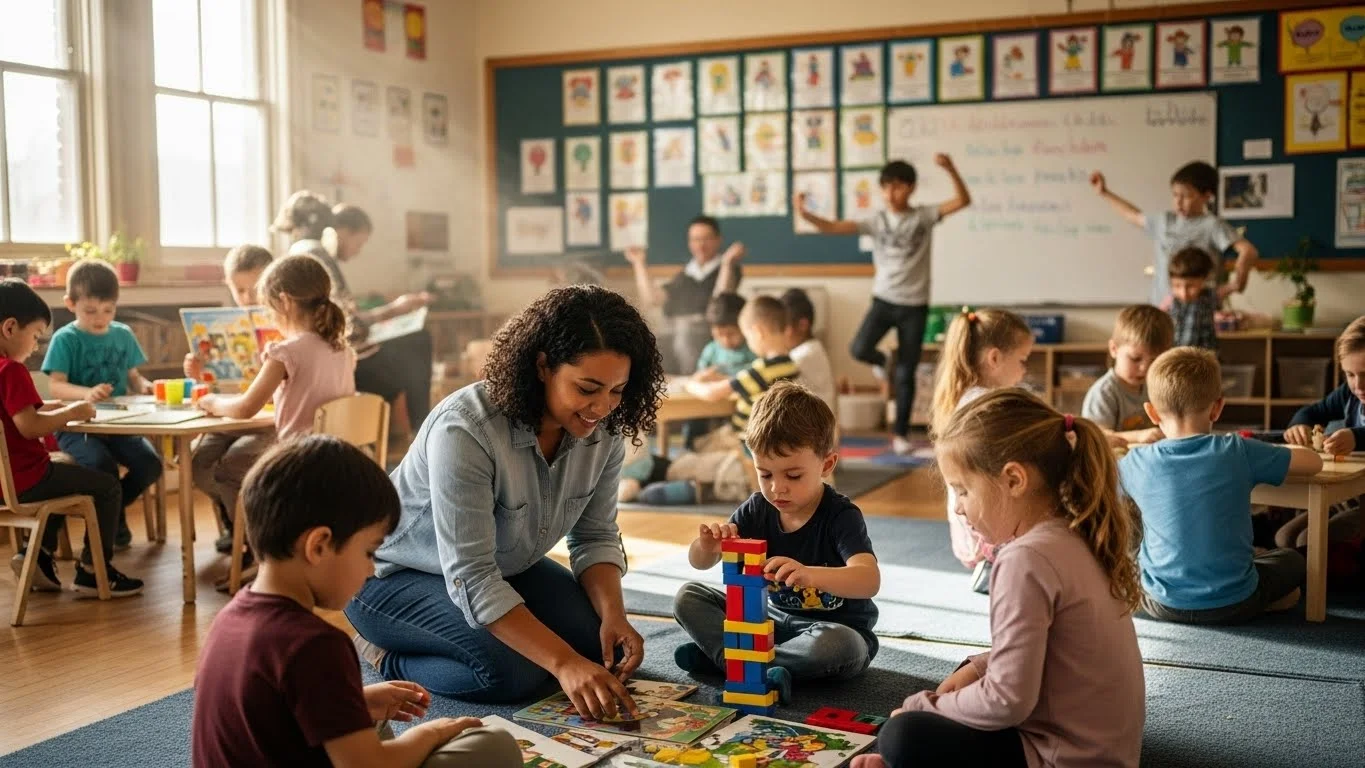
Understanding Discipline in Child Development
What is Discipline?
When I think about discipline, I see it as a way to teach rather than punish. It’s about guiding our children through their mistakes and helping them understand the consequences of their actions. Discipline involves setting clear expectations and supporting children as they learn to navigate the complexities of life. I remember when I first learned this concept; it transformed my approach. Instead of viewing discipline as a strict set of rules, I began to see it as an opportunity to nurture growth and development.
The Role of Discipline in Child Development
Discipline plays a crucial role in shaping a child’s behavior and character. I’ve often said that discipline is like the framework of a house; without it, everything can fall apart. It helps children learn self-control, responsibility, and respect for others. Through consistent discipline, we can guide our kids in making better choices. I’ve noticed that when I apply discipline thoughtfully, my children feel more secure and are better able to express themselves. They thrive when they know the boundaries and expectations set for them. Top 5 Discipline Techniques to Foster Child Growth and Learning can provide more insights into this.
Differences Between Discipline and Punishment
There’s a significant difference between discipline and punishment, and I’ve had to remind myself of this more than once during my parenting journey. Punishment often stems from anger or frustration, while discipline is rooted in love and understanding. I used to think they were interchangeable until I realized punishment focuses on what the child did wrong, whereas discipline emphasizes teaching and guiding them toward better choices. We need to foster a learning environment rather than one of fear. I believe that when we discipline with a purpose, we help our children grow, rather than just making them feel bad for their actions.
Types of Discipline Techniques
Positive Reinforcement
One of my favorite techniques is positive reinforcement. It’s amazing how a simple “great job!” or a sticker can motivate my kids. I’ve seen how celebrating small victories encourages them to repeat positive behaviors. For example, when my daughter cleans her room without being asked, I make it a point to acknowledge her effort. This not only boosts her confidence but also reinforces the behavior I want to see more of. I recommend finding ways to incorporate positive reinforcement into your daily routine; it can make a world of difference.
Natural Consequences
Natural consequences are also a powerful tool. I remember a time when my son refused to wear his coat on a chilly day. I let him go outside without it, knowing he would feel the cold. When he returned shivering, he learned the importance of dressing appropriately for the weather. This technique allows children to experience the outcomes of their actions in a safe environment, which I think is invaluable for their learning process. They begin to understand their choices and the impact on their lives.
Logical Consequences
Logical consequences are another effective approach. These are outcomes that are directly related to the behavior. For instance, if my child leaves their toys out and they get damaged, I explain that this happened because they didn’t put them away. They learn that their actions have consequences, which fosters accountability. I’ve found that when I use logical consequences, my kids become more thoughtful about their actions and decisions. It encourages them to think critically and understand that their choices matter.
Time-Outs as a Disciplinary Measure
I’ll admit, I was skeptical about using time-outs at first. However, I’ve come to see them as a valuable tool for reflection. When my kids are overwhelmed or acting out, a time-out gives them a chance to calm down and think about their behavior. I encourage them to reflect on what happened and how they might handle it differently next time. This technique helps them regain control and recognize their feelings. I believe that taking a step back can be a powerful learning moment.
Setting Clear Boundaries and Expectations
Establishing clear boundaries has been essential in my parenting journey. I’ve learned that children thrive when they know what is expected of them. We have family meetings to discuss rules and consequences, making sure everyone understands. I’ve noticed that when we set these guidelines together, my kids feel more involved and are more likely to follow the rules. It’s a collaborative effort that fosters a sense of responsibility. I encourage you to communicate openly with your children about boundaries; it strengthens our relationship and helps them feel secure. Essential Discipline Techniques for Effective Child Development can help further explore this topic.
Age-Appropriate Discipline Strategies
Discipline Techniques for Toddlers
When my kids were toddlers, I realized that discipline needed to be simple and relatable. At that age, their understanding of the world is still developing. I found that using short, clear explanations worked best. For example, when my son would throw his toys, I would kneel down to his level and say, “We don’t throw toys because they can break and hurt someone.” I tried to make it a teaching moment without overwhelming him with too much information. I also used distraction techniques; when he was on the verge of a meltdown, I’d quickly redirect his attention to a different activity. This approach helped him learn appropriate behaviors while keeping our interactions positive and lighthearted.
Discipline Techniques for Preschoolers
As my children entered preschool, I noticed they could grasp more complex concepts. I introduced the idea of choices and consequences during this stage. I remember a time when my daughter was reluctant to share her toys. I explained to her that if she wanted to play with her friend’s toys, she would need to let her friend play with hers. This way, she learned about reciprocity and the importance of sharing. I also found that using role-play scenarios helped her understand various situations better. These engaging techniques made discipline feel less punitive and more like a fun learning experience.
Discipline Techniques for School-Aged Children
Once my kids hit the school-age mark, I realized that they were more aware of social dynamics and peer interactions. I started having more in-depth conversations about their behavior and its impact on others. For instance, when my son had a conflict with a friend, we sat down and discussed how his actions made the other child feel. I encouraged him to express empathy and think critically about his behavior. Additionally, I implemented a reward system that included a star chart for positive behaviors. This visual representation motivated them to strive for good behavior while allowing them to feel a sense of accomplishment when they reached their goals.
Discipline Techniques for Teenagers
Disciplining teenagers can be one of the most challenging aspects of parenting. I remember the shift when my children reached their teenage years; they craved independence but still needed guidance. I found that open communication became paramount during this phase. I encouraged my teens to express their feelings and opinions. We set aside time for regular family discussions where everyone could voice their thoughts without judgment. This not only created a safe space for them but also helped reinforce the idea that their choices have consequences. I also emphasized the importance of responsibility, allowing them to take ownership of their actions and decisions, which I believe is key to their personal growth.
Cultural Considerations in Discipline
How Culture Influences Discipline Approaches
Cultural values play a significant role in how we approach discipline. I’ve seen varied styles of discipline within my circle of friends and family, and it’s fascinating how culture shapes our beliefs about child-rearing. For instance, in some cultures, respect for authority is emphasized strongly, leading to more traditional forms of discipline. In contrast, other cultures may prioritize open dialogue and negotiation. I remember attending a parenting workshop where we discussed these differences, and it opened my eyes to the diversity of perspectives on discipline. I believe it’s crucial for us to understand and respect these cultural nuances while finding what resonates with our parenting style.
Respecting Diverse Parenting Styles
As I explored different parenting styles, I realized that what works for one family may not work for another. I’ve learned to respect the choices of other parents, even if their methods differ from mine. For example, while I prefer a more collaborative approach, I have friends who believe in stricter guidelines. Their kids thrive in that environment, and it has made me appreciate the vast array of strategies available. I think it’s essential to share experiences and learn from one another, creating a community where we can support each other in our parenting journeys, regardless of our differences.
Emotional Intelligence and Discipline
Teaching Empathy Through Discipline
One of the most rewarding aspects of discipline is the opportunity to teach empathy. I’ve noticed that when I guide my children through their mistakes, it’s not just about correcting behavior; it’s about helping them understand how their actions affect others. For example, after a sibling conflict, I ask them how they would feel if they were in the other person’s shoes. This strategy has sparked some amazing conversations, and I believe it fosters emotional growth. By emphasizing empathy, we’re equipping them with the tools to build strong, respectful relationships with others.
Encouraging Self-Regulation in Children
Self-regulation is a key skill I strive to help my kids develop. I’ve seen how difficult it can be for children to manage their emotions, especially when faced with challenges. I’ve started incorporating mindfulness techniques into our daily routines, like taking a few deep breaths before reacting to frustration. I also model self-regulation by openly discussing my feelings and how I cope with them. This has created a safe environment for my children to express their emotions and learn healthy ways to manage them. I believe that fostering self-regulation not only helps them in managing their behavior but also equips them for life’s inevitable ups and downs.
Building a Strong Parent-Child Relationship
The Importance of Communication
Communication is the backbone of effective discipline. I’ve learned that when I maintain an open line of communication with my children, they’re more likely to share their thoughts and feelings with me. I prioritize spending time together, whether it’s through family dinners or casual chats during car rides. These moments allow us to connect and establish trust. I encourage my kids to ask questions and express their feelings, which not only helps them articulate their thoughts but also makes them feel valued and heard.
Consistency in Discipline
Consistency is something I’ve had to work hard on in my parenting journey. I’ve found that being consistent with my discipline techniques helps my children understand what to expect. It’s crucial for us as parents to be on the same page and maintain the same standards. If I let something slide one day and enforce it the next, it creates confusion for my kids. I truly believe that this consistency builds a sense of security and helps them feel more grounded in our family structure.
Modeling Appropriate Behavior
Children learn so much from observing us, and I’ve come to realize the importance of modeling appropriate behavior. I try to demonstrate the values I want my kids to adopt. Whether it’s showing kindness to others, managing frustrations constructively, or simply being honest, I know my actions speak louder than my words. I’ve experienced firsthand that when I embody the behavior I want to see in my children, they are more likely to emulate it. This approach not only guides them in their development but also strengthens our family bond.
Common Challenges in Discipline
Addressing Behavioral Issues
Dealing with behavioral issues can feel overwhelming at times. I’ve had my fair share of challenges, whether it was a sudden outburst at the store or persistent defiance at home. I’ve learned that addressing these issues requires patience and understanding. I try to identify the root causes of their behavior rather than just reacting to the surface problem. For instance, if my child is acting out, I ask myself if they are tired, hungry, or seeking attention. By addressing the underlying issues, I’ve found that we can work together to find solutions that help improve their behavior.
Dealing with Resistance and Defiance
Resistance and defiance are part of growing up, and I’ve definitely faced my share of it. I remember a phase when my daughter would push back against every rule I set. Instead of getting frustrated, I decided to understand her perspective. I asked her why she felt the need to challenge me. This open dialogue allowed us to find common ground. I discovered that involving her in discussions about rules and consequences helped reduce her resistance. I believe that when children feel heard and included, they are more likely to cooperate.
When to Seek Professional Help
There are times when I’ve felt overwhelmed and unsure about how to manage my children’s behavior, and I’ve realized that seeking professional help can be beneficial. If you find that your child’s behavior is consistently disruptive or concerning, it may be time to consult a pediatrician or a child psychologist. I’ve learned that asking for help is not a sign of weakness; it’s a sign of strength and commitment to my child’s well-being. Professionals can provide valuable insights and strategies tailored to our family’s needs.
Resources for Parents and Caregivers
Books on Discipline Techniques
Over the years, I’ve read several books that have significantly influenced my approach to discipline. One that stands out is “Positive Discipline” by Jane Nelsen. This book emphasizes the importance of teaching children rather than punishing them, which resonated deeply with me. I also enjoyed “How to Talk So Kids Will Listen & Listen So Kids Will Talk” by Adele Faber and Elaine Mazlish. These authors provide practical communication strategies that I’ve found incredibly useful in my parenting journey.
Online Courses and Workshops
I’ve discovered that online courses and workshops can be great resources for learning new discipline techniques. Websites like Parents.com and the Center for Parenting Education offer a variety of courses that cater to different parenting styles and challenges. I found it helpful to join webinars where I could learn from experts and interact with other parents facing similar issues. These experiences not only expanded my knowledge but also provided a sense of community.
Support Groups and Parenting Communities
Connecting with other parents has been invaluable to me. I joined a local parenting group where we share experiences and support each other through the ups and downs of raising children. Social media platforms also offer various parenting communities where we can exchange advice and encouragement. I believe that having a support system can make a significant difference in our parenting journeys, allowing us to learn from one another and grow together.
Frequently Asked Questions
What is the primary focus of discipline in child development?
The primary focus of discipline in child development is to teach rather than punish. It involves guiding children through their mistakes and helping them understand the consequences of their actions.
How can positive reinforcement be used in discipline?
Positive reinforcement can be used by acknowledging and celebrating small victories, such as praising a child for cleaning their room. This encourages them to repeat positive behaviors and boosts their confidence.
What are natural consequences in discipline?
Natural consequences are outcomes that occur as a result of a child’s actions, allowing them to experience the impact of their choices in a safe environment. For example, if a child refuses to wear a coat on a cold day, they will feel the cold, which teaches them the importance of dressing appropriately.
What is the difference between discipline and punishment?
The difference between discipline and punishment lies in their focus. Discipline is rooted in love and understanding, emphasizing teaching and guiding children, while punishment often stems from anger and focuses on what the child did wrong.
How can parents set clear boundaries and expectations for their children?
Parents can set clear boundaries and expectations by holding family meetings to discuss rules and consequences, ensuring everyone understands them. This collaborative effort helps children feel involved and responsible for following the rules.
What discipline techniques are suitable for toddlers?
For toddlers, discipline techniques should be simple and relatable. Using short, clear explanations and distraction techniques can help guide their behavior without overwhelming them.
How can parents teach empathy through discipline?
Parents can teach empathy by guiding children through their mistakes and encouraging them to consider how their actions affect others. Discussing feelings after conflicts can foster emotional growth and understanding.
What role does consistency play in effective discipline?
Consistency in discipline helps children understand what to expect, creating a sense of security. When parents maintain the same standards and enforce rules consistently, it reduces confusion for children.
When should parents consider seeking professional help for behavioral issues?
Parents should consider seeking professional help if their child’s behavior is consistently disruptive or concerning. Consulting a pediatrician or a child psychologist can provide valuable insights and strategies tailored to the family’s needs.
What resources are available for parents looking to improve their discipline techniques?
Parents can find various resources such as books on discipline techniques, online courses and workshops, and support groups or parenting communities. These resources can offer valuable strategies and a sense of community for parents.
Mastering time-out can transform our approach to behavior management, fostering better relationships and understanding with our children. Join me as we explore effective strategies for using this tool effectively in our parenting journey. Read Interesting article: Effective Behavior Management: Taming Defiance on Family Trips
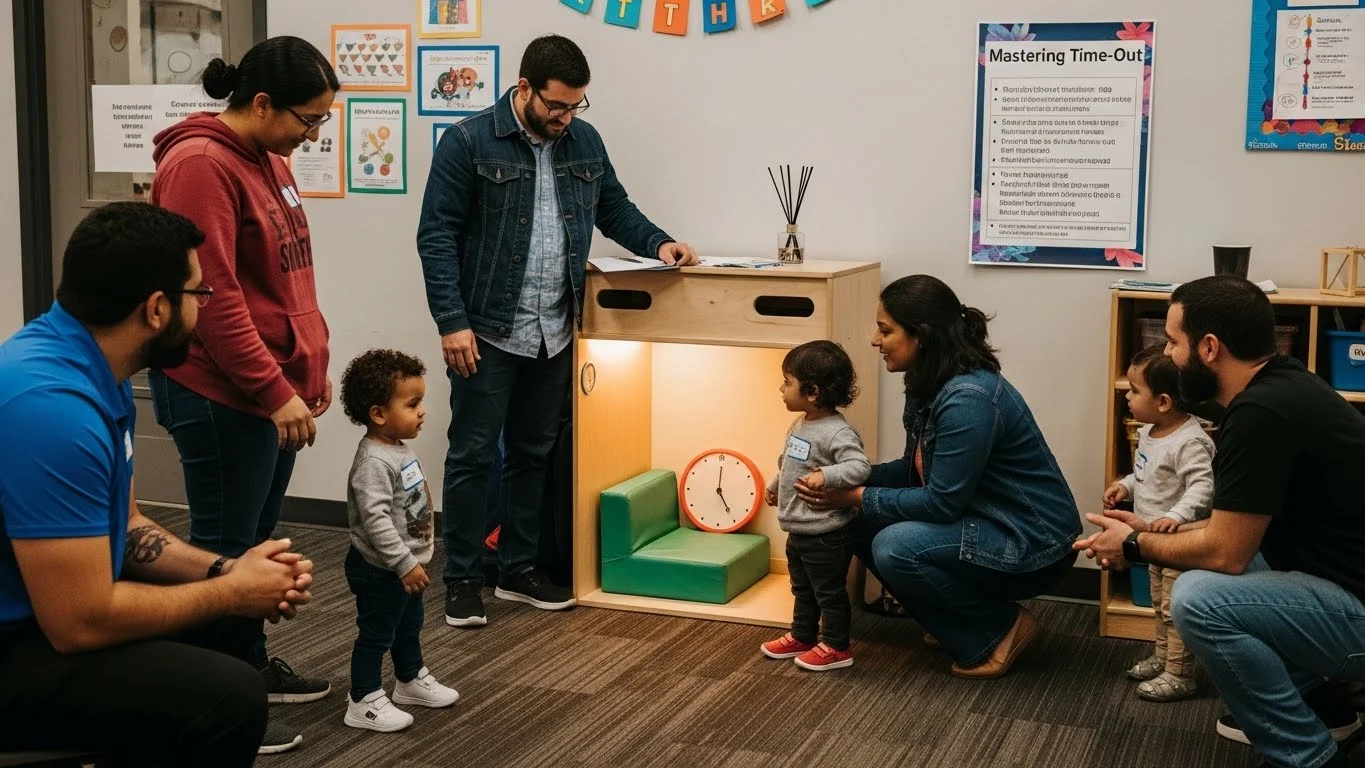
Understanding Time-Out as a Behavior Management Tool
Definition of Time-Out
Time-out is a behavior management technique that involves temporarily removing a child from a situation where inappropriate behavior occurs. The goal is to give them space to calm down and reflect on their actions. When I first learned about time-out, I thought of it as merely a way to separate my child from the chaos of the moment. However, I soon discovered that it could serve a much deeper purpose in helping them develop self-regulation skills.
The Psychology Behind Time-Out
I remember feeling skeptical about the effectiveness of time-out. Would it really help my child understand the consequences of their actions? Through research and observation, I learned that time-out works by allowing children to pause and reset their emotional state. It’s a moment to step back from heightened emotions, which can cloud judgment and behavior. In essence, it provides them with an opportunity to process what happened and think about a better response next time.
Psychologically, children often struggle with impulse control and emotional regulation. By incorporating a time-out, we’re helping them learn to manage these feelings. It’s crucial to remember that time-out isn’t about punishment, but rather about teaching our kids how to navigate their emotions and behavior in a constructive way. Read Interesting article: Mastering Behavior Management: Travel Strategies for Parents
Benefits of Using Time-Out
From my experience, the benefits of using time-out effectively are numerous. First, it creates a clear boundary for unacceptable behavior. When we consistently enforce time-out, our children begin to understand that certain actions have consequences. I’ve seen how this consistency can lead to improved behavior over time.
Furthermore, time-out allows children to calm down in a controlled environment. I’ve noticed that when my child has a moment to themselves, they often emerge more composed and ready to engage positively. This method also promotes self-reflection, encouraging them to think about their actions and how they affect others. In my opinion, these skills are invaluable for their emotional development.
Another benefit is that it helps parents establish a sense of control. In challenging moments, having a structured approach can ease our anxiety. I’ve felt more confident in my parenting choices when I know I have a strategy that not only addresses behavior but also fosters growth. I recommend that parents view time-out as a partnership between them and their children, working together to understand and improve behavior rather than just reacting to it.
When and How to Implement Time-Out
Identifying Trigger Behaviors
The first step in effectively using time-out is recognizing the behaviors that warrant intervention. I’ve found it helpful to keep a mental note of the situations that frequently lead to conflicts. For my child, tantrums often arise during playdates or when they’re tired. By identifying these triggers, I can proactively manage situations before they escalate. It’s also beneficial to discuss these triggers with my child, helping them learn to recognize their own feelings and reactions.
Optimal Timing for Time-Out
Timing is everything when it comes to implementing time-out. I’ve learned that addressing the behavior as soon as it happens is essential for effectiveness. If I wait too long, the moment may pass, and my child might not connect the time-out to the misbehavior. In my experience, using a calm and firm voice when explaining that they need a time-out helps reinforce its purpose. It’s not about shaming them; it’s about guiding them back towards appropriate behavior.
Duration of Time-Out: Guidelines by Age
Determining how long a time-out should last can be a bit tricky. A common guideline I follow is the “one minute per year of age” rule. For instance, if my child is four years old, a four-minute time-out feels appropriate. I’ve noticed that keeping it short and manageable helps maintain their understanding of the purpose without causing frustration. It’s also important to remember that younger children may find it difficult to sit still for extended periods, so shorter durations can be more effective.
Setting Up a Time-Out Space
Creating an appropriate time-out space is another crucial step. I found that it doesn’t have to be an elaborate setup; a quiet corner or a designated chair in our home works well. The key is that the area should be free of distractions. When I first started, I made the mistake of placing my child in a space filled with toys or screens, which only led to further agitation. The goal is for the space to promote calmness and reflection, not to feel like a punishment.
We also talked about what the space would look like with our child. Including them in the process made it feel less like a consequence and more like a chance to regroup. I believe this collaboration fosters a sense of ownership and understanding, which is vital for the effectiveness of time-out.
Different Approaches to Time-Out
Traditional Time-Out Methods
When I first started using time-out as a behavior management tool, I mostly followed the traditional methods I had read about. This usually meant sending my child to a designated spot in our home whenever they misbehaved. I was careful to explain why they were going into time-out, and I made sure to set a timer to keep things consistent. I felt it was important to stick to the rules I had set, believing this would help enforce boundaries. However, I soon learned that there’s more than one way to utilize time-out effectively.
One of the traditional approaches I found useful was the concept of “resetting” the situation. After the time-out, I would often sit down with my child to discuss what happened. I found that this helped reinforce the lesson I wanted to teach and encouraged them to reflect on their feelings and actions. Through this method, I noticed that my child was more likely to understand the rationale behind the time-out and was more willing to engage in discussions about their behavior.
Positive Reinforcement Before Time-Out
Along my journey, I discovered the power of positive reinforcement as a proactive approach to managing behaviors. Instead of solely waiting for misbehavior to occur before implementing time-out, I began to praise my child for good behavior more often. I noticed that by acknowledging the positive moments, it made them more aware of the behaviors I wanted to see. This shifted our dynamic and created an environment where my child felt more motivated to behave appropriately.
For instance, during playtime, I would highlight moments when my child shared toys or played nicely with others, which would often reduce the chances of conflicts occurring. I realized that by focusing on the positives, I was not only reinforcing good behavior but also reducing the need for time-outs. In my experience, this blend of reinforcement and strategic time-outs helped create a more harmonious atmosphere in our home.
Alternative Techniques: Calm Down Corners
As I experimented with different methods, I stumbled upon the concept of a “calm down corner.” This idea resonated with me because it allows children to take a break without the stigma that sometimes accompanies traditional time-outs. Instead of viewing it as a punishment, my child would see it as a safe space to process their emotions. I set it up with cozy pillows, books, and calming sensory toys, creating an inviting atmosphere.
I found that this approach not only encouraged my child to self-regulate but also gave them a sense of agency. They could choose when to go to the calm down corner, which empowered them to recognize their own feelings and take the initiative to seek out a moment of peace. I’ve seen how this method promotes emotional intelligence, as children learn to identify their feelings and manage them in a constructive way. Read Interesting article: Setting Travel Boundaries: Tips for Budget Backpackers
By incorporating these alternative techniques into our routine, I felt we were developing a more mindful approach to behavior management. It became less about punishment and more about nurturing emotional growth and understanding.
Common Misconceptions About Time-Out
Time-Out as Punishment vs. Time-Out as Consequence
One misconception I encountered early on was the idea that time-out is simply a form of punishment. It took me some time to recognize that this perspective can hinder the effectiveness of the tool. When I viewed time-out as merely a way to discipline my child, it felt adversarial, and I wasn’t seeing the growth I hoped for. Over time, I learned to frame time-out as a natural consequence of behavior, focusing on teaching rather than punishing.
I believe that when we shift our mindset to see time-out as a learning opportunity, we can foster a healthier environment for our children. By emphasizing that they are taking a break to reflect on their actions, we’ll help them understand the connection between their choices and the resulting consequences. I found that this change in perspective not only made the process more meaningful for my child but also helped me feel more at ease with the entire approach.
Addressing Concerns About Emotional Impact
Another concern I had was about the emotional impact of time-out on my child. I worried that it might lead to feelings of isolation or rejection. However, I learned that the emotional effects depend largely on how we communicate and implement time-out. When I approached it with empathy, ensuring that my child understood it was not a reflection of their worth, it made a significant difference.
I also made it a point to check in with my child afterward, discussing how they felt during the time-out and what they had learned. This helped reassure them that they were still loved and valued, regardless of their behavior. From my experience, addressing these emotional aspects can turn time-out from a potentially distressing experience into a valuable lesson in self-awareness and emotional growth.
Time-Out and Child Development: What Research Says
Research surrounding time-out has shown that when used appropriately, it can be an effective tool for promoting self-regulation in children. I came across studies that highlighted how structured behavior management strategies, including time-out, can help children learn to manage their emotions and behavior better over time. Understanding this helped me feel more confident in my approach, knowing there was support from research backing the effectiveness of these methods.
Furthermore, I found that time-out can play a role in developing empathy. When children reflect on their behaviors and the impact they have on others, they begin to understand the importance of considering feelings outside their own. I think this aspect of time-out is crucial for fostering emotional intelligence and helping children grow into compassionate individuals.
Managing Resistance to Time-Out
Understanding Child Reactions to Time-Out
One of the most eye-opening experiences for me was realizing how my child might react to time-out. Initially, I expected them to accept it without fuss. However, I quickly learned that children often have strong feelings about being removed from a situation. Sometimes, I would see them become upset or even angry, and other times they would just shut down. It made me reflect on their perspective, realizing that they might not fully understand why they were being asked to step away. Understanding these reactions helped me approach time-out with more empathy and patience.
I found that many children often view time-out as a separation from the fun or engagement, which can lead to resistance. I remember one particular instance when my child screamed, “It’s not fair!” in response to being placed in time-out. That moment illuminated the importance of recognizing their feelings and validating them, even when I was trying to teach a lesson. Acknowledging that their emotions were valid helped me find a balance between enforcing the time-out and ensuring they felt heard.
Strategies for Dealing with Pushback
After witnessing resistance a few times, I realized I needed to develop strategies to help my child cope with the time-out process. One approach that worked well for us was to create a countdown. I would set a timer and explain that it was a short break, which made it feel more manageable. Breaking down the experience into smaller chunks helped my child understand that it wasn’t a permanent separation but a moment to regroup.
Another strategy that proved effective was to prepare my child for the possibility of a time-out. I started to have conversations during calm moments about what behaviors might lead to a time-out. By discussing it proactively, my child felt more prepared, and I noticed they were less resistant when the time came. It felt like we were in this together, and they understood that time-out was not just a consequence but a part of our family’s approach to managing behavior. I learned that setting clear expectations can make a significant difference in how children respond to time-out.
Communicating Effectively During Time-Out
I can’t stress enough the importance of communication when implementing time-out. In the beginning, I sometimes fell into the trap of simply sending my child away without much explanation. However, I found that taking a moment to calmly explain why they were going to time-out was crucial. I would say something like, “You’re going to take a break because you hit your brother. Hitting is not okay, and we need to calm down.” This way, they could connect the dots between their action and the consequence.
After the time-out, I made it a point to check in with my child. I would ask them about their feelings, allowing them to express themselves. I learned that these conversations were vital for reinforcing the lessons learned during the time-out. It was a chance to discuss how they could handle similar situations differently in the future. This part of our routine fostered an open line of communication and showed my child that I was there to support them, not just reprimand them.
Integrating Time-Out with Other Behavior Management Strategies
Combining Time-Out with Positive Discipline Techniques
I’ve found that time-out is most effective when used alongside other positive discipline techniques. Instead of relying solely on time-out as the primary tool, I started incorporating praise and encouragement for positive behaviors. By recognizing and celebrating good actions, I noticed that my child was more inclined to repeat those behaviors.
For instance, if my child shared toys during playtime, I would make a big deal about it by saying, “I love how you shared your toys with your friend!” This positive reinforcement made my child feel good and encouraged them to engage in similar behaviors. When I combined this approach with time-out for the instances when they misbehaved, it created a more balanced atmosphere at home. I felt like we were building on their strengths while also addressing areas that needed improvement.
Using Time-Out Alongside Natural Consequences
Another effective strategy I discovered was integrating time-out with natural consequences. I learned that allowing my child to experience the natural outcome of their actions could often reinforce the lesson better than time-out alone. For example, if my child refused to clean up their toys and we had to step over them all day, I would explain that if they didn’t tidy up, we couldn’t play with them the next day. This approach helped them understand that their actions had real-world consequences, making the lessons more impactful.
By pairing time-out with these natural consequences, I felt like I was providing a fuller picture of behavior management. It helped my child connect their actions directly with the outcomes, reinforcing the idea that their choices matter. I noticed that this combination made it easier for my child to understand the lessons behind time-out, which ultimately aided their emotional and social development.
The Role of Consistency in Behavior Management
One of the most important aspects of using time-out effectively is consistency. I realized that if I was inconsistent in applying the time-out strategy, my child would quickly become confused about what behaviors were acceptable. For example, if I let a minor infraction slide one day but enforced a time-out for the same behavior the next, it could lead to frustration for both of us.
I made a commitment to apply time-out consistently, ensuring that my child understood the boundaries we had set together. This commitment created a sense of security, as they began to recognize the patterns of behavior that would lead to specific consequences. It felt like we were on the same team, working together to improve behavior and build understanding. Consistency has been a cornerstone in our parenting approach, and I believe it plays a significant role in effective behavior management.
Frequently Asked Questions
What is time-out in behavior management?
Time-out is a behavior management technique that involves temporarily removing a child from a situation where inappropriate behavior occurs, allowing them space to calm down and reflect on their actions.
How does time-out help children develop self-regulation skills?
Time-out provides children with a moment to step back from heightened emotions, enabling them to process what happened and think about a better response, thereby aiding in impulse control and emotional regulation.
What are the benefits of using time-out effectively?
The benefits include creating clear boundaries for unacceptable behavior, allowing children to calm down in a controlled environment, promoting self-reflection, and helping parents establish a sense of control over behavior management.
When should time-out be implemented?
Time-out should be implemented as soon as the misbehavior occurs to ensure the child connects the time-out with their actions. Using a calm and firm voice when explaining the time-out is also essential for effectiveness.
How long should a time-out last?
A common guideline is to use the “one minute per year of age” rule. For example, a four-year-old would have a four-minute time-out, which helps maintain their understanding without causing frustration.
What should a time-out space look like?
A time-out space should be a quiet corner or designated area free of distractions. It should promote calmness and reflection, rather than feel like a punishment, and can be established in collaboration with the child.
What misconceptions exist about time-out?
A common misconception is that time-out is merely a form of punishment. In reality, it should be viewed as a learning opportunity and a natural consequence of behavior, helping children understand the connection between their choices and outcomes.
How can parents manage resistance to time-out?
Parents can manage resistance by preparing the child for the possibility of time-out through discussions about behaviors that may lead to it and using strategies like setting a timer to help them cope with the time-out process.
How can time-out be integrated with other behavior management strategies?
Time-out can be combined with positive discipline techniques, such as praising good behavior, and using natural consequences to reinforce lessons learned, helping children connect their actions with outcomes more effectively.
Why is consistency important in applying time-out?
Consistency is crucial because inconsistent application can confuse children about acceptable behaviors. Consistent enforcement of time-out helps children understand boundaries and fosters a sense of security in behavior management.