
Parenting is a journey filled with choices, challenges, and rewards. Understanding different parenting styles, particularly authoritative and authoritarian, can help us navigate this path more effectively. Understanding Authoritative vs. Authoritarian Parenting Styles provides valuable insights into these approaches.
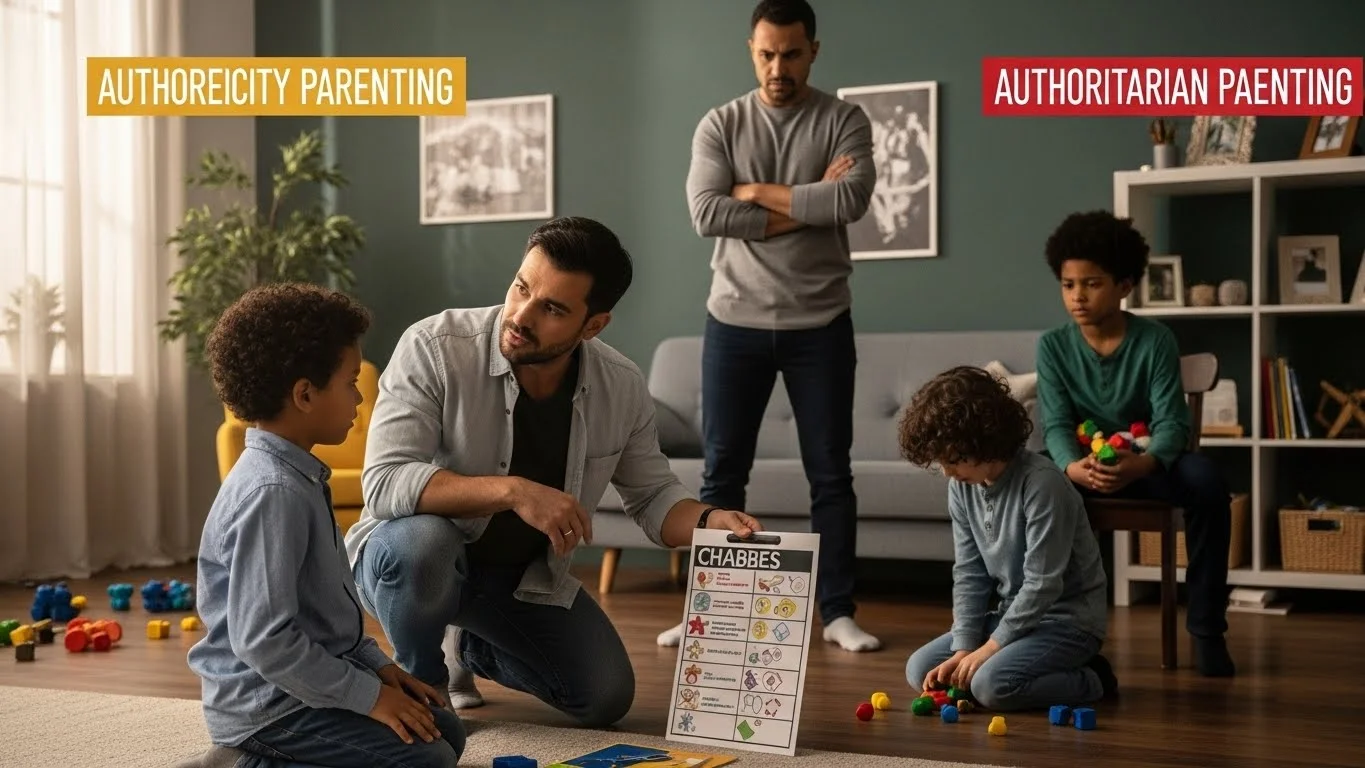
Understanding Parenting Styles
Definition of Authoritative Parenting
Authoritative parenting is often viewed as the gold standard. It blends high expectations with emotional support. In my experience, authoritative parents set clear rules and guidelines, but they also encourage independence and open dialogue. They listen to their children and value their opinions, which fosters a healthy sense of self-esteem and autonomy. I’ve seen how children raised in this environment tend to be more socially competent and resilient. They learn to navigate challenges effectively, equipped with both emotional intelligence and the ability to assert themselves.
Definition of Authoritarian Parenting
On the flip side, authoritarian parenting is characterized by strict rules and expectations, often without room for flexibility. I remember reading about how this style emphasizes obedience and discipline, sometimes at the expense of emotional connection. Parents who adopt this style may use fear or punishment to enforce compliance, believing that it helps create strong, disciplined children. However, from my perspective, this can lead to children who feel controlled rather than guided, often resulting in low self-esteem and difficulty in expressing themselves. It feels like a one-way street where the parent’s voice dominates, leaving little room for the child’s thoughts or feelings.
Key Differences Between Authoritative and Authoritarian Parenting
The differences between these two styles are quite striking. Authoritative parents encourage communication and independence, while authoritarian parents prioritize obedience and control. I often found that authoritative parenting promotes a nurturing environment where children feel safe to express themselves, whereas authoritarian parenting can foster fear and resentment. The emotional tone is different as well; authoritarian homes may lack warmth and connection, while authoritative homes thrive on mutual respect and understanding. I believe this distinction is crucial because it shapes how children view themselves and their relationships with others.
When I think about my friends and their parenting styles, I notice that those who lean towards authoritative methods often have children who are more adaptable and open-minded. They engage in discussions about rules and consequences, allowing their children to understand the reasoning behind their parents’ decisions. Meanwhile, those who lean authoritarian might see their children following rules without question, but there’s a risk that those children might struggle with decision-making later on. I’ve seen firsthand how the nuances of these styles can impact not just childhood but also adolescence and beyond. How Culture Shapes Parenting Styles Across the Globe highlights these influences on parenting approaches.
Another key difference is the level of warmth and responsiveness. Authoritative parents are typically more emotionally available and responsive to their children’s needs. They celebrate successes and provide support during failures. In contrast, authoritarian parents can be emotionally distant, focusing more on compliance than connection. I think this emotional distance can create a gap in the parent-child relationship, making it difficult for children to approach their parents with problems or concerns. This is something I’ve witnessed in my own circle; the warmth of authoritative parenting really stands out compared to the rigidity of authoritarian approaches.
In summary, understanding these key differences can help us reflect on our parenting choices. It’s worth considering how we can blend the best aspects of both styles to create a nurturing yet structured environment for our children. For me, finding that balance has been a journey, one filled with learning and growth. I believe that as we strive to improve our parenting styles, we not only benefit our children but also strengthen our own relationships with them.
The Characteristics of Authoritative Parenting
Emotional Support and Nurturance
One of the standout features of authoritative parenting is the emotional support and nurturance that these parents provide. I’ve always found it remarkable how authoritative parents create an environment where children feel loved and valued. They show affection, listen actively, and validate their children’s feelings. In my own experience, I’ve noticed that when I take the time to acknowledge my child’s emotions, it strengthens our bond and fosters a sense of security. This nurturing approach not only boosts children’s self-esteem but also teaches them to express their feelings openly, which is essential for emotional intelligence.
Discipline and Expectations
With authoritative parenting, discipline is not about punishment but about teaching. I remember when I first started implementing this style, I focused on setting clear expectations and consequences. For instance, when my child misbehaved, instead of resorting to harsh discipline, I explained why their behavior was unacceptable and what alternative choices they could make. This approach helped my child understand the impact of their actions, rather than just fear the repercussions. I believe this method not only guides children but also empowers them to make better choices in the future.
Communication Style
Communication in authoritative parenting is open and two-way. I’ve seen how engaging in discussions with my kids about rules and reasons behind them promotes mutual respect. Instead of just telling them what to do, I invite them to share their thoughts and feelings. I recall a situation where my child questioned a household rule; instead of shutting down the conversation, I welcomed their input. This exchange not only helped clarify the rule but also made my child feel heard and valued. I think this style of communication fosters trust and encourages children to express themselves without fear of judgment.
Flexibility and Adaptability
Another hallmark of authoritative parenting is its flexibility and adaptability. I’ve learned that it’s crucial to adjust my approach based on my child’s development and circumstances. There have been times when my child faced new challenges, like starting school or dealing with friendships, and I had to adapt my expectations accordingly. I remember when my child was struggling with homework; instead of enforcing a rigid study schedule, I worked with them to find a method that suited their learning style. This flexibility not only reduces stress but also helps children feel more capable and in control of their learning process.
The Characteristics of Authoritarian Parenting
Strict Rules and High Expectations
Authoritarian parenting is often defined by its strict rules and high expectations. I’ve observed that these parents tend to impose a rigid structure that leaves little room for negotiation. In my experience, children in authoritarian households might struggle with creativity and independence because they are often expected to conform without question. I remember a friend who shared how her parents enforced strict curfews and rules about everything from grades to friendships. While she did well academically, she often felt stifled and unable to explore her own interests.
Lack of Emotional Support
Emotional support is often missing in authoritarian parenting. I think this lack of emotional connection can lead to feelings of isolation for children. I’ve seen how children raised in this environment may not feel comfortable expressing their emotions or sharing their struggles with their parents. They might resort to seeking validation elsewhere, which can lead to issues like anxiety or low self-worth. I believe that feeling emotionally supported is crucial for a child’s development, and without it, they may struggle to build healthy relationships later on.
One-Way Communication
In authoritarian parenting, communication tends to be one-way. Parents often dictate rules and expectations without encouraging input from their children. I’ve noticed this in various families; the parents speak, and the children listen. It feels like a missed opportunity for connection and understanding. When I reflect on my own parenting style, I realize that fostering an open dialogue has helped my children feel more involved in our family dynamics. It’s a stark contrast to how authoritarian parents operate, and I think it can lead to children who feel unheard and undervalued.
Consequences of Authoritarian Approaches
The consequences of authoritarian parenting can be profound. Children raised in this style may exhibit signs of anxiety, low self-esteem, and difficulty in social interactions. I’ve seen this play out in friends’ lives, where their children struggle to assert themselves or make decisions independently. It’s as if they’ve been conditioned to seek approval and fear disapproval. I believe that understanding these consequences can help us reevaluate our own parenting approaches and strive for a balance that nurtures our children while still holding them accountable.
The Impact of Parenting Styles on Child Development
Emotional Outcomes of Authoritative Parenting
Authoritative parenting typically leads to positive emotional outcomes for children. I’ve found that children raised in this environment tend to be more confident and self-reliant. They learn to manage their emotions effectively and develop resilience in the face of challenges. For instance, my own child has become adept at handling setbacks, which I attribute to the supportive environment we’ve cultivated. I believe that emotional intelligence is a vital skill for navigating the world, and authoritative parenting lays the groundwork for this development.
Emotional Outcomes of Authoritarian Parenting
Conversely, children raised under authoritarian parenting may face several emotional challenges. I’ve noticed that they might struggle with feelings of inadequacy or fear of failure. This was evident in a friend’s child who excelled in academics but was always anxious about meeting parental expectations. From my perspective, this constant pressure can lead to a deep-seated fear of making mistakes, which can hinder personal growth and exploration. I think it’s essential for children to feel secure enough to embrace failure as part of the learning process.
Behavioral Differences in Children
Behaviorally, the differences between children raised with authoritative and authoritarian parenting styles are pronounced. Children under authoritative care are generally more cooperative and socially adept, while those from authoritarian backgrounds may exhibit rebellious or withdrawn behaviors. I’ve seen this firsthand in school settings, where children from authoritative homes often engage positively with peers and teachers, whereas those from authoritarian environments may struggle with social interactions. I feel this is a crucial aspect of development that can impact lifelong relationships and social skills.
Long-Term Effects on Relationships and Social Skills
The long-term effects of these parenting styles are significant. Authoritative parenting tends to foster healthy relationships and strong social skills. I have witnessed how children who feel supported and heard grow into adults who maintain fulfilling connections with others. In contrast, authoritarian parenting can lead to difficulties in forming relationships, as children may carry over their fear of judgment into adulthood. I believe that understanding these long-term implications can guide us in making informed choices about our parenting styles, ultimately benefiting our children’s futures. Exploring Cultural Influences on Parenting Styles Worldwide offers further insights into this topic.
How to Identify Your Parenting Style
Self-Reflection and Assessment
Identifying our parenting style can be quite the eye-opener. I remember when I first began reflecting on my own approach to parenting. It felt like peeling back layers of my own childhood experiences and beliefs. I think the first step is to take a moment for self-reflection. Ask yourself questions like: How do I respond to my child’s mistakes? Do I prioritize rules over emotional connection? Are discussions encouraged, or do I mostly just issue directives? Writing down your thoughts can help clarify your feelings and beliefs about parenting. I found that journaling my parenting experiences gave me insights into my style and areas I wanted to improve.
Feedback from Children and Partners
Sometimes, the best way to understand our parenting style is to ask the people closest to us. I had a candid conversation with my partner about how we approach parenting, and it was enlightening to hear their perspective. I believe that children can also provide valuable feedback, albeit in a way that’s age-appropriate. When I asked my child how they felt about our family dynamics, it opened the door to a discussion about their feelings and perceptions. I think when we create an environment where feedback is welcome, it not only helps us identify our style but also strengthens our relationship with our children.
Common Indicators of Each Style
Recognizing specific indicators of parenting styles can be helpful. For authoritative parents, you might notice an emphasis on open communication, emotional support, and balanced discipline. I remember feeling proud when I realized that I often encouraged my child to express their thoughts, which is a hallmark of authoritative parenting. Conversely, if you find yourself often setting strict rules without much discussion, or if your child seems fearful of your reactions, these could be signs of authoritarian parenting. I think being aware of these indicators can help us take a step back and evaluate whether we’re aligning with the parenting style we aspire to embody.
Strategies for Transitioning from Authoritarian to Authoritative Parenting
Developing Empathy and Understanding
Transitioning from an authoritarian to an authoritative style starts with developing empathy. I’ve found that putting myself in my child’s shoes has been transformative. When my child is upset or acting out, I try to remember what it felt like to be their age, facing the challenges they encounter. This shift in perspective helps me respond with compassion rather than frustration. I suggest taking a moment to breathe and consider what your child might be feeling before reacting. It’s amazing how a little empathy can change the entire tone of a conversation.
Improving Communication with Your Children
One of the most effective strategies I’ve employed is enhancing communication. I used to think that simply giving instructions was enough, but I’ve learned the value of inviting dialogue. I encourage my children to share their thoughts about rules and decisions, and I actively listen to their opinions. I remember a time when my child disagreed with a family rule, and instead of shutting down the conversation, I asked them why they felt that way. This not only helped me understand their perspective but also empowered them to express themselves. I believe that fostering this kind of communication can help bridge the gap between authoritarian and authoritative parenting.
Setting Realistic Expectations
Another important aspect is setting realistic expectations for both ourselves and our children. I’ve come to realize that it’s okay for my child to make mistakes, and it’s essential to allow room for growth. I try to remind myself that they’re learning, just as I am. I think about how I used to set overly strict standards for behavior and performance, which often led to frustration for both of us. Now, I focus on encouraging effort and improvement rather than perfection. This shift has made our home a more positive and supportive environment.
Incorporating Flexibility in Parenting
Flexibility is key when it comes to parenting. I’ve learned that sticking rigidly to rules can sometimes backfire. I remember a weekend when we had planned a family outing, but my child was feeling overwhelmed and anxious. Instead of insisting we go, I chose to adapt our plans and stay home for a cozy movie night instead. This not only showed my child that their feelings matter, but it also created a sense of trust and understanding. I believe that being flexible allows children to feel more secure and valued, paving the way for a healthier parent-child relationship.
Resources for Parents
Books on Parenting Styles
Books have been a treasure trove of information for me on this parenting journey. I’ve come across several insightful reads that delve into parenting styles and provide strategies for improvement. Titles like “The Whole-Brain Child” by Daniel J. Siegel and Tina Payne Bryson have really helped me understand child development and how my parenting choices impact it. I recommend exploring various authors and finding those that resonate with your personal experiences and philosophy.
Online Parenting Communities and Forums
Connecting with others is invaluable, and online parenting communities have been a great resource for me. I’ve found support in forums where parents share their experiences and challenges. It’s comforting to hear that others face similar struggles and to exchange tips on effective parenting. I think these communities can provide not just advice but also encouragement and validation, which are so important in this journey.
Professional Support and Counseling Options
Sometimes, seeking professional guidance can make a significant difference. I’ve personally benefited from family counseling when navigating tough times. A professional can offer insights and strategies tailored to your situation, helping you transition to a more authoritative style. I believe that taking this step shows a commitment to personal growth as a parent, and it can lead to positive changes within the family dynamic.
FAQs about Authoritative and Authoritarian Parenting Styles
What are the signs of an authoritative parent?
Authoritative parents often exhibit warmth and support, maintain clear boundaries, and encourage open communication. They listen to their children’s thoughts and feelings, promoting independence while being nurturing.
How can I tell if I’m being too authoritarian?
If you find yourself often enforcing strict rules without discussion, or if your child seems fearful of making mistakes around you, these may be signs of an authoritarian approach. Reflect on whether your communication is one-sided and lacking in emotional connection.
Can parenting styles change over time?
Absolutely! Parenting styles can evolve as we learn and grow. I’ve noticed shifts in my approach as my children grow older and as I gain new insights. It’s all part of the journey.
What role does culture play in parenting styles?
Culture significantly influences parenting styles, shaping our beliefs about discipline, communication, and emotional expression. I think understanding these cultural contexts can help us navigate our parenting style in a way that feels authentic while considering our backgrounds.
Frequently Asked Questions
What is authoritative parenting?
Authoritative parenting is characterized by high expectations paired with emotional support. It involves setting clear rules while encouraging independence and open dialogue, fostering self-esteem and emotional intelligence in children.
What distinguishes authoritarian parenting from authoritative parenting?
Authoritarian parenting is marked by strict rules and a focus on obedience, often lacking flexibility and emotional connection. In contrast, authoritative parenting promotes communication, independence, and a nurturing environment.
How do children raised in authoritative households typically behave?
Children raised in authoritative households tend to be more socially competent, resilient, and self-reliant. They are generally better at managing their emotions and developing healthy relationships.
What are the emotional outcomes for children raised in authoritarian households?
Children raised under authoritarian parenting may experience emotional challenges such as anxiety, low self-esteem, and difficulty in social interactions due to the lack of emotional support and one-way communication.
How can parents identify their parenting style?
Parents can identify their style through self-reflection, feedback from children and partners, and recognizing specific indicators like communication styles and emotional support levels.
What should parents do if they want to transition from authoritarian to authoritative parenting?
To transition, parents can develop empathy, improve communication with their children, set realistic expectations, and incorporate flexibility in their parenting approach.
Why is open communication important in authoritative parenting?
Open communication fosters mutual respect and trust, allowing children to express their thoughts and feelings without fear of judgment, which enhances the parent-child relationship.
What are some characteristics of authoritarian parenting?
Authoritarian parenting is defined by strict rules, high expectations, lack of emotional support, and one-way communication, which can lead to children feeling controlled and undervalued.
Can parenting styles impact a child’s long-term social skills?
Yes, parenting styles significantly impact children’s long-term social skills. Authoritative parenting fosters healthy relationships and strong social skills, while authoritarian approaches can hinder social interactions.
What resources can parents use to improve their parenting styles?
Parents can explore books on parenting styles, join online parenting communities for support, and seek professional counseling for personalized guidance in transitioning their parenting approaches.