
Backpacking with food allergies can feel daunting, but it doesn’t have to break the bank. With careful planning and a little creativity, you can enjoy your adventure without compromising your health or your wallet.
Understanding Food Allergies
Common Food Allergies and Their Symptoms
Food allergies are more common than you might think, and understanding them is the first step in ensuring a safe backpacking experience. I have seen friends struggle with various food allergies, ranging from peanuts and tree nuts to gluten and dairy. Each of these allergies can trigger a range of symptoms, including hives, stomach cramps, or even severe anaphylaxis. I remember one time my friend had a severe allergic reaction to shellfish while we were camping. It was a huge wake-up call for all of us about the importance of being aware of these triggers. Knowing how to identify these common allergens—and their symptoms—can make a big difference in managing your health while on the road. Read Interesting article: Essential Tips for Backpacking with Food Allergies Abroad
Importance of Managing Food Allergies While Traveling
Traveling with food allergies poses unique challenges, especially while backpacking. When I decided to take my first solo trip, I learned the hard way that not every place caters to people with dietary restrictions. I had to be extra cautious about what I was eating, often feeling anxious about hidden allergens in unfamiliar foods. This made me realize that managing food allergies isn’t just about avoiding the foods themselves; it’s also about figuring out how to communicate my needs, whether it’s with restaurant staff or fellow travelers.
Being proactive is crucial. You want to enjoy your trip, not spend it worrying about what might be in your next meal. I’ve found that keeping a list of my allergies handy, as well as knowing how to explain them in different languages, can really help in these situations. This way, I can confidently navigate menus and food options wherever I go.
Planning Your Backpacking Trip
Researching Allergy-Friendly Destinations
Choosing the right destination can make a world of difference when it comes to traveling with food allergies. I always start my planning by researching areas known for being allergy-friendly. Some cities and regions are more aware and accommodating to dietary restrictions, which can save a lot of hassle later. For example, I once visited a town with a thriving food scene that had numerous restaurants offering gluten-free and nut-free options. It felt liberating to explore without constantly worrying about my allergies.
Look for places that have a reputation for catering to food allergies, or communities that have local resources like farmers’ markets or co-ops. I often check out travel blogs or forums where other travelers share their experiences about food safety in different locales. I’ve noticed that communities with a vibrant health and wellness culture typically offer more options for those of us with food allergies. Read Interesting article: Backpacking with Kids: Navigating Food Allergies Safely
Choosing Budget-Friendly Accommodation Options
Finding the right place to stay is crucial when you have food allergies. I remember my first backpacking trip; I opted for a hostel that had a shared kitchen. This allowed me to prepare my own meals, which was a huge relief. Not only was it budget-friendly, but it also helped me avoid potential allergens present in other people’s meals.
Airbnb can also be a great option, especially if you can find a listing with a kitchen. I’ve found that this gives me the flexibility to cook meals that are safe for me. Additionally, hostels often have communal kitchens, which can be a fun way to meet other travelers while ensuring you have control over what you eat. Always check the reviews and look specifically for mentions of kitchen cleanliness and availability.
Creating an Allergy-Safe Packing List
When it comes to backpacking, packing light is essential, but that doesn’t mean you should skimp on packing for your allergies. I create a detailed packing list that includes all my allergy-safe essentials. This list typically contains items like gluten-free snacks, allergy-friendly protein bars, and any specialized cooking equipment I might need, like a portable stove or cooking utensils. I always bring my own snacks for travel days, too—this has saved me from numerous stressful situations.
In addition, I recommend packing a few allergy-safe cooking staples—think oils, spices, or even pre-packaged meals. These can be lifesavers when options are limited. I once brought a few packaged quinoa meals on a trip, and they became my go-to dinner when I couldn’t find anything suitable. Having those safety nets makes the journey so much more enjoyable.
Budget-Friendly Food Options While Backpacking
Grocery Stores and Local Markets
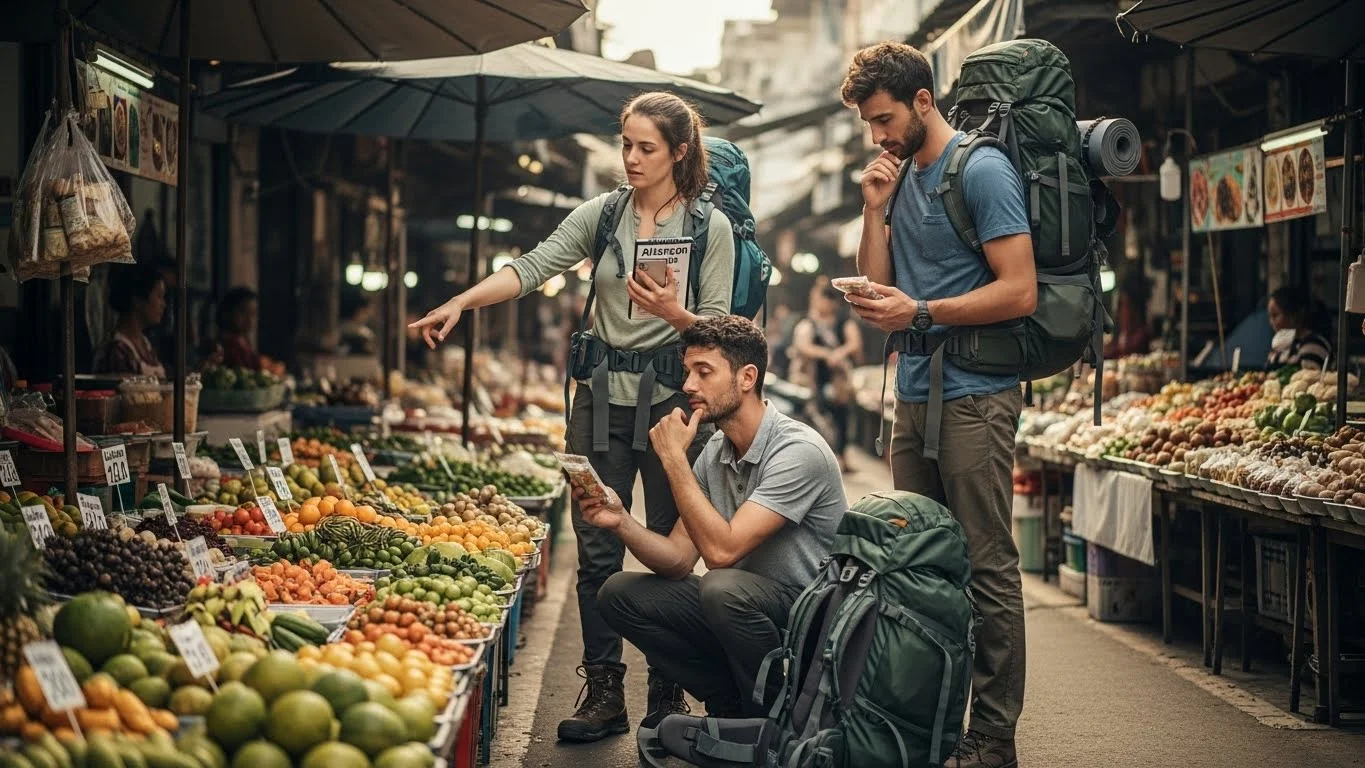
Finding affordable, allergy-friendly food options while backpacking can be a game-changer. I always make it a point to seek out grocery stores and local markets as soon as I arrive at my destination. I remember one trip to a small town where I stumbled upon a charming farmer’s market. The vibrant colors and fresh produce were inviting, and I quickly realized this was my best bet for finding safe foods. I was able to pick up fresh fruits, vegetables, and even some homemade sauces that fit my dietary needs without breaking the bank.
Most grocery stores have a variety of options, but I recommend scanning the aisles for organic or specialty sections. I’ve found that many stores stock gluten-free and allergen-free products, which can be a great help. I usually take my time to read labels carefully. I’ve learned from experience that even seemingly safe items can contain hidden allergens, so it’s always worth it to double-check. Plus, local markets often have more affordable prices compared to big grocery chains, making them a win-win for both budget and health.
Cooking Your Own Meals: Essential Gear and Tips
One of the best ways to ensure you’re eating safely while on the road is to cook your own meals. I can’t stress enough how liberating it feels to whip up something delicious that I know is safe for me. I typically pack a lightweight cooking kit that includes a portable stove, cooking utensils, and a small pot. I remember one backpacking trip where I relied heavily on my stove; it allowed me to prepare fresh meals anywhere I went. Instant rice, canned beans, and fresh veggies became my go-to staples.
When it comes to meal prep, I find that planning simple recipes can save both time and stress. I often make a list of easy meals that require minimal ingredients and are quick to prepare. Dishes like stir-fries or one-pot meals can be both filling and safe, and they allow for a bit of creativity. Sometimes, I pack little spice containers to enhance flavors, which can make a simple meal feel gourmet. Don’t forget to bring along reusable containers for leftovers; they can be a lifesaver for lunch the next day!
Finding Allergy-Friendly Restaurants
Dining out while backpacking can be tricky, but it doesn’t have to be a nightmare. Over the years, I’ve developed a knack for finding restaurants that cater to food allergies. My first step is always to do a bit of research in advance. I’ve found apps and websites that list allergy-friendly restaurants, which can save me tons of time. For instance, during a trip to a new city, I used one of these apps and discovered a fantastic café that specialized in gluten-free foods. It felt like I had struck gold!
When I arrive at a restaurant, I usually start by speaking to the staff about my allergies right away. I often ask if they have a dedicated gluten-free menu or if they can accommodate my dietary restrictions. From my experience, most places are willing to help if you explain your needs clearly. I’ve even had chefs come out to discuss meal preparation methods, which made me feel much more at ease. It’s always a good idea to trust your instincts; if a place seems unhelpful or dismissive, I simply move on. There are plenty of places that take food allergies seriously!
Navigating Local Cuisines
Understanding Ingredients in Different Cultures
One of the most exciting parts of traveling is experiencing local cuisines, but this can also be a source of anxiety for those of us with food allergies. I’ve learned that what may be a staple in one culture could be a hidden allergen in another. For example, I didn’t realize how common soy sauce was in Asian cuisines until I had to avoid it due to my allergies. To navigate this, I started doing a bit of homework before my trips. I look into common ingredients used in the local dishes to better understand what I might encounter.
It can also be helpful to familiarize yourself with how food is prepared. In many cultures, cross-contamination can happen easily, especially in kitchens that use shared utensils. During one of my trips, I visited a country known for its street food. I took the time to learn about the local cooking methods and common allergens, which made it easier to choose safe options. I remember feeling empowered by this knowledge, allowing me to indulge in local flavors while keeping my health a priority.
Communicating Your Allergies: Useful Phrases in Local Languages
Language barriers can complicate food allergies, but I’ve found that learning a few key phrases in the local language can make a world of difference. For example, I often memorize phrases like “I am allergic to…” in the local tongue. This small effort can significantly impact how well I communicate my needs. I remember a trip to France, where I practiced saying “Je suis allergique à la noix” (I am allergic to nuts) before dining out. The staff appreciated my effort, and it led to a great meal without any worries.
When I’m not sure about the ingredients but want to communicate my allergies effectively, I often carry a small card that lists my allergies in the local language. This has proven invaluable in restaurants, where my allergies can be clearly understood without any miscommunication. I highly recommend this approach for anyone traveling with food allergies, as it provides peace of mind and helps to avoid unnecessary risks.
Identifying Safe Street Food Options
Street food can be one of the most enjoyable aspects of traveling, but it can also be intimidating. I’ve learned to be selective when it comes to indulging in street food. The key for me is to observe the vendor’s cleanliness and how they handle food. I often choose vendors that prepare food in front of me, as this way I can ask questions directly about ingredients and preparation methods. I remember trying freshly made tacos from a street vendor in Mexico. I asked about the ingredients, and the vendor was more than willing to accommodate my allergies by customizing my order.
Additionally, I’ve found that sticking to popular street food that locals rave about tends to be a safer bet. When I see a long line, I take that as a good sign! It usually means that the food is fresh and the vendor manages a high turnover. Street food can be a delightful way to immerse yourself in local culture, and with some caution and careful choices, it can be part of an amazing backpacking experience. Read Interesting article: Backpacking with Infants: Managing Food Allergies Tips
Health and Safety Considerations
Carrying an Allergy Action Plan
Having an allergy action plan is something I can’t stress enough. When I first started traveling with food allergies, I thought it was enough to just avoid certain foods. However, I quickly learned that having a detailed plan made all the difference. I usually write down my allergies, symptoms, and what to do in case of an emergency. Having this information handy has saved me more than once.
For example, I keep my action plan in both English and the local language of my destination. This way, if I ever find myself in a situation where I need medical help, the information about my allergies is clear and accessible. I remember one instance when I accidentally ingested something I shouldn’t have. Thankfully, I had my action plan with me, and it helped the paramedics understand what I needed. It’s a bit of extra work, but the peace of mind it provides is absolutely worth it.
Accessing Medical Care While Traveling
Knowing how to access medical care abroad is crucial, especially for those of us with food allergies. I’ve always made it a point to research local healthcare options before heading out on my trips. This includes looking up nearby hospitals or clinics and understanding how to communicate my needs in case of an emergency. I usually keep a list of important phone numbers saved on my phone, including my insurance provider and local emergency services.
During one of my travels, I had an allergic reaction to something I ate. Luckily, I had researched the closest medical facility beforehand. I was able to get help quickly, which made a stressful situation a lot easier to handle. Having that knowledge gave me the confidence to explore without constantly worrying about what might happen. It’s also a good idea to familiarize yourself with local customs regarding healthcare. Some countries may require a cash payment upfront, while others may bill your insurance directly.
Emergency Contacts and Insurance Tips
When I travel, I always make sure to have a list of emergency contacts with me. This includes family members, friends, and my primary care physician. It’s also a good idea to have someone at home who knows about my allergies and can help coordinate care if needed. I remember on one trip, my phone died, and I lost access to all my important contacts. Thankfully, I had a physical copy of my emergency contact list tucked away in my backpack, which made a potentially stressful situation much more manageable.
Regarding insurance, I ensure that my policy covers travel-related medical expenses, specifically for allergy-related emergencies. I once had a trip where I needed to seek medical help, and I was so glad I checked my insurance beforehand. I was able to find out what was covered and even got some helpful tips from my insurance company about local medical facilities. Also, consider travel insurance that specifically covers your allergies; it’s an added layer of safety that can give you peace of mind while you’re away from home.
Budgeting for Food Allergies While Backpacking
Estimating Food Costs with Allergies
Budgeting for food while backpacking with allergies requires some careful planning. I remember when I first started traveling, I underestimated how much more I would need to spend on safe food options. I’ve learned to account for my allergies in my budget by doing some research ahead of time. This includes looking at local prices for gluten-free products or allergy-friendly snacks.
When I arrive at my destination, I typically visit a local grocery store to gauge the prices of allergy-friendly foods. This way, I can adjust my budget accordingly. I’ve found that preparing my meals not only helps me stay safe but also keeps my costs down. It’s amazing how much money I save when I choose to cook rather than eat out for every meal. I also keep track of how much I spend on food during trips, so I can tweak my budget for future travels.
Finding Discounts and Deals on Allergy-Friendly Products
Finding discounts on allergy-friendly products can feel like a treasure hunt, but it’s worth it! I often search for local co-ops or health food stores that may offer loyalty programs or discounts on certain days. I remember stumbling upon a small health food shop during one of my trips that had an incredible sale on gluten-free snacks. I stocked up and had enough to last me the entire trip without blowing my budget.
Additionally, I’ve found that using coupons or checking online for deals can save me a lot. There are many websites and apps dedicated to helping people find discounts specifically on allergy-friendly items. I typically take a few moments before my trip to see what’s available, and this has often led to saving money on products I know I can trust.
Utilizing Apps for Food Allergies and Budgeting
Technology has made it so much easier to navigate food allergies while traveling. I swear by a few apps that help me find allergy-friendly restaurants and grocery stores. One of my favorites allows you to scan barcodes for allergy information, which has been a lifesaver when I’m unsure about a product’s contents. I remember being in a foreign country, and I came across a snack that looked tempting. I quickly scanned it, and it turned out to contain an allergen I needed to avoid.
I also use budgeting apps to track my food expenses while traveling. These apps help me manage my spending and stick to my budget. I’ve found that when I keep track of my food costs, I’m less likely to overspend and more likely to find creative ways to enjoy local cuisines safely. Combining technology with careful planning has made my travel experiences much smoother and more enjoyable.
Frequently Asked Questions
What are some common food allergies to be aware of while backpacking?
Common food allergies include peanuts, tree nuts, gluten, dairy, and shellfish. Symptoms can range from hives and stomach cramps to severe anaphylaxis.
How can I manage food allergies while traveling?
Managing food allergies while traveling involves being proactive about communication, keeping a list of allergies handy, and knowing how to explain them in different languages.
What should I consider when choosing a backpacking destination?
Look for allergy-friendly destinations that are known for accommodating dietary restrictions. Researching areas with vibrant health and wellness cultures can lead to more options for those with food allergies.
How can I prepare my own meals while backpacking?
To prepare your own meals, pack a lightweight cooking kit that includes a portable stove, cooking utensils, and essential ingredients. Planning simple recipes can also save time and stress.
Where can I find affordable, allergy-friendly food options while traveling?
Seek out grocery stores and local markets as they often have a variety of allergy-friendly products. Local farmers’ markets can also be a great source of fresh and safe foods.
How can I find allergy-friendly restaurants when backpacking?
Research allergy-friendly restaurants in advance using apps or websites that specialize in listing such places. Communicating your allergies clearly upon arrival can also help ensure your safety.
What should I include in my allergy action plan?
Your allergy action plan should include a list of your allergies, symptoms, and emergency procedures. It’s helpful to have this information in both English and the local language of your destination.
Why is it important to know how to access medical care while traveling?
Knowing how to access medical care is crucial in case of an allergic reaction. Researching local healthcare options and keeping important phone numbers handy can help in emergencies.
How can I budget for food with allergies while backpacking?
Estimate food costs by researching local prices for allergy-friendly products and adjusting your budget accordingly. Preparing your own meals can also help save money.
What tools can assist with managing food allergies while traveling?
Utilizing apps that help find allergy-friendly restaurants and grocery stores can be very useful. Budgeting apps can also help track food expenses while traveling.