
Homeschooling can be a rewarding journey, but navigating the legalities can feel overwhelming. In this guide, I’ll share insights and experiences to help you understand the ins and outs of homeschooling laws, ensuring your family is in compliance while enjoying the benefits of personalized education. Read Interesting article: Backpacking with Kids: Effective Conflict Resolution Strategies
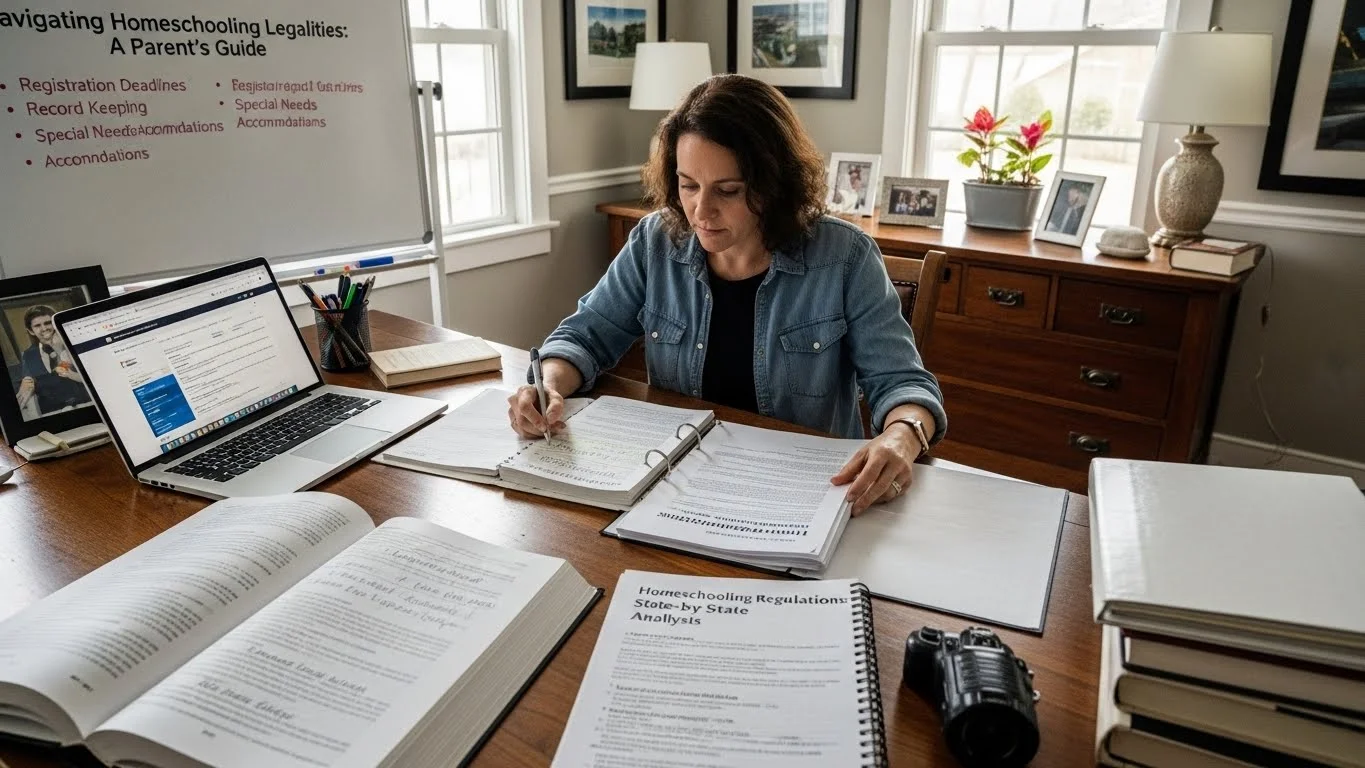
Understanding Homeschooling Legalities
What is Homeschooling?
Homeschooling is an educational option where parents take on the responsibility of teaching their children at home instead of sending them to a traditional school. I remember when I first considered this path; the idea of being my child’s primary educator was both exciting and intimidating. It involves a tailored approach to learning, allowing families to choose curricula that align with their values, interests, and learning styles. For us, it was about creating an environment where our kids could thrive, explore their passions, and learn at their own pace.
The Rise of Homeschooling in the U.S.
Over the years, I’ve noticed a significant rise in the number of families opting for homeschooling in the U.S. This trend can be attributed to various factors, including dissatisfaction with traditional schooling systems, a desire for a more flexible schedule, and the increasing availability of online resources. According to recent statistics, millions of children are now homeschooled, reflecting a shift in how education is perceived. Many parents, like myself, have found that homeschooling allows us to provide a more customized educational experience that fits our children’s unique needs. Read Interesting article: Breastfeeding Basics for Adventurous Backpacking Parents
State-Specific Homeschooling Laws
Overview of State Regulations
When diving into the world of homeschooling, one of the first things to understand is that laws vary significantly from state to state. Some states have very relaxed regulations, while others require strict adherence to educational guidelines. I’ve spent quite a bit of time researching these laws, and it’s essential to be aware of your state’s requirements. This not only ensures compliance but also helps you make informed decisions about your homeschooling journey. Generally, laws may dictate how to register your homeschool, what subjects to teach, and whether or not you need to submit an educational plan.
Homeschooling in California
In California, the homeschooling laws are relatively flexible. Parents can choose to file an affidavit with the state and become private school teachers for their children. I found the California Department of Education’s website to be an excellent resource, providing clear guidelines on how to officially register as a homeschool. However, it’s crucial to remember that while you have the freedom to design your curriculum, you still need to ensure that your children receive a comprehensive education based on state standards.
Homeschooling in Texas
Texas is known for having some of the most lenient homeschooling laws in the country. After researching, I learned that all you need to do is formally withdraw your child from public school and begin homeschooling. There are no required subjects, and you aren’t obligated to submit any documentation to the state. This flexibility was appealing to us, but it also meant that we had to take full responsibility for crafting a quality educational experience. I often recommend connecting with local homeschool groups for support and resources.
Homeschooling in Florida
In Florida, families have two primary options for homeschooling: registering as a private school or participating in an umbrella school. I found that either route requires some paperwork, but the umbrella school option can provide additional support and resources. Florida also mandates that homeschoolers submit an annual evaluation, which can be done through testing or portfolio reviews. It’s important to plan ahead for these evaluations to ensure your kids are on track with their learning objectives.
Homeschooling in New York
New York has more stringent regulations compared to some other states. Here, parents must submit an Individualized Home Instruction Plan (IHIP) to the local school district. I remember feeling overwhelmed by the paperwork initially, but I found that breaking it down into manageable steps made the process smoother. Additionally, New York requires semi-annual progress reports, so staying organized and keeping records of our educational journey became crucial.
Homeschooling in Illinois
In Illinois, homeschooling is also considered a form of private education. I was relieved to learn that parents in Illinois must file a notice of intent to homeschool, but there aren’t strict guidelines on curriculum. However, like New York, Illinois does require that parents maintain educational records and provide proof of progress. This encouraged my family to create a structured learning environment while still allowing us the freedom to explore various subjects in depth.
Homeschooling Registration and Notification
How to Register Your Homeschool
When it comes to officially registering your homeschool, the process can vary widely based on where you live. I remember feeling a mix of excitement and anxiety during our registration process. For many states, it’s as simple as submitting a form to your local school district or state education department. For instance, in states like Texas, you can start homeschooling almost immediately after withdrawing your child from public school. In contrast, states like New York require a detailed Individualized Home Instruction Plan (IHIP). I found that taking the time to understand the requirements in our state was crucial. It helped me feel more confident as I navigated the paperwork.
In my experience, staying organized is key. I created a dedicated folder for all our homeschooling documents, including registration forms, correspondence with the school district, and educational plans. This made it easy to keep track of what we had submitted and what we still needed to do. I suggest checking your state’s education website, as they usually provide clear instructions and downloadable forms, which can simplify the registration process significantly.
Notification Requirements by State
Notification requirements can range from minimal to quite extensive. In some states, all you need to do is notify the local school district of your intent to homeschool, while others have more detailed requirements. For example, after registering in California, I learned that I needed to file an affidavit each year, confirming that we were continuing to homeschool. In comparison, states like Florida allow for different homeschool structures, wherein you can choose to enroll in an umbrella school that provides additional support and oversight.
It’s fascinating how some states require annual evaluations or progress reports, while others do not have any such stipulations. For our family, this varied approach meant that we could tailor our educational journey while remaining compliant with state laws. I recommend joining local homeschooling groups or forums where you can share experiences and gather insights about meeting notification requirements. These communities can be invaluable for understanding the nuances of your state’s laws.
Curriculum Choices and Standards
Types of Homeschooling Curricula
Choosing a curriculum is one of the most exciting parts of homeschooling. There’s such a vast array of options available that it can feel overwhelming, but I found it to be a delightful challenge. From structured programs that resemble traditional schooling to unschooling methods that promote child-led learning, there’s something for every family. For us, it was essential to find a curriculum that resonated with our educational philosophy and our children’s interests.
Some popular curriculum types include classical education, Montessori, and unit studies, each offering unique approaches to learning. We experimented with a mix of these methods, which helped keep our lessons fresh and engaging. I also discovered that many families create their own custom curricula, blending resources from various sources to meet their children’s specific needs. This flexibility allows for a truly personalized educational experience, and I believe it fosters a love for learning that traditional schooling sometimes struggles to inspire.
Meeting State Educational Standards
While the freedom to choose our curriculum was liberating, I was also mindful of the need to meet state educational standards. This is where understanding the laws in our state became crucial. Some states require that certain subjects be taught, while others focus more on the outcomes. I remember researching our state’s standards and ensuring we covered essential topics like math, science, and language arts, but I also wanted to include creative subjects like art and music.
To keep ourselves aligned with state standards, I created a learning map that outlined what we would cover throughout the year. This not only helped me stay organized but also allowed us to track our progress. I encourage families to be proactive about understanding their state’s requirements and to incorporate them into their homeschooling plans while still leaving room for exploration and creativity. Read Interesting article: Vaccination Timeline for Newborns: Protect Your Baby Early
Assessment and Evaluation Requirements
Standardized Testing for Homeschoolers
Standardized testing can be a point of contention in the homeschooling community. Some states mandate testing at certain grade levels, while others do not impose any requirements. For us, standardized tests provided a way to gauge our children’s progress and identify areas where they might need extra help. I remember the first time we sat down for a standardized test; it felt like a rite of passage! While it was stressful, it helped us see the fruits of our labor and adjust our learning strategies as needed.
In states with testing requirements, it’s essential to prepare well in advance. I found that practicing with sample tests and using preparatory materials made a significant difference. It eased my children’s anxiety and allowed them to approach testing with more confidence. I recommend reaching out to other homeschooling families who have been through this process for tips and resources. Their experiences can be incredibly helpful.
Portfolio Reviews and Assessments
For families opting out of standardized testing, portfolio reviews can be a fantastic alternative. This method allows you to showcase your child’s work over the year, providing tangible evidence of their learning and progress. We created a portfolio filled with samples of our kids’ work, projects, and even photos of field trips and hands-on learning activities. I found it to be a wonderful opportunity to reflect on what we had accomplished together.
In states requiring portfolio submissions, it’s vital to keep detailed records of your child’s work. This not only helps with evaluations but also serves as a fantastic keepsake of their educational journey. I highly recommend documenting milestones and achievements throughout the year. It’s a rewarding way to celebrate your child’s growth while ensuring compliance with state requirements.
Legal Rights and Responsibilities of Homeschooling Parents
Parental Rights in Education
One of the most empowering aspects of homeschooling is the legal recognition of parental rights in education. I’ve come to realize that as a homeschooling parent, I have the right to direct my child’s education and make choices that align with our family’s values and beliefs. It’s a responsibility that feels monumental but also incredibly rewarding. Each state has different laws that affirm the rights of parents, and I found it vital to familiarize myself with these rights to ensure I could advocate effectively for my children’s education.
For example, in many states, parents have the right to choose the curriculum, teaching methods, and even the daily schedule that suits their family best. This flexibility allows for an education that’s not just about meeting standards, but about nurturing a love for learning. I remember feeling a sense of pride when I realized that I could incorporate my children’s interests into our lessons, whether it was art, science, or even cooking. Knowing that I had the legal backing to make these choices was reassuring.
Responsibilities in Maintaining Educational Standards
While we enjoy significant rights as homeschooling parents, we also have essential responsibilities. I learned early on that maintaining educational standards is crucial for compliance and ensuring our children receive a quality education. This responsibility varies by state, but it generally includes ensuring that we cover core subjects, keep records, and submit necessary documentation.
For instance, in states that require an educational plan or progress reports, I found it helpful to set measurable goals and track our progress throughout the year. Keeping an organized binder with lesson plans and completed assignments became second nature to me. It not only kept us accountable but also provided a clear picture of what we accomplished. I’ve discovered that this structured approach instills a sense of discipline in my children while allowing them to take ownership of their learning journey.
Another aspect of our responsibilities is understanding the importance of fostering a well-rounded education. I believe that while meeting state standards is important, it’s equally essential to provide opportunities for creative and critical thinking. We made it a point to explore subjects beyond the basics, like history through field trips and literature through discussions and book clubs. This holistic approach not only kept our learning engaging but also reinforced the educational foundation we were building.
Support and Resources for Homeschooling Families
Local Homeschooling Groups and Co-ops
Connecting with local homeschooling groups has been one of the most enriching aspects of our journey. When I first started homeschooling, I felt a bit isolated, but joining a local co-op changed that for us. These groups are fantastic for sharing resources, organizing group activities, and providing social opportunities for our kids. I remember our first co-op meeting, where I met other families who were navigating similar challenges and joys. It felt like a breath of fresh air!
In addition to socialization, co-ops often offer classes and extracurricular activities. We participated in joint science experiments, art projects, and even field trips. This not only added variety to our curriculum but also allowed my kids to learn from others and develop friendships. I recommend checking out local community boards or social media groups to find co-ops in your area; they can be a treasure trove of support and information.
Online Homeschooling Resources
The internet has opened up a wealth of resources for homeschooling families. I can’t tell you how many times I’ve turned to online platforms for lesson plans, educational videos, and interactive activities. Websites like Khan Academy and Coursera offer free resources that cover a wide range of subjects, making it easier to supplement our curriculum. I also discovered numerous blogs and forums where experienced homeschoolers share tips, lesson ideas, and even challenges they’ve faced.
Social media has also become a fantastic resource for connecting with other homeschooling parents. I found Facebook groups dedicated to homeschooling that provide a space to ask questions, share experiences, and find inspiration. It’s comforting to know that we’re part of a larger community, and these resources have made my homeschooling journey more fulfilling and less daunting.
Legal Assistance for Homeschooling Families
While homeschooling is a wonderful choice for many families, it can come with legal complexities. I’ve learned that having access to legal assistance can be invaluable, especially if any issues arise with state requirements or school districts. Organizations like the Home School Legal Defense Association (HSLDA) offer resources and legal advice tailored specifically for homeschooling families. I remember reaching out to HSLDA when I had questions about our rights and responsibilities, and they provided clear guidance that eased my concerns.
It’s also wise to stay informed about any changes in homeschooling laws in your state. Legal support can help navigate these changes, ensuring that we remain compliant while continuing to provide the best education for our children. Knowing that there are resources available for legal assistance allows me to focus on what truly matters—educating my kids and helping them thrive.
Frequently Asked Questions
What is homeschooling?
Homeschooling is an educational option where parents take on the responsibility of teaching their children at home instead of sending them to a traditional school. It allows families to choose curricula that align with their values, interests, and learning styles.
What are some reasons for the rise of homeschooling in the U.S.?
The rise in homeschooling can be attributed to various factors, including dissatisfaction with traditional schooling systems, a desire for a more flexible schedule, and the increasing availability of online resources. Many families find that homeschooling provides a more customized educational experience that fits their children’s unique needs.
How do homeschooling laws vary by state?
Homeschooling laws vary significantly from state to state, with some states having relaxed regulations and others requiring strict adherence to educational guidelines. It’s essential for homeschooling families to understand their state’s requirements to ensure compliance and make informed decisions.
What is required for homeschooling registration in California?
In California, parents can file an affidavit with the state to become private school teachers for their children. While parents have the freedom to design their curriculum, they must ensure that their children receive a comprehensive education based on state standards.
What are the homeschooling laws in Texas?
Texas has some of the most lenient homeschooling laws in the country. To start homeschooling, parents simply need to formally withdraw their child from public school. There are no required subjects, and no documentation needs to be submitted to the state.
What options do families have for homeschooling in Florida?
In Florida, families can register as a private school or participate in an umbrella school. Both options require paperwork, and Florida mandates an annual evaluation for homeschoolers, which can be done through testing or portfolio reviews.
What are the requirements for homeschooling in New York?
In New York, parents must submit an Individualized Home Instruction Plan (IHIP) to their local school district and provide semi-annual progress reports. Staying organized and keeping records of educational progress is crucial in this state.
What responsibilities do homeschooling parents have regarding educational standards?
Homeschooling parents have the responsibility to maintain educational standards, which includes covering core subjects, keeping records, and submitting necessary documentation. Each state has different requirements, but it is important to ensure a quality education for children.
How can local homeschooling groups benefit families?
Local homeschooling groups and co-ops provide resources, organize group activities, and offer social opportunities for children. They can enrich the homeschooling experience by allowing families to share knowledge and create a supportive community.
What legal assistance is available for homeschooling families?
Legal assistance can be invaluable for homeschooling families, especially regarding compliance with state requirements. Organizations like the Home School Legal Defense Association (HSLDA) provide resources and legal advice tailored specifically for homeschooling families.