
Becoming a parent is one of the most life-changing experiences, yet it can also come with unexpected mental health challenges. Understanding these struggles is the first step toward healing and support. Read Interesting article: Navigating Postpartum Recovery: What New Parents Need
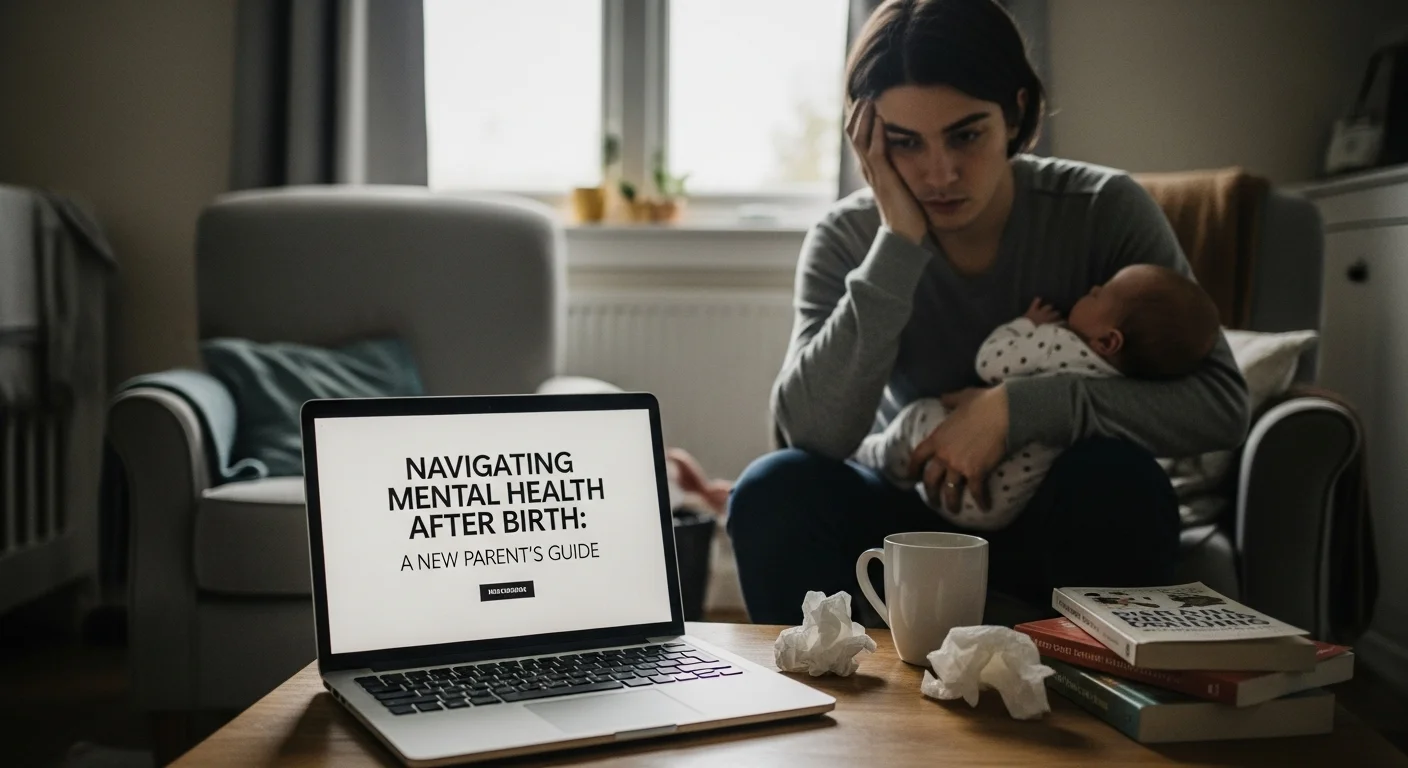
Understanding Postpartum Mental Health
When I first became a parent, I was overwhelmed with joy and love, but I quickly realized that the transition also brought a whirlwind of feelings I hadn’t anticipated. I remember those early days vividly, filled with sleepless nights and constant worry. One of the most important lessons I learned during that time was about postpartum mental health, which is crucial for new parents to understand.
What is Postpartum Depression?
Postpartum Depression (PPD) is more than just the baby blues; it’s a serious condition that can affect anyone who has given birth. It’s characterized by persistent feelings of sadness, anxiety, and fatigue. I remember feeling like I was on an emotional roller coaster. Some days, I felt elated, while other days, I struggled to get out of bed. PPD can manifest weeks or even months after childbirth, and it doesn’t just go away on its own. It often requires support and intervention.
Signs and Symptoms of Postpartum Anxiety
Alongside PPD, many new parents also experience postpartum anxiety. For me, this was just as challenging as the depression. I constantly worried about my baby’s health and safety. Symptoms of postpartum anxiety can include excessive worry, irritability, and racing thoughts. I found myself unable to relax, even during moments when I should have felt content. Recognizing these signs in myself was crucial, as it helped me seek the right kind of help.
Understanding Baby Blues
It’s also essential to differentiate between PPD and “baby blues.” The baby blues typically occur within the first few days after birth and can last up to two weeks. Most new parents experience this temporary phase characterized by mood swings, irritability, and fatigue. I felt a sense of sadness wash over me at times, but I also knew it was a transient phase. Knowing that many others go through this helped me feel less isolated and more supported.
Risk Factors for Mental Health Issues After Birth
Understanding the risk factors that contribute to postpartum mental health issues can help us be more prepared and aware. I learned that several biological, psychosocial, and environmental influences can play a role in how we feel after welcoming a child.
Biological Factors
Hormonal changes after childbirth are significant. I remember hearing about how fluctuating hormones could affect mood, but experiencing it firsthand was another story. In my case, the hormonal shift left me feeling emotionally unstable. Factors such as a history of mental health issues or family history of postpartum conditions can also increase the risk, making it essential to talk openly about our backgrounds.
Psychosocial Factors
Psychosocial factors can also contribute to our mental health after birth. Stress from the demands of parenting, lack of sleep, and feeling overwhelmed can all take a toll. I found myself grappling with feelings of inadequacy and pressure to be the perfect parent. It’s vital to acknowledge that we’re all doing our best, and it’s okay to struggle sometimes.
Environmental Influences
Finally, environmental influences can significantly impact our mental health. Support systems, financial stability, and relationship dynamics can all play a part. In my experience, having a supportive partner and family made a world of difference. However, I also saw how isolation and lack of community support could lead to increased stress and anxiety.
Navigating mental health after birth is a journey, one filled with ups and downs. Understanding the complexities of postpartum mental health is a crucial step for new parents. It’s about giving ourselves grace and seeking help when needed. The more we share our experiences, the more we empower others to do the same. Read Interesting article: Top Strategies for Quick Postpartum Recovery at Home
Recognizing When to Seek Help
As I navigated the roller coaster of emotions after becoming a parent, there were moments when I questioned whether what I was feeling was typical or if I needed to seek help. I realized that recognizing when to reach out for support is vital for our well-being as new parents. It can be tough to admit we are struggling, but doing so can lead us to the help we need.
Signs You Should Talk to a Professional
In my experience, there were specific signs that indicated it was time to talk to someone. I found it helpful to keep an eye out for these warning flags. If you’re feeling consistently overwhelmed, having difficulty bonding with your baby, or experiencing persistent feelings of sadness or anxiety, these are strong indicators that you might benefit from professional help. I remember feeling a heaviness that wouldn’t lift, despite my attempts to push through it.
Additionally, if your daily functioning is impaired—like struggling to complete simple tasks or having difficulty engaging with others—these could be signs too. I remember feeling disconnected from my friends and family, and that isolation only added to my worries. Seeking help is not a sign of weakness; it’s an act of strength, and acknowledging that we need support is a critical step in the healing process.
Emergency Situations to Watch For
There are also situations where immediate help is crucial. If you ever have thoughts of harming yourself or your baby, it’s essential to seek emergency care right away. I can remember a friend who confided in me about her scary thoughts during her postpartum period, and it was a wake-up call for both of us to understand the seriousness of the situation. It’s crucial to take these feelings seriously and reach out to a healthcare provider, a trusted friend, or a family member who can help guide you to the right resources.
Other emergency signs include severe mood swings, hallucinations, or delusions. These symptoms may indicate a more severe condition, such as postpartum psychosis. I think the more we talk about these experiences, the more we can help break down the stigma surrounding mental health and encourage others to seek help without fear.
Types of Support Available
Once I recognized the importance of seeking help, I discovered that there are numerous types of support available for new parents. Knowing what options exist can empower us to take the next step toward healing.
Therapy Options for New Parents
One of the most impactful forms of support I found was therapy. Talking to a professional who understands postpartum mental health made a world of difference for me. Therapy can provide a safe space to process emotions and experiences, which I found incredibly valuable. Whether it’s cognitive behavioral therapy (CBT), talk therapy, or even group therapy, the right fit can help us navigate our feelings and develop coping strategies.
Medication for Postpartum Conditions
For some, medication may also be an option worth considering. I was hesitant at first, but I learned that it can offer relief for many new parents struggling with severe symptoms. Antidepressants or anti-anxiety medications can help rebalance brain chemistry, making it easier to cope with daily challenges. It’s essential to consult with a healthcare provider to discuss potential benefits and side effects, and to determine a plan that works best for you.
Support Groups and Community Resources
Support groups can also be incredibly beneficial. Sharing experiences with others who are going through similar challenges made me feel less isolated. We often laughed, cried, and supported each other in ways that felt genuine and healing. Many organizations offer support groups both in-person and online, providing accessible avenues to connect with others. I found that just knowing I wasn’t alone in my struggles was comforting. Read Interesting article: Budget-Friendly Postpartum Recovery Essentials for Moms
Self-Care Strategies for New Parents
While seeking help is crucial, I also discovered that self-care is an essential part of the equation. I learned the importance of taking care of myself, even on the days when it felt impossible.
Importance of Sleep and Rest
Sleep deprivation can be a significant factor in postpartum mental health. I noticed that when I didn’t get enough rest, everything felt more overwhelming. I made a conscious effort to nap when my baby napped, even if it was just for short periods. I think prioritizing rest is vital for our mental clarity and emotional regulation. It’s okay to ask for help from family and friends to allow some time to recharge.
Nutrition and Physical Activity
Nutrition also plays a crucial role in how we feel. I tried to focus on eating balanced meals, even when I was exhausted. Simple things like keeping healthy snacks on hand made a difference. Physical activity is another essential piece; even a short walk with my baby in the stroller could lift my spirits. I found that being active, even in small ways, helped me feel more energized and positive.
Mindfulness and Relaxation Techniques
Lastly, I learned about mindfulness and relaxation techniques. Practicing deep breathing, meditation, or even gentle yoga at home helped ground me during stressful moments. I remember finding a few minutes to focus on my breath while my baby napped made me feel more centered and calm. Taking time for ourselves, no matter how short, is crucial in the journey of parenthood.
Building a Support Network
As I reflected on my journey, I realized that building a robust support network was vital. Surrounding myself with understanding and compassionate people made a world of difference.
Involving Family and Friends
Engaging family and friends in our parenting journey can provide a safety net. I found it helpful to communicate my needs openly with loved ones. Whether it was asking for help with childcare, running errands, or just needing someone to talk to, involving my support system helped lighten the load. I think it’s essential to remember that it’s okay to lean on others.
Connecting with Other New Parents
Connecting with other new parents can also be a fantastic source of support. I found that joining local parenting groups or online forums allowed me to share my experiences and learn from others. Knowing I wasn’t alone in my feelings made the challenges of parenthood feel more manageable. We can often find strength in shared experiences, and those connections can turn into lifelong friendships.
Tips for Partners and Supportive Family Members
As I navigated my own challenges, I began to realize how important it was for partners and family members to be aware of the signs of distress in new parents. Their support can make a significant difference in the healing process.
How to Recognize Signs of Distress
It’s essential for partners to pay attention to changes in mood, behavior, and communication. I appreciated when my partner noticed when I was feeling overwhelmed or distant and gently encouraged me to talk about it. Being attuned to these signs can help create an environment where new parents feel safe to share their feelings.
Ways to Provide Emotional Support
Emotional support is critical during this time. Simple acts like listening without judgment, offering reassurance, or just being present can mean the world. I remember times when my partner would hold my hand and let me vent my worries. It reminded me that I wasn’t alone in this journey.
Encouraging Professional Help
Lastly, if a partner or family member notices concerning signs, encouraging professional help is crucial. It can be challenging to suggest this, as it may feel overwhelming for the new parent. However, approaching the conversation with empathy and understanding can help. I remember feeling hesitant about seeking help initially, but having my partner by my side made me feel supported and more open to the idea.
Resources for New Parents
As I navigated my own journey, I discovered a wealth of resources available for new parents seeking support. Knowing where to turn can make all the difference.
Books and Articles on Postpartum Mental Health
There are many excellent books and articles focusing on postpartum mental health. I found reading personal stories and expert advice comforting and enlightening. Books like “The Fourth Trimester” by Kimberly Ann Johnson and “This Isn’t What I Expected” by Karen Kleiman helped me feel understood and less alone in my struggles.
Websites and Online Communities
Websites like Postpartum Support International and 2020 Moms offer valuable information and resources for new parents. Online communities can provide a platform for sharing experiences and finding support from others who are going through similar challenges. Engaging with these platforms allowed me to connect with others and feel part of a larger conversation about postpartum mental health.
Hotlines and Emergency Contacts
If you or someone you know is in crisis, it’s essential to have access to emergency contacts. Hotlines like the National Suicide Prevention Lifeline or the Crisis Text Line are available 24/7 and can provide immediate support. I think it’s crucial to remember that reaching out for help at any moment is a brave and important step toward healing.
Understanding Postpartum Mental Health
What is Postpartum Depression?
When I first encountered the term postpartum depression (PPD), I had no idea just how deeply it could affect a new parent’s life. I thought it was just another label thrown around in the parenting world, but as I learned more, I realized that PPD is a genuine mental health concern. It goes beyond feeling sad or overwhelmed; it’s an all-consuming experience that can make even the simplest tasks feel like climbing a mountain. I remember days when getting out of bed felt like a monumental effort, and the guilt that accompanied that struggle was equally paralyzing.
Signs and Symptoms of Postpartum Anxiety
Along with PPD, I also confronted postpartum anxiety, which can be just as debilitating. It was as if my mind was constantly racing with worries about my baby’s future, health, and safety. I would spiral into ‘what-if’ scenarios that never seemed to end. I found myself checking on my baby repeatedly, convinced something was wrong. The racing heart, constant tension in my body, and an ever-present sense of dread were exhausting. Recognizing these signs was essential for me; it allowed me to focus on my mental health and seek support where needed.
Understanding Baby Blues
In my early days of motherhood, I often heard the term “baby blues.” At first, I thought it was a catchphrase for every new mom’s experience, but it’s important to understand that it doesn’t equate to PPD. Baby blues typically happen a few days after giving birth and can last up to two weeks. I experienced moments of crying and slight mood swings that felt overwhelming but temporary. Knowing this phase was common helped me feel less isolated. I learned that while it’s natural to have ups and downs, keeping an eye on how long those feelings last is crucial.
Risk Factors for Mental Health Issues After Birth
As I delved deeper into postpartum mental health, I discovered various risk factors that could influence how I felt after giving birth. Understanding these factors was eye-opening and made me realize that it wasn’t just about my personal experiences but a combination of biological, psychosocial, and environmental elements.
Biological Factors
One aspect I found particularly interesting was the role of biological factors. Hormonal changes play a significant part in our emotional landscape after childbirth. I noticed how my body was adjusting to the new normal, and this fluctuation often left me feeling emotionally drained. Additionally, if there’s a history of mental health issues in one’s family, or if a new parent has faced previous mental health challenges, they might have a higher risk of experiencing PPD or anxiety. This awareness made me realize how vital it is to have open conversations about mental health in our families.
Psychosocial Factors
Psychosocial factors also came into play. The stress of adjusting to parenthood, coupled with feelings of inadequacy and the pressure to parent perfectly, often felt like an unbearable burden. I found that societal expectations could add to the stress. Acknowledging that I wasn’t alone in this struggle was liberating. It’s essential to remember that it’s okay to seek help and that being vulnerable about our feelings can foster a sense of community and support.
Environmental Influences
Environmental influences also significantly impacted my mental health. I realized how crucial having a solid support system is. My journey was made easier by friends and family who offered to help, but I also saw how isolation could worsen feelings of anxiety and depression. In my case, participating in local parenting groups provided a sense of belonging, and I learned how important it is to build a community around ourselves during this challenging time.
Recognizing When to Seek Help
Recognizing when to seek help was a turning point for me. I had moments of doubt where I questioned if what I was experiencing was typical or something I should discuss with a professional. However, understanding the signs made it clearer that reaching out was essential for my well-being and my family’s.
Signs You Should Talk to a Professional
For me, the signs were often subtle at first. I’d feel persistently anxious, unable to enjoy moments with my baby, or struggle with simple tasks that used to be manageable. If you find yourself feeling overwhelmed or unable to bond, these could be indicators that talking to a professional might be beneficial. I remember feeling like I was in a fog, unable to see a way forward, but acknowledging that I needed help was the first step toward healing.
Emergency Situations to Watch For
It’s also important to recognize when immediate help is necessary. I learned from others that if you experience thoughts of harming yourself or your baby, reaching out for emergency care should be your top priority. I remember a close friend sharing her experience with intrusive thoughts, which was a wake-up call for me. Those feelings should never be dismissed, and it’s crucial to approach a healthcare provider or a trusted loved one. Taking those thoughts seriously could save a life.
Types of Support Available
As I sought help, I was pleasantly surprised by the variety of support options available. Knowing what resources were out there empowered me to take the next step in my healing journey.
Therapy Options for New Parents
One of the first steps I took was seeking therapy. The right therapist can provide a safe space to explore your feelings without judgment. Cognitive Behavioral Therapy (CBT) and talk therapy helped me process my emotions and develop coping strategies. I found it reassuring to know that I wasn’t alone in my journey, and having a professional to guide me was invaluable.
Medication for Postpartum Conditions
Medication is another aspect that I learned can be beneficial for some new parents. Initially, I was hesitant, but once I understood how medications like antidepressants could help stabilize mood and alleviate anxiety, I felt more open to exploring this option. It was essential for me to consult with a healthcare provider to discuss what might work best for my situation.
Support Groups and Community Resources
Support groups proved to be an incredible lifeline. Sharing my experiences with others who understood what I was going through was both comforting and healing. I found that many organizations offer support groups tailored to new parents, providing a safe space to connect and share. Just knowing that I wasn’t alone made a significant difference in my mental health journey.
Frequently Asked Questions
What is Postpartum Depression (PPD)?
Postpartum Depression (PPD) is a serious mental health condition that can affect anyone who has given birth. It is characterized by persistent feelings of sadness, anxiety, and fatigue, and can manifest weeks or even months after childbirth. PPD often requires support and intervention to heal.
What are the signs and symptoms of postpartum anxiety?
Symptoms of postpartum anxiety can include excessive worry, irritability, and racing thoughts. New parents may find themselves unable to relax and constantly worrying about their baby’s health and safety.
How do baby blues differ from postpartum depression?
Baby blues typically occur within the first few days after birth and can last up to two weeks. They are characterized by temporary mood swings and irritability. In contrast, postpartum depression is a more severe condition that persists beyond this timeframe and requires intervention.
What are some risk factors for postpartum mental health issues?
Risk factors for postpartum mental health issues include biological factors such as hormonal changes, a history of mental health issues, psychosocial stressors like lack of sleep and feelings of inadequacy, and environmental influences such as the presence of a supportive community.
When should a new parent seek help for mental health issues?
New parents should seek help if they feel consistently overwhelmed, have difficulty bonding with their baby, experience persistent sadness or anxiety, or find that their daily functioning is impaired.
What are some emergency situations that require immediate help?
Immediate help is crucial if a new parent has thoughts of harming themselves or their baby, experiences severe mood swings, hallucinations, or delusions, which may indicate postpartum psychosis.
What types of support are available for new parents dealing with mental health issues?
Support options for new parents include therapy (such as cognitive behavioral therapy), medication, support groups, and community resources. Therapy provides a safe space for processing emotions, while support groups offer shared experiences with others facing similar challenges.
What self-care strategies can new parents implement to improve their mental health?
Self-care strategies for new parents include prioritizing sleep and rest, maintaining good nutrition, engaging in physical activity, and practicing mindfulness and relaxation techniques to help manage stress.
How can family and friends support new parents facing mental health challenges?
Family and friends can support new parents by recognizing signs of distress, providing emotional support, listening without judgment, and encouraging professional help when necessary.
What resources are available for new parents seeking information on postpartum mental health?
Resources for new parents include books and articles on postpartum mental health, websites like Postpartum Support International, online communities for sharing experiences, and crisis hotlines for immediate support.