
Navigating mental health while traveling can be challenging, especially with the influence of social media. Let’s explore how our online interactions shape our experiences as travelers and impact our mental well-being. Read Interesting article: Backpacking & Mental Health: The Social Media Connection
Understanding Mental Health in the Context of Travel
The Importance of Mental Health for Travelers
When I think about travel, my mind fills with images of beautiful landscapes, new cultures, and unforgettable experiences. However, what often gets overlooked is the mental health aspect of traveling. It’s easy to focus on the thrill of the journey, yet mental health is just as important as packing the right gear. Traveling, while exciting, can also bring about feelings of stress, anxiety, and even loneliness, especially when navigating new environments or facing unexpected challenges.
For me, mental health plays a huge role in my overall travel experiences. I’ve learned that maintaining a positive mindset is crucial for enjoying my adventures. Whether I’m planning a solo trip or traveling with friends, I try to keep my mental well-being at the forefront. It’s essential to recognize when I might be feeling overwhelmed and take the necessary steps to address those feelings. This understanding has allowed me to enjoy my travels more fully and connect better with the places and people I encounter.
Common Mental Health Issues Faced by Travelers
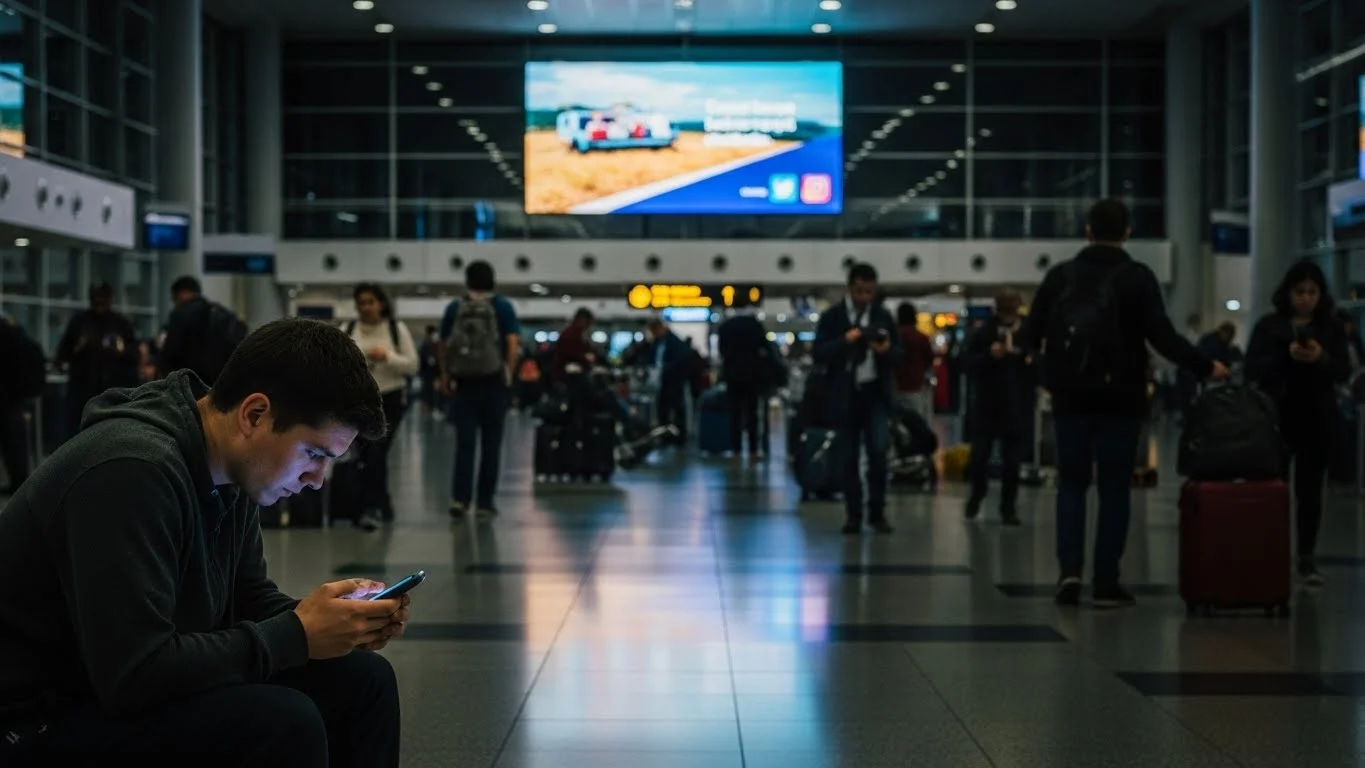
From my experience, travelers often face a range of mental health challenges. One major issue is anxiety, which can manifest in various ways. For instance, I’ve felt anxious about navigating busy airports or communicating in a foreign language. These feelings are common, yet they can easily overshadow the excitement of a new adventure.
Another issue is the potential for loneliness, especially for those traveling solo. I remember a time when I found myself in a bustling city, surrounded by crowds but still feeling isolated. It’s a strange contradiction, being physically present yet emotionally distant. This loneliness can lead to negative thoughts and feelings, making it hard to enjoy the travel experience.
Moreover, the pressure to capture and share perfect moments on social media can lead to burnout. I’ve had days where I was so focused on getting the right shot that I forgot to appreciate the beauty around me. This internal pressure can create a cycle of stress that impacts our mental health while traveling. Recognizing these common issues is the first step in finding ways to manage them effectively.
The Role of Social Media in Travel
How Social Media Influences Travel Decisions
Social media has dramatically transformed how we plan and experience travel. I can’t recall a trip where I didn’t turn to Instagram or Pinterest for inspiration. Scrolling through stunning photos and travel blogs often helps me decide where to go and what to see. However, this influence isn’t always positive. I’ve noticed that sometimes, the pressure to replicate someone else’s experience can detract from my own journey. Instead of enjoying the moment, I find myself thinking about how I can get the perfect photo to share later.
This tendency to compare our travels with others can lead to unrealistic expectations. I’ve caught myself believing that I need to visit all the popular spots to have a fulfilling experience. In reality, some of my best memories come from the unexpected moments that didn’t make it onto social media. Understanding that social media can shape our travel decisions is crucial, as it reminds us to focus on our unique experiences rather than chasing after likes and comments. Read Interesting article: Social Media’s Hidden Impact on Backpackers’ Mental Health
Popular Platforms for Travel Inspiration
For many, platforms like Instagram, TikTok, and YouTube serve as go-to sources of travel inspiration. I often find myself captivated by travel vlogs, where I can see different cultures and landscapes through someone else’s eyes. These platforms are filled with beautiful content that ignites a desire to explore. However, it’s important to remember that what we see online is often curated and edited. I’ve learned that while these platforms can offer excellent ideas, they can also set up a false narrative about travel. Not every trip will be filled with picture-perfect moments, and that’s okay.
Additionally, there are niche communities on platforms like Facebook and Reddit where travelers share their stories and tips. These spaces can be supportive and informative, helping travelers connect over common experiences. I’ve found that engaging in these communities can provide a sense of camaraderie, reminding me that I’m not alone on my journey. Social media, when used mindfully, can enhance the travel experience and provide valuable insights.
Positive Effects of Social Media on Travelers’ Mental Health
Building Community and Connections
One of the most uplifting aspects of social media in travel is the sense of community it creates. I’ve found that platforms like Instagram and Facebook allow me to connect with fellow travelers from all over the globe. It’s amazing how a simple comment or a shared experience can foster friendships that extend beyond the virtual world. I remember posting about my hiking trip in the Rockies, and I was surprised by the number of people who reached out with tips, encouragement, and even shared their own stories of similar adventures.
These interactions can remind us that we’re part of something bigger. Whether it’s a travel group on Facebook or a hashtag on Instagram, engaging with others who share our passions can be incredibly validating. I feel a sense of belonging when I connect with someone who understands the thrill of exploring a new city or the joy of discovering hidden gems. This community support can enhance our mental well-being, providing encouragement and understanding during our travels.
Access to Travel Resources and Support
Social media also serves as a treasure trove of resources and support for travelers. I can’t count how many times I’ve found helpful articles, local tips, or even mental health resources through a quick scroll. For example, during my last trip to Southeast Asia, I stumbled upon a travel blog that not only highlighted must-see attractions but also offered insights on navigating cultural differences while keeping mental health in check. These resources empower us to travel more mindfully and confidently.
Additionally, many travel-focused accounts share mental health tips specifically tailored for travelers. I’ve learned techniques for managing anxiety while flying, as well as self-care practices to incorporate during trips. It’s amazing how a few simple strategies can turn a stressful travel experience into a more enjoyable one. I believe that having access to this kind of information helps us maintain a healthier mindset while exploring new places.
Encouragement for Mental Well-being through Sharing Experiences
Sharing our travel experiences on social media can also have a positive impact on our mental health. I’ve found that posting about my journeys not only allows me to document my memories but also provides a platform for reflection. When I write about my experiences, I often uncover feelings I didn’t even realize were there—whether it’s joy from an amazing sunset or a lesson learned from a challenging situation.
Moreover, seeing others share their stories can inspire us to embrace vulnerability and authenticity. When I come across posts from fellow travelers discussing their struggles with anxiety or loneliness, it reminds me that I’m not alone in my feelings. This openness can create a safe space for dialogue around mental health, encouraging us to support one another. In my opinion, the more we share these experiences, the more we can normalize conversations about mental well-being in the context of travel.
Negative Effects of Social Media on Travelers’ Mental Health
Comparative Anxiety and Unrealistic Expectations
While social media has its perks, I can’t ignore the darker side that many of us face. The constant comparison to others’ seemingly perfect travel experiences can lead to what I like to call “comparative anxiety.” I’ve often found myself scrolling through friends’ posts and feeling a pang of inadequacy, thinking about how my own adventures don’t measure up. It’s easy to forget that social media often showcases the highlight reel, not the behind-the-scenes struggles.
This pressure to keep up with others can create unrealistic expectations for our own trips. I’ve caught myself obsessing over creating picture-perfect moments instead of enjoying the spontaneous fun that travel often brings. It’s crucial to remember that our journeys are unique, and there’s no right way to experience a destination. Acknowledging this can help alleviate some of the stress that comes from comparing ourselves to others.
Social Media Burnout and Overwhelm
Another challenge I’ve faced is social media burnout. I’ve experienced days where the urge to post, comment, and interact with others becomes overwhelming. It often feels like a chore rather than a joy. During a two-week backpacking trip, I found myself so caught up in documenting every moment that I barely enjoyed the scenery around me. I was constantly checking my notifications, worried about how my posts were being received. This can detract from the travel experience and lead to mental fatigue.
Burnout can manifest in feeling drained or disengaged, which is the opposite of what travel is supposed to bring. I’ve learned that it’s okay to take breaks from social media while traveling. Focusing on the present moment and allowing myself to disconnect can be incredibly refreshing.
Cyberbullying and Negative Interactions
Sadly, social media can also be a breeding ground for negativity and cyberbullying. I’ve seen fellow travelers face harsh criticism for their choices or even their appearance in travel photos. It’s disheartening and can severely impact one’s mental health. I remember a time when I was hesitant to share a photo because I feared judgment. This fear can stifle our creativity and enjoyment of travel.
Creating a supportive online environment is essential. I’ve started to unfollow accounts that promote negativity and instead focus on those that uplift and inspire. It’s important to cultivate a social media experience that nourishes our mental health rather than detracts from it.
Strategies for Healthy Social Media Use While Traveling
Setting Boundaries for Social Media Engagement
I’ve come to realize that setting boundaries with social media while traveling is vital for maintaining my mental health. It’s so easy to get caught up in the excitement of sharing every moment, but I’ve learned that this can sometimes detract from my experience. During my last trip, I decided to limit my social media use to just a few times a day. This simple change allowed me to focus more on being present and truly enjoying the sights and sounds around me.
One strategy I found helpful was designating specific times for checking my accounts—usually in the morning and evening. This way, I could capture my thoughts and moments without feeling the pressure to post constantly. I think this approach not only reduces the feeling of overwhelm but also allows me to engage more genuinely when I do share. It’s all about finding that balance that works for you.
Curating a Positive Feed: Following Supportive Accounts
Another effective strategy I’ve adopted is curating my social media feed to focus on positivity and support. I started unfollowing accounts that made me feel inadequate or stressed, and instead, I sought out profiles that inspire and uplift. Following fellow travelers who share authentic experiences, travel tips, and mental health insights has been a game changer for me.
I remember discovering an account dedicated to solo female travelers that not only showcased stunning destinations but also shared honest stories about overcoming challenges. Engaging with such uplifting content has not only enriched my travel experience but also helped me feel more connected and less isolated. It’s amazing how surrounding ourselves with positive influences can shift our mindset, making us feel more at ease during our travels.
Mindfulness Practices for Social Media Use
Incorporating mindfulness practices into my social media use has really transformed how I experience travel. Instead of mindlessly scrolling, I’ve started to approach my time online with intention. For instance, when I post a photo, I take a moment to reflect on the memory behind it. This not only enhances my connection to the moment but also encourages a deeper appreciation for my journey.
When I find myself feeling stressed or anxious while using social media, I remind myself to take a step back. I’ve adopted practices like deep breathing or a short meditation session to regain my focus. I’ve found that these techniques not only help me manage my feelings but also encourage me to engage with social media in a healthier way. By being mindful, I can enjoy my virtual interactions without letting them overshadow the beauty of my surroundings.
Case Studies: Real Traveler Experiences
Travelers Who Found Support Through Social Media
One story that stands out to me is that of a fellow traveler I connected with through Instagram. She shared her journey of traveling solo after a tough breakup. Initially, she was apprehensive about being alone but found solace in an online travel community. Through sharing her experiences, she not only received encouragement but also formed meaningful connections with others who had gone through similar situations. This support network became a lifeline for her, reminding her that she wasn’t alone.
Her story resonated with me because it illustrates the power of social media to create a sense of belonging. By sharing her vulnerabilities, she not only found support but also inspired others to embrace their own journeys, no matter how difficult. It’s a beautiful reminder that while social media can have its drawbacks, it also has the potential to foster genuine connections that uplift us during our travels.
Travelers Who Experienced Negative Impacts from Social Media
On the flip side, I’ve also come across stories of travelers who faced negative consequences due to social media. One friend shared how he became obsessed with curating the perfect social media presence on his trip to Europe. He spent more time focusing on getting the right shots than truly enjoying the places he visited. Eventually, he realized he was missing out on the experiences he initially sought, leading to feelings of regret and discontent.
This experience opened my eyes to the darker side of social media’s influence. It made me reflect on my own practices and how I could avoid falling into the same trap. It’s crucial to remember that our travels are more than just content for social media; they’re about making memories and discovering new perspectives. This realization has encouraged me to stay grounded and prioritize my experiences over my online presence.
Resources for Mental Health Support During Travel
Apps and Online Communities for Mental Health
In today’s digital world, I’ve discovered that there are numerous apps and online communities designed to provide mental health support, especially for travelers. One of my favorites is Headspace, which offers guided meditations specifically tailored for various travel-related anxieties. I remember using it on a particularly long flight, and it helped calm my nerves and made the hours fly by. Another app, Calm, provides not only meditations but also soothing sounds and sleep stories that can enhance relaxation during travel downtime.
Online communities can also be a great resource. I’ve found Facebook groups dedicated to travel where members share everything from itineraries to mental health tips. For instance, joining a group focused on solo travelers helped me connect with others who understood the unique challenges of traveling alone. Sharing experiences and hearing from others can be incredibly validating and reassuring, reminding us that we’re not alone in our struggles. Read Interesting article: How Culture Shapes Parenting Styles Across the Globe
Professional Support: When to Seek Help
While self-help resources are fantastic, I believe it’s crucial to recognize when professional support might be necessary. If I find myself feeling overwhelmed, anxious, or depressed while traveling, reaching out to a mental health professional can be an important step. Many therapists offer remote sessions via video chat, which can be a lifeline when I’m away from home. It’s comforting to know there’s help available, no matter where I am.
Additionally, I’ve learned that some travel insurance plans now include mental health support as part of their coverage, which is something I always check before embarking on a trip. Knowing that I have access to professional help provides peace of mind, allowing me to focus on enjoying my travels without the added worry about my mental well-being.
Future Trends: Social Media and Mental Health in Travel
Emerging Platforms and Their Potential Impacts
Looking ahead, I can’t help but wonder about the future of social media and its impact on mental health in travel. With new platforms emerging, we might see a shift in how we share and connect while exploring the world. For instance, apps that prioritize authenticity over aesthetics could help reduce the pressures of curating a perfect online presence. Imagine a platform where travelers share unfiltered experiences, showcasing both the highs and lows of their journeys. This could foster a more genuine connection among travelers and shift the narrative to one that celebrates the real, messy, and beautiful aspects of travel.
Moreover, I think platforms that encourage mental health discussions will continue to grow. We’re already seeing influencers and travelers openly discussing their mental health struggles, which helps to normalize these conversations. This trend could lead to a more supportive online environment where sharing our vulnerabilities becomes the norm, promoting a healthier mindset around travel.
Shifts in Traveler Behavior Post-Pandemic
The pandemic has undoubtedly changed how we approach travel and social media. I’ve noticed a growing emphasis on mindfulness and self-care in travel planning. Many travelers, including myself, are seeking deeper, more meaningful experiences rather than just checking off bucket-list items. This shift could lead to more authentic social media content focused on connection and well-being rather than mere aesthetics.
Additionally, I believe that more travelers will prioritize mental health as an integral part of their journey. This could manifest in the way we share our stories online, focusing on the importance of self-care, mental well-being, and the realities of travel. As we move forward, I hope to see a landscape where social media enhances our travel experiences rather than detracts from them, allowing us to enjoy our adventures fully while supporting one another.
Final Thoughts
Traveling can be one of the most rewarding experiences, yet it also comes with its own set of mental health challenges. By understanding how social media influences our experiences and implementing strategies for healthy engagement, we can create a more balanced relationship with our online presence while traveling. I’ve learned that it’s okay to seek support and prioritize my mental health, whether through apps, professional help, or simply connecting with others who share similar experiences. Ultimately, travel is about connection—both with the world around us and with ourselves. Let’s embrace the journey, imperfections and all, and support each other in making our travels not just about the destinations, but about our well-being along the way.
Frequently Asked Questions
What are some common mental health issues faced by travelers?
Travelers often face anxiety, feelings of loneliness, and pressure from social media to capture perfect moments. These challenges can overshadow the excitement of travel and impact overall enjoyment.
How does social media influence travel decisions?
Social media can inspire travel decisions by showcasing beautiful destinations and experiences. However, it can also create pressure to replicate others’ experiences, leading to unrealistic expectations and detracting from personal enjoyment.
What are some positive effects of social media on travelers’ mental health?
Social media can foster a sense of community among travelers, provide access to valuable resources and tips, and encourage sharing experiences that promote mental well-being, normalizing conversations around mental health.
What are the negative effects of social media on travelers’ mental health?
Negative effects include comparative anxiety, social media burnout, and exposure to cyberbullying. These can lead to feelings of inadequacy and distract from enjoying travel experiences.
What strategies can travelers use for healthy social media engagement?
Travelers can set boundaries for social media use, curate a positive feed by following supportive accounts, and incorporate mindfulness practices to enhance their online interactions while staying present in their travels.
How can social media provide mental health support during travel?
Social media offers access to various apps and online communities that provide mental health resources. Many travelers share experiences and tips that can be validating and supportive.
When should travelers seek professional mental health support?
Travelers should consider seeking professional support if they feel overwhelmed, anxious, or depressed while traveling. Remote therapy sessions and insurance plans that cover mental health services can be vital resources.
What future trends might affect social media’s impact on mental health in travel?
Emerging platforms that prioritize authenticity over aesthetics may reduce pressures associated with social media. Additionally, there’s a growing trend of open discussions about mental health among travelers, promoting a supportive environment.
How has the pandemic changed traveler behavior regarding mental health?
The pandemic has led to a focus on mindfulness and self-care in travel, encouraging deeper and more meaningful experiences. Travelers are increasingly prioritizing mental health as part of their journeys.
What is the overall message about travel and mental health from the article?
The article emphasizes that while travel can be rewarding, it also presents mental health challenges. Understanding the influence of social media and implementing strategies for healthy engagement can enhance the travel experience and promote well-being.