
As a new parent, navigating the world of newborn physical milestones can feel overwhelming yet incredibly rewarding. Understanding these milestones helps us cherish each moment of our baby’s growth. For more insights, you can check out Understanding Your Newborn’s Key Physical Milestones.
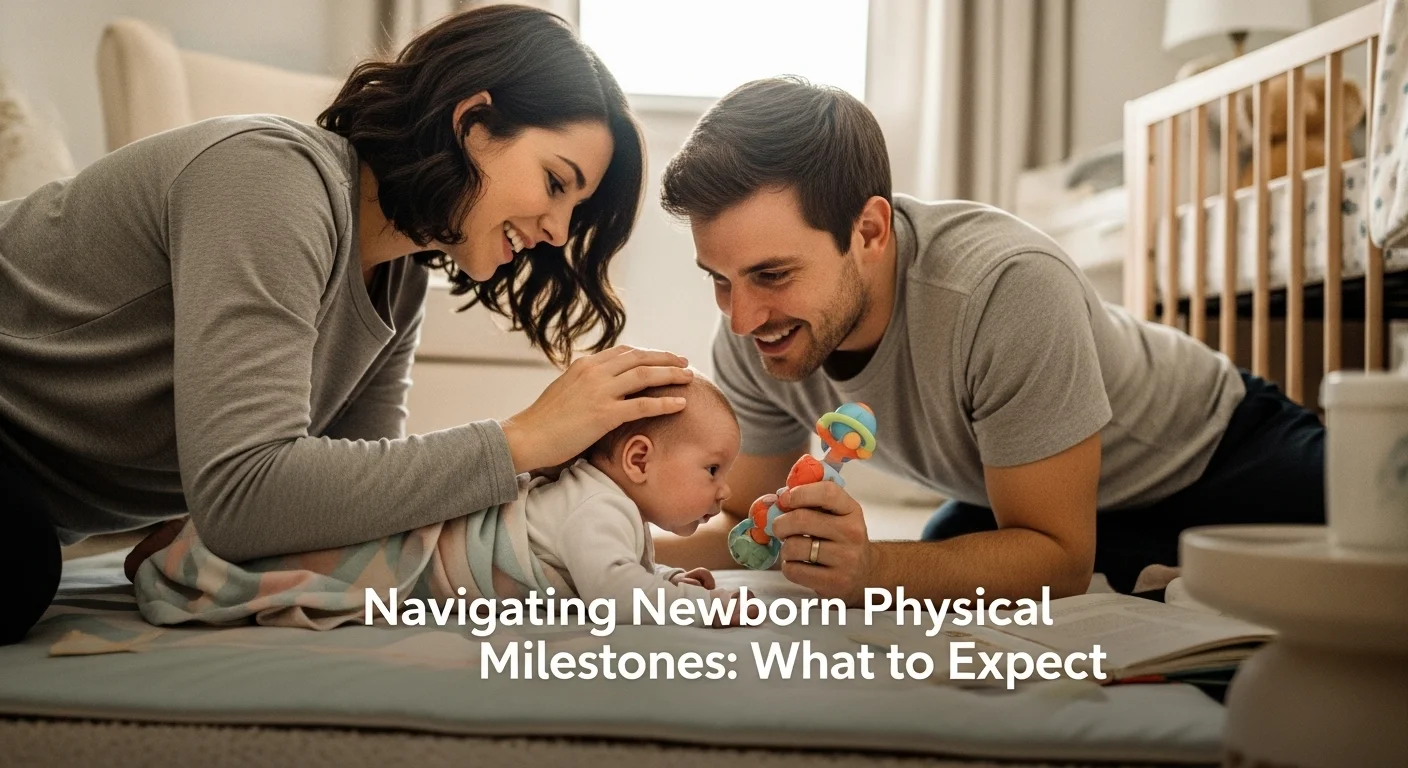
Understanding Newborn Physical Milestones
Definition of Physical Milestones
When I first became a parent, I found myself frequently hearing the term “physical milestones.” But what does it really mean? In simple terms, physical milestones are the specific skills that babies acquire as they grow, marking their development in areas such as movement, coordination, and control of their bodies. These milestones often come in stages, and each one represents a significant achievement for our little ones. From the moment they learn to lift their head to when they take their first steps, each milestone is a building block in their journey of growth.
Importance of Tracking Milestones
Tracking these milestones is crucial, not just for fun, but for understanding our baby’s development. I remember the first time I saw my daughter lift her head during tummy time—it was a moment of pure joy! Keeping an eye on these achievements helps us to recognize patterns in our child’s growth. It can also alert us if something seems amiss. As parents, we want to ensure that our babies are developing as expected, and knowing what milestones to look for can provide us with peace of mind. It’s a way to celebrate their progress and bond with them as they explore their capabilities. For guidance on this, you might find Tracking Your Newborn’s Physical Milestones: A Guide helpful.
Key Newborn Physical Milestones by Age
Birth to 1 Month
In the first month of life, it often feels like everything is happening so quickly! Newborns are mostly sleepy, but they do start to show some early signs of physical development. They can instinctively grasp objects placed in their hands and will react to loud sounds by startling. I found it fascinating to watch my baby turn her head towards sounds or bright lights. During this time, the focus is on building strength and coordination, which sets the foundation for the months to come.
1 to 3 Months
As we moved into the second month, things started to get even more exciting. Babies typically begin to gain better head control during this period. I remember how proud I felt when my little one could hold her head up for a few seconds while lying on her tummy. She also began to push herself up a little, which was a huge leap for her! It’s during this phase that babies begin to track objects with their eyes and show more interest in their surroundings. They might even start to bat at toys hanging in front of them, which is a sign of developing hand-eye coordination.
3 to 6 Months
By three months, my baby had developed quite a personality, and her physical capabilities were expanding rapidly. She started to roll over from her tummy to her back, and I was amazed each time she accomplished this feat. Between three and six months, babies typically learn to roll in both directions and might start to sit with support. It was incredible to see how she reacted to her new perspective when sitting up, smiling and reaching for toys. I realized that playtime was an essential part of her physical development during this stage.
6 to 12 Months
From six to twelve months, the changes were nothing short of astounding. My daughter began to crawl, and watching her explore the world around her was both thrilling and nerve-wracking! At this stage, babies often start pulling themselves up to stand and may take their first tentative steps. I remember the excitement of her first steps, which felt like a monumental achievement! It’s during this time that babies become more mobile and curious, discovering their environment in ways that change daily.
Each of these stages is a reminder that every baby develops at their own pace. As parents, we have the opportunity to support them through these milestones, offering encouragement and a safe environment for exploration. Observing and celebrating these moments not only strengthens our bond but also fosters their confidence as they grow. Additionally, understanding Essential Physical Milestones for Your Newborn’s Growth can further enhance our approach to supporting their development.
Major Physical Milestones and What They Involve
Head Control
One of the first major milestones I remember witnessing was my baby gaining head control. In those early weeks, her little head seemed so wobbly and fragile, but as she approached three months, I noticed a remarkable change. It’s such a vital skill because it lays the groundwork for other movements. I used to place her on her tummy and watch as she slowly lifted her head, holding it steady for longer periods. This not only showed that her neck muscles were strengthening but also opened up a whole new world of visual exploration for her. I found it fascinating that head control is a precursor to rolling over and sitting up, which made me appreciate how interconnected these milestones really are.
Rolling Over
Rolling over was one of those moments that felt like a rite of passage. I remember watching my daughter struggle a bit at first, but then, one day, she just did it! From her tummy to her back, it seemed so effortless. I was overjoyed, and I couldn’t help but cheer for her. Rolling over is significant because it signifies the beginning of her ability to change positions independently. It also develops her core muscles, which are essential for later milestones. I learned that many babies usually roll over between four to six months, and seeing my little one achieve this filled me with pride. Each time she rolled, it was like she was discovering a new part of her world, and I felt like I was witnessing her confidence grow.
Sitting Up
When my daughter started sitting up, it was like she transformed into a little explorer. I remember the day she first managed to sit with support. She looked so proud of herself, and I couldn’t help but smile. Sitting up opens up so many new possibilities for babies. They can now interact with their toys and surroundings in a whole new way, and I noticed she was much more engaged during playtime. Typically, babies can sit with support by around six months and can sit independently by eight months. Watching her reach for toys while sitting made me realize how much her balance and coordination were developing—skills that would serve her well in the future.
Crawling
Crawling was another exciting milestone that felt like a big leap forward. I can still picture the day my daughter decided to crawl for the first time. It was a mix of determination and excitement that sparked her movement, and as I cheered her on, I felt a rush of joy. Crawling is incredibly important because it enhances not only physical strength but also coordination and depth perception. I learned that it usually happens between six to ten months, and it’s a gateway to exploring the world. I noticed her newfound mobility meant I had to keep a closer eye on her, as she eagerly ventured into corners of the house I never thought she’d reach!
Standing and Walking
The moment my daughter pulled herself up to stand, I was both thrilled and a bit anxious. It felt like we were venturing into a whole new chapter. I remember how she used furniture to steady herself, and I couldn’t help but be in awe of her determination. Standing typically begins around nine months, and walking usually follows shortly after, around twelve months. Each small step was marked by her giggles and wobbles, reminding me that it’s a process filled with ups and downs. I cherished those moments of her taking tentative steps—each one felt monumental. I learned that this milestone builds confidence and independence, something every parent wishes for their child as they grow.
Through all these major milestones, I realized how much they involve not just physical growth, but emotional and cognitive development as well. Each accomplishment my daughter achieved filled me with pride and joy, making me appreciate the journey of parenthood even more. It’s a beautiful reminder that each baby is unique, and their milestones are a reflection of their individual growth journeys.
Signs of Developmental Progress
Physical Signs to Look For
As I watched my daughter grow, I learned that certain physical signs can indicate that she was progressing well through her developmental milestones. For example, around the age of three months, I noticed her starting to grasp objects more intentionally, which was exciting to witness. She would reach out for toys and even try to bring them closer to her mouth. This was a clear sign of her developing motor skills. By six months, she was not just rolling over but also pushing up during tummy time, showcasing her increasing strength and control. I found it helpful to keep an observation journal where I noted these little achievements, which served as a wonderful reminder of her growth.
Behavioral Indicators
Beyond physical signs, I noticed behavioral indicators that hinted at my baby’s developmental progress. For instance, her responses to sounds and visual stimuli became more pronounced as she approached three months. I would play music, and she would turn her head toward the source, showing curiosity. I realized that as she grew older, her engagement during playtime also increased. She began to babble and respond with coos and gurgles, which felt like a delightful two-way conversation! I cherished these moments, as they indicated her social and cognitive development alongside physical growth. These interactions also deepened our bond, making each milestone feel even more significant.
Common Concerns and When to Seek Help
Delayed Milestones
While I was overjoyed to see my daughter reach her milestones, I also became aware of the concerns that often come with parenting. One of the most common worries is the fear of delayed milestones. I remember having conversations with fellow parents who shared their worries when their child wasn’t hitting milestones at the same time as others. I learned that every baby develops at their own pace, but it’s natural to feel anxious. If I noticed that my daughter was significantly behind in hitting key milestones, such as not rolling over by six months or not sitting up by eight months, I would remind myself to stay calm. It’s important to observe consistently and, if necessary, consult a pediatrician for guidance. They can provide reassurance or suggest next steps if there are genuine concerns.
Signs of Possible Developmental Disorders
As I navigated this journey, I also read about signs that could indicate developmental disorders. For example, if a baby is unable to grasp objects by three months or doesn’t respond to their name by nine months, these could be potential red flags. I made it a point to be aware of such indicators while remaining hopeful and positive. I think it’s crucial for parents to trust their instincts and seek help if something feels off. I remember feeling a sense of relief in knowing that being proactive could help ensure my daughter received any support she might need.
Consulting Healthcare Professionals
Consulting healthcare professionals became a cornerstone of my parenting journey. Regular well-child visits provided an opportunity to discuss my observations and concerns. During these check-ups, I would share what I noticed about my daughter’s development, and the pediatrician would conduct assessments to ensure everything was on track. I appreciated their expertise and felt reassured when they affirmed my daughter’s progress. In my experience, having an open line of communication with healthcare providers made a world of difference, allowing me to feel supported and informed as a parent.
Supporting Your Newborn’s Physical Development
Engaging Activities for Each Milestone
Supporting my daughter’s physical development became a fun and rewarding adventure. I discovered that incorporating engaging activities tailored to her milestones helped foster her growth. For instance, during tummy time, I would place colorful toys in front of her to encourage her to lift her head and reach out. I also found that singing and playing peek-a-boo motivated her to practice rolling over. As she began to sit up, I introduced activities that involved reaching for toys, which not only improved her coordination but also kept her entertained. I felt that being actively involved in her playtime was essential for her development, and it made our bond stronger.
Creating a Safe Environment for Exploration
Creating a safe environment for exploration was another vital aspect of supporting my daughter’s physical milestones. I remember baby-proofing our home, removing sharp objects, and ensuring that she had a soft, safe space to move around. This allowed her to crawl, roll, and eventually pull herself up without worry. I also set up a play area filled with various textures and colors, which encouraged her curiosity. Observing her explore and interact with her surroundings filled me with joy, and I learned that a safe space was crucial for her to gain confidence in her abilities.
Importance of Tummy Time
Tummy time became a cherished ritual in our daily routine. I quickly realized how essential it was for building my daughter’s upper body strength. I remember placing her on her tummy for a few minutes several times a day. Initially, she would fuss a bit, but as she grew stronger, she would lift her head and even smile at me during this time. Tummy time was not just about physical development; it also became a bonding experience as we played together. I learned that by making it fun, I could help her enjoy the process while developing crucial skills that would aid her in rolling over and crawling later on.
Comparing Milestones: What’s Normal?
Variability in Development
One thing I learned while watching my daughter grow is that variability in development is completely normal. Each baby is unique, and they all have their own timeline for hitting those important physical milestones. I remember talking to other parents who were worried because their little ones weren’t crawling or walking as soon as they expected. It made me realize that comparing milestones can be a slippery slope. I found comfort in knowing that my daughter, like many others, might take her time. Some babies are early bloomers, while others may take a little longer to achieve the same skills. This variability is part of the beauty of each child’s journey, and I think it’s essential to celebrate those differences rather than fret over them.
Gender Differences in Milestones
Another interesting aspect I discovered is that there can be gender differences in milestones. Studies have shown that, on average, boys might reach certain physical milestones, like crawling or walking, slightly later than girls. I found this intriguing, especially as I observed how my daughter was hitting her milestones. While I think it’s essential to keep these differences in mind, I also believe that they shouldn’t be a source of stress. Whether a baby is a boy or a girl, what matters most is that they are developing in a way that is healthy for them. I remember being reassured by healthcare professionals that as long as my daughter was progressing—regardless of her gender—everything was on track.
Resources for Parents
Books on Newborn Development
As I delved deeper into understanding my daughter’s milestones, I found that reading books on newborn development was incredibly helpful. There are so many fantastic resources out there! One of my favorites was “The Whole-Brain Child” by Daniel J. Siegel and Tina Payne Bryson, which offered insight into how our children’s brains develop alongside their physical skills. Reading up on development gave me tools and strategies to support my daughter through her journey, making me feel more confident as a parent. I also enjoyed “What to Expect the First Year,” which covers a wide range of topics and gave me a solid foundation of knowledge to work from.
Websites and Online Communities
In addition to books, I turned to websites and online communities for support and information. Websites like the American Academy of Pediatrics and the Centers for Disease Control and Prevention have reliable information about developmental milestones. I also discovered online forums and parenting groups on social media where parents share their experiences, tips, and insights. It was comforting to connect with others who were on the same journey. I found that sharing my concerns and celebrating milestones with others helped me feel more connected and less alone in this parenting adventure.
Consulting Pediatricians and Specialists
Consulting with pediatricians and specialists became an integral part of my approach to understanding my daughter’s development. Regular visits allowed me to discuss any concerns, seek advice, and get a professional perspective on her progress. I realized that having a good relationship with our pediatrician was crucial. They provided not only medical insights but also emotional support. I appreciated how they encouraged me to ask questions, empowering me as a parent. I learned that being proactive in seeking advice and support is essential for both my peace of mind and my daughter’s development.
Final Thoughts
Parenting is such a beautiful journey filled with moments of joy, wonder, and learning. Watching my daughter navigate her physical milestones has been one of the most rewarding experiences of my life. I’ve learned that while each child develops at their own pace, what matters most is that we celebrate their progress, offer support, and create environments that encourage exploration. I’ve come to appreciate that being informed and connected—through reading, community, and healthcare—has made all the difference. As I reflect on my experiences, I feel grateful for the opportunity to witness my daughter’s growth and development, and I look forward to cheering her on as she continues to reach new milestones in the years to come.
Frequently Asked Questions
What are physical milestones in newborns?
Physical milestones are the specific skills that babies acquire as they grow, marking their development in areas such as movement, coordination, and control of their bodies. Each milestone represents a significant achievement in a baby’s growth journey.
Why is it important to track newborn physical milestones?
Tracking milestones helps parents understand their baby’s development and recognize patterns in growth. It can also alert them if something seems amiss, providing peace of mind and a way to celebrate their child’s progress.
What are the key physical milestones for babies from birth to 1 month?
During the first month, newborns can instinctively grasp objects and react to loud sounds by startling. They begin to show early signs of physical development, which sets the foundation for future milestones.
When do babies typically start to roll over?
Babies usually start to roll over between four to six months, marking a significant milestone as it indicates their ability to change positions independently and develop core muscles.
At what age do babies typically begin to crawl?
Most babies begin to crawl between six to ten months, enhancing their physical strength, coordination, and depth perception as they explore their environment.
What signs indicate a baby is developing well through their milestones?
Physical signs include grasping objects more intentionally and pushing up during tummy time. Behavioral indicators include responding to sounds and visual stimuli, as well as increased engagement during playtime.
What should parents do if they feel their baby is delayed in reaching milestones?
If a baby is significantly behind in hitting key milestones, parents should observe consistently and consult a pediatrician for guidance. Pediatricians can provide reassurance or suggest next steps if there are genuine concerns.
How can parents support their newborn’s physical development?
Parents can support their baby’s physical development by engaging in activities tailored to each milestone, creating a safe environment for exploration, and incorporating tummy time into their daily routine to build upper body strength.
What resources are available for parents to learn about newborn development?
Parents can read books on newborn development, visit reliable websites like the American Academy of Pediatrics, and engage with online communities and forums to share experiences and insights about developmental milestones.
What role do pediatricians play in monitoring a baby’s development?
Pediatricians provide assessments during regular well-child visits, allowing parents to discuss observations and concerns about their child’s development. They offer both medical insights and emotional support, empowering parents to seek advice as needed.