
Welcoming a newborn into the world is a beautiful adventure, filled with joy and responsibility. One of the most important aspects of caring for your little one is understanding the vaccination schedule that will help protect their health.
Understanding Newborn Vaccinations
What Are Vaccinations?
Vaccinations are a way to stimulate the immune system to build protection against specific diseases. They work by introducing a harmless part or a weakened version of a virus or bacteria into the body, prompting the immune system to recognize and fight it. I remember when my first child had his first vaccination; the nurse explained how this small step could mean the difference between life and serious illness. It felt empowering to know that we could help shield our child from potentially dangerous infections.
Importance of Vaccinations for Newborns
Newborns have developing immune systems that aren’t fully equipped to fend off infections. Vaccinations provide essential protection against various diseases, some of which can be severe or even fatal. I often find myself reflecting on the importance of this when I hear stories of families affected by vaccine-preventable diseases. For me, it’s all about minimizing risk. I want to keep my children safe, and vaccines are a crucial part of that equation.
Vaccinating your newborn not only protects them but also contributes to herd immunity. This means that as more people are vaccinated, the spread of disease is reduced, protecting those who cannot be vaccinated, like infants with certain health conditions. I’ve seen firsthand how communities rally around vaccination efforts, and it really emphasizes how interconnected we all are in terms of health. Read Interesting article: Essential Vaccination Schedule for Newborns: A Complete Guide
Common Misconceptions About Vaccinations
Despite the overwhelming evidence supporting vaccinations, misconceptions abound. Some parents worry that vaccines can overwhelm a baby’s immune system. However, I learned that our babies are constantly exposed to countless germs every day, and vaccines are designed to prepare their immune systems for those challenges, not overload them. It was reassuring to know that the number of vaccines given is well-studied and safe.
Another common misconception is that vaccines are unnecessary because diseases aren’t prevalent anymore. I understand this thinking, especially since I see fewer cases of these diseases in my community. However, I’ve learned that this is largely due to the success of vaccination programs. If we stop vaccinating, those diseases can resurface. This realization helped solidify my commitment to follow the vaccination schedule for my children. Protecting them also means protecting those around us.
Some parents fear side effects, which is perfectly normal. I felt anxious before my child’s first shot, worried about what might happen afterward. While side effects can occur, they are often mild and temporary compared to the potential severity of the diseases we’re preventing. It’s all about weighing the risks, and I believe that the benefits far outweigh the potential downsides.
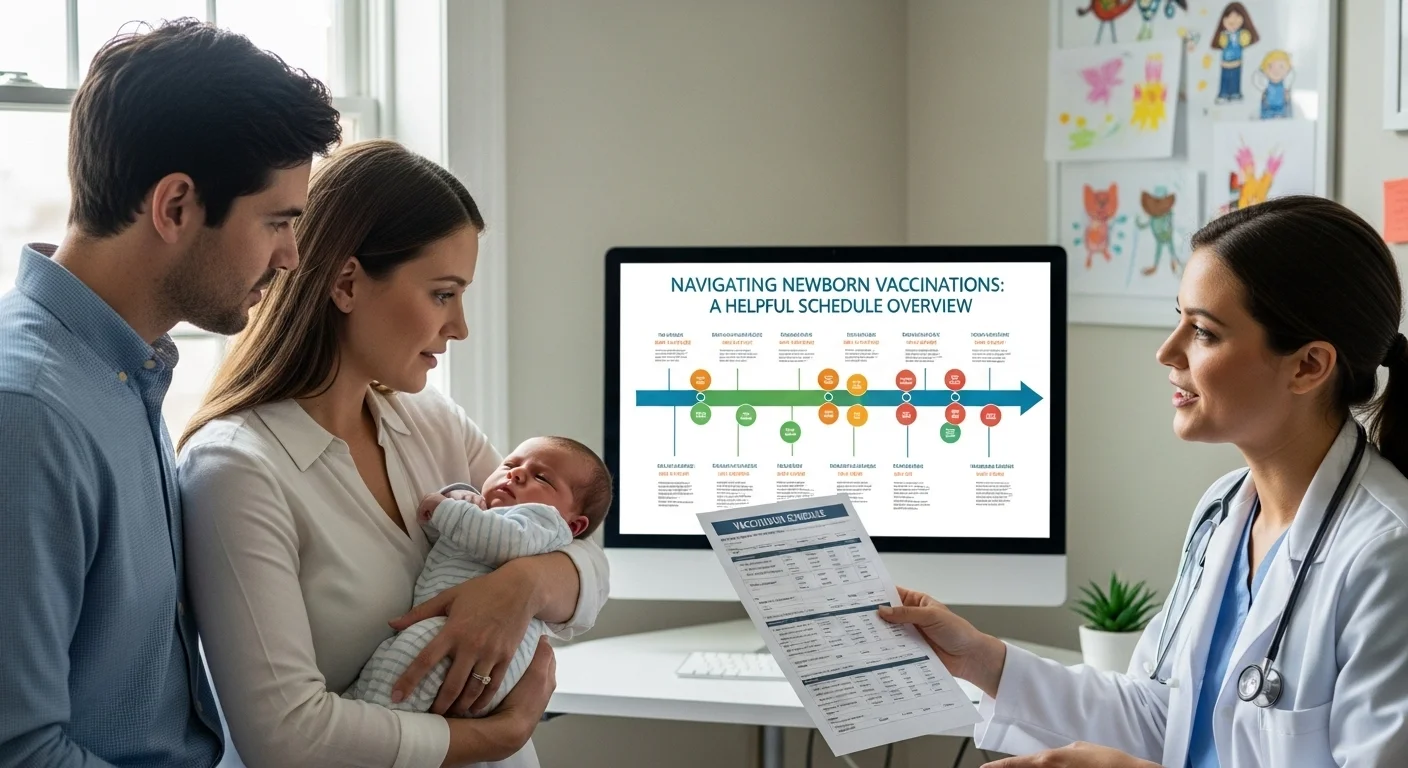
Vaccination Schedule Overview
Initial Vaccinations: Birth to 2 Months
The first vaccinations usually occur within the first few days after birth, which is a crucial time. The hepatitis B vaccine is often given before the newborn leaves the hospital. I felt relieved knowing that we were starting this journey with the best possible defense against serious illnesses right from the get-go. These early vaccines set the stage for a healthy future.
2-Month Vaccination Schedule
At around two months, the vaccination schedule becomes more detailed. Typically, babies receive vaccines for DTaP (Diphtheria, Tetanus, and Pertussis), HiB (Haemophilus influenzae type b), IPV (Inactivated Poliovirus), PCV13 (Pneumococcal Conjugate), and the second dose of Hepatitis B. I remember feeling a mix of anxiety and relief on that day. My pediatrician walked through each vaccine, explaining its purpose and the diseases we were protecting against. It felt good to be informed and involved in my child’s health.
4-Month Vaccination Schedule
By four months, my child was due for the second doses of DTaP, HiB, IPV, and PCV13. This was also the first time I witnessed my baby react to a vaccine. While there was a moment of fussiness, it quickly passed, and I found comfort in knowing that each shot helped build a strong defense system.
6-Month Vaccination Schedule
The six-month visit includes the third doses of DTaP, HiB, IPV, and PCV13, as well as the third hepatitis B vaccine. I remember thinking how quickly time was flying, and each appointment felt like a milestone in our parenting journey. Each visit brought us closer to a fully vaccinated child, which was a sense of accomplishment for us as parents.
12-15 Months Vaccination Schedule
As my child approached their first birthday, I was excited for the next set of vaccinations, including MMR (Measles, Mumps, and Rubella) and Varicella (Chickenpox). I felt proud knowing that we were building a strong foundation to keep my child safe as they began to explore the world more actively.
18 Months Vaccination Schedule
At 18 months, another round of DTaP and IPV vaccines is given, along with the first dose of the Hepatitis A vaccine. For us, it was another step in this ongoing journey. I often enjoyed meeting other parents in the waiting room, sharing stories and supporting each other as we navigated this path together.
2-3 Years Vaccination Schedule
Finally, between two and three years, children receive their final doses of DTaP and IPV, plus the second dose of Hepatitis A. It was a comforting thought to be nearing the end of this critical vaccination phase, knowing that we had done everything we could to protect my child’s health.
Types of Vaccines Administered
Hepatitis B Vaccine
I still remember the moment we received our child’s first dose of the Hepatitis B vaccine. It’s usually given within the first 24 hours after birth, and I felt a sense of relief knowing we were starting on the right foot. Hepatitis B is a serious virus that can cause long-term liver issues, and I wanted to do everything possible to protect my child. The fact that this particular vaccine could significantly reduce the risk of infection later in life made it feel all the more important to me.
DTaP Vaccine (Diphtheria, Tetanus, Pertussis)
The DTaP vaccine is another crucial part of our children’s vaccination journey. This vaccine protects against three serious diseases: diphtheria, tetanus, and pertussis (whooping cough). I remember feeling particularly concerned about whooping cough after hearing stories about its severity. It was comforting to know that this vaccine not only protects my child but also helps shield the community by preventing outbreaks. Each time a dose was administered, I felt a wave of reassurance wash over me, knowing we were taking steps to keep our community healthy as well.
HiB Vaccine (Haemophilus influenzae type b)
The HiB vaccine was another one I was eager to get. This vaccine protects against a bacteria that can cause serious infections like meningitis and pneumonia in young children. The thought of my baby contracting such a severe illness was scary, and I felt grateful that there was a preventive measure available. I remember sitting in the pediatrician’s office, listening to the nurse explain how this little shot could make a big difference, and I was thankful for modern medicine.
IPV Vaccine (Inactivated Poliovirus)
The IPV vaccine protects against polio, a disease that can lead to paralysis. Learning about the history of polio during my own schooling made this vaccine feel particularly important to me. I couldn’t help but think about how far we’ve come as a society in fighting such diseases. Knowing that we were contributing to the eradication of polio by vaccinating our child gave me a sense of pride and purpose.
PCV13 Vaccine (Pneumococcal Conjugate)
Pneumococcal disease can cause serious infections like pneumonia, and the PCV13 vaccine is designed to protect against this. I remember discussing this vaccine with my pediatrician, who emphasized how important it was for children under two years old. The idea that this vaccine could prevent life-threatening infections made it a priority for us, and I felt empowered by the knowledge that we were actively working to safeguard our child’s health.
MMR Vaccine (Measles, Mumps, Rubella)
As my child approached their first birthday, the MMR vaccine became a focal point of our discussions. Measles, mumps, and rubella are highly contagious diseases that can lead to serious complications. I recall feeling a mix of excitement and apprehension on the day of the vaccination. While I knew the risks were minimal, it was hard not to feel a little anxious. However, I focused on how vital this vaccine was for preventing outbreaks, especially since I had seen news reports of measles cases cropping up in communities where vaccination rates had dropped.
Varicella Vaccine (Chickenpox)
The Varicella vaccine was another one I couldn’t wait to get. Chickenpox, while often seen as a mild illness, can sometimes lead to severe complications. I had vivid memories of having chickenpox as a child and didn’t want my little one to go through that. Knowing that we could prevent it with just a shot made me feel proactive as a parent. I remember chatting with other parents about this vaccine and sharing our hopes for a smooth vaccination experience.
Special Considerations for Vaccinations
Vaccinations for Premature Infants
My heart goes out to parents of premature infants, as they face unique challenges when it comes to vaccinations. I learned that these babies might need their vaccinations adjusted based on their gestational age. I remember feeling a mix of empathy and concern when I saw parents in the waiting room with their preemies. It’s crucial for those little ones to receive their vaccines on time, as their immune systems may be even more vulnerable. Consulting with healthcare providers about the best approach for premature infants is essential, and I always recommend asking questions to ensure they’re receiving the best possible care.
Vaccinations for Infants with Health Conditions
When it comes to infants with existing health conditions, the vaccination journey can look different. I’ve seen parents navigate this path with a mix of hope and apprehension, and it’s so important to have open conversations with pediatricians. Some children may need a modified vaccination schedule or additional precautions. I remember a friend sharing their experience with their child who had a heart condition, and how they worked closely with their doctor to ensure their child was protected while considering their specific health needs.
Travel Vaccinations for Newborns
As our family prepared for a big trip overseas, I quickly learned about the additional vaccinations that might be necessary for travel. It was eye-opening to realize that some countries require specific vaccines for entry or recommend them based on local health risks. I felt a great sense of responsibility to ensure my child was adequately protected before we traveled. I recommend researching travel vaccination requirements well in advance and discussing them with your pediatrician to ensure a safe and healthy adventure.
Managing Vaccine Side Effects
Common Side Effects
As a parent, it’s natural to worry about how your child might react after vaccinations. I remember my first experience with this; I was filled with anticipation and a hint of anxiety as we left the pediatrician’s office. It was comforting to learn that some side effects are quite common and usually mild. After my child’s vaccinations, I noticed a little fussiness, some redness at the injection site, and a slight fever. These reactions are generally signs that the body is building protection and responding to the vaccine. I found it helpful to keep a close eye on my little one, prepared with some infant acetaminophen if needed, and lots of cuddles and comfort. It’s important to remember that these side effects typically resolve within a couple of days, and the benefits far outweigh the temporary discomfort.
When to Seek Medical Attention
While most side effects are mild, I know that some parents worry about more serious reactions, and it’s good to be informed. In my experience, I learned to recognize when something might require medical attention. If your baby experiences a high fever (over 104°F), persistent crying for three hours or more, or any signs of a severe allergic reaction (like difficulty breathing or swelling), it’s crucial to contact your pediatrician right away. I always felt reassured knowing that pediatricians are well-equipped to handle vaccine-related concerns and are there to support us as parents. Keeping an open line of communication with my child’s healthcare provider made navigating these situations a lot easier.
Resources and Support for Parents
Consulting Your Pediatrician
One of the best resources I found during my parenting journey was my pediatrician. I made it a point to ask questions during each visit, and my pediatrician always took the time to address my concerns. I believe that building a strong relationship with your child’s doctor is invaluable. They can guide you through the vaccination schedule, help you understand potential side effects, and provide personalized advice based on your child’s health history. For me, it was comforting knowing I had someone reliable to turn to, especially when navigating the sometimes overwhelming world of vaccinations.
Online Resources for Vaccine Information
In this digital age, there are countless online resources available for parents seeking information about vaccines. I found websites like the Centers for Disease Control and Prevention (CDC) and the American Academy of Pediatrics (AAP) incredibly helpful. They offer comprehensive information about vaccines, including schedules, benefits, and potential side effects. However, I always remind fellow parents to ensure they’re using reputable sources. It’s easy to get lost in a sea of misinformation, so sticking to trusted organizations made a big difference for me. Read Interesting article: Newborn Health Basics: A Guide for New Parents
Support Groups for New Parents
Connecting with other parents can be a wonderful source of support, especially when it comes to vaccinations. I stumbled upon a few local parenting groups and online forums where parents shared their experiences, concerns, and triumphs. Hearing fellow parents talk about their own vaccination journeys helped ease my worries. We exchanged tips on managing side effects and discussed how to navigate conversations with family members who might have differing opinions on vaccines. I believe that sharing our stories and experiences creates a sense of community and reassurance that we’re not alone in this journey.
Final Thoughts
As I look back on our vaccination journey, I feel a deep sense of gratitude for the knowledge and support that helped guide us along the way. It’s natural to feel a mix of emotions when it comes to vaccinating our little ones. I remember the moments of uncertainty, the questions I had, and the countless discussions with my pediatrician. Through it all, I learned that being informed is empowering. The more I understood about vaccines, the more confident I became in making decisions for my child’s health.
For me, the decision to vaccinate was never just about following a schedule; it was about doing everything I could to protect my child and contribute to the well-being of our community. Each vaccination felt like a small act of love and responsibility. I think about the families who may not have the same access to vaccines or the knowledge we were fortunate enough to have. It reinforced my belief in the importance of community health. We all share the responsibility of protecting those who are most vulnerable, and I truly believe that vaccination plays a vital role in that mission.
As you navigate this path, remember to trust your instincts and seek information from trusted sources. Don’t hesitate to ask your pediatrician any questions or raise concerns you might have. They are there to support you and your child’s health. Connecting with other parents, whether online or in person, can also provide a wealth of knowledge and comfort. It’s heartening to share experiences and hear how others have managed similar fears and uncertainties.
Ultimately, I hope that sharing my journey helps you feel more empowered in your own decisions regarding vaccinations. Sometimes, it’s just about taking that first step and knowing that you are not alone in this experience. Vaccination is a significant part of parenting, and it’s an opportunity to ensure our children grow up healthy and strong, ready to explore the world.
Let’s continue to support and uplift one another as we take on this incredible journey of parenthood together. Here’s to healthy beginnings and a bright future for our children!
Frequently Asked Questions
What are vaccinations?
Vaccinations are a way to stimulate the immune system to build protection against specific diseases by introducing a harmless part or a weakened version of a virus or bacteria into the body.
Why are vaccinations important for newborns?
Vaccinations are crucial for newborns because their immune systems are still developing and not fully equipped to fend off infections. Vaccinations provide essential protection against severe diseases and contribute to herd immunity.
What are common misconceptions about vaccinations?
Common misconceptions include the belief that vaccines can overwhelm a baby’s immune system, that vaccines are unnecessary due to low disease prevalence, and fears about side effects. It’s important to understand that vaccines are designed to prepare the immune system, and the diseases’ low prevalence is largely due to successful vaccination programs.
What vaccinations are typically given from birth to 2 months?
The first vaccination usually given is the hepatitis B vaccine, often administered before the newborn leaves the hospital.
What vaccinations are administered at 2 months?
At around two months, babies typically receive vaccines for DTaP (Diphtheria, Tetanus, and Pertussis), HiB (Haemophilus influenzae type b), IPV (Inactivated Poliovirus), PCV13 (Pneumococcal Conjugate), and a second dose of Hepatitis B.
What should parents expect after vaccinations?
Parents can expect common side effects such as mild fussiness, redness at the injection site, and slight fever. These reactions are usually temporary and indicate the body is building protection.
When should parents seek medical attention after vaccinations?
Parents should seek medical attention if their baby experiences a high fever (over 104°F), persistent crying for three hours or more, or any signs of a severe allergic reaction, such as difficulty breathing or swelling.
How can parents manage vaccine side effects?
Parents can manage common side effects by keeping a close eye on their child, using infant acetaminophen if necessary, and providing comfort and cuddles. Most side effects resolve within a couple of days.
What resources can parents use for vaccine information?
Parents can consult their pediatrician for personalized advice and guidance on vaccinations. Additionally, reputable online resources like the Centers for Disease Control and Prevention (CDC) and the American Academy of Pediatrics (AAP) offer comprehensive vaccine information.
How can parents support each other during the vaccination journey?
Connecting with other parents through local parenting groups or online forums can provide support. Sharing experiences and discussing concerns can help ease worries and create a sense of community among parents navigating the vaccination process.