
Becoming a new mom is an incredible journey filled with joy, challenges, and a whirlwind of emotions. It’s important to recognize and navigate the complex feelings that come after giving birth. Read Interesting article: Postpartum Myths Uncovered: Truths Every New Parent Should Know
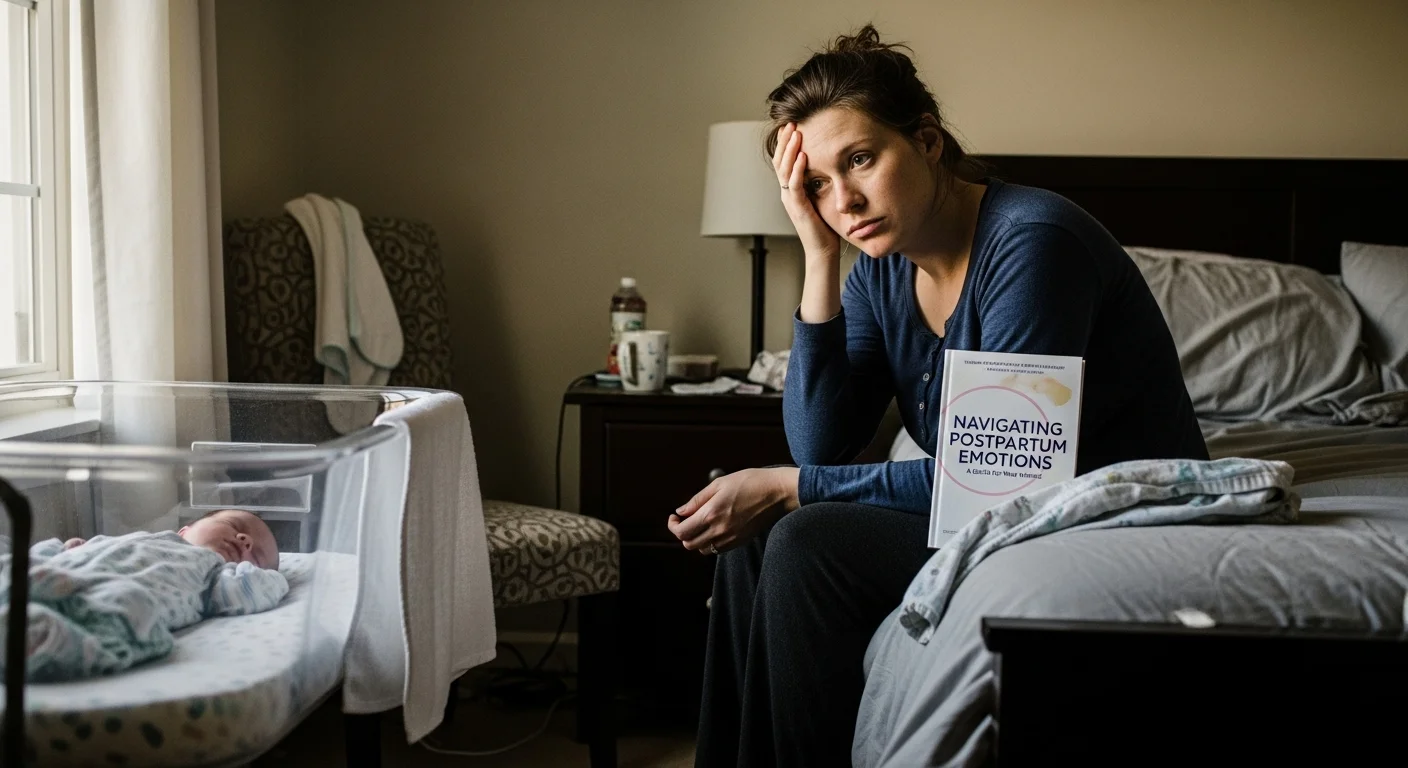
Understanding Postpartum Emotions
After having my baby, I found myself riding an emotional rollercoaster. One moment, I was overwhelmed with love and happiness, and the next, I felt lost and irritable. This experience is more common than I initially thought. Understanding postpartum emotions is crucial for new moms as it helps us recognize that these feelings are part of a broader experience many women share.
Common Emotional Changes After Birth
In those early days and weeks, it’s normal to experience a range of emotions. I remember feeling ecstatic one minute and then bursting into tears the next. This shifting emotional landscape can be attributed to several factors including hormonal changes, sleep deprivation, and adjusting to the new role of motherhood. I learned that it’s okay to feel this way; it doesn’t mean I was failing as a mom. Instead, it’s part of the process of rebuilding my identity as a mother while still being myself.
What is the Baby Blues?
You may have heard of the term “baby blues.” It refers to the emotional ups and downs many mothers experience in the first few weeks after giving birth. The baby blues typically occur within the first few days and can last up to two weeks. In my case, I felt overly sensitive, anxious, and sometimes tearful, but I also found comfort in knowing that these feelings would pass. The baby blues are linked to hormonal fluctuations, exhaustion, and the stress of caring for a newborn.
Postpartum Depression vs. Postpartum Anxiety
While the baby blues are relatively mild, postpartum depression (PPD) is a more serious condition that affects many new moms. I remember a friend who experienced PPD and shared her struggles with persistent sadness, feelings of inadequacy, and a lack of interest in activities she once enjoyed. It’s crucial to differentiate between baby blues and PPD, as the latter may require professional help. Postpartum anxiety can also occur, often characterized by overwhelming worries about the baby’s well-being or feeling a constant sense of dread. I’ve seen how these feelings can creep in, making it hard to enjoy the moments that should be cherished. Read Interesting article: Debunking Postpartum Myths: What New Moms Need to Know
Postpartum Psychosis: Understanding the Rare Condition
Postpartum psychosis is a rare but serious condition that can occur after childbirth. While I was fortunate not to experience this, I remember reading about it and feeling a mix of horror and empathy. Women with postpartum psychosis may experience delusions, hallucinations, or extreme mood shifts. It’s a medical emergency that requires immediate attention. Recognizing this condition is vital, as it can often be mistaken for other issues. If you or someone you know feels disconnected from reality or has thoughts of harming themselves or their baby, it’s crucial to seek help right away.
As I navigated my own postpartum emotions, I realized the importance of understanding what I was feeling. By separating the common emotional changes, recognizing the signs of baby blues, and educating myself about postpartum depression and anxiety, I was better equipped to handle my feelings. This knowledge not only helped me but also allowed me to support other new moms in my circle who might be facing similar challenges. We often underestimate the power of sharing our experiences and learning from each other as we embrace motherhood together.
Recognizing the Signs and Symptoms
Identifying Emotional Distress
As I moved through my postpartum days, I began to realize how important it was to recognize emotional distress early on. I learned that it wasn’t just about feeling sad or anxious; it was about understanding the full spectrum of emotions I could experience. I found myself asking, “Am I just tired, or is there something more?” It’s essential for new moms to tune into their feelings. If you notice persistent sadness, irritability, or feelings of hopelessness that don’t seem to fade, it might be time to take a closer look at your emotional state. I remember feeling a deep sense of isolation at times, even when surrounded by people who loved me. Recognizing that feeling was the first step in understanding that I was struggling.Physical Symptoms Linked to Emotions
It’s fascinating how our bodies can display signs of emotional distress. I didn’t realize this at first, but many times, my physical symptoms mirrored my emotional state. I experienced fatigue that felt overwhelming, headaches that seemed to come out of nowhere, and even stomach issues that left me puzzled. These physical manifestations were often overlooked as just part of the postpartum recovery process. I learned that if I felt more fatigued than usual or had unexplained physical discomfort, it could be linked to my emotions. Understanding this connection helped me approach my self-care more holistically, recognizing that both my mental and physical well-being were intertwined.Behavioral Changes to Watch For
I also became more aware of how my behavior shifted during those early months. I noticed that I was more withdrawn than I used to be. Activities that once brought me joy, like meeting friends for coffee or going for walks, didn’t appeal to me anymore. I found myself isolating, which I think is a common reaction for many new moms. It’s important to be aware of these behavioral changes. If you find yourself avoiding social interactions or losing interest in things you once loved, it might be a sign to reflect on your mental health. I remember feeling guilty for not wanting to engage, but recognizing that this was a part of my emotional journey helped me find my way back to connecting with others.Factors Influencing Postpartum Emotions
The Role of Hormonal Changes
One of the most significant factors affecting postpartum emotions is hormonal changes. I was shocked to learn just how much my hormones were fluctuating after giving birth. After I had my baby, hormones like estrogen and progesterone plummeted, which can lead to mood swings and emotional instability. I often felt like a stranger in my own body, grappling with these shifts. Understanding this helped me realize that my feelings were not entirely in my control and that my body was going through a massive transition. It was comforting to know that I wasn’t alone in this experience; many moms share similar hormonal upheavals.Impact of Sleep Deprivation
Sleep deprivation is another crucial factor that influenced my emotional state. I’ve heard it said that lack of sleep can make anyone cranky, and during those first few months, I was living proof of that! The sleepless nights of tending to my newborn took a toll on my mood and mental clarity. I remember feeling overwhelmed even by simple tasks, and everything seemed harder to handle. Learning to recognize the effects of sleep deprivation made me more compassionate toward myself. I started to prioritize rest whenever possible, understanding that my emotional health depended on it.Social Support and Isolation
The role of social support cannot be underestimated. I found that having a solid support system changed everything for me. Friends and family who checked in, offered to help, or simply listened made a world of difference. On the flip side, I noticed that when I isolated myself, my feelings of sadness and anxiety tended to amplify. I’ve seen how crucial it is to engage with others, whether that’s through in-person visits or virtual chats. It’s all too easy to feel alone in our struggles, but reaching out can provide comfort and reassurance. Read Interesting article: How to Find Emotional Support as an Expecting MotherPrevious Mental Health History
Lastly, I discovered that my previous mental health history played a role in my postpartum emotions. Having dealt with anxiety before having my baby, I was more vigilant about how I felt after birth. I realized that if I had experienced mental health challenges in the past, I might be more susceptible to emotional difficulties postpartum. Learning about this connection empowered me to be proactive in seeking support when I needed it. It’s crucial for new moms to reflect on their mental health history and how it may influence their experience postpartum. In this journey, I’ve learned that recognizing and understanding these factors can make a significant impact on how we navigate our emotions. By being aware of the signs and symptoms and understanding the influences around us, we can better prepare ourselves for the challenges of motherhood.Strategies for Managing Postpartum Emotions
Self-Care Practices for New Moms
As I navigated my postpartum journey, I quickly realized how essential self-care became. At first, it felt selfish to prioritize my needs, but I learned that taking care of myself ultimately benefits my baby and my family. I discovered simple yet effective self-care practices that helped me regain my emotional balance. One of my favorite routines was taking short breaks throughout the day. Even if it was just 10 minutes to sip a warm cup of tea, those little moments of peace made a big difference. I also started incorporating light exercise into my day, whether it was a gentle walk around the block or stretching in my living room. I found that moving my body lifted my spirits and gave me a burst of energy, which I desperately needed. Sleep was another crucial aspect of self-care that I had to address. I learned to nap whenever the baby napped, even if it felt like there were a million things I should be doing. I came to realize that my wellbeing was just as important, and those naps could recharge me for the next round of baby care. For me, self-care was about finding what felt good and making time for it, even if it meant asking for help from family or friends.Importance of Seeking Professional Help
While self-care practices were beneficial, I also recognized that sometimes I needed more support. It was important for me to acknowledge when I felt overwhelmed, and that seeking professional help was not a sign of weakness. I started to understand that professionals could provide tools and strategies to help me manage my emotions more effectively. In my case, talking to a therapist who specialized in postpartum issues opened my eyes to new perspectives. They offered me coping strategies tailored to my unique situation, which I found incredibly valuable. I learned that it’s perfectly okay to reach out for help when things feel unmanageable. Therapy gave me a safe space to express my feelings without judgment, and I found that just sharing my experiences was a huge relief. If you’re feeling like your emotions are too much to handle, I encourage you to consider seeking professional help. It can be life-changing to have someone who understands your journey and can guide you through it.Building a Support System
Having a solid support system was a game-changer for me during my postpartum period. I can’t emphasize enough how vital it was to surround myself with people who understood what I was going through. I reached out to other new moms in my community, and we formed a group where we could share our experiences openly. This sense of camaraderie helped me feel less isolated. Whether it was venting about sleepless nights or sharing tips on soothing a fussy baby, these conversations were incredibly comforting. I remember one day feeling particularly low, and after chatting with my mom friends, I felt a renewed sense of hope and connection. I also leaned on family members. Whether it was having my mom come over to help with chores or simply sitting and chatting, their support was invaluable. I learned that it’s perfectly okay to ask for help, whether it’s physical or emotional. Many times, people are more than willing to lend a hand, and asking for support can foster deeper connections.Mindfulness and Relaxation Techniques
In addition to self-care and building a support system, I found mindfulness and relaxation techniques to be incredibly helpful for managing my postpartum emotions. At first, I was skeptical about meditation, but I decided to give it a try. I downloaded a few mindfulness apps and started dedicating a few minutes each day to just breathe and be present. Practicing mindfulness helped me ground myself during overwhelming moments. I remember one day feeling particularly anxious; I sat down, closed my eyes, and focused on my breath. This simple act of tuning into my body and feelings allowed me to calm my racing mind. I also experimented with relaxation techniques, such as gentle yoga and deep breathing exercises. These practices not only helped reduce my stress but also contributed to a better emotional state overall. I found that incorporating even a few minutes of mindfulness into my day made a significant difference in how I felt. By embracing these strategies, I learned that while postpartum emotions can be challenging, there are effective ways to navigate them. It’s about creating a toolkit of resources that work for us individually, helping to foster our emotional well-being as new moms.When to Seek Professional Help
Recognizing When Emotions Become Unmanageable
There were moments during my postpartum journey when I realized my emotions became overwhelming. It was a bit like being in a fog that I couldn’t seem to navigate. I remember feeling increasingly irritable and tearful, and even the smallest challenges felt like insurmountable obstacles. It’s vital for new moms to recognize when these feelings go beyond the typical emotional ups and downs. If you find yourself feeling hopeless, unable to cope, or experiencing thoughts that frighten you, it may be time to seek help. I learned that acknowledging these emotions is not a sign of failure, but rather an important step toward healing.Types of Professionals to Consult
The thought of seeking help can feel daunting, but I found that there are several types of professionals available to support us. Psychologists and therapists specialize in mental health and can provide tailored strategies for managing postpartum emotions. I personally discovered the benefits of consulting with a licensed therapist who had experience with postpartum issues. Additionally, my doctor could also offer guidance and resources, which was a comforting thought. In some cases, support groups led by professionals can provide a sense of community and understanding. Knowing that there are varied avenues for support helped me feel less alone in my journey.What to Expect During Therapy
When I decided to reach out for professional help, I was a bit nervous about what to expect in therapy. I learned that it’s a safe space to talk about my feelings, fears, and experiences. My therapist created a supportive environment where I could express myself without judgment. We discussed my emotional struggles, and I was introduced to coping strategies that I could implement in my daily life. I found that having someone listen and validate my experiences was incredibly healing. Therapy can vary widely depending on the person and their needs, but I discovered that the most important part was finding a professional I felt comfortable with.Resources for New Moms
Support Groups and Online Communities
Connecting with others who understand what I was going through made a world of difference. I found local support groups for new moms, where we shared our stories and offered encouragement. The conversations often helped me feel validated and less isolated. Online communities have also become a lifeline for many moms. I joined a couple of Facebook groups where members openly discussed their experiences with postpartum emotions. It was reassuring to know that I wasn’t alone in my feelings, and these platforms provided a sense of camaraderie.Books and Literature on Postpartum Mental Health
In my quest for understanding, I turned to books focused on postpartum mental health. I picked up titles that discussed everything from baby blues to postpartum depression, and I found them enlightening. Reading about others’ experiences helped me process my emotions and provided practical tips for managing them. I recommend looking for books written by experts in the field, as they can offer valuable insights and strategies. It’s amazing how reading can empower us with knowledge and the comfort of knowing we’re not alone in our struggles.Hotlines and Emergency Contacts
Having emergency contacts readily available is crucial for any new mom. I made sure to familiarize myself with hotlines that provide immediate support in moments of crisis. I remember feeling a sense of relief knowing that I could reach out for help at any time. Postpartum Support International offers a helpline that connects individuals with trained professionals who understand the challenges new moms face. Knowing there are resources available when I needed them most gave me peace of mind.Sharing Your Journey
The Importance of Open Conversations
As I navigated my postpartum experience, I found that sharing my journey with others was incredibly powerful. I began to open up to my friends and family about my struggles, and to my surprise, many of them had their own stories to tell. These open conversations not only strengthened our bonds but also helped normalize the struggles that come with motherhood. I believe that by talking about our experiences, we can break the stigma surrounding postpartum emotions, making it easier for others to seek help.Finding Your Voice in Motherhood
Finding my voice as a new mom was a journey in itself. I learned to advocate for my needs and express what I was feeling. Whether it was sharing my struggles with friends or reaching out for professional help, I realized that it was essential to communicate my feelings. This process empowered me and helped me reclaim my identity as a mother. I encourage other new moms to embrace their voices, as it can lead to deeper connections and the support we all need.Documenting Your Experience: Journaling Ideas
One of my favorite ways to process my feelings was through journaling. Writing allowed me to reflect on my emotions and experiences in a safe space. I started with simple prompts, like “What brought me joy today?” or “What challenges did I face this week?” This practice not only provided clarity but also helped me track my emotional growth over time. I found that journaling became a therapeutic outlet, allowing me to articulate my feelings and release any pent-up emotions.Final Thoughts
Motherhood is a unique journey, filled with highs and lows that can sometimes feel overwhelming. I’ve learned that it’s okay to not have all the answers and that reaching out for help is a sign of strength. By taking proactive steps to manage our emotions, seeking support, and sharing our stories, we can navigate the complexities of postpartum life together. It’s essential to remember that we are not alone, and embracing our experiences can lead to healing and connection.Frequently Asked Questions
What are postpartum emotions?
Postpartum emotions refer to the complex feelings that new moms experience after giving birth, including joy, sadness, anxiety, and irritability. These emotions are part of a broader experience that many women share as they adjust to motherhood.
What are the baby blues?
The baby blues are emotional ups and downs that many mothers experience within the first few weeks after giving birth. They typically occur within the first few days and can last up to two weeks, characterized by feelings of sensitivity, anxiety, and tearfulness.
How does postpartum depression differ from the baby blues?
Postpartum depression (PPD) is a more serious condition than the baby blues, affecting many new moms with persistent sadness, feelings of inadequacy, and a lack of interest in activities. Unlike the baby blues, PPD may require professional help.
What is postpartum psychosis?
Postpartum psychosis is a rare but serious condition that can occur after childbirth, characterized by delusions, hallucinations, or extreme mood shifts. It is considered a medical emergency that requires immediate attention.
What are some common emotional changes after birth?
Common emotional changes include feelings of ecstasy followed by sadness, irritability, and a sense of being overwhelmed. These changes can be attributed to hormonal fluctuations, sleep deprivation, and the adjustment to motherhood.
What self-care practices can help new moms manage postpartum emotions?
Self-care practices include taking short breaks, incorporating light exercise, prioritizing sleep, and seeking help from family and friends. These practices can help regain emotional balance and overall well-being.
When should a new mom seek professional help for emotional distress?
A new mom should seek professional help when feelings of sadness, hopelessness, or anxiety become overwhelming and unmanageable, especially if they interfere with daily life.
What resources are available for new moms experiencing postpartum emotions?
Resources include support groups, online communities, books on postpartum mental health, hotlines for immediate support, and consultations with mental health professionals.
How can mindfulness and relaxation techniques help new moms?
Mindfulness and relaxation techniques, such as meditation, yoga, and deep breathing exercises, can help reduce stress and foster a better emotional state, allowing new moms to manage their feelings more effectively.
What is the importance of sharing experiences among new moms?
Sharing experiences can help normalize the struggles of motherhood, strengthen bonds, and create a supportive community. Open conversations can empower new moms to seek help and feel less isolated in their journey.