
Pregnancy is a transformative journey filled with excitement, challenges, and new experiences. Navigating this path can be overwhelming, but having the right support systems in place makes all the difference. For those on a budget, exploring essential support systems for expecting mothers on a budget can be incredibly helpful.
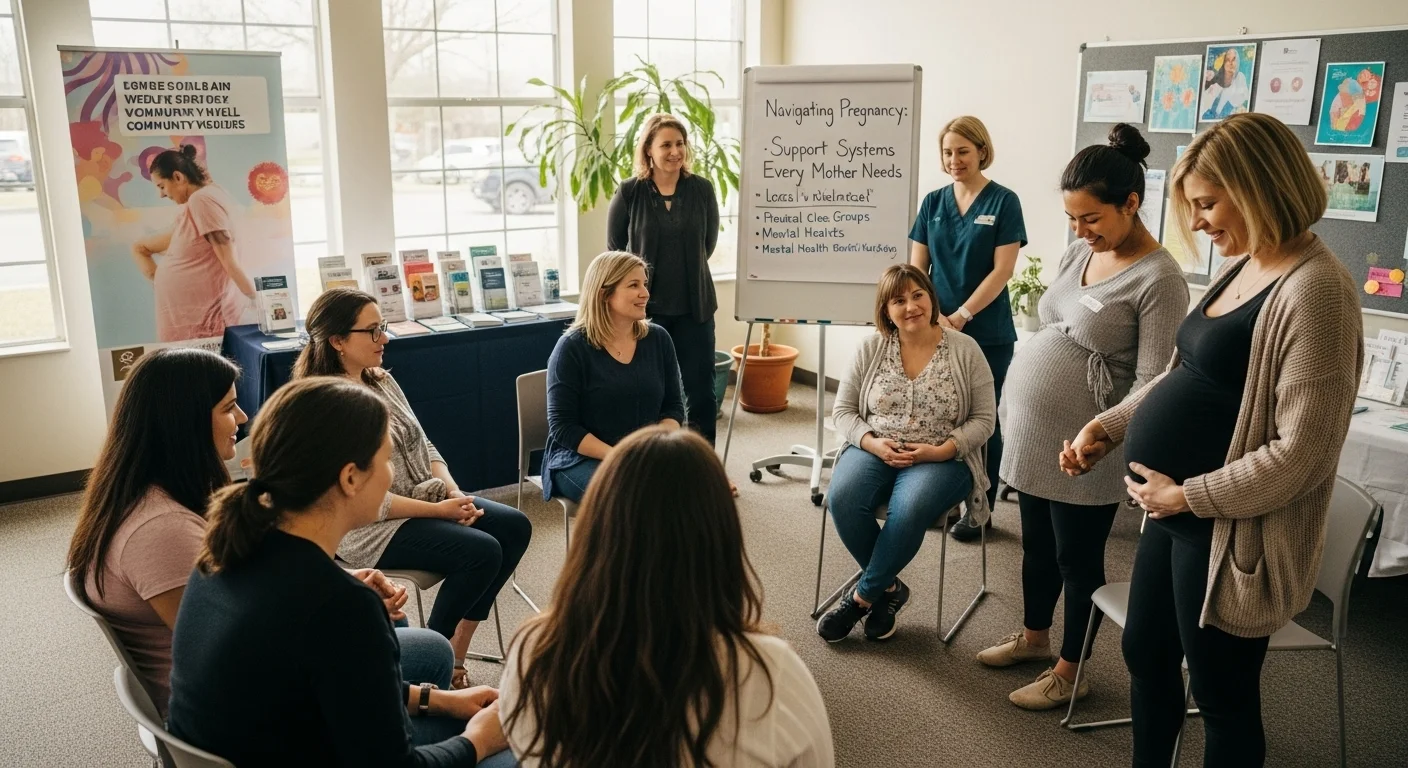
Understanding Pregnancy Support Systems
What Are Support Systems?
Support systems during pregnancy encompass the people and resources that provide emotional, physical, and informational assistance. They can include family, friends, healthcare professionals, and even community resources. I’ve come to realize that it’s not just about having someone to talk to; it’s about building a network that enriches the experience and helps address the challenges that come with pregnancy.
Importance of Support During Pregnancy
From my experience, having a solid support system during pregnancy can significantly influence how expectant mothers feel physically and emotionally. It’s a time filled with rapid changes, both mentally and physically, and having people to lean on can help ease anxiety and create a sense of belonging. I remember feeling overwhelmed at times, and it was reassuring to know I had friends and family who were there to listen and share their own experiences.
Support systems also help expectant mothers feel more empowered. When I engaged with others who had been through similar experiences, I learned practical tips that I never would have considered. The knowledge shared within these networks can alleviate fears and build confidence, making the journey feel less daunting. Additionally, finding emotional support as an expecting mother can be a crucial part of this empowerment.
Types of Support Systems
Emotional Support
Emotional support is crucial during pregnancy. It’s easy to feel isolated, especially if you’re dealing with stress or anxiety about the changes happening in your body and life. I recall days when a simple text from a friend asking how I was doing made a world of difference. Just knowing someone cared lifted my spirits. It’s important to find those who can listen without judgment and provide comfort during those rollercoaster moments.
Physical Support
Physical support comes in many forms, from help with daily tasks to physical assistance throughout pregnancy. I remember a friend offering to help with grocery shopping when I was too fatigued to carry bags. This kind of help isn’t just practical; it reinforces the idea that you’re not alone in this journey. Whether it’s a partner who helps with household chores or family members who step in during those tough days, physical support can alleviate stress and free up time for self-care.
Informational Support
Having access to reliable information is another cornerstone of a strong support system. I found myself diving into books, websites, and apps dedicated to pregnancy. However, it was conversations with trusted friends and family members that provided the most valuable insights. They shared their experiences and offered advice that was both practical and comforting. Sometimes, I didn’t need a textbook answer; I just wanted to hear how others navigated similar situations.
Financial Support
The financial aspect of preparing for a baby can be overwhelming. Between medical costs, baby gear, and potential changes in work situations, it’s easy to feel stressed about finances. I’ve spoken to friends who faced similar concerns and found that opening up about financial fears helped them find solutions. Whether it’s pooling resources with family or setting up a budget with a partner, having a financial support system can reduce anxiety and help plan for the future.
Key Support Providers
Healthcare Providers
One of the most important aspects of a support system during pregnancy is your healthcare provider. They are your go-to for medical advice, check-ups, and any concerns that arise. I remember my first appointment feeling both exciting and nerve-wracking, but my obstetrician made it easier. She listened patiently to all my questions and explained everything, which helped put my mind at ease.
Obstetricians
Obstetricians specialize in pregnancy and childbirth. They provide medical care throughout the pregnancy and deliver the baby. It’s crucial to find one you feel comfortable with, as you’ll be seeing them regularly. I felt grateful to have a doctor who took the time to understand my needs and preferences.
Midwives
Midwives are another option for prenatal care, focusing on a more holistic approach to childbirth. They often spend more time with you during appointments and emphasize natural birth processes. For me, having a midwife offered a comforting, intimate experience as I prepared for my baby’s arrival.
Pediatricians
Once the baby arrives, pediatricians become an essential part of your support system. It’s a good idea to choose one before your little one is born, as you’ll want to establish a relationship with them early on. I remember feeling relieved after meeting my pediatrician; their warmth and willingness to answer questions made me feel more prepared for the journey ahead.
Family and Friends
Your family and friends can provide a rich layer of support. It’s often the people closest to us who offer the most comfort during this life-changing time.
Partners
For many, a partner is the primary source of support during pregnancy. I’ll never forget how my partner stepped up to help with everything from attending doctor’s appointments to organizing the nursery. Their involvement not only strengthened our bond but also made the journey feel more collaborative.
Parents and Siblings
Parents and siblings can provide a wealth of experience and comfort. I leaned heavily on my mom, who had all sorts of advice from her own pregnancies. Siblings can also be a fantastic source of support, especially if they are parents themselves. They can share firsthand experiences and offer practical tips that only someone who has walked the same path can provide.
Close Friends
Having close friends who are also navigating parenthood can create a special camaraderie. We often shared our fears, joys, and even the mundane tasks of preparing for a baby. This connection helped ease the transition and made the whole experience feel less isolating.
Support Groups
Support groups can be an invaluable resource during pregnancy. They allow expectant mothers to connect with others who are going through similar experiences.
Online Communities
In today’s digital age, online communities have become a go-to for many. I found forums and social media groups where mothers shared advice, personal stories, and support. There’s something reassuring about knowing you’re not alone, and these platforms can provide instant help and feedback.
Local Parenting Classes
Local parenting classes are another fantastic way to meet other expectant mothers. I took a childbirth preparation class that not only educated me but also helped forge friendships. Sharing that experience with others made it feel more manageable and created a sense of community.
Professional Support Services
Sometimes, professional support services can help in ways that friends and family cannot.
Counseling and Therapy
Pregnancy can bring up a lot of emotions, and sometimes it’s beneficial to talk to a professional. I found that counseling helped me navigate my feelings and provided strategies to manage anxiety. It was a judgment-free zone where I could express myself openly.
Doula Services
Doulas provide physical and emotional support during pregnancy and childbirth. I considered hiring a doula for the personal touch they offer, particularly in advocating for your birth plan. Many mothers I know have found their presence invaluable during labor, helping to ease fears and provide comfort.
Creating Your Support Network
Assessing Your Needs
Building a strong support network during pregnancy starts with understanding your own needs. I remember sitting down one day and really thinking about what I required most during this time. Were there areas where I felt particularly vulnerable? For me, it was emotional support and practical help around the house. It’s crucial to reflect on what makes you feel supported—whether that’s someone to talk to about your fears, help with chores, or simply companionship during appointments. I found that writing down my thoughts helped clarify what I needed from my support system.
Building a Support Team
Once I had a better understanding of my needs, I began to gather my support team. I reached out to family members, friends, and even local community groups. I learned that sometimes, just expressing what I needed could rally the people around me. For instance, I asked my sister if she could accompany me to some doctor’s appointments, and she was thrilled to help. I also connected with local moms through a nearby parenting group, which introduced me to new friends who were navigating the same journey. Building a support team is about creating connections and fosters an environment where you can thrive.
Communicating with Your Support System
Communication is key to any successful support network. I quickly discovered that being open about my feelings and expectations made a huge difference. When I communicated what I was going through, my friends and family understood how to assist me better. I remember telling my best friend about the anxieties I faced about childbirth, and she shared her own experiences, which made me feel heard and less alone. I also found it helpful to check in with my support team regularly, letting them know what was working and what areas could use more attention. This ongoing dialogue keeps everyone connected and aware of your evolving needs.
Resources for Expecting Mothers
Books and Guides
Reading has been a fantastic way for me to gain insights during my pregnancy. I came across several books that offered not only medical advice but also personal stories that resonated with my experiences. One of my favorites was “What to Expect When You’re Expecting.” It provided practical information while also making me feel like I was part of a club of mothers-to-be. I recommend finding books that resonate with your personality and learning style, whether they’re filled with facts or more narrative-driven.
Websites and Blogs
The internet is a treasure trove of resources for expecting mothers. I often found myself visiting websites and blogs that focused on various aspects of pregnancy. One blog I loved featured real-life stories from mothers, offering honest reflections on the ups and downs of pregnancy. It was comforting to read about others’ experiences, and I often found the comment sections to be a goldmine of additional tips and support. If you’re looking for specific topics or advice, I suggest exploring different blogs until you find a few that resonate with you. For more resources, consider checking out top resources for emotional well-being in expecting mothers.
Apps for Pregnancy Tracking
As someone who loves technology, I couldn’t resist downloading a few pregnancy apps. They became an essential part of my daily routine. Not only did they help me track my pregnancy week by week, but they also provided me with reminders for appointments and tips for self-care. One app even had a community feature, allowing me to connect with other moms-to-be. It felt great to share updates and ask questions in a safe space. I recommend exploring a few different apps to find one that suits your style, as they can make this journey feel more manageable and engaging.
Challenges in Finding Support
Isolation and Loneliness
Despite having a support network, I still experienced moments of isolation during my pregnancy. It sometimes felt like everyone else was managing perfectly while I struggled with my own emotions. I found it helpful to remind myself that these feelings are common. Talking to others in my support group often revealed that they faced similar challenges. Acknowledging that loneliness can creep in gave me permission to reach out more often and express when I needed support.
Cultural and Societal Barriers
Cultural expectations can also create barriers to seeking support. I noticed that some of my friends felt pressure to handle their pregnancies without asking for help, viewing it as a sign of weakness. I’ve learned that it’s essential to challenge these societal norms. Sharing my own experiences encouraged others to speak up about their needs, which fostered a more open environment. It’s crucial to remember that seeking help is not only okay but encouraged; it strengthens the community and enriches our experiences.
Managing Conflicting Advice
With so many voices around us, it can be overwhelming to manage conflicting advice. I remember feeling bombarded by opinions on everything from baby names to birthing methods. It’s important to take a step back and filter advice through your lens. I learned to focus on what resonated with me and to be selective about whose opinions I valued most. Trusting my instincts was key; after all, I knew my body and my situation better than anyone else.
Tips for Utilizing Support Systems Effectively
Being Open and Honest
To get the most out of my support system, I found that being open and honest about my feelings was vital. Whether I was excited, anxious, or overwhelmed, sharing these emotions fostered deeper connections. It also encouraged others to be vulnerable, creating a safe space for everyone involved. When I let down my guard, I noticed that others felt more comfortable doing the same.
Setting Boundaries
While having a support network is wonderful, I also learned the importance of setting boundaries. There were times when I felt overwhelmed by too much input or advice. I started to communicate my needs clearly, letting my friends and family know when I needed space or when I just wanted someone to listen rather than offer solutions. Establishing these boundaries helped me maintain a sense of control and comfort throughout my pregnancy.
Knowing When to Seek Help
Finally, understanding when to seek help is crucial. I realized that it’s perfectly okay to reach out for professional support if I felt overwhelmed or uncertain. Whether it was a therapist, a doula, or even a trusted healthcare provider, knowing that support was available made a significant difference. I encourage anyone going through pregnancy to seek help when needed; it’s a sign of strength, not weakness.
Resources for Expecting Mothers
Books and Guides
As I navigated my pregnancy, I found that literature was a fantastic resource. Books provided a wealth of information and comfort, often presenting experiences that mirrored my own. One book that really stood out to me was “The Mama Natural Week-by-Week Guide to Pregnancy and Childbirth.” It felt like having a friend by my side, guiding me through each stage with a blend of humor and practical advice. There’s something magical about curling up with a good book, losing myself in the pages, and absorbing knowledge that makes me feel more prepared. I recommend looking for books that not only provide facts but also resonate with your feelings and experiences.
Another great resource is “Expecting Better” by Emily Oster. I appreciated her data-driven approach, which helped me cut through the noise of pregnancy myths. It’s empowering to understand the reasoning behind certain recommendations, allowing me to make informed decisions that felt right for me. I learned that the best guides often blend personal stories with evidence-based information, creating a more relatable and engaging read.
Websites and Blogs
The internet is an endless well of resources for expecting mothers. I often found myself scrolling through websites and blogs dedicated to pregnancy and parenting. One of my favorite sites was BabyCenter, where I discovered a plethora of articles, community forums, and interactive tools that helped me track my pregnancy week by week. The community aspect was especially valuable; I connected with other moms who shared their experiences, fears, and triumphs, which helped me feel less alone.
I also loved reading personal blogs. One that resonated with me was “A Cup of Jo,” where the author shared candid stories about motherhood, including the ups and downs of pregnancy. These heartfelt narratives were not only relatable but also provided practical advice on everyday challenges. I encourage you to explore various blogs and find a few that resonate with your style. It can be comforting to know that others are walking the same path.
Apps for Pregnancy Tracking
Technology played a significant role in my pregnancy journey. I downloaded several pregnancy apps that became an integral part of my daily routine. One app I found particularly helpful was “What to Expect,” which offered weekly updates on my baby’s development and personalized articles based on my due date. I loved the excitement of seeing how my little one was growing each week.
Another app, “Ovia Pregnancy Tracker,” not only helped me track my pregnancy but also included a community feature where I could connect with other expectant moms. It was comforting to share my journey and ask questions in a safe environment. I recommend trying a few different apps to see which one suits your preferences. They can provide reminders for appointments, tips for self-care, and a sense of community that makes the journey feel more connected.
Challenges in Finding Support
Isolation and Loneliness
Even with a solid support network, I found myself grappling with feelings of isolation at times. It was surprising to me how lonely I could feel, especially during moments when everyone else seemed to be thriving in their pregnancies. I realized that many expectant mothers experience similar emotions, and acknowledging these feelings helped. I often turned to my support group, where we openly discussed our struggles with loneliness, and it was comforting to know I wasn’t alone in feeling this way.
To combat those feelings, I made a conscious effort to reach out more often. Whether it was sending a text to a friend or attending a local meet-up, putting myself out there helped ease the isolation. I learned that sometimes simply sharing my struggles could open the door to deeper connections with others who were experiencing the same things.
Cultural and Societal Barriers
Cultural expectations can create barriers when it comes to seeking support. I noticed that some friends felt pressure to manage their pregnancies without asking for help, viewing it as a sign of weakness. I’ve come to understand that these societal norms can be challenging to navigate, but I also believe that sharing my own experiences can help break down these barriers. When I spoke openly about my needs, it encouraged others to voice their own struggles.
Through discussions, we began to challenge the stigma that asking for help equates to weakness. I think it’s vital to foster an environment where it’s okay to admit that we need support. By doing so, we can create a more nurturing community around us, which ultimately enriches our experiences during pregnancy.
Managing Conflicting Advice
One of the biggest hurdles I faced was managing the conflicting advice I received from friends, family, and even strangers. It often felt like everyone had an opinion on everything from baby names to birthing plans. I learned to take a step back and filter this advice through my own lens. Instead of feeling overwhelmed, I started focusing on what resonated with me and trusted my instincts.
I found it helpful to create a personal list of what felt right for me, based on my research and conversations with my healthcare provider. This way, I had a clear path to follow, which helped me steer away from any noise that didn’t align with my values. Trusting myself became an empowering aspect of my journey, reminding me that while advice is important, I ultimately know what’s best for me and my baby.
Frequently Asked Questions
What are support systems during pregnancy?
Support systems during pregnancy encompass the people and resources that provide emotional, physical, and informational assistance. They can include family, friends, healthcare professionals, and community resources.
Why is having a support system important during pregnancy?
A solid support system can significantly influence how expectant mothers feel physically and emotionally. It helps ease anxiety, create a sense of belonging, and empowers mothers by sharing practical tips and experiences.
What types of support can pregnant women receive?
Pregnant women can receive emotional support, physical support, informational support, and financial support. Each type plays a crucial role in addressing the different challenges faced during pregnancy.
Who are key support providers during pregnancy?
Key support providers include healthcare providers, obstetricians, midwives, pediatricians, family and friends, partners, and close friends. Each of these individuals can offer unique support and guidance throughout the pregnancy journey.
How can expectant mothers build their support network?
Expectant mothers can build their support network by assessing their needs, reaching out to family and friends, connecting with local community groups, and clearly communicating what they require from their support system.
What are some resources available for expecting mothers?
Resources for expecting mothers include books and guides, websites and blogs, and pregnancy tracking apps. These resources provide valuable information, community support, and practical tips to navigate pregnancy.
What challenges might pregnant women face in finding support?
Pregnant women may face challenges such as feelings of isolation and loneliness, cultural and societal barriers that discourage seeking help, and managing conflicting advice from various sources.
What tips can help expectant mothers utilize their support systems effectively?
To utilize support systems effectively, expectant mothers should be open and honest about their feelings, set boundaries regarding the type of support they need, and know when to seek professional help if feeling overwhelmed.
How can emotional support benefit pregnant women?
Emotional support can help alleviate feelings of isolation and anxiety, providing comfort during the emotional rollercoaster of pregnancy. It fosters deeper connections and encourages expectant mothers to express their feelings openly.
Why is it important to communicate with your support system?
Communication is key to a successful support network. Being open about feelings and expectations helps friends and family understand how to assist better and keeps everyone connected to the evolving needs of the expectant mother.