
Navigating the world of special education can feel overwhelming for any parent. But with the right knowledge and tools, we can advocate effectively for our children, ensuring they receive the education they deserve. Read Interesting article: Empowering Parents: Advocacy Tips for Special Education
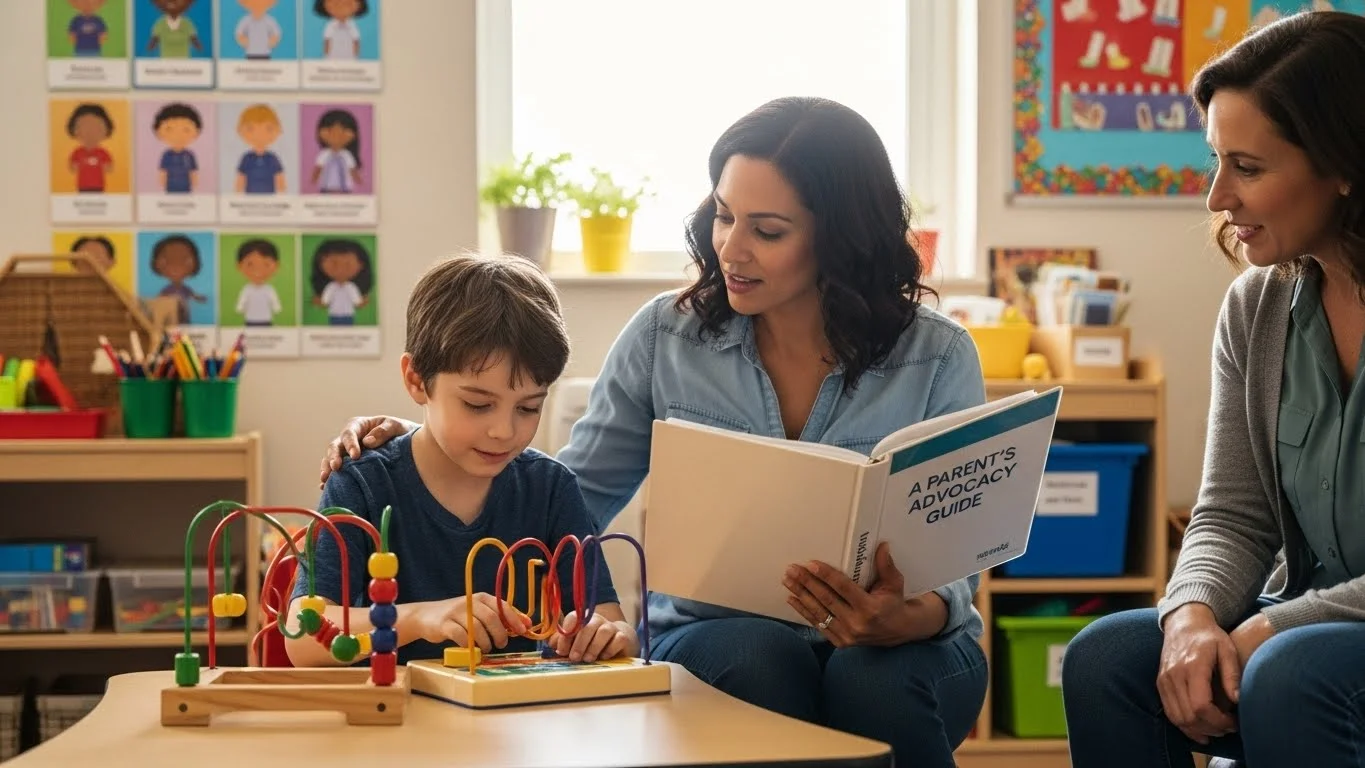
Understanding Special Education
What is Special Education?
Special education is a tailored educational approach designed for children with disabilities or unique learning needs. I remember when my child was first diagnosed with a learning disability; it felt like the ground shifted beneath my feet. I learned that special education isn’t just about providing additional resources; it’s about creating an inclusive environment where every child can thrive. The goal is to help students achieve academic success and develop essential life skills by modifying teaching methods, curricula, and assessments to meet their individual needs.
Legal Framework: IDEA and FAPE
Understanding the legal framework surrounding special education is crucial for every parent. The Individuals with Disabilities Education Act (IDEA) is a federal law that ensures students with disabilities have access to a free appropriate public education (FAPE). I found it empowering to know that my child is entitled to services like specially designed instruction and related supports. FAPE means that the education provided must be tailored specifically to meet the unique needs of each child, allowing them to make progress in the general education curriculum.
Through my journey, I realized that IDEA also mandates the creation of an Individualized Education Program (IEP) for eligible students. This document outlines specific educational goals, services, and accommodations that will help my child succeed. I remember the first IEP meeting we attended; it was a bit intimidating, but having a clear understanding of IDEA helped me feel more confident advocating for my child.
Key Terminology: IEP, 504 Plan, and More
As parents, it’s essential to familiarize ourselves with the key terminology in special education. The most crucial terms include the Individualized Education Program (IEP) and the 504 Plan. IEPs are designed for children who meet specific eligibility requirements under IDEA, while 504 Plans fall under the Rehabilitation Act of 1973, providing accommodations for students who may not qualify for an IEP but still require support due to a disability.
When I first heard about these plans, I was confused about which one my child would need. After some research and discussions with educators, I learned that IEPs offer more comprehensive services, including specialized instruction and related services, while 504 Plans focus on removing barriers to learning by providing accommodations. For example, my child’s IEP included speech therapy, while a 504 Plan might allow extra time on tests or modified assignments.
Other important terms include “Least Restrictive Environment” (LRE), which refers to the educational setting that allows students with disabilities to learn alongside their peers as much as possible. Understanding these terms helped me navigate discussions with school staff more effectively. I felt more empowered when I could speak their language, and it also helped me better understand how my child could benefit from the support available.
The Role of Parents in Advocacy
Why Parental Involvement is Crucial
One thing I’ve learned throughout this journey is that parental involvement is vital in advocating for your child’s education. When we actively participate in our children’s education, we not only understand their needs better, but we also send a powerful message to educators that we care deeply about their success. I remember attending every IEP meeting and school event, feeling that my presence was crucial in making sure my child’s voice was heard.
Research shows that students whose parents are involved in their education tend to perform better academically and socially. Every time I engaged with teachers and administrators, I felt like I was building a bridge between my child and the educational resources they needed. This connection made a significant difference in my child’s school experience, and I believe it can do the same for many families. Read Interesting article: Creating Inclusive Classrooms Without Breaking the Bank
Building a Collaborative Relationship with Educators
Creating a collaborative relationship with educators is essential. I remember my first meetings with my child’s teachers; I was nervous but determined to share my child’s strengths and challenges. I quickly learned that building a positive rapport with educators opened up lines of communication, making it easier to discuss my child’s needs and progress.
One strategy that worked well for me was to approach discussions with an open mind. I often asked questions and listened carefully to their observations and suggestions. This collaborative mindset helped us work together toward common goals, ensuring that my child received the support they needed. It’s all about teamwork, and I found that when teachers see parents as partners, the entire educational experience improves for our children.
Understanding Your Rights as a Parent
As a parent, understanding my rights in the special education process was a game changer. I discovered that I had the right to request evaluations, access records, and participate in meetings about my child’s education. This knowledge empowered me to speak up when I felt my child wasn’t getting the support they needed. I remember the first time I had to advocate for an evaluation; knowing my rights made me feel more confident in my ability to support my child. I learned to be assertive without being confrontational, which was crucial in maintaining a positive relationship with educators.
Being informed about the rights provided by laws like IDEA or Section 504 was liberating. It gave me the tools to advocate effectively for my child, and I encourage every parent to familiarize themselves with these regulations. There are plenty of resources available, and I found that connecting with other parents led to valuable insights and support. Together, we can navigate this journey and become strong advocates for our children.
Identifying Your Child’s Needs
Recognizing Signs of Learning Disabilities
Identifying whether your child has a learning disability can sometimes feel like searching for a needle in a haystack. I remember the first signs that made me pause and wonder if something was off with my child’s learning abilities. Perhaps they struggled with reading, had difficulty following instructions, or found math concepts particularly challenging. These signs often manifest in various ways, and it’s important for us as parents to recognize them early on.
Some common indicators of learning disabilities include persistent challenges in specific academic areas, difficulty with focus or organization, and problems with social skills or communication. I found it helpful to keep a journal of my child’s behaviors and challenges over time. This not only helped me track their progress but also provided valuable insights to share with teachers and professionals during evaluations. I learned that being observant and proactive can make a big difference in getting the support our children need.
Resources for Evaluation and Assessment
Once I started noticing signs of learning disabilities, the next step was to seek a professional evaluation. The idea of assessments can be daunting; I remember feeling anxious about what the results might reveal. But I soon realized that evaluations are essential tools that help us understand our children better and guide their educational paths.
In my experience, schools often offer evaluations for free, but I discovered that private evaluations could provide more in-depth insights. I recommend checking with local educational agencies or pediatricians for referrals. If you choose to pursue a school evaluation, remember that you have the right to request one. Be prepared to provide documentation of your observations and any previous interventions you may have tried.
Additionally, there are numerous resources available to help parents navigate evaluations. Websites like the National Center for Learning Disabilities provide a wealth of information, and connecting with local support groups can be invaluable. Sharing experiences with other parents who have walked this path can give you the confidence you need to advocate for your child. Read Interesting article: Exploring IEP Implementation: Cost-Effective Approaches
Working with Professionals: Psychologists and Educators
Finding the right professionals to work with can feel overwhelming, but I found it to be one of the most rewarding parts of my journey. Psychologists, special education teachers, and therapists can provide vital support in assessing and understanding my child’s unique needs. I remember feeling nervous about meeting with these professionals for the first time, but I quickly learned that they were there to help us navigate the complexities of special education.
Building a trusting relationship with these professionals was key. I made sure to communicate openly about my child’s strengths and challenges. I also found that asking questions was important; it helped me understand the evaluation process and what to expect moving forward. I made it a point to collaborate with everyone involved in my child’s education, ensuring we were all on the same page.
In addition to educators, I discovered the value of seeking support from specialists, such as speech therapists or occupational therapists, depending on my child’s specific needs. They often offered tailored strategies that could be implemented at home and in the classroom. These discussions and collaborative efforts empowered me to make informed decisions about my child’s education and provide them with the best possible support.
Creating an Individualized Education Program (IEP)
Steps to Develop an Effective IEP
When it was time to develop my child’s IEP, I felt a mixture of excitement and apprehension. I knew this document would play a crucial role in determining the support and resources my child would receive. The process starts with gathering information from evaluations and assessments, which helps to identify specific goals and accommodations that will benefit my child.
The IEP meeting itself can be a bit intimidating, but I found that coming prepared made all the difference. I made an outline of my child’s strengths and challenges, along with any specific accommodations I thought would help. I also learned to actively listen to the insights of teachers and specialists. Every voice at that table was valuable, and I found that collaboration led to more comprehensive planning.
Another important step in the IEP process is to ensure that the goals set are realistic and measurable. I remember discussing various benchmarks with the team, which provided clarity on how we would track progress. Knowing that we could adjust the IEP as needed helped ease my worries—this was a living document that could evolve with my child’s needs.
Setting SMART Goals for Your Child
When it came to setting goals for my child’s IEP, I learned about the SMART criteria: Specific, Measurable, Achievable, Relevant, and Time-bound. I found this approach incredibly helpful in ensuring we set clear and attainable goals. Instead of vague objectives, like “improve reading skills,” we made it specific—“increase reading fluency from 50 to 75 words per minute by the end of the school year.”
These measurable goals gave us something concrete to work toward. I came to appreciate how important it was to have regular check-ins on these goals. Establishing benchmarks allowed us to celebrate small victories and make adjustments if necessary. I felt empowered knowing that my child had a clear roadmap for their educational journey.
Monitoring Progress and Making Adjustments
Monitoring my child’s progress was crucial in ensuring that the IEP was effective. I quickly learned that staying engaged with teachers and therapists made it easier to understand how my child was doing. Regular communication became a priority for me. I would often reach out via email or scheduled meetings to discuss my child’s advancements and areas that needed more attention.
As I monitored progress, I learned that flexibility is key. Sometimes, the goals we set needed to be adjusted based on my child’s growth or challenges. I remember one instance where my child exceeded their reading goal, and we were able to set a new, more challenging target. This adaptability not only kept my child engaged but also fostered a sense of accomplishment.
504 Plans vs. IEPs: Understanding the Differences
Eligibility Criteria for Each Plan
When I first learned about the distinctions between 504 Plans and IEPs, it felt like a light bulb went off in my head. Understanding the eligibility criteria helped clarify which option was best for my child. IEPs are specifically for children who meet certain criteria under IDEA, meaning they must have a recognized disability that impacts their ability to learn in a traditional classroom setting. This could be anything from a learning disability, emotional disturbance, to autism, among others. I remember feeling relieved to learn that my child qualified for an IEP because it opened up a world of tailored support.
On the other hand, 504 Plans are broader and cover a wider range of disabilities. They provide accommodations for students who may not qualify for an IEP but still need some level of support to access the general education curriculum. This was a revelation for me—It reinforced the idea that every child deserves aid, regardless of whether they meet the stricter criteria of an IEP. I found it crucial to be aware of the specific conditions that qualify for either plan, as it directly impacts how we advocate for our children’s needs.
Services and Accommodations Offered
Understanding the types of services and accommodations offered through each plan was eye-opening for me. IEPs typically include specialized instruction tailored to the child’s unique learning needs. For instance, my child’s IEP included one-on-one time with a special education teacher and access to speech therapy. The level of customization in IEPs was something I valued immensely, as it meant that every aspect of my child’s educational experience could be catered to their requirements.
On the flip side, 504 Plans focus on providing accommodations rather than altering the education itself. This means that while my child might not receive specialized instruction, they could benefit from adjustments like extended time on tests, preferential seating, or modified homework assignments. I learned that these accommodations could significantly enhance my child’s learning environment, allowing them to thrive even if they didn’t qualify for an IEP.
When I had to decide which plan to pursue, I took the time to sit down and list out my child’s specific needs. It’s essential for parents to weigh the options carefully, as the type of support can greatly affect their child’s educational experience. From my experience, a collaborative discussion with educators helped us determine the best path forward.
When to Request a 504 Plan
Knowing when to request a 504 Plan was another important lesson I learned through this journey. If you notice that your child struggles in school but doesn’t fit the strict criteria for an IEP, a 504 Plan might be the right solution. I remember a time when my child was having trouble focusing in class due to anxiety. While they didn’t have a qualifying learning disability, I realized that their mental health challenges affected their educational experience. This was when I decided to explore the 504 Plan option.
The request for a 504 Plan can be initiated by parents, teachers, or school personnel. I found that it’s best to be proactive; if you see signs that your child needs additional support, don’t hesitate to ask for a meeting with school staff. Gather any relevant documentation about your child’s challenges, and be ready to discuss how these impact their learning. As I went through this process, I found that being clear and assertive about my child’s needs made it easier for educators to understand and respond appropriately.
Another tip I learned is to keep the lines of communication open. Regular check-ins with teachers not only helped me stay informed about my child’s progress but also built a rapport that made it easier to discuss any changes or additional needs as they arose. Advocacy is an ongoing journey, and I’ve come to realize that being informed can make all the difference in ensuring our children receive the education and support they deserve.
Advocacy Strategies for Parents
Effective Communication with School Staff
One of the most vital skills I developed in this journey has been effective communication with school staff. I quickly learned that how I presented my concerns and needs made a significant impact on the responses I received. I remember my early days of feeling hesitant to speak up, but as I gained confidence, I realized the value of being clear and concise. When addressing issues, I found it helpful to come prepared with specific examples of my child’s challenges and any relevant documentation.
Building a relationship with teachers and administrators was crucial. I made it a point to compliment them on their efforts and express gratitude for their support. Establishing a positive tone helped foster an environment where I felt comfortable sharing my concerns. I learned that when I approached conversations with a collaborative mindset, it often led to constructive outcomes. It’s all about teamwork, and I believe that when parents and educators work hand in hand, our children benefit immensely.
Building a Support Network
Throughout my experience, I realized the importance of building a support network. Connecting with other parents who were on the same journey provided me with invaluable insights and encouragement. I remember attending local support group meetings where I met other parents who shared their stories and strategies. It was comforting to know that I wasn’t alone, and hearing their experiences gave me new ideas for advocating for my child.
In addition to fellow parents, I sought to establish connections with professionals in the field. I reached out to special education advocates and local organizations that provided resources and guidance. This network became my lifeline, allowing me to share experiences and gain different perspectives on challenges we faced. I encourage every parent to seek out these connections; they can be a tremendous source of support and inspiration.
Documenting Everything: Keeping Records
One of the most practical strategies I adopted was documenting everything related to my child’s education. From meeting notes to emails exchanged with teachers, keeping accurate records proved to be incredibly beneficial. I remember early on when I faced challenges getting certain accommodations implemented. Having a detailed log of discussions and decisions helped me present a clear case when advocating for my child’s needs.
I created a binder that included my child’s assessments, IEP documents, and any correspondence with the school. This not only kept everything organized but also made it easier to reference specific information during meetings. I realized that being thorough and prepared gave me the confidence to advocate effectively. I recommend all parents develop a system that works for them; it can make a significant difference when navigating the complexities of special education.
Frequently Asked Questions
What is special education?
Special education is a tailored educational approach designed for children with disabilities or unique learning needs, aimed at helping them achieve academic success and develop essential life skills through modified teaching methods, curricula, and assessments.
What does FAPE stand for and what does it ensure?
FAPE stands for Free Appropriate Public Education. It ensures that students with disabilities have access to an education that is specifically tailored to meet their unique needs, allowing them to make progress in the general education curriculum.
What is an Individualized Education Program (IEP)?
An Individualized Education Program (IEP) is a document that outlines specific educational goals, services, and accommodations tailored to support a child with disabilities in their learning journey, as mandated by IDEA.
How do I know if my child needs an IEP or a 504 Plan?
IEPs are designed for children who meet specific eligibility requirements under IDEA, while 504 Plans provide accommodations for students who may not qualify for an IEP but still require support due to a disability. Knowing your child’s specific needs will help determine the best option.
Why is parental involvement important in special education?
Parental involvement is crucial as it helps parents understand their child’s needs better and sends a message to educators that they care about their child’s success. Research shows that engaged parents can positively impact their child’s academic and social performance.
What should I do if I suspect my child has a learning disability?
If you suspect your child has a learning disability, start by recognizing the signs, such as persistent academic challenges or difficulties with focus. Keeping a journal of their behaviors can be helpful, and seeking professional evaluation is a recommended next step.
What types of professionals should I work with for my child’s needs?
It’s beneficial to work with a range of professionals, including psychologists, special education teachers, and therapists, who can provide vital support in assessing and understanding your child’s unique needs.
What are SMART goals in the context of an IEP?
SMART goals are Specific, Measurable, Achievable, Relevant, and Time-bound objectives set for a child’s IEP. They help ensure clarity and attainability in educational goals, making it easier to track progress.
What is the difference between services provided under an IEP and a 504 Plan?
IEPs typically include specialized instruction tailored to a child’s unique learning needs, while 504 Plans focus on providing accommodations to help students access the general education curriculum without altering the education itself.
How can I effectively communicate with school staff about my child’s needs?
Effective communication involves being clear and concise about your concerns, providing specific examples of challenges, and establishing a positive relationship with educators. Approaching conversations with a collaborative mindset can lead to constructive outcomes.