
Navigating toddler emotions can feel like an adventure in itself, especially when backpacking with young children. Understanding their feelings and learning how to manage them can make your journey smoother and more enjoyable. Understanding Toddler Emotions While Backpacking: Essential Tips can offer valuable insights.
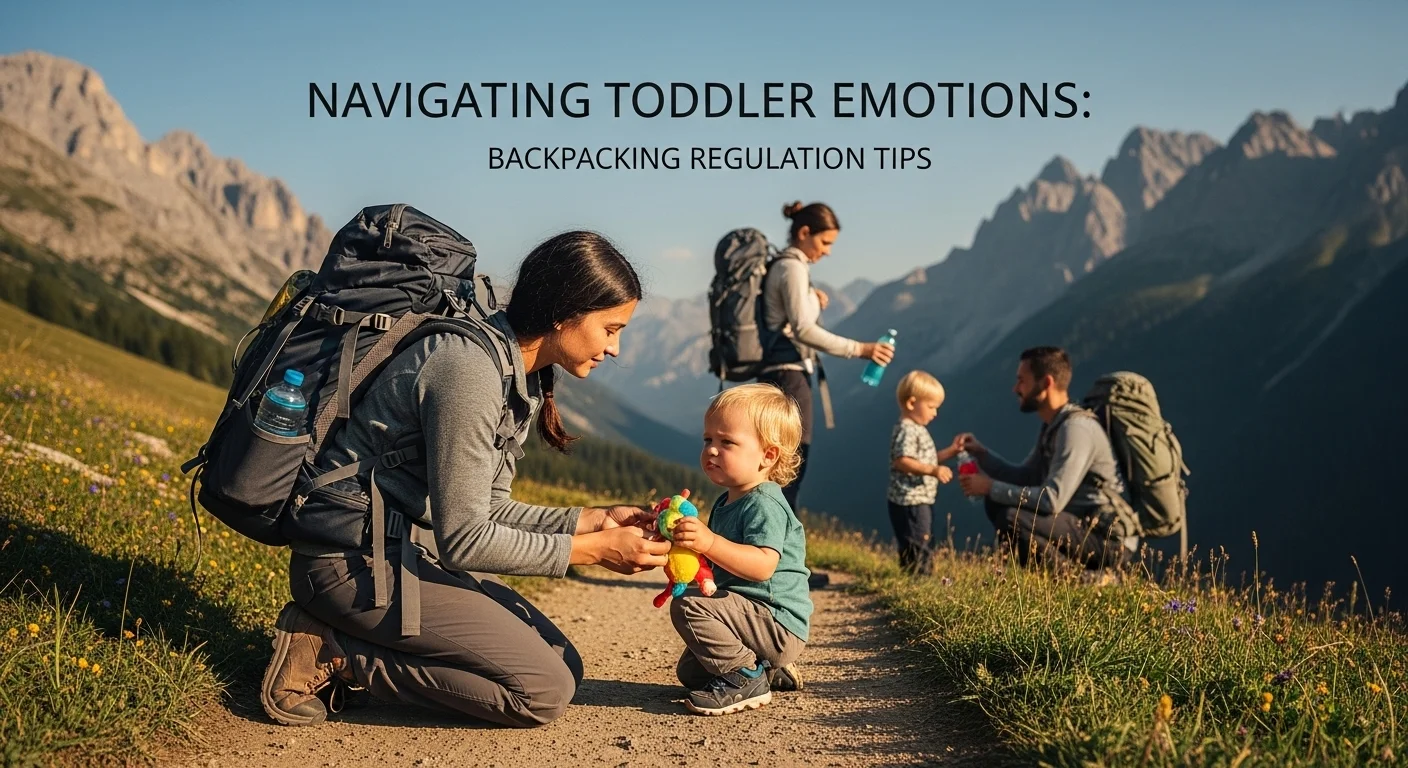
Understanding Toddler Emotions
The Emotional Development of Toddlers
Every parent knows that toddlers come with a whirlwind of emotions. I remember my own experience with my little one, who could go from gleeful laughter to tears in mere moments. This emotional rollercoaster is completely normal and stems from their developmental stage. At this age, toddlers are just beginning to understand their emotions, and they often lack the words to express what they’re feeling. Their brains are still developing, and they’re learning how to process all these new feelings.
During this stage, toddlers typically go through various emotional milestones. They start recognizing emotions in themselves and others, although they might not always know how to handle them. For instance, when my child got frustrated during playtime, I realized they were struggling to articulate their feelings. Understanding this helped me be more patient and supportive.
Common Toddler Emotions
So, what kinds of emotions should we expect? From my experience, some of the most common ones include:
- Joy: This is the excited giggle and squeal when they see their favorite toy.
- Frustration: This can lead to tantrums, especially if they can’t reach a toy or complete a puzzle.
- Fear: New environments, loud noises, or unfamiliar faces can trigger anxiety.
- Sadness: Losing a toy or having to leave a fun activity can lead to tears.
- Anger: This often surfaces when they feel misunderstood or when their desires are thwarted.
Understanding these emotions can help us react appropriately. I learned to notice the signs of frustration in my child’s body language before it escalated into a full-blown meltdown. By recognizing these feelings early, I felt more equipped to help them navigate their emotional landscape. For more on strategies for emotional development, check out Mastering Toddler Emotions: Essential Regulation Strategies.
Why Emotional Regulation is Important
Emotional regulation is crucial for a child’s development. I’ve seen firsthand how teaching my toddler to manage their emotions has made a big difference in our daily lives. When toddlers learn to regulate their emotions, it helps them cope with challenges, build relationships, and develop resilience. It’s like giving them tools for life. They become more adaptable and better equipped to handle situations, whether they’re at home or out exploring nature.
For instance, during a recent family hike, my child stumbled and fell, scraping their knee. Instead of bursting into tears, they took a deep breath and looked to me for guidance. I felt so proud of the progress they made in managing their emotions! By encouraging them to express their feelings and providing them with calming techniques, I’ve witnessed their confidence grow.
But let’s be real—helping toddlers regulate their emotions isn’t always easy. There will be times when they experience big feelings that can be overwhelming for both them and us. I remember a particularly challenging day when my child had multiple meltdowns during our outdoor adventure. It was exhausting! However, I learned that when we understand the “why” behind their emotions, it equips us to respond more effectively.
As we embark on our backpacking journeys, understanding toddler emotions becomes even more critical. Their feelings can fluctuate with new experiences, so being aware of this can help us plan for emotional ups and downs. Just like we pack snacks and water, we should prepare emotionally for the challenges ahead.
In the next sections, we’ll dive deeper into how to manage these emotions while backpacking with toddlers. Understanding their emotional state can transform our adventures from chaotic to truly memorable experiences filled with joy and learning.
Backpacking with Toddlers: An Overview
What is Backpacking with Toddlers?
Backpacking with toddlers is more than just strapping on a backpack and hitting the trails. It’s about bringing your little one along for a journey that connects them to the great outdoors. I remember the first time I decided to take my toddler on a backpacking trip. It was a weekend adventure, and I wanted to share my love for nature with my child. We packed our gear, loaded up on snacks, and set off with a small tent and a lot of enthusiasm.
This type of trip usually involves hiking to a campsite, where you can spend time together in nature. It’s not just about the destination, but the experiences you share along the way. For us, every small discovery—like spotting a squirrel or picking up interesting rocks—turned into a mini adventure. It’s a beautiful way for families to bond while teaching toddlers about the environment and the joy of exploration. For more insights on emotional management during these trips, read Unlocking Toddler Emotions: A Backpacker’s Guide to Understanding.
Benefits of Backpacking for Families
Backpacking offers countless benefits for families. From my experience, one of the biggest advantages is the quality time you get to spend together, away from everyday distractions like screens and chores. I found that being in nature helped us all disconnect from our busy lives and truly connect with each other. The shared experience of navigating trails, setting up camp, and cooking meals together fosters teamwork and strengthens family relationships.
Additionally, it’s a wonderful opportunity for toddlers to explore their surroundings and engage their senses. I noticed how much my child learned about nature, from identifying birds to understanding the importance of leaves and trees. Being outside encourages curiosity and play, which are crucial for emotional development. Nature itself acts as a calming influence, helping both kids and adults feel more relaxed and grounded.
Challenges of Backpacking with Young Children
Of course, backpacking with toddlers isn’t without its challenges. I’ve experienced my fair share of ups and downs on the trail. One of the first hurdles we faced was managing my child’s energy levels. Toddlers are full of energy, but they can also tire quickly. I remember a hike where my little one insisted on walking on their own but soon got tired after only a short distance. We ended up carrying them, which added extra weight to our packs and slowed us down.
Another challenge is handling emotional outbursts in new environments. I’ve seen how unfamiliar places can trigger anxiety or frustration in my toddler. There were times when a sudden change in scenery would lead to tears, especially if they were feeling tired or hungry. It’s essential for us as parents to be prepared for these emotional moments and to have strategies in place to help soothe and calm our little ones.
Weather can also play a significant role in the success of a backpacking trip. Rain or cold can be discouraging, and I’ve learned that flexibility is key. Sometimes we had to adjust our plans or find creative ways to keep our toddler engaged during less-than-ideal conditions. Recognizing these challenges is the first step to preparing ourselves for a successful adventure, and it’s something I wish I had done more thoroughly before our trips.
In the next sections, we’ll explore how to prepare for these journeys, ensuring we have the right gear and the best strategies to make our backpacking experiences with toddlers as enjoyable as possible. By planning ahead, we can navigate both the fun and the challenges, transforming our outings into memorable adventures that our families will cherish.
Preparing for the Journey
Choosing the Right Destination
Choosing the right destination can make or break your backpacking experience with toddlers. I remember the first time we set out on a trip; I mistakenly thought any trail would do. We ended up on a longer and more challenging hike than I anticipated. My little one was not thrilled about the steep inclines and rocky paths. Now, I always prioritize kid-friendly trails that offer plenty of opportunities for exploration and play. Look for places with gentle slopes, short distances, and interesting features like streams or unique rock formations.
Additionally, I’ve found that researching the area beforehand helps. Some parks and trails even have specific sections designed for families. I also consider accessibility to restrooms or picnic areas, which can make all the difference if your toddler needs a break. In my experience, finding a location with a blend of engaging sights and manageable terrain keeps our spirits high and makes the adventure enjoyable for everyone.
Essential Gear for Backpacking with Toddlers
When it comes to gear, I’ve learned that being well-prepared can turn a potential disaster into a delightful day out. First and foremost, a good child carrier is essential. I invested in one that is comfortable for both me and my child, ensuring a smooth ride on the trails. I also recommend packing extra layers of clothing, as the weather can change unexpectedly. I remember a hike where we started in sunshine and ended in a sudden downpour; having a rain jacket for my toddler saved the day!
Snacks are also a must! I always pack a variety of healthy snacks to keep energy levels up and mood swings at bay. From granola bars to fruit pouches, these little boosts can make all the difference. I also make sure to have plenty of water on hand, because staying hydrated is key during our adventures.
Don’t forget about first aid supplies! Accidents can happen, and being prepared gives me peace of mind. I keep a small kit that includes band-aids, antiseptic wipes, and any necessary medications. Lastly, a few favorite toys or comfort items can help soothe any unexpected emotional bumps along the way.
Planning Your Itinerary
When planning our itinerary, I always keep my toddler’s needs in mind. It’s tempting to pack the day with activities, but I’ve learned that less is often more. We aim for shorter hikes with plenty of breaks to explore and unwind. I’ve found that including time for spontaneous play or exploration really enriches our experience. For example, I’ll often set aside time for my little one to climb rocks, splash in a creek, or simply sit and observe nature.
I also prioritize flexibility. Sometimes, our plans need to shift based on how my child is feeling that day. If we planned a longer hike but my toddler is showing signs of fatigue, I’ve learned it’s okay to change our route or cut the day short. Embracing a flexible mindset has turned potential frustrations into joyful moments of discovery.
Moreover, I think it’s helpful to familiarize my child with the itinerary in simple terms. We might look at a map together, chat about what we’ll see, and highlight the fun parts of the journey. This not only builds excitement but also gives them a sense of control, which can help with emotional regulation on the trail. By acknowledging their feelings about the trip and keeping them involved in planning, I’ve noticed a more positive attitude as we embark on our adventures together.
Emotional Regulation Strategies
Recognizing Emotional Triggers
As we venture into the world of emotional regulation, I’ve found that recognizing emotional triggers is a game changer. I’ve learned to watch for signs that my toddler may be becoming overwhelmed. Factors like hunger, fatigue, or even overstimulation from new sights and sounds can set off a cascade of emotions. I remember a hike where we encountered a group of loud hikers; my child was visibly startled and began to cry. By noticing the trigger, I could gently comfort them and move to a quieter spot.
Understanding these triggers has also allowed me to plan better. For example, I try to avoid hiking during peak nap times, as a tired toddler can quickly become a cranky one. I’ve found that keeping a close eye on their mood and adjusting our pace or activities helps prevent meltdowns before they happen. It’s all about creating a supportive environment where my child feels secure and understood.
Practical Tips for Managing Meltdowns
Despite our best efforts, meltdowns can still happen. I’ve learned that having practical strategies ready can help ease the situation. One technique that works for us is taking a moment to pause and breathe. I encourage my toddler to take deep breaths with me. It sounds simple, but it can work wonders in calming both of us down. I remember one hike where my child was frustrated about not being able to climb a big rock. By taking a few deep breaths together, we were able to refocus and tackle the challenge with renewed energy.
I also keep a small bag of distractions handy. Whether it’s a favorite stuffed animal or a simple game, engaging my child in something they enjoy can help redirect their emotions. I recall a time when my little one was upset about taking a break. By pulling out a small puzzle, we turned the moment into a fun little game that lifted their spirits.
Using Positive Reinforcement
Finally, I can’t stress enough the value of positive reinforcement. I make it a point to celebrate the small victories. When my child expresses their feelings instead of acting out, I give them praise. I’ve noticed that this encourages them to continue using their words, which ultimately helps us both. For example, after a difficult moment on the trail, I might say, “I’m so proud of you for telling me how you felt!” This kind of encouragement fosters emotional growth and strengthens our bond.
By implementing these emotional regulation strategies, we can navigate our backpacking adventures more smoothly. It’s all part of the journey, and as we learn together, I find that our experiences become richer and more rewarding.
Activities to Support Emotional Regulation
Engaging in Mindfulness Practices
One of the most rewarding aspects of backpacking with toddlers is the opportunity to introduce them to mindfulness practices in a fun and engaging way. I’ve found that being in nature offers a perfect backdrop for simple mindfulness activities. When we’re out on the trail, I often take a moment to pause and encourage my child to close their eyes and listen to the sounds around us. I might say, “Can you hear the birds? What other sounds do you notice?” This not only helps them center their thoughts but also fosters a deeper connection with the environment.
We also try to engage our senses actively. I remember a hike where we stopped to touch the different textures of trees and leaves. I guided my child to describe what they felt: “Is the bark rough or smooth? What does the leaf feel like?” These activities help ground them and create a sense of calm, which is especially useful when emotions start to rise.
Incorporating Play into Backpacking
Play is such an essential part of childhood, and I believe it can also be an effective tool for emotional regulation while backpacking. Incorporating playful elements into our hikes not only makes the journey enjoyable but also helps my toddler express and manage their emotions more readily. For example, I often turn our walks into scavenger hunts, where we look for specific items in nature, like unique stones, colorful leaves, or particular types of flowers.
On one memorable trip, we played a game where we pretended to be animals we saw along the way. My child loved pretending to be a bear, lumbering around and making silly growls. This playful engagement not only lightened the mood but also allowed my toddler to express their feelings through imaginative play. We laughed together, and it helped diffuse any tensions that had been building during our hike.
Creative Expression through Art and Nature
Art can be a powerful tool for toddlers to express their emotions, and I’ve found that incorporating it into our outdoor experiences can enhance their understanding of their feelings. Bringing along some simple art supplies, like crayons and paper, allows us to capture the beauty around us. After a hike, we sit down together and draw or paint what we saw, whether it’s a majestic mountain or a tiny flower. This creative expression gives my child a way to process their feelings and connect with the day’s experiences.
Additionally, I’ve encouraged my little one to collect natural items, like leaves or pebbles, to create art projects at home. This not only reinforces their connection to nature but also provides an outlet for any emotions they might have felt during our adventure. I’ve seen how this practice encourages reflection and helps them articulate their feelings more clearly.
Communication Techniques for Parents
Validating Your Toddler’s Feelings
Validation is a crucial part of effective communication with toddlers. I’ve learned that acknowledging my child’s feelings, even when I don’t fully understand or agree, goes a long way in helping them feel heard. When they express frustration or sadness, I try to respond with empathy, saying things like, “I see you’re upset because we can’t climb that rock right now. It’s okay to feel that way.” This approach helps them feel supported and understood, which can ease emotional turmoil.
Using Clear and Simple Language
During our hikes, I’ve found that using clear and simple language is key to helping my toddler understand their feelings. I avoid complicated explanations and instead use short phrases that they can grasp easily. For instance, if my child says they’re tired, I might respond with, “Okay, let’s take a break and rest for a few minutes.” This not only clarifies my intentions but also reassures them that their feelings matter.
Modeling Emotional Expression
As a parent, I believe it’s essential to model emotional expression myself. I try to share my feelings openly, whether I’m excited about a beautiful view or frustrated about a missed turn on the trail. By demonstrating how I handle my emotions, I teach my child that it’s normal to feel a range of emotions and that expressing them is healthy. I remember when I got a bit anxious during a thunderstorm on one trip. Instead of hiding my feelings, I openly discussed my worries, which encouraged my toddler to share their own fears. This helped us both feel more secure and connected.
Creating a Supportive Environment
Establishing Routines
Establishing routines while backpacking can provide a sense of security for toddlers. I’ve noticed that when we have a consistent schedule—like setting aside time for meals, naps, and play—it helps my child feel more settled. This predictability is comforting, especially during unpredictable outdoor adventures. I often try to stick to our usual bedtime routine, even while camping, to maintain a sense of normalcy amid the excitement of being in nature.
Building a Comfort Zone
Creating a comfort zone while backpacking is essential for my child’s emotional well-being. I make it a point to bring familiar items, like their favorite blanket or stuffed animal, which can offer comfort during new experiences. Setting up our campsite in a way that feels cozy and familiar also helps. I encourage my child to make their own little space with their items, which reinforces a sense of ownership and security.
Connecting with Nature for Emotional Healing
Nature has an incredible ability to soothe and heal. I’ve witnessed how spending time outdoors can lift my child’s spirits. Whether it’s watching a sunset or simply listening to the rustle of leaves, these moments allow us to connect with the world around us and find peace. I often remind my child that nature can be a safe space to explore and express feelings, reinforcing the idea that it’s okay to feel whatever they are feeling.
Dealing with Unexpected Situations
Handling Travel Stress and Fatigue
Traveling with toddlers can often lead to unexpected stress and fatigue, and I’ve learned how important it is to manage these feelings proactively. One trick I’ve adopted is to build in plenty of downtime during our trips. If we have a long hike planned, I ensure there are shorter breaks where my child can play freely or rest. This approach helps prevent meltdowns and keeps our spirits high.
Adapting Plans on the Go
No matter how much we plan, things don’t always go as expected. I’ve experienced days when the weather turned sour or when my child simply wasn’t up for the planned activity. Instead of feeling frustrated, I’ve learned to embrace adaptability. If we need to change our plans, I try to find alternative activities that can still be enjoyable. For instance, if a hike gets rained out, we might explore a nearby shelter or engage in some fun indoor games at our campsite.
Emergency Strategies for Emotional Crises
It’s also essential to have emergency strategies ready for those unexpected emotional crises. I’ve prepared a small toolkit of calming techniques that I can use on the go. This includes deep breathing exercises, engaging distractions, or even a quick dance party to lighten the mood. These techniques have saved the day more than once, allowing us to navigate emotional ups and downs with grace and laughter.
Resources for Further Support
Books on Toddler Emotional Development
If you’re looking to delve deeper into toddler emotional development, I can recommend a few insightful books. Titles like “The Whole-Brain Child” by Daniel J. Siegel and Tina Payne Bryson offer excellent strategies for understanding and nurturing emotional growth in toddlers. Reading these books helped me gain new perspectives and techniques that I could apply during our adventures.
Websites and Online Communities
There are numerous websites and online communities dedicated to parenting and emotional development. I often turn to forums and blogs where other parents share their experiences and tips. Sites like Parenting.com and the Zero to Three organization provide valuable resources that can guide you through various stages of toddlerhood.
Professional Help: When to Seek Guidance
Sometimes, despite our best efforts, we may find ourselves feeling overwhelmed. Seeking professional guidance can be a positive step. Whether through a pediatrician or child psychologist, having an expert’s perspective can offer support tailored to your child’s needs. It’s important to recognize that asking for help is a strength, not a weakness.
Final Thoughts
Backpacking with toddlers is truly a unique experience filled with challenges, joys, and precious memories. By understanding our little ones’ emotions, we can create an environment that fosters growth and connection. Utilizing emotional regulation strategies, effective communication, and support systems can transform our adventures into enriching experiences for both parents and children. I’ve learned that every hike is an opportunity for exploration—not just of the great outdoors, but also of our feelings and relationships. Let’s embrace the journey with an open heart and a willingness to learn together.
Frequently Asked Questions
What are common emotions that toddlers experience?
Toddlers commonly experience emotions such as joy, frustration, fear, sadness, and anger. These emotions can manifest in various ways, such as giggles for joy or tantrums for frustration.
Why is emotional regulation important for toddlers?
Emotional regulation is crucial for a child’s development as it helps them cope with challenges, build relationships, and develop resilience. It equips them with tools for life and enhances their adaptability in different situations.
What challenges might parents face when backpacking with toddlers?
Parents may face challenges such as managing their toddler’s energy levels, handling emotional outbursts in new environments, and adapting to weather changes. These factors can influence the overall success of the backpacking trip.
How can parents prepare for a backpacking trip with toddlers?
Parents can prepare by choosing kid-friendly destinations, packing essential gear such as a comfortable child carrier, snacks, and first aid supplies, and planning a flexible itinerary that accommodates their toddler’s needs.
What strategies can help manage toddler meltdowns during backpacking?
Strategies to manage meltdowns include recognizing emotional triggers, using deep breathing techniques, providing distractions like toys or games, and offering positive reinforcement for expressing feelings.
How can mindfulness practices benefit toddlers during outdoor adventures?
Mindfulness practices can help toddlers center their thoughts and connect with nature. Activities like listening to sounds around them or engaging their senses can foster calmness and emotional regulation.
What role does play have in emotional regulation while backpacking?
Incorporating play into backpacking can make the journey enjoyable and help toddlers express and manage their emotions. Activities like scavenger hunts and imaginative play can lighten the mood and foster emotional expression.
How can parents validate their toddler’s feelings effectively?
Parents can validate their toddler’s feelings by acknowledging their emotions with empathy. Responding with understanding phrases, such as recognizing frustration or sadness, helps toddlers feel heard and supported.
What should parents do if their plans change unexpectedly during a trip?
Parents should embrace adaptability and be willing to change their plans based on their toddler’s needs or weather conditions. Finding alternative activities can help maintain a positive experience despite unexpected changes.
What resources are available for parents seeking support on toddler emotional development?
Parents can explore books such as “The Whole-Brain Child,” visit websites like Parenting.com, and engage with communities focused on parenting. Professional help from pediatricians or child psychologists can also provide tailored support when needed.