
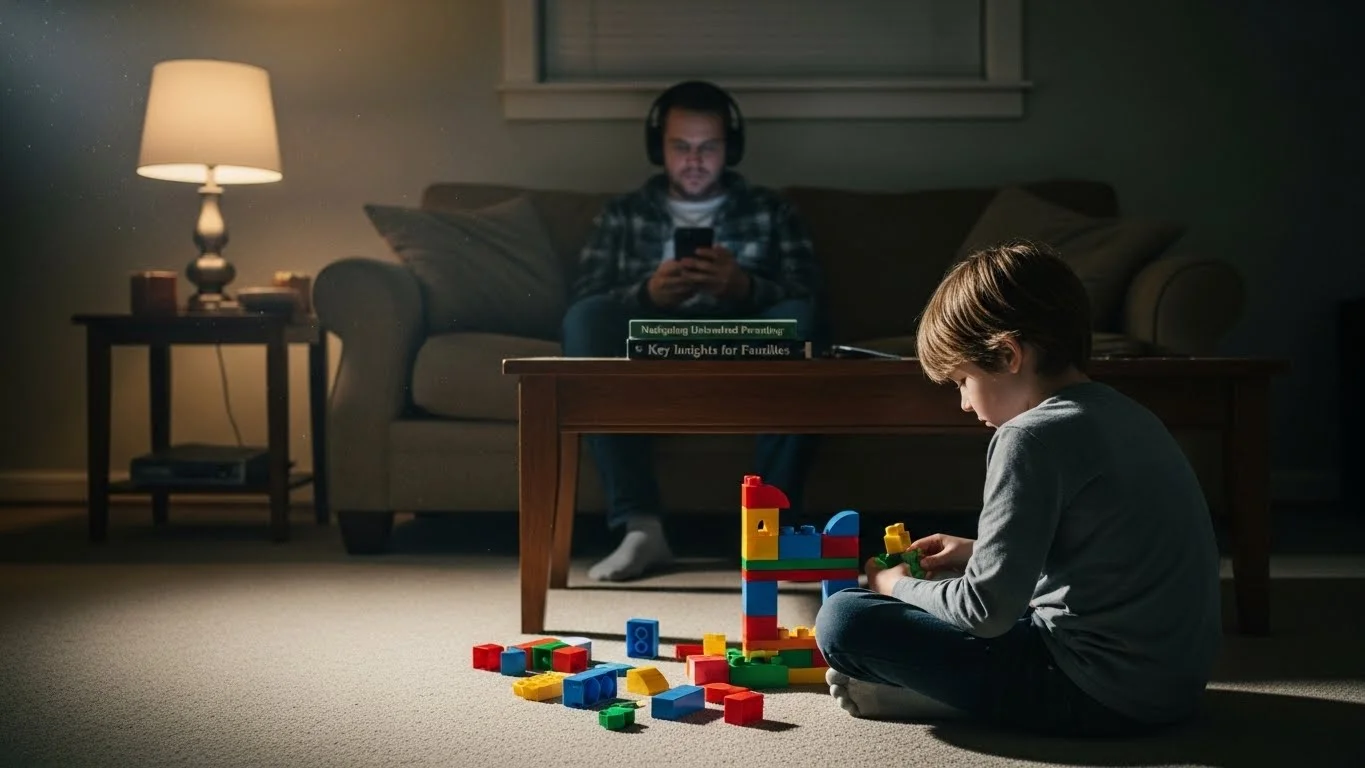
Navigating uninvolved parenting can feel overwhelming. Many families find themselves struggling with the effects of emotional distance and lack of guidance. Understanding this parenting style is essential for fostering healthier relationships and supporting children’s development. Understanding Uninvolved Parenting: A Comprehensive Guide can provide valuable insights.
Understanding Uninvolved Parenting
Definition of Uninvolved Parenting
Uninvolved parenting, also known as neglectful parenting, is a style characterized by a lack of responsiveness to a child’s needs. In my experience, this type of parenting doesn’t necessarily stem from a place of malice but rather from parents being overwhelmed, detached, or unable to engage emotionally. These parents often prioritize their own needs or conflicts over their child’s emotional and developmental requirements. As a result, children may feel neglected or unworthy of attention.
Key Characteristics of Uninvolved Parents
I’ve observed several defining traits in uninvolved parents that help illuminate this parenting style. These include:
- Lack of Engagement: Uninvolved parents typically show little interest in their child’s life. They might not attend school events, engage in conversations about daily activities, or participate in family traditions.
- Minimal Guidance: These parents often avoid setting rules or expectations, leaving children to navigate their own paths without much direction. I know how important guidance can be for kids; it helps them understand boundaries and make better choices.
- Emotional Detachment: An uninvolved parent may struggle to connect emotionally with their child. I’ve seen how this detachment can leave children feeling isolated and confused about their own feelings.
- Neglect of Basic Needs: While not necessarily abusive, uninvolved parents might neglect basic physical and emotional needs. This can include things like ensuring their children are well-fed, adequately supervised, or emotionally supported.
Causes of Uninvolved Parenting
Understanding why some parents adopt this style can shed light on the wider issue. From my observations, several factors contribute to uninvolved parenting:
- Stress and Overwhelm: Many parents face overwhelming stresses from work, financial issues, or personal relationships that can distract them from their parenting duties. I’ve seen how these pressures can lead parents to become emotionally unavailable.
- Childhood Experiences: Some uninvolved parents grew up in similar environments where they experienced neglect themselves. They might not know any other way to parent, which I find deeply sad but also understandable.
- Mental Health Issues: Depression, anxiety, or other mental health challenges can contribute to a parent’s inability to engage with their child fully. I’ve spoken to parents who, despite wanting to be involved, find their mental health struggles hold them back.
- Substance Abuse: Unfortunately, substance abuse can create a barrier to effective parenting. I’ve seen families where addiction causes parents to prioritize their habits over their children’s needs, leading to further emotional and physical neglect.
As I reflect on these causes, I realize that understanding the roots of uninvolved parenting can help us approach the situation with compassion. It’s essential to remember that many uninvolved parents may not recognize how their parenting style affects their children, which can create a cycle that’s hard to break. Uninvolved Parenting: The Hidden Impact on Child Development offers more information on this topic.
Impacts of Uninvolved Parenting on Children
Emotional Effects
The emotional impacts of uninvolved parenting can be profound. I’ve seen children who grow up feeling unworthy of love and attention. They may struggle with low self-esteem and anxiety, leading to emotional challenges later in life. For me, it’s heartbreaking to witness how deeply a child’s self-worth can be affected by their parent’s disengagement.
Behavioral Consequences
Behaviorally, children raised by uninvolved parents may exhibit a range of issues. They might act out, seeking attention through negative behaviors. I remember meeting a teenager who was constantly in trouble at school because he felt invisible at home. His behavior was a cry for help that stemmed from a deeper emotional void.
Academic Performance
Academically, these children often struggle. Without parental support or encouragement, they may not see the value in education. I’ve noticed that students with uninvolved parents tend to have lower grades and higher dropout rates. It’s a pattern that reinforces the need for parental involvement in fostering a love for learning.
Social Development
Socially, children may find it hard to form healthy relationships. They might not learn essential social skills because they lack the guidance and support that comes from engaged parenting. I feel that this can create a cycle where they continue to replicate the uninvolved parenting style in their own lives, impacting future generations.
As we explore the complex world of uninvolved parenting, I believe it’s vital to approach these discussions with empathy, recognizing that change is possible for families willing to seek it. In the next sections, we will identify the signs of uninvolved parenting and explore strategies that can help families navigate these challenges together.
Identifying Signs of Uninvolved Parenting
Neglecting Basic Needs
One of the most alarming signs of uninvolved parenting is the neglect of basic needs. I remember a time when I noticed a child at my local park who always seemed a bit disheveled—his clothes were often dirty, and he frequently appeared hungry. This child’s situation made me realize how some parents might overlook essential aspects of their child’s well-being, whether due to their own struggles or a simple lack of awareness. It’s vital to understand that neglecting basic needs extends beyond just food and clothing; it can also mean failing to provide a safe environment or necessary medical care. In my view, ensuring that children have their basic needs met is a fundamental part of parenting that should never be ignored.
Lack of Emotional Support
Emotional support is something I consider critical in a child’s development. When I see children who don’t receive this, it often leads to feelings of isolation and confusion. Uninvolved parents may not recognize the importance of being there emotionally for their kids. I’ve seen children who are hesitant to share their feelings or achievements with their parents because they’ve learned that their emotions won’t be acknowledged or validated. This lack of emotional support can create barriers that prevent children from forming strong, healthy relationships as they grow. It’s heartbreaking to witness how emotional neglect can lead to long-term psychological effects.
Minimal Communication
Communication is the bedrock of any relationship, and sadly, uninvolved parenting can lead to a severe lack of communication between parents and children. I’ve observed families where conversations are almost non-existent, with parents often preoccupied or indifferent to their child’s day-to-day life. For example, I once met a teen who expressed that their parents rarely asked about their school day or interests. This silence can create a void filled with misunderstandings and resentment. I believe that fostering an environment where open dialogue can thrive is crucial for both emotional health and relationship building.
Absence from Important Events
Another clear sign of uninvolved parenting is the absence of parents from important events in their children’s lives. I’ve noticed that many children yearn for their parents’ presence at school functions, sports events, or even birthday parties. I remember attending a school play where I saw a child beaming with pride as they performed, yet their parents were nowhere to be found. This absence can send a message to kids that they are not valued, which can deeply affect their self-esteem. Being present during these significant milestones can reinforce a sense of belonging and support, which I think every child deserves.
Strategies for Families Dealing with Uninvolved Parenting
Encouraging Open Communication
One effective strategy for families dealing with uninvolved parenting is to encourage open communication. I’ve found that creating a safe space for children to express themselves can significantly improve relationships. Parents can start by asking simple questions about their child’s day or interests. I remember when I began using a family dinner time to chat informally with my kids; it opened doors to deeper conversations and helped them feel more comfortable sharing their thoughts and feelings. It’s about making an effort to listen actively and respond with empathy.
Setting Boundaries and Expectations
Setting clear boundaries and expectations can also help navigate uninvolved parenting. I’ve seen how children thrive when they know what is expected of them and the limits they need to respect. For example, establishing rules about homework, screen time, and chores can create a sense of security and structure. I recommend involving children in this process—allowing them to have a say in setting rules can foster a sense of ownership and responsibility.
Promoting Emotional Awareness
Promoting emotional awareness is another valuable approach. I’ve learned that helping children identify and express their emotions can be incredibly beneficial. Simple activities like using feeling charts or engaging in art projects can allow kids to articulate their feelings. I remember doing this with my child after a tough day at school, and it brought us closer together. When children learn to communicate their emotions, they are better equipped to understand themselves and their relationships with others.
Seeking Professional Support
Sometimes, families may need additional help, and seeking professional support can be a game changer. I believe that family therapy or counseling can provide a safe environment for everyone to express their feelings and work through issues together. I’ve seen families transform through this process, learning new communication skills and rebuilding connections that had been strained. It’s important to remember that asking for help is a sign of strength, not weakness.
Resources for Families
Books on Parenting and Family Dynamics
There are many excellent books out there that delve into parenting styles and family dynamics. I’ve found titles like “The Whole-Brain Child” by Daniel J. Siegel and Tina Payne Bryson to be incredibly insightful. They provide practical strategies for fostering healthy communication and emotional connection within families. I recommend browsing your local bookstore or library for resources that resonate with you and your family’s needs.
Websites and Online Communities
The internet is full of valuable resources and communities for parents. I often explore websites like Parents.com and Parenting.com, where I find articles and forums that discuss various parenting challenges. Engaging with online communities can also provide support and encouragement from other parents facing similar struggles. I’ve learned that sharing experiences and tips can be incredibly uplifting. Uninvolved Parenting Explained: Impact on Children’s Lives is one such resource worth checking out.
Therapy and Counseling Services
Professional therapy can provide families with the tools they need to address issues stemming from uninvolved parenting. I’ve personally seen the benefits of family counseling, where a trained therapist can guide discussions and facilitate healing. If you’re considering this route, I recommend researching local services or seeking referrals from trusted friends or family members.
Moving Towards Involved Parenting
Recognizing the Need for Change
For many parents, the first step towards healing from uninvolved parenting is recognizing that a change is necessary. I’ve had conversations with parents who were initially unaware of how their behavior affected their children. Acknowledging the impact of emotional distance can be challenging, but it’s a vital part of the journey. In my experience, many parents begin to see the need for change when they notice their children struggling, whether emotionally or behaviorally. I remember a friend of mine who, after attending a school meeting, realized how disengaged they had been and how that affected their child’s well-being. This moment of awareness can be a turning point, sparking a desire to reconnect and be more involved.
Steps to Becoming an Involved Parent
Transitioning from uninvolved to involved parenting takes time and effort, but I truly believe it’s possible. One of the first steps is to commit to spending quality time with your children. I remember when I started setting aside one-on-one time with each of my kids, whether it was reading together or going for a walk. These moments helped us bond and opened up lines of communication. Additionally, I suggest parents take the time to understand their children’s interests and feelings. Learning about what excites them or what challenges they face can foster a deeper connection. I’ve seen how simple activities, like asking about their favorite games or school subjects, can lead to meaningful conversations.
Another crucial aspect is to be consistent. I’ve learned that children thrive on routine and knowing what to expect. Setting regular family activities—like game nights or cooking together—can create a sense of stability and belonging. In my case, these rituals not only cultivated a warm family atmosphere but also encouraged my kids to express themselves more openly. I also emphasize the importance of being present, even when it might be inconvenient. When I made a habit of showing up for my kids during their important moments, like school presentations or sports games, they felt valued and supported. It’s remarkable how little changes can make a big difference over time.
Building a Support System
Building a support system can also be incredibly beneficial for parents looking to become more involved. I’ve found that connecting with other parents who share similar goals can provide encouragement and accountability. Joining parenting groups or even online communities can help create a network of support. I remember joining a local parenting group, and it was refreshing to share experiences and learn from others. We exchanged tips and even tackled challenges together, which made the process feel less daunting.
Seeking guidance from professionals can also be a part of this support system. I’ve seen families benefit from parenting workshops or classes that provide valuable insights into effective parenting techniques. These resources can help parents develop skills that foster a more positive family environment. I think finding a therapist or counselor who specializes in family dynamics can provide tailored strategies to enhance emotional connections and communication.
Finally, I believe in the power of self-care. Parenting can be exhausting, and I’ve learned that taking care of myself allows me to be a better parent. Whether it’s finding time for hobbies, exercising, or simply taking a moment to breathe, investing in my well-being has made a significant impact on my ability to engage with my children. By prioritizing my own needs, I can approach parenting with renewed energy and patience, which ultimately benefits my family.
Real-Life Stories and Case Studies
Success Stories of Overcoming Uninvolved Parenting
Real-life stories can be incredibly inspiring when discussing the journey of overcoming uninvolved parenting. I’ve come across several families who faced these challenges head-on and made significant changes. One story that sticks with me is of a single father who realized that his busy work schedule was causing him to miss important moments in his daughter’s life. After acknowledging this, he made a conscious effort to adjust his hours and prioritize family time. Their relationship flourished as he became more involved, attending her soccer games and helping her with homework. Hearing them share their experiences made it clear that change is possible when parents are willing to put in the effort.
Lessons Learned from Families
Throughout my journey, I’ve learned that many families experience similar challenges, and sharing these lessons can be enlightening. For instance, I’ve talked with a mother who initially struggled to connect with her teenage son. After participating in a parenting workshop, she learned about the importance of active listening. This realization transformed their relationship; she began to ask open-ended questions and truly engage in his world. Their bond grew stronger as they navigated challenges together, demonstrating that patience and effort can yield positive results.
These stories remind me that while the road to becoming an involved parent can be difficult, it’s also filled with moments of joy and connection. I believe that with determination and the right support, any parent can change the course of their family dynamics for the better.
Frequently Asked Questions
What is uninvolved parenting?
Uninvolved parenting, also known as neglectful parenting, is characterized by a lack of responsiveness to a child’s needs. It often stems from parents being overwhelmed, detached, or unable to engage emotionally.
What are some key characteristics of uninvolved parents?
Key characteristics include lack of engagement in the child’s life, minimal guidance or rule-setting, emotional detachment, and neglect of basic physical and emotional needs.
What causes uninvolved parenting?
Causes of uninvolved parenting can include stress and overwhelm from work or personal issues, childhood experiences of neglect, mental health challenges, and substance abuse.
How does uninvolved parenting affect children’s emotional health?
Children raised by uninvolved parents may struggle with feelings of unworthiness, low self-esteem, and anxiety, leading to emotional challenges later in life.
What behavioral issues may arise in children of uninvolved parents?
Children may exhibit negative behaviors to seek attention, and they may struggle academically, often showing lower grades and higher dropout rates due to lack of parental support.
What are some signs of uninvolved parenting?
Signs include neglecting basic needs, lack of emotional support, minimal communication, and absence from important events in the child’s life.
What strategies can families use to address uninvolved parenting?
Families can encourage open communication, set boundaries and expectations, promote emotional awareness, and seek professional support to improve relationships.
How can parents transition from uninvolved to involved parenting?
Parents can start by committing to spending quality time with their children, understanding their interests, being consistent with routines, and being present during important moments.
Why is building a support system important for parents?
A support system provides encouragement and accountability, helping parents connect with others who share similar goals and seek guidance from professionals to enhance their parenting skills.
What can parents do for self-care while navigating parenting challenges?
Parents should prioritize their own well-being by engaging in hobbies, exercising, or taking time for themselves, as self-care can improve their ability to be present and engaged with their children.