
Raising vegan children can feel like a balancing act, but it’s entirely possible with the right knowledge and tools. Let’s dive into navigating vegan child nutrition, addressing common concerns, and creating a healthy, balanced vegan diet for our kids. Read Interesting article: Common Questions About Vegan Child Nutrition Answered
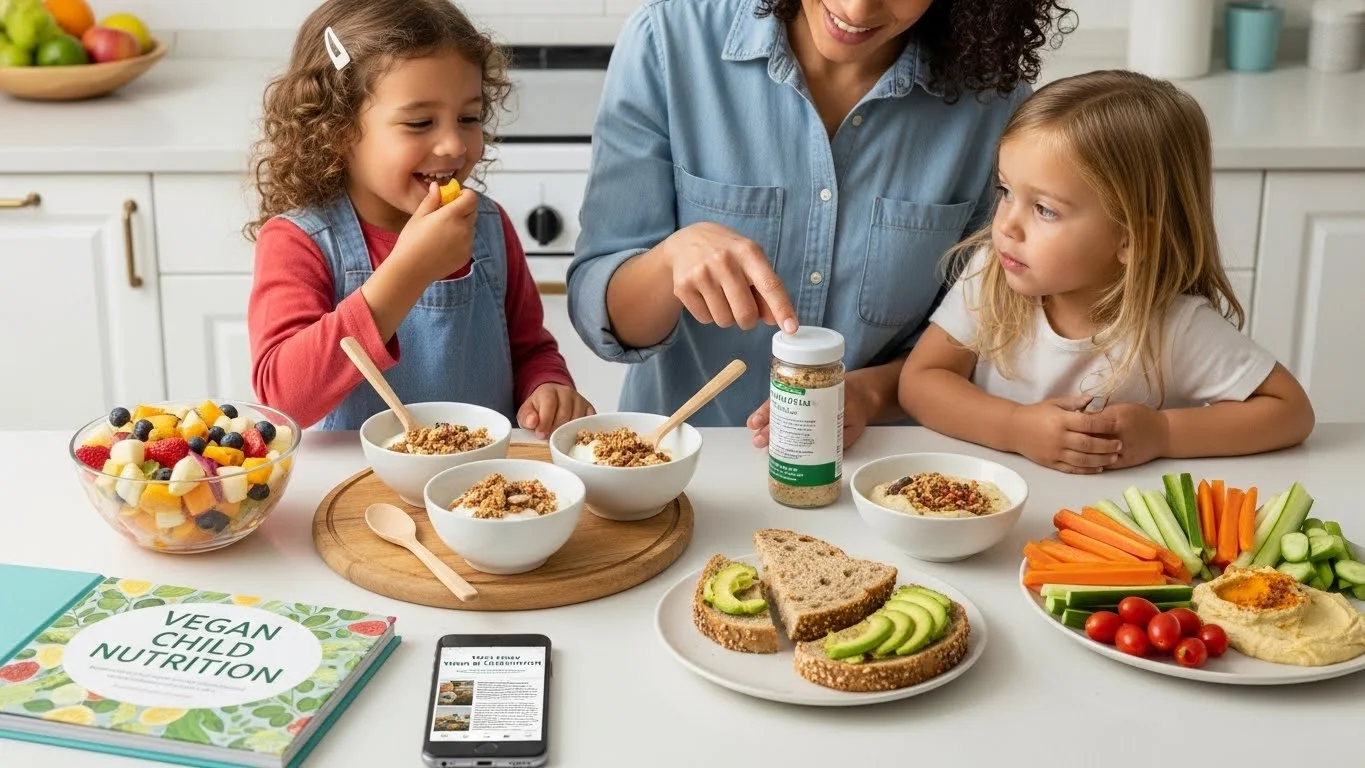
Understanding Vegan Child Nutrition
What is Vegan Nutrition?
Vegan nutrition is all about choosing a diet that excludes all animal products, including meat, dairy, and eggs. My journey into veganism began with a desire for a healthier lifestyle, and I quickly learned how fulfilling it could be to nourish my body with plant-based foods. For children, this means focusing on a variety of fruits, vegetables, whole grains, legumes, nuts, and seeds. Each food group offers unique benefits, and together they create a diverse and vibrant plate.
Benefits of a Vegan Diet for Children
There are numerous benefits to adopting a vegan diet for children. For starters, research suggests that a plant-based diet can lead to lower risks of obesity, heart disease, and certain types of cancer later in life. I remember feeling excited as I learned how nutrients found in veggies and grains can support my kids’ growth and development. A vegan diet is often rich in fiber, vitamins, and antioxidants, which can boost their immune systems and provide sustained energy. Plus, teaching kids about compassionate eating and caring for the environment adds an emotional and ethical layer to their meals.
Essential Nutrients for Growing Kids
When it comes to vegan child nutrition, understanding essential nutrients is crucial. Children are in a rapid growth phase, and their bodies need adequate amounts of key nutrients to thrive. I’ve spent countless hours researching and preparing meals that ensure my kids receive everything they need. Here are some of the essential nutrients to keep in mind:
- Protein: Essential for growth and development, protein can be found in beans, lentils, tofu, and quinoa. I often make a big batch of lentil soup or chickpea stew for my kids, which they love!
- Iron: Important for energy levels, iron can be found in spinach, beans, and fortified cereals. Pairing iron-rich foods with vitamin C sources, like oranges or bell peppers, enhances absorption. I learned this trick early on, and it has made a difference in my kids’ energy levels.
- Calcium and Vitamin D: Vital for bone health, calcium is abundant in fortified plant milks, leafy greens, and almonds. Vitamin D can be a bit tricky, but we make sure to get some sunlight and consider supplements when necessary.
- Omega-3 Fatty Acids: Important for brain health, omega-3s can be found in flaxseeds, chia seeds, and walnuts. I often add ground flaxseed to smoothies, and it goes unnoticed!
- Vitamin B12: This vitamin is primarily found in animal products, so we use fortified foods and supplements for assurance. I’ve made it a routine to check labels and incorporate B12-fortified foods into our meals.
- Zinc: Essential for immune function, zinc can be found in beans, nuts, and whole grains. It’s a nutrient I pay extra attention to, especially during cold and flu season.
As a parent, I’ve found that preparation and knowledge are key. I strive to create meals that not only look appealing but also pack a nutritional punch. Balancing these essential nutrients can feel like a challenge, but the payoff is worth it when I see my kids thriving. I’ve learned that having a variety of options at each meal makes it easier to ensure they get the nutrients they need.
In our household, we make it a point to explore new recipes and ingredients together. This not only educates my kids about nutrition but also allows us to bond over cooking, making vegan meals a family affair. By focusing on the benefits and essential nutrients, we can confidently navigate the world of vegan child nutrition while creating a healthy, fulfilling lifestyle for our children.
Common Nutritional Concerns
Protein Sources for Vegan Children
One of the biggest concerns I hear from other parents is about protein intake. It’s a common misconception that vegan diets cannot provide adequate protein. From my experience, I’ve found plenty of delicious plant-based sources. Legumes like lentils, chickpeas, and black beans are not only rich in protein but also versatile. I often whip up bean burgers or add them into pasta dishes. We also love incorporating tofu and tempeh into our meals; it’s amazing how many ways you can prepare them! Plus, quinoa is a fantastic grain that packs a protein punch too. I’ve noticed that when I mix a variety of these options, my kids enjoy their meals even more, and I feel confident they’re getting enough protein. Read Interesting article: Top Tips for Vegan Child Nutrition: Common Concerns Addressed
Iron: Importance and Sources
Iron is crucial for developing children, and it’s something I pay special attention to in our vegan diet. I learned that plant-based iron (non-heme iron) is less easily absorbed than the iron from meat (heme iron), which is why it’s essential to pair iron sources with vitamin C-rich foods. For example, when I prepare a dish with lentils, I’ll often include a side of sautéed bell peppers or a fresh orange. This combination not only helps with absorption but also adds flavor. We’ve also made a point to include fortified cereals in our breakfast routine, which ensures they get their daily iron without much fuss.
Calcium and Vitamin D in a Vegan Diet
Calcium is vital for our kids’ bone health, and I found that it’s easier to get than I initially thought. Fortified plant milks and yogurts are great sources, and my kids have a favorite almond milk that they love. Leafy greens like kale and bok choy are also calcium-rich, so we try to sneak those into smoothies and salads. As for vitamin D, I’ve learned it can be a little tricky since it’s not as readily available in plant foods. We make it a point to spend time outdoors, soaking up some sunlight, and during the winter months, I consider vitamin D supplements to ensure their levels stay adequate. It’s all about finding that sweet balance.
Omega-3 Fatty Acids: What to Know
When it comes to brain development, omega-3 fatty acids play an essential role. I remember feeling overwhelmed when I first learned that omega-3s are mostly found in fish, but then I discovered plant-based sources! Flaxseeds, chia seeds, and walnuts are fantastic options. I like to add ground flaxseed to our morning oatmeal or sprinkle chia seeds onto smoothies. It’s a great way to boost their omega-3 intake without them even noticing. We also enjoy snacking on walnuts, which have become a family favorite. I feel good knowing my kids are getting these important nutrients.
Vitamin B12: How to Supplement
Vitamin B12 was a game-changer for me in understanding vegan nutrition. Since B12 is primarily found in animal products, I knew I had to be vigilant about including it in our diets. We rely on fortified foods like plant milks, breakfast cereals, and nutritional yeast, which has become a go-to in our kitchen for adding a cheesy flavor to dishes. I’ve also opted for B12 supplements for an extra layer of assurance. It’s comforting to know that my kids are getting their B12 needs met, and I always check with their pediatrician to keep everything in check.
Zinc Requirements for Vegan Kids
Zinc is another nutrient that I make a point to consider, especially since it’s important for immune function and growth. I’ve found that legumes, nuts, and whole grains are excellent sources of zinc, but it’s important to note that phytates in these foods can inhibit absorption. To counteract this, I often soak beans and grains before cooking, which helps enhance their nutrient profile. I also include pumpkin seeds as a tasty snack; my kids love them roasted with a sprinkle of salt. Keeping variety on our plates helps ensure that they’re getting enough zinc and other necessary nutrients.
As we navigate these common nutritional concerns, I’ve realized that being informed and proactive is key. I believe that with a little creativity in the kitchen and a focus on nutrient-dense foods, we can provide a well-rounded vegan diet for our children. It’s become part of our family routine to explore new foods and recipes, and I truly enjoy the journey of discovering what works best for us. Read Interesting article: How to Ensure Proper Nutrition for Vegan Children
Meal Planning for Vegan Kids
Creating Balanced Vegan Meals
Meal planning has become one of my favorite activities as a parent navigating veganism. I’ve learned that taking the time to create balanced meals makes all the difference in ensuring my children receive the nutrients they need. I start with a base of whole grains, like brown rice or quinoa, and then add a variety of colorful vegetables. I love to mix in legumes, which not only boost protein content but also keep meals interesting. For instance, a stir-fry with tofu, bell peppers, broccoli, and a savory sauce is always a hit in our house. I’ve discovered that incorporating different cuisines—like Indian, Mexican, or Mediterranean—keeps our meals exciting while making sure they’re nutritious.
Another tip I’ve found helpful is to plan meals around what’s in season. Seasonal produce is often fresher and more affordable, plus it encourages my kids to try new fruits and veggies. I like to involve my kids by letting them pick a new vegetable each week to include in our meals. This not only helps them learn about nutrition but also gives them ownership over their food choices.
Easy Vegan Breakfast Ideas
Breakfast has always been a crucial meal for us, and I’ve come up with several easy vegan breakfast ideas that my kids enjoy. Smoothies are a favorite, and I’m often blending up a delicious mix of spinach, banana, and almond milk. I like to sneak in flaxseed for those omega-3s while my kids think they’re just enjoying a tasty drink. Another go-to is oatmeal topped with fresh fruit and a sprinkle of nuts or seeds. My kids love to customize their bowls and experiment with different toppings.
I also make a batch of vegan pancakes on weekends, using whole grain flour and mashed bananas for sweetness. They’re simple to whip up, and my kids can help mix the batter. We usually top them with maple syrup or fresh berries, making breakfast a fun family event. I find that starting the day with a wholesome meal sets a positive tone for our day!
Nutrient-Dense Snacks for Children
Snacks are a big part of my kids’ daily routine, so I focus on making them both nutritious and delicious. I’ve learned that having a variety of options on hand helps prevent any mid-afternoon meltdowns. Some of our favorites include hummus with whole grain crackers or veggies, fruit and nut butter, or homemade energy balls made from oats, nut butter, and a touch of maple syrup. It’s fun to experiment with different ingredients, and my kids love helping to roll the energy balls.
Another go-to snack is roasted chickpeas, which are crunchy and satisfying. They’re easy to make: just toss canned chickpeas with a bit of oil and your favorite spices, then bake until crispy. My kids enjoy choosing the flavors, whether it’s classic salt and pepper or adventure with smoked paprika. Keeping snacks wholesome not only gives them energy but also helps to instill healthy habits early on.
Lunchbox Ideas: Keeping it Fun and Nutritious
When it comes to packing lunchboxes, I aim for a mix of flavors and textures that keep my kids excited about lunchtime. I often start with a grain-based salad, mixing quinoa or couscous with diced veggies, chickpeas, and a simple dressing. I find that they enjoy these salads more than traditional sandwiches. Sometimes I’ll throw in some vegan cheese or avocado for added flavor!
I also love to include homemade wraps filled with hummus, spinach, and shredded carrots. These are not only nutritious but fun to eat. I make sure to pack a piece of fruit, some nuts, or a homemade treat like energy balls to round out their lunch. I’ve discovered that by keeping things colorful and fun, my kids look forward to opening their lunchboxes every day. Plus, it’s a great way to introduce them to new foods without overwhelming them!
Dinner Recipes that Appeal to Kids
Dinner is often the time when our family gathers, so I strive to make it enjoyable and nutritious. One of my go-to meals is a comforting vegan chili loaded with beans, tomatoes, and sweet potatoes. I often let my kids pick the toppings—like avocado, vegan sour cream, or cilantro—making it feel special. Another family favorite is homemade pizza, where we can each create our own masterpiece with various vegetables and plant-based cheese. It’s a fun way to involve everyone in the cooking process.
I also love making one-pot meals that simplify clean-up, like vegetable stir-fry with brown rice or a hearty vegetable soup. These types of meals are not only easy to prepare but also allow for a lot of flexibility with whatever ingredients we have on hand. I’ve found that by keeping dinners simple yet nutritious, my kids are more likely to try new things and enjoy the process of eating together as a family.
Meal planning has truly transformed our approach to vegan child nutrition. By focusing on balanced meals, easy breakfasts, nutritious snacks, and exciting lunch options, I feel confident that my kids are getting a well-rounded diet that supports their growth and development. Each meal is an opportunity for us to bond, learn, and enjoy delicious plant-based food together!
Addressing Picky Eating
Strategies to Encourage Variety
Picky eating can be a real challenge, especially when trying to introduce a wide variety of vegan foods. I remember when my youngest went through a phase where she would only eat pasta and peanut butter. It felt daunting, but I learned that patience and creativity were key. One strategy I found effective was to present new foods alongside familiar favorites. For example, if I was serving a new vegetable, I’d pair it with her beloved pasta. This way, she felt comfortable trying something new without feeling pressure. I also discovered that involving my kids in the selection process at the grocery store encourages them to be more open to trying different foods. When they choose the vegetables, they seem more invested in eating them!
Making Vegan Foods Appealing
Presentation matters, especially for kids. I’ve found that colorful meals are more enticing, so I try to include a rainbow of fruits and vegetables on their plates. Sometimes, I even get a little creative with the shapes! Using cookie cutters to make fun shapes out of fruits or sandwiches can turn an ordinary meal into an exciting one. I’ve noticed that when food looks fun, my kids are much more willing to dig in. Additionally, making dips and sauces can be a game-changer. A simple homemade hummus or guacamole can transform raw veggies into a fun, interactive snack. It’s amazing how much more they enjoy eating healthy when I add a little flair to the presentation!
Involving Children in Meal Prep
One of the best ways to combat picky eating is to involve my kids in meal preparation. I’ve learned that when they help in the kitchen, they take more interest in what they’re eating. They enjoy washing vegetables, stirring ingredients, and even measuring out spices. We often have a “family cooking night” where everyone pitches in to create a meal together. Not only does this teach them about nutrition and cooking skills, but it also gives them a sense of ownership over what we eat. I’ve seen firsthand that when they help make the food, they’re much more likely to try it and enjoy it!
Vegan Alternatives to Common Child Favorites
Vegan Mac and Cheese Options
Mac and cheese is a classic comfort food that many kids adore, and I was determined to find a vegan version that my children would love. After trying several recipes, we’ve settled on a simple cashew-based cheese sauce that’s creamy and delicious. Soaking cashews and blending them with nutritional yeast, garlic powder, and a splash of plant milk creates a cheesy flavor that satisfies. I often add in some steamed broccoli or peas to sneak in extra nutrients. My kids didn’t even realize it was dairy-free at first, and now they ask for it regularly!
Plant-Based Burger Recipes
Burgers are another family favorite, and I wanted to create a delicious plant-based option. I’ve experimented with multiple recipes, but I love making black bean burgers. They’re easy to prepare, packed with flavor, and my kids enjoy customizing them with their favorite toppings. Whether it’s adding avocado, lettuce, or a vegan mayo, they have fun making their burgers unique. I’ve also discovered chickpea burgers and lentil patties that are just as tasty. Incorporating these plant-based options has made our dinners a hit, and I feel great about serving them something wholesome.
Vegan Ice Cream and Desserts
Dessert time is a special occasion in our home, and I wanted to ensure that it remained delightful while adhering to our vegan lifestyle. We’ve found that making homemade banana ice cream is a hit! Simply blending frozen bananas yields a creamy, soft-serve treat that my kids love. We often add in cocoa powder or berries for extra flavor. For special occasions, I whip up vegan cupcakes using applesauce instead of eggs, which keeps them moist and delicious. I’ve noticed that when we make desserts together, it not only satisfies their sweet tooth but also creates lasting memories in the kitchen.
Dining Out and Social Situations
Finding Vegan-Friendly Restaurants
Eating out can sometimes be tricky when you’re vegan, especially with kids in tow. I’ve learned to do a little research beforehand to find places that offer vegan options. Many restaurants now have dedicated vegan sections on their menus, which is fantastic! We also enjoy checking out local vegan eateries, where the whole menu is plant-based. I love involving my kids in the decision-making process of where to eat, and this encourages them to explore different cuisines. It’s become a family adventure to try new places and dishes together.
Tips for Family Gatherings and Holidays
Family gatherings can present their own challenges, especially when it comes to food. I’ve learned that communication is key. Before attending, I often reach out to family members to discuss what dishes will be available and suggest bringing a couple of our favorites to share. I usually prepare a hearty vegan dish that everyone can enjoy, like a colorful quinoa salad or a vegetable curry. It’s a great way to ensure there’s something for my kids to eat, and it often sparks interesting conversations about veganism with relatives!
Educating Caregivers and Teachers
As my kids have grown, I’ve realized the importance of educating their caregivers and teachers about their dietary needs. I always make it a point to communicate any specific concerns or preferences. I’ve found that providing a simple list of vegan-friendly snacks and meal ideas can be very helpful. I believe that creating a supportive environment for my kids outside of the home is crucial. The more people understand and accept their dietary choices, the more confident my children feel about their vegan lifestyle.
Monitoring Growth and Health
Regular Check-Ups and Nutritional Assessments
As parents, it’s important to keep an eye on our children’s growth and health, especially on a vegan diet. I make it a priority to schedule regular check-ups with our pediatrician to monitor their growth milestones. During these visits, I discuss any nutritional concerns I might have, ensuring that we’re on the right track. I’ve learned that keeping an open line of communication with healthcare providers helps me feel more at ease regarding their health.
Signs of Nutritional Deficiencies
Being aware of potential signs of nutritional deficiencies has been essential in our journey. Fatigue, lack of concentration, or unusual irritability can be indicators that something might be off. I’ve learned to pay attention to my kids’ energy levels and behavior, which helps me assess if we need to adjust their diet. If I ever have concerns, I don’t hesitate to consult our pediatrician to discuss further assessments or blood tests if necessary.
Consulting with a Pediatric Nutritionist
Working with a pediatric nutritionist has been a great way to ensure my kids are meeting their dietary needs. They can provide tailored advice based on my children’s individual health profiles and help us navigate any tricky nutritional concerns. I’ve found this to be particularly helpful during growth spurts or when introducing new foods. It’s comforting to know I have expert guidance as we continue our vegan journey.
Resources and Support for Vegan Families
Books and Online Communities
Finding resources that cater to vegan families has been invaluable. I’ve discovered several fantastic books that focus on vegan nutrition for children, which have become staples in our home. Online communities, such as forums and social media groups, have connected me with other like-minded parents who share their experiences, tips, and recipes. It’s great to feel part of a supportive community that understands the unique challenges we face!
Nutrition Apps for Tracking Intake
To stay on top of our nutrition, I’ve also turned to various nutrition apps that help track my kids’ food intake. These apps are user-friendly and provide insights into their nutrient consumption. I’ve found it helpful to keep a log of what they eat, not just for monitoring but also for inspiration when planning meals. It’s a handy tool that adds a bit of structure to our meal planning.
Vegan Child Nutrition Workshops
Participating in vegan nutrition workshops has been a wonderful way to learn more about balanced diets for kids. I love being able to connect with nutritionists and other parents in a collaborative setting. The workshops often cover topics like meal planning, addressing picky eating, and ingredient sourcing. I always come away feeling motivated and equipped with new ideas to implement at home.
Final Thoughts
Embracing a vegan lifestyle for our children has been a rewarding journey filled with learning and growth. It takes time, effort, and a bit of creativity, but the benefits are so worthwhile. I’ve discovered that by focusing on variety, balance, and involving my kids in the process, we can create a vibrant and nutritious diet that supports their health and development. I feel proud knowing I’m teaching my children the importance of compassion towards animals and caring for the environment through their food choices. It’s truly a journey we’re on together, and I wouldn’t trade it for anything.
Frequently Asked Questions
What is vegan nutrition?
Vegan nutrition is a diet that excludes all animal products, including meat, dairy, and eggs, focusing on a variety of fruits, vegetables, whole grains, legumes, nuts, and seeds.
What are the benefits of a vegan diet for children?
A vegan diet for children can lead to lower risks of obesity, heart disease, and certain types of cancer later in life. It is often rich in fiber, vitamins, and antioxidants, which can boost immune systems and provide sustained energy.
Which essential nutrients should I focus on for my vegan child?
Essential nutrients for vegan children include protein, iron, calcium, vitamin D, omega-3 fatty acids, vitamin B12, and zinc. Each of these nutrients plays a crucial role in their growth and development.
How can I ensure my vegan child gets enough protein?
Protein can be sourced from beans, lentils, tofu, quinoa, and chickpeas. Incorporating a variety of these options into meals, such as bean burgers or lentil soup, can help meet their protein needs.
How can I help my child absorb iron from their diet?
To enhance the absorption of plant-based iron (non-heme iron), it’s essential to pair iron sources with vitamin C-rich foods, like oranges or bell peppers, when preparing meals.
What are good sources of calcium and vitamin D for vegan children?
Calcium can be found in fortified plant milks, leafy greens, and almonds. Vitamin D can be obtained through sunlight exposure and, if necessary, supplements during winter months.
What snacks can I prepare for my vegan child?
Nutritious snack options include hummus with whole grain crackers or veggies, fruit with nut butter, homemade energy balls, and roasted chickpeas seasoned with spices.
How can I make vegan meals appealing to picky eaters?
To encourage picky eaters, present new foods alongside familiar favorites, use colorful presentations, and involve kids in meal preparation to increase their interest in trying new foods.
What steps should I take for monitoring my vegan child’s growth and health?
Regular check-ups with a pediatrician, being aware of signs of nutritional deficiencies, and consulting with a pediatric nutritionist can help ensure your vegan child is growing healthily.
What resources are available for vegan families?
Vegan families can benefit from books focused on vegan nutrition for children, online communities for support, nutrition apps for tracking intake, and workshops that cover various topics related to vegan diets.