
Bringing a newborn home is both exciting and overwhelming. One of the most important aspects of caring for your little one is maintaining proper hygiene. Let’s dive into the must-know practices to keep your newborn healthy and happy. Read Interesting article: Top Hygiene Tips for Newborns: Keeping Your Baby Safe
Understanding Newborn Hygiene
Why Hygiene is Crucial for Newborns
As a new parent, I quickly learned that newborns have delicate systems that are still developing. Their immune systems, in particular, are quite fragile. This makes hygiene practices not just important but essential. I found that maintaining cleanliness in everything from their skin to their surroundings could help prevent infections and promote healthy growth. It’s a lot to consider, but taking a few simple steps can make a world of difference.
One of the first things that struck me was how easily germs can spread. Newborns are especially susceptible to bacteria and viruses because they haven’t yet built up immunity. I remember feeling the weight of responsibility, knowing that keeping my baby safe was in my hands. I made a commitment to educate myself on the best hygiene practices to provide a safe environment for my little one. Read Interesting article: Essential Hygiene Practices for Newborns: A Complete Guide
Common Concerns and Myths
In my journey as a new parent, I encountered many myths about newborn hygiene that made me second-guess my choices. Like many parents, I worried about everything—from how often to bathe my baby to whether or not I was using the right products. One myth I came across was that you should give your newborn a bath every day. But what I learned is that daily baths are unnecessary for newborns, especially with their sensitive skin. I found that sponge baths were often sufficient until they were old enough for a tub bath.
Another common concern is regarding the umbilical cord. I had heard from friends and family that it needed to be cleaned rigorously, but I discovered that gentle cleaning and keeping it dry were the best practices. I realized that misinformation can lead to unnecessary stress, so I made it a point to consult reliable sources and my pediatrician whenever I had doubts.
Essential Newborn Hygiene Practices
Bathing Your Newborn
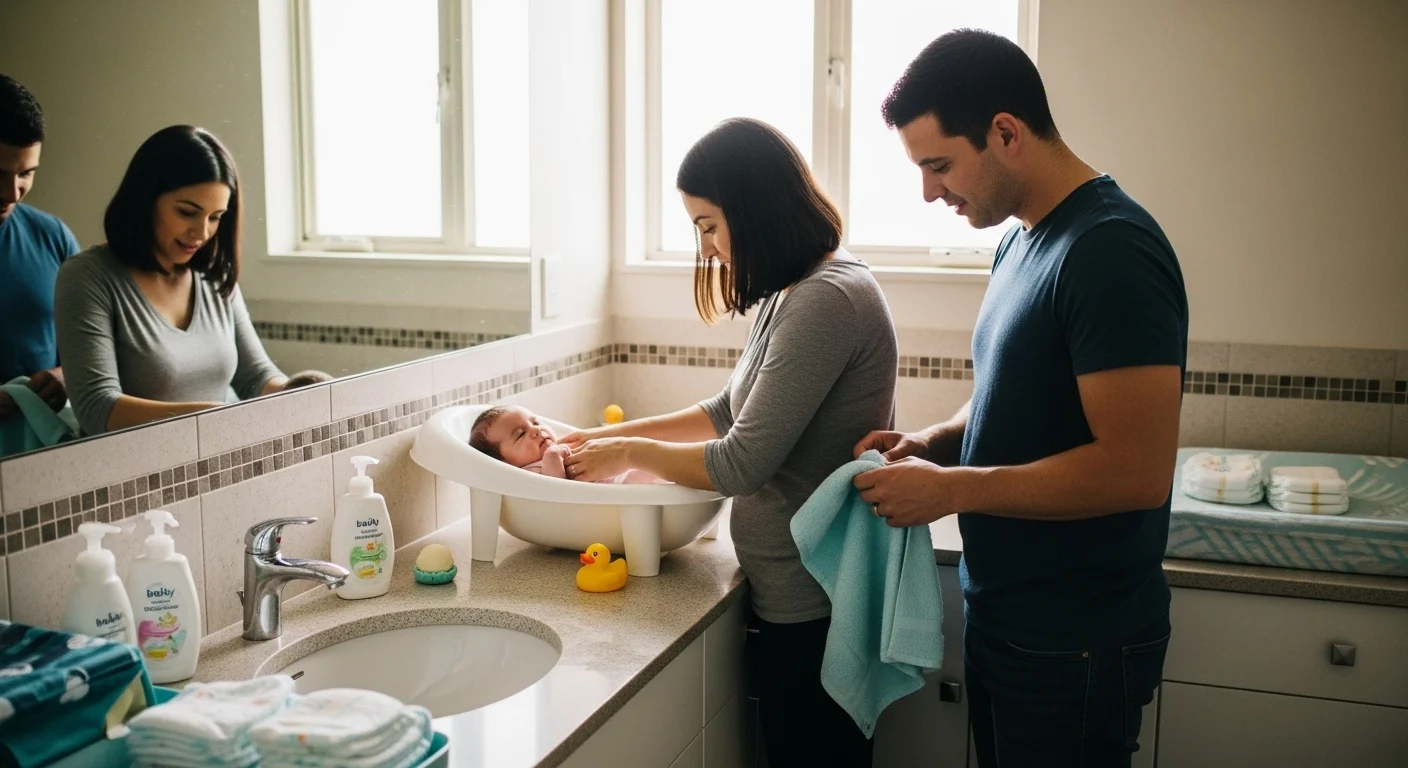
Bathing a newborn can feel intimidating at first, but it quickly became one of my favorite moments. Starting with sponge baths was the best approach for us. I laid my baby on a soft towel, ensuring the room was warm enough to keep them comfortable. Using a wet sponge or washcloth, I gently wiped their face, neck, and limbs. I learned to take my time, which made my baby feel secure. Having a warm towel nearby helped keep them cozy as I cleaned each tiny body part.
As they grew older, I transitioned to tub baths, which added another layer of joy to our routine. I remember the first time my baby splashed in the tub; it was pure delight! Bath time became a bonding experience, and I loved using gentle, hypoallergenic soaps to keep their skin soft and clean. I recommend keeping bath sessions short and sweet to help avoid overwhelming them.
Cleaning the Umbilical Cord
Taking care of the umbilical cord stump was another area where I felt a bit anxious. I remember being overly cautious, but then I learned it was about balance. Keeping the cord area clean and dry was crucial. I gently cleaned it with a cotton ball dipped in alcohol and made sure it was exposed to air whenever possible. I noticed that keeping diapers folded below the stump helped prevent irritation. Over time, my baby’s cord stump fell off naturally, and I felt an immense sense of relief knowing I did it right.
Diaper Changing Basics
Diaper changes quickly became a routine in our household. I remember the first few changes being a bit of a juggling act, but it became easier with practice. I learned to always have all my supplies ready before starting: clean diapers, wipes, and a changing pad. It was essential for keeping my baby safe and comfortable. I found that laying my baby on a clean surface and talking to them during changes helped make the experience less stressful for both of us.
Changing diapers promptly helped prevent diaper rash, which I learned the hard way. I had to deal with a sore bottom once, and it was heartbreaking. I realized that a little extra vigilance during diaper changes went a long way in keeping my baby comfortable.
Skin Care Tips for Newborns
Newborn skin is incredibly sensitive, and I quickly found that less is often more. I used gentle, fragrance-free moisturizers to keep my baby’s skin hydrated. I also learned that newborns can experience various skin conditions, such as baby acne or dry patches. I remember feeling concerned about the red spots on my baby’s face, but my pediatrician assured me it was normal and would resolve on its own. I learned that keeping their skin clean and moisturized helped soothe any irritation.
Oral Hygiene for Newborns
Oral hygiene for newborns may seem like a lesser concern, but I learned early on that it’s essential. Even before the first teeth appear, wiping my baby’s gums with a damp washcloth helped establish a routine. I made it a habit to clean their mouth daily, which I felt would set the stage for good dental habits down the line. I remember feeling proud knowing I was taking steps to ensure their future health.
Bathing Techniques and Safety
How to Give a Sponge Bath
When I first started giving sponge baths, I felt like I was navigating a new world. It was all about creating a calm and safe environment for my newborn. I gathered all my supplies, including a soft sponge, a bowl of warm water, and a cozy towel. I found it helpful to keep the room warm, as babies can get cold quickly. Laying my baby on a soft towel, I gently wet the sponge and started with their face, wiping away any milk residue with care.
I remember focusing on one body part at a time, ensuring I was gentle and thorough. Starting with the head, I would wipe behind the ears and around the neck, and then move to the arms and legs. I found it enjoyable to talk to my baby during the bath, using a soft voice to soothe them. I think this made them feel more secure. After the sponge bath, I would carefully wrap them in the warm towel, which always resulted in a little giggle or two. It was such a sweet bonding experience!
Transitioning to a Tub Bath
As my baby grew and became more comfortable with water, we made the exciting transition to tub baths. I remember the first time we did this—my heart was racing! I had everything set up in advance, ensuring that the water was warm but not too hot. I filled the tub with just a few inches of water and added a soft bath mat for extra safety.
Watching my baby splash around was a joy unlike any other. I learned to keep one hand on my little one at all times to ensure they were safe and secure. It also helped to have a cup or small pitcher handy for rinsing. I found that pouring water gently over their head was much less overwhelming than submerging them. Plus, it became a game for us, watching the water trickle down and creating giggles and smiles.
Choosing the Right Bathing Products
Choosing the right products for bath time was another area where I learned a lot. I initially felt overwhelmed by the sheer number of options available. From my experience, I discovered that less is more. I opted for gentle, fragrance-free cleansers that wouldn’t irritate my baby’s sensitive skin. After some trial and error, I found a couple of brands that worked well for us. I remember being relieved when I found a shampoo that didn’t cause any irritation, making bath time much more enjoyable.
It’s important to read labels and avoid products with harsh chemicals or added fragrances. I realized that my baby’s skin was much happier when I stuck to simple, natural ingredients. I also loved using a soft washcloth, which I found to be gentle on their delicate skin while still getting the job done.
Bathing Frequency Recommendations
Another question that weighed on my mind was how often to bathe my newborn. It turns out that newborns don’t need daily baths, and I learned that too much bathing can actually dry out their skin. I found that bathing my baby two to three times a week was sufficient, particularly if I kept up with sponge baths on off days. This routine seemed to work well for us, and I loved the idea of giving my baby a relaxing bath right before bedtime, which often helped them settle down for the night.
I also made sure to listen to my baby’s cues. Some days, they loved the water, and other days, they weren’t as keen. I learned to be flexible, allowing them to dictate the pace of our bath time. It was a comforting realization that it was okay to adjust our routine based on their needs.
Diaper Care and Changing Techniques
Choosing the Right Diapers
Finding the right diapers was a journey in itself. I remember feeling overwhelmed by the variety of brands and styles available. I tried a few different types before settling on what I felt was best for my baby’s comfort and our lifestyle. For me, it was important to find diapers that were both absorbent and gentle on their skin. I opted for a combination of disposable and cloth options, depending on our daily activities.
I quickly learned that the fit was crucial. I found that a snug fit around the legs and waist helped prevent leaks, which was a game changer. I also appreciated the option of biodegradable diapers, which made me feel a little better about our environmental impact. I think it’s worth exploring different types to see what works best for both you and your baby, as each little one is unique.
Best Practices for Diaper Changes
Diaper changes are a big part of newborn care, and I found that establishing a routine helped make this task smoother. I learned to always change my baby’s diaper in a clean, safe space, and I kept my supplies organized and within reach. This made the process efficient and less stressful.
During diaper changes, I discovered that talking to my baby helped keep them calm and engaged. I would often sing silly songs or make funny faces to distract them, which made the experience more enjoyable for both of us. I also found it useful to have a small toy nearby that they could hold onto, giving them something to focus on as I worked.
Preventing Diaper Rash
Diaper rash was something I dreaded, and I made it a priority to prevent it. I learned that frequent changes were key, and I tried to change my baby’s diaper as soon as I noticed it was wet or soiled. I also found that allowing some diaper-free time helped air out their skin, which was beneficial.
When I did see signs of redness, I put a thin layer of barrier cream on their skin to protect it from moisture. This became a crucial part of my routine. I remember feeling relieved when I noticed that by being proactive, we managed to keep diaper rash at bay most of the time.
When to Seek Medical Advice for Diaper Issues
Even with the best care, diaper issues can arise. I learned to keep an eye out for signs that warranted a call to the pediatrician. If my baby developed a rash that didn’t improve with home care, or if there were any signs of infection, such as blisters or swelling, I wouldn’t hesitate to reach out. It was comforting to know that I had a support system in place, and my pediatrician was always ready to help with any concerns I had.
Skin Care for Newborns
Identifying Common Skin Conditions
As a new parent, I quickly realized that newborn skin can be quite sensitive and prone to various conditions. I remember the first time I noticed red patches on my baby’s skin; I felt a wave of panic wash over me. After some research and a chat with my pediatrician, I learned that these skin issues are quite common. Conditions like baby acne, eczema, and milia can appear during the first few weeks of life.
Baby acne, for example, is something I encountered firsthand. It usually shows up on the cheeks and chin, often when babies are just a few weeks old. I learned that it’s normal and typically resolves itself without treatment. I felt a sense of relief knowing that patience was key. My pediatrician advised me to avoid harsh soaps or creams and just keep my baby’s skin clean and moisturized.
Eczema was another concern I had. It can manifest as dry, red patches, and can be triggered by various factors like temperature changes or certain fabrics. In my experience, I found that dressing my baby in breathable fabrics and keeping the room at a comfortable temperature helped a lot. If I ever saw signs of irritation, I made sure to consult our pediatrician for appropriate care recommendations.
Moisturizing and Hydration Tips
Keeping my baby’s skin hydrated was a top priority. I learned that newborns can lose moisture quickly, especially in dry or chilly environments. I remember being cautious about what products I used, preferring gentle, hypoallergenic moisturizers. These became a staple in our daily routine. After baths, I would apply a light layer of moisturizer to lock in hydration.
During the colder months, I found that using a humidifier in my baby’s room helped maintain moisture levels. It was fascinating to see how a little extra humidity made a difference. I also learned to be mindful of bath temperatures; using lukewarm water instead of hot helped prevent drying out their delicate skin.
Another tip I picked up was to keep an eye on any signs of excessive dryness. If my baby had dry patches, I would increase the frequency of moisturizing. It became a comforting ritual for us, as I would gently massage the lotion into their skin while talking softly to them, which I think they found soothing.
Sun Protection for Newborns
As the weather warmed up, sun protection entered my mind. I was surprised to learn that newborns have particularly sensitive skin and should be kept out of direct sunlight. I remember my pediatrician explaining that babies under six months should primarily stay in the shade and wear protective clothing. This was a game changer for my outings with my little one.
I made it a point to dress my baby in lightweight, long-sleeved clothing and a wide-brimmed hat when we spent time outside. I also learned how important it was to find a good sunscreen for older babies, but for my newborn, it was all about keeping them shaded and covered. I felt a sense of responsibility to protect their skin, especially since it’s so fragile at such a young age.
Handling Common Hygiene Challenges
Dealing with Cradle Cap
Cradle cap was one of those challenges I didn’t expect to face. I remember seeing flaky, greasy patches on my baby’s scalp and feeling unsure about what to do. After a bit of research, I learned that cradle cap, or seborrheic dermatitis, is quite common and usually resolves on its own. I found that gently brushing my baby’s scalp with a soft brush and using a mild shampoo helped manage it.
On days when it seemed particularly stubborn, I would apply a bit of baby oil to loosen the flakes before bath time. This little trick made a noticeable difference. I felt reassured knowing that cradle cap was harmless, but I still made sure to keep an eye on it. If it worsened or seemed infected, I wouldn’t hesitate to reach out to the pediatrician.
Managing Baby Acne
Baby acne was another concern that had me worried at times. I remember when I first noticed those little red bumps on my baby’s cheeks. The pediatrician reminded me that baby acne is completely normal and typically goes away on its own within a few months. It was a relief to know that I didn’t need to do anything drastic; gentle cleansing was all that was necessary.
I made it a habit to wash my baby’s face daily with warm water, being careful not to scrub too hard. Keeping a soft washcloth handy made this simple. I also avoided using any creams or oils that could worsen the situation. Over time, I noticed a significant improvement, and I felt grateful that I remained calm throughout the process.
Addressing Diaper Rashes
Even with my best efforts, diaper rashes were still something I had to deal with occasionally. I quickly learned to recognize the early signs and took immediate action. As soon as I noticed any redness, I would gently cleanse the area and apply a barrier cream to protect my baby’s skin. I remember feeling like a pro when I managed to prevent a rash from developing after catching it early!
Aside from using barrier creams, I learned that letting my baby go without a diaper for short periods helped immensely. This diaper-free time allowed their skin to breathe and heal. It was a bit messy but totally worth it for my baby’s comfort. It amazed me how such simple practices could lead to such significant improvements.
Frequently Asked Questions
Why is hygiene crucial for newborns?
Newborns have delicate systems and fragile immune systems, making proper hygiene essential to prevent infections and promote healthy growth.
How often should I bathe my newborn?
Newborns do not need daily baths; bathing them two to three times a week is sufficient. Sponge baths on off days can help maintain cleanliness without drying out their skin.
What are the best practices for cleaning the umbilical cord?
It’s important to keep the umbilical cord stump clean and dry. Gently clean it with a cotton ball dipped in alcohol and ensure it is exposed to air to promote healing.
What should I do to prevent diaper rash?
Preventing diaper rash involves changing the baby’s diaper promptly when wet or soiled, allowing diaper-free time to air out their skin, and applying a thin layer of barrier cream when necessary.
How can I care for my newborn’s sensitive skin?
Use gentle, fragrance-free moisturizers to keep the skin hydrated, avoid harsh soaps, and maintain a comfortable room temperature. Regular moisturizing after baths is also beneficial.
What should I do if my baby develops cradle cap?
Cradle cap can be managed by gently brushing the scalp with a soft brush and using a mild shampoo. Applying a bit of baby oil before bath time can also help loosen flakes.
Is oral hygiene important for newborns?
Yes, even before their first teeth appear, it’s essential to wipe the baby’s gums with a damp washcloth daily to establish a good oral hygiene routine.
What types of bathing products should I use for my newborn?
Opt for gentle, fragrance-free cleansers and avoid harsh chemicals. Reading labels and using products with natural ingredients can help ensure your baby’s skin remains happy.
When should I seek medical advice for diaper issues?
If there are signs of a rash that doesn’t improve with home care, or if there are symptoms of infection such as blisters or swelling, it’s important to consult your pediatrician.
How do I know if my baby has baby acne and what should I do?
Baby acne typically appears as small red bumps on the cheeks and is normal. It usually goes away on its own; gentle cleansing with warm water is all that is needed for care.
Additionally, it is critical to recognize the Essential Signs of Newborn Illness Every Parent Should Know to ensure your newborn remains healthy.