
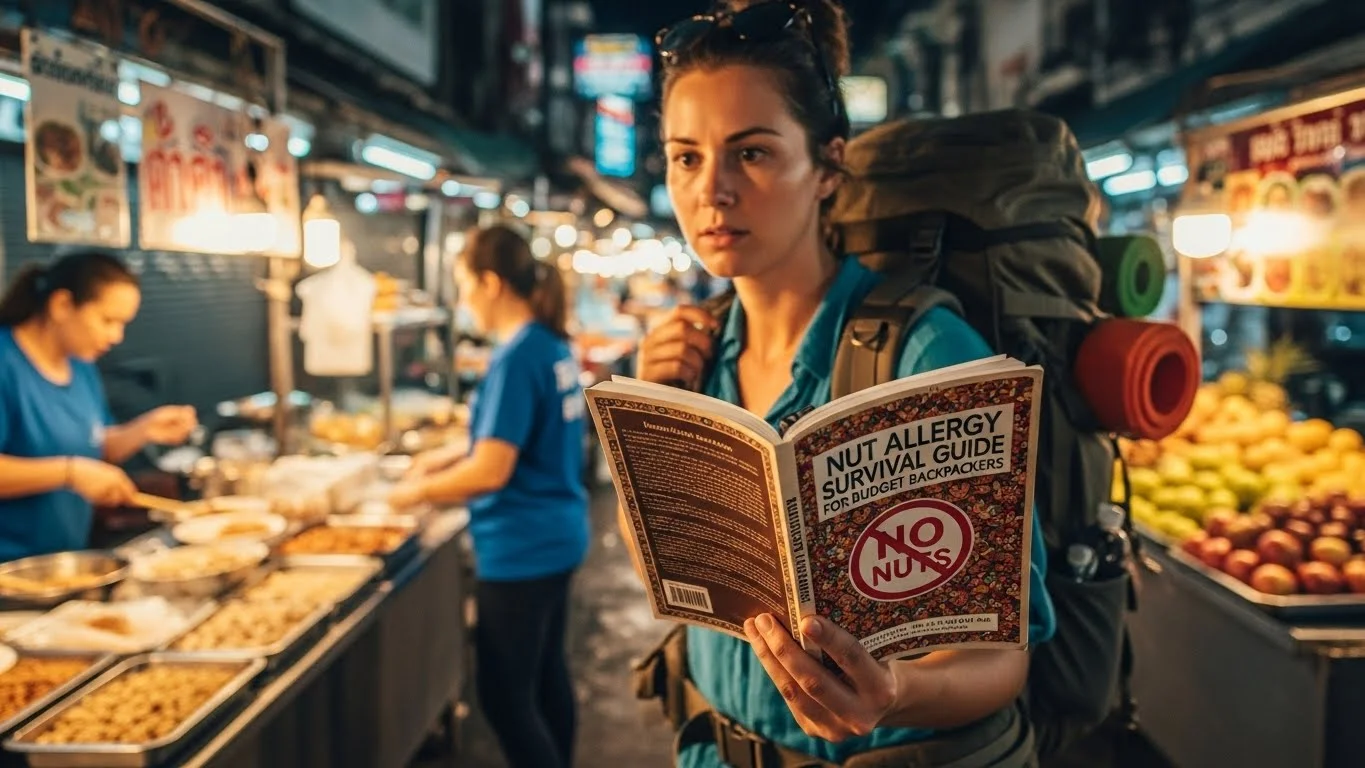
Traveling with a nut allergy can feel daunting, especially for budget backpackers. Fear not! With the right knowledge and preparation, you can enjoy your adventures without breaking the bank or risking your health. To start, consider checking out budget travel: nut allergy-friendly destinations for helpful insights.
Understanding Nut Allergies
What is a Nut Allergy?
Having a nut allergy means your immune system mistakenly identifies proteins found in nuts as harmful. When exposed, it can trigger an allergic reaction, which varies in severity from mild hives to life-threatening anaphylaxis. I remember the first time I realized I had a nut allergy: one bite of a cookie led to an itchy rash and a frantic trip to the pharmacy. Understanding this allergy is crucial for anyone, especially when you’re traveling.
Common Types of Nut Allergies
Nut allergies are classified into two main categories: tree nuts and peanuts. Tree nuts include almonds, walnuts, hazelnuts, cashews, and more. Peanuts, on the other hand, are legumes but are often grouped with nuts due to similar allergic reactions. I’ve met many fellow travelers who are allergic to one or both types, and it’s essential to know which nuts you need to avoid. Some people, like my friend Sarah, are only allergic to tree nuts but can eat peanuts, while others have a broader range of allergies.
Symptoms of Nut Allergies
The symptoms of nut allergies can manifest quickly, sometimes within minutes of exposure. I’ve experienced everything from mild gastrointestinal discomfort to swelling around my lips. Common symptoms include:
- Itching or tingling in the mouth
- Hives or rash
- Swelling of the lips, tongue, or face
- Difficulty breathing or wheezing
- Stomach cramps, nausea, or vomiting
- Anaphylaxis, which requires immediate medical attention
Knowing these symptoms can be vital while traveling, especially if you’re in an unfamiliar environment. I always keep an eye out for signs, not just for myself but for friends I travel with, just in case they have any allergies too.
Diagnosing Nut Allergies
Diagnosing a nut allergy typically involves a combination of medical history, skin tests, and blood tests. If you suspect you have a nut allergy, I highly recommend visiting an allergist. Early diagnosis can save you from serious health issues down the line. I had a skin prick test, and while it was uncomfortable, it provided me with clarity. That clarity allowed me to plan my travels without the constant worry of what I might accidentally eat.
Preparing for Your Trip
Researching Destinations: Safe vs. Risky Areas
Before I head to a new place, I like to research it thoroughly. I look for destinations known for being nut-friendly or those with a culture that understands food allergies. Places like Japan and Thailand have great food labeling practices, while others may not be as informed. Websites, forums, and travel blogs can provide insights into which areas are safer for travelers with nut allergies. I once found a fantastic community of travelers where we shared our experiences, and it made planning my trip so much easier. For more tips, check out backpacking with nut allergies: safe travel tips & guides.
Choosing Nut-Free Accommodation
When booking accommodations, I always make sure to ask about their policies regarding food allergies. Some hostels and hotels are more accommodating than others. I’ve sent emails ahead of time to inquire about their ability to provide nut-free meals or to ensure that shared kitchen areas are properly cleaned. I remember staying at a hostel in Europe that was super understanding and even offered to prepare my meals separately, which made my stay much more enjoyable.
Budget-Friendly Travel Insurance Options
Travel insurance is a must for anyone with a nut allergy. Medical emergencies can happen at any time, even when we’re being extra cautious. I always look for budget-friendly travel insurance that covers food allergies specifically. Some policies will reimburse you for medical expenses related to allergic reactions, which can save you a lot of stress and money. I learned this the hard way after a trip where I didn’t have coverage. Never again!
Packing Essentials for Nut Allergy Safety
Nut-Free Snacks and Meal Prep Ideas
Packing the right snacks can make a world of difference when traveling with a nut allergy. I’ve learned that having my own food on hand not only keeps me safe but also saves money. I usually bake a batch of nut-free energy bars before my trip. They’re easy to carry and provide a great energy boost when I’m exploring a new city. I often use ingredients like oats, seeds, dried fruits, and honey. These bars have become a staple in my travel bag.
Other snack ideas include fruit, popcorn, and rice cakes. When I’m at a grocery store, I also look for nut-free granola or protein bars. I always read the labels to ensure they haven’t been processed in a facility that handles nuts. It’s a bit of work, but knowing I have safe snacks keeps my mind at ease and my stomach happy.
Emergency Allergy Medication and First Aid Kit
Bringing my emergency allergy medication is non-negotiable. I never leave home without my epinephrine auto-injector. I keep it in an easily accessible spot in my backpack. During my last trip, I even made a small first aid kit that included my auto-injector, antihistamines, and some basic supplies like band-aids and antiseptic wipes. It made me feel more secure knowing I had everything I needed in case of an emergency.
In addition, I always carry a letter from my doctor that explains my allergy and the medications I take. It has proven helpful when I needed to explain my situation to medical personnel in a foreign country. I once had to show it to a doctor while traveling, and it definitely made communication smoother.
Identifying Safe Utensils and Containers
When it comes to utensils and containers, I’ve discovered that choosing the right ones can help minimize cross-contamination risks. I like to pack my own set of utensils made from stainless steel or bamboo. These are easy to clean and can be used at restaurants or when enjoying my own meals. I also bring a reusable container for leftovers, which is especially handy for storing food when I dine out.
Additionally, I always travel with a silicone or glass food storage bag. They’re perfect for snacks, and I feel better knowing they are free from any nut residue. I remember a time when I used a shared container, and I ended up getting a reaction because it hadn’t been cleaned properly. That taught me to be more cautious, and now I avoid any shared utensils or containers whenever possible.
Navigating Food Options While Traveling
Reading Food Labels: What to Look For
Reading food labels is an essential skill for anyone with a nut allergy. I’ve become quite adept at it over the years, and it’s something I do religiously when traveling. In many countries, food labeling laws vary widely. I remember being surprised at how detailed labels were in Europe compared to some places in Asia. I always look for phrases like “may contain traces of nuts” or “processed in a facility that handles nuts.” If I see those warnings, I put the item back on the shelf.
When I’m in a new country, I often take the time to familiarize myself with local brands and their labeling practices. Sometimes, I even take pictures of labels on foods I can’t eat, so I can show them to locals if I’m unsure about a specific item. It’s a small effort that pays off big time in keeping me safe.
Communicating Your Allergy: Key Phrases in Different Languages
One of the biggest challenges I face while traveling is effectively communicating my nut allergy. I always learn a few key phrases in the local language, which has been a game changer for me. Phrases like “I am allergic to nuts” or “Does this contain nuts?” have helped me gain confidence when ordering food. In Italy, for instance, I practiced asking “Questo contiene noci?” which means “Does this contain nuts?”
Some of my friends have used translation apps to help them communicate their allergies more effectively. While I prefer to memorize a few phrases, I’ve seen how handy it can be to have a tool like that at my disposal. I also carry a card in my wallet that outlines my allergies in multiple languages, which I can show to restaurant staff if needed.
Safe Eating Out: Tips for Choosing Restaurants
When I’m exploring a new city, choosing the right restaurant can make or break my experience. I often look for places that have clear allergy policies or ones that advertise themselves as allergy-friendly. I remember walking into a small eatery in Thailand that proudly displayed “nut-free” signs, and I felt instantly at ease.
Before sitting down, I usually check online reviews to see what other allergy sufferers have said about the place. It’s reassuring to hear about others’ positive experiences, and it helps me feel more confident about dining there. I’ve also started using apps that filter restaurants by dietary restrictions, which has made my life so much easier. If you’re also interested in gluten-free options, consider reading about backpacking on a gluten-free diet: your ultimate guide.
Finding Nut-Free Grocery Stores and Markets
Finding safe grocery stores while traveling can feel like a treasure hunt. I often do some research online before I arrive at my destination or ask locals for recommendations. Farmers’ markets can also be a great option. I enjoy exploring local produce and sometimes even chat with vendors about their products, ensuring there are no nuts involved. On one trip to Spain, I stumbled upon a farmer’s market where the sellers were incredibly accommodating and assured me their products were nut-free.
Whenever I can, I try to stock up on safe ingredients for quick meals. Having access to fresh fruits, vegetables, and grains allows me to prepare my food when dining options are limited. It’s a fun and healthy way to experience the local culture, too!
Staying Safe on the Road
Emergency Protocols: What to Do in Case of an Allergic Reaction
When traveling, it’s crucial to have a clear plan in case of an allergic reaction. I always review my emergency protocols before I leave for a trip. If I accidentally ingest something I’m allergic to, I know the first step is to stay calm. Panic doesn’t help anyone! I carry my epinephrine auto-injector and antihistamines at all times, and I make sure that I know how to use them.
In the event of a severe reaction, I’ve learned to use the auto-injector immediately and then seek medical help. I try to memorize the nearest hospital or clinic locations before arriving at my destination, so I’m not scrambling to find one in an emergency. I also recommend having a personal allergy action plan written down in your wallet or backpack, detailing your allergy, medications, and emergency contacts. I once had to show this to a doctor in a foreign country, and it was incredibly helpful in ensuring I received the proper care.
Traveling with a Buddy: The Importance of Having Support
Traveling with a buddy can be a game changer when managing a nut allergy. I’ve found that having someone with me who understands my allergies makes a huge difference. They can help remind me to check labels or ask about ingredients when we’re at a restaurant. During a trip to Italy, my friend Emily was super supportive. She would always keep an eye out for nut-related items on the menu and was great about asking questions on my behalf.
It’s also comforting to know that someone is there to assist me if a reaction occurs. I remember one time when I had a slight reaction after eating something I thought was safe. Having Emily there helped me stay calm and focused on what to do next. So, if you can, travel with someone who understands your situation, as it can lighten the load and provide a safety net when exploring new places.
Staying Informed: Local Allergy Resources and Contacts
Before I travel, I always look up local resources that can help me manage my nut allergy. This includes finding out if there are allergy-friendly restaurants or support groups in the area. I’ve used online platforms to research and connect with local communities that understand food allergies. You can often find local groups on social media or forums that share tips and experiences. I remember connecting with a Facebook group before a trip to France, and it turned out to be incredibly useful. The members shared their favorite allergy-friendly spots and even offered to meet up to share a meal.
Additionally, I’ve found it helpful to have contact information for local allergists or hospitals saved on my phone in case I need to seek medical assistance. Just knowing that these resources are available gives me peace of mind while I’m traveling. I also recommend downloading any relevant allergy apps that provide local emergency contacts and resources. Having everything at my fingertips makes me feel more secure and prepared for any situation.
Community and Support for Nut Allergy Sufferers
Online Forums and Resources for Travelers
One of the best things I’ve discovered is the wealth of information available in online forums dedicated to travelers with nut allergies. Engaging with others who understand what I’m going through has been invaluable. I frequent websites where fellow travelers share their experiences, tips, and even specific restaurant recommendations. These forums often have sections where you can ask questions and get advice tailored to your destination.
I remember asking for advice on traveling to Southeast Asia and received an overwhelming amount of support from people who had been there before. Their insights about safe street food options and restaurants that cater to allergies helped me immensely. Being part of an online community not only provides practical advice but also offers emotional support, reminding me that I’m not alone in this journey.
Connecting with Local Allergy Support Groups
Whenever I arrive in a new city, I make it a point to look for local allergy support groups. Many cities have organizations that focus on food allergies, and they can provide resources and support for travelers. I once attended a meeting of a local allergy group in San Francisco, where I met many people who shared their stories and coping strategies. It was encouraging to hear others talk about their experiences, and I picked up some great tips on navigating the local food scene.
Often, these groups host events or workshops that can be quite beneficial. They may even have local contacts who can guide you to safe places to eat or shop. Plus, it’s a nice way to make friends who understand the challenges of living with a nut allergy. I believe that building connections with local communities not only enhances my travel experience but also helps me feel more secure in my choices.
Budgeting for Nut Allergy Needs
Cost-Effective Nut-Free Food Options
Finding safe and affordable food options while traveling can be a challenge, but it’s entirely possible with some planning. I often seek out local markets or grocery stores where I can find fresh produce and staple ingredients. I remember being in a small village in Italy and discovering a local market that sold fresh fruits, vegetables, and grains at reasonable prices. I stocked up on items I knew were safe, and it allowed me to prepare some meals myself, which saved money.
I also like to look for local restaurants that offer budget-friendly options while ensuring they are allergy-aware. Often, smaller eateries may be more accommodating than larger chains. It’s worth asking about their practices, and many times I’ve found that they are more than willing to tailor a meal to meet my needs. By being resourceful and exploring local food options, I’ve managed to stick to my budget while staying safe.
Affordable Allergy-Friendly Restaurants
Eating out doesn’t have to break the bank, even with a nut allergy. I’ve discovered that many cities have affordable allergy-friendly restaurants. I often search for cafes or eateries that specialize in allergy-free meals or that are known for their transparency in food preparation. I remember visiting a small café in Amsterdam that had a dedicated menu for allergy sufferers. Not only were the prices reasonable, but the staff was knowledgeable and understanding, making my dining experience enjoyable.
Additionally, I like to leverage travel apps that list allergy-friendly places. These apps often filter by dietary restrictions and provide user reviews, which helps me find budget-friendly options. Being proactive in researching restaurants ahead of time has saved me countless headaches and has allowed me to enjoy local cuisines without worrying too much.
Saving on Emergency Supplies and Medications
Managing a nut allergy while traveling can incur extra costs, especially when it comes to emergency medications. I’ve learned a few tricks to save money in this area. First, I always check if my health insurance covers my medications abroad. Some plans may provide partial reimbursements for emergency supplies, which can be a relief.
Another thing I do is to buy my medications in bulk before heading out, especially if I have a reliable pharmacy at home that offers discounts. I also look into local pharmacies in the area I’m visiting to see if they have competitive prices for allergy medications. On one trip, I found that a local pharmacy in Canada offered my antihistamines at a much lower price than I had paid back home. By being strategic and doing a little research, I’ve managed to save money on necessary supplies.
Travel Tips for Budget Backpackers with Nut Allergies
Booking Nut Allergy-Friendly Hostels
When it comes to accommodations, I always prioritize hostels that understand the needs of those with food allergies. I’ve had great experiences in hostels that cater to dietary restrictions, offering nut-free meals or kitchen facilities where I can safely prepare my food. Before booking, I recommend checking online reviews to see if previous guests have shared their experiences regarding food safety.
One time, I stayed at a hostel in Thailand that not only provided nut-free options but also had a communal kitchen where all the utensils were clearly labeled. This made it easy for me to prepare my meals without worrying about cross-contamination. Booking places that prioritize allergy awareness has made my travels more enjoyable and stress-free.
Using Apps to Find Allergy-Safe Food
In today’s digital age, leveraging technology can simplify the travel experience for those of us with nut allergies. I frequently use apps designed to help find allergy-friendly restaurants and food options. These apps often have filters for specific dietary needs, allowing me to search specifically for nut-free places. I remember using one during a trip to Australia, and it helped me locate a delightful café that served delicious nut-free meals.
Additionally, some apps provide user-generated reviews, making it easier to gauge how accommodating a restaurant might be. I’ve also seen communities forming around these apps, where travelers share their experiences and suggestions. They often become a lifeline when exploring new cities, giving me the confidence to try out local eateries without the constant worry of an allergic reaction.
Making the Most of Local Ingredients
When traveling, I like to immerse myself in the local food culture, and working with local ingredients can be a great way to do this safely. I enjoy visiting farmers’ markets to find fresh fruits and vegetables that I can incorporate into my meals. Shopping local not only supports the community but also allows me to connect with vendors who are often more than willing to discuss their products and confirm that they’re nut-free.
Cooking with local ingredients can also be an adventure. I once took a cooking class in Mexico where the chef was very accommodating of my allergy. We used fresh, local produce to create traditional dishes, and it was not only a safe experience but also one of my favorite travel memories. Learning how to prepare meals with what’s readily available in the area has enriched my travels and kept my food safe.
Frequently Asked Questions
What is a nut allergy?
A nut allergy occurs when the immune system mistakenly identifies proteins found in nuts as harmful, potentially triggering reactions that can range from mild hives to severe anaphylaxis.
What are the common types of nut allergies?
Nut allergies are categorized into two main types: tree nuts (such as almonds, walnuts, hazelnuts, and cashews) and peanuts, which, although legumes, are often grouped with nuts due to similar allergic reactions.
What are the common symptoms of nut allergies?
Common symptoms of nut allergies include itching or tingling in the mouth, hives or rash, swelling of the lips, tongue, or face, difficulty breathing, stomach cramps, nausea, vomiting, and severe reactions like anaphylaxis.
How can I prepare for a trip if I have a nut allergy?
To prepare for a trip, research destinations for their nut allergy awareness, choose accommodations that can accommodate food allergies, and ensure to pack nut-free snacks, emergency medication, and a first aid kit.
What should I do in case of an allergic reaction while traveling?
If experiencing an allergic reaction, stay calm, use your epinephrine auto-injector if necessary, and seek medical help immediately. It’s helpful to know the nearest hospital or clinic beforehand and to have an allergy action plan documented.
How can I communicate my nut allergy in different countries?
Learning key phrases in the local language, such as “I am allergic to nuts,” can help you communicate effectively. Additionally, carrying a card outlining your allergies in multiple languages can be beneficial when dining out.
What strategies can I use to find safe food options while traveling?
To find safe food options, read food labels carefully, look for allergy-friendly restaurants, ask locals for recommendations, and utilize apps that filter restaurants by dietary restrictions.
How can I save money while managing a nut allergy while traveling?
To save money, seek out local markets for fresh produce, choose budget-friendly allergy-aware restaurants, and consider buying emergency medications in bulk or checking local pharmacies for competitive prices.
What are some packing essentials for someone with a nut allergy?
Essentials include your emergency allergy medication (like an epinephrine auto-injector), a first aid kit with antihistamines, your own utensils and containers to avoid cross-contamination, and nut-free snacks for safe eating on the go.
Why is it important to travel with a buddy if you have a nut allergy?
Traveling with a buddy can provide support in managing your allergy, such as helping to check food labels and asking questions at restaurants, and can also offer assistance in case of an allergic reaction.