
When it comes to our kids’ health, omega-3 fatty acids are like hidden superheroes. They play a vital role in supporting their growth and development, especially in those early years. Read Interesting article: Essential Omega-3s for Kids: Benefits and Best Picks
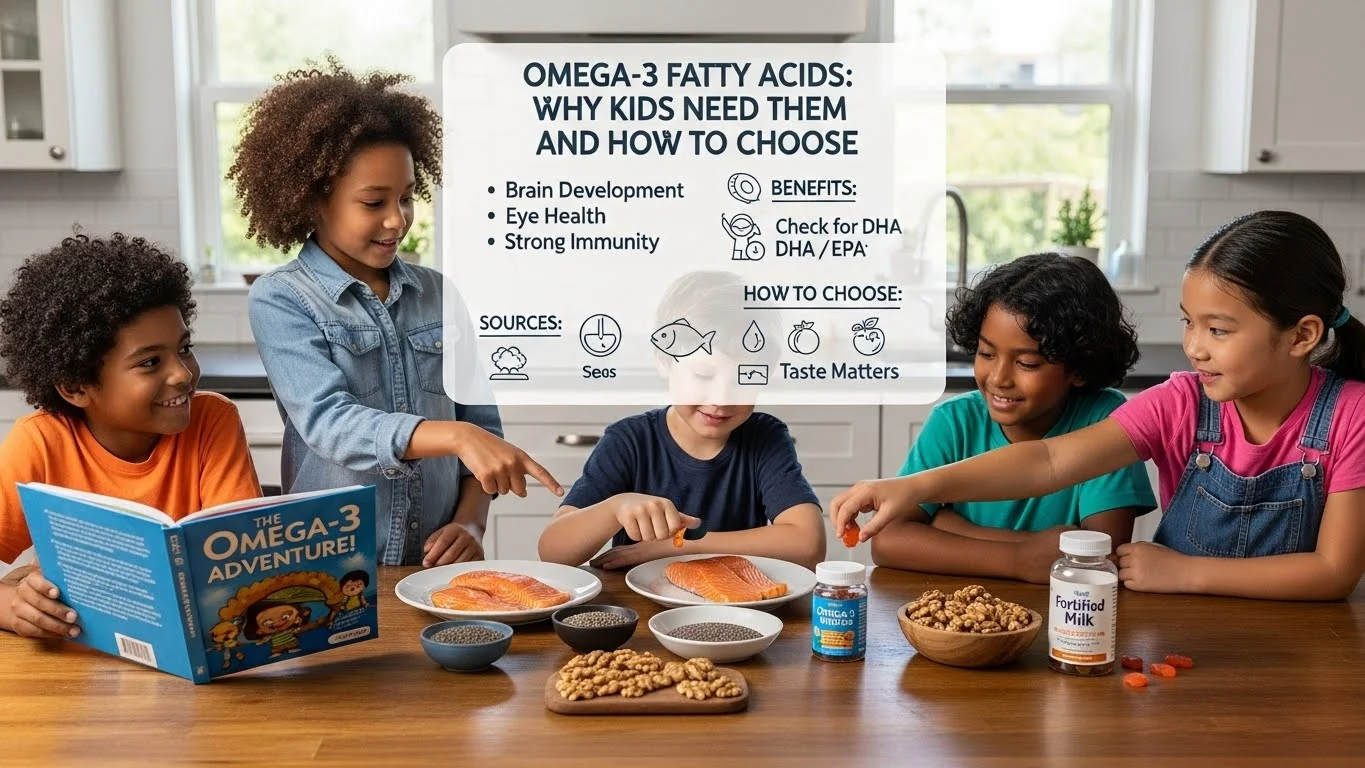
Understanding Omega-3 Fatty Acids
What Are Omega-3 Fatty Acids?
Omega-3 fatty acids are a type of fat that our bodies can’t produce on their own, which makes them essential for our health. These fats are polyunsaturated fatty acids, meaning they have more than one double bond in their chemical structure. In simpler terms, they are the good fats that our bodies need, especially for growing kids. I remember learning about fats in school and always thinking they were bad, but now I see how vital omega-3s are for our overall well-being.
Types of Omega-3 Fatty Acids
There are three main types of omega-3 fatty acids: ALA (alpha-linolenic acid), EPA (eicosapentaenoic acid), and DHA (docosahexaenoic acid). ALA is primarily found in plant sources like flaxseeds and walnuts. On the other hand, EPA and DHA are mostly found in fish and algae. I’ve found it fascinating how each type plays different roles in our bodies. For kids, DHA is particularly important as it’s a major structural component of the brain and eyes.
Sources of Omega-3 Fatty Acids
When I started learning about good sources of omega-3s, I was surprised at the variety that exists. Fatty fish like salmon, mackerel, and sardines are some of the richest sources of EPA and DHA. I’ve made it a habit to incorporate these into my family’s meals a couple of times a week. For those who aren’t fans of fish, there are plenty of plant-based options too! Chia seeds, flaxseeds, walnuts, and soybeans are great sources of ALA. I love adding chia seeds to smoothies; they blend in seamlessly and add a nutritional boost. And let’s not forget about omega-3 fortified foods, which are becoming increasingly popular in grocery stores. For more information on omega-3 supplements, check out Top Omega-3 Supplements for Kids: A Parent’s Guide.
Why Kids Need Omega-3 Fatty Acids
Role in Brain Development
As a parent, I always want to ensure my kids’ brains are developing optimally. Omega-3 fatty acids play a crucial role in brain development, particularly in the early years. DHA, in particular, is essential for forming the brain’s structure. Studies have shown that kids with adequate levels of omega-3s tend to perform better in school and have improved learning capabilities. It’s reassuring to know that what we feed our kids can have such a profound effect on their cognitive skills.
Impact on Cognitive Function
In my experience, I’ve noticed that when my kids aren’t getting enough omega-3s, their focus and memory can suffer. Omega-3s are known to enhance cognitive function, helping with memory retention and problem-solving skills. I remember a time when my youngest struggled with concentrating on homework, and we decided to up his intake of omega-3s. It was incredible to see how much better he handled tasks with just a few dietary changes!
Benefits for Emotional Well-being
Omega-3s can also have a significant impact on emotional health. I’ve read that they can help reduce symptoms of anxiety and depression in children. Knowing that omega-3 fatty acids can help stabilize mood is a comforting thought for any parent. I try to keep my kids’ diets rich in these fats, especially during stressful times like exams or big events. It’s amazing how nutrition can play a role in emotional health.
Support for Physical Growth
Kids are always on the go, and they need proper nutrients to fuel their growth. Omega-3 fatty acids contribute to physical growth by supporting overall health. They play a role in reducing inflammation, which can lead to better recovery after physical activities. I’ve noticed that my kids seem to bounce back quicker from colds and scrapes when they’re getting their omega-3s regularly. It’s like having a built-in defense mechanism!
Signs of Omega-3 Deficiency in Children
Behavioral Indicators
As I’ve learned over the years, our kids can’t always express what’s going on in their bodies. Sometimes, their behavior can be a clue that they might not be getting enough omega-3 fatty acids. I remember when my kids were more irritable and had trouble focusing; it was a bit of a wake-up call for me. Research indicates that children with omega-3 deficiencies can show signs of mood swings, increased anxiety, and even hyperactivity. It’s like their brains are missing a crucial piece of the puzzle that helps regulate their emotions and overall behavior. When I noticed these signs, I started paying closer attention to their diets and ensuring they were getting more omega-3-rich foods.
Physical Symptoms
In addition to behavioral signs, there are also physical symptoms that might indicate a lack of omega-3s. For instance, I found out that dry skin and brittle hair can be signs of deficiency. It’s surprising how much our skin reflects our internal health! I remember when my daughter started complaining about her dry skin; it prompted me to look into her diet more closely. I was shocked to learn that omega-3s can also help maintain skin hydration. Other physical signs can include fatigue and frequent colds, as a deficiency can weaken the immune system. Keeping an eye out for these symptoms can be incredibly helpful in determining whether our kids might need more omega-3s in their diets.
Long-term Effects of Deficiency
Ignoring omega-3 deficiency, especially in children, can lead to some long-term effects that I think every parent should be aware of. Studies have shown that a lack of omega-3s during childhood can impact not just cognitive functions but also emotional health and social skills as they grow older. It’s concerning to think about how this could affect their ability to interact with peers and handle stress later in life. I often reflect on how important these early years are for building a strong foundation for our kids. Ensuring they get enough omega-3s can help prevent these potential issues and set them up for a healthier future.
How to Choose Omega-3 Supplements for Kids
Types of Omega-3 Supplements
When considering omega-3 supplements for my kids, I discovered that there are several types available on the market. Fish oil supplements are the most common, as they are rich in EPA and DHA, which are the types of omega-3s that our bodies need most. However, if your family doesn’t eat fish or prefers plant-based options, algal oil is an excellent alternative. I found that algal oil provides DHA and is suitable for vegetarians and vegans. It’s reassuring to know that there are options available to suit different dietary preferences, making it easier to incorporate omega-3s into our kids’ diets. For more tips on how to boost your child’s health, check out Boost Your Child’s Health: Best Omega-3 Choices.
Dosage Recommendations
When I first started looking into omega-3 supplements, I was unsure about the proper dosage for kids. I learned that the recommended intake can vary based on age and health needs, but generally, most children can benefit from a daily dose of 250–500 mg of combined EPA and DHA. It’s always a good idea to talk to a pediatrician to determine the right dosage for your child, especially if they have specific health concerns. I remember discussing it with my kids’ doctor, who helped me find a dosage that worked well for my family.
Choosing High-Quality Products
Quality really matters when it comes to supplements. I’ve come to realize that not all omega-3 products are created equal. When shopping for omega-3 supplements, I always look for those that are molecularly distilled, which helps remove impurities and toxins. Additionally, I check the label for the amount of EPA and DHA to ensure I’m getting a product that meets my family’s needs. It’s been a learning curve, but I feel much more confident now that I know what to look for in a quality supplement.
Checking for Third-Party Testing
One thing I never thought about before was the importance of third-party testing for supplements. I now make it a point to choose omega-3 products that have been tested by independent organizations. This ensures that they meet purity and potency standards. I’ve found a few brands I trust, and I feel more at ease knowing that I’m giving my kids something safe and effective. It’s a small step that makes a big difference in ensuring we’re making the best choices for their health.
Incorporating Omega-3s into Kids’ Diets
Food Sources of Omega-3 Fatty Acids
When it comes to ensuring my kids get enough omega-3 fatty acids, I’ve realized that the best way is through their diet. As I mentioned earlier, fatty fish like salmon, mackerel, and sardines are excellent sources of EPA and DHA. I often think back to family dinners where I would try to sneak in fish dishes. I remember the first time I made baked salmon; the kids were skeptical, but I was pleasantly surprised when they loved it! Besides fish, I’ve found that other foods like chia seeds, flaxseeds, and walnuts are fantastic for adding plant-based omega-3s to their plates. I love adding these ingredients to various meals to boost their nutrition without them even noticing!
Creative Ways to Include Omega-3s in Meals
Getting my kids to eat the right foods can sometimes feel like a challenge, so I’ve had to get a bit creative. One of my favorite methods is to blend flaxseeds into smoothies. Not only do they provide a nutritional boost, but they also blend in so well that my kids have no idea they’re there! I also started adding chia seeds to yogurt, which has turned out to be a huge hit. Another fun way I found is to make homemade energy bars using oats, peanut butter, and chopped walnuts. The kids love them as a snack, and I feel good knowing they’re getting healthy fats. Plus, I’ve learned that sneaking in omega-3s during breakfast, lunch, or even snack time can make a real difference.
Recipes Rich in Omega-3s for Kids
Creating omega-3-rich recipes has become a bit of a hobby for me. I love experimenting in the kitchen, especially when I can involve my kids in the process. One of our family favorites is a simple salmon pasta dish. I cook whole-grain pasta, toss it with sautéed spinach, cherry tomatoes, and baked salmon, and finish it off with a sprinkle of lemon juice. The kids love the flavors, and it’s a great way to get their omega-3s in!
Another easy recipe is a chia seed pudding. I mix chia seeds with almond milk (or any milk of their choice), add a bit of honey, and let it sit overnight. In the morning, the kids can choose their favorite fruits to mix in, making it a fun and healthy breakfast option. I’ve found that when they get to help prepare their meals, they’re much more likely to eat them!
Let’s not forget about snacks! I’ve been making trail mix with walnuts, almonds, and dark chocolate chips. It’s a great way to satisfy their cravings while still providing healthy omega-3s. I often pack this mix for school lunches or for our family outings. Every time they munch on it, I feel like I’m giving them a little health boost.
Common Myths About Omega-3 Fatty Acids
Myth: Omega-3s Are Only for Adults
One misconception I’ve come across is the belief that omega-3s are only important for adults. I used to think that too—after all, I often heard about omega-3s in the context of heart health and adult diets. However, I’ve learned that kids need omega-3s just as much, if not more, for their growth and development. It’s crucial for their brain health, mood regulation, and overall physical well-being. Sometimes I feel like the message about children’s nutritional needs gets overlooked, so I make it a point to share what I’ve learned with other parents.
Myth: All Omega-3s Are Created Equal
Another myth that I’ve had to debunk for myself is that all omega-3s are the same. I used to think that any source of omega-3 would do, but I learned that there are different types, and they serve different purposes. ALA, EPA, and DHA each have unique benefits. For example, while ALA is beneficial, EPA and DHA are more directly related to brain health. This understanding has helped me make better choices for my kids’ diets by prioritizing sources rich in EPA and DHA, like fish or high-quality supplements.
Myth: Supplements Are Always the Best Option
Lastly, I used to believe that if my kids were taking omega-3 supplements, they wouldn’t need to worry about food sources. However, I’ve come to realize that whole foods are always the best option. Supplements can fill gaps, but they shouldn’t replace a balanced diet. I think it’s essential for kids to get their nutrients from actual foods whenever possible. I’ve made it a priority to include omega-3-rich foods in our meals and snacks, alongside any supplements we may use. This way, I feel confident I’m providing a well-rounded diet for my children.
Consulting with Healthcare Professionals
When to Talk to a Pediatrician
As a parent, I understand that it can be overwhelming to navigate the world of nutrition, especially when it comes to our kids. There have been times when I felt unsure about their dietary choices, particularly regarding omega-3 fatty acids. That’s when I decided to talk to my pediatrician. I think it’s essential to consult with a healthcare professional if you notice any signs of deficiency or if you’re considering adding supplements to your child’s diet. They can help assess your child’s specific needs based on their health, lifestyle, and dietary habits. I remember feeling relieved after discussing my concerns with the doctor and receiving tailored advice for my kids.
Understanding Nutritional Needs
Every child is unique, and their nutritional needs can vary tremendously. From my experience, working with a healthcare provider can help us understand what our kids really need as they grow. They can offer insights into how much omega-3 they should be getting based on age, activity level, and even special health circumstances. I’ve learned that it’s not just about the quantity but also about the quality of the nutrients they consume. The more I understand their nutritional needs, the better I can support their health and development.
Integrating Omega-3s into Health Plans
Incorporating omega-3 fatty acids into our kids’ health plans has been a game changer for my family. Regular discussions with our pediatrician have allowed us to create a balanced approach that includes both dietary sources and, when needed, supplements. I remember one visit when the doctor suggested we keep a food diary for a week to track what my kids were eating. This exercise not only helped us identify gaps in their diet but also made it easier to integrate more omega-3-rich foods into their meals. It’s been empowering to have a proactive plan in place, and I feel more confident that I’m doing my best to support their health.
Final Thoughts
Looking back on my journey with omega-3 fatty acids, I feel grateful for the knowledge I’ve gained. Ensuring our kids get enough of these essential fats has made a noticeable difference in their overall health, mood, and cognitive function. I believe it’s vital for all parents to take an active role in understanding the nutritional needs of their children. Whether it’s through fresh foods, supplements, or guidance from healthcare professionals, we have the power to make informed choices that will benefit our kids for years to come. Embracing a diet rich in omega-3s is not just a trend; it’s a commitment to nurturing their growth and well-being. I hope my experiences inspire other parents to explore the world of omega-3s and prioritize their kids’ health too!
Frequently Asked Questions
What are omega-3 fatty acids?
Omega-3 fatty acids are a type of fat that our bodies can’t produce on their own, making them essential for our health. They are polyunsaturated fatty acids, meaning they have more than one double bond in their chemical structure, and are crucial for the growth and development of children.
What are the main types of omega-3 fatty acids?
There are three main types of omega-3 fatty acids: ALA (alpha-linolenic acid), EPA (eicosapentaenoic acid), and DHA (docosahexaenoic acid). ALA is primarily found in plant sources, while EPA and DHA are mostly found in fish and algae.
Why do kids need omega-3 fatty acids?
Omega-3 fatty acids are important for several reasons, including supporting brain development, enhancing cognitive function, improving emotional well-being, and contributing to physical growth by reducing inflammation and aiding recovery after physical activities.
What are the signs of omega-3 deficiency in children?
Signs of omega-3 deficiency in children can include behavioral indicators such as irritability, mood swings, and trouble focusing, as well as physical symptoms like dry skin, brittle hair, fatigue, and frequent colds.
How can I incorporate omega-3s into my kids’ diets?
You can incorporate omega-3s into your kids’ diets by including fatty fish like salmon, mackerel, and sardines, as well as plant-based sources like chia seeds, flaxseeds, and walnuts. Creative recipes and snacks can also help increase their intake.
What types of omega-3 supplements are available for kids?
The most common omega-3 supplements for kids are fish oil supplements, which are rich in EPA and DHA. For those who prefer plant-based options, algal oil is an excellent alternative that provides DHA and is suitable for vegetarians and vegans.
What is the recommended dosage of omega-3 for children?
The recommended intake of omega-3s for most children is generally between 250–500 mg of combined EPA and DHA daily, though it’s best to consult a pediatrician to determine the right dosage for your child based on their specific health needs.
What should I look for when choosing omega-3 supplements?
When choosing omega-3 supplements, it’s important to look for products that are molecularly distilled to remove impurities, check the amount of EPA and DHA on the label, and ensure that they have undergone third-party testing to meet purity and potency standards.
Are omega-3 supplements necessary if my child has a balanced diet?
While omega-3 supplements can fill dietary gaps, they should not replace a balanced diet. Whole foods are always the best option for obtaining nutrients, so it’s important to include omega-3-rich foods along with any supplements.
When should I consult a pediatrician about my child’s omega-3 intake?
It’s advisable to consult a pediatrician if you notice any signs of omega-3 deficiency in your child or if you are considering adding supplements to their diet. A healthcare professional can help assess your child’s specific nutritional needs and provide tailored advice.