
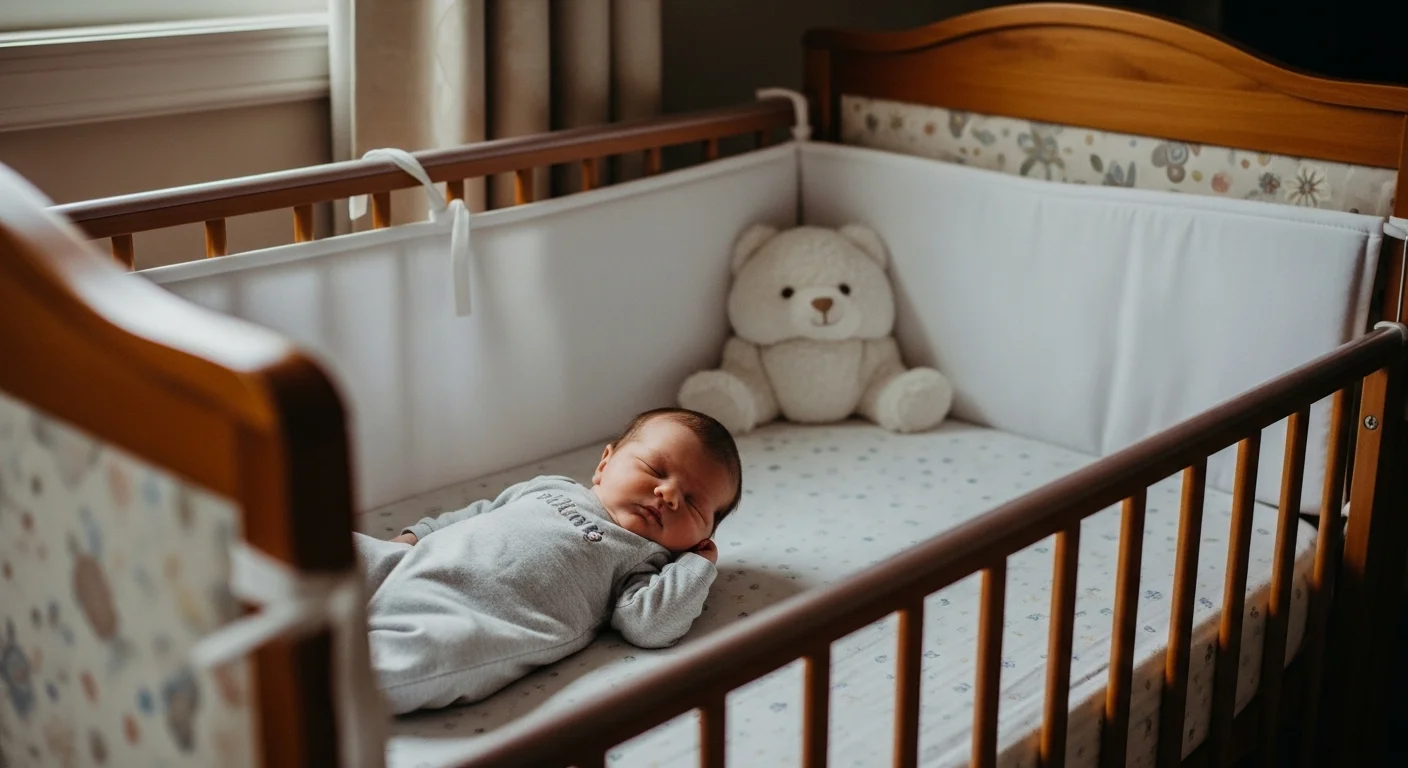
Creating the perfect sleep environment for your newborn can feel overwhelming, but it’s crucial for their development and your sanity. Let’s dive into the essential aspects of optimizing your baby’s sleep space for better rest. Read Interesting article: Top Tips for Creating a Peaceful Sleep Space for Newborns
Understanding Newborn Sleep Patterns
The Importance of Sleep for Newborns
When I first became a parent, I quickly learned that sleep is more than just a luxury for newborns; it’s a necessity. Newborns spend the majority of their early life sleeping, and this sleep plays a vital role in their growth and brain development. During sleep, their little bodies are busy building connections in the brain, supporting their ability to learn and develop as they grow. I remember being amazed at how much rest my baby needed, often sleeping up to 16 hours a day. It became clear to me that ensuring a restful sleep environment was not just about getting through the night—it was about nurturing my child’s well-being.
Typical Sleep Duration and Cycles
Newborn sleep patterns can be a bit unpredictable, which I experienced firsthand. Typically, newborns sleep for about 14 to 17 hours a day, but it can vary from baby to baby. They usually wake every two to four hours for feedings, which can be exhausting. As I learned, their sleep cycles are shorter than ours, lasting around 50 to 60 minutes. This means they transition quickly from light sleep to deep sleep and back again, which can lead to frequent waking. Understanding these cycles helped me adjust my expectations and create a more accommodating sleep environment.
Signs of Sleepiness in Newborns
Recognizing when my baby was getting sleepy was another lesson I found important. Newborns have unique signs that indicate they are ready for sleep. I learned to look for cues like yawning, rubbing their eyes, or becoming fussy. Watching for these signals helped me develop a better routine. If I waited too long, they would become overtired, making it even harder for them to settle down. I found that putting my baby down for sleep at the first sign of tiredness made a world of difference.
Essential Elements of a Sleep Environment
Room Temperature and Ventilation
Creating a comfortable sleep environment starts with the room temperature. I discovered that babies sleep best in a slightly cooler room, ideally between 68°F and 72°F. I remember fiddling with the thermostat and checking the baby monitor for temperature alerts. Proper ventilation is also essential. I often cracked a window or used a fan to keep the air circulating and fresh. This small adjustment helped maintain a comfortable atmosphere for my baby, allowing them to sleep more soundly.
Lighting: Importance of Darkness
Lighting can significantly impact a newborn’s sleep. I found that keeping the room dark during sleep times helped signal to my baby that it was time to rest. Blackout curtains became my best friend. They blocked out any unwanted light, making it easier for my little one to drift off. I also learned that dimming the lights during nighttime feedings helped my baby stay calm and relaxed. Creating a dark and cozy environment made a noticeable difference in how quickly they fell asleep.
Noise Levels: Creating a Calm Atmosphere
Noise levels can be tricky when you have a newborn. I remember tiptoeing around the house, trying not to wake my baby. However, I found that a little background noise, like white noise, could be beneficial. It mimicked the sounds of the womb and helped drown out sudden noises that could disturb their sleep. We invested in a white noise machine, and it became a staple in our nightly routine. It created a calming atmosphere that encouraged longer stretches of sleep.
Choosing the Right Crib or Bassinet
Your choice of sleeping space can greatly influence your baby’s sleep quality. I used to think that any crib would do, but I quickly realized that safety and comfort are paramount. A sturdy crib or bassinet that meets safety standards is essential. I also made sure to choose a firm mattress that fits snugly without any gaps. I remember spending time researching options online and reading reviews. Finding the right crib not only contributed to my baby’s safety but also gave me peace of mind knowing they had a secure place to sleep. Read Interesting article: Transform Your Newborn’s Sleep: Best Training Techniques
In the journey of parenting, optimizing your newborn’s sleep environment is crucial. It’s a combination of understanding their sleep needs and creating a cozy, safe space that fosters restful sleep. By focusing on these essential elements, we can help our little ones—and ourselves—get the rest we need to thrive. Looking forward to sharing more tips on safe sleep practices and creating a comfortable sleep space in the next sections!
Safe Sleep Practices
The ABCs of Safe Sleep: Alone, on their Back, in a Crib
When it comes to creating a safe sleep environment for my newborn, I learned about the ABCs of safe sleep: Alone, on their Back, in a Crib. It’s a simple mantra, but it carries a lot of weight. I made sure that my baby always slept alone in their crib, free of any toys or bedding that could pose a risk. Placing my baby on their back was also crucial. I remember feeling a bit anxious about this at first, but knowing that it significantly reduces the risk of Sudden Infant Death Syndrome (SIDS) gave me comfort. Following these guidelines not only protected my baby but also eased my worries about sleep safety.
Avoiding Sleep Positioners and Bumpers
Initially, I was tempted to use sleep positioners and crib bumpers, thinking they would help my baby sleep better. However, I quickly learned that these items can be dangerous. Research showed that sleep positioners don’t help prevent SIDS and can actually increase the risk. I vividly remember reading about this and feeling relieved that I hadn’t bought them. Instead, I focused on creating a clear and safe sleep space without unnecessary items. Keeping it simple not only ensured my baby’s safety but also helped me feel more confident in my parenting choices.
Understanding SIDS Risks and Prevention
Understanding SIDS was a wake-up call for me. I read everything I could on the topic and spoke to my pediatrician to grasp the risks and prevention strategies. I learned that factors like overheating, exposure to smoke, and having a soft sleep surface could increase the risk. I was so grateful for the resources available to us as new parents. One of the most reassuring things I discovered was that placing my baby on their back to sleep, along with keeping their crib free of soft bedding, significantly lowered the risk. It felt empowering to arm myself with knowledge, allowing me to create a safer sleep space for my little one. Read Interesting article: Ultimate Guide to Sleep Training Methods for Newborns
Creating a Comfortable Sleep Space
Choosing the Right Bedding and Mattress
Once I had the basics of safety covered, I shifted my focus to comfort. I realized the importance of selecting the right bedding and mattress. A firm mattress that fits snugly in the crib was essential for safety and comfort. I remember going to baby stores and feeling overwhelmed by the options. After some research, I opted for a breathable mattress. I also chose fitted sheets that were soft but snug—no loose ends that could wrap around my baby. This combination made me feel good knowing my baby was sleeping securely and comfortably.
The Role of Swaddling in Newborn Sleep
Swaddling became one of my favorite techniques for helping my baby sleep better. I initially felt unsure about wrapping my little one up, but after trying it, I noticed a remarkable difference. Swaddling mimicked the snugness of the womb, which helped my baby feel secure. I learned to make sure the swaddle was not too tight, allowing room for their legs to move freely. I also kept in mind the importance of stopping swaddling once my baby started showing signs of rolling over. The transition was gradual, but I felt proud of how it helped my baby sleep longer stretches.
Using Sleep Sacks vs. Blankets
As I explored sleep options, I discovered sleep sacks, which became a game changer for us. Unlike traditional blankets, sleep sacks are designed for safety, keeping my baby warm without the risk of suffocation. I loved how they come in various materials for different seasons, ensuring my baby was comfortable year-round. I remember the first night we used a sleep sack; my baby seemed so cozy and content. It was a relief knowing that I could provide warmth without compromising safety. This simple switch made our nighttime routine smoother and more enjoyable.
Personalizing Your Newborn’s Sleep Environment
Incorporating Familiar Sounds (White Noise Machines)
One of the best decisions I made was incorporating familiar sounds into my baby’s sleep routine. After reading about the benefits of white noise, I decided to invest in a white noise machine. The soothing sounds mimicked the comforting noise of the womb, which I found incredibly helpful during those early months. I remember how my baby would settle down almost immediately when I turned it on, and I felt like I had discovered a secret weapon for sleep. It became part of our bedtime ritual, creating a calm atmosphere that encouraged restful sleep.
Using Calming Scents (Essential Oils Safety)
I also wanted to explore calming scents, but I quickly learned that safety comes first. Essential oils can be wonderful for relaxation, but I needed to ensure they were safe for my newborn. I discovered that some oils, like lavender, can promote relaxation when used properly. I made sure to diffuse them in moderation and kept the room well-ventilated. I remember being cautious, always prioritizing my baby’s safety over everything else. Finding that balance between creating a calming environment and ensuring safety was key.
Creating a Sleep Routine with Visual Cues
Establishing a sleep routine was one of the most rewarding things we did. I found that introducing visual cues helped signal to my baby that it was time to wind down. Whether it was dimming the lights, playing soft music, or even using a specific blanket, these little rituals became part of our nightly routine. I noticed that my baby began to recognize the cues, making it easier for them to settle down for sleep. It felt like a bonding experience, and I loved how it helped us create our own unique sleep rhythm.
Monitoring and Adjusting the Sleep Environment
Using a Baby Monitor Effectively
As a new parent, I quickly realized the importance of keeping an eye (and ear) on my sleeping baby. Investing in a baby monitor was one of the best decisions I made. It gave me peace of mind, knowing I could hear and see my little one without being in the same room. I chose a monitor with video capabilities, which allowed me to check on my baby visually. I remember the first time I peeked at the monitor and saw my baby peacefully sleeping; it felt like a small victory. I could relax, knowing that I would be alerted if anything was amiss. Plus, it gave me the freedom to get things done around the house while keeping an eye on my baby’s sleep progress.
Signs That Adjustments Are Needed
Over time, I learned to recognize signs that indicated my baby’s sleep environment needed some tweaking. For example, if my baby was waking up more frequently than usual or seemed restless, it was a clear signal that something might be off. I remember one night when my baby seemed unusually fussy after previously sleeping well. After some investigation, I realized the room had become too warm, and I needed to adjust the thermostat. It felt rewarding to be in tune with my baby’s needs and to make the necessary changes to foster better sleep. By paying attention to these cues, I became more confident in my ability to create a comforting sleep space.
Adapting the Environment as Your Baby Grows
As my baby grew, I noticed that their sleep needs changed, and I had to adapt the sleep environment accordingly. I learned that what worked for a newborn wouldn’t necessarily work for an older infant. For instance, as my baby transitioned from a bassinet to a crib, I had to make sure the crib was set up safely with the right bedding and no loose items. I also started to introduce a more structured bedtime routine, which included gentle activities like reading books or singing lullabies. This not only helped my baby wind down but also created a signal that it was time to sleep. I felt a sense of accomplishment as I adapted to these changes, ensuring my baby had a comfortable and secure sleep environment at every stage of development.
Common Sleep Challenges and Solutions
Dealing with Sleep Regression
Sleep regression was something I hadn’t anticipated, but it hit us like a ton of bricks around the four-month mark. I remember feeling exhausted when my baby suddenly started waking more frequently at night after previously sleeping well. After some research, I discovered that sleep regression is a common phase many babies go through as they hit developmental milestones. Understanding this helped me stay calm and patient. I found that sticking to our established sleep routine and providing extra comfort during these times made a difference. I also made sure to offer plenty of opportunities for daytime naps, which helped alleviate some of the nighttime wakefulness. While it was a challenging time, I learned that it’s just a phase, and consistency was key.
Addressing Night Wakings and Fussy Periods
Night wakings can be tough, and I experienced my fair share of them. There were nights when my baby would wake and cry, leaving me feeling unsure about what to do. I learned that sometimes my baby just needed a quick check-in, a gentle pat, or a soothing voice to help them settle back down. However, I also noticed that certain factors could contribute to fussiness at night, like teething or growth spurts. During those periods, I found that offering a little extra comfort, like a gentle rub on the back or a warm bath before bed, made a world of difference. I became more aware of my baby’s cues and adjusted our responses accordingly. This not only helped soothe my baby but also deepened our bond.
Consulting Pediatricians for Sleep Concerns
As I navigated the ups and downs of my baby’s sleep, I found that consulting with our pediatrician was invaluable. Whenever I felt uncertain about sleep patterns or behaviors, I didn’t hesitate to reach out for guidance. I remember discussing my concerns about my baby’s sleep habits and learning that many parents face similar challenges. The support and advice I received helped me feel more empowered in my parenting journey. I learned that it’s completely normal to seek help and that pediatricians can provide tailored strategies to address specific sleep concerns. Knowing I had a reliable resource to turn to made all the difference in managing our sleep challenges.
Frequently Asked Questions
What is the typical sleep duration for newborns?
Newborns typically sleep for about 14 to 17 hours a day, but this can vary from baby to baby. They usually wake every two to four hours for feedings.
What are some signs that indicate a newborn is getting sleepy?
Signs of sleepiness in newborns include yawning, rubbing their eyes, or becoming fussy. Recognizing these cues can help establish a better sleep routine.
What is the ideal room temperature for a newborn’s sleep environment?
Babies sleep best in a slightly cooler room, ideally between 68°F and 72°F. Proper ventilation is also essential for a comfortable atmosphere.
How can lighting affect a newborn’s sleep?
Keeping the room dark during sleep times helps signal to the baby that it is time to rest. Blackout curtains can be helpful for blocking out unwanted light.
What are the ABCs of safe sleep for newborns?
The ABCs of safe sleep are: Alone, on their Back, in a Crib. This practice significantly reduces the risk of Sudden Infant Death Syndrome (SIDS).
Why should sleep positioners and crib bumpers be avoided?
Sleep positioners and crib bumpers can be dangerous and do not help prevent SIDS; instead, they can actually increase the risk. It’s best to keep the sleep space clear of unnecessary items.
What role does swaddling play in a newborn’s sleep?
Swaddling mimics the snugness of the womb, which can help a baby feel secure and sleep better. However, it is important to stop swaddling once the baby shows signs of rolling over.
How can white noise help with a newborn’s sleep?
White noise can create a calming atmosphere by mimicking the sounds of the womb and drowning out sudden noises that might disturb the baby’s sleep.
What should parents do if their baby is waking up frequently at night?
If a baby is waking up more frequently, it may indicate that adjustments are needed in the sleep environment. Parents should consider factors like room temperature and comfort, as well as providing extra comfort during fussy periods.
When should parents consult a pediatrician regarding sleep concerns?
Parents should consult a pediatrician whenever they feel uncertain about their baby’s sleep patterns or behaviors. Pediatricians can provide tailored strategies to address specific sleep concerns and reassure parents.