
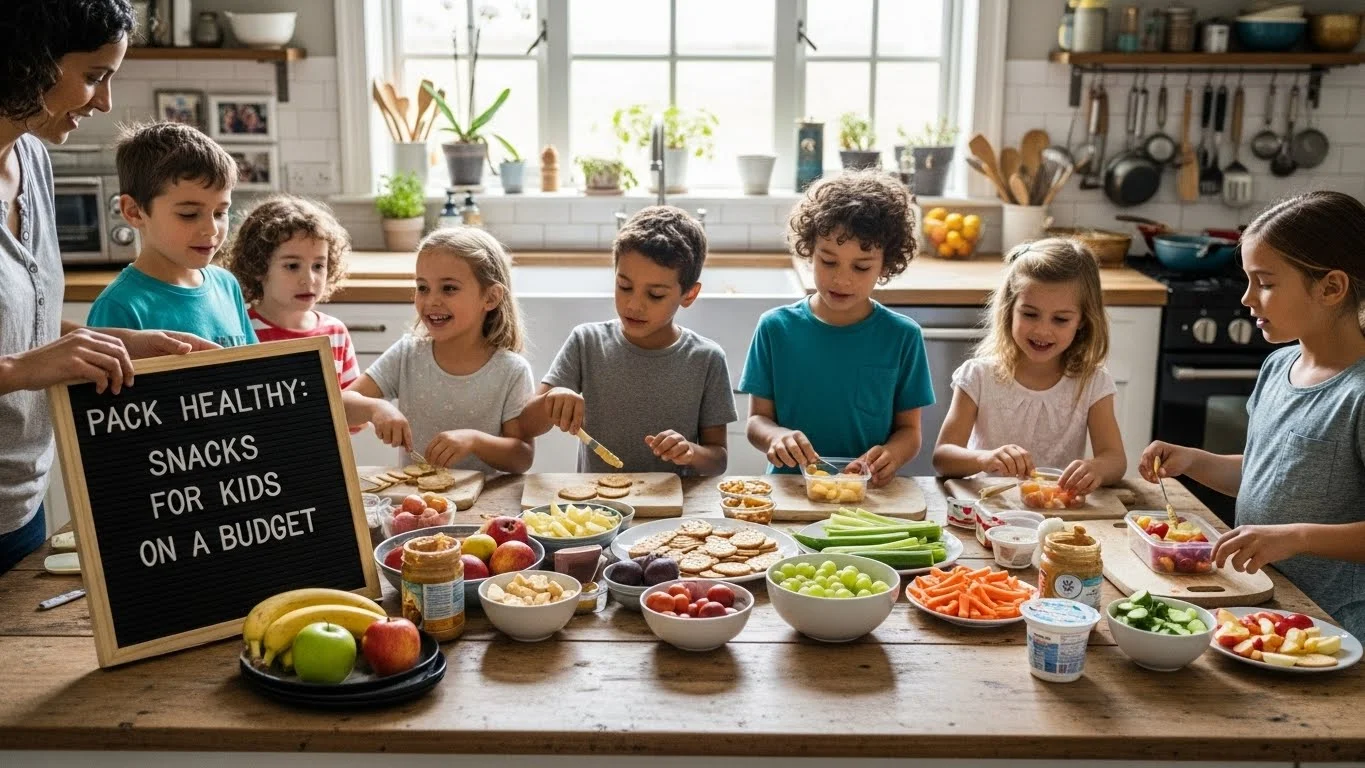
Finding healthy snacks for kids that fit our budgets can feel like a challenge, but it doesn’t have to be! With a bit of creativity and planning, we can pack nutritious and delicious snacks without breaking the bank.
Understanding the Importance of Healthy Snacks for Kids
When I think about my kids and their snack choices, I realize just how crucial healthy snacks are for their overall well-being. I used to grab whatever was convenient, but I’ve learned that what they eat can significantly impact their mood, energy, and focus. Healthy snacks are not just fillers; they play a vital role in fueling our children for their busy days.
Benefits of Healthy Snacking
Healthy snacks offer a myriad of benefits that we often overlook. For one, they help in maintaining energy levels throughout the day. I remember those afternoons when my kids would crash after a sugary snack; it was like watching a balloon slowly deflate. When they munch on nutritious options, they stay energized and engaged. Snacks rich in vitamins and minerals also support growth and development. I’ve noticed that when we focus on healthy options, my kids are more active and happier. It’s like the right fuel for their little engines!
Another significant benefit is that healthy snacks can help establish good eating habits early on. I think back to my childhood and how many sugary treats I consumed. I wanted to do better for my kids. By introducing them to a variety of healthy snacks, I feel I’m setting them up for a lifetime of healthy choices. It’s not about depriving them of treats; it’s about finding balance and making healthier choices more accessible. Make These Quick DIY Healthy Snacks for Kids’ Lunchboxes can be a great resource for finding those options.
How Snacks Impact Kids’ Energy and Focus
It’s fascinating how the right snacks can directly affect kids’ energy and focus. I remember one day, my son had a test at school, and I made sure he had whole-grain toast with almond butter instead of the usual cereal bar. He told me later that he felt more alert and was able to concentrate better. I’ve seen this pattern repeatedly—when they eat junk or overly processed snacks, their energy spikes and crashes like a roller coaster. But when they stick with wholesome foods, they can sustain their energy levels and focus on tasks at hand.
Plus, healthy snacks can have a positive influence on their mood. I think we’ve all experienced that post-sugar crash. My kids would get cranky and unfocused after indulging in sugary snacks. Switching to healthier options, like fruits or yogurt, seems to keep their spirits high and their minds sharp. It’s amazing what a difference a nutrient-dense snack can make in their day!
Budget-Friendly Snack Options
Now that we understand how important healthy snacks are, let’s dive into some budget-friendly options that I’ve found to be both nutritious and affordable. I often scout local grocery stores and farmer’s markets to find the best deals, and I’ve discovered some gems along the way.
Fruits and Vegetables
Fruits and veggies are often the cornerstone of healthy snacking. They are packed with essential vitamins and minerals, and fortunately, many options are budget-friendly. I usually buy seasonal produce since it’s often cheaper and fresher. For instance, in the summer, I stock up on berries, while fall is perfect for apples and pumpkins. It’s fun to explore the flavors of the season with my kids!
Seasonal Produce
Choosing seasonal fruits and vegetables can save you money and introduce your kids to new flavors. I’ve found that when we engage the little ones in picking out fruits during our grocery trips, they are much more excited to try them. This past summer, we made a game out of finding the ripest peaches and most vibrant tomatoes. It was a hit!
Cost-Effective Choices
Some of the most cost-effective options include carrots, bananas, and apples. Carrots can be bought in bulk, and they stay fresh for a while. I often cut them into sticks and pair them with hummus for a crunchy snack. Bananas are a go-to in our house—easy to grab and full of energy. Plus, with apples, we can make everything from apple slices with peanut butter to baked apples for a treat.
Whole Grains
Whole grains can be an excellent, filling option for snacks. I’ve experimented with making homemade granola bars that are not only healthier than store-bought ones but also a fun project with my kids. We mix oats, honey, and whatever nuts or dried fruits we have on hand. It’s a simple recipe that allows for lots of creativity! I often refer to Simple DIY Healthy Snacks for Kids Under 5 Ingredients for inspiration.
Homemade Granola Bars
Making our own granola bars has become a family affair. I remember the first time my daughter and I tried it; we were covered in oats and honey, but we laughed the whole time. The best part is that we can customize them to our taste. I recommend using a mix of nuts and seeds and a touch of dark chocolate for a treat that still feels indulgent without the guilt.
Popcorn as a Healthy Snack
Popcorn is another fantastic option. When I first introduced my kids to air-popped popcorn, they were hooked! It’s a whole grain, and when prepared without excessive butter and salt, it’s a healthy, low-cost snack. We often spice it up with some nutritional yeast or cinnamon for a twist. It’s a great alternative to chips, and I love that it’s so easy to make in bulk.
Dairy Alternatives
Dairy can also be a part of our healthy snacking routine without spending too much. I like yogurt because it’s versatile and can be enjoyed on its own or with mix-ins. Greek yogurt is a favorite in our household; its creaminess is just right for my kids.
Yogurt Options
When we buy yogurt, we often go for larger tubs instead of individual cups. It’s more economical, and I can portion it out for snacks throughout the week. Sometimes, we mix in some fresh fruit or granola to make it a more filling option. I’ve noticed that when we customize it ourselves, my kids are more likely to eat it.
Cottage Cheese with Fruit
Cottage cheese is another fantastic dairy option. I love serving it with seasonal fruits or even a sprinkle of cinnamon. It’s high in protein and keeps my kids satisfied for longer. I remember one particularly busy afternoon when we mixed it with pineapple chunks, and my kids gobbled it up in minutes!
Protein-Packed Snacks
Protein-packed snacks are crucial for keeping kids full and energized. One of my go-to options is nut butter. We use it on whole-grain bread, as a dip for fruits, or even in smoothies. I prefer to buy jars of natural peanut or almond butter to avoid added sugars and oils.
Nut Butters
Nut butter is versatile, and I love how it can be used in so many ways. Sometimes, we spread it on rice cakes or mix it into oatmeal for breakfast. I’ve even mixed it with honey and oats to create no-bake energy bites that my kids adore.
Hard-Boiled Eggs
Eggs are another easy protein source. I often boil a batch at the beginning of the week, and they make a perfect snack on busy days. I like to keep them in the fridge for a quick grab-and-go option. My kids enjoy them with a sprinkle of salt or even a dash of hot sauce for a bit of zing!
DIY Snack Ideas for Kids
Now that we’ve covered some budget-friendly snack options, I want to share a few DIY snack ideas that my kids absolutely love. Making snacks together not only fosters creativity but also encourages healthier eating habits. Plus, it’s a lot of fun!
Easy-to-Make Recipes
Fruit Kabobs
Fruit kabobs are one of our favorite treats! They’re simple to make, and my kids enjoy picking out their favorite fruits. I usually gather a variety of colorful fruits like strawberries, grapes, bananas, and melons. We cut them into bite-sized pieces and let the kids thread them onto skewers. Not only do they look appealing, but they also make a refreshing snack on warm days. I remember one summer afternoon when we made fruit kabobs as a way to cool down. My kids loved creating patterns with their fruits, and it turned into a fun art project too!
Vegetable Dips
Another fun DIY snack is creating vegetable dips. I often set up a mini “veggie bar” with sliced bell peppers, cucumbers, carrots, and cherry tomatoes. To make it more exciting, we whip up a few different dips, like hummus, tzatziki, or even a simple yogurt ranch dressing. When my kids get to choose which vegetables to dip and what to dip them in, they’re much more likely to eat their veggies. I remember the first time we made homemade hummus together, and they were amazed that we could create something so tasty from chickpeas. It turned into a family favorite!
Snack Box Ideas
Balanced Snack Boxes
Creating balanced snack boxes is another great way to ensure my kids are getting a variety of nutrients. I like to include a mix of proteins, grains, and fruits or veggies in each box. For example, I might pack some whole-grain crackers, cheese slices, baby carrots, and a handful of grapes. I remember when we started doing this; my kids would open their lunchboxes excitedly, eager to see what goodies awaited them. It’s a simple way to make sure they’re getting a nutritious mix, and it helps keep them full between meals.
Themed Snack Boxes
Themed snack boxes are a creative twist that my kids absolutely adore. Sometimes, I’ll make an “Italian” box with mozzarella balls, cherry tomatoes, basil, and some whole-grain pita. Other times, we go for a “taco” theme with black beans, corn, avocado slices, and salsa. The excitement on their faces when they discover a themed box is priceless! I love that it sparks their imagination and makes healthy eating feel adventurous. It’s a great way to get them involved in the kitchen as we brainstorm themes together. You can also check out 10 DIY Healthy Snacks for Kids That They’ll Actually Love for more ideas.
Smart Shopping Tips for Budget Snacks
Once we have our snack ideas in mind, the next step is smart shopping. I’ve learned over the years that a little planning can go a long way in keeping our snack budget in check.
Planning and Shopping Lists
Creating a shopping list is one of the best tools I use to stay organized. Before heading to the store, I sit down with my kids to discuss what snacks we want to make for the week. This not only makes them feel involved but also helps us stick to our budget. I’ve noticed that when we have a plan, we’re less likely to impulse buy. We also like to check our pantry and fridge first to avoid purchasing duplicates. It’s become a little family ritual that I cherish, and it definitely saves us money!
Choosing Store Brands vs. Name Brands
When shopping, I often compare store brands with name brands. I’ve found that many store-brand products are just as good in quality but significantly cheaper. For example, the store-brand yogurt we buy is just as creamy and delicious as the name-brand one, but at a fraction of the cost. I’ve also discovered that some generic snacks, like whole-grain crackers or nut butters, can be healthier options without the hefty price tag. It’s always worth checking the labels, and my kids have learned to look for healthy ingredients too!
Buying in Bulk
Buying in bulk has become one of my go-to strategies for saving money. Whenever we find items like oats, nuts, or dried fruits on sale, I grab a larger quantity. Not only do we save money per unit, but it also ensures we have snacks on hand for longer periods. I remember being hesitant at first, thinking we might not use everything, but my kids have grown to love our bulk snacks. We often make trail mix together, combining our favorite nuts, seeds, and dried fruits. It’s an easy, on-the-go snack that we all enjoy!
Involving Kids in Snack Preparation
Fun and Educational Cooking Activities
Involving my kids in the kitchen has been one of the most rewarding experiences we’ve had together. Not only does it foster a sense of accomplishment, but it also teaches them valuable skills. I remember the first time we made smoothies together; we gathered all the ingredients and took turns adding them to the blender. It was a simple recipe, but seeing my kids’ faces when they tasted the final product was priceless! They loved knowing they had a hand in creating something delicious and healthy.
We often turn cooking into a fun learning experience by discussing where our ingredients come from. For example, when we use spinach for our smoothies, I like to tell them about how it grows in the garden. I’ve found that when kids understand the process, they are much more inclined to try new foods. Sometimes, we even have themed cooking nights where we explore a specific cuisine. This past week, we made homemade tacos, and it turned into a lesson about Mexican culture too. My kids loved mixing the ingredients and creating their own unique taco masterpieces!
Letting Kids Choose Ingredients
One of the best strategies I’ve adopted is letting my kids choose their snack ingredients. When we go grocery shopping, I give them a small budget and allow them to pick out a few snacks or ingredients they want to try. This not only empowers them to make choices but also makes them more excited about the healthy snacks we prepare at home. I remember one shopping trip when my daughter spotted some unusual fruits, like dragon fruit and starfruit. She was so eager to try them, and it turned into a fun tasting adventure when we got home!
Getting them involved in the decision-making process makes them feel more invested in what they eat. I’ve noticed that when they help select items for our snack boxes, they are far more enthusiastic about eating them. It’s a win-win situation! Plus, it opens the door for conversations about nutrition and healthy eating habits. Making this a regular practice has not only encouraged healthy choices but has also strengthened our family bond.
Storing and Packing Snacks for On-the-Go
Best Containers for Freshness
Finding the right containers has been a game changer for us. I used to struggle with keeping our snacks fresh, but now I have a collection of reusable containers that work perfectly. I prefer clear containers because the kids can see what’s inside, which makes them more likely to grab a healthy option. I’ve learned that investing in good-quality containers helps keep our snacks fresh longer. For example, I often use small jars for homemade granola or trail mix. They not only look appealing but also keep everything sealed and ready to go.
We also love using silicone snack bags. They’re a great alternative to plastic, and I can easily pack fruits or veggies without worrying about spills. When we go on family outings, I fill these bags with carrot sticks or apple slices, and my kids enjoy them as easy grab-and-go snacks. I remember a road trip we took where I packed a bunch of healthy snacks in eco-friendly containers. It made our journey smoother, and my kids loved having their own little snack packs to dig into while we traveled!
Portion Control Ideas
Portion control can be tricky, especially with kids who often want “just one more” snack. I’ve found that pre-portioning snacks into smaller servings helps manage their intake and keeps them satisfied. For instance, I like to set aside a day each week to prepare snack bags with cut-up fruits, veggies, or nuts. This way, when the kids are hungry, they can easily grab a bag from the fridge or pantry. It also cuts down on food waste because they’re always ready to eat!
Another fun idea I’ve tried is creating snack jars for each child. I fill them with a variety of healthy snacks like popcorn, mixed nuts, or dried fruits. They can choose what they want, but they understand that they can only take a certain amount at a time. This not only teaches them about moderation but also gives them a sense of ownership over their snacks. I remember when we first implemented this system; the kids were excited to have their own jars and loved exploring different combinations!
Overall, combining creativity, organization, and a little fun in the kitchen has transformed our snacking routine into a healthier, more enjoyable experience. By involving my kids in snack preparation and making it convenient for them to grab healthy options, I feel like we’re building a solid foundation for lifelong healthy eating habits.
Frequently Asked Questions
What are the benefits of healthy snacks for kids?
Healthy snacks help maintain energy levels throughout the day, support growth and development, and establish good eating habits early on. They can also positively influence mood and focus, preventing energy spikes and crashes.
How can I find budget-friendly snack options for kids?
Look for seasonal fruits and vegetables, which are often cheaper and fresher. Additionally, consider cost-effective choices like carrots, bananas, and apples, as well as whole grains and homemade snacks like granola bars and air-popped popcorn.
What are some easy DIY snack ideas for kids?
Some easy DIY snack ideas include fruit kabobs, where kids can thread their favorite fruits onto skewers, and creating a mini veggie bar with various vegetables and dips like hummus or yogurt ranch dressing.
How can I involve my kids in snack preparation?
Involve your kids by letting them choose ingredients during grocery shopping, discussing where food comes from, and cooking together. This fosters creativity and teaches them valuable skills while making healthy eating more engaging.
What are some healthy protein-packed snack options for kids?
Nut butter is a versatile option that can be used on whole-grain bread or as a dip for fruits. Hard-boiled eggs are also a great protein source, easily prepared in advance for quick snacks.
How can I make snack time more exciting for kids?
Create themed snack boxes with different cuisine inspirations, like Italian or taco themes, to spark their imagination. Balanced snack boxes that include a mix of proteins, grains, and fruits or veggies can also keep them excited about healthy eating.
What smart shopping tips can help save money on snacks?
Make a shopping list before going to the store to stay organized and avoid impulse buys. Compare store brands to name brands for cost savings, and consider buying in bulk for items like oats, nuts, and dried fruits to save money over time.
How can I ensure snacks stay fresh for kids on the go?
Use clear, reusable containers for easy visibility, making it more likely for kids to grab healthy options. Silicone snack bags are also a great alternative for packing fruits and veggies without spills.
What are some portion control ideas for kids’ snacks?
Pre-portion snacks into smaller servings to manage intake and reduce food waste. Creating individual snack jars for each child allows them to choose what they want while understanding moderation.
Why is it important to involve kids in choosing their snacks?
Involving kids in choosing their snacks empowers them to make healthier choices and makes them more excited about eating. It also opens the door for discussions about nutrition and helps strengthen family bonds.