
Packable lunchboxes can be a game changer for busy lives, saving time and money while keeping meals delicious. Let’s dive into how to make the most of your lunchbox without breaking the bank! Read Interesting article: Budget Backpacking: Handle Pregnancy Symptoms on the Go
Understanding Packable Lunchboxes
What is a Packable Lunchbox?
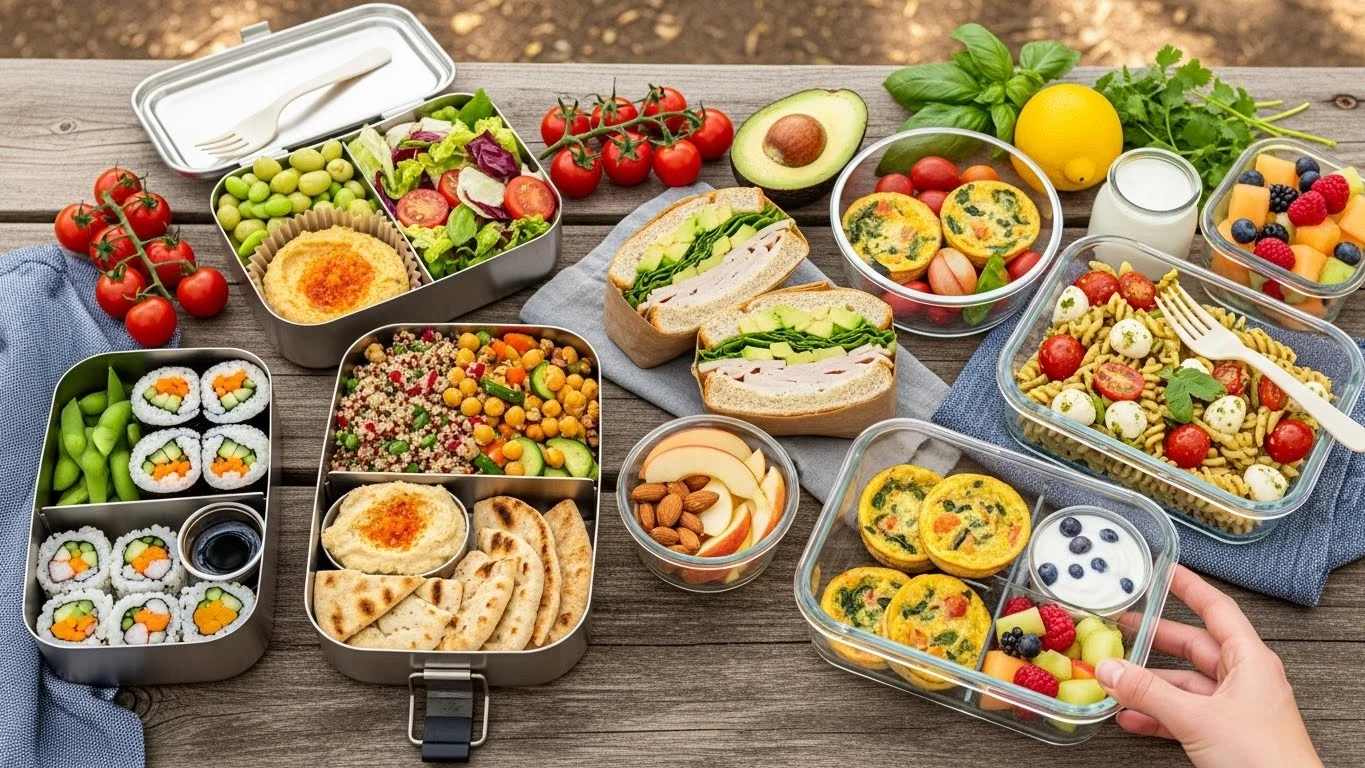
A packable lunchbox is simply a container designed to hold meals that can be easily transported. These lunchboxes come in various shapes, sizes, and materials, from insulated designs to bento-style boxes. I’ve found that having a good lunchbox makes all the difference in keeping my meals fresh and organized. When I pack my lunch, I usually look for one that has compartments, so I can separate different items without worrying about everything mixing together. This way, I can enjoy a variety of foods throughout the day.
Benefits of Using a Packable Lunchbox
There are so many benefits to using a packable lunchbox that I’ve come to appreciate. First and foremost, it saves money. Eating out can add up quickly, especially if I’m grabbing lunch on the go. Packing my meals allows me to control my budget while enjoying tasty, homemade options. Plus, I can experiment with different recipes or use leftovers from dinner. Another huge benefit is the health factor. When I prepare my own meals, I can choose healthier ingredients, control portion sizes, and avoid added sugars and preservatives often found in takeout. I feel much better when I eat meals packed with fresh ingredients, and I notice a difference in my energy levels throughout the day. Lastly, there’s the convenience of having something ready to grab when I’m in a rush. I remember days when I would scramble to find something to eat on my lunch break, only to end up with fast food or snacks that left me feeling sluggish. Now, with a packable lunchbox, I can ensure that I have something nutritious at hand, making my life so much easier. Read Interesting article: Traveling While Pregnant: Must-Have Nutrients Explained
Choosing the Right Lunchbox for Your Needs
Choosing the right lunchbox has been a journey for me. There are a few things I think about whenever I shop for one. First, consider the size. If I’m packing meals for myself or for my kids, I want something spacious but not too bulky. I’ve found that lunchboxes that have multiple compartments are ideal. They allow me to pack a main dish, side items, and even a treat! Next, I look at insulation. If I’m packing items that need to stay cool, like yogurt or salads, I prefer insulated lunchboxes. They keep everything fresh and safe until lunchtime. Also, consider the material. I often choose BPA-free plastic or stainless steel for durability and to avoid harmful chemicals. Finally, I think about ease of cleaning. After a long day, the last thing I want to do is struggle with washing my lunchbox. I appreciate those that are dishwasher-safe, as it saves me time and effort.
Budget-Friendly Ingredients for Lunchbox Meals
Staple Pantry Items
When it comes to packing lunches, I’ve learned that having a well-stocked pantry can make all the difference. I like to keep staples on hand that are versatile and budget-friendly. Some of my favorites include rice, pasta, canned beans, and lentils. These items can serve as a base for many meals and can be dressed up with various spices or sauces. I also keep canned tomatoes and a variety of spices. These can turn a simple dish into a flavorful one. For example, I can whip up a quick pasta sauce with canned tomatoes, garlic, and Italian seasoning—easy and affordable!
Inexpensive Proteins
Protein is crucial for a satisfying meal, and I’ve found plenty of budget-friendly options. Eggs are one of my go-tos; they’re cheap, versatile, and can be used in salads, wraps, or sandwiches. Canned tuna and chickpeas are also great options that I love to stock up on. They’re not only affordable but can be easily mixed into salads or spreads. I’ve also discovered that buying larger packs of chicken or beef can save money in the long run. I usually cook a big batch and freeze portions. That way, I always have a protein source ready for my lunchbox.
Seasonal Fruits and Vegetables
In my experience, shopping for seasonal fruits and vegetables can really help keep costs down while adding freshness to my lunches. I love visiting local farmers’ markets to grab whatever is in season. Not only is it often cheaper, but the produce tastes so much better. For example, in the summer, I can fill my lunchbox with fresh berries, cucumbers, and tomatoes. In the fall, I enjoy apples and squash. Incorporating these seasonal items into my meals not only saves money but also supports local growers, which I feel good about.
Cost-Effective Grains and Carbs
I’ve found that grains and carbs can be budget-friendly and filling. Brown rice, quinoa, and whole grain pasta are usually staples in my kitchen. They can be cooked in bulk and paired with proteins and veggies for a complete meal. Another great option is oats. I often pack overnight oats for breakfast or snacks. They’re inexpensive and can be customized with fruits, nuts, or yogurt. This versatility makes them a favorite for my lunchbox.
Delicious Packable Lunchbox Recipes
Protein-Packed Wraps
When it comes to packing a filling lunch, wraps are a staple in my rotation. They’re easy to make, fun to eat, and there are endless combinations to try. I often mix and match ingredients based on what I have at home and what I’m in the mood for. Here are a couple of my favorites that I think you’ll love too!
Tuna Salad Wrap
This wrap is not only quick to prepare but also incredibly delicious. I start with a whole grain tortilla and spread a thin layer of hummus for added flavor. Then, I mix canned tuna with a bit of Greek yogurt, mustard, and diced celery for crunch. I add fresh spinach or lettuce, a few slices of tomato, and roll it all up. It’s packed with protein and keeps me satisfied well into the afternoon. Plus, it’s a great way to use pantry staples like canned tuna and spices.
Chicken and Veggie Wrap
For this wrap, I love using leftover grilled chicken. I slice it up and toss it with some chopped bell peppers, cucumbers, and a drizzle of balsamic vinaigrette. I usually layer everything on a spinach tortilla, and if I have some feta cheese or avocado on hand, I’ll throw that in too. Rolling it up is a breeze, and it makes for a colorful and nutritious lunch that is easy to grab and go!
Hearty Salads
Salads are another great choice for a packable lunch. I’ve found that if I layer my ingredients properly, they can stay fresh until lunchtime without getting soggy. Here are two salad recipes that I keep coming back to.
Quinoa Salad with Chickpeas
This salad is a game-changer. I start by cooking a batch of quinoa (it’s super easy and filling!) and let it cool. I then mix it with canned chickpeas, diced cucumbers, bell peppers, and cherry tomatoes. For dressing, a simple mix of olive oil, lemon juice, salt, and pepper does the trick. It’s refreshing, loaded with protein, and keeps well throughout the week. I sometimes add herbs like parsley or cilantro for extra flavor, which I think really elevates it.
Pasta Salad with Seasonal Veggies
Pasta salad is a classic that I make often, especially during warmer months. I cook whole grain pasta and toss it with whatever seasonal vegetables I have, like zucchini, asparagus, or cherry tomatoes. A splash of olive oil, a sprinkle of Italian seasoning, and some grated parmesan cheese bring it all together. This dish is not only satisfying but also a great way to use up leftovers from the fridge.
Fun and Nutritious Bento Boxes
There’s something so enjoyable about a bento box. It feels like a little adventure every time I open it up! I like to mix different components, and I’ve found that kids love the variety, too.
DIY Sushi Rolls
I’ve recently taken to making my own sushi rolls, and it’s become a fun activity for my family. I use sushi rice, nori sheets, and fill them with ingredients like cucumber, avocado, and crab meat or tofu for a vegetarian option. After rolling them up, I slice them into bite-sized pieces that fit perfectly in my lunchbox. They’re not only delicious but also a great conversation starter!
Mini Meatballs with Dipping Sauce
Mini meatballs are a hit at my house, and they’re super easy to make. I mix ground turkey or beef with breadcrumbs, spices, and a little parmesan, then bake them. I pack a few meatballs in my lunchbox with a small container of marinara sauce for dipping. I love that I can add some carrot sticks or whole grain crackers for a complete meal that feels a bit like a treat.
Simple Sandwiches
Sometimes, there’s nothing better than a good sandwich. They’re quick to make and can be tailored to fit any taste preference. Here are two simple sandwiches that I turn to often.
Classic Egg Salad Sandwich
I usually whip this up when I have some hard-boiled eggs on hand. I mash the eggs with a bit of mayonnaise, mustard, and diced pickles for extra zing. Then, I spread it on whole grain bread along with a layer of lettuce. It’s creamy, satisfying, and reminds me of picnics from my childhood.
Vegetable and Hummus Sandwich
This sandwich is perfect for a light lunch. I spread hummus on whole grain bread and layer it with fresh vegetables like cucumbers, spinach, and bell peppers. Sometimes I add a slice of cheese or a sprinkle of seeds for added crunch. It’s easy to make and packed with nutrients, making it a great choice for any day of the week.
Snacks to Include in Your Lunchbox
Fruits and Vegetables
When it comes to snacking, I love adding fruits and vegetables to my lunchbox. They’re not only nutritious but also help to satisfy my mid-day cravings. I often choose items that are easy to pack and eat on the go. One of my favorites is apple slices with peanut butter. I slice a crisp apple and pack a small container of peanut butter for dipping. It’s a perfect combination of sweet and savory, and it keeps me full until my next meal.
Apple Slices with Peanut Butter
This snack is not just delicious; it’s also super easy to prepare. Simply slice the apple and arrange the slices in my lunchbox. To prevent browning, I sometimes sprinkle a bit of lemon juice on them. The peanut butter provides protein and healthy fats, turning a simple fruit into a satisfying snack. I love how versatile this option is, and it makes me feel good knowing I’m fueling my body with something healthy.
Carrot Sticks with Hummus
Another go-to snack for me is carrot sticks paired with hummus. I usually peel and cut up a few carrots and pack them alongside a small container of hummus. Not only is this combo crunchy and refreshing, but it also adds a nice burst of color to my lunchbox. Hummus is incredibly versatile, so I often switch it up with different flavors like roasted red pepper or garlic, depending on my mood. This snack keeps my energy levels steady and is so satisfying!
Healthy Treats
Snacks don’t always have to be just fruits and veggies; I like to include a few healthy treats to satisfy my sweet tooth. I’ve found that making my own snacks at home can save money and provide a healthier alternative to store-bought options. Read Interesting article: Essential Diapering Techniques for On-the-Go Parents
Homemade Granola Bars
Granola bars are a fantastic snack that I often prepare in batches. I mix oats, honey, nut butter, and whatever add-ins I have on hand, like nuts, seeds, or dried fruits. After mixing them together, I press the mixture into a baking dish and let it set in the fridge. Once they’re firm, I cut them into bars. These are great for a quick grab-and-go snack, and I can customize them to suit my taste. Plus, they’re a hit with my kids, which is always a bonus!
Popcorn Seasoned with Herbs
Popcorn is another favorite of mine, especially when I’m looking for something crunchy. I make my popcorn using an air popper and then sprinkle it with different herbs and spices. Sometimes I’ll go for a savory garlic and rosemary mix, or I might opt for a sweet cinnamon sprinkle. This snack is not only low-cost but also fun to experiment with different flavors. It’s light and airy, so I can munch on it without feeling guilty.
Meal Prep Tips for Cost-Effective Lunches
Planning Your Weekly Menu
Meal prepping has become a game changer for me in terms of saving both time and money. I sit down once a week to plan out my meals, including lunches. By mapping out what I want to eat, I can make sure I’m using everything I buy and reducing food waste. I usually jot down a list of ingredients for each dish and then create my grocery list based on that. This way, I only buy what I need, keeping my budget in check.
Batch Cooking Techniques
Batch cooking has been one of the most effective strategies I’ve implemented. I often choose a day, usually Sunday, to cook larger portions of meals that can be enjoyed throughout the week. For example, I’ll prepare a big pot of chili, quinoa, or rice and then portion it out for lunches. This not only saves me time during the busy week but also helps me stick to my budget since I can buy ingredients in bulk. I love knowing that I have healthy meals ready to go!
Proper Storage Tips for Freshness
Storing my prepared meals properly is crucial for keeping them fresh. I recommend investing in good quality containers that are airtight and leak-proof. I usually use glass containers that can go from the fridge to the microwave, which makes reheating a breeze. Additionally, I always label my meals with the date I prepared them. This helps me keep track of freshness and ensures I’m eating what I’ve made in a timely manner. Nothing feels better than opening the fridge and seeing a week’s worth of delicious, ready-to-eat lunches waiting for me!
How to Save Money on Lunchbox Ingredients
Shopping on a Budget
When I go grocery shopping, I always keep my budget in mind. I’ve learned to prioritize sales and stick to my list to avoid impulse buys. I often shop at local markets or discount stores where I can find great deals on fresh produce. Buying seasonal fruits and vegetables not only helps my wallet but also improves the flavor of my meals. I also try to buy generic brands for staples like grains and canned goods, as they often taste just as good as name brands but come at a lower price.
Using Coupons and Discounts
I’ve found that using coupons is a great way to save money on my grocery bills. I always check weekly ads for coupons before heading to the store. Many grocery stores also have apps that offer digital coupons, which I find super convenient. Combining sales with coupons can lead to significant savings, especially on items I regularly use, like snacks, proteins, or even lunchbox essentials.
Buying in Bulk vs. Small Portions
Buying in bulk can be a money-saver for items that I use frequently. I often stock up on grains, nuts, and dried fruits when they are on sale. However, I’ve also learned that it’s essential to balance bulk buying with what I can realistically use before it goes bad. For example, if I know I won’t finish a large bag of spinach in time, I’ll opt for smaller portions instead. This way, I minimize waste while still taking advantage of lower prices.
Frequently Asked Questions
What is a packable lunchbox?
A packable lunchbox is a container designed to hold meals that can be easily transported. They come in various shapes, sizes, and materials, and often feature compartments to keep different food items separate.
What are the benefits of using a packable lunchbox?
Using a packable lunchbox saves money by allowing you to prepare and pack homemade meals instead of eating out. It also promotes healthier eating by giving you control over ingredients and portion sizes. Additionally, it offers convenience by having nutritious meals ready to grab when you’re in a rush.
How do I choose the right lunchbox?
When choosing a lunchbox, consider the size and number of compartments it has for packing different food items. Look for insulated options if you need to keep items cool. The material is also important; BPA-free plastic or stainless steel are good choices for durability. Lastly, consider ease of cleaning, opting for dishwasher-safe options when possible.
What are some budget-friendly ingredients for lunchbox meals?
Budget-friendly ingredients include staple pantry items like rice, pasta, canned beans, and lentils. Inexpensive protein sources like eggs, canned tuna, and chickpeas are also great options. Additionally, seasonal fruits and vegetables can add freshness while keeping costs down.
What are some easy packable lunchbox recipes?
Some easy recipes include protein-packed wraps like tuna salad wraps and chicken and veggie wraps, hearty salads such as quinoa salad with chickpeas and pasta salad with seasonal veggies, as well as simple sandwiches like classic egg salad and vegetable and hummus sandwiches.
What snacks should I include in my lunchbox?
Great snack options include fruits and vegetables like apple slices with peanut butter and carrot sticks with hummus. You can also prepare healthy treats like homemade granola bars and seasoned popcorn for a satisfying crunch.
How can meal prepping help with cost-effective lunches?
Meal prepping helps save time and money by allowing you to plan your meals in advance, ensuring you use all ingredients purchased and reduce food waste. Batch cooking larger portions of meals and properly storing them can also make weekday lunches more convenient and budget-friendly.
What are some tips for saving money on lunchbox ingredients?
To save money, prioritize shopping sales and stick to a grocery list to avoid impulse buys. Consider using coupons and digital discounts available through grocery store apps. Buying in bulk for frequently used items can also be cost-effective, but be mindful of what you can realistically use to prevent waste.
What are the advantages of using seasonal fruits and vegetables?
Shopping for seasonal fruits and vegetables not only keeps costs down but also enhances the flavor of your meals. Seasonal produce is often fresher, more nutritious, and supports local farmers, making it a beneficial choice for both your health and the community.
How can I keep my packed meals fresh?
To keep packed meals fresh, invest in good quality airtight and leak-proof containers. Using glass containers that are microwave safe makes reheating easier. Labeling meals with preparation dates helps ensure you consume them while they’re still fresh.