
Traveling with kids can feel like a rollercoaster ride, especially when tantrums strike. I’ve been there, and I know how chaotic those moments can be. Let’s explore some practical parenting hacks to manage those meltdowns while making family trips enjoyable. Read Interesting article: Traveling with Toddlers: Taming Tantrums on the Go
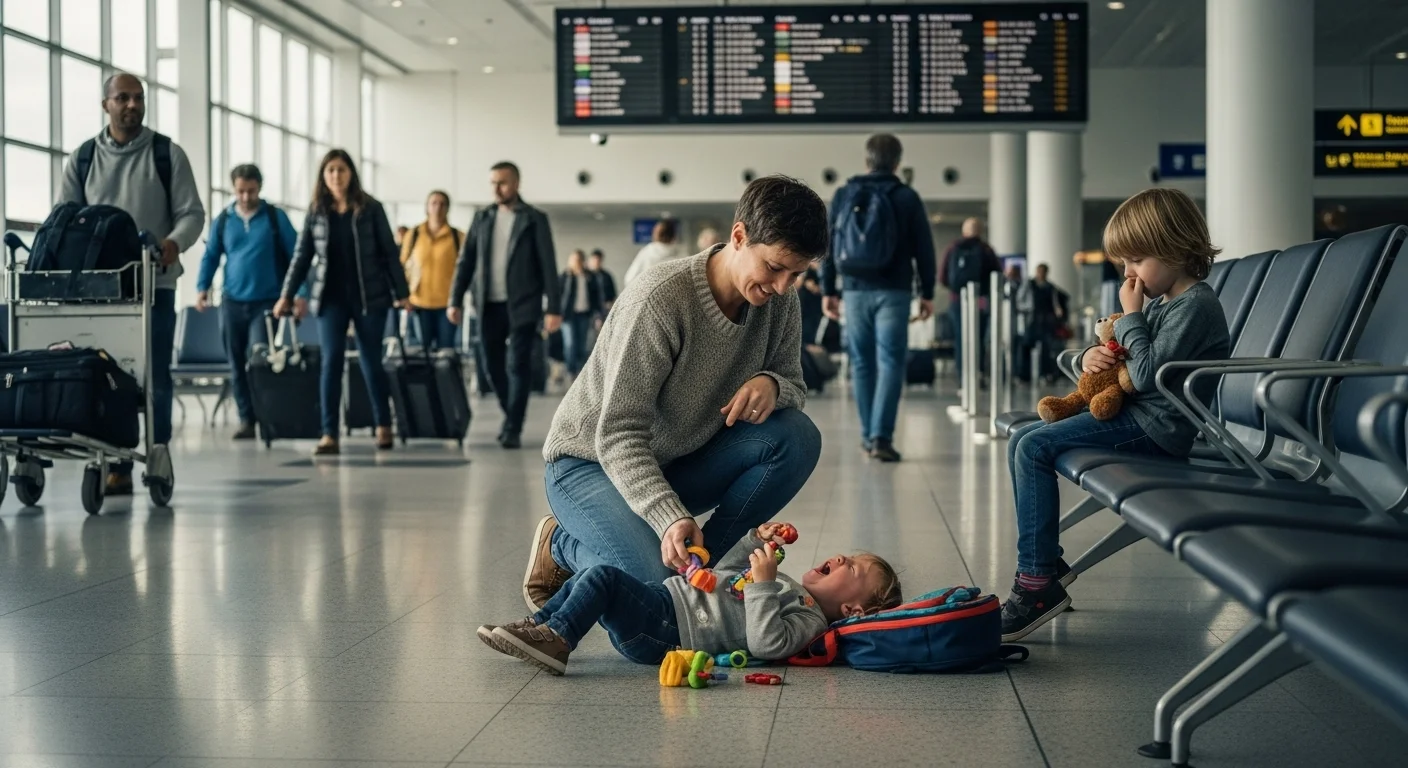
Understanding Tantrums: The Basics
As a parent, I’ve learned that tantrums are often a natural part of childhood. They can happen for various reasons, and understanding the root causes can help us manage them better, especially when traveling. I remember my first big family trip; my little one had a meltdown right before boarding the plane. It was overwhelming, but I realized that knowing what to expect could have made things smoother.
What Causes Tantrums in Children?
Children, especially toddlers and preschoolers, can become overwhelmed by feelings they don’t fully understand. Tantrums often stem from frustration, fatigue, hunger, or a sense of losing control. I’ve noticed that when my child feels tired or overstimulated, their threshold for patience diminishes. It’s like a little switch flips, and suddenly, they’re upset over the smallest things—like not being able to find their favorite toy or wanting a snack that’s out of reach.
I’ve also found that developmental stages play a significant role. As kids grow, they test boundaries and assert their independence, which can lead to more frequent outbursts. Understanding this can really help us respond with empathy rather than frustration. When I remind myself it’s part of their development, I find it easier to stay calm during those tough moments.
Common Triggers During Travel
Travel adds a unique layer of challenges. There are so many factors at play—new environments, changes in routine, and the unpredictability of transportation. I’ve identified a few common triggers that can lead to tantrums during travel:
- Change in Routine: Kids thrive on routine, and travel disrupts that. Whether it’s meal times, nap times, or bedtime, shifting schedules can lead to meltdowns.
- Overstimulation: Airports, train stations, and busy tourist attractions can be overwhelming. The noise, crowds, and constant movement can easily make kids feel anxious or overstimulated.
- Fatigue and Hunger: Long travel days can lead to tired and hungry kids, which is a recipe for disaster. I’ve learned to be proactive about snacks and breaks.
- Unmet Expectations: Kids often have their own ideas of what travel should be like. If a plan changes, or they don’t get to do something they were excited about, they can feel disappointed.
Recognizing these triggers helps us anticipate potential issues and come up with strategies to minimize them. I’ve found that by being mindful of these common challenges, I can prepare better and set my kids up for success during our adventures. Read Interesting article: Traveling with Toddlers: Smart Discipline Strategies to Use
Preparation: Setting the Stage for a Smooth Trip
Preparation has been a game-changer for me in managing tantrums while traveling. I’ve learned that a little planning goes a long way in creating a more enjoyable experience for the whole family. Here are some tips that have worked wonders for us:
Choosing the Right Destination for Families
When planning our trips, I always consider whether the destination is family-friendly. Parks, beaches, and kid-centric attractions tend to make for happier kids. I remember one trip where we chose a bustling city with lots of museums but ended up realizing that our kids needed more outdoor time. Now, I prioritize destinations that offer a balance of activities for both adults and children.
Planning an Itinerary with Kids in Mind
Creating a flexible itinerary has been crucial. Kids have their own pace, and I’ve learned that cramming too much into one day can lead to tantrums. I try to include downtime between activities, allowing for breaks when they need to recharge. I’ve found that including fun activities, like visiting a local playground or having a picnic, can make all the difference.
Packing Essentials: Toys, Snacks, and Comfort Items
Packing wisely is another key element. I always bring along a variety of snacks—healthy options and treats—because hunger can quickly lead to meltdowns. I also pack their favorite toys, books, or gadgets to keep them entertained during downtime. Comfort items, like a beloved blanket or stuffed animal, can provide a sense of security in unfamiliar places. I can’t tell you how many times a simple stuffed animal helped soothe a restless child during a long flight.
In my experience, being prepared not only alleviates the chances of tantrums but also allows us to enjoy our trips more. When the kids feel comfortable and happy, we all have a better time together. The memories we create as a family during our travels are precious, and I want to cherish every moment, tantrums included!
Traveling by Plane: Tips for Managing Meltdowns
Flying with kids can be one of the most challenging aspects of family travel. I remember the first time we took a plane trip with our children; it felt like an adventure mixed with a bit of anxiety. I learned that preparation is key to reducing the chances of a meltdown at 30,000 feet. Here are some tips that have worked for us.
Pre-Flight Preparation: What to Discuss with Your Child
Before heading to the airport, I make it a point to talk with my kids about what to expect during the flight. I explain things like the security process, boarding the plane, and how long the flight will take. For younger kids, I use visuals or even videos to illustrate the airport experience. This helps them feel more prepared and less anxious. I found that when they know what’s coming, they are less likely to be caught off guard and more willing to cooperate.
Additionally, I encourage them to ask questions. Sometimes, just having an open dialogue can ease their worries. I remember one flight where my daughter was particularly nervous about the takeoff. After discussing it and reassuring her about the safety measures in place, she felt much more at ease. It’s amazing how a little conversation can make a big difference!
During the Flight: Keeping Kids Engaged
Once we’re on the plane, keeping my kids entertained is crucial. I’ve learned that a mix of activities works best. I pack a small bag filled with coloring books, puzzles, and their favorite toys. I also download shows and movies on our tablet, ensuring there’s something they love to watch if boredom strikes. I can’t tell you how many times a good movie has saved us from a potential meltdown!
Interactive games like “I Spy” or “20 Questions” are also great for passing the time. I often play these games with my kids, and it not only distracts them but also gives us quality bonding time. I remember one flight where we played a long game of “I Spy,” and it turned the whole experience into a fun memory rather than a stressful one.
Dealing with Delays: Strategies for Patience
Delays can happen, and they can be especially tough when traveling with kids. I’ve experienced my fair share of extended layovers or flight cancellations. To combat this, I always prepare for the possibility of delays. I pack extra snacks and some small activities that can be done easily in a confined space.
When faced with a delay, I try to keep things light. I remind my kids that delays are a part of travel and that we can use the time to explore the airport or have a little fun. I’ve noticed that when I approach delays with a positive attitude, my kids tend to mirror that energy. We’ve turned what could have been a frustrating wait into an adventure, exploring different shops or grabbing a bite to eat together.
Traveling by Car: Avoiding Tantrums on the Road
Car trips can be just as challenging as flying, especially on long journeys. Over the years, I’ve picked up some strategies to help minimize tantrums and make our road trips more enjoyable.
Choosing the Right Time to Travel
Timing is everything when it comes to road trips. I’ve learned that traveling during my kids’ naptime or late in the evening can work wonders. When they sleep, the drive goes by much more smoothly. However, if that’s not possible, I try to plan our travel times around their energy levels. For instance, starting our journey in the morning after a good night’s sleep can help everyone feel more rested and ready for the adventure ahead.
Entertainment Options: Games and Audiobooks
Staying entertained on the road is essential. I love using audiobooks and podcasts for family-friendly storytelling. They captivate my kids’ attention and spark their imaginations. I remember one long drive where we listened to a gripping story that had everyone on the edge of their seats. It turned the mundane drive into an engaging experience!
We also play car games like the license plate game or sing-alongs to our favorite songs. I find that these group activities not only keep them entertained but also create lasting memories. The laughter and fun we share while playing these games often help diffuse any potential frustration.
Frequent Breaks: The Importance of Stretching and Snack Stops
Frequent breaks are essential during long car rides. I try to plan our route with stops in mind, allowing the kids to stretch, run around, and take a break from sitting. I’ve found that a quick stop at a park or rest area can rejuvenate their spirits tremendously. Plus, it’s a great opportunity to grab a snack and refuel our energy.
When we stop, I encourage the kids to play for a bit before getting back in the car. This little bit of movement goes a long way in keeping tantrums at bay. I’ve noticed that when they have an outlet for their energy, they’re much more relaxed and ready to continue our journey.
In-Public Strategies: Handling Tantrums on the Go
When we’re out and about, tantrums can strike at any moment, catching us off guard. Over time, I’ve found that having a few strategies up my sleeve can really help manage those tricky situations, especially when we’re in public places. Here are some techniques that I’ve relied on to make these moments more manageable.
Staying Calm: Techniques for Parents
One of the most important things I’ve learned is the power of staying calm myself. It’s easy to feel overwhelmed when my child is having a meltdown, but I’ve realized that my reaction can set the tone for the whole situation. I remember a time when my son threw a tantrum in a busy store. Instead of reacting with frustration, I took a deep breath and reminded myself that this was a moment for empathy rather than annoyance. I’ve found that maintaining a calm demeanor can help soothe my child, as they often take cues from my emotional state.
When I feel my patience wearing thin, I use a few simple techniques to keep myself grounded. Taking slow, deep breaths can help me regain my composure. Sometimes, I even step aside for a moment to collect my thoughts, reminding myself that this too shall pass. I’ve noticed that when I’m calm, my child tends to calm down much faster, too.
Redirecting Attention: Quick Distractions
Distraction has been a lifesaver for us during meltdowns. I’ve discovered that shifting my child’s focus can often diffuse a tantrum before it escalates. For instance, when my daughter starts to get upset in a restaurant, I might point out something interesting happening nearby, like a funny waiter or a colorful decoration. I’ve found that engaging their curiosity can pull them out of their emotional spiral.
I keep a mental list of quick distractions that work for my kids. Sometimes, it’s as simple as asking them to help me find something in the store, or suggesting a game like “I Spy.” I also carry small toys or fidget items in my bag that they can play with when frustration builds. Having these little tools on hand can be a game-changer. Once, during a long wait at a café, I pulled out a small puzzle, and my kids were so engaged that they completely forgot about being bored and restless.
Finding Safe Spaces: Where to Go When a Tantrum Hits
There are times when a tantrum feels unavoidable, and in those moments, I’ve learned the importance of finding a safe space to ride it out. This doesn’t mean I have to leave the situation entirely; rather, I look for a quieter spot nearby where my child can feel more secure, like a corner of the park or a bench away from the crowd. I remember once at a family gathering, my son became overwhelmed by all the noise and activity, which led to a meltdown. Instead of staying in the chaos, we stepped outside for a few minutes, and the fresh air worked wonders.
In addition, I’ve learned it’s useful to identify places we frequent that have designated “quiet areas,” like libraries or certain parks that provide a bit of a retreat. Having these spots in mind gives me a plan during outings, making it easier to respond when emotions run high. Knowing I have a place to go helps me feel more in control, which, in turn, helps my kids feel more secure. Read Interesting article: Effective Discipline Strategies for Traveling with Toddlers
Post-Tantrum: Recovery and Learning
After a tantrum has passed, I believe it’s essential to focus on recovery—not just for my child but for myself, too. It’s easy to brush off the moment and move on, but I’ve found that taking time to reflect and learn from the experience can be beneficial for both of us.
Understanding Your Child’s Emotions
After the dust settles, I try to talk with my child about what just happened. I’ve learned that helping them identify their feelings can lead to better emotional regulation in the future. For example, I might say, “I noticed you were feeling really upset because you wanted that toy. It’s okay to feel frustrated.” I find that giving them the language to express their emotions helps them understand themselves better. It also opens up a dialogue where they feel heard and validated, which is so important.
Discussing What Happened: Talking It Out
I’ve also found it helpful to have a calm discussion about the tantrum itself. I ask them what triggered their feelings and what they think might help the next time they feel that way. This approach has led to some insightful conversations. Once, my daughter told me that she felt ignored when I was talking to someone else. Knowing this has helped me be more aware of her feelings in social settings. I always make sure to approach these discussions gently, focusing on problem-solving rather than blame.
Implementing Rewards and Positive Reinforcement
To encourage positive behavior, I’ve started to implement small rewards for managing emotions well in public. I’ve used a sticker chart for my kids, where they earn stickers for staying calm during outings. When they reach a certain number, we celebrate with a fun family activity or treat. This not only motivates them but also reinforces the idea that managing emotions is a positive achievement. I remember the pride in my son’s face when he filled his chart—he felt empowered, and that sense of accomplishment helped him feel more confident in handling future challenges.
Frequently Asked Questions
What are common causes of tantrums in children while traveling?
Common causes of tantrums in children during travel include frustration, fatigue, hunger, and a sense of losing control. Changes in routine and overstimulation from new environments can also trigger meltdowns.
How can parents prepare for travel with kids to minimize tantrums?
Parents can prepare by choosing family-friendly destinations, planning a flexible itinerary, and packing essentials like snacks, toys, and comfort items to keep kids entertained and comfortable.
What strategies can be used to manage tantrums during a flight?
To manage tantrums during a flight, parents should prepare their children by discussing the flight experience, keeping them engaged with activities, and being ready for delays with extra snacks and small activities.
What are effective ways to keep kids entertained during long car trips?
Effective ways to keep kids entertained during long car trips include using audiobooks and podcasts, playing car games, and planning frequent breaks for stretching and snacks.
What should parents do when a tantrum occurs in public?
When a tantrum occurs in public, parents should stay calm, use distraction techniques, and find a safe space to help their child feel more secure and ride out the moment.
How can parents help their children understand their emotions after a tantrum?
Parents can help their children understand their emotions after a tantrum by discussing what triggered the feelings and encouraging them to express their emotions, which can aid in emotional regulation.
What role does preparation play in preventing tantrums while traveling?
Preparation plays a crucial role in preventing tantrums by allowing parents to anticipate potential issues and create a more enjoyable travel experience through planning and packing appropriately.
How can parents use positive reinforcement to encourage good behavior?
Parents can use positive reinforcement by implementing small rewards, such as a sticker chart, to celebrate their children’s ability to manage emotions well during outings, motivating them to continue positive behavior.
What types of activities can parents bring on a plane to keep kids occupied?
Parents can bring a variety of activities on a plane, such as coloring books, puzzles, toys, and downloaded shows or movies, to keep their kids engaged and entertained during the flight.
How can parents approach discussions about tantrums with their children?
Parents can approach discussions about tantrums by calmly talking about what happened, asking about triggers, and focusing on problem-solving rather than placing blame, which helps children feel heard and validated.