
Permissive parenting is a popular style that often sparks debate among caregivers and educators. Understanding its impact on children is essential for fostering healthy development. For further insights, you can explore Navigating the Challenges of Permissive Parenting Styles.
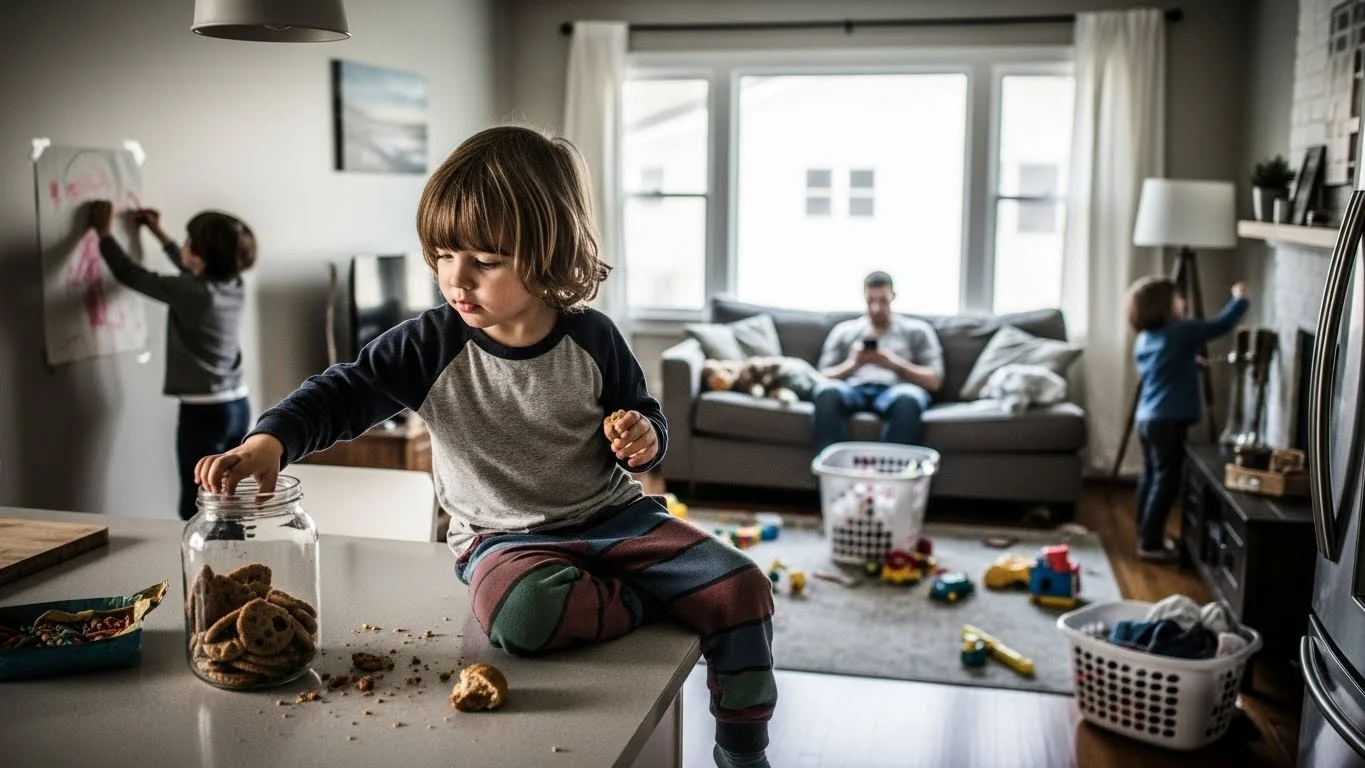
Understanding Permissive Parenting
Definition of Permissive Parenting
Permissive parenting, in my experience, is characterized by a high level of warmth and affection, accompanied by few, if any, rules or boundaries. This approach encourages children to express themselves freely, often leading to a relaxed atmosphere at home. However, it can sometimes mean that parents are more like friends than authoritative figures. I’ve observed that permissive parents tend to prioritize their child’s happiness and avoid confrontation, which can create a unique dynamic in the parent-child relationship.
Characteristics of Permissive Parents
I’ve noticed that permissive parents often display certain traits that set them apart. Here are some common characteristics:
- High Responsiveness: They are usually very responsive to their child’s needs, providing emotional support and comfort.
- Low Demands: They tend to have few expectations regarding behavior, chores, or academic performance.
- Freedom of Choice: Children are often given the freedom to make their own choices, from what to wear to how to spend their time.
- Avoidance of Discipline: Discipline is generally minimal, often leading to a lack of structured consequences for misbehavior.
In my observations, these characteristics create an environment where children feel loved and accepted but might struggle with understanding limits and accountability.
Comparison with Other Parenting Styles
When comparing permissive parenting to other styles, like authoritative, authoritarian, and neglectful parenting, I found some striking differences. Authoritative parents balance warmth with clear rules, while authoritarian parents are strict with little emotional warmth. Neglectful parents, on the other hand, provide neither warmth nor rules. Each style has its unique effects on child development, but permissive parenting tends to lean heavily towards freedom without sufficient structure. In my opinion, understanding these differences can help us see how they influence a child’s upbringing and personality. For more details, check out The Hidden Effects of Permissive Parenting on Kids’ Behavior.
Impact on Child Development
Emotional Development
Through my interactions with children raised in permissive households, I’ve seen how this style can significantly affect emotional development. Kids often display high self-esteem and feel comfortable expressing their feelings. However, I’ve also observed that without guidance, they may struggle with emotional regulation. They might not learn how to cope with disappointment or frustration effectively. I remember a friend’s child who would throw tantrums when things didn’t go their way, simply because they were not accustomed to facing limits.
Cognitive Development
In terms of cognitive development, permissive parenting can lead to mixed outcomes. Children often develop creativity and critical thinking skills since they are encouraged to explore and ask questions. However, I noticed that they might lack focus and discipline when it comes to academics. My niece, for example, thrived in creative pursuits but struggled with completing her homework because she had never been required to adhere to a structured schedule or routine.
Social Skills and Peer Relationships
Socially, I’ve found that children raised in permissive environments can be quite friendly and outgoing. They often feel comfortable interacting with peers and forming relationships. However, a lack of boundaries sometimes leads to difficulties understanding social norms. I recall a situation where a child was reprimanded by peers for not respecting personal space, a concept that was foreign to them. This highlights how permissive parenting can create gaps in social skills, which can be challenging as they navigate friendships.
Behavioral Issues and Discipline
Behaviorally, permissive parenting can lead to a lack of discipline. Kids may not learn the importance of rules or respect for authority, which can manifest as defiance or entitlement. I remember discussing this with a group of friends, and we shared stories of children who tested boundaries incessantly. The absence of consistent consequences can mean that they might struggle when faced with authority figures outside the home, like teachers or coaches. I think it’s crucial for parents to recognize that a balance of love and limits is important in guiding children toward responsible behavior. Additionally, understanding how permissive parenting shapes your child’s future success is vital, as explored in How Permissive Parenting Shapes Your Child’s Future Success.
Positive Aspects of Permissive Parenting
Creativity and Independence in Children
One thing I’ve noticed about permissive parenting is that it often nurtures creativity and independence in children. With the freedom to explore their interests without too many restrictions, kids tend to develop unique talents and ideas. I remember a neighbor’s son who had a passion for painting. His parents encouraged him to express himself artistically, providing him with supplies and space to create. As a result, he became not just a talented painter but also someone who was confident in his choices. This sense of independence can be incredibly empowering for kids, allowing them to take risks and learn from their experiences.
From my experience, when children are given the freedom to pursue their passions, they often emerge more resourceful and innovative. They learn to think outside the box and are less afraid of failure. I’ve even seen this in my own family; my cousin, who grew up in a permissive environment, became an entrepreneur at a young age, starting his own little business selling handmade crafts. His parents supported his ventures without imposing overly strict expectations, which I believe played a significant role in his success.
Open Communication and Trust
Another positive aspect of permissive parenting that I’ve come to appreciate is the emphasis on open communication and trust. In my interactions with children from permissive homes, I’ve often found that they feel comfortable sharing their thoughts and feelings with their parents. This open line of communication can lead to a strong bond between parents and children. I recall a conversation I had with a friend whose children felt safe discussing their challenges and aspirations without fear of judgment or reprimand.
This trust fosters a sense of security, encouraging kids to be honest about their mistakes and successes alike. I believe this kind of environment allows children to develop a healthy self-image. They learn that it’s okay to express themselves and that their opinions matter, which can be crucial as they grow into adulthood. For me, I’ve seen how this strong foundation of communication can help children navigate difficult situations, as they feel they have a supportive network to rely on.
Challenges and Risks of Permissive Parenting
Potential for Low Self-Discipline
While there are definitely benefits to permissive parenting, I’ve also observed some challenges that come with this style, particularly regarding self-discipline. Children raised in permissive households might struggle with self-regulation and impulse control because they’re not accustomed to adhering to rules or limits. I remember working with a child who had difficulty completing tasks and often lost focus. When I spoke with their parents, they mentioned that they typically allowed their child to decide when and how to finish homework, which explained some of the struggles we were encountering.
This lack of structure can lead to difficulties later on in life, particularly in academic settings or job environments. When kids are not taught how to manage their time or responsibilities, they may find it challenging to meet deadlines or follow through with commitments. From my perspective, instilling self-discipline is crucial for long-term success, and finding that balance can be particularly challenging for permissive parents.
Struggles with Authority and Rules
Another significant challenge I’ve seen with permissive parenting is that children may struggle to respect authority figures and rules outside the home. I often hear stories from teachers about students who push boundaries in the classroom, leading to conflicts. I remember a case where a teacher had to address a student’s behavior that was completely inappropriate, only to find out that the child had never faced any real consequences at home for similar actions.
This can create a ripple effect, making it difficult for children to adapt to environments where rules are strictly enforced. In my opinion, it’s essential for children to experience a variety of settings and learn to navigate different expectations. I believe that a lack of exposure to authority can lead to misunderstandings and difficulties in social interactions, particularly as they transition into teenage years and adulthood.
Impacts on Academic Performance
Academically, permissive parenting can also lead to challenges. I’ve noticed that children who are not held accountable for their schoolwork often struggle to achieve their full potential. Without the pressure to complete assignments or study for tests, they may lack motivation or direction. A friend of mine had a child who excelled in school but would often neglect homework and projects, relying on natural intelligence rather than consistent effort. This eventually led to academic struggles and a lack of confidence.
In my experience, children benefit from understanding the importance of education and hard work from an early age. When parents provide support while also setting expectations, children typically perform better academically and develop a sense of responsibility toward their education. It’s a delicate balance, but one that can have lasting effects as children grow and face the pressures of high school and beyond.
Permissive Parenting in Different Cultures
Variations in Parenting Styles Globally
One thing I’ve come to realize is that parenting styles, including permissive parenting, can vary widely across different cultures. In some societies, a permissive approach is more acceptable and even encouraged. I remember speaking with a friend who grew up in a Mediterranean culture where family bonds are incredibly strong, and parents often prioritize emotional connections over strict rules. She shared how her parents allowed her significant freedom to explore her interests, reflecting the cultural emphasis on individualism and self-expression.
On the flip side, in cultures that value collectivism, such as many Asian cultures, there tends to be a stronger emphasis on discipline and conformity. In those settings, permissive parenting might be viewed with skepticism, as the focus shifts toward community expectations and academic achievement. I’ve seen how these cultural influences shape children’s behaviors and relationships, highlighting that what works in one cultural context may not necessarily translate to another.
Societal Norms Influencing Permissive Parenting
Societal norms play a significant role in shaping the permissive parenting style. I often think about how modern lifestyles, with their focus on work-life balance and mental health, affect parenting choices. Many parents today aim to foster emotional intelligence in their children, which can align with permissive principles. However, I’ve noticed that societal pressures can also lead to a more relaxed approach to discipline, especially when parents want to avoid adding stress to their children’s lives.
For instance, during conversations with other parents, I’ve found that many feel conflicted about setting strict rules. They believe that fostering a supportive environment is essential for their child’s mental well-being, yet they also worry about the potential consequences of being too permissive. This delicate dance often reflects broader societal attitudes about parenting, where the desire for children to be happy can sometimes overshadow the need for guidance and structure.
Expert Opinions and Research Findings
Psychological Studies on Permissive Parenting
In my quest to understand permissive parenting better, I dove into various psychological studies. Researchers have explored how permissive parenting impacts children’s long-term outcomes, revealing a mixed bag of results. Some studies suggest that while permissive children may thrive creatively, they often struggle in structured environments. For example, a study I read indicated that these children might have higher levels of anxiety when faced with strict expectations in school settings. This resonated with my own observations, where children from permissive homes often felt overwhelmed by the demands of a more rigid academic environment.
Interestingly, other research highlighted the potential for permissive parenting to lead to higher self-esteem in children. I’ve seen this firsthand; children raised with warmth and affection often carry a sense of confidence that helps them tackle challenges. However, the studies also caution against letting this confidence morph into entitlement, which can happen when children aren’t held accountable for their actions. It’s fascinating to see how nuanced the findings can be, emphasizing the need for balance in parenting approaches.
Insights from Child Development Experts
Consulting experts in child development has provided me with valuable insights into the permissive parenting style. Many experts advocate for a balanced approach, emphasizing the importance of warmth combined with boundaries. I remember attending a seminar where a psychologist discussed how permissive parents can still set limits while maintaining a nurturing environment. They encouraged parents to engage in open dialogue with their children about rules and expectations, fostering a sense of understanding rather than simply enforcing them.
This perspective resonated with me as it highlighted that permissiveness doesn’t mean a lack of structure. It’s about creating an environment where children can thrive while still learning about responsibility. I’ve often thought about how much smoother parenting could be if we adopted this balanced approach, helping kids navigate their freedoms with the knowledge that there are boundaries designed for their well-being.
Practical Tips for Permissive Parents
Finding a Balance Between Freedom and Guidance
From my observations and experiences, finding a balance between freedom and guidance is crucial for permissive parents. I think it starts with recognizing that while it’s wonderful to encourage independence, it’s equally important to provide some structure. I’ve found that setting specific times for homework or activities can help children feel secure while still allowing them the freedom to explore their interests. For example, implementing a “homework hour” where kids can choose when to start but know they need to finish by a certain time has worked wonders.
Setting Boundaries and Expectations
Another essential tip I’ve learned is the importance of setting clear boundaries and expectations. As a permissive parent, I believe it’s vital to communicate what behaviors are acceptable and what consequences will follow if those boundaries are crossed. I remember discussing this with a friend who had a challenging time addressing her child’s behavior. We talked about how outlining rules in advance, such as screen time limits or chores, can prepare children for what’s expected of them and help them feel more secure.
Encouraging Responsibility in Children
Encouraging responsibility is another area where permissive parents can focus their efforts. I’ve witnessed how giving children age-appropriate responsibilities can empower them and help instill a sense of accountability. Whether it’s letting them manage their allowance or assigning simple household tasks, these small steps can encourage kids to take ownership of their actions and decisions. In my family, we’ve implemented a “responsibility chart” that allows kids to track their tasks while celebrating their achievements along the way, fostering a sense of accomplishment.
Resources for Further Reading
Books on Parenting Styles
When it comes to understanding different parenting styles, including permissive parenting, I’ve found that reading insightful books can be incredibly helpful. One of my favorites is “The Whole-Brain Child” by Daniel J. Siegel and Tina Payne Bryson. This book explores the science behind how a child’s brain develops and provides strategies parents can use to nurture their child’s emotional and intellectual growth. I remember feeling enlightened by the ways it illustrated how our parenting style can influence brain development.
Another book that I highly recommend is “Parenting with Love and Logic” by Charles Fay and Foster Cline. This book emphasizes the importance of raising responsible children while still being nurturing. It offers practical advice on how to balance warmth and expectations, which resonates with the challenges I’ve seen in permissive parenting. I believe these resources can provide great insights and help parents navigate their unique parenting journeys.
Websites and Online Communities
The internet is full of valuable resources for parents seeking support and information about permissive parenting. I often visit websites like Parenting.com, where they offer articles and advice on various parenting styles and their impacts. It’s a fantastic platform for connecting with other parents who might be facing similar challenges.
Additionally, online communities, such as forums on Reddit or Facebook groups focused on parenting, can be great places to share experiences and gather advice. I’ve joined a couple of these groups, and it was comforting to discuss challenges and victories with other parents in similar situations. Hearing different perspectives has broadened my understanding of how various parenting approaches work in everyday life.
Professional Help and Counseling Options
If you’re feeling overwhelmed or unsure about your parenting style, seeking professional help can be incredibly beneficial. I’ve seen firsthand how family therapists or child psychologists can provide valuable insights tailored to individual situations. They can help parents understand how their style, whether permissive or otherwise, affects their child’s development.
Many communities also offer parenting workshops and classes, which can be an excellent way to learn from experts and connect with other parents. I attended a workshop about effective parenting strategies, and it gave me new tools to apply in my own home. These resources can be crucial for anyone looking to improve their parenting skills and foster a nurturing environment for their children.
Final Thoughts
Reflecting on my experiences with permissive parenting, I think it’s clear that while it has its benefits, it also comes with challenges that can impact a child’s development. Finding the right balance between love, freedom, and structure is crucial. I’ve learned that open communication, setting boundaries, and encouraging responsibility are essential components for parents who identify with this style.
It’s vital to understand that no single parenting style is perfect. Each child is unique, and what works for one family may not work for another. I believe that being mindful of our parenting choices and adapting them to fit our children’s needs is key. As we navigate this journey, let’s continue to seek knowledge, share experiences, and support one another in fostering the best environments for our children to thrive.
Frequently Asked Questions
“`htmlWhat is permissive parenting?
Permissive parenting is characterized by high warmth and affection, with few rules or boundaries. This style encourages children to express themselves freely, often creating a relaxed atmosphere at home.
What are the common characteristics of permissive parents?
Common characteristics of permissive parents include high responsiveness to their child’s needs, low demands regarding behavior and academic performance, a freedom of choice for children, and minimal discipline or structured consequences for misbehavior.
How does permissive parenting compare to other parenting styles?
Permissive parenting differs from other styles like authoritative, authoritarian, and neglectful parenting. Authoritative parents balance warmth with clear rules, authoritarian parents are strict with little emotional warmth, and neglectful parents provide neither warmth nor rules. Permissive parenting leans heavily towards freedom without sufficient structure.
What are the emotional impacts of permissive parenting on children?
Children raised in permissive households often display high self-esteem and comfort in expressing their feelings. However, they may struggle with emotional regulation and coping with disappointment, leading to difficulties in managing frustration.
What are the cognitive effects of permissive parenting?
Permissive parenting can lead to mixed cognitive outcomes. While children may develop creativity and critical thinking skills due to encouraged exploration, they might also lack focus and discipline in academic settings.
How does permissive parenting affect children’s social skills?
Children raised in permissive environments are often friendly and outgoing but may struggle with understanding social norms and boundaries, leading to challenges in peer relationships.
What behavioral issues are associated with permissive parenting?
Permissive parenting can lead to a lack of discipline, causing children to struggle with respecting authority and understanding the importance of rules, which may manifest as defiance or entitlement.
What are some positive aspects of permissive parenting?
Positive aspects of permissive parenting include fostering creativity and independence in children, as well as promoting open communication and trust, which can strengthen the parent-child bond.
What challenges do permissive parents face with discipline?
Permissive parents may find it challenging to instill self-discipline in their children, as these children often lack experience with rules and limits, leading to difficulties in structured environments later in life.
How can permissive parents find balance in their parenting style?
Permissive parents can find balance by setting clear boundaries and expectations, encouraging responsibility in their children, and providing some structure while still allowing for independence and exploration.
“`Permissive parenting can seem like a liberating approach, but it comes with its own set of challenges and nuances. Let’s dive into what this style really means and how it shapes family dynamics. Read Interesting article: How to Transition Smoothly from Authoritarian to Permissive Parenting
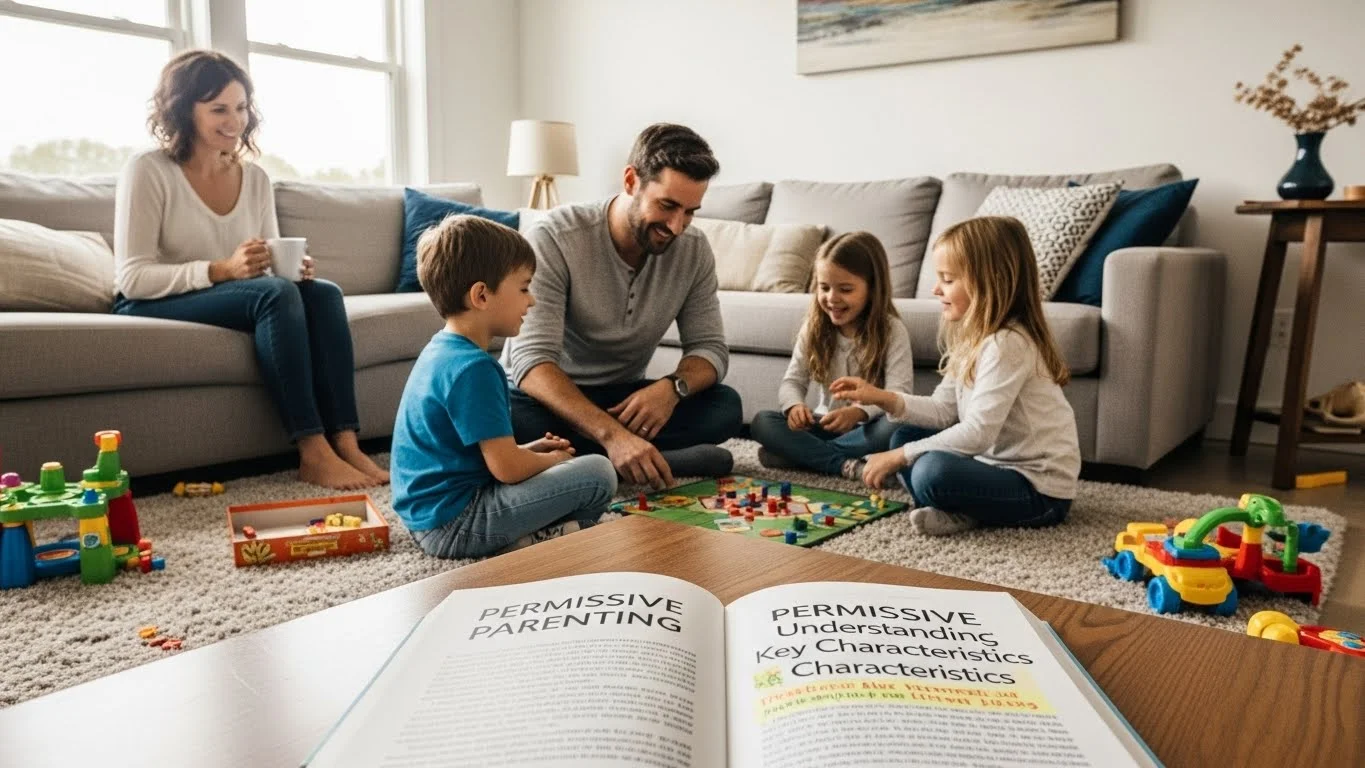
Defining Permissive Parenting
What is Permissive Parenting?
Permissive parenting is often characterized by a high level of warmth and affection, paired with a lenient approach to discipline. Parents who identify with this style tend to be nurturing and supportive but may struggle to enforce rules or limits. I remember hearing about permissive parenting for the first time and thinking, “Wow, that sounds like the ultimate way to raise kids.” It seemed so relaxed and carefree, but as I learned more, I realized there’s a lot more complexity to it. These parents want their children to feel free and unencumbered, which can lead to a unique relationship dynamic.
Historical Context of Permissive Parenting
The concept of permissive parenting didn’t just pop up overnight. In fact, it has roots in the broader context of parenting philosophies that have evolved over the last century. During the 1960s and 1970s, there was a cultural shift towards valuing individual freedom and self-expression. As a result, many parents began to adopt a more permissive approach, believing that children should explore their own interests and learn from their experiences. I think it’s fascinating how historical events and societal changes influence how we raise our children. I noticed that as these ideas gained traction, the balance between structure and freedom in parenting became a hot topic. This shift was both liberating and, at times, confusing for many families.
Key Characteristics of Permissive Parenting
High Responsiveness and Low Demandingness
One of the most prominent features of permissive parenting is high responsiveness. This means that these parents are very attuned to their children’s emotional needs. They are quick to offer support and validation, which can create a warm and loving environment. I’ve seen this in action; children raised in such environments often feel comfortable sharing their thoughts and feelings. However, the low demandingness aspect means there are fewer expectations for behavior. While this can bolster self-esteem, it can also lead to chaos when kids test boundaries. I remember a friend of mine who was raised this way; she thrived artistically but sometimes struggled with authority.
Emotional Support and Nurturing
Permissive parents are often incredibly nurturing. They prioritize emotional support above all else, aiming to create a safe space for their children. I’ve experienced how this can lead to strong, trusting relationships, where kids feel valued and understood. However, while nurturing is essential, it’s essential to find that balance. Too much emotional support without guidance can leave children feeling lost when facing challenges. I once tried to be the “cool” parent, but I quickly learned that my kids needed more than just cuddles; they needed direction, too.
Lack of Structure and Rules
One clear downside of permissive parenting is the lack of structure. While freedom sounds appealing, it can lead to confusion for children who don’t know what to expect. I’ve seen this firsthand when kids don’t know what their limits are; they can push boundaries in ways that create stress for everyone involved. Without clear rules, decision-making can become overwhelming for them. I remember a family I knew where the kids often argued about what they could and couldn’t do because there were no firm guidelines. It’s essential to find a happy medium where children feel free but also know what’s expected of them.
Open Communication and Freedom of Choice
Open communication is a hallmark of permissive parenting. These parents often encourage their children to express themselves, fostering a sense of autonomy and independence. I’ve experienced how powerful it can be to allow children to have a say in family decisions. It can really boost their confidence and sense of responsibility. However, giving too much freedom can be a double-edged sword. I’ve noticed that while it helps children become assertive, it can also lead to difficulties in following guidelines. It’s a delicate balance, and I’ve found that encouraging choice while still maintaining some structure can be the key to a harmonious family dynamic. Read Interesting article: Breaking Free: Shifting from Authoritarian to Permissive Parenting
Comparing Parenting Styles
Permissive vs. Authoritative Parenting
When I think about the differences between permissive and authoritative parenting, I notice that the latter strikes a balance between warmth and structure. Authoritative parents are responsive and nurturing, much like permissive parents, but they also set clear expectations and rules. I’ve seen how this approach can help children feel secure. For example, I have a friend who parents authoritatively, and her kids thrive. They know that while they can express themselves freely, there are certain behaviors that simply won’t fly. This mix of support and discipline helps kids understand the importance of boundaries while still feeling loved and valued.
Permissive vs. Authoritarian Parenting
On the other side of the spectrum is authoritarian parenting, which is more rigid and demanding. These parents enforce strict rules and expect obedience without much room for discussion. I remember a family I knew where the parents were quite authoritarian; the kids were often afraid to voice their opinions. In contrast, permissive parenting allows for open dialogue and encourages children to explore their feelings. While authoritarian parents may believe they are instilling discipline, I’ve seen how it can lead to rebellion and resentment in children. It makes me wonder if perhaps a little flexibility could lead to healthier relationships.
Permissive vs. Uninvolved Parenting
Uninvolved parenting, sometimes referred to as neglectful, is quite different from permissive parenting. While permissive parents are warm and affectionate, uninvolved parents are often emotionally detached and provide little guidance or support. I’ve encountered kids from uninvolved households who lacked direction and emotional security. In my opinion, permissive parenting may lack structure, but it offers love and engagement that uninvolved parenting does not. It’s a reminder that while there may be challenges with permissive parenting, it’s crucial to stay connected with our children and foster their emotional well-being.
Effects of Permissive Parenting on Children
Behavioral Outcomes
The behavioral outcomes of permissive parenting can be quite mixed. I’ve noticed that children raised in permissive environments may exhibit creativity and confidence, but they can also struggle with boundaries. I once had a neighbor whose kids were incredibly imaginative but often tested limits. They would push back against authority figures, which sometimes led to challenging interactions at school. I’ve learned that while nurturing creativity is important, it’s equally crucial to help children understand appropriate behavior in various situations.
Academic Performance
When it comes to academic performance, the effects of permissive parenting can also vary. Some studies suggest that children in permissive households may struggle with self-discipline and time management. I’ve seen this in my own life; when my kids had too much freedom in their studies, they often missed deadlines. However, I’ve also observed that children with strong emotional support can excel academically as they feel more confident in expressing their challenges. It’s a fine line—too much leniency can lead to academic difficulties, while the right amount of support can encourage a love for learning.
Social Relationships
Socially, children raised with permissive parenting may have a unique dynamic with their peers. I’ve noticed that they often become friendly and approachable, thanks to the open communication style modeled by their parents. However, without the experience of facing boundaries, some may struggle with conflicts or misunderstandings with friends. I recall a situation where my child had a friend who was raised permissively and had a hard time dealing with losing a game. It was an eye-opener for me, realizing how important it is for kids to learn resilience and coping skills in social settings.
Emotional Development
Emotionally, permissive parenting can lead to both strengths and weaknesses. I’ve seen kids thrive in environments where they are encouraged to express their feelings openly. They tend to develop strong emotional intelligence and empathy. However, I’ve also found that without guidance, they may struggle to regulate their emotions effectively. A relative of mine exemplified this when her child would have meltdowns over minor setbacks. It really made me reflect on the importance of teaching emotional regulation alongside emotional support. Balancing warmth with the tools to handle emotions is vital for healthy emotional development.
Common Misconceptions about Permissive Parenting
Permissive Parenting Equals Indulgence
One of the biggest misconceptions I’ve encountered about permissive parenting is the idea that it simply means indulging children in whatever they want. While it’s true that permissive parents often provide a lot of freedom, it’s important to realize that this doesn’t equate to spoiling the child. I remember a time when a friend of mine said, “Oh, your kids can do anything they want!” I felt a bit defensive because, while they do have certain freedoms, I also prioritize their emotional needs and support their interests. Permissive parents may have a hands-off approach to rules, but it comes from a place of love and the desire for their children to explore and learn rather than simply getting their way all the time.
Permissive Parenting is the Same as Lazy Parenting
Another common belief is that permissive parenting reflects a lack of effort or commitment. I can totally understand why people might think this since permissive parents often avoid strict rules and discipline. However, I’ve found that it takes an immense amount of emotional labor to be a permissive parent. It’s not just about letting go; it’s also about being present and engaged emotionally. I’ve spent countless evenings talking with my kids about their feelings or helping them process their experiences. This requires a level of dedication that may not be immediately visible but is incredibly important for their growth.
All Children Thrive Under Permissive Parenting
People often assume that every child will flourish in a permissive environment. However, from my experience, this isn’t the case for everyone. Some kids thrive with more structure and clear boundaries. I’ve seen children who need guidance and firm rules to feel secure. It’s essential to recognize that every child is unique, and what works for one might not work for another. I’ve come to understand that being adaptive as a parent is crucial. While I appreciate the benefits of permissive parenting in nurturing creativity and expression, I also acknowledge that some of my kids need more direction than I initially thought. Read Interesting article: Transitioning to Permissive Parenting: A Guide for Parents
When Permissive Parenting Can Be Beneficial
In Creative and Expressive Development
One area where permissive parenting can shine is in fostering creativity and self-expression. I’ve noticed that children raised in permissive environments often have the freedom to explore their interests without the fear of making mistakes. For instance, my daughter loves painting and has thrived in an environment where I encourage her to experiment with colors and styles. She feels free to express herself artistically, and I believe this has helped her develop a unique style that’s all her own. By allowing her this freedom, I’ve seen her grow not only as an artist but also as a confident individual who isn’t afraid to share her work with others.
In Fostering Independence and Self-Confidence
Permissive parenting can also promote independence and self-confidence in children. I’ve found that giving my kids choices, whether it’s about their clothing or their weekend plans, has empowered them to make decisions. I remember a time when my son wanted to choose his own extracurricular activities. I hesitated at first, worried he might pick something too advanced for him, but I decided to give him the freedom to explore. He ended up joining a robotics club and absolutely loved it! This independence not only boosted his self-esteem but also made him more responsible in managing his commitments. I realized that allowing children to make decisions helps them develop a sense of ownership over their lives.
Challenges of Permissive Parenting
Establishing Boundaries and Limits
One of the primary challenges I’ve faced as a permissive parent is establishing boundaries and limits. It’s easy to get caught up in the desire to be the “fun” parent, but I’ve learned that boundaries are crucial for a child’s development. At times, my kids would push back against even the most basic limits I tried to set, and it often led to tense moments in our household. For instance, I once let my daughter stay up late to watch a movie, and it turned into a battle when I tried to enforce a bedtime the next night. I realized that while freedom is important, I also needed to find ways to communicate the value of limits without stifling their sense of autonomy.
Dealing with Disrespect and Entitlement
Another challenge is navigating issues of disrespect and entitlement. I’ve seen that some children raised in permissive environments can sometimes develop a sense of entitlement, believing that they can do whatever they want without consequences. I recall a situation where my son spoke disrespectfully to a teacher, which shocked me. It opened my eyes to the fact that while I want them to feel free to express themselves, I also need to teach them respect for others. It’s a balancing act that requires constant attention and adjustment, and I often find myself reflecting on the lessons I want to impart to my children.
Managing Conflicts and Discipline Issues
Lastly, managing conflicts and discipline issues can be particularly challenging in permissive parenting. I’ve experienced moments where I struggled with how to address misbehavior effectively. The lack of strict rules can sometimes leave children uncertain about what is acceptable behavior. I remember a time when my kids had a disagreement over a toy, and instead of resolving it calmly, it escalated into a shouting match. It made me realize that I had to step in and guide them through conflict resolution rather than just allowing them to figure it out on their own. I’ve learned that while I may want to foster independence, I also need to be proactive in teaching them how to handle disagreements maturely.
Strategies for Effective Permissive Parenting
Balancing Freedom with Guidance
Finding the right balance between allowing freedom and providing guidance has been a learning curve for me as a permissive parent. I’ve discovered that it’s essential to let kids explore their interests while still offering direction. For instance, when my kids express a desire to try something new—like a sport or music class—I encourage them to go for it but also help them set realistic goals. This way, they feel autonomous, but they also understand the importance of commitment and follow-through. I remember when my daughter wanted to join a dance class; I let her choose the style and the schedule, but we also set a routine for practice at home. This combination of freedom and guidance has empowered her to take ownership of her passions while learning responsibility.
Setting Reasonable Boundaries
While permissive parenting often lacks strict rules, I’ve learned that setting reasonable boundaries is vital. This doesn’t mean I have to be authoritarian; rather, I focus on creating guidelines that promote safety and respect. One technique that’s worked for me is establishing family agreements where we discuss and mutually agree on certain expectations. For example, we’ve talked about screen time limits and curfews together, which helps my children feel included in the decision-making process. One evening, we sat down and created a “family values” poster that outlined our expectations. It gave my kids a sense of ownership and responsibility for their actions while still allowing them breathing room to express themselves.
Encouraging Accountability
Encouraging accountability has been another key strategy in my permissive parenting journey. I’ve found that when my children make choices, they need to understand the consequences that come with those choices. For example, if they forget their homework or don’t complete a chore, I gently remind them of the importance of responsibility. I used to jump in and rescue them when they faced the consequences of their actions, but I realized that letting them experience those moments helps them learn. I remember once when my son forgot to pack his lunch—he faced the embarrassment of having to ask a friend for a snack. It was tough to watch, but he learned to be more mindful about his responsibilities after that day.
Maintaining Open Lines of Communication
Open lines of communication are crucial in permissive parenting. I strive to create an environment where my kids feel comfortable sharing their thoughts and feelings. Regular family meetings have become a staple in our home, allowing everyone to voice concerns, celebrate achievements, and discuss any issues. I’ve noticed that when my children feel heard, they are more likely to respect the boundaries we’ve set together. I can recall a time when my daughter was upset about a friend at school. Instead of brushing it off, I made sure to sit down and listen to her feelings. This simple act of listening not only helped her feel validated but also opened up a dialogue about friendships and conflicts. I believe fostering this open communication helps build a strong trust between us.
Final Thoughts
Understanding permissive parenting has been a journey filled with learning and growth. I’ve discovered that while this approach can foster creativity, independence, and emotional connection, it also presents its own set of challenges. Finding the right balance between freedom and guidance, establishing reasonable boundaries, encouraging accountability, and maintaining open communication have become essential strategies for me. Ultimately, every family is unique, and what works for one may not work for another. I encourage all parents to reflect on their own parenting styles, adapt to their children’s needs, and forge their path. Embracing the nuances of permissive parenting can lead to a loving, supportive environment where children thrive.
Frequently Asked Questions
“`htmlWhat is permissive parenting?
Permissive parenting is characterized by a high level of warmth and affection, paired with a lenient approach to discipline. Parents who adopt this style tend to be nurturing and supportive but may struggle to enforce rules or limits.
What are the key characteristics of permissive parenting?
The key characteristics of permissive parenting include high responsiveness and low demandingness, a focus on emotional support and nurturing, a lack of structure and rules, and open communication that fosters freedom of choice.
How does permissive parenting differ from authoritative parenting?
Permissive parenting focuses on warmth and emotional support but lacks strict rules, while authoritative parenting strikes a balance between warmth and structure, setting clear expectations and rules for behavior.
What are the potential behavioral outcomes of permissive parenting?
Children raised in permissive environments may exhibit creativity and confidence but can struggle with boundaries and authority. They might push back against limits, leading to challenges in social and academic settings.
Can permissive parenting affect academic performance?
Yes, children in permissive households may struggle with self-discipline and time management, potentially leading to academic difficulties. However, strong emotional support can also help them excel academically.
What are some common misconceptions about permissive parenting?
Common misconceptions include the belief that permissive parenting equals indulgence, that it reflects a lack of effort or commitment, and that all children thrive under this parenting style.
In what ways can permissive parenting be beneficial?
Permissive parenting can be beneficial in fostering creativity and self-expression, as well as promoting independence and self-confidence in children by allowing them to make choices and explore their interests.
What challenges do permissive parents commonly face?
Permissive parents often struggle with establishing boundaries and limits, dealing with issues of disrespect and entitlement, and managing conflicts and discipline issues without strict rules.
What strategies can help in effective permissive parenting?
Effective strategies for permissive parenting include balancing freedom with guidance, setting reasonable boundaries, encouraging accountability, and maintaining open lines of communication with children.
How can permissive parenting impact a child’s emotional development?
Permissive parenting can lead to strengths such as strong emotional intelligence and empathy, but it may also result in difficulties with emotional regulation if children do not receive adequate guidance alongside emotional support.
“`Permissive parenting often sparks lively debates among parents and experts alike. This style embraces flexibility and emotional support but comes with its own set of challenges. Let’s dive into what permissive parenting truly means and how it has evolved over the years. Read Interesting article: Exploring the World: Authoritative Parenting Insights

Understanding Permissive Parenting
Definition of Permissive Parenting
Permissive parenting is a parenting style characterized by a high degree of warmth and affection, coupled with low demands for discipline. As a parent who has experimented with various approaches, I find permissive parenting intriguing because it prioritizes emotional support over strict rules. It often means being more of a friend than a traditional authority figure. Parents who adopt this style tend to be lenient, allowing their children to make choices, express themselves freely, and explore their interests without the burden of rigid guidelines. While this can foster creativity, it can also lead to challenges down the line.
Historical Context and Evolution
The roots of permissive parenting can be traced back several decades. It emerged as a reaction against more authoritarian styles that dominated earlier parenting practices. In the 1960s and 1970s, as societal norms began to shift, many parents sought to raise children in a more relaxed and nurturing environment. I remember reading about how psychologists like Dr. Diana Baumrind studied different parenting styles, identifying permissive parenting as one of the prominent types. This style began to gain traction as parents aimed to cultivate a sense of independence and self-esteem in their children. It was revolutionary at the time, encouraging parents to prioritize emotional connections over discipline.
Key Characteristics of Permissive Parenting
Flexibility and Freedom in Discipline
One of the most defining features of permissive parenting is the flexibility it offers. As a permissive parent, I often find myself going with the flow rather than adhering to a strict set of rules. This approach allows children to learn from their experiences, whether they succeed or make mistakes. I’ve observed that children raised in permissive households often feel comfortable experimenting and trying new things. They learn through exploration rather than through punishment, which can lead to valuable life lessons. Read Interesting article: Travel Tips for Kids Raised with Authoritative Parenting
Emphasis on Emotional Support
Permissive parents excel in providing emotional support. We tend to create an environment where our children feel safe expressing their feelings and thoughts. I’ve always believed that emotional intelligence is as crucial as academic success, and permissive parenting nurtures this. I recall a moment when my child faced a challenging situation at school. Instead of jumping straight into problem-solving mode, I chose to listen and validate their feelings first. This not only strengthened our bond but also helped them work through their emotions more effectively.
Lack of Structure and Rules
While flexibility has its benefits, it can also lead to a lack of structure. In my experience, permissive parenting often results in blurred boundaries. It can be easy to let things slide, which sometimes means kids don’t learn the consequences of their actions. I’ve seen this play out in my own home: when I’m too lenient about bedtime or chores, it can lead to frustration for both my child and myself. Finding that balance between flexibility and necessary structure is a constant challenge.
Pros of Permissive Parenting
Fostering Independence and Autonomy
One advantage I love about permissive parenting is how it fosters a sense of independence in children. By allowing them to make choices, I’ve seen my kids develop confidence in their decision-making skills. They learn to trust their instincts, which is a valuable life lesson. I believe this autonomy helps them feel more prepared to face the world as they grow older.
Encouraging Open Communication
Permissive parenting encourages open lines of communication. Since we prioritize emotional support, children often feel comfortable sharing their thoughts and feelings with us. I cherish those late-night talks when my kids feel free to discuss anything on their minds. It strengthens our relationship and promotes honesty, which I think is essential for any parent-child dynamic.
Building Stronger Parent-Child Relationships
In my experience, the bond I have with my children is incredibly strong because of the permissive approach. They see me not just as a parent, but as a confidant and ally. This closeness brings a sense of security, allowing them to express themselves without fear of judgment. I’ve noticed that this connection is vital during the teenage years, where open communication can often become strained.
Supporting Creativity and Self-Expression
Permissive parenting allows for creativity and self-expression to flourish. I’ve seen my kids dive into their hobbies, whether it’s painting, writing, or playing music. This freedom to explore their passions has led to remarkable discoveries about themselves. I truly believe that fostering this creativity not only enriches their childhood but also prepares them for a future where innovative thinking is key. Read Interesting article: The Impact of Authoritative Parenting on Adventure Seekers
Cons of Permissive Parenting
Potential for Lack of Boundaries
While I appreciate the warmth and flexibility of permissive parenting, I’ve noticed that it often leads to a lack of clear boundaries. Without consistent rules, children might struggle to understand limits. In my own experience, I found myself battling with my kids over screen time and bedtime. The absence of structure can sometimes leave them feeling lost. I’ve learned that even though I want my children to feel free, they also need guidelines to feel secure. It’s a fine line to walk, and I often have to remind myself that boundaries can provide a sense of safety for my kids.
Risks of Entitlement and Poor Decision-Making
Another concern I’ve noticed is the risk of entitlement. When children grow up in an environment where their wants are always prioritized, they may start to expect things without putting in effort. I remember a moment when my child asked for a new toy during a shopping trip; instead of simply saying no, I found myself debating the merits of the purchase instead of standing firm. It hit me then that I was not teaching them the value of hard work and earning rewards. I realized that permissiveness might lead to a lack of resilience and critical decision-making skills if not balanced with some level of accountability.
Challenges in Socialization and Authority Respect
Permissive parenting can also present challenges when it comes to social interactions. I’ve seen my kids struggle in situations that require respect for authority, like during school or extracurricular activities. If they’ve grown accustomed to having minimal restrictions at home, they might find it difficult to adjust to environments where rules are enforced. I recall a time when my child questioned a teacher’s authority during a class discussion. It was a wake-up call for me. I understood that while I wanted to foster independence, I also needed to prepare them for the realities of interacting with authority figures.
Comparing Parenting Styles
Permissive vs. Authoritative Parenting
When I think about the differences between permissive and authoritative parenting, I find it fascinating how each style shapes a child’s experience. Authoritative parents strike a balance between structure and freedom, combining warmth with consistent expectations. From what I’ve seen, children raised in authoritative households often thrive because they know what is expected of them while also feeling supported. I sometimes wonder if introducing more authoritative elements into my own permissive style could help my kids in areas where they struggle.
Permissive vs. Authoritarian Parenting
On the other hand, authoritarian parenting is the strict polar opposite of permissive parenting. Authoritarian parents enforce rules and expect obedience without much emotional warmth. I believe that while this approach can lead to well-behaved children, it may stifle creativity and self-expression. I’ve seen kids who grow up under authoritarian rule struggle with self-esteem issues because they feel their worth is tied solely to their ability to follow rules. In contrast, permissive parenting nurtures individuality but must be careful about crossing the line into chaos.
Permissive vs. Neglectful Parenting
Neglectful parenting, which lacks both warmth and structure, is another area where permissive parenting stands apart. I’ve observed that while permissive parents are highly engaged and emotionally connected with their children, neglectful parents often leave their kids feeling unsupported and lost. It’s important to recognize that permissive parenting, despite its challenges, generally involves a strong emotional foundation. I often remind myself that as long as I maintain that connection, I’m doing better than parents who might not provide any form of support.
Recognizing If Permissive Parenting Is Right for You
Assessing Your Parenting Goals and Values
To determine if permissive parenting is the right fit for my family, I’ve spent time reflecting on my parenting goals and values. I think it’s essential to consider what I want for my children as they grow. For me, fostering creativity and emotional intelligence are at the top of my list. I often ask myself if my parenting style aligns with these goals. I believe that if your values resonate with the principles of permissive parenting, it could be a great fit for your family.
Understanding Your Child’s Needs
Every child is unique, and I’ve learned that understanding their individual needs is crucial in deciding if permissive parenting is suitable. Some kids thrive in structured environments, while others flourish in more relaxed settings. I remember when one of my children needed more guidance and structure than I initially provided. It was a learning curve, but I realized that adapting my approach to suit their personality was key to their success and happiness.
Evaluating Family Dynamics
Lastly, I think it’s vital to evaluate family dynamics when considering permissive parenting. My own experiences have shown me that a supportive family environment can enhance the benefits of this parenting style. If everyone in the family is on the same page about expectations and communication, permissive parenting can flourish. I often discuss parenting strategies with my partner to ensure we’re creating a consistent approach that works for our family.
Tips for Implementing Permissive Parenting Effectively
Establishing Clear, Flexible Boundaries
One of the most important lessons I’ve learned in my journey as a permissive parent is the need for clear, yet flexible boundaries. While the essence of permissive parenting emphasizes freedom, it’s vital to communicate certain expectations to my children. I’ve found that setting guidelines helps them feel secure and understand the limits of their freedom. For instance, I’ve started to establish a “no screen time during meals” rule. It’s a simple boundary, but it encourages family bonding and fosters communication at the table. When I explain the reason behind the rule, it becomes easier for my kids to respect it. The key is to be consistent while allowing for the occasional exceptions when the situation calls for it.
Encouraging Self-Discipline and Responsibility
As permissive parents, we sometimes struggle with teaching self-discipline because we want our kids to feel free and unburdened by strict rules. However, I’ve learned that encouraging self-discipline is crucial for their development. I try to involve my children in discussions about their responsibilities. For example, when we agree on chores, I let them choose which ones they’d like to take on, giving them a sense of control. This approach not only fosters responsibility but also teaches them valuable lessons about commitment and follow-through. I believe that when children understand the importance of their roles within the family, they’re more likely to embrace them willingly.
Balancing Freedom with Guidance
Finding the right balance between freedom and guidance has been a journey for me. I often think of it as walking a tightrope. I want my children to feel empowered to make their own choices, but I also recognize that they need my guidance to navigate certain situations. I try to be present and available when they face decisions, offering advice without overshadowing their autonomy. A great example of this was when my child had the chance to choose an extracurricular activity. I presented some options while encouraging them to follow their interests. It was rewarding to see them take the lead in making a decision that resonated with them, while still knowing I was there to support them.
Maintaining Open Lines of Communication
Communication has been a cornerstone of my permissive parenting style. I’ve always made it a priority to keep the lines of communication open, no matter how trivial the topic. I encourage my children to express their thoughts and feelings freely. I remember a time when my youngest felt anxious about an upcoming school presentation. Instead of brushing off their worries, I sat down, listened, and helped them brainstorm ideas. This not only alleviated their anxiety but also reinforced the notion that they can always come to me with anything. I believe that fostering this open dialogue creates a strong bond and builds trust, which is essential for any parent-child relationship.
Common Misconceptions About Permissive Parenting
Myth: Permissive Parenting Means No Rules
One of the biggest misconceptions I’ve encountered about permissive parenting is the idea that it means having no rules at all. This couldn’t be further from the truth. I’ve learned that while permissive parents may not enforce strict rules, we still have guidelines in place. The difference lies in the way those rules are communicated and enforced. For example, I have rules regarding homework and bedtime, but I handle them with flexibility. I find that it’s about creating an environment where children understand the importance of certain guidelines while feeling empowered to discuss them. I’ve seen that having rules doesn’t negate the warmth and support that permissive parenting embodies.
Myth: Permissive Parents Are Indifferent
Another common myth is that permissive parents are indifferent or uninvolved. I can assure you that this isn’t the case. As a permissive parent, I’m deeply involved in my children’s lives. I stay engaged with their interests, attend their events, and provide emotional support. Our connection is strong because I prioritize being present for them. I often remind myself that being a permissive parent doesn’t mean I’m passive or indifferent; it simply means that I choose to approach parenting with warmth and understanding rather than strict control.
Myth: All Children Thrive in Permissive Environments
Finally, I’ve realized that not all children thrive in permissive environments. While some kids flourish with the freedom to explore and express themselves, others may need more structure. I remember when I first adopted a permissive style—my eldest thrived, but my youngest struggled. It was a wake-up call for me to adapt my approach. I believe it’s essential to recognize that every child is unique, and what works for one may not work for another. I’ve learned to be flexible and adjust my parenting style based on my children’s individual needs, ensuring that they have the support they require to grow and succeed.
Real-Life Examples of Permissive Parenting
Case Studies: Successful Permissive Parenting
When I look around, I see numerous real-life examples of permissive parenting that demonstrate its effectiveness. One friend of mine, Sarah, has two children, ages 8 and 10. She embraces a permissive style, allowing them to choose their extracurricular activities and manage their homework schedules. I remember visiting her home one evening, and her kids were deep in conversation about which hobbies they wanted to pursue next. It was inspiring to see how engaged they were in the decision-making process. Sarah shared that her kids have developed a sense of responsibility and ownership over their interests. They often take initiative, whether it’s organizing their art supplies or scheduling playdates with friends. This independence has built their confidence and creativity, showcasing how permissive parenting can yield positive results.
Challenges Faced by Permissive Parents
However, it’s not all sunshine and rainbows. I’ve also seen the struggles that come with permissive parenting. My neighbor, Tom, has two teenagers and often expresses his frustrations about their lack of motivation. He adopted a permissive approach, believing it would encourage his kids to thrive. Yet, he noticed they sometimes take advantage of the freedom, skipping chores and neglecting school assignments. During a conversation, he admitted that he found himself feeling overwhelmed as the boundaries he initially set became less effective. Tom realized that while he wanted to nurture their independence, he also needed to establish clearer expectations. It was a tough lesson, but it highlighted the importance of balance within permissive parenting.
Resources for Further Learning
Books on Parenting Styles
If you’re curious about diving deeper into this topic, I highly recommend exploring books focused on various parenting styles. Titles like “The Whole-Brain Child” by Daniel J. Siegel and Tina Payne Bryson offer insights into child development while emphasizing the importance of nurturing. I found this book particularly helpful in understanding how to blend warmth with guidance effectively. Additionally, “How to Talk So Kids Will Listen & Listen So Kids Will Talk” by Adele Faber and Elaine Mazlish provides practical strategies for improving communication—an essential aspect of permissive parenting.
Online Communities and Support Groups
Connecting with other parents can also be incredibly beneficial. I’ve discovered several online forums and social media groups dedicated to different parenting styles, including permissive parenting. Engaging with these communities has allowed me to share experiences, ask questions, and gain new perspectives. I often find comfort in knowing I’m not alone in navigating the challenges of this parenting approach. It’s reassuring to hear others’ stories and realize that we’re all learning together.
Workshops and Seminars on Parenting
Finally, attending workshops and seminars can provide valuable tools and insights. Many local parenting organizations offer events that cover various topics, including effective communication, setting boundaries, and fostering independence. I recently attended a seminar focused on parenting styles, and it was enlightening to hear from experts and fellow parents. The discussions sparked new ideas and strategies that I could bring back to my own family. I believe that continuous learning is key to growing as a parent, and these resources can make a significant difference in our journeys.
Final Thoughts
As I reflect on my journey with permissive parenting, I realize that it’s not just about the freedom and warmth I offer my children; it’s about finding the right balance. I’ve learned that while nurturing independence and creativity is vital, establishing clear boundaries and expectations is equally important. Each child is unique, and adapting my approach to meet their needs has been a rewarding experience. I encourage anyone considering permissive parenting to embrace its strengths while being mindful of its challenges. Parenting is a continuous journey of learning, and I believe that with love, understanding, and a willingness to adapt, we can create nurturing environments for our children to thrive.
Frequently Asked Questions
What is permissive parenting?
Permissive parenting is a parenting style characterized by a high degree of warmth and affection, coupled with low demands for discipline. It prioritizes emotional support over strict rules, allowing children to make choices and express themselves freely.
How did permissive parenting evolve over the years?
Permissive parenting emerged in the 1960s and 1970s as a reaction against more authoritarian styles of parenting. It gained traction as parents sought to cultivate independence and self-esteem in their children, encouraging emotional connections over strict discipline.
What are the key characteristics of permissive parenting?
Key characteristics of permissive parenting include flexibility in discipline, emphasis on emotional support, and a lack of structure and rules. This approach allows children to learn from their experiences while fostering creativity and self-expression.
What are the advantages of permissive parenting?
Advantages of permissive parenting include fostering independence and autonomy in children, encouraging open communication, building stronger parent-child relationships, and supporting creativity and self-expression.
What challenges can arise from permissive parenting?
Challenges of permissive parenting include a potential lack of boundaries, risks of entitlement and poor decision-making, and difficulties in socialization and respect for authority. Without consistent rules, children may struggle to understand limits.
How does permissive parenting compare to authoritative parenting?
Permissive parenting is more lenient and focuses on emotional support, while authoritative parenting strikes a balance between warmth and consistent expectations. Children raised in authoritative households often thrive due to clear guidelines combined with support.
What are some common misconceptions about permissive parenting?
Common misconceptions include the belief that permissive parenting means having no rules, that permissive parents are indifferent, and that all children thrive in permissive environments. In reality, permissive parents do have guidelines and are actively involved in their children’s lives.
How can parents implement permissive parenting effectively?
Effective implementation of permissive parenting can involve establishing clear, flexible boundaries, encouraging self-discipline and responsibility, balancing freedom with guidance, and maintaining open lines of communication with children.
What resources are available for further learning about permissive parenting?
Resources for further learning include books on parenting styles, online communities and support groups for parents, and workshops and seminars that cover topics such as effective communication, setting boundaries, and fostering independence.
How can parents assess if permissive parenting is right for them?
Parents can assess if permissive parenting is suitable by reflecting on their parenting goals and values, understanding their child’s individual needs, and evaluating family dynamics to ensure a supportive environment for this style.
Permissive parenting is a style that many parents may find appealing, as it emphasizes freedom and emotional connection. But what does it really mean? Let’s explore this approach to parenting, its characteristics, and how it compares to other styles. Read Interesting article: Is Permissive Parenting Right for Your Family? Find Out!
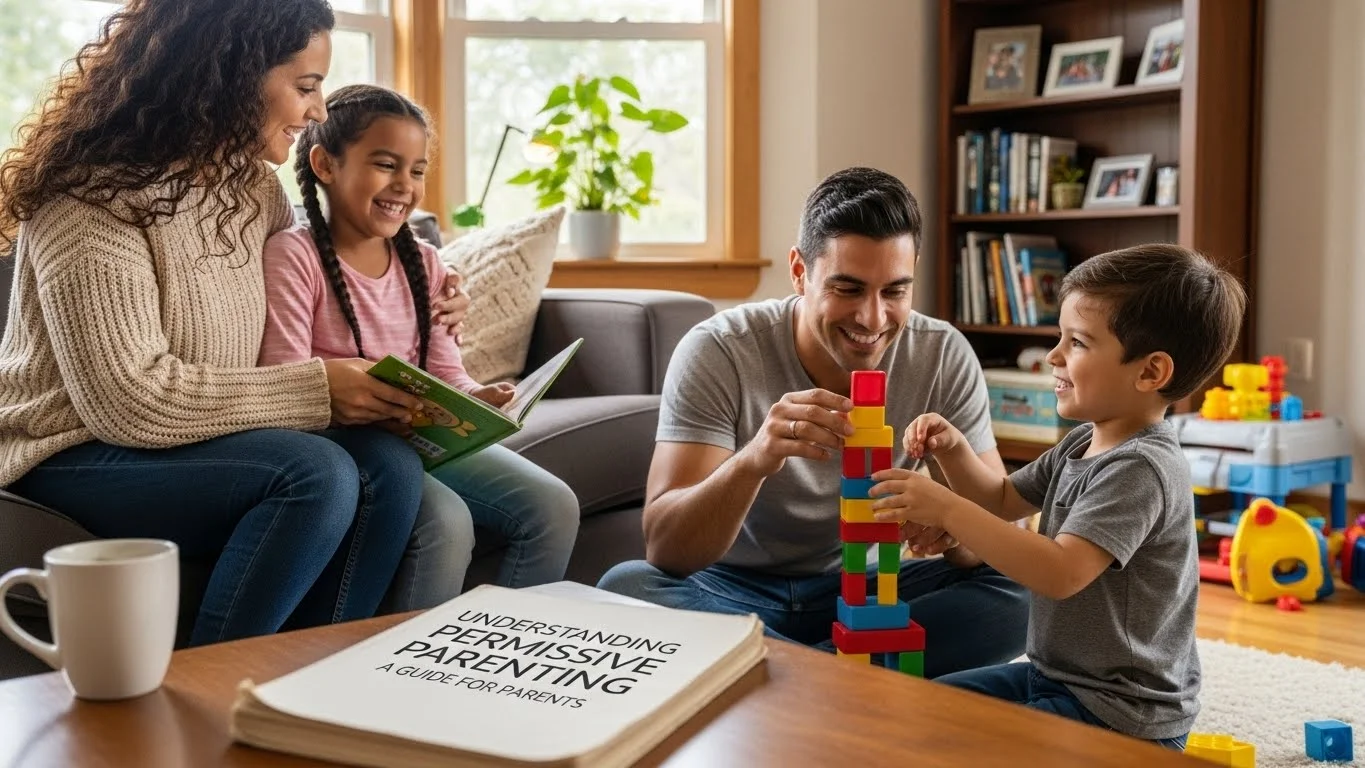
What is Permissive Parenting?
Definition of Permissive Parenting
Permissive parenting is a style defined by a high level of warmth and affection but a low level of discipline and structure. As I’ve seen in my experience, permissive parents tend to be more lenient, allowing their children to make choices with minimal restrictions. They often prioritize their child’s feelings and desires over the enforcement of rules. This can create an environment where kids feel loved and supported but may struggle with boundaries.
Characteristics of Permissive Parenting
When I reflect on what I perceive as key characteristics of permissive parenting, a few things stand out. First, permissive parents typically avoid setting strict rules or expectations. Instead, they allow their children significant freedom to make decisions, which can lead to both positive and negative outcomes. Second, emotional support is a cornerstone of this approach. I remember seeing parents who would engage in deep conversations with their kids, validating their feelings and thoughts. Finally, permissive parents often want their children to feel comfortable expressing themselves, even if that means bending or breaking some rules occasionally.
Comparison with Other Parenting Styles
Understanding permissive parenting is easier when we compare it to other styles. I find it fascinating to look at how it differs from authoritative and authoritarian parenting. Authoritative parents balance warmth with structure, setting clear expectations while still encouraging independence. In contrast, authoritarian parents use strict rules and high demands with little emotional support. Then there’s uninvolved parenting, where parents are detached and don’t offer emotional warmth or guidance. It’s like a spectrum, and permissive parenting sits on the side where emotional connection is prioritized over discipline. Read Interesting article: Exploring the World: Authoritative Parenting Insights
Key Elements of Permissive Parenting
Emphasis on Freedom and Autonomy
One of the most significant elements of permissive parenting is the emphasis on freedom and autonomy. I’ve noticed that permissive parents often believe that allowing kids to make their own choices fosters independence. They’re more likely to let their children choose their own activities, friends, and even the way they express themselves. This approach can cultivate a sense of self-reliance. I remember a friend of mine who let her daughter pick her own outfits daily. At first, I thought it was a bit too much, but her daughter developed a unique sense of style that she owned proudly.
Lack of Enforced Boundaries
In a permissive parenting style, there’s often a lack of enforced boundaries. This doesn’t mean that these parents don’t care; rather, they believe that children learn best through exploration and experience. I’ve seen this firsthand when my sister raised her children without strict bedtimes or homework rules. While they enjoyed a lot of freedom, it occasionally led to meltdowns over missed school assignments or late nights.
Focus on Emotional Support
Emotional support is at the heart of permissive parenting. I’ve observed that permissive parents strive to create a nurturing environment where their children feel understood and loved. This approach often leads to strong emotional connections, which can be incredibly beneficial for children. However, I’ve also learned that sometimes this can lead to overindulgence, where children feel that their feelings always take precedence over responsibilities.
Flexible Rules and Expectations
Another important characteristic of permissive parenting is the flexibility of rules and expectations. For me, this flexibility has its pros and cons. It allows for spontaneous adventures and lets children explore their interests freely, but at the same time, it can confuse them about what is expected. I remember a family friend who had a “no homework on weekends” rule that was often bent. Their kids enjoyed the freedom, but I noticed they sometimes struggled when school returned on Monday.
Benefits of Permissive Parenting
Fostering Creativity and Independence
One of the most rewarding aspects of permissive parenting is its ability to foster creativity and independence in children. I’ve seen kids flourish in environments where they are allowed to explore their interests without strict guidelines. This freedom encourages them to think outside the box and develop their unique talents. Read Interesting article: Exploring Permissive Parenting: Pros, Cons, and Tips
Building Strong Emotional Bonds
Permissive parenting can also build strong emotional bonds between parents and children. I believe this emotional connection can be invaluable as children grow, leading them to feel secure and supported. It’s a beautiful thing to witness as kids feel comfortable sharing their thoughts and feelings with their parents.
Encouraging Open Communication
Lastly, I’ve found that permissive parenting often encourages open communication. Children raised in this style may feel more comfortable expressing their ideas and concerns, which can lead to a deeper understanding within the family. It’s refreshing to see families who prioritize dialogue over discipline, creating a safe space for sharing opinions and feelings.
Challenges of Permissive Parenting
Potential for Lack of Discipline
While permissive parenting has its strengths, I’ve seen firsthand that one of the biggest challenges is the potential for a lack of discipline. Without consistent rules and expectations, children may not learn the importance of boundaries. I remember my neighbor’s kids, who had so much freedom that they sometimes struggled with basic routines, like getting ready for school or completing homework. It’s not that their parents didn’t care; they simply believed that children would naturally learn self-discipline over time. However, I’ve noticed that some kids thrive with clear guidelines, and without them, they can feel lost.
Risk of Behavioral Issues
Another concern I’ve encountered in permissive parenting is the risk of behavioral issues. When kids are not accustomed to following rules or facing consequences, they may test limits more frequently. In my observation, children might become assertive in ways that can lead to conflicts, not just at home but also in school and with friends. For example, a friend of mine had a daughter who was so used to getting her way at home that she struggled to share and cooperate with peers during playdates. It became clear that while the emotional connection was strong, the lack of structure sometimes resulted in challenging behaviors.
Difficulty in Setting Limits
Setting limits can be particularly tough in permissive parenting. I’ve learned that without a clear framework, parents may find themselves overwhelmed when trying to enforce boundaries. I recall a time when I was visiting a family that practiced permissive parenting, and the kids wanted to stay up late to watch movies. The parents originally planned to stick to a bedtime but ended up caving in to avoid a tantrum. I noticed that this inconsistency led to confusion for the kids; they weren’t sure when it was really time to sleep. I believe that finding a balance between flexibility and setting limits is essential for creating a sense of security.
When Permissive Parenting is Appropriate
Age Considerations
Permissive parenting might be more appropriate during certain developmental stages. I’ve found that young children, particularly toddlers, benefit from some freedom to explore their surroundings. For instance, my cousin allowed her little ones to engage in messy play and creative activities without rigid constraints. This approach encouraged their curiosity and helped them learn about the world around them. However, as kids grow older, I think it becomes vital to re-evaluate this style and incorporate more structure to help them navigate responsibilities.
Situational Contexts
There are specific situations where permissive parenting can shine. For example, during stressful life events, such as moving to a new home or a family member’s illness, a more lenient approach may provide comfort and emotional support for children. I remember when my friend faced a challenging time, she relaxed her usual rules to help her kids feel more secure. I believe this temporary permissiveness allowed the family to bond and heal together, demonstrating that sometimes flexibility is necessary for emotional well-being.
Child’s Personality and Needs
Every child is unique, and their personality plays a significant role in how permissive parenting can work. I’ve noticed that some children thrive with a bit more freedom, while others may need more guidance. For example, my neighbor has two kids; one is adventurous and loves to explore, while the other is more reserved and needs reassurance. The permissive approach worked well for the adventurous child, allowing him to take risks and learn from his experiences. However, the other child benefited from a few more structured activities to help her feel secure. I think that tailoring the approach to fit each child’s personality can make a significant difference.
How to Implement Permissive Parenting Effectively
Balancing Freedom with Guidance
To implement permissive parenting effectively, I believe it’s crucial to balance freedom with guidance. It’s about allowing children the space to explore while also offering gentle direction. For instance, when my friends practiced this, they would set aside specific times for their kids to make choices about their activities while ensuring they understood the importance of completing their responsibilities first. This approach helped create a sense of independence without completely losing sight of necessary boundaries.
Setting Flexible Boundaries
Flexible boundaries can be key to successful permissive parenting. I’ve seen families thrive when they establish a few core rules, but allow for exceptions based on circumstances. For example, my sister would allow her kids to stay up late for special occasions, like family game nights, while maintaining a regular bedtime during the week. This way, her children understood that there were boundaries, but they were also allowed to enjoy some flexibility. I think this kind of approach fosters a sense of responsibility while also creating cherished family memories.
Encouraging Responsibility and Accountability
Encouraging responsibility and accountability is vital in a permissive parenting style. I often recommend that parents involve their children in discussions about expectations and consequences. In my experience, when kids have a say in the rules, they’re more likely to take ownership of their actions. For instance, my friend would have her kids help set limits for screen time and chores. By engaging them in the decision-making process, she noticed they were more inclined to follow through and accept the consequences of their choices. I believe this strategy helps cultivate a sense of maturity and awareness in children.
Alternatives to Permissive Parenting
Authoritative Parenting
When I think about alternatives to permissive parenting, authoritative parenting often comes to mind. This style strikes a balance between warmth and structure, which I find appealing. Authoritative parents set clear expectations while also encouraging independence. I’ve seen how this approach fosters a sense of security in children, as they understand the rules but also feel supported in exploring their interests. For example, a friend of mine practices authoritative parenting with her kids by allowing them to choose their after-school activities while also expecting them to complete their homework. This balance helps her children thrive both academically and personally, and I think many families could benefit from this middle ground.
Authoritarian Parenting
On the other side of the spectrum, we have authoritarian parenting. This approach is characterized by strict rules and high demands, often with little emotional warmth. My neighbor exemplifies this style; she has a set of rigid rules for her children that they must follow without question. While I can appreciate the structure it provides, I’ve noticed that her kids sometimes struggle to express their feelings. They seem to fear making mistakes or disappointing their parents, which can lead to anxiety. In my opinion, while some structure is essential, the lack of emotional support in authoritarian parenting may hinder children’s ability to develop a strong sense of self.
Uninvolved Parenting
Uninvolved parenting is another alternative, but this style tends to be less favorable. Parents who are uninvolved may be emotionally detached and provide little guidance or support. I remember a classmate who often came to school unprepared and expressed a desire for more attention and guidance at home. Unfortunately, his parents were preoccupied with their own lives and rarely engaged with him. This lack of involvement can lead to feelings of neglect and confusion in children. From my perspective, it’s vital for parents to find a balance that ensures their children feel valued and supported, rather than overlooked.
Real-Life Examples of Permissive Parenting
Case Studies of Permissive Families
To better understand permissive parenting, I think real-life examples can shed light on how this style manifests in different families. I have a family friend who embodies permissive parenting quite well. She allows her kids to make choices regarding their daily activities, even letting them decide whether they want to do homework or not. While her children often express joy in their freedom, I’ve noticed that they sometimes struggle with accountability. For instance, on several occasions, they forgot important assignments, leading to last-minute scrambling. It’s fascinating to see how this leniency plays out; the kids are creative and expressive, but they also face challenges due to their lack of structure.
Insights from Parenting Experts
When I read insights from parenting experts, I often find that they provide valuable perspectives on permissive parenting. Dr. Laura Markham, a clinical psychologist and author, emphasizes the importance of maintaining emotional connections while also establishing clear boundaries. In her work, she highlights that permissive parenting can lead to children feeling loved, but they might also become confused about expectations. I remember reading an article where she suggested that parents can still be permissive while gradually introducing more structure as kids mature. This idea resonated with me, as I believe that adapting parenting styles based on a child’s development can lead to healthier relationships and well-rounded individuals.
Resources for Parents
Books on Parenting Styles
If you’re looking to dive deeper into parenting styles, I highly recommend checking out books like “The Whole-Brain Child” by Daniel J. Siegel and Tina Payne Bryson. This book offers insights into child development and provides practical strategies for parenting that blend warmth and structure. I found their approach to be incredibly enlightening, as it emphasizes understanding how children think and feel at different ages. Another great read is “Raising An Emotionally Intelligent Child” by John Gottman, which focuses on the importance of emotional connections in parenting.
Websites and Online Communities
Online resources can be incredibly helpful for parents navigating different styles. Websites like Aha! Parenting provide a wealth of articles and tips on various parenting approaches, including permissive parenting. I’ve found their community forums to be a supportive space where parents share experiences and advice. Joining Facebook groups or online parenting forums can also be beneficial, as they allow for discussions and connections with others who may be facing similar challenges.
Professional Guidance and Counseling
Sometimes, seeking professional guidance can be a game changer. Family therapists and counselors can provide personalized advice tailored to your unique situation. I remember when a close friend faced challenges with her teenage daughter, and they decided to work with a family therapist. The sessions helped them better communicate and understand each other, leading to a more harmonious household. I encourage parents to consider this option if they feel overwhelmed or uncertain about their parenting style.
Frequently Asked Questions
What is permissive parenting?
Permissive parenting is a style defined by a high level of warmth and affection but a low level of discipline and structure. Permissive parents tend to be lenient, allowing their children to make choices with minimal restrictions and prioritizing their child’s feelings over the enforcement of rules.
What are the key characteristics of permissive parenting?
Key characteristics of permissive parenting include a lack of strict rules or expectations, a strong emphasis on emotional support, and a desire for children to express themselves freely, even if it involves bending or breaking some rules occasionally.
How does permissive parenting compare to other parenting styles?
Permissive parenting contrasts with authoritative parenting, which balances warmth with structure, and authoritarian parenting, which is strict and demands high compliance with little emotional support. It also differs from uninvolved parenting, where parents are detached and do not provide emotional warmth or guidance.
What are the benefits of permissive parenting?
Benefits of permissive parenting include fostering creativity and independence in children, building strong emotional bonds, and encouraging open communication, allowing children to express their ideas and concerns comfortably.
What challenges are associated with permissive parenting?
Challenges of permissive parenting include the potential for a lack of discipline, the risk of behavioral issues due to unclear boundaries, and the difficulty in setting limits, which can lead to confusion for children.
When is permissive parenting most appropriate?
Permissive parenting may be more appropriate during certain developmental stages, such as with young children who benefit from freedom to explore. It can also be suitable in specific situational contexts, like during stressful life events, or depending on a child’s personality and needs.
How can parents implement permissive parenting effectively?
To implement permissive parenting effectively, parents should balance freedom with guidance, set flexible boundaries, and encourage responsibility and accountability by involving their children in discussions about expectations and consequences.
What are some alternatives to permissive parenting?
Alternatives to permissive parenting include authoritative parenting, which balances warmth and structure; authoritarian parenting, which imposes strict rules and high demands; and uninvolved parenting, characterized by emotional detachment and lack of support.
Can real-life examples help understand permissive parenting?
Yes, real-life examples can provide insights into how permissive parenting manifests in different families and highlight both the joys and challenges of this approach, as well as expert opinions on maintaining emotional connections while establishing boundaries.
What resources are available for parents exploring different parenting styles?
Parents can explore books on parenting styles, such as “The Whole-Brain Child” and “Raising An Emotionally Intelligent Child.” Online resources like Aha! Parenting and community forums can provide valuable support and advice, as well as professional guidance from family therapists or counselors for personalized assistance.
Permissive parenting often raises eyebrows, but it’s an interesting approach that can lead to unique family dynamics. Let’s dive into what it really means and how it shapes our children’s lives. Read Interesting article: Top Traits of Permissive Parenting You Should Know About

Understanding Permissive Parenting
Definition of Permissive Parenting
Permissive parenting is a style characterized by a high level of responsiveness and a low level of demandingness. This means that while parents who adopt this style are very nurturing and supportive, they often avoid setting strict rules or boundaries. I’ve noticed that permissive parents tend to prioritize their child’s happiness and freedom over discipline. It’s not uncommon for them to indulge their children’s desires, allowing more freedom than structure in their daily lives.
Historical Context and Development
Understanding where permissive parenting fits in the broader landscape of parenting styles can be enlightening. The term “permissive parenting” gained traction in the 1960s and 1970s when psychologists like Diana Baumrind began to categorize different parenting styles based on their responsiveness and demandingness. I find it fascinating how societal changes, from a shift toward valuing individuality to an emphasis on emotional well-being, have influenced the rise of permissive parenting. It seems that as parents began to focus more on nurturing their children’s self-esteem, the permissive style became more common. Understanding Permissive Parenting: Key Characteristics Explained
Comparison with Other Parenting Styles
When I think about parenting styles, three main ones often come to mind: authoritative, authoritarian, and permissive. Authoritative parents blend high demands with high responsiveness, setting clear rules while also providing emotional support. Conversely, authoritarian parents maintain strict control and high demands with little warmth. In contrast, permissive parents lean heavily on warmth and affection without much control. I’ve seen how this can create distinct environments for children. For example, while authoritative children often grow up with a balance of independence and structure, permissive children may struggle with limits, leading to different outcomes in their emotional and social development.
Key Characteristics of Permissive Parenting
Low Demands and High Responsiveness
One defining feature I’ve observed in permissive parenting is the low demands placed on children. Parents may struggle to enforce rules or consequences, often feeling guilty for saying no. In my own experience, I’ve seen friends who adopted this style tend to prioritize their kids’ feelings over setting expectations. This can lead to a nurturing home environment, but it also means children might not learn the necessary skills to navigate challenges or handle disappointments effectively. I remember a friend who would let her son stay up late on school nights just because he didn’t want to go to bed. While she cherished his happiness, I often wondered how that would affect his ability to meet responsibilities later on.
Emotional Support and Affection
On the positive side, permissive parents usually offer a wealth of emotional support and affection. I’ve seen how this can create an incredibly close bond between parent and child. When children feel loved and accepted, they often develop strong self-esteem and a sense of security. In my experience, this affectionate environment fosters open communication, allowing kids to express their feelings freely. However, it can also mean that children might become dependent on their parents for emotional validation, making it harder for them to stand on their own two feet as they grow older.
Lack of Structure and Boundaries
The lack of structure is another prominent characteristic of permissive parenting. I’ve noticed that without clear guidelines or boundaries, children may struggle to understand limits. This can manifest in various ways, such as difficulty following rules at school or challenges in social settings. I once met a child who thrived in the chaos of flexibility but found it hard to adjust when boundaries were introduced elsewhere. It made me realize the importance of teaching children about limits in a supportive way, balancing freedom with the necessary structure for their growth.
Freedom of Choice for Children
Permissive parents often encourage their children to make decisions for themselves, fostering independence from a young age. I’ve seen how this can lead to creativity and self-expression, allowing kids to explore their interests. For me, this freedom can be a double-edged sword. While it promotes autonomy, it also places a heavy responsibility on the child to make wise choices. I remember a story about a young girl who was allowed to choose her own extracurricular activities. She thrived creatively but struggled to balance her time, often overcommitting herself without recognizing her limits. This aspect of permissive parenting can be challenging, as it’s essential to help children navigate their newfound freedom while still learning the importance of responsibility.
Impact of Permissive Parenting on Child Development
Effects on Emotional Development
When it comes to emotional development, permissive parenting has a significant impact. I’ve seen how children raised in these environments can develop strong emotional awareness and a sense of self. They often feel comfortable expressing their feelings and are adept at understanding the emotions of others. However, I’ve also noticed that this can lead to challenges. For example, some kids may struggle to cope with negative emotions or conflicts because they haven’t learned how to manage boundaries or face disappointments. I remember a friend whose child was very expressive but would often break down when things didn’t go her way. It made me realize how important it is for children to experience and learn from those tough moments, which might not happen as frequently in permissive households.
Influences on Social Skills
Social skills are another area where permissive parenting leaves its mark. I’ve observed that children may become outgoing and friendly, thanks to the freedom of expression they receive at home. They often feel confident making friends and engaging in social situations. However, without clear boundaries, they sometimes struggle to navigate social norms. I met a child who was incredibly sweet but would frequently interrupt others during conversations, not understanding the importance of waiting for their turn. This can create awkward social dynamics, making it difficult for them to form lasting friendships. It’s a delicate balance, as the nurturing environment can foster creativity, but it might also hinder the development of essential social etiquette.
Academic Performance and Motivation
Academic performance is often a hot topic among parents, and permissive parenting can influence this area in various ways. I’ve seen kids thrive in creative subjects when given the freedom to explore their interests. However, I’ve also noticed that the lack of structure can lead to challenges in areas that require discipline and focus, like math or reading. For instance, I remember a boy who loved art and spent hours drawing but often neglected his homework because he felt no urgency to complete it. This made me think about how important it is for children to understand that while pursuing passions is essential, academic responsibilities shouldn’t be overlooked. Without consistent encouragement to prioritize their studies, motivation can wane, leading to poorer academic outcomes.
Behavioral Issues and Challenges
Behavioral issues can also arise in permissive parenting situations. I’ve seen children who are accustomed to getting their way struggle when faced with authority figures or rules outside the home, such as teachers. They might push back against boundaries, leading to conflicts. For example, a friend’s daughter would often throw tantrums when asked to follow rules at school, as she was used to negotiating everything at home. This made me realize the importance of teaching kids how to respect authority and understand the reasons behind rules. It’s not just about being permissive; it’s about helping children learn how to coexist in a world with various expectations and guidelines.
Benefits of Permissive Parenting
Encouragement of Creativity and Independence
Despite the challenges, there are undeniable benefits to permissive parenting. One of the most significant advantages I’ve seen is the encouragement of creativity and independence. Children often have the freedom to explore their interests without the fear of harsh criticism. I’ve witnessed amazing artistic talents flourish when kids are allowed to experiment and express themselves. For instance, I remember a young girl who was passionate about dance. Her parents never imposed strict schedules on her practices, allowing her to dance whenever she felt inspired. This not only made her a talented dancer but also instilled a sense of autonomy that I believe will serve her well in the future. Read Interesting article: How to Transition Smoothly from Authoritarian to Permissive Parenting
Strong Parent-Child Relationships
Another benefit is the strong bond that often forms between permissive parents and their children. I’ve noticed that the warm, nurturing environment fosters open lines of communication. Kids feel safe discussing anything with their parents because they know they won’t be judged harshly. This makes for a trusting relationship where kids are more likely to share their thoughts and feelings. I’ve found that such relationships can lead to healthier emotional development, as children feel supported and valued. This dynamic can be incredibly powerful, making it easier for kids to approach their parents when they face challenges or need advice.
Fostering Open Communication
Permissive parenting often promotes open communication, which is something I value deeply. Kids raised in this environment tend to express themselves more freely, allowing for meaningful conversations. I’ve seen how this openness can lead to the development of critical thinking skills, as children learn to articulate their thoughts and feelings. For me, it’s refreshing to witness kids who are unafraid to voice their opinions and ask questions. I remember a time when I had a discussion with my neighbor’s son about a controversial topic. His ability to articulate his views, backed by his parents encouraging dialogue, made me appreciate the importance of fostering such an environment in a child’s upbringing.
Challenges and Drawbacks of Permissive Parenting
Potential for Lack of Discipline
While there are many positives to permissive parenting, it’s crucial to acknowledge the challenges. One major concern is the potential for a lack of discipline. I’ve seen how this can manifest in children who struggle to adhere to rules or expectations. Without consistent reinforcement of boundaries, kids may not develop the self-discipline necessary to thrive in structured settings. I recall a child who had a hard time following classroom rules and often disrupted lessons because he was simply not used to authority enforcing limits. This made me think about how important it is to strike a balance between freedom and discipline.
Difficulty in Setting Limits
Another challenge I’ve noticed is the difficulty some permissive parents face in setting limits. It can be tough to say no, especially when we want our kids to be happy. I’ve had friends who struggled with this, often giving in to their children’s demands to avoid conflict. I remember a playdate where one child wanted to play video games for hours, and rather than setting a timer, the parent just went along with it. The kids ended up cranky and irritable later, which led me to realize that sometimes, saying no is just as important as saying yes.
Risk of Entitlement and Poor Decision-Making Skills
Lastly, there’s the risk of entitlement and poor decision-making skills. I’ve seen how children raised in overly permissive environments might expect their desires to be met without understanding the effort required to achieve them. This realization hit home for me when I observed a teenager who struggled to manage her time effectively because she had never been taught to prioritize tasks. It was a wake-up call on how crucial it is to balance freedom with responsibility, teaching kids that their choices have consequences.
Strategies for Balancing Permissive Parenting
Setting Healthy Boundaries
Finding a way to balance the warmth of permissive parenting with the necessity of boundaries can be challenging. I’ve learned that setting healthy boundaries doesn’t mean being authoritarian; it’s about creating a framework in which children can thrive. One strategy I found helpful is to involve kids in discussions about the boundaries themselves. For instance, when my friend’s daughter wanted to stay up late, her mom sat down with her to discuss bedtime. They made a compromise that allowed for some flexibility while still ensuring enough rest. This approach not only set a clear expectation but also gave the child a voice in the decision-making process. I believe that when children understand the reasons behind boundaries, they’re more likely to respect them.
Incorporating Discipline Without Harshness
Discipline doesn’t have to be harsh or punitive; it can be a teaching tool. I know parents who use positive reinforcement to encourage good behavior. For example, if a child completes their homework without being reminded, they might earn extra screen time. I’ve seen this work wonders in reinforcing accountability and encouraging children to take ownership of their responsibilities. Moreover, discussing consequences calmly and rationally can help children understand that their actions have outcomes. I remember a family who implemented a “consequence jar.” Whenever a rule was broken, a small consequence was added to the jar, which contained fun family activities. The children learned that their choices could lead to both good and not-so-good outcomes in a way that felt constructive rather than punitive.
Encouraging Responsibility and Accountability
Teaching children responsibility is vital for their development, regardless of parenting style. I’ve found that giving kids age-appropriate chores or tasks can instill a sense of accountability. For instance, my neighbor assigns her children small household tasks, like setting the table or taking out the trash, which they are responsible for completing by a certain time. This not only helps them contribute to the family but also teaches them about the importance of following through on commitments. I remember a time when my own child forgot to finish their chores. Instead of stepping in, I gently reminded them of the agreed-upon responsibilities and let them experience the natural consequences of their choices. I saw them grow from that experience, learning the importance of managing their time effectively.
Real-World Examples of Permissive Parenting
Case Studies of Permissive Parenting in Action
Looking at real-world examples of permissive parenting can provide valuable insights. I recall a story about a family who embraced a permissive style with their two children. They encouraged their kids to express themselves and often hosted open discussions about feelings and decisions. However, when it came to academics, they found that their eldest child struggled with procrastination and time management. After observing this, they decided to introduce a family meeting once a week to discuss upcoming responsibilities and set shared goals. This strategy helped them maintain the nurturing environment they cherished while also addressing the need for structure. I found it inspiring how they adapted their parenting approach based on their children’s needs.
Interviews with Parents Practicing Permissive Styles
Talking to parents who practice permissive parenting can reveal a lot about their experiences and the adjustments they’ve made. In one interview, a mother shared how she began her parenting journey with a carefree attitude. She felt that allowing her children to make choices was the best way to foster creativity and independence. However, after realizing her son was struggling with authority in school, she sought advice from a parenting group. They encouraged her to set simple, clear rules about homework and screen time. By doing so, she noticed positive changes in her son’s behavior and academic performance. It was heartwarming to hear how she found a balance that respected her parenting style while also guiding her children toward responsible behavior.
Frequently Asked Questions
What is permissive parenting?
Permissive parenting is a style characterized by high responsiveness and low demandingness, where parents prioritize their child’s happiness and freedom over strict rules and boundaries.
When did the term ‘permissive parenting’ become popular?
The term ‘permissive parenting’ gained traction in the 1960s and 1970s, influenced by psychologists like Diana Baumrind who categorized different parenting styles.
How does permissive parenting compare to other parenting styles?
Permissive parenting differs from authoritative and authoritarian styles. Authoritative parents set clear rules while providing emotional support, whereas authoritarian parents maintain strict control with little warmth. Permissive parents focus heavily on warmth without much control.
What are the key characteristics of permissive parenting?
Key characteristics include low demands and high responsiveness, strong emotional support and affection, a lack of structure and boundaries, and encouraging children’s freedom of choice.
How does permissive parenting impact emotional development?
Children raised in permissive environments often develop strong emotional awareness and self-esteem, but they may also struggle to cope with negative emotions or conflicts due to a lack of boundaries.
What are the social skill influences of permissive parenting?
Children may become outgoing and friendly, benefiting from freedom of expression, but they might struggle with social norms and etiquette due to the absence of clear boundaries.
What are some benefits of permissive parenting?
Benefits include encouragement of creativity and independence, strong parent-child relationships, and fostering open communication, which can enhance critical thinking skills.
What are the challenges associated with permissive parenting?
Challenges include a potential lack of discipline, difficulty in setting limits, and the risk of entitlement and poor decision-making skills among children.
What strategies can help balance permissive parenting?
Strategies include setting healthy boundaries, incorporating discipline without harshness, and encouraging responsibility and accountability through age-appropriate tasks.
Can you provide real-world examples of permissive parenting?
One example is a family that encouraged open discussions about feelings but found their child struggling with procrastination. They adapted by introducing weekly family meetings to set shared goals, maintaining their nurturing environment while adding structure.
Permissive parenting often sparks debate among parents and educators alike. It’s a style that seems laid-back yet carries significant implications for child development. So, what does permissive parenting really entail, and how does it compare to other styles? Read Interesting article: Permissive Parenting: Impact on Child Development Explained
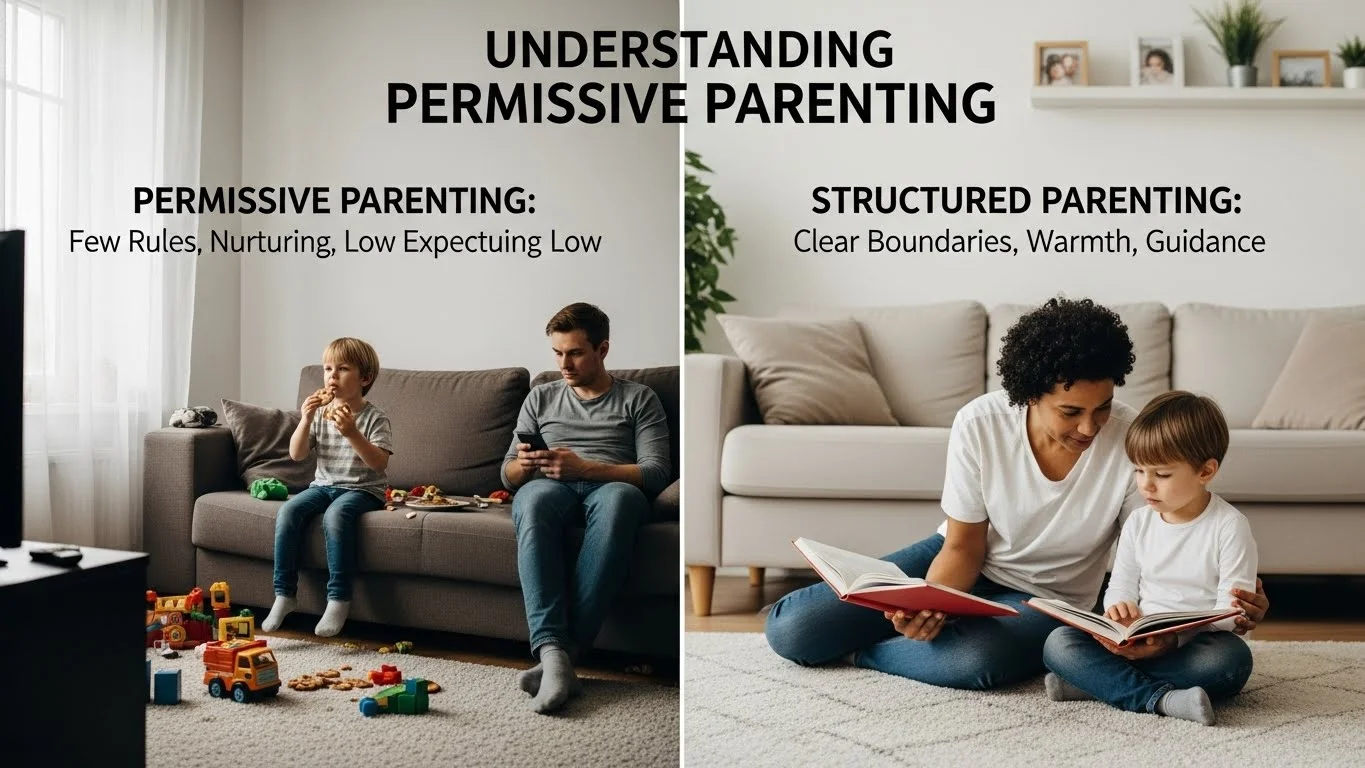
What is Permissive Parenting?
Definition and Characteristics
Permissive parenting, in my experience, is characterized by a high level of warmth and nurturing combined with a low level of control. As a permissive parent, I’ve found that it can feel like walking a tightrope sometimes. On one hand, I want to foster a loving environment where my children feel safe to express themselves, but on the other hand, I often question whether I’m providing enough structure. This parenting style is marked by a tendency to allow children significant freedom in their choices, often prioritizing their desires over strict rules or expectations. Instead of imposing strict guidelines, permissive parents typically engage in open discussions, hoping to guide rather than control their children’s behavior.
Historical Context and Evolution
The concept of permissive parenting didn’t just pop up overnight. In fact, it has evolved over time, influenced by broader cultural shifts. I’ve come to realize that parenting styles reflect societal values, and permissive parenting is no different. Historically, the mid-20th century saw a rise in child psychology, where experts advocated for a more nurturing approach, contrasting sharply with the authoritarian styles prevalent in previous generations. This shift encouraged parents to focus on emotional support and understanding, rather than obedience and discipline. I’ve noticed that as society progresses, many parents now lean toward permissive methods, often believing it fosters stronger parent-child bonds. While this evolution has its merits, it also raises questions about the balance between freedom and guidance.
Key Characteristics of Permissive Parenting
High Responsiveness
One of the standout features of permissive parenting is the high level of responsiveness. I’ve always tried to be there for my kids when they express their needs or emotions. This responsiveness creates a supportive atmosphere where children feel heard and valued. For instance, if my child comes home upset about a friend issue, instead of dismissing it, I sit down to listen and offer advice. This emotional availability fosters trust and strengthens our relationship, which is something I deeply cherish.
Low Demands and Expectations
Another hallmark of permissive parenting is the absence of stringent demands or expectations. I’ve noticed that many permissive parents, including myself, tend to avoid imposing strict rules. Instead, we prefer to guide our kids toward making their own decisions. For example, when it comes to homework, I often encourage my children to set their own study schedules rather than dictating when or how they should complete their assignments. While this approach can foster independence, I’ve sometimes worried it might lead to a lack of accountability. Read Interesting article: Navigating the Challenges of Permissive Parenting Styles
Emphasis on Freedom and Autonomy
Permissive parenting places a significant emphasis on freedom and autonomy. I remember when my oldest wanted to choose her own clothes for school. Initially, I was apprehensive about her fashion choices, but I decided to let her express herself. This experience taught me that allowing children to make choices, even in small matters, can boost their confidence and self-esteem. I believe that this freedom can empower children to explore their interests and develop their individuality. Yet, I have also learned that with this freedom comes the responsibility of helping them understand the consequences of their choices.
Comparison with Other Parenting Styles
Authoritative Parenting
When comparing permissive parenting to authoritative parenting, we see some clear distinctions. Authoritative parents, like my friends who practice this style, maintain a balance of warmth and firm expectations. I admire this approach, where rules exist, but there’s a strong emphasis on open communication. I’ve often observed that children raised in authoritative households benefit from structure while feeling supported, which is a balance I sometimes struggle to achieve.
Authoritarian Parenting
On the other hand, authoritarian parenting is much stricter and less responsive. In my opinion, this style can create a fear-based environment where children feel they must comply without question. While I understand the desire for discipline, I’ve seen the potential long-term effects on children’s self-esteem and independence. I want my kids to feel empowered to express their thoughts rather than just obeying rules.
Neglectful Parenting
Lastly, there’s neglectful parenting, which contrasts sharply with permissive parenting. Neglectful parents often lack both responsiveness and demands. I believe that while permissive parents provide a nurturing environment, neglectful parents may inadvertently create a void in emotional support. It’s a reminder for me that while emphasizing freedom is important, ensuring my children feel loved and valued is just as crucial.
Benefits of Permissive Parenting
Encouragement of Creativity
One of the most significant benefits I’ve noticed with permissive parenting is the encouragement of creativity. By allowing my children to explore their interests without the constraints of strict rules, I’ve seen them flourish artistically. For instance, when my youngest started showing an interest in painting, I provided her with all the colors and brushes she needed, without pushing her to stick to particular techniques or themes. This freedom led to some beautiful creations that truly reflect her personality. I believe that when children feel free to express themselves, they not only develop their creative skills but also gain confidence in their abilities. This has inspired me to embrace their unique visions, rather than impose my own ideas on them.
Strengthened Parent-Child Relationship
I’ve found that permissive parenting has significantly strengthened my relationship with my kids. The open communication and emotional support foster a sense of trust that is invaluable. I remember one day when my teenager came to me with a problem that was weighing heavily on her. Instead of feeling like she had to hide it from me, she felt comfortable enough to share her concerns. This experience made me realize that the connection we have allows her to come to me during challenging times. I believe this bond will serve her well as she navigates adolescence and beyond. For me, knowing that my children feel they can come to me is one of the greatest affirmations of my parenting style.
Development of Independence
Another advantage of permissive parenting is the development of independence in children. I’ve noticed that by giving my kids the autonomy to make their own choices, they learn to take responsibility for their actions. For example, when my daughter decided to join a club at school, I encouraged her to manage her own schedule. While I initially worried about her balancing her time, I soon realized that this experience taught her valuable lessons in time management and personal responsibility. I believe that allowing children to make decisions about their own lives helps them grow into capable and self-sufficient individuals. It’s a rewarding experience to watch them navigate challenges and make choices that reflect their values. Read Interesting article: The Hidden Effects of Permissive Parenting on Kids’ Behavior
Challenges of Permissive Parenting
Potential for Behavioral Issues
Despite the numerous benefits, permissive parenting comes with its own set of challenges. One concern I’ve encountered is the potential for behavioral issues. I’ve seen that without clear boundaries, some children may test limits and push for more freedom. There have been times when I’ve had to step in after my kids took advantage of the leniency I offered. For instance, when my son started ignoring curfews, I had to reassess how much freedom I was giving him. It reminded me that while I value independence, it’s essential to establish some ground rules to maintain a respectful and safe environment.
Lack of Structure and Discipline
Another challenge I’ve faced is the lack of structure and discipline that can sometimes accompany permissive parenting. I’ve realized that without consistent guidelines, my children may struggle to understand expectations in various settings, like school or sports. There have been moments when I’ve seen them struggle with authority figures because they weren’t used to following rules strictly. This has prompted me to find a balance between being their friend and being the authority figure they need. I believe that introducing some structure, without compromising their autonomy, can help them thrive in different environments.
Impact on Academic Performance
Lastly, I’ve observed that permissive parenting might impact academic performance. Without firm expectations for homework and study habits, I’ve seen my children sometimes procrastinate or avoid schoolwork altogether. I remember a time when my daughter struggled with completing her assignments on time. It became clear to me that my relaxed approach was not helping her in this area. To counter this, I started encouraging her to set her own deadlines while providing support and reminders. This collaboration not only improved her academic performance but also allowed her to take ownership of her education. I believe it’s essential for permissive parents to find ways to keep education a priority while still respecting their child’s independence.
Practical Tips for Permissive Parents
Setting Boundaries While Maintaining Freedom
One of the most important lessons I’ve learned as a permissive parent is the necessity of setting boundaries while still allowing my children the freedom to explore. It can feel like a balancing act. For example, when my kids were younger, I found it helpful to establish a few non-negotiable rules that provided a framework for their behavior. I remember setting a clear guideline that homework had to be completed before screen time. This approach allowed my children to manage their time while ensuring that their responsibilities were prioritized. I believe it’s vital for permissive parents to identify those key boundaries that maintain structure in the home while still respecting their children’s autonomy. It’s about finding that sweet spot where our kids feel free to make choices, yet still understand the importance of accountability.
Effective Communication Strategies
Communication plays a significant role in permissive parenting. I’ve found that fostering an environment where my children feel comfortable expressing their thoughts is crucial. One technique that has worked well for us is regular family meetings. During these meetings, we gather to discuss any concerns, upcoming events, or simply share what’s on our minds. I remember a time when my eldest was anxious about an upcoming school project. By encouraging her to voice her worries, we could work together to break the project down into manageable tasks. This not only eased her anxiety but also taught her that it’s okay to seek help. I think that by practicing open communication, we can keep the lines of dialogue open, which in turn strengthens our relationship and helps my children feel more secure.
Balancing Autonomy with Guidance
Balancing autonomy with guidance is another area where I’ve had to be intentional as a permissive parent. While I value my children’s independence, I also want to ensure they have the tools to navigate challenges effectively. For instance, when my son wanted to try out for the school soccer team, I encouraged him to practice regularly and set his own goals for improvement. However, I also made it a point to check in and offer support, like attending his practices or discussing strategies after games. This blend of guidance and independence has been beneficial. I believe it allows children to develop their skills and confidence while knowing they have a safety net when they need it. It’s a reminder that while we want our kids to be independent, they also benefit from knowing we’re there for them if they stumble.
Understanding the Psychological Impact
Effects on Child Development
From my perspective, permissive parenting can have profound effects on child development, both positive and negative. I’ve observed that children raised in permissive environments often exhibit high levels of creativity and self-expression, as they feel encouraged to pursue their interests without fear of judgment. However, I’ve also seen instances where a lack of structure can lead to difficulties in social settings or academic environments. For example, when my daughter struggled to adhere to a group project timeline, it highlighted the importance of learning how to cooperate and stay organized in a team. I think it’s crucial for permissive parents to recognize these developmental milestones and adjust their approaches when necessary, ensuring that their children not only thrive creatively but also learn essential life skills.
Long-term Outcomes for Permissive Children
Looking ahead, I’ve pondered the long-term outcomes for children raised in permissive households. Research suggests that while these children may thrive in creativity and self-esteem, they can also face challenges with authority and self-discipline later in life. I remember reading about how some permissive children might struggle in structured environments, like the workplace, where clear expectations and rules are essential. It made me reflect on my parenting choices and the importance of preparing my children for real-world scenarios. I believe it’s beneficial to foster an understanding of boundaries alongside independence, helping them develop the skills they need to navigate various aspects of life successfully.
Permissive Parenting in Different Cultural Contexts
Variations Across Cultures
Permissive parenting doesn’t exist in a vacuum; it’s influenced by cultural contexts. I’ve noticed that in some cultures, permissive approaches are more accepted and even encouraged, while in others, they may be viewed with skepticism. For instance, in some Western cultures, the emphasis on child autonomy is celebrated, whereas more collectivist cultures might prioritize obedience and respect for authority. This cultural lens shapes how we perceive and implement permissive parenting. I think it’s fascinating to see how different societies interpret the balance between freedom and structure in child-rearing. It encourages me to reflect on my values and understand how they fit within a broader cultural framework.
Global Perspectives on Parenting Styles
As I’ve explored parenting styles globally, I’ve come to appreciate the diversity in approaches. In Scandinavian countries, for example, permissive parenting is often blended with strong social support systems that promote both independence and well-being. I recall reading about how parents in these regions often trust their children to make decisions, knowing that there are community resources available to guide them. This perspective has inspired me to think about how I can create a similar support system for my children. I believe that understanding these global perspectives enriches our own parenting journey, allowing us to learn from various practices that can enhance our approach.
Resources for Permissive Parents
Books and Literature
As a permissive parent, I’ve found that diving into books and literature about parenting can be incredibly insightful. One of my favorites is “The Whole-Brain Child” by Daniel J. Siegel and Tina Payne Bryson. This book offers practical strategies rooted in neuroscience that help parents understand their child’s development. I remember reading it and feeling like it opened a new window into how my kids think and feel. Another great resource is “How to Talk So Kids Will Listen & Listen So Kids Will Talk” by Adele Faber and Elaine Mazlish. This book provided me with effective communication techniques that have helped foster that open dialogue I cherish with my children.
Online Communities and Support Groups
Connecting with other parents has been a game-changer for me. Online communities, like those on Facebook or dedicated parenting forums, allow us to share experiences, challenges, and successes. I’ve found solace in knowing I’m not alone in my parenting journey. Sites like Reddit have specific subreddits for parenting discussions, where we not only share tips but also support one another through tough times. Engaging with these communities has helped me feel more confident in my choices and has introduced me to different perspectives that I may not have considered otherwise.
Professional Guidance and Counseling
Sometimes, reaching out for professional help can be invaluable. I’ve sought guidance from a family therapist when I felt overwhelmed and uncertain about my permissive parenting style. It was reassuring to discuss my concerns and gain insights from an expert. Many therapists understand the nuances of different parenting styles and can provide tailored advice. I believe that investing in professional guidance can help us navigate the complexities of our parenting paths and ensure we’re making the best decisions for our children.
Final Thoughts
Reflecting on my journey as a permissive parent, I realize that this path is filled with both rewarding moments and unique challenges. I cherish the open communication, creativity, and independence I encourage in my children. However, I also recognize the importance of setting boundaries and providing structure to help them thrive in various aspects of life. It’s a continuous learning experience, where I adjust my approach based on my children’s evolving needs. In the end, I believe that the heart of permissive parenting lies in the balance we create between freedom and guidance. Each day brings new opportunities to nurture our children while preparing them for the world ahead, and that’s a journey I’m grateful to be on.
Frequently Asked Questions
What is permissive parenting?
Permissive parenting is characterized by a high level of warmth and nurturing combined with a low level of control. It allows children significant freedom in their choices, often prioritizing their desires over strict rules or expectations.
What are the key characteristics of permissive parenting?
Key characteristics include high responsiveness to children’s needs, low demands and expectations, and an emphasis on freedom and autonomy. Permissive parents engage in open discussions rather than imposing strict guidelines.
How does permissive parenting compare to authoritative parenting?
Permissive parenting contrasts with authoritative parenting, which maintains a balance of warmth and firm expectations. Authoritative parents set rules while emphasizing open communication, providing structure and support.
What are the benefits of permissive parenting?
Benefits of permissive parenting include encouragement of creativity, a strengthened parent-child relationship, and the development of independence in children, allowing them to learn responsibility and decision-making skills.
What challenges might permissive parents face?
Challenges include the potential for behavioral issues due to lack of boundaries, a lack of structure and discipline, and possible negative impacts on academic performance if expectations for schoolwork are not clearly established.
How can permissive parents set boundaries while maintaining freedom?
Permissive parents can establish non-negotiable rules that provide a framework for behavior, such as requiring homework to be completed before screen time, thus balancing children’s freedom with accountability.
What role does communication play in permissive parenting?
Effective communication is crucial in permissive parenting. Fostering an environment where children feel comfortable expressing their thoughts helps strengthen relationships and allows for open dialogue about concerns and challenges.
What are the psychological impacts of permissive parenting on children?
Permissive parenting can encourage high levels of creativity and self-expression, but it may also lead to challenges with authority and self-discipline later in life, impacting their ability to navigate structured environments.
How does permissive parenting vary across different cultural contexts?
Permissive parenting is influenced by cultural contexts, with some cultures celebrating child autonomy while others may prioritize obedience. This variation shapes how permissive parenting is perceived and practiced globally.
What resources are available for permissive parents?
Resources for permissive parents include books such as “The Whole-Brain Child” and “How to Talk So Kids Will Listen & Listen So Kids Will Talk,” as well as online communities and support groups for sharing experiences and advice.
Permissive parenting often gets a bad rap, but it can be an effective approach when used thoughtfully. Let’s dive into understanding this style, its benefits, and how to make it work for our families. Read Interesting article: Exploring Permissive Parenting: Pros, Cons, and Tips
Understanding Permissive Parenting
Definition of Permissive Parenting
Permissive parenting, in my experience, is a style that emphasizes warmth and acceptance over strict rules and discipline. It’s characterized by a high degree of responsiveness to a child’s needs and emotions but offers fewer guidelines and limits. I remember chatting with a friend about how permissive parents often prioritize their children’s desires and feelings, allowing them to explore and express themselves freely. At its core, this approach is about nurturing a child’s individuality and fostering a sense of autonomy.
Characteristics of Permissive Parents
From my observations, permissive parents often display several key characteristics. They tend to be more lenient and flexible, which can create a relaxed home environment. I’ve seen many permissive parents who avoid confrontation and often give in to their child’s wishes, which can lead to a playful, loving dynamic. However, they may struggle with setting boundaries or enforcing rules. It’s not uncommon for them to prioritize their children’s happiness over maintaining a structured environment.
Another notable trait is their inclination to be more like friends than authoritative figures. I’ve noticed that these parents often engage in open discussions with their kids, valuing their opinions and feelings. It creates a safe space for children to voice their thoughts without fear of judgment.
Differences Between Parenting Styles
Understanding how permissive parenting differs from other styles can help clarify its unique position. For instance, authoritative parenting, which I find to be a balanced approach, combines responsiveness with structure. It sets clear expectations while still allowing freedom of expression. In contrast, permissiveness leans heavily on the emotional connection, often sacrificing the boundaries that authoritative parents might enforce. Observing these distinctions has helped me appreciate how each style can influence a child’s development differently. Read Interesting article: The Battle of Parenting Styles: Permissive vs. Authoritative
On the other hand, authoritarian parenting stands in stark contrast to permissive methods. Authoritarian parents tend to be strict and demand obedience, often using rules without room for discussion. I remember reading about how this can lead to children who may follow rules but struggle with self-esteem and independence. It’s essential to recognize that our parenting styles can shape our children’s futures in significant ways.
Benefits of Permissive Parenting
Fostering Independence in Children
One of the standout benefits of permissive parenting, in my experience, is how it fosters independence in children. By allowing kids to make choices, even if they occasionally lead to mistakes, we help them develop critical decision-making skills. I recall a time when my friend let his daughter choose her own extracurricular activities. She explored various interests, ultimately discovering a passion for art. That autonomy can be empowering and builds confidence in their ability to navigate the world.
Encouraging Open Communication
Permissive parenting can also create an environment where open communication thrives. I’ve seen that children raised in this style feel comfortable expressing their thoughts and feelings. They often grow up to be more communicative adults who can articulate their needs and desires. Personally, I believe that fostering this sort of dialogue is invaluable. It allows children to feel heard and respected, which can strengthen their self-worth.
Building Strong Emotional Bonds
When I think about strong emotional bonds between parents and children, permissive parenting often comes to mind. The warmth and acceptance in these relationships can lead to deep connections. I’ve experienced this firsthand with my own kids; the more we talk openly and share experiences without fear of judgment, the more our trust and love grow. This emotional closeness can lead to a supportive environment where children feel secure and valued.
Overall, while permissive parenting has its drawbacks, it offers numerous benefits that can be incredibly enriching for both parents and children. By understanding its characteristics and embracing its strengths, we can navigate this parenting style with intention and care.
Drawbacks of Permissive Parenting
Potential Behavioral Issues
While I’ve seen many benefits to permissive parenting, I can’t ignore the potential drawbacks. One of the areas that often raises concern is behavioral issues. Because permissive parents tend to set fewer limits, some children may struggle with understanding boundaries. I’ve observed that kids raised in this style can sometimes exhibit impulsive behaviors, as they haven’t learned to navigate restrictions effectively. For instance, a friend of mine shared how her son would often interrupt conversations or demand things without waiting for an answer, as he was used to having his wishes immediately met. This behavior can lead to challenges not just at home, but also in social settings and at school.
Lack of Structure and Discipline
Another significant drawback is the lack of structure and discipline that can accompany permissive parenting. I remember a time when I tried to implement a more relaxed approach, thinking it would foster creativity and comfort. However, I soon realized that without some form of structure, my kids sometimes struggled to manage their time and responsibilities. They had difficulty completing their homework or chores because they weren’t used to adhering to any schedules or expectations. I learned that a little structure can go a long way in helping children develop important life skills, like time management and accountability.
Impact on Academic Performance
The effects of permissive parenting can also extend to a child’s academic performance. When expectations aren’t clearly set, children might lack motivation to excel in school. I’ve seen this happen with friends who, despite their nurturing environment, noticed their kids were more focused on play than on their studies. In some cases, this led to poor grades and a lack of initiative. I believe that while it’s great to allow children to pursue their interests freely, we also need to encourage a sense of responsibility toward their education. Balancing encouragement with expectations can help ensure that they don’t fall behind academically. Read Interesting article: Top Strategies for Effective Permissive Parenting
When to Adopt a Permissive Parenting Approach
Situations Where Flexibility is Beneficial
There are situations where adopting a permissive approach can truly shine. For example, during times of stress—like moving to a new home or dealing with a family illness—flexibility can help children feel more secure. I remember when my family went through a tough transition, and allowing my kids some extra leeway made a significant difference in their emotional well-being. They appreciated having the freedom to express their feelings and adjust to the changes in a way that felt comfortable for them. This flexibility allowed us to stay connected during a challenging time.
Age-Appropriate Considerations
Another key factor is age. I’ve noticed that as children grow, their needs change. Younger kids often require more guidance and structure, while teenagers may benefit from more autonomy to make their own choices. When my daughter turned into a teenager, I found it helpful to step back a bit, allowing her to make decisions about her social life and interests. This shift encouraged her to take responsibility for her choices, while I still provided guidance where necessary. Understanding where your child is developmentally can help you know when to embrace permissiveness and when to maintain some level of control.
Balancing Permissiveness with Guidance
Finding the right balance between permissiveness and guidance is essential. I’ve learned that it’s okay to be flexible while still establishing some rules. For example, while I often let my kids choose their activities, I also set expectations for their behavior and schoolwork. This balance has worked well for us, as it allows them the freedom to explore while still feeling secure in knowing what’s expected of them. I believe that as parents, we can create a nurturing environment that also supports our children in developing the skills they need to thrive.
Effective Strategies for Permissive Parenting
Setting Boundaries While Being Flexible
One strategy I’ve found helpful is setting clear boundaries while maintaining flexibility. It’s about having those essential guidelines in place but being open to adjusting them as needed. For example, I established a rule about screen time but allowed my kids to negotiate extra time if they had completed their chores. This approach gives them a sense of control and responsibility while keeping the structure intact. I think it’s crucial to communicate these boundaries clearly, so they understand the reasoning behind them.
Encouraging Responsibility Through Choices
Encouraging responsibility through choices is another effective strategy. I remember when my son wanted to choose his own bedtime. Instead of just saying yes or no, I offered him a choice between two bedtimes: one that allowed him to read a bit more and one that required him to wake up earlier. This way, he felt empowered to make a decision while still considering the consequences. It’s been rewarding to watch him learn to weigh options and take responsibility for his choices.
Active Listening Techniques
Active listening is key in permissive parenting. I’ve made it a point to practice this with my kids. When they share their thoughts or concerns, I try to focus fully on what they’re saying, reflecting back their feelings and validating their experiences. This has not only helped strengthen our bond, but it has also encouraged them to open up about their feelings and fears. It’s amazing how much a simple act of listening can foster trust and communication in our relationships.
Tips for Communicating with Your Child
Using Empathy in Conversations
One of the most effective ways to connect with my children is by using empathy in our conversations. I’ve learned that when we put ourselves in their shoes, it not only helps us understand their feelings but also fosters a sense of trust. For example, when my daughter comes home upset from school, instead of jumping straight to solutions, I first acknowledge her feelings. I might say something like, “It sounds like that really bothered you.” This simple act of validating her emotions opens up a dialogue where she feels safe to express herself. I believe that empathy is a cornerstone of effective communication, especially in a permissive parenting style where emotional connections are vital.
Involving Children in Decision-Making
Involving our kids in decision-making processes is another powerful communication strategy. I remember when we were planning a family vacation; instead of unilaterally deciding on a destination, I encouraged my kids to share their preferences. We made a list of options together, and I let them weigh in on what they wanted to do. This not only made them feel valued but also taught them about compromise and collaboration. I think this approach helps children feel a sense of ownership and responsibility, which aligns beautifully with the ideas behind permissive parenting.
Establishing a Non-Judgmental Environment
Creating a non-judgmental environment has been key in encouraging open communication. I’ve noticed that when my children know they can speak freely without fear of criticism, they are more likely to share their thoughts and feelings. I consciously strive to listen without jumping to conclusions or giving immediate feedback that could come across as judgmental. For instance, when my son shares a story about a difficult interaction with friends, I focus on listening rather than offering my own opinions right away. This allows him to process his emotions and feel heard, fostering a deeper bond between us.
Combining Permissive Parenting with Other Styles
Integrating Authoritative Techniques
While I value the principles of permissive parenting, I’ve found that integrating authoritative techniques can create a more balanced approach. Authoritative parenting combines warmth with structure, and I believe this balance is crucial. For instance, while I love letting my children express themselves freely, I also know the importance of setting certain expectations. I’ve started to establish clear rules around responsibilities, such as completing homework before screen time, while still allowing them to choose how they wish to approach those tasks. This blend has helped my kids understand the significance of accountability while feeling supported and understood.
Finding the Right Balance
Finding the right balance between permissiveness and other styles can sometimes feel like a juggling act. I often reflect on our family dynamics and decide when it might be appropriate to lean more toward structure. For example, during exam weeks, I tend to be less permissive and more focused on academic expectations. I explain to my children why we need to prioritize their studies during that time, and they appreciate having a clear sense of direction. This adaptable approach allows me to remain a caring and supportive parent while still instilling the importance of responsibility and discipline in their lives.
Common Misconceptions About Permissive Parenting
Permissiveness Equals Lack of Discipline
One common misconception I’ve encountered is the idea that permissive parenting equates to a lack of discipline. I’ve often heard people say, “Those kids have no rules!” However, in my experience, permissive parents can be quite effective at discipline, just not in the traditional sense. Instead of strict rules, we focus on guiding our children through consequences and discussions. For example, if my child decides to skip their homework, I’ll have a conversation about the impact of that choice and how it affects their responsibilities. This approach allows them to learn from their mistakes while still feeling supported.
All Children Thrive Under Permissive Parenting
Another misconception is that all children will thrive under permissive parenting. I’ve noticed that while many kids benefit from this style, others may struggle without clear boundaries. Each child is unique, and their individual needs can vary widely. Some children may require more structure and guidance to flourish, while others thrive in a more open environment. I believe it’s crucial to observe and adapt our parenting styles to each child’s personality and needs. For instance, my more independent child does well with a permissive approach, while my other child benefits from a bit more guidance.
Long-Term Effects of Permissive Parenting
Lastly, there’s often concern about the long-term effects of permissive parenting. Some people worry that children raised in this style may struggle with authority or lack self-discipline as they grow older. While I understand these concerns, I’ve seen that with the right balance, permissive parenting can lead to resilient, confident individuals. I’ve watched my kids develop strong communication skills and a sense of responsibility as they navigate their choices. By teaching them to be accountable in a supportive environment, I believe we are preparing them for the challenges of adulthood.
Resources for Permissive Parenting
Books and Literature
For anyone interested in exploring permissive parenting further, I’ve found a wealth of books and literature that can provide valuable insights. Titles like “The Whole-Brain Child” by Daniel J. Siegel and Tina Payne Bryson have been particularly helpful for understanding how to nurture a child’s emotional and cognitive development. These resources delve into the psychology behind parenting styles and offer practical tips for integrating warmth and structure.
Online Communities and Support Groups
Connecting with others who share similar parenting philosophies can be incredibly beneficial. I’ve joined several online communities and support groups where parents discuss their experiences with permissive parenting. These spaces provide a platform to share stories, seek advice, and find encouragement. It’s comforting to know that we’re not alone in our parenting journeys, and I always come away from these discussions with new ideas and perspectives.
Workshops and Parenting Classes
Finally, attending workshops and parenting classes has been a game-changer for me. Many organizations offer sessions that focus on different parenting styles, including permissive approaches. I remember attending a workshop that emphasized the importance of communication and empathy in parenting. It was enlightening and gave me practical tools to implement at home. I recommend looking for local resources or online options that can help you deepen your understanding of permissive parenting and how to apply it effectively.
Frequently Asked Questions
What is permissive parenting?
Permissive parenting is a style that emphasizes warmth and acceptance over strict rules and discipline. It focuses on being responsive to a child’s needs and emotions while offering fewer guidelines and limits.
What are the characteristics of permissive parents?
Permissive parents are often lenient and flexible, avoid confrontation, and prioritize their children’s happiness. They tend to be more like friends than authoritative figures and engage in open discussions with their children.
How does permissive parenting differ from authoritative parenting?
Permissive parenting differs from authoritative parenting in that it leans heavily on emotional connection and often lacks the structure and clear expectations that authoritative parenting provides. Authoritative parents combine warmth with clear boundaries.
What are the benefits of permissive parenting?
Permissive parenting fosters independence, encourages open communication, and builds strong emotional bonds between parents and children. It allows children to explore and express themselves freely, which can enhance their self-worth and confidence.
What are some drawbacks of permissive parenting?
Drawbacks of permissive parenting include potential behavioral issues due to a lack of boundaries, a lack of structure and discipline, and possible negative impacts on academic performance, as children may not feel motivated to excel in school.
When is it appropriate to adopt a permissive parenting approach?
Adopting a permissive approach can be beneficial during times of stress, such as moving or family illness, as it allows children to feel secure. Age-appropriate considerations also play a role, as younger children may need more guidance while teenagers may benefit from autonomy.
What strategies can help implement permissive parenting effectively?
Effective strategies include setting clear boundaries while being flexible, encouraging responsibility through choices, and practicing active listening to foster trust and communication.
How can empathy be used in communication with children?
Using empathy in conversations helps parents understand their children’s feelings and fosters trust. Acknowledging their emotions creates a safe space for dialogue, enabling children to express themselves without fear of judgment.
What common misconceptions exist about permissive parenting?
Common misconceptions include the belief that permissive parenting lacks discipline and that all children will thrive under this style. Additionally, there are concerns about the long-term effects of permissive parenting on children’s self-discipline and ability to handle authority.
What resources are available for those interested in permissive parenting?
Resources include books such as “The Whole-Brain Child,” online communities and support groups for shared experiences, and workshops or parenting classes that focus on different parenting styles, including permissive approaches.
Permissive parenting can be a double-edged sword, balancing freedom with the need for guidance. Let’s explore this unique style and discover how to wield it effectively in our parenting journey. For a deeper understanding, check out The Battle of Parenting Styles: Permissive vs. Authoritative.
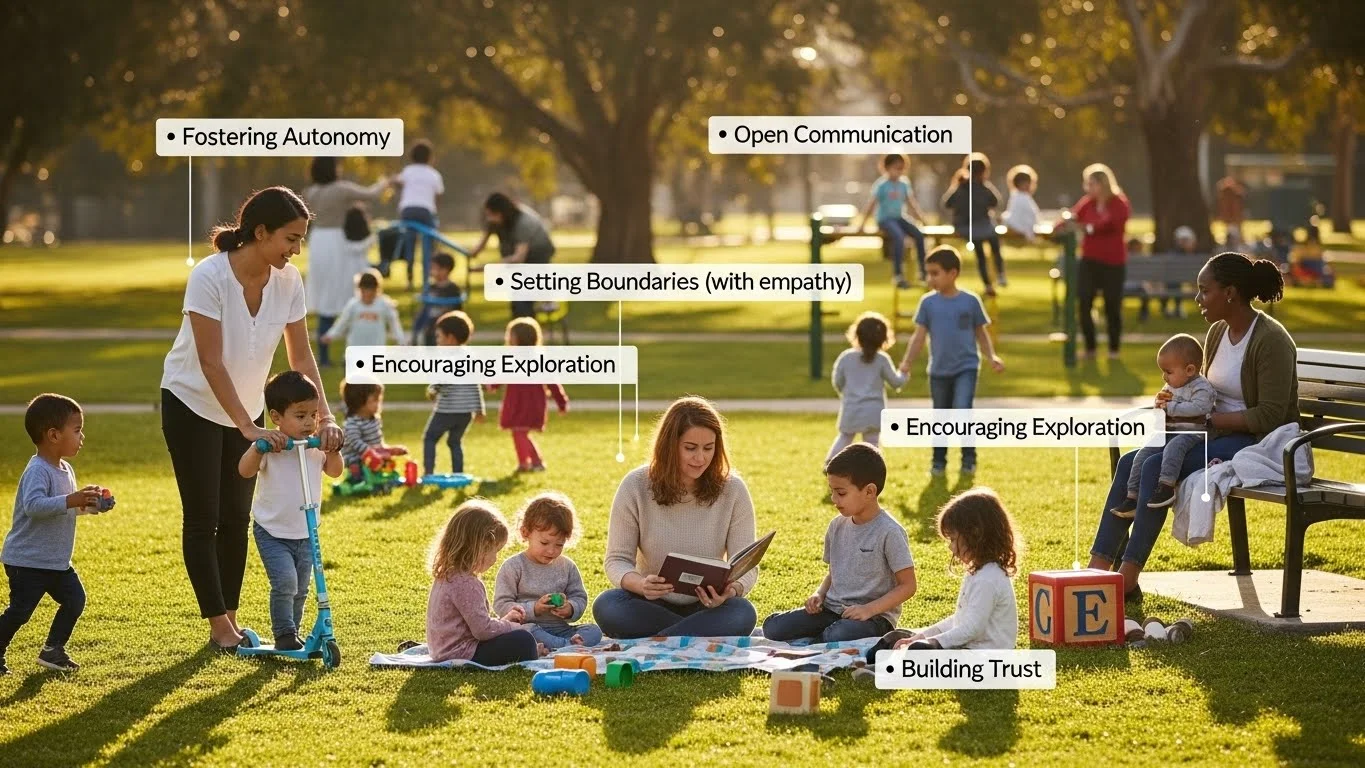
Understanding Permissive Parenting
Definition of Permissive Parenting
Permissive parenting, as I’ve come to understand it, is a style characterized by a warm and nurturing approach, where parents are lenient and allow considerable freedom for their children. This means that, instead of imposing strict rules and expectations, permissive parents prioritize their child’s individual needs, desires, and feelings. I find this parenting style fascinating because it emphasizes understanding and support over control, leading to a unique dynamic between parents and kids.
Characteristics of Permissive Parenting
From my experience, permissive parenting has several key characteristics. These include:
- High Responsiveness: Permissive parents are often very responsive to their child’s emotional needs. They want their children to feel loved and understood.
- Low Demands: They set few rules and expectations, which allows children to explore and make choices freely.
- Emphasis on Freedom: Kids are encouraged to make their own decisions and express themselves, which can foster a sense of autonomy.
- Friendship Over Authority: Many permissive parents aim to cultivate a friendly relationship with their child, often prioritizing emotional connection over discipline.
While I appreciate these traits, I also realize that they can lead to challenges if not balanced properly.
Comparison with Other Parenting Styles
When I first started examining different parenting styles, I noticed that permissive parenting sits on one end of the spectrum, especially when compared to authoritative and authoritarian styles. Authoritative parents, for instance, set clear rules but also provide warmth and support, creating a balance of structure and freedom. In contrast, authoritarian parents impose strict rules with little room for flexibility or open conversation.
Permissive parenting, with its laid-back approach, can lead to children who are creative and independent thinkers, yet this can sometimes come at the cost of structure. It’s essential to know where our own parenting style lies on this spectrum, as it can significantly impact our children’s development and behavior. For further insights, consider reading Navigating Parenting Styles: Permissive vs. Authoritative Insights.
Benefits of Permissive Parenting
Fostering Independence in Children
One of the standout benefits I’ve seen with permissive parenting is how it fosters independence in children. Because these parents allow their kids to make choices, children learn to think for themselves and develop their decision-making skills. I remember when my friend’s child was allowed to choose their own clothes each morning. Sure, the outfits were sometimes mismatched, but it empowered the child to express their uniqueness and confidence.
Encouraging Open Communication
Another aspect I cherish about permissive parenting is the open lines of communication it promotes. When parents encourage their children to voice their thoughts and feelings without fear of harsh judgment, it creates a space where honesty thrives. For example, I’ve noticed that permissive parents often have kids who are comfortable discussing their challenges and successes, which is invaluable as they grow into teenagers and adults.
Enhancing Creativity and Self-Expression
From what I’ve observed, permissive parenting can enhance creativity and self-expression in children. By allowing them to explore their interests without stringent oversight, kids can dive deep into their passions. I’ve seen children engage in everything from art projects to science experiments, all fueled by their own curiosity. This freedom can lead to innovative thinking and a lifelong love of learning.
Challenges of Permissive Parenting
Potential for Lack of Structure
While there are many advantages, I’ve also seen some challenges that come with permissive parenting. One major issue is the potential for a lack of structure. Without clear boundaries, children may struggle to understand expectations. I once spoke to a parent who found that their child was overwhelmed in social situations because they weren’t used to following rules, creating unnecessary stress for everyone involved.
Risk of Behavioral Issues
Another concern I’ve noticed is the risk of behavioral issues. Without consistent discipline, children might test limits, leading to tantrums or disrespectful behavior. I remember a particular instance when a friend’s child, raised in a permissive environment, struggled with sharing at playdates. This was a learning moment for the parent, who realized that some guidance was necessary to help the child navigate social norms.
Struggles with Authority and Discipline
Lastly, permissive parenting can create struggles with authority and discipline. Children might not respond well to instructions when they’ve been accustomed to having their choices prioritized. This can be particularly challenging during school years when adherence to rules becomes essential. I’ve seen this firsthand when children struggle to adjust to classroom expectations after being raised in a permissive atmosphere.
Strategies for Effective Permissive Parenting
Setting Clear Boundaries
One of the best strategies I’ve learned for effective permissive parenting is to set clear boundaries. While it’s vital to allow kids the freedom to express themselves, having defined limits can provide a sense of security. I remember a time when my friend’s son had free reign over his screen time, which led to some late-night gaming marathons. Once they agreed on a specific time frame, everyone felt more at ease. The child understood what was expected, and the parents could rest knowing they had some control over the situation.
Maintaining Consistent Communication
Consistent communication is another cornerstone of successful permissive parenting. I’ve found that regular check-ins with my kids about their feelings and experiences can make a world of difference. When I ask open-ended questions, I learn so much about their thoughts and concerns. For instance, I often ask them how they feel about their day or if something is bothering them. This practice not only helps them articulate their feelings but also strengthens our bond, making it easier to navigate any issues that arise.
Using Positive Reinforcement
Using positive reinforcement is a technique that I’ve seen yield remarkable results. Acknowledging and praising good behavior encourages children to repeat those actions. I’ve noticed that when I celebrate small successes, like my daughter finishing her homework on time, she gains confidence and motivation to tackle more challenges. Simple affirmations like “I’m proud of you for trying your best” can transform a child’s mindset, reinforcing their sense of competence and responsibility.
Balancing Freedom and Responsibility
Finding the right balance between freedom and responsibility can be tricky, but it’s essential for effective permissive parenting. I learned this firsthand when my son wanted to stay home alone for the first time. We discussed what that would entail, including checking in with me at specific intervals and keeping emergency contacts handy. This way, he felt empowered to take on the responsibility while still having the safety net of my guidance. It’s fascinating to see how much kids can handle when we give them a chance.
Encouraging Problem-Solving Skills
Encouraging problem-solving skills is another effective strategy I’ve embraced. Rather than jumping in to resolve every issue, I’ve learned to guide my kids through the process of finding their own solutions. When my daughter struggles with a math problem, instead of providing the answer, I ask her questions that lead her to discover the solution herself. This not only fosters independence but also equips her with essential life skills for the future.
Incorporating Routine and Structure
Incorporating some routine and structure can help mitigate the challenges of permissive parenting. I’ve found that a flexible daily schedule can offer my kids the freedom they crave while still providing a sense of stability. For instance, we established a morning routine that includes time for breakfast, chores, and school prep, but we leave room for them to choose how they want to fill that time. This balance has led to smoother mornings in our house and less chaos as we head out the door.
When to Adjust Your Parenting Approach
Signs That Permissive Parenting May Not Be Working
Recognizing when permissive parenting may not be working is crucial. I’ve noticed that certain signs can indicate it’s time to reassess our approach. For example, if my child frequently tests boundaries, struggles with authority, or exhibits increasing behavioral issues, it may signal a need for more structure. I remember a phase when my youngest became increasingly defiant at home, which made me realize I needed to step up and implement clearer rules. It’s vital to stay attuned to these signs to ensure our kids are thriving.
Transitioning to a More Authoritative Style
When the need arises, transitioning to a more authoritative style can be beneficial. This doesn’t mean abandoning permissive parenting entirely, but rather integrating elements of structure and discipline. I learned this when my son faced challenges in school due to a lack of boundaries at home. We decided to set specific homework times and develop consequences for neglecting responsibilities. This transition didn’t happen overnight, but gradually, my son adjusted and flourished with the added support. It’s all about finding that right mix that works for our family. For more on this topic, read Permissive vs. Authoritative: Which Parenting Style Fits You?.
Resources for Permissive Parenting
Books on Permissive Parenting
When I set out to understand permissive parenting better, I found that reading insightful books can really expand our perspective. Some books resonate deeply with me, offering practical advice and relatable anecdotes. One of my favorites is “The Whole-Brain Child” by Daniel J. Siegel and Tina Payne Bryson. It dives into how to nurture a child’s developing brain while balancing freedom with structure. Another book I recommend is “How to Talk So Kids Will Listen & Listen So Kids Will Talk” by Adele Faber and Elaine Mazlish. It’s filled with communication strategies that align nicely with a permissive approach, helping parents foster a respectful dialogue with their kids.
Online Communities and Support Groups
Connecting with others who share similar parenting styles can be incredibly supportive. I discovered several online communities and forums where parents discuss their experiences with permissive parenting. Websites like Reddit have dedicated parenting threads where we can share stories and ask for advice. Facebook also has groups that focus on different parenting styles, including permissive parenting, where members share tips and encouragement. Engaging in these communities helped me realize I’m not alone in my journey, and hearing others’ stories provided perspective and valuable insights.
Workshops and Parenting Classes
Participating in workshops and parenting classes can also be a game-changer. I attended a local workshop focused on parenting styles, where experts shared strategies and facilitated discussions among parents. It was enlightening to hear different viewpoints and gain practical tools to apply at home. Many community centers or family support organizations offer classes that cover various aspects of parenting, including effective communication and setting boundaries within a permissive framework. I found these sessions rewarding, as they allowed me to learn alongside other parents and share our experiences.
Navigating Cultural Influences on Permissive Parenting
Understanding Cultural Contexts
As I’ve explored permissive parenting, I’ve noticed how cultural contexts can significantly shape our approach. Different cultures have varying expectations and norms around parenting, and it’s important to consider these influences. In some cultures, strict discipline is valued, while others might prioritize emotional connection and freedom. I remember meeting a parent from a collectivist culture who emphasized community and cooperation. Their perspective helped me appreciate how cultural norms can guide our choices and interactions with our children. Understanding these cultural nuances can enrich our parenting experience and help us align our approach with our values.
Adapting Permissive Parenting to Cultural Expectations
Adapting a permissive style to fit cultural expectations can be challenging, but it’s certainly possible. I’ve found that being aware of local customs and expectations can help me navigate this balance. For instance, in my community, there’s a strong emphasis on academic achievement. I’ve had to find ways to encourage my kids’ independence while still promoting diligence in their studies. I started incorporating regular study times into our flexible schedule, allowing them to choose their study methods while ensuring they meet their academic goals. This way, I maintain the essence of permissive parenting while respecting the cultural narrative around education.
Long-term Effects of Permissive Parenting
Impacts on Adolescent Development
As my children grow, I constantly think about the long-term effects of permissive parenting. I’ve noticed that children raised in this style may develop strong self-esteem and creativity, but there can also be challenges as they transition into adolescence. I recall a conversation with a friend whose daughter struggled with peer pressure. She realized that, while her permissive approach fostered independence, her child lacked some coping mechanisms for navigating the complexities of teenage life. This reflection has prompted me to consider how I can prepare my kids for these challenges by gradually introducing them to more structured decision-making processes.
Preparing for Future Challenges
Looking ahead, I believe it’s important to prepare our kids for future challenges while still honoring their independence. A proactive approach can be beneficial. I’ve started having discussions about responsibilities that come with freedom, like managing time for homework and social activities. By gradually increasing expectations, I’m helping my children prepare for adulthood while still embracing the core principles of permissive parenting. It’s a delicate balancing act, and I’m learning along the way.
Final Thoughts
Reflecting on my journey with permissive parenting, I realize that it’s a unique path filled with both joys and challenges. Embracing this style has taught me the importance of nurturing my children’s independence while still providing the necessary guidance to help them thrive. It’s an ongoing learning experience, one that requires attention, adaptation, and a willingness to grow alongside my kids.
I believe that being a permissive parent doesn’t mean being a passive one. Instead, it’s about striking a balance between giving freedom and ensuring that those freedoms come with essential life lessons. My hope is that as we continue to navigate this parenting style, we remain vigilant and attuned to our children’s needs, adapting our approach as they grow and their circumstances change.
As I engage with other parents, I find comfort and strength in sharing our experiences. It’s reassuring to hear that others face similar challenges and triumphs. Whether it’s setting boundaries or fostering creativity, I’ve learned that we are all in this together, learning and evolving. The journey of permissive parenting is not a solitary one; it’s a shared adventure that can lead to rich and rewarding experiences for both parents and children.
Ultimately, I believe that every parenting style has its merits and drawbacks. The key is to remain flexible, listen to our children, and be willing to modify our approach when needed. With patience, understanding, and a commitment to our children’s growth, I am confident that we can successfully navigate the complexities of parenthood.
So, let’s embrace the journey, support each other, and continue to learn about what it means to be permissive parents in today’s world.
Frequently Asked Questions
What is permissive parenting?
Permissive parenting is a style characterized by a warm and nurturing approach where parents are lenient and allow considerable freedom for their children. This style prioritizes the child’s individual needs, desires, and feelings over strict rules and expectations.
What are the key characteristics of permissive parenting?
Key characteristics of permissive parenting include high responsiveness to emotional needs, low demands with few rules and expectations, an emphasis on freedom for children to make their own decisions, and a focus on cultivating a friendly relationship with children rather than an authoritative one.
How does permissive parenting compare to other styles?
Permissive parenting is on one end of the parenting spectrum, contrasting with authoritative parenting, which combines warmth with clear rules, and authoritarian parenting, which imposes strict rules with little flexibility. Permissive parenting can foster creativity and independence but may lack structure.
What are the benefits of permissive parenting?
Benefits of permissive parenting include fostering independence in children, encouraging open communication, and enhancing creativity and self-expression by allowing children to explore their interests without stringent oversight.
What challenges can arise from permissive parenting?
Challenges of permissive parenting include a potential lack of structure, risks of behavioral issues due to inconsistent discipline, and struggles with authority and discipline as children may not respond well to instructions.
What strategies can be employed for effective permissive parenting?
Effective permissive parenting strategies include setting clear boundaries, maintaining consistent communication, using positive reinforcement, balancing freedom with responsibility, encouraging problem-solving skills, and incorporating routine and structure into daily life.
When should a parent consider adjusting their permissive parenting approach?
Parents should consider adjusting their permissive parenting approach when they notice signs such as frequent boundary testing, struggles with authority, or increasing behavioral issues in their children, indicating a need for more structure.
How can parents transition to a more authoritative style?
Transitioning to a more authoritative style can involve integrating elements of structure and discipline, such as setting specific homework times and developing consequences for neglecting responsibilities, while still maintaining some aspects of permissive parenting.
What resources are available for parents practicing permissive parenting?
Resources for permissive parenting include insightful books like “The Whole-Brain Child” and “How to Talk So Kids Will Listen & Listen So Kids Will Talk,” as well as online communities, support groups, workshops, and parenting classes that focus on effective communication and setting boundaries.
How does culture influence permissive parenting?
Cultural contexts significantly shape permissive parenting, as different cultures have varying expectations and norms. Parents can adapt their permissive style to fit cultural expectations while maintaining core principles, such as balancing independence with academic diligence.
Permissive parenting often sparks debates among parents and educators. While some praise its flexibility and warmth, others worry about its long-term effects on children’s futures. Let’s dive into what permissive parenting really means and how it shapes our kids.

Understanding Permissive Parenting
Definition of Permissive Parenting
Permissive parenting is a style characterized by a high degree of warmth and affection but low levels of discipline and control. As I reflect on my own upbringing, I realize how this parenting approach is often marked by a parent’s desire to be friends with their children rather than authoritative figures. I think many of us have seen or experienced this firsthand, where rules are more like suggestions, and children have significant freedom to make their own choices.
Characteristics of Permissive Parenting
When I think about permissive parenting, a few core characteristics come to mind. Firstly, permissive parents are typically very nurturing. They often provide a safe emotional space for their kids, encouraging self-expression and creativity. For instance, if a child wants to pursue an unusual hobby or follow a non-traditional path, a permissive parent is likely to support that wholeheartedly. Exploring the characteristics of permissive parenting styles can provide more insights into this nurturing approach.
Another trait I’ve noticed in permissive parenting is a lack of structure. In our experience, there are few established rules or routines. Bedtimes might be flexible, and chores may be optional. While this can lead to a carefree environment, it can also leave children feeling lost when they face situations requiring self-discipline and responsibility. I’ve seen this play out in both my life and among friends, where the lack of boundaries sometimes led to confusion about expectations.
Moreover, permissive parents often avoid conflict. When I would get into a disagreement with my parents, I found that they were more likely to back down than to hold their ground. This can foster a sense of entitlement in children, as they learn that their wishes can prevail through persistent requests or tantrums. I remember a friend who could talk her way out of any situation, and while it made her feel empowered, it also caused issues when she faced authority figures outside her home.
Comparison with Other Parenting Styles
Comparing permissive parenting to other styles adds more depth to our understanding. For example, authoritative parenting, which I often think of as a balanced approach, combines warmth with clear expectations and boundaries. I’ve noticed that children raised in authoritative households tend to be more disciplined and resilient. They know their limits but also feel supported in their endeavors. Top traits of permissive parenting you should know about can help parents better understand these dynamics.
On the flip side, there’s authoritarian parenting, which is much stricter and less nurturing. I’ve seen that children from these backgrounds often follow rules but may struggle with self-esteem and decision-making as they grow older. Reflecting on my friends’ experiences, I realized that while permissive parents might foster creativity and self-expression, they might also unintentionally leave their children unprepared for challenges in the real world.
Understanding where permissive parenting fits in this spectrum has been enlightening for me. I believe it’s vital to recognize that while there are benefits, there are also significant challenges that come with this parenting style. Balancing warmth and structure can set children up for success in various areas of their lives.
The Impact of Permissive Parenting on Child Development
Emotional Development
Looking back on my childhood and those of my peers, I can see how permissive parenting influences emotional development. Kids raised in such environments often grow up feeling loved and valued, which fosters a strong sense of self-worth. However, I’ve also noticed that without learning how to cope with disappointment or the concept of delayed gratification, some of these children struggle with emotional regulation as they mature.
For example, I remember a friend who was incredibly creative but had a hard time handling rejection. When she faced challenges in school or relationships, her response was often to retreat rather than confront the issue. This highlights how emotional resilience can be a crucial skill that might be underdeveloped in permissive households.
Cognitive Development
When it comes to cognitive development, permissive parenting can have mixed outcomes. On one hand, children in these environments might think outside the box and approach problems creatively, as they are often encouraged to explore and question the world around them. I noticed this with one of my cousins, who always had the wildest ideas for projects but struggled with following through on tasks that required structure.
On the other hand, the lack of guidance can lead to difficulties in critical thinking and decision-making. I’ve seen kids who are so accustomed to having their whims catered to that they find it challenging to make choices when faced with rules or limitations. This can be a significant hurdle in academic settings, where structure often plays a crucial role in learning.
Social Skills and Interactions
Socially, children raised by permissive parents might be outgoing and friendly, thanks to the warm and accepting environment they grow up in. I’ve had friends who’ve excelled in making connections and forming friendships easily. However, they often faced challenges with authority figures and boundaries in social settings, which sometimes led to conflicts with peers and teachers.
As I think about my experiences, I remember a friend who was always the life of the party but struggled with authority. As she entered high school, she often clashed with teachers over rules she felt were unfair. This reflects a broader trend I’ve observed: while permissive parenting promotes social skills, it may also leave children ill-equipped to navigate more structured social environments.
The Long-term Effects of Permissive Parenting
Academic Success and Motivation
Reflecting on the impact of permissive parenting on academic success, I can’t help but think about my own educational journey and those of my friends. In my experience, children raised in permissive households often display a variety of academic outcomes. On one hand, the freedom to explore interests can lead to a passion for learning. I remember my cousin who was allowed to pursue her love for science projects without strict guidelines. She thrived in subjects she was passionate about, often going above and beyond in school projects.
However, I’ve also seen the flip side. Without a structured environment, some children struggle to stay motivated or disciplined in their studies. For instance, a close friend of mine excelled in creative subjects but found it difficult to manage her time and prioritize tasks in more structured subjects like math or science. This lack of internal motivation often translates into a poor academic performance, especially when faced with standardized testing or rigorous coursework.
Career Success and Independence
As I think about how permissive parenting influences career success, I’m reminded of the importance of independence in the workplace. It seems to me that children raised in permissive environments may enter adulthood with a strong sense of self but could also struggle with the demands of a more structured work setting. I’ve seen friends who thrived in creative roles, able to think outside the box, but they often faltered when it came to meeting deadlines or adhering to workplace policies.
Moreover, permissive parenting can sometimes lead to a lack of resilience in navigating professional challenges. I remember a friend who was eager to take on new projects but quickly became overwhelmed when faced with criticism or setbacks. This reaction can impact career growth, as the ability to handle stress and adapt is crucial in today’s fast-paced job market. I think it’s vital for parents to help their children develop skills that prepare them for the realities of work life.
Relationships and Interpersonal Skills
When it comes to personal relationships, I’ve noticed that children raised with permissive parenting often enter adulthood with strong social skills, thanks to the nurturing environment they grew up in. They tend to be friendly and open, able to connect with others easily. I remember my friend who always had a large circle of friends and could strike up conversations with anyone. This ability certainly helped her in forming bonds throughout college and beyond.
Yet, there’s a downside to this as well. Many of these individuals might struggle with conflict resolution or understanding boundaries in relationships. I’ve observed that they often want to avoid confrontations, which can lead to unresolved issues or unhealthy dynamics in romantic or platonic relationships. For instance, I had a friend who had a hard time saying no and often found herself overwhelmed by commitments to others. This highlights the importance of teaching children about boundaries and assertiveness from an early age.
Challenges Faced by Permissive Parents
Setting Boundaries and Discipline
One of the most significant challenges I’ve seen with permissive parents is establishing boundaries and discipline. I remember my own parents often struggled with this aspect; they wanted to be supportive and friendly, yet they also recognized the need for rules. This duality can create confusion for children. In my case, I sometimes took advantage of the flexible nature of my upbringing, pushing limits to see how far I could go before facing consequences.
Many permissive parents worry about the negative impact of discipline on their relationship with their children. I think it’s essential for these parents to understand that boundaries can coexist with love and warmth. Creating clear rules can actually strengthen the bond, as children learn to trust their parents’ intentions and understand expectations.
Dealing with Authority Issues
Another challenge that arises from permissive parenting is dealing with authority figures. Children raised in these environments may struggle to respect rules outside the home. I’ve seen several friends clash with teachers or supervisors because they struggled to adapt to structured settings. I remember a friend who frequently argued with her teachers, believing that the rules imposed on her were unfair. This lack of respect for authority can be a significant hurdle, primarily when children transition into high school or the workforce.
To navigate this challenge, I feel it’s crucial for parents to help their children understand the importance of authority and the role it plays in society. Teaching them how to communicate effectively and respectfully with authority figures can foster better relationships as they grow older.
Addressing Behavioral Problems
Lastly, permissive parents often face difficulties when it comes to addressing behavioral problems. I’ve seen this in various situations, where children who were not held accountable for their actions exhibited more challenging behaviors. For instance, I had a neighbor whose child was allowed to run wild without boundaries, leading to conflicts with other children and their parents. It became a point of concern for the community, as the child struggled with social interactions due to a lack of guidance.
Addressing such behavioral issues requires a balance of love and discipline. I think it’s vital for parents to recognize when to step in and set limits while still providing emotional support. By doing so, they can help their children develop a sense of responsibility and accountability, which are essential for their growth.
Strategies for Balancing Permissive Parenting
Incorporating Structure and Rules
As I’ve navigated the complexities of parenting styles, I’ve come to realize that incorporating structure and rules is essential, even in permissive households. I remember when I decided to set some boundaries for myself and my children. It felt daunting at first, but I found that creating a few clear rules helped establish a sense of security. For instance, we started with simple guidelines, like consistent bedtimes and designated homework times. This structure provided my kids with a framework, allowing them to understand expectations while still having the freedom to express themselves.
From my experience, it’s all about balance. I found that being flexible within those boundaries helped my children feel empowered. For example, while we set a bedtime, I allowed them to choose their nighttime routine, whether it was reading a book or listening to music. This way, they felt involved in the decision-making process while still adhering to the established structure. I think it’s important for permissive parents to remember that rules don’t have to be rigid; they can be adapted to suit our families’ unique needs.
Encouraging Responsibility and Accountability
Another strategy I found effective was encouraging responsibility and accountability. When I started to give my children small tasks and responsibilities, I noticed a shift in their attitudes. I began by assigning simple chores around the house, such as setting the table or feeding the dog. Initially, it was met with resistance, but I remained consistent. Over time, my kids began to take pride in their contributions and developed a sense of ownership.
In my view, teaching them about accountability also meant allowing them to face the consequences of their actions. I remember when my oldest forgot to complete her homework one day. Instead of immediately stepping in to help, I encouraged her to talk to her teacher about it. This taught her that it’s okay to make mistakes and that taking responsibility is a part of life. These experiences can be invaluable lessons that help shape their character as they grow.
Effective Communication Techniques
Effective communication is vital in any parenting approach, but I’ve found it particularly important in permissive parenting. I made it a priority to foster open dialogues with my children. Instead of simply imposing rules, I encouraged them to express their feelings and opinions. I remember having conversations about why certain rules were in place, allowing them to understand the reasoning behind them. This approach not only helped build trust but also encouraged them to communicate openly with me about their needs and concerns.
One technique I found beneficial was using “I” statements. For example, instead of saying, “You need to clean your room,” I’d say, “I feel overwhelmed when the house is messy.” This helped my children understand my perspective and fostered a sense of empathy. I believe this technique can help permissive parents navigate challenging conversations while still maintaining a loving and supportive environment.
Real-life Examples and Case Studies
Success Stories of Permissive Parenting
While I’ve shared some challenges of permissive parenting, I’ve also seen many success stories. I remember a family in our neighborhood who embraced a permissive style but managed to create a thriving environment for their kids. The parents encouraged their children to pursue their passions, whether it was art, music, or sports. They provided ample opportunities for exploration while also instilling a sense of responsibility through small, age-appropriate tasks.
As a result, their children grew into motivated individuals who excelled in academics and extracurricular activities. They learned to balance freedom with accountability, which I believe stemmed from the strong foundation their parents laid. Watching their journey inspired me to explore how I could incorporate similar principles in my own parenting.
Challenges Faced by Children of Permissive Parents
However, it’s crucial to acknowledge the challenges faced by children raised in permissive households. I’ve seen some friends struggle with a lack of direction as they transitioned into adulthood. For instance, a close friend found it difficult to manage her time effectively in college because she never had strict guidelines while growing up. She often felt overwhelmed with deadlines and responsibilities, leading to stress and burnout.
This experience reinforced my belief that while permissive parenting can promote creativity and self-expression, it can also leave children unprepared for the realities of life where structure is often required. I think it’s vital for parents to recognize these potential pitfalls and actively work to equip their children with the skills they need to navigate challenges successfully.
Frequently Asked Questions
What is permissive parenting?
Permissive parenting is a style characterized by a high degree of warmth and affection but low levels of discipline and control. Parents often desire to be friends with their children rather than authoritative figures, leading to rules that feel more like suggestions.
What are the core characteristics of permissive parenting?
Key characteristics of permissive parenting include nurturing behavior, a lack of structure, and avoidance of conflict. Permissive parents provide emotional support and encourage self-expression but may have few established rules or routines.
How does permissive parenting compare to other parenting styles?
Permissive parenting differs from authoritative parenting, which combines warmth with clear expectations and boundaries, often resulting in more disciplined and resilient children. In contrast, authoritarian parenting is stricter and less nurturing, potentially leading to low self-esteem and decision-making struggles in children.
What impact does permissive parenting have on emotional development?
Children raised in permissive households often feel loved and valued, fostering a strong sense of self-worth. However, they may struggle with emotional regulation and coping with disappointment, as they might not learn the concept of delayed gratification.
What are the cognitive development outcomes for children with permissive parents?
Cognitive development outcomes can be mixed; while children may think creatively due to the freedom to explore, they may also struggle with critical thinking and decision-making due to a lack of guidance and structure.
How does permissive parenting affect children’s social skills?
Children raised by permissive parents may be outgoing and friendly, but they often struggle with authority figures and boundaries. This can lead to conflicts in social settings, particularly in structured environments like schools.
What are the long-term academic impacts of permissive parenting?
The long-term academic impacts can vary; while some children may thrive in subjects they are passionate about due to the freedom to explore, others may struggle with motivation and discipline in more structured subjects.
What challenges do permissive parents face regarding discipline?
Permissive parents often struggle to establish boundaries and discipline, leading to confusion for children. They may worry that discipline will negatively impact their relationship with their children, despite the need for clear rules.
What strategies can permissive parents use to balance their parenting style?
Effective strategies include incorporating structure and rules, encouraging responsibility and accountability, and fostering open communication with children. This can help create a sense of security while allowing for self-expression.
Are there success stories associated with permissive parenting?
Yes, there are success stories where children raised in permissive households thrive by pursuing their passions and balancing freedom with accountability. However, challenges such as a lack of direction and time management skills can also arise as they transition into adulthood.
Shifting from an authoritarian to a permissive parenting style can bring about a profound change in family dynamics. This journey is not just about altering rules—it’s about nurturing connection and understanding. For those looking to navigate this transition, Transitioning to Permissive Parenting: A Guide for Parents can provide valuable insights.

Understanding Parenting Styles
Definition of Authoritarian Parenting
Authoritarian parenting is often characterized by high demands and low responsiveness. As a parent who has experienced this style firsthand, I remember the strict rules I imposed — everything from homework to bedtime was non-negotiable. There was a strong emphasis on obedience and discipline. While this approach can create structure, it sometimes leaves little room for negotiation or emotional connections. I often felt more like a drill sergeant than a nurturing parent. This rigid style aimed to instill respect and order, but I noticed it often led to fear rather than understanding.
Definition of Permissive Parenting
In contrast, permissive parenting is characterized by warmth and responsiveness but with fewer rules and expectations. I’ve come to appreciate how this style fosters creativity and independence in children. As a permissive parent, I focus more on guidance rather than strict control. It’s about being there to support my kids while allowing them the freedom to explore their own interests and make choices. This nurturing environment can help children develop self-discipline and self-esteem, as they learn to navigate their world with less fear of punishment.
Key Differences Between Authoritarian and Permissive Styles
The differences between authoritarian and permissive parenting can be stark. With authoritarian parenting, the parent’s word is law. There are strict rules, and any defiance is met with consequences. On the other hand, permissive parents prioritize emotional connection over strict rules. They often adopt a “friend” role, emphasizing support and acceptance. I’ve seen how this shift can change the atmosphere in the home; where authoritarianism might breed rebellion, permissiveness can foster open dialogue. Kids feel heard and understood, which can lead to healthier relationships.
Why Transitioning is Important
Impact on Child Development
Transitioning from authoritarian to permissive parenting can significantly impact a child’s development. Research shows that children raised in a more permissive environment tend to have better social skills and higher self-esteem. I’ve witnessed this firsthand as my children flourished when I allowed them the space to express themselves. They became more confident in making decisions, which is invaluable as they grow older. This empowerment can lead to better emotional regulation and problem-solving skills, shaping them into capable adults.
Benefits of Permissive Parenting
There are numerous benefits to adopting a permissive parenting style. One of my favorites is the enhanced bond created between parent and child. When children feel they have a voice, they’re more likely to share their thoughts and feelings. I’ve had some of my most meaningful conversations with my kids when I embraced this style. Additionally, permissive parenting encourages creativity and exploration, allowing children to pursue their interests and passions without the fear of failure. For more insights on the advantages of this approach, check out Breaking Free: Shifting from Authoritarian to Permissive Parenting.
Potential Challenges of Authoritarian Parenting
While authoritarian parenting can lead to conformity and discipline, it also has its pitfalls. One major challenge I experienced was the lack of emotional connection with my children. They often seemed fearful or anxious, which made me realize that my style might be stifling their growth. Children raised in this environment can struggle with confidence and tend to have difficulties in social settings. I learned that while I wanted to instill discipline, I also needed to consider my children’s emotional well-being.
Recognizing When to Transition
Signs You May Need to Change Your Parenting Approach
Recognizing when to transition your parenting style can be enlightening. In my case, I started noticing my children withdrawing or resisting my authority. Their reluctance to communicate was a clear sign that my authoritarian approach wasn’t working. If you find your child is constantly pushing back or seems unhappy, it might be time to rethink your methods. These signs can indicate that they need more space for self-expression and autonomy.
Assessing Your Child’s Needs and Responses
Every child is unique, and their needs can greatly influence the parenting style that works best. I learned to assess how my children responded to various situations. Some thrived under guidance, while others needed more freedom to explore and learn. Observing their reactions was critical in determining how to adjust my parenting approach. I found that by tuning into their emotional responses, I could better meet their individual needs.
Understanding Your Own Parenting Goals
Finally, reflecting on my own parenting goals was essential in this transition. I wanted my children to grow into confident, independent individuals. By acknowledging my desire for them to be self-sufficient, I realized that a permissive style might align better with these goals. It was about balancing structure with freedom, which allowed me to foster an environment where my children felt safe to learn and grow.
Steps to Transition from Authoritarian to Permissive Parenting
Self-Reflection: Identifying Authoritarian Behaviors
When I decided to shift my parenting style, the first step was self-reflection. It was crucial for me to recognize the authoritarian behaviors I exhibited. I started by taking a hard look at my interactions with my kids. Did I often dismiss their feelings? Was I quick to enforce rules without discussing them? I realized that I had a tendency to focus more on the rules rather than the reasons behind them. Taking this honest inventory of my actions allowed me to understand the changes I needed to make. I found journaling helpful; documenting my thoughts and feelings made me more aware of my parenting patterns and how they impacted my children.
Setting Realistic Expectations for Change
Transitioning to a permissive parenting style didn’t happen overnight. I learned that setting realistic expectations was vital. It’s easy to get excited about change and want everything to shift immediately, but I quickly realized that habits take time to change. I had to remind myself that I wouldn’t be able to flip a switch and suddenly become a completely different parent. Instead, I focused on small, achievable goals. For instance, I committed to listening more during conversations with my children and validating their feelings. By taking baby steps, I found it much easier to adjust my approach without feeling overwhelmed.
Gradually Introducing Permissive Techniques
As I became more comfortable with my new mindset, I started gradually introducing permissive techniques. One effective strategy was to involve my kids in the decision-making process. I would ask them for input on family activities or choices about their own routines. For example, instead of dictating bedtimes outright, I would present options within a reasonable range. This way, they felt a sense of ownership and responsibility for their choices. I also began to relax the rules around certain activities, like screen time, allowing my children to express their preferences. This gradual introduction made the process less intimidating for both me and my kids.
Building Trust and Open Communication
One of the most enriching aspects of transitioning to a permissive parenting style has been the focus on building trust and open lines of communication. I realized that my children were more likely to share their thoughts and feelings when they felt safe and understood. I made a conscious effort to create a warm environment where they could express themselves without fear of harsh judgment. We established “family check-ins” where we discussed our day, our feelings, and any concerns. I found that these dialogues not only strengthened our bond but also provided invaluable insights into their emotional worlds. This openness has allowed me to respond to their needs more effectively, fostering a relationship built on mutual respect.
Effective Strategies for Permissive Parenting
Encouraging Independence and Decision-Making
One of the core tenets of permissive parenting is fostering independence. I’ve made it a point to encourage my kids to make their own decisions, whether it’s about what to wear or how to spend their free time. I remember the first time I let my daughter choose her outfit for a family gathering. Initially, I felt a tug of anxiety, worrying about whether she would pick something appropriate. But her excitement when she finally chose her clothes was infectious! Allowing them to make these choices has not only boosted their confidence but also helped them learn the consequences of their decisions in a safe environment.
Establishing Boundaries While Allowing Freedom
While permissive parenting involves less strictness, it’s still essential to establish boundaries. I’ve learned that boundaries create a sense of security for children. In our home, we set clear expectations about respectful behavior and safety while still allowing room for exploration. For example, I encourage my kids to play outside, but we have rules about not going too far from home. This balance allows them to enjoy their freedom while understanding the importance of safety. Over time, I’ve noticed that they appreciate these boundaries and are more likely to adhere to them because they feel involved in the process.
Using Positive Reinforcement
Another effective strategy in my permissive parenting journey has been the use of positive reinforcement. Instead of focusing solely on what my children should not do, I began to highlight their positive actions and decisions. When they made good choices, I would celebrate those moments with praise or small rewards. I found that this approach not only motivates them but also reinforces the behavior I want to see more of. A simple “I’m so proud of you for helping out today!” can go a long way in encouraging them to repeat those positive behaviors.
Fostering Emotional Intelligence
One of the best parts of embracing permissive parenting has been the opportunity to foster emotional intelligence in my children. I’ve made it a priority to teach them about their emotions and how to express them appropriately. We often talk about different feelings and what they might mean. I remember a time when my son was upset after a disagreement with a friend. Rather than brushing it off, I took the time to discuss his feelings, helping him find ways to express his emotions constructively. By doing this, I feel like I’m not just raising happy kids, but also emotionally aware adults who can navigate their feelings and relationships effectively.
Common Challenges During the Transition
Resistance from Your Child
One of the biggest challenges I faced during my transition from authoritarian to permissive parenting was encountering resistance from my children. After years of strict rules, my kids were understandably confused and hesitant about this new approach. I remember a particularly tough evening when I decided to let my son choose his own dinner. Instead of excitement, I was met with a frown and complaints about wanting something else entirely. It hit me then that they were not just resistant to the new freedom I was offering; they were also unsure of how to navigate it. I realized that patience was key. By gently guiding them through their choices and reassuring them that their preferences mattered, I found that over time, they became more comfortable with the idea of having a say in their lives. I learned to celebrate even the small victories, like when they made a choice and expressed their feelings about it. This process was not just about changing my parenting style but also about helping them adjust to the new dynamics.
Struggles with Consistency
Another significant hurdle was maintaining consistency. I’ve learned that switching parenting styles can feel like walking a tightrope. One minute, I’d be offering choices and the next, I found myself falling back into old habits of issuing commands. I remember one day when I was exhausted after a long week, and I snapped at my daughter for not cleaning her room. Instead of discussing why it was important, I reverted to my authoritarian self. It was a wake-up call for me. I realized that consistency in my new approach was crucial for my children to feel stable and secure. To combat this, I started creating simple reminders for myself. I’d jot down my intentions for the week and keep them visible. This helped me stay focused on the permissive strategies I wanted to implement. I also got my family involved by letting them know about my goals, so they could gently remind me if I slipped back into old patterns.
Managing Your Own Expectations and Frustrations
Transitioning to a permissive parenting style also brought about a significant amount of personal frustration and self-doubt. I often found myself questioning if I was doing it right. There were days when I felt overwhelmed by the freedom I was giving my children, wondering if I was being too lenient. I remember a moment when my daughter was late coming home from a playdate, and my mind spiraled into worries about safety and responsibility. In these moments, I had to remind myself that change takes time, both for me and for my children. I learned the importance of self-compassion and understanding that it was okay to have mixed feelings throughout this journey. When I found myself stressed or anxious, I turned to mindfulness techniques like deep breathing or journaling, which helped me process my feelings and maintain a clear perspective. I came to understand that my journey was not a linear path but rather a series of ups and downs, each contributing to our growth as a family.
Resources and Support for Parents
Books on Parenting Styles
Exploring books on parenting styles has been a game-changer for me. I discovered titles like “The Whole-Brain Child” by Daniel J. Siegel and Tina Payne Bryson, which offered valuable insights into child development and how to foster emotional intelligence. Another favorite of mine is “How to Talk So Kids Will Listen & Listen So Kids Will Talk” by Adele Faber and Elaine Mazlish. This book provided practical strategies for effective communication, helping me find the right words to engage with my children positively. Diving into these resources not only expanded my understanding but also gave me a sense of community with other parents going through similar transitions. For a comprehensive look at the transition process, I recommend Navigating Change: From Authoritarian to Permissive Parenting.
Parenting Workshops and Support Groups
Attending parenting workshops and joining support groups has been incredibly helpful. I remember attending a local parenting workshop focused on positive discipline techniques. The shared experiences and insights from other parents made me feel less isolated in my journey. We exchanged stories about our challenges and successes, which validated my feelings and motivated me to keep pushing forward. Finding a local group or online forum can provide that sense of connection and encouragement, reminding us that we are not alone in this parenting journey.
Online Communities and Forums
In today’s digital age, online communities and forums can be an invaluable resource. I found several parenting blogs and Facebook groups dedicated to nurturing parenting styles. These platforms allowed me to ask questions, share my struggles, and learn from others who had walked this path. I loved the supportive environment these groups created; it felt comforting to connect with parents who understood the unique challenges of transitioning from an authoritarian to a permissive style. I’ve even encountered discussions that provided tips on handling specific situations, making my parenting toolbox more robust. There’s something reassuring about knowing that I can reach out and find support and advice with just a few clicks.
Success Stories and Case Studies
Examples of Successful Transitions
Hearing success stories from other parents who have transitioned to permissive parenting has been incredibly inspiring. For example, a friend of mine shared her journey on a parenting podcast. She talked about her struggles with authoritarian practices and how she gradually shifted to a more permissive approach. What struck me was how she emphasized the importance of patience and the small changes that led to significant improvements in her relationship with her children. Her children became more open and engaged, and she noticed their self-esteem blossoming. Listening to her story helped me see the potential for positive change in my own family.
Lessons Learned from Other Parents
Additionally, I’ve learned valuable lessons from other parents’ experiences. One mom I met at a support group shared how she handled her child’s resistance to new freedoms. She stressed the importance of involving her kids in discussions about rules and expectations, which made her children feel valued. This approach resonated with me as I realized the power of collaboration. It reinforced my belief that transitioning is not just about changing my approach but also about actively engaging my children in the process. Hearing these lessons has encouraged me to keep refining my methods and to trust that we are all capable of growing together.
Frequently Asked Questions
What is authoritarian parenting?
Authoritarian parenting is characterized by high demands and low responsiveness, emphasizing strict rules and obedience. It often creates structure but leaves little room for emotional connections.
How does permissive parenting differ from authoritarian parenting?
Permissive parenting is marked by warmth and responsiveness with fewer rules and expectations, prioritizing emotional connection and support over strict control, while authoritarian parenting imposes strict rules and consequences for defiance.
What are the benefits of permissive parenting?
Permissive parenting fosters creativity, independence, and a stronger bond between parent and child. It encourages children to express themselves and share their thoughts and feelings, leading to increased self-esteem and confidence.
What signs indicate that a parenting approach may need to change?
Signs include a child withdrawing or resisting authority, constant pushing back, or seeming unhappy, which may indicate a need for more self-expression and autonomy.
What steps can be taken to transition from authoritarian to permissive parenting?
Steps include self-reflection to identify authoritarian behaviors, setting realistic expectations for change, gradually introducing permissive techniques, and building trust through open communication.
What challenges might arise during the transition to permissive parenting?
Challenges include resistance from children accustomed to strict rules, struggles with maintaining consistency, and managing personal expectations and frustrations during the transition.
How can parents encourage independence in their children?
Parents can encourage independence by allowing children to make their own decisions, such as choosing what to wear or how to spend their free time, while also teaching them about the consequences of their choices.
What role do boundaries play in permissive parenting?
While permissive parenting allows for freedom, establishing boundaries is essential to create a sense of security for children, helping them understand expectations for respectful behavior and safety.
How can positive reinforcement be utilized in permissive parenting?
Positive reinforcement can be used by celebrating children’s good choices and actions, which motivates them and reinforces desired behaviors through praise or small rewards.
What resources are available for parents transitioning to permissive parenting?
Resources include books on parenting styles, parenting workshops, support groups, and online communities that provide insights, shared experiences, and encouragement for parents undergoing similar transitions.
Permissive parenting can seem like a warm and loving approach, but its hidden effects on children’s behavior can be surprising. Let’s dive into what permissive parenting really means and how it impacts our kids. Read Interesting article: How Permissive Parenting Shapes Your Child’s Future Success

Understanding Permissive Parenting
Definition of Permissive Parenting
Permissive parenting is characterized by a hands-off approach, where parents are more lenient and indulgent than authoritative. I remember when I first encountered this parenting style; it seemed so appealing. It’s often described as a style where parents allow their children significant freedom, with few rules or expectations. The idea is to nurture a friendly, relaxed atmosphere, but what does that really mean in practice?
Characteristics of Permissive Parents
Permissive parents often strive to be their child’s friend rather than an authority figure. They typically avoid confrontation and may hesitate to enforce rules. I’ve seen this in my own circle of friends; a parent might say, “I just want my kids to be happy,” which often leads to a lack of structure. Here are some common characteristics:
- High levels of warmth and responsiveness.
- Limited boundaries or rules.
- Low levels of discipline and control.
- Encouragement of self-expression.
- Indulgence in desires and wants.
While this style can create a nurturing environment, it can also lead to challenges down the line. I’ve noted how children raised this way might struggle with boundaries, as they often haven’t learned the importance of rules and limits. Read Interesting article: Exploring the Characteristics of Permissive Parenting Styles
Comparison with Other Parenting Styles
When I started exploring different parenting styles, I quickly realized how permissive parenting stands apart from others, such as authoritative or authoritarian styles. Authoritative parents strike a balance between warmth and guidance, while authoritarian parents are strict and demanding. I remember feeling confused as I tried to fit my own experiences into these categories.
To make sense of this, think of permissive parenting as being at one end of a spectrum, with authoritative in the middle and authoritarian on the other. It’s interesting to see how these different styles impact children:
- Authoritative: Encourages independence while maintaining boundaries.
- Authoritarian: Strict rules with little room for flexibility.
- Permissive: Freedom without many restrictions.
In my experience, the differences between these styles can significantly shape children’s behavior and development. I once had a friend who was permissive, and her kids often seemed overwhelmed by the choices they had to make without any guidance.
Key Effects of Permissive Parenting on Kids’ Behavior
Emotional Development
One of the most profound effects of permissive parenting lies in emotional development. I’ve seen how children raised in this environment can struggle to manage their emotions effectively. Without the guidance of limits, they may find it challenging to understand frustration or disappointment. I often think back to a time when my friend’s child threw a tantrum because they didn’t get their way, and it was clear that they had not learned how to cope with such feelings. This lack of emotional regulation can cause difficulties in relationships and lead to issues like anxiety or low self-esteem.
Social Skills and Peer Relationships
Social skills are another area where I’ve noticed the effects of permissive parenting. Kids might struggle with understanding boundaries in their friendships. For instance, I’ve watched children from permissive homes interrupt others during conversations or take toys without asking. Without learning how to respect others’ needs, these children can find it hard to build healthy relationships. I remember having a conversation with one of my friends whose child had a hard time sharing, and it became clear that the lack of rules at home contributed to this behavior.
Academic Performance
When it comes to academics, permissive parenting can lead to a lack of motivation and a diminished sense of responsibility. I’ve seen this firsthand; kids who have never been held accountable for their homework often struggle when they get into more challenging school environments. It’s like they’ve been given a free pass to do as they please, which can be detrimental when they face real-world expectations. I once helped a neighbor’s child study for a test and noticed they had no idea how to prioritize their time or manage deadlines, a skill crucial for academic success.
Behavioral Issues
Finally, behavioral issues can arise from permissive parenting, often manifesting as defiance or entitlement. Kids who are used to having their whims catered to might struggle with authority figures outside the home, like teachers or coaches. I’ve encountered several situations where children displayed disruptive behaviors in school, and it often traced back to a lack of structure at home. I remember discussing this with a teacher friend, who often found that her most challenging students came from permissive households.
Reflecting on these experiences has truly shaped my understanding of the complexities surrounding permissive parenting. Each aspect of how we raise our children can leave a lasting impact, and I believe it’s essential to consider not just the immediate happiness of our kids but their long-term development and wellbeing.
Long-term Consequences of Permissive Parenting
Impact on Self-Discipline and Responsibility
As I reflect on the long-term effects of permissive parenting, one major area that stands out is self-discipline. I’ve observed that children raised with few boundaries often struggle to develop the self-regulation necessary to navigate adult life. Without the structure that comes from setting and adhering to rules, these kids might find it difficult to manage their time and commitments effectively. I remember a time when I was working with a teenager who frequently missed deadlines and seemed overwhelmed by the simplest tasks. It became clear to me that the absence of consistent expectations at home contributed significantly to their challenges. They didn’t have the experience of having to complete tasks by a certain time or the pressure to follow through on commitments, leading to a lack of responsibility that can carry into adulthood.
Future Relationships and Interpersonal Skills
Another critical area where permissive parenting can have its long-term effects is in future relationships. Kids who grow up without clear boundaries may struggle to respect the needs and feelings of others. I’ve seen this play out in various friendships and romantic relationships; individuals raised in permissive environments often have difficulty with compromise and conflict resolution. For instance, I have a friend whose partner consistently struggled to manage disagreements constructively. It was eye-opening to learn that they had never learned how to navigate conflict at home, where their feelings were catered to without the need for negotiation or understanding another person’s perspective. This lack of interpersonal skills can lead to a cycle of unhealthy relationships, where partners feel unappreciated or misunderstood.
Career and Life Choices
The effects of permissive parenting can extend into one’s career and life choices as well. Children who are not taught to face challenges or take responsibility may find themselves unprepared for the demands of the workplace. I remember discussing this with a mentor, who shared stories about young adults entering the job market who were unable to handle constructive criticism. It made me realize how vital it is for parents to foster resilience and a strong work ethic in their children. Without these skills, young adults may struggle to adapt, leading to feelings of inadequacy or frustration when faced with challenges in their careers. This could result in frequent job changes or even staying in unsatisfactory jobs because they lack the confidence to seek better opportunities.
Common Misconceptions about Permissive Parenting
Is Permissive Parenting the Same as Being Laid Back?
One misconception I’ve encountered is the belief that permissive parenting equates to being laid back or easygoing. While it might seem like a relaxed approach, it’s essential to recognize that permissive parenting can sometimes lead to chaos rather than a peaceful atmosphere. I’ve noticed that many people think permissive parents are just flexible, but in reality, their lack of structure can create more anxiety for their children. I recall a family gathering where a permissive parent struggled to keep their children from running wild. Instead of joy, the situation felt overwhelming for everyone. This experience reinforced my belief that being laid back doesn’t mean allowing anything and everything; it means finding a balance between freedom and guidance.
Are Permissive Parents More Loving?
Another common misconception is that permissive parents are inherently more loving than their authoritative counterparts. While I believe love is a crucial component of parenting, it’s vital to understand that love can be expressed in different ways. I’ve seen parents who enforce rules and consequences show deep love and concern for their children’s well-being. In fact, setting boundaries can be an expression of love, as it helps children understand the world around them and prepares them for future challenges. I think back to my own upbringing, where my parents balanced affection with discipline, and I feel grateful for the stability that provided. It taught me that love isn’t just about giving in to every wish but also about guiding and nurturing growth.
Strategies for Balancing Permissive Parenting
Setting Boundaries While Maintaining Affection
If you’re wondering how to navigate the fine line between being a loving parent and setting necessary boundaries, I’ve gathered some strategies that can help. My first recommendation is to establish clear rules and expectations. I know it can feel daunting, especially if you’ve been more permissive in the past. Start small by setting a few simple rules that are easy to follow. For instance, I’ve found that creating a family schedule helps everyone know what to expect, and it can foster a sense of stability. When boundaries are consistently enforced, children can thrive within a framework of love and support.
Encouraging Independence within Structure
Another important strategy is to encourage independence while maintaining structure. I’ve learned that children can benefit greatly from making choices within guided limits. For instance, allowing my kids to choose from a selection of healthy snacks can empower them while still providing a framework of good nutrition. This kind of structured independence teaches them decision-making skills without overwhelming them with too many options. I remember a time when I let my child pick their own extracurricular activities from a few options. This approach made them feel empowered while ensuring their choices were constructive and enriching.
Effective Communication Techniques
Lastly, effective communication is key to balancing permissive parenting. I’ve found that having open conversations about expectations and feelings fosters understanding and respect. It’s crucial to listen to our children’s perspectives while also clearly communicating our own. I often sit down with my kids and ask how they feel about certain rules and what they think would be fair. This not only helps them feel heard but also gives them a sense of ownership over their behavior. I believe that when kids understand the reasons behind the rules, they’re more likely to respect and adhere to them.
Identifying Signs of Permissive Parenting
Observing Behavioral Patterns in Children
As I’ve delved deeper into the topic of permissive parenting, I found it essential to recognize the signs in children’s behavior that may indicate this parenting style. One of the first things I noticed is how children raised in permissive environments often display inconsistency in their behavior. For instance, they might be sweet and affectionate at home, but once they’re outside in social situations, their lack of boundaries can lead to unexpected outbursts or entitlement. I remember watching a child demand a toy from another at a playdate, seemingly unaware of social norms. This kind of behavior can highlight the absence of taught boundaries at home.
Another pattern I observed is the struggle some kids have with authority figures. These kids may not respond well to instructions or rules from teachers or coaches, often leading to conflicts. I recall a conversation with a teacher who mentioned how a particularly defiant student had a hard time following classroom rules. It became apparent that this behavior stemmed from a permissive household where rules were either nonexistent or not enforced. Understanding these behavioral patterns can provide critical insights into the underlying parenting style.
Feedback from Teachers and Caregivers
Feedback from teachers and caregivers can also be an invaluable resource in identifying permissive parenting. Many times, I’ve heard educators express concerns about how certain children struggle with self-discipline and respect for authority, which can be indicative of a permissive upbringing. I remember discussing this with a daycare worker who had observed that her students from more permissive homes often required more guidance than their peers. They seemed less able to engage in structured activities and more prone to distractions.
In our own experiences, I’ve noticed that some teachers are proactive in communicating with parents about these observations. They may suggest strategies for improving behavior or offer resources for fostering discipline at home. This kind of collaboration can be crucial for parents who might be unaware of the challenges their children are facing in a structured environment. I believe that having an open line of communication with teachers can provide insights and support that help bridge the gap between home and school.
Self-Reflection for Parents
Self-reflection is another powerful tool for identifying whether permissive parenting is in play. I remember sitting down one evening, thinking about my own parenting style. I began to question whether I was providing enough structure and guidance for my kids. It’s so easy to fall into the trap of wanting to be the “cool” parent, but I learned that this might not always be in the best interest of my children.
To facilitate this reflection, I recommend asking yourself a few key questions. Do I find myself giving in too easily to my child’s demands? Am I hesitant to enforce rules or consequences? Do I often prioritize my child’s happiness over their need for guidance? Reflecting on these questions can help highlight areas where you might be leaning toward a more permissive style than you intended. I’ve found that journaling my thoughts can be a helpful way to process these insights and create a plan for balancing my parenting approach.
In my journey, I’ve realized that recognizing these signs and patterns is crucial for making informed changes. By being more aware of my parenting style, I can create a healthier environment for my children, allowing them to thrive in both their emotional and social development.
Resources for Parents
Books on Parenting Styles
If you’re looking for resources to help navigate the intricacies of parenting styles, I highly recommend diving into some great books. One that really resonated with me is “The Whole-Brain Child” by Daniel J. Siegel and Tina Payne Bryson. This book offers insights into child development and provides strategies to foster healthy emotional and intellectual growth. Another favorite of mine is “How to Talk So Kids Will Listen & Listen So Kids Will Talk” by Adele Faber and Elaine Mazlish. This book is filled with practical communication strategies that can help bridge the gap between parents and children, especially when it comes to setting boundaries. Read Interesting article: Top Traits of Permissive Parenting You Should Know About
Support Groups and Online Communities
Connecting with other parents can be incredibly valuable. I’ve found that joining support groups, whether in-person or online, allows for sharing experiences and gaining new perspectives on parenting challenges. Websites like Meetup or local community boards often list parenting groups where you can discuss concerns and strategies. I remember attending a local meet-up where parents shared their struggles with permissive parenting, and it was comforting to know I wasn’t alone in my journey. We exchanged tips and support that I still carry with me today.
Professional Help and Counseling Options
Sometimes, seeking professional help can provide clarity and direction. I’ve known parents who found family therapy beneficial, especially when dealing with behavioral issues stemming from permissive parenting. A trained therapist can help facilitate discussions around boundaries and expectations, offering tailored strategies for your family’s unique situation. If you’re feeling overwhelmed, don’t hesitate to reach out for professional guidance; it can be a game-changer in fostering a healthier family dynamic.
Frequently Asked Questions
What is permissive parenting?
Permissive parenting is characterized by a hands-off approach, where parents are more lenient and indulgent, allowing their children significant freedom with few rules or expectations.
What are common characteristics of permissive parents?
Common characteristics of permissive parents include high levels of warmth and responsiveness, limited boundaries or rules, low levels of discipline and control, encouragement of self-expression, and indulgence in desires and wants.
How does permissive parenting differ from other parenting styles?
Permissive parenting is at one end of a spectrum, with authoritative parenting in the middle and authoritarian parenting on the other. Authoritative parents balance warmth with guidance, while authoritarian parents impose strict rules with little flexibility.
What emotional challenges do children raised by permissive parents face?
Children raised in permissive environments may struggle to manage their emotions effectively, leading to difficulties in understanding frustration or disappointment, which can cause issues like anxiety or low self-esteem.
How does permissive parenting affect children’s social skills?
Kids from permissive homes may struggle with understanding boundaries in friendships, leading to behaviors such as interrupting others or taking toys without asking, which can hinder their ability to build healthy relationships.
What impact does permissive parenting have on academic performance?
Permissive parenting can result in a lack of motivation and diminished sense of responsibility in academic settings, as children who are not held accountable may struggle to prioritize tasks and manage deadlines effectively.
What long-term consequences can arise from permissive parenting?
Long-term consequences can include difficulties with self-discipline, challenges in future relationships, and unpreparedness for career demands due to a lack of coping skills and resilience fostered in childhood.
Are permissive parents more loving than authoritative parents?
While love is an important aspect of parenting, permissive parents may not necessarily be more loving. Love can be expressed through setting boundaries, which helps children understand the world and prepares them for future challenges.
What strategies can parents use to balance permissive parenting?
Parents can establish clear rules and expectations, encourage independence within a structured framework, and maintain effective communication to balance being loving while setting necessary boundaries.
How can parents identify signs of permissive parenting?
Signs of permissive parenting can include observing children’s inconsistent behavior, struggles with authority figures, feedback from teachers or caregivers, and self-reflection by parents on their tendency to avoid enforcing rules.