
Welcoming a new baby into the world is an incredible journey, but the changes that come with it can be overwhelming. Understanding what to expect physically after delivery can help new parents navigate this transition with more confidence. For more insights, you can check out Navigating Physical Changes After Delivery: A Parent’s Guide.
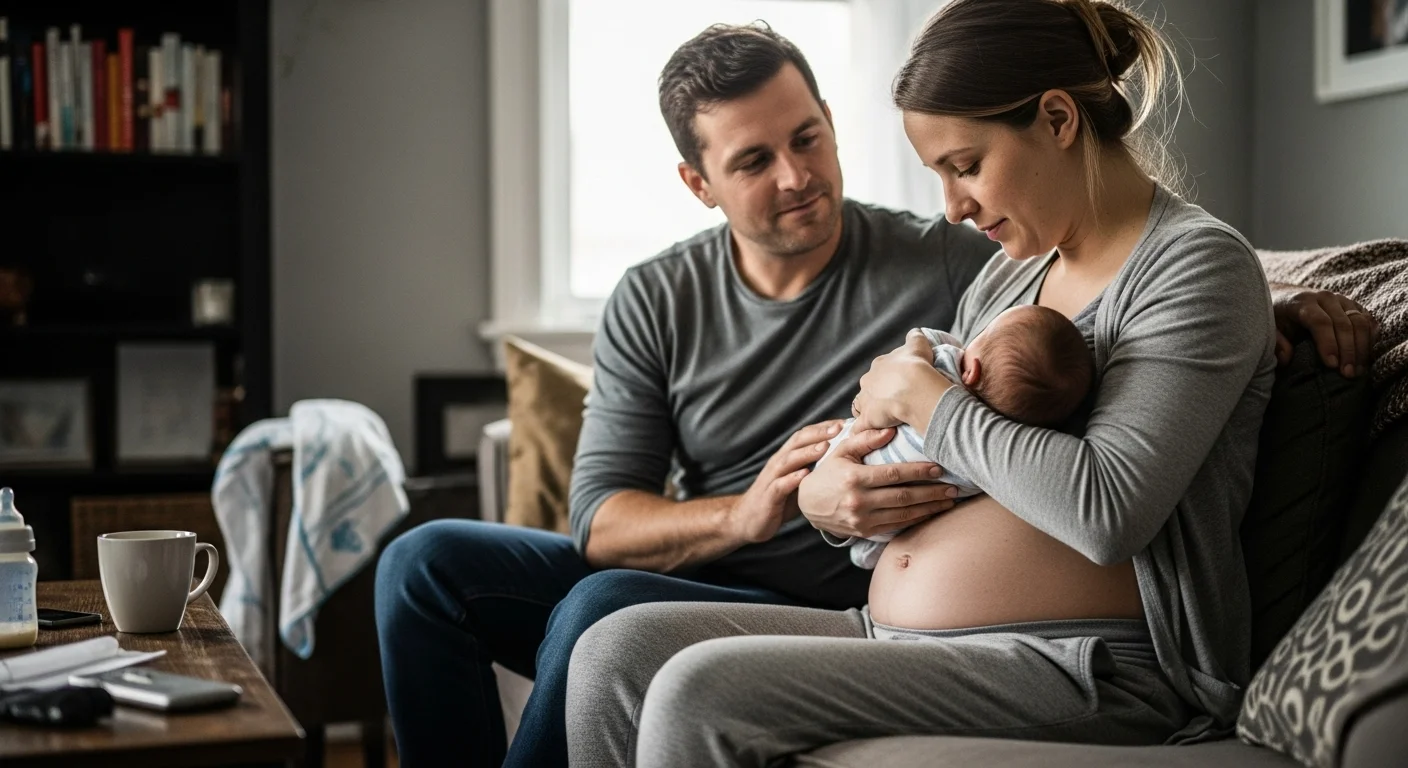
Understanding Physical Changes After Delivery
As I look back on my own experience after giving birth, I remember feeling both excitement and anxiety about the physical changes my body went through. It’s essential to know that these changes are natural and part of the journey of becoming a parent. Each woman’s experience is unique, but there are common physical changes that many of us encounter.
Common Physical Changes Postpartum
After delivery, the body goes through a multitude of changes. Many women notice their abdomen is not flat right away, and that’s completely normal. The uterus needs time to shrink back to its pre-pregnancy size, which can take several weeks. I remember thinking my belly would look the same as it did before, but it took time and patience. Additionally, you might experience some swelling, particularly in your feet and legs, which can linger for a few days after giving birth.
Another common change is vaginal discharge, known as lochia. This discharge can last for several weeks as your body sheds the lining that supported the pregnancy. At first, it’s bright red and then changes to a pinkish-brown before eventually fading to a yellowish-white. It was a bit concerning for me at first, but my doctor reassured me that this was a normal part of postpartum recovery.
Hormonal Shifts and Their Effects
One of the most significant aspects of recovery is dealing with hormonal shifts. During pregnancy, our bodies produce a range of hormones to support the growing baby. After delivery, these hormone levels drop dramatically, which can lead to a variety of physical and emotional changes. I found myself experiencing mood swings that left me puzzled and a bit overwhelmed. I realized that these hormonal changes can also affect physical symptoms like sweating and hair loss.
It’s important to understand these shifts and how they can impact everything from your skin to your emotional health. You might notice your skin becoming oilier or developing breakouts, similar to what many women experience during puberty. I felt frustrated at times, but I learned to give my body grace during this period of adjustment. For a deeper understanding, refer to Understanding Postpartum Physical Changes: What to Expect.
Physical Recovery Timeline
Recovery is not a race, and I learned that it unfolds differently for everyone. Generally, the first six weeks postpartum are critical. During this time, it’s essential to focus on healing and allow your body to adjust to its new state. For me, I found it helpful to set small goals, like taking short walks or practicing gentle stretches. These little movements made a big difference in how I felt both physically and mentally.
After about six weeks, many women start to feel more like themselves again. However, it can take several months for the body to fully recover. I remember feeling a sense of accomplishment as I gradually increased my activity levels, but I also had to remind myself to be patient and listen to my body. It’s crucial to give yourself permission to rest and heal. If you’re feeling overwhelmed, consider reaching out to friends or family for support during this time.
As I navigated the postpartum period, I learned that understanding these physical changes can help ease some of the anxiety that comes with becoming a new parent. It’s not just about the baby; it’s about taking care of ourselves too. By being informed and open about what to expect, we can create a more supportive environment for ourselves and our growing families. For more tips on postpartum care, check out Your Ultimate Guide to Postpartum Care After Baby.
Body Changes Post-Delivery
Changes in the Abdomen
One of the most visible changes after delivery is in the abdomen. I remember holding my newborn and feeling a mix of awe and surprise at the state of my belly. It looked and felt so different from what I was used to. The abdomen can still appear round and soft, even if your baby is no longer there. This is because the abdominal muscles stretch during pregnancy and need time to regain their strength and tone. I found that gentle exercises, like pelvic tilts or light yoga, really helped me reconnect with my core muscles over time.
It’s also common to experience diastasis recti, a condition where the abdominal muscles separate. I noticed a gap in my midline that didn’t seem to close immediately after delivery. If you find yourself in a similar situation, I recommend speaking to your doctor. They can guide you on the best exercises to help heal and restore your core strength.
Breast Changes and Milk Production
Breast changes were another significant aspect of my postpartum journey. I was surprised by how much my breasts changed in size and shape. I went from feeling like I was carrying around a couple of heavy bags to experiencing the surreal sensation of milk production. My breasts became fuller and tender as my body prepared to nourish my baby. I remember the first time I breastfed; it was both beautiful and a little awkward! The letdown reflex, as I learned, can sometimes be a bit uncomfortable as my body adjusted to this new role.
For those who choose to breastfeed, it’s normal to experience engorgement, leaking, and even some discomfort initially. I found that using warm compresses and gentle massage helped ease some of the uncomfortable feelings. Plus, investing in good nursing bras made a significant difference for me. It’s all about finding what feels comfortable, and don’t hesitate to reach out to a lactation consultant if you have questions or concerns.
Weight Fluctuations and Metabolism
Weight was another topic I had to come to terms with after delivery. I had always been conscious about my weight, so seeing the scale fluctuate post-baby was a bit disheartening. It’s important to remember that our bodies go through a lot during pregnancy and childbirth. I learned that it’s normal for some women to lose weight quickly, while others may find it takes longer. I was in the latter group and had to remind myself to be patient. I discovered that focusing on healthy lifestyle choices instead of just the number on the scale was much more beneficial for my mental health.
Metabolism can also be affected during this time. I noticed my appetite varied, and I sometimes craved different foods than I did during pregnancy. I embraced this as my body’s way of signaling what it needed. Listening to my body and prioritizing nutritious meals helped me regain my energy and feel more like myself.
Pelvic Floor Changes
The pelvic floor is an area that often gets overlooked in postpartum discussions. I remember feeling a little embarrassed to talk about it, but I soon realized it was a shared experience among new mothers. Childbirth can weaken the pelvic floor muscles, leading to issues like incontinence or discomfort. I learned that incorporating pelvic floor exercises, like Kegels, into my daily routine was beneficial. These exercises helped strengthen the muscles and improved my overall comfort.
When I first started, I found it challenging to remember to do them, but I began to associate them with daily activities, like when I was nursing or while waiting for the kettle to boil. If you’re unsure where to start, consider consulting a physical therapist who specializes in postpartum recovery. They can offer personalized advice that caters to your specific needs.
Skin Changes and Stretch Marks
Ah, the skin! I mentioned earlier that hormonal shifts can lead to some changes, but I want to dive deeper into how my skin transformed after having a baby. Stretch marks were something I dreaded during pregnancy, and post-delivery, I found myself staring at them in the mirror. While they weren’t exactly what I envisioned for my body, I tried to embrace them as a badge of honor, a reminder of the journey I had just completed.
To help with skin changes, I developed a routine that included moisturizing regularly. I learned that keeping my skin hydrated made a difference in how it felt and looked. I also explored various creams and oils that promised to improve elasticity, but ultimately, I found that acceptance was key. It’s all about loving our bodies for the incredible things they’ve done and continuing to care for them as we move forward.
Emotional and Mental Health Considerations
Postpartum Depression and Anxiety
As I navigated through the early days of motherhood, I quickly learned that the emotional side of postpartum recovery was just as significant as the physical changes. I remember feeling a whirlwind of emotions almost daily—joy, exhaustion, confusion, and at times, overwhelming sadness. It’s important to recognize that experiencing these feelings is common, but it can also be a sign of postpartum depression (PPD) or anxiety. Many women, including myself, go through this and often feel isolated or ashamed to talk about it.
For me, the realization that I was not alone was a turning point. I learned that postpartum depression can manifest in various ways, from persistent sadness and irritability to feelings of inadequacy and loss of interest in activities I once enjoyed. If you find yourself feeling this way, it’s crucial to seek help. I reached out to my healthcare provider, who offered me resources and support, which made a world of difference in my recovery journey.
Impact of Hormonal Changes on Mood
The hormonal shifts that accompany childbirth are no joke. I often felt like I was on an emotional rollercoaster, which can be attributed to the rapid changes in hormone levels after delivery. One moment I felt ecstatic holding my baby, and the next I was crying for what seemed like no reason at all. I realized that these fluctuations were a natural part of postpartum recovery, but understanding them didn’t necessarily make them easier to cope with.
From my experience, it helped to talk openly about these feelings with friends and family. Just knowing that others have walked this path provided comfort and reassurance. Journaling also became an outlet for me. I found writing about my feelings allowed me to process the ups and downs more effectively. If you’re experiencing similar emotional turbulence, I encourage you to find an outlet that works for you—whether it’s writing, talking, or something creative like painting or crafting.
Importance of Mental Health Support
During this time, I discovered that prioritizing mental health is just as important as focusing on physical recovery. I started making time for self-care, carving out moments in my day to breathe and reflect. Simple things, like taking a warm shower or enjoying a cup of tea while the baby napped, became essential rituals for my well-being. I learned that it’s okay to ask for help, whether it’s asking a partner or a family member to hold the baby for a bit while I took a breather or seeking therapy for professional guidance.
Support groups also became a valuable resource for me. Connecting with other new parents facing similar challenges helped me feel less alone. Sharing stories and experiences created a sense of community that was incredibly comforting. If you’re feeling overwhelmed, consider looking for local or online support groups. You might find companionship and understanding in unexpected places, which can be a powerful step toward healing.
Self-Care Tips for New Parents
Nutrition and Diet Recommendations
When it comes to self-care, nutrition played a massive role in my postpartum recovery. I quickly learned that my body was working hard to heal and produce milk, so what I fueled it with mattered. I remember feeling lost in the kitchen at first, trying to figure out what to eat that was both nutritious and easy to prepare with a newborn in my arms. I found that planning simple meals ahead of time helped a lot.
Incorporating a variety of fruits, vegetables, whole grains, and lean proteins not only provided essential nutrients but also gave me the energy I needed. I loved making big batches of soups and stews that I could freeze and reheat later. Smoothies became my go-to quick meal, packed with spinach, bananas, and yogurt. It was a tasty way to nourish myself while keeping my energy levels up. I recommend experimenting with different recipes that excite you to make healthy eating enjoyable rather than a chore.
Physical Activity and Exercise
Finding time for physical activity post-delivery felt like a daunting task, but I realized it was a vital part of my recovery. I began with gentle movements, like walking around the block with my baby in the stroller. Those moments outside not only helped my body regain strength but also boosted my mood. I noticed that fresh air did wonders for my mental clarity and overall happiness.
As I gained confidence, I explored postpartum exercise classes. These classes focused on rebuilding strength safely while connecting with other new moms. I found it refreshing to share the experience with others and motivate each other along the way. If you’re hesitant about starting an exercise routine, I recommend starting small—just a few minutes of stretching or a short walk can make a significant difference.
Rest and Sleep Strategies
Ah, sleep! It’s a precious commodity for new parents. I remember the exhaustion hitting me like a freight train those first few weeks. I had to learn quickly that getting adequate rest was just as important as everything else. I started prioritizing sleep by creating a routine that allowed me to nap when my baby napped. It felt counterintuitive to rest when there was so much to do, but I learned that I was much more effective when I took care of myself first.
Having a partner or support system to share nighttime duties also made a world of difference. We took turns so that each of us could catch a few hours of uninterrupted sleep. If you’re feeling sleep-deprived, I recommend communicating your needs with your partner or family. It’s okay to need help during this overwhelming time.
Hydration and Its Importance
Lastly, I can’t stress enough how vital hydration is in the postpartum period. I found myself reaching for water more than ever, especially while breastfeeding. Staying hydrated not only supported my milk production but also helped combat fatigue and improve my mood. I started keeping a water bottle nearby at all times, which served as a constant reminder to drink up. I even added a few slices of lemon or cucumber for a refreshing twist! Staying hydrated became a simple yet essential part of my daily routine.
Seeking Professional Help
When to Consult a Doctor
During my postpartum journey, there were moments when I wasn’t sure if what I was experiencing was normal or if I needed to seek professional help. I’ve learned that it’s completely okay to have those questions and concerns. If you find yourself dealing with severe pain, excessive bleeding, or any symptoms that just don’t feel right, I encourage you to reach out to your doctor. Trust your instincts; they often know best.
Additionally, if you notice signs of postpartum depression or anxiety that linger beyond the initial weeks of motherhood, it’s vital to talk to a healthcare professional. I remember feeling hesitant to voice my concerns, but when I finally did, the support I received was invaluable. Doctors can provide guidance, resources, and treatments to help you feel more like yourself again.
Physical Therapy for Postpartum Recovery
Physical therapy was something I hadn’t considered until a friend mentioned it. After experiencing discomfort in my pelvic area and some lingering abdominal issues, I decided to explore this option. Working with a physical therapist who specialized in postpartum recovery made all the difference for me. They introduced me to exercises specifically designed to strengthen my core and pelvic floor, and they provided personalized advice that I found incredibly helpful.
It’s worth noting that just like our bodies go through changes during pregnancy, they need support afterward too. If you’re dealing with pelvic pain, incontinence, or diastasis recti, I recommend consulting a physical therapist. They can create a tailored recovery plan to help you regain strength and comfort.
Support Groups and Resources
Finding a community of other new parents was a game changer for my mental health. I discovered various local and online support groups focused on postpartum recovery, and I found them comforting and enlightening. Sharing experiences with others who were going through similar challenges helped me feel less isolated. It was a relief to know I wasn’t alone in this journey.
Whether it’s a local meetup or a virtual group, connecting with others can provide a sense of camaraderie and understanding. Many of these groups offer resources, advice, and a safe space to talk about our struggles and victories. I found that sharing my story not only helped me heal but also allowed me to support others facing similar challenges.
Partner Support and Involvement
Understanding Your Partner’s Recovery
As I went through my own recovery, I realized that my partner was also navigating their own set of challenges. The transition to parenthood affects everyone in the family, and it’s vital to acknowledge that. I found it important to check in with my partner about how they were feeling, both emotionally and physically. Understanding that they were also adjusting helped us bond and support each other better during this chaotic time.
How Partners Can Help with Physical Changes
There were days when I felt overwhelmed by the changes in my body and my recovery. I appreciated the moments when my partner would step in to offer help, whether that was preparing meals, managing household chores, or simply giving me space to rest. I learned that it’s crucial for partners to understand the physical and emotional toll that postpartum recovery can take. Every small act of support made my journey feel a little lighter.
Communicating Needs and Feelings
Open communication became our anchor. I learned to express my needs and encourage my partner to do the same. There were times when I felt overwhelmed and needed some quiet time, while other moments called for companionship. By sharing our feelings and needs, we were able to create a supportive environment that worked for both of us. I recommend setting aside time to talk about how each of you is feeling and what specific support you may need from one another.
Long-term Considerations for New Parents
Adjusting to Parenthood and Its Challenges
Adjusting to parenthood is a long-term journey. I quickly learned that the initial physical and emotional changes are just the beginning. As new parents, we face various challenges that evolve as our baby grows. From sleep schedules to developmental milestones, each stage brings its own set of joys and hurdles. I found that embracing this unpredictability made the journey more enjoyable. Instead of stressing about what’s next, I focused on being present and cherishing each moment.
Maintaining a Healthy Lifestyle Postpartum
As life settled into a new rhythm, I realized the importance of maintaining a healthy lifestyle for both my physical and mental well-being. Setting realistic goals for nutrition, activity, and self-care became essential. I found that prioritizing these aspects not only helped me feel better but also set a positive example for my child. Including my partner in health-focused activities, like cooking nutritious meals together or taking family walks, fortified our bond and created a healthy family environment.
Planning for Future Pregnancies
While navigating the postpartum world, I also began to think about future pregnancies. It’s vital to give ourselves time to heal and reflect on the changes we’ve experienced. I learned that discussing family planning with my healthcare provider was crucial, especially to understand how to prepare physically and emotionally for the next step. Every family is unique, and taking the time to assess our readiness helped us feel empowered in our choices.
Final Thoughts
My journey through postpartum recovery has been both challenging and rewarding. By understanding what to expect and embracing the changes, I found a deeper connection with myself and my baby. I encourage all new parents to be gentle with themselves during this transformative time. Remember, it’s okay to seek help, lean on your partner, and prioritize self-care. We’re all navigating this journey together, and by supporting each other, we can create a nurturing environment for ourselves and our families.
Frequently Asked Questions
What are some common physical changes women experience after delivery?
After delivery, many women notice that their abdomen is not flat right away as the uterus takes time to shrink back to its pre-pregnancy size. Other common changes include swelling in the feet and legs, vaginal discharge known as lochia, and hormonal shifts affecting mood and physical symptoms.
How long does it take for the body to recover after childbirth?
The first six weeks postpartum are critical for recovery. While many women start to feel more like themselves after about six weeks, it can take several months for the body to fully recover. It is important to give yourself permission to rest and heal during this time.
What is diastasis recti and how can it be addressed?
Diastasis recti is a condition where the abdominal muscles separate during pregnancy. If you notice a gap in your midline after delivery, it is recommended to speak to your doctor for guidance on the best exercises to help heal and restore core strength.
How do hormonal changes affect emotional health postpartum?
Hormonal shifts after delivery can lead to mood swings and emotional turbulence, often causing feelings of joy, exhaustion, and confusion. Understanding these changes can help new parents navigate their emotional health better, and seeking support from friends, family, or professionals can be beneficial.
What should new parents focus on for self-care?
New parents should prioritize nutrition, physical activity, rest, and hydration as key components of self-care. Planning nutritious meals, engaging in gentle exercise, ensuring adequate sleep, and staying hydrated are essential for recovery and well-being.
When should a new parent consult a doctor after delivery?
If you experience severe pain, excessive bleeding, or any symptoms that seem abnormal, it is important to reach out to your doctor. Additionally, if signs of postpartum depression or anxiety persist beyond the initial weeks, consulting a healthcare professional is crucial.
What role does physical therapy play in postpartum recovery?
Physical therapy can be beneficial for addressing discomfort in the pelvic area, abdominal issues, and other postpartum concerns. A physical therapist specializing in postpartum recovery can offer personalized exercises and guidance to help regain strength and comfort.
How can partners support new parents during postpartum recovery?
Partners can support new parents by helping with household chores, preparing meals, and providing emotional support. Open communication about needs and feelings is also essential in creating a supportive environment for both partners during this transitional time.
What are the benefits of joining support groups for new parents?
Support groups provide a sense of community and connection, allowing new parents to share experiences and challenges. These groups can offer valuable resources, advice, and emotional support, making parents feel less isolated during their journey.
How can new parents maintain a healthy lifestyle postpartum?
Maintaining a healthy lifestyle involves setting realistic goals for nutrition, physical activity, and self-care. Engaging in health-focused activities with your partner and prioritizing these aspects not only enhances personal well-being but also sets a positive example for your child.