
Exploring playful learning can be a game changer for boosting toddler language skills without breaking the bank. Let’s uncover how fun and creativity can foster communication and language development in our little ones. Read Interesting article: Fun Activities to Encourage Language Skills in Toddlers
Understanding Playful Learning
What is Playful Learning?
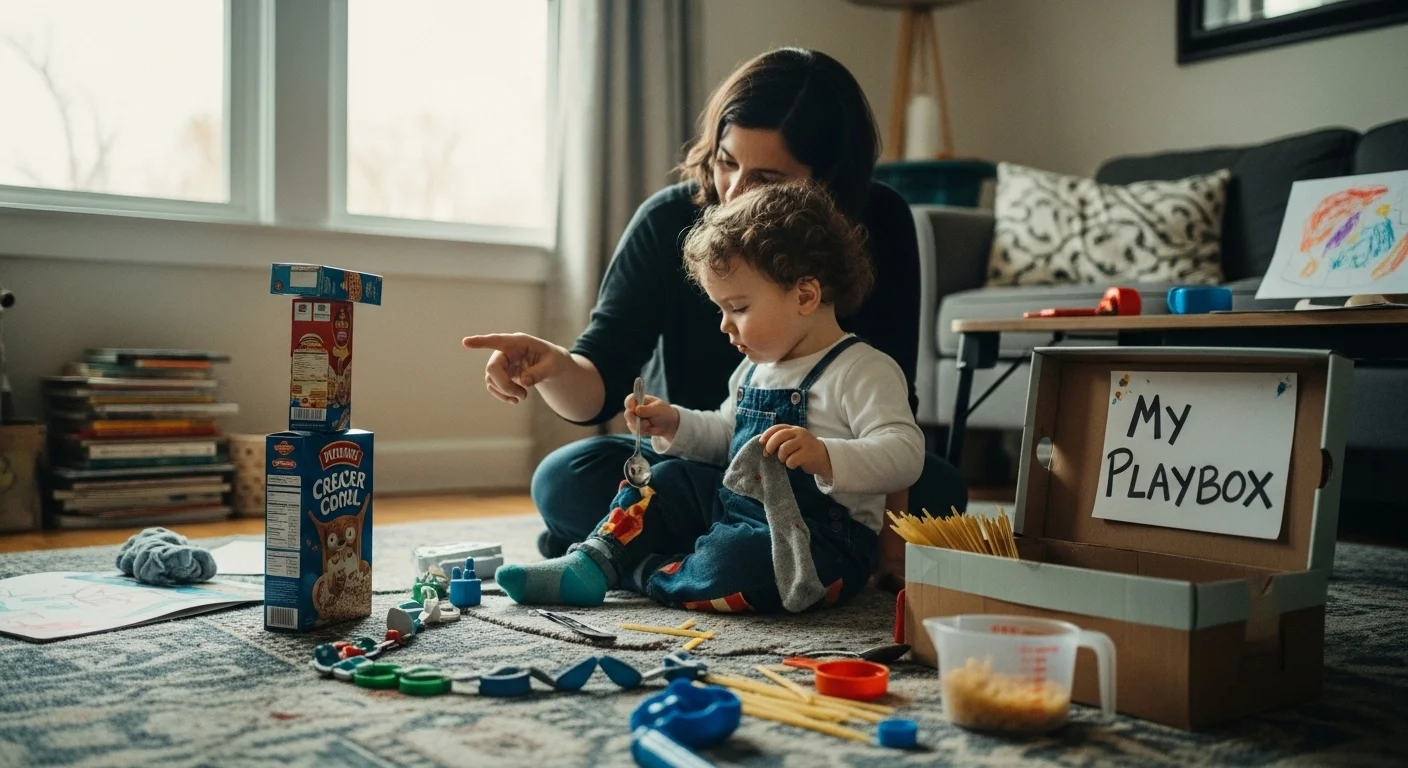
Playful learning is an approach that combines play with education, creating a natural and engaging way for toddlers to learn. I remember when my little one was just starting to talk; it felt like a race against time to build those essential language skills. Playful learning isn’t about structured lessons or rigid curricula. It’s about using everyday moments as opportunities for discovery and growth. Through play, toddlers can explore their environment, ask questions, and express their thoughts in a relaxed atmosphere. For me, it meant turning ordinary activities into extraordinary learning experiences.
Benefits of Playful Learning for Toddlers
There’s so much joy in watching toddlers learn through play. One of the biggest benefits I’ve noticed is that it keeps them engaged longer. When we turn learning into a game, it’s not just a lesson; it becomes an adventure. This approach fosters creativity, encourages curiosity, and allows toddlers to explore their interests. Plus, it can reduce stress. I’ve seen my child thrive in an environment where the pressure to perform is replaced by the freedom to experiment and express himself.
Playful learning also promotes critical thinking skills. I’ve found that when toddlers are allowed to play freely, they learn to solve problems and think on their feet. They learn to ask for help, negotiate with peers, and even handle disappointments, all while enriching their vocabulary and communication skills. It’s a wonderful way to prepare them for the more structured learning environments they’ll encounter later.
How Playful Learning Supports Language Development
Language development is a complex process, but playful learning provides a solid foundation. I believe that when toddlers engage in play, they naturally pick up new words and phrases. Think about it: when they’re playing with blocks, they’re not just stacking; they might be naming colors, counting, or describing what they’re building. This is where language skills blossom.
One of my favorite moments was watching my child narrate a story while playing with toy figures. He was not just playing; he was developing storytelling skills, learning sentence structure, and expanding his vocabulary all at once. By using language in context and connecting it with their experiences, toddlers can grasp concepts more effectively. It’s like a light bulb going off when they realize words have meaning beyond just sounds.
Moreover, playful learning encourages interaction with others, which is crucial for language acquisition. When toddlers engage in group play, they learn to communicate with their peers, share ideas, and understand different perspectives. I’ve seen how playing in groups has helped my child pick up new phrases and understand social cues. It’s a beautiful cycle: the more they play, the more they learn, and the more they communicate, building their confidence along the way.
Essential Language Skills for Toddlers
Vocabulary Development
Vocabulary development is often the first thing that comes to mind when we think about language skills in toddlers. In my experience, it’s essential to introduce new words in a fun and engaging way. I’ve seen how incorporating songs, rhymes, and even silly games can help expand a toddler’s vocabulary effortlessly. Read Interesting article: Top 10 Tips to Boost Your Toddler’s Language Skills
Listening and Comprehension Skills
Listening skills are just as important as speaking skills. I remember reading to my child and asking questions about the story. This not only improved his comprehension but also made him more engaged. It’s fascinating how toddlers learn to process information through listening, paving the way for better communication.
Speaking and Expression
Speaking is where the magic happens! I’ve noticed that when toddlers feel comfortable, they express themselves more freely. Encouraging them to talk about their day or describe their favorite toy can lead to wonderful conversations and endless learning opportunities. I cherish these moments where my child feels empowered to share his thoughts.
Social Interaction and Communication
Finally, toddlers need practice in social interaction. Learning to share, cooperate, and even negotiate during play helps boost their communication skills. I’ve seen how playing with siblings or friends can enhance their ability to express feelings and understand others, which is vital for their overall development.
Budget-Friendly Playful Learning Activities
Creative Storytelling Techniques
Storytelling has always been one of my favorite ways to connect with my child while boosting his language skills. I found that turning our everyday experiences into stories can be incredibly engaging. For instance, after a trip to the park, I’d ask him to help me create a story about our adventure. We would take turns adding details, and it was amazing to see how his imagination flourished. I learned to encourage him to use descriptive words, ask questions, and even act out parts of the story. These moments became not just fun but also a rich canvas for vocabulary expansion and creative expression.
Another technique I stumbled upon was using props from around the house. Sometimes, we would grab his toys and create a little puppet show, where each toy had its personality and story. This not only made the storytelling interactive but also helped him practice speaking in different voices, which I think sparked his creativity. I’m always amazed at how much he learns when he’s having a blast!
Interactive Reading Sessions
Reading is a cornerstone of language development, and I’ve discovered that interactive reading sessions can transform a simple storytime into something magical. Instead of just reading aloud, I began to involve my child by asking him questions about the characters and plot. “What do you think will happen next?” or “How do you think this character feels?” These questions encouraged him to think critically while expanding his vocabulary.
We also started acting out parts of the stories. I remember one day reading “Goldilocks and the Three Bears.” As we reached the part where Goldilocks enters the bears’ home, we pretended to tiptoe around the house, whispering, and giggling. This made the story come alive and helped him remember key vocabulary and concepts tied to the narrative. Plus, it was a bonding experience that I cherish deeply.
DIY Language Games at Home
Creating games at home has been a game-changer for us. I remember one rainy afternoon when we were stuck indoors, and I wanted to keep the learning going. I quickly gathered some crayons and paper, and we made a matching game using pictures of his favorite animals. Each time he matched an animal with its name, he would practice saying the word out loud. I noticed his confidence grow with each successful match.
Another game we created involved a “word jar.” We filled a jar with slips of paper that had different words or phrases written on them. When it was time for fun, we would take turns picking a slip and acting out the word or even drawing it. It was a fantastic way to get his body moving while reinforcing his vocabulary. Plus, it was hilarious to see his interpretations of the words!
Using Everyday Items for Learning
One of the best things about playful learning is that it doesn’t require fancy materials or expensive toys. I’ve found that everyday items can provide endless opportunities for language development. For example, when I’m cooking, I often involve my child by asking him to help. While we mix ingredients or chop vegetables, I narrate what we’re doing, introducing words like “mix,” “chop,” and “sauté.”
We also like to have scavenger hunts in the house or backyard. I create a list of items for him to find, like “something round” or “something blue.” Each time he finds an item, we talk about its color, shape, and attributes, which adds layers to his language understanding. These activities have not only made learning fun but have also built a treasure trove of vocabulary in the process.
Incorporating Playful Learning into Daily Routines
Mealtime Conversations and Language Play
Mealtime has become one of our favorite times for playful learning. I realized that sharing meals can be an excellent opportunity to develop language skills. I started asking my child about his day while we ate, encouraging him to describe what he did and who he played with. It was fascinating to hear him express himself and recall details he might not have remembered otherwise.
We also play games during meals, like guessing the food we’re eating by describing its color, texture, or taste. These playful conversations not only make mealtime more enjoyable but also allow him to practice language in a natural setting. I’ve noticed that he’s more willing to try new foods when he’s engaged in conversation, and it’s a win-win for both of us!
Playtime Activities that Promote Language Skills
During playtime, I often look for ways to weave in language development. Simple activities like building with blocks can turn into a language lesson. I ask him to describe his structure, what colors he used, or how tall it is. These kinds of prompts encourage him to think critically and articulate his thoughts. I remember once he built a tower and then told me it was “the tallest in the world.” That kind of imaginative thinking was beautiful to see and hear!
We also enjoy arts and crafts. While we draw or paint, I ask him to explain what he’s creating and why. This not only helps him practice vocabulary but also boosts his confidence as he shares his artwork with me. It’s such a joy to watch him connect language with his creative expressions.
Involving Siblings and Family Members
If you have older siblings or family members, involving them can also enhance the playful learning experience. I’ve noticed how my older child takes on a big brother role, encouraging his younger sibling to join in on activities. They often play pretend games together, using language to negotiate roles and come up with stories. It’s heartwarming to see them engage in cooperative play, and it helps reinforce those language skills even further.
We’ve also initiated family game nights where we play board games that require communication, like “Guess Who?” or “Charades.” These games encourage everyone to express themselves, and it’s wonderful to see how much fun they have while learning together. It creates a supportive environment where language skills flourish naturally.
Recommended Resources for Parents
Books that Encourage Language Development
Books have always been a magical gateway for learning in our family. I remember spending countless evenings curled up with my little one, flipping through colorful pages filled with delightful illustrations and engaging stories. Picture books are fantastic for expanding vocabulary, and I’ve discovered that many stories incorporate rhythmic patterns or rhyme, which makes them even more fun to read aloud. Some of my favorites are “Brown Bear, Brown Bear, What Do You See?” by Bill Martin Jr. and Eric Carle’s “The Very Hungry Caterpillar.” These books not only capture attention but also introduce new words in an enjoyable way.
Another tip I’ve found useful is to choose books that allow for interaction. Look for stories that prompt questions or have flaps to lift. These elements invite my child to actively participate in the reading process, enhancing his comprehension and keeping him engaged. I also love to explore books that relate to our everyday experiences. For example, picking a book about going to the zoo before an actual visit can help build anticipation and language skills at the same time.
Online Platforms for Free Learning Materials
In our digital age, I’ve come to appreciate the wealth of resources available online. Websites like PBS Kids and Starfall offer interactive games and activities centered around language development. I often find myself recommending them to friends because they combine fun with learning seamlessly. These platforms provide engaging content and even allow me to track my child’s progress, which is a bonus!
Additionally, YouTube has channels dedicated to storytelling and educational content. I remember one afternoon discovering “Storyline Online,” where actors read popular children’s books aloud. I was amazed at how captivated my child was while listening to familiar stories brought to life by different voices. This not only nourished his love for reading but also exposed him to diverse storytelling styles.
Community Resources: Libraries and Playgroups
Local libraries have become a treasure trove of resources for our family. I love taking my child to storytime sessions where he can listen to stories in a group setting. The librarians often incorporate songs and movement, which makes it a lively experience. Seeing him socialize with other children while developing his language skills is something I cherish. Plus, libraries often host events and workshops that focus on early literacy, providing us with even more opportunities to learn together.
Another fantastic resource has been playgroups. I remember joining a local parenting group where we would gather weekly. These sessions not only allowed our little ones to play together but also provided a supportive environment for us parents to share tips and ideas. It was great to connect with others who were on the same journey. We’d often exchange book recommendations or share fun activities we’d tried at home. I’ve found that these connections can lead to lasting friendships and invaluable support.
Measuring Progress in Language Skills
Signs of Language Development in Toddlers
As a parent, it’s natural to want to gauge how well my child is developing language skills. I’ve learned to look for certain signs that indicate progress. For instance, I noticed that as my child began to use more words, he also started to form simple sentences. It was an exciting moment when he combined words to express a thought or ask a question. I believe that celebrating these milestones, no matter how small, is crucial for building his confidence.
Another sign to look for is the ability to follow simple instructions or respond to questions. I remember the first time my toddler followed a two-step direction, like “Please pick up your toy and put it in the basket.” His success in understanding and responding made me realize how much he was absorbing. I also keep an eye on his engagement during conversations. If he actively participates and shows interest in what others are saying, I feel reassured that he’s developing those essential communication skills.
When to Seek Professional Help
While I’ve been fortunate to see progress, I know every child develops at their own pace. There are times when I’ve felt uncertain about whether my child was on track. I learned that it’s okay to seek professional help if I notice my child struggles with speech clarity, understanding, or social interactions. Signs like not using any words by 15 months or not putting two words together by two years can be indicators to discuss with a pediatrician or a speech-language pathologist. It’s important for me to remember that early intervention can be incredibly beneficial.
Tracking Growth: Tools and Techniques
Keeping track of my child’s progress has been a rewarding experience. I started a simple language journal where I jot down new words and phrases he uses. It’s fascinating to look back and see how far he’s come. I also use checklists that outline developmental milestones, which help me identify areas where he might need a little extra support. I’ve found that regular conversations with caregivers or teachers can provide valuable insights into his language development, too.
Another tool I’ve utilized is video recordings. Occasionally, I capture moments of my child playing and talking, which allows me to review his communication skills over time. Watching these recordings has helped me appreciate his growth and the different stages he’s gone through. It’s become a cherished way to document our journey together and celebrate his achievements. These techniques have truly enriched my understanding of his language development and made the experience all the more fulfilling.
Frequently Asked Questions
What is playful learning?
Playful learning is an approach that combines play with education, creating a natural and engaging way for toddlers to learn. It utilizes everyday moments as opportunities for discovery and growth, allowing toddlers to explore their environment and express their thoughts in a relaxed atmosphere.
How does playful learning benefit toddlers?
Playful learning keeps toddlers engaged longer, fosters creativity, encourages curiosity, and reduces stress. It promotes critical thinking skills, problem-solving abilities, and enhances vocabulary and communication skills, preparing them for more structured learning environments later on.
In what ways does playful learning support language development?
Playful learning provides a solid foundation for language development by allowing toddlers to naturally pick up new words and phrases during play. It encourages interaction with others, which is crucial for language acquisition, helping them build vocabulary and understand social cues.
What essential language skills should toddlers develop?
Essential language skills for toddlers include vocabulary development, listening and comprehension skills, speaking and expression, and social interaction and communication. These skills are nurtured through engaging activities and conversations.
Can you suggest some budget-friendly playful learning activities?
Some budget-friendly activities include creative storytelling techniques using everyday experiences, interactive reading sessions that involve asking questions, DIY language games at home, and using everyday items for learning, such as during cooking or scavenger hunts.
How can mealtime be used for language learning?
Mealtime can be an excellent opportunity for language learning by engaging in conversations about the child’s day, describing food, and playing guessing games related to the meal. These interactions promote language practice in a natural setting.
What role do siblings and family members play in playful learning?
Involving siblings and family members enhances the playful learning experience by encouraging cooperative play, negotiation, and communication. Family game nights can also promote language skills while creating a supportive environment for learning.
What resources can parents use to encourage language development?
Parents can utilize books that encourage language development, online platforms for free learning materials, and community resources such as libraries and playgroups, which provide opportunities for social interaction and literacy activities.
How can parents measure their child’s language development progress?
Parents can measure progress by looking for signs such as increased vocabulary usage, the ability to follow instructions, and active participation in conversations. Keeping a language journal and using checklists or video recordings can also help track growth over time.
When should parents seek professional help regarding language development?
Parents should seek professional help if they notice their child struggles with speech clarity, understanding, or social interactions, especially if the child is not using any words by 15 months or not combining two words by two years.