
Helping children develop healthy eating habits is a vital journey for any parent. One crucial aspect of this is understanding portion control, which can set the foundation for a lifetime of good nutrition. To help you navigate this journey, check out our Master Portion Control: A Guide for Kids’ Meals.
Understanding Portion Control for Children
What is Portion Control?
Portion control refers to the practice of managing the amount of food we serve and consume. For children, it’s about understanding how much food is appropriate for their age, size, and activity level. I remember when my kids were toddlers; they would often ask for second helpings, and I quickly learned that teaching them about portion sizes was essential. It’s not just about limiting how much they eat but helping them recognize when they are full and making healthier choices.
The Importance of Portion Control in Childhood
Establishing good portion control early on is crucial for preventing obesity and fostering a healthy relationship with food. I’ve seen firsthand how kids can get into unhealthy habits if they’re not taught proper portion sizes. When children are aware of how much food they need, they are less likely to overeat. This awareness can help them develop a positive body image and self-esteem as they grow older. In my experience, discussing the importance of portion control with my kids not only made them more mindful eaters but also empowered them to make better choices on their own.
How Portion Sizes Have Changed Over Time
Have you ever noticed how portion sizes at restaurants have ballooned over the years? I remember going to diners where a plate of pancakes was just a few small stacks. Now, it’s not uncommon to see a platter that could feed an entire family! This change in portion sizes can confuse kids about what a normal serving looks like. I often find myself cutting down the portions I serve at home to align with the recommendations. We’ve discussed how larger portions don’t necessarily mean better value, and I encourage my kids to think about quality over quantity. Understanding that portion sizes have changed can help us guide our children in making healthier choices in a world filled with oversized meals.
Key Concepts of Healthy Eating for Children
The Food Groups Explained
Teaching children about food groups is a great way to instill healthy eating habits. I like to break it down into simple categories: fruits, vegetables, grains, protein, and dairy. Each of these groups plays a role in their growth and development. For instance, I emphasize colorful fruits and veggies, as they are not only nutritious but also appealing to kids. My children enjoy picking out different fruits at the store, and we often discuss their benefits. Making it a fun and engaging experience helps them learn about the importance of a balanced diet.
Recommended Daily Servings for Children
It can be tricky to know how much food kids should actually consume daily. The USDA recommends specific servings for each food group based on a child’s age and activity level. I used to feel overwhelmed by these guidelines, but I found that using a simple chart at home helped a lot. We refer to it during meal prep to ensure our meals are balanced. For example, I aim for my kids to have at least 1-2 cups of fruits and vegetables each day. Understanding these recommendations not only helps in meal planning but also encourages my children to take an active role in their eating habits.
Understanding Caloric Needs by Age
Caloric needs can vary significantly as children grow. I learned that toddlers require fewer calories than pre-teens or teenagers, who are often more active. Keeping this in mind has transformed how I approach meals and snacks. For instance, my teenage son seems to eat all the time! I’ve had to adjust our grocery list to include more protein-packed snacks to keep up with his energy needs. Understanding caloric needs by age allows us to tailor our meals, ensuring that our kids are getting the right nutrients without overloading them.
Practical Portion Control Tips
Using Visual Aids for Portion Sizes
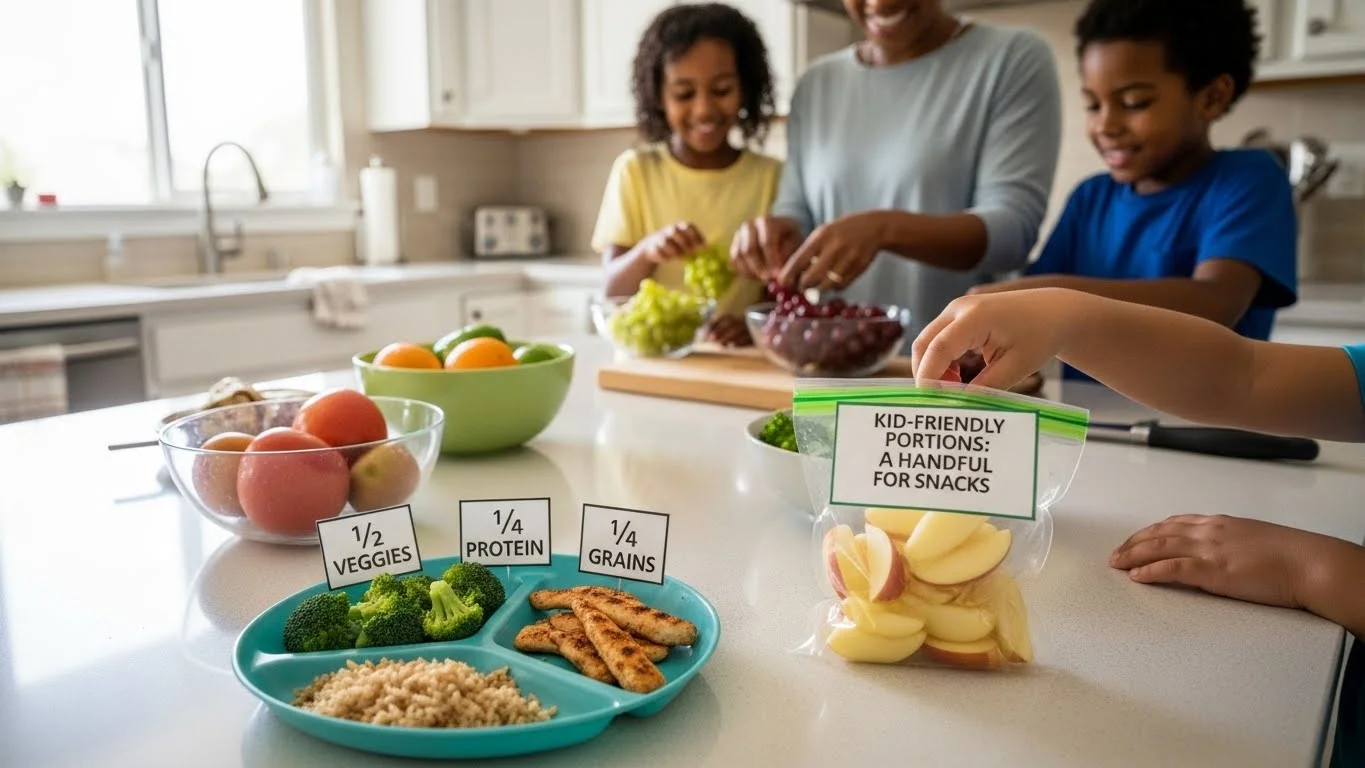
One of the most effective ways I’ve found to teach my kids about portion control is by using visual aids. I remember the first time I tried this approach; I used a simple plate diagram showing different food groups and their portions. It was a game-changer! Kids often respond better to visuals than abstract concepts. I encourage my kids to visualize their plates by thinking of it as a pie chart: half should be filled with fruits and vegetables, a quarter with grains, and a quarter with protein. By making it a fun activity, we’ve started to create a shared understanding of what a balanced meal looks like. Plus, it helps them remember the right portions even when I’m not around!
Incorporating Measuring Tools
Measuring tools can be a parent’s best friend when it comes to portion control. I didn’t realize how handy measuring cups and spoons could be until I started using them for my kids’ snacks and meals. I found that having a set of colorful measuring cups made it feel like a fun cooking project. When we make smoothies or bake together, I let my kids scoop out their ingredients using the measuring tools. This not only teaches them about portions but also encourages them to take part in the cooking process. It’s amazing how much they learn just by being involved!
Creating a Balanced Plate
When it comes to meal times, I like to emphasize the idea of a balanced plate. I often talk to my kids about what goes on their plates before we sit down to eat. By discussing how to create a balanced meal together, I’ve noticed they become more invested in their food choices. For instance, we might prepare a plate that includes grilled chicken, steamed broccoli, quinoa, and a small slice of watermelon. I encourage my kids to think about color and variety when filling their plates. They’ve started to recognize that a diverse plate not only looks appealing but is also healthier. It’s rewarding to see their excitement about eating a rainbow of foods!
Encouraging Self-Serving Practices
Another strategy that has worked wonders in our home is encouraging self-serving practices. I’ve learned that allowing my kids to serve themselves helps them take ownership of their eating habits. When we have family meals, I set out the food and let them choose how much they want to put on their plates. I remind them to listen to their bodies and serve portions that feel right for them. In the beginning, I worried they might overfill their plates, but I was pleasantly surprised to see them become more mindful about what they were choosing. This practice not only fosters independence but also reinforces their understanding of portion sizes.
Healthy Snacking: Portion Control for Snacks
Choosing Healthy Snack Options
When it comes to snacks, I always strive to provide healthy options. I remember when my kids were younger, I often fell into the trap of convenience snacks that were high in sugar and low in nutrients. I’ve learned to replace those with more wholesome choices like fruits, nuts, yogurt, and veggies with hummus. We make it a fun family activity to create a “snack board” with colorful options. Not only does this satisfy their cravings, but it also teaches them that healthy snacks can be delicious and fulfilling. For more tips on dealing with picky eaters, check out our Top 10 Budget-Friendly Tips for Picky Eaters.
Pre-Portioning Snacks for Convenience
Pre-portioning snacks has been a lifesaver in our home. I often spend a little time on the weekends preparing grab-and-go snacks for the week. I use small containers or bags to portion out nuts, cheese cubes, or cut-up fruits and veggies. This not only helps with portion control but also makes it easier when we’re in a rush. My kids love knowing they have their own snack packs ready to go. It keeps them from mindlessly snacking and helps them learn about appropriate portion sizes while satisfying their hunger.
Strategies for Mindful Snacking
Mindful snacking has become an important focus in our family. I encourage my kids to sit down and enjoy their snacks rather than munching while playing video games or watching TV. We’ve created a little routine where we take a break and have our snacks together. This time allows us to chat and reflect on how the food makes us feel. I’ve noticed that when we take the time to appreciate our snacks, my kids are more aware of how much they’re eating and are less likely to overindulge. It’s those moments of connection that have made our snacking habits healthier and more enjoyable.
Strategies for Parents and Caregivers
Modeling Healthy Eating Habits
As a parent, I’ve realized that one of the most powerful tools I have is my own behavior. Kids are keen observers, and they often mimic what they see. I’ve made a conscious effort to model healthy eating habits by serving myself balanced meals, snacking on fruits, and enjoying vegetables. I remember one day, my daughter asked if she could have what I was eating instead of her usual snack, and it hit me that my choices were influencing her. By making healthier choices in front of my kids, I help them see that these habits are worth adopting. It’s about creating a culture of health in our home.
Setting Family Meal Routines
Establishing family meal routines has made a significant difference in our eating habits. I’ve found that when we sit down together for meals, it not only fosters communication but also encourages mindful eating. We try to have dinner together as often as possible, and during that time, we discuss our day and the food we’re enjoying. This routine makes it easier for my kids to develop a healthy relationship with food, and I’ve noticed they are more willing to try new things when they know we’re all eating together.
Handling Requests for Second Helpings
Dealing with requests for second helpings can be tricky. I often find myself explaining that it’s okay to be hungry, but we should wait a few minutes to see if they really need more food. I encourage my kids to listen to their bodies and recognize when they’re full. Sometimes, I remind them that it’s fine to save leftovers for later if they’re still hungry after a while. This approach has helped them understand portion sizes and develop a sense of when they’ve had enough, which is a valuable lesson for life.
Communicating About Food Choices
I believe that open communication about food choices is crucial. I regularly talk to my kids about why we choose certain foods and how they help our bodies. When we grocery shop, I ask for their input on what healthy options they’d like to include in our meals. This involvement not only empowers them but also helps them feel more connected to the foods they eat. By fostering this dialogue, I’ve noticed they are more curious about trying different foods and are more conscious of their choices.
Addressing Common Challenges
Dealing with Picky Eaters
As any parent can tell you, dealing with picky eaters can be a real challenge. I remember the days when my kids would turn their noses up at anything green. It was frustrating, but I soon learned that patience and creativity are key. To help them expand their palates, I started involving them in meal planning and preparation. We explore new recipes together, emphasizing the fun of trying new foods. Sometimes, we even turn it into a little game where they rate the foods they try. This has made them more open to experimenting and has also encouraged them to try different portions without pressure. I’ve found that when they feel included in the process, they are far more willing to taste and enjoy a variety of foods.
Managing Portion Control in Social Settings
Social settings can present unique challenges when it comes to portion control. Whether it’s birthday parties, school events, or family gatherings, I’ve noticed that the food often seems to be in abundance, which can lead to overeating. I’ve started preparing my kids ahead of time by discussing what to expect at these events. We talk about making mindful choices, like filling their plates with healthier options first and being aware of how they feel as they eat. I remind them that it’s okay to enjoy treats in moderation but also encourage them to listen to their bodies. This conversation has empowered them to navigate social situations confidently, making choices that align with what we practice at home.
Recognizing Emotional Eating in Children
Understanding and recognizing emotional eating in children has been an important aspect of our family’s journey. I’ve come to realize that sometimes my kids reach for snacks when they are bored, tired, or even stressed. I learned to differentiate between physical hunger and emotional cravings. One technique that’s worked for us is to create a “feelings chart” where they can express how they feel throughout the day. When they recognize that they might be eating out of boredom or other emotions, we discuss alternative activities or coping strategies. Encouraging them to explore their emotions has helped them develop a healthier relationship with food, making them more mindful eaters.
Tools and Resources for Portion Control
Apps and Tools for Tracking Food Intake
In this digital age, I’ve found that using apps can be incredibly helpful for tracking food intake. There are several family-friendly apps designed to guide children in understanding portion sizes and making healthier choices. I introduced one to my kids that allows them to log their meals and snacks while visualizing the food groups they’ve consumed. It’s a fun way for them to learn about nutrition while being interactive. They enjoy seeing how their choices stack up over the week, and it has motivated them to make healthier food selections. I’ve seen this tool encourage them to think critically about their meals and portions, which is so rewarding as a parent.
Books and Guides on Healthy Eating for Kids
Books can be a fantastic resource for educating kids about healthy eating and portion control. I’ve gathered a small collection of children’s books that explain these concepts in engaging ways. Some of our favorites include stories that incorporate characters exploring different food groups or adventures in cooking. Reading these together has sparked conversations about nutrition and has made it easier for my kids to grasp the importance of portion control. I recommend finding books that resonate with your child’s interests, as that can make the learning process more enjoyable and memorable.
Consulting with Nutritionists and Dietitians
Sometimes, it can be beneficial to seek expert advice, especially if you have specific concerns about your child’s eating habits. I decided to consult with a nutritionist when I felt that my kids needed more guidance beyond what I could provide. The nutritionist helped us create a tailored meal plan and offered tips on portion sizes specific to my children’s needs. It was reassuring to have a professional’s input, and it made my kids feel special knowing they were part of an expert’s program. I believe that consulting with a dietitian can be a fantastic way to get personalized advice and support on this journey, especially if you’re facing unique challenges with your child’s eating habits. For additional insights, consider reading our article on Backpacking with Lactose Intolerance: Essential Tips & Tricks.
Frequently Asked Questions
What is portion control?
Portion control refers to the practice of managing the amount of food we serve and consume. For children, it’s about understanding how much food is appropriate for their age, size, and activity level.
Why is portion control important for children?
Establishing good portion control early on is crucial for preventing obesity and fostering a healthy relationship with food. It helps children recognize when they are full and promotes better food choices.
How have portion sizes changed over time?
Portion sizes at restaurants have increased significantly over the years, which can confuse children about what a normal serving looks like. This change necessitates guidance to help children make healthier choices.
What are the recommended daily servings for children?
The USDA provides specific serving recommendations for each food group based on a child’s age and activity level. For example, children should aim for at least 1-2 cups of fruits and vegetables each day.
How can visual aids help in teaching portion control?
Using visual aids, such as a plate diagram showing different food groups and their portions, can effectively teach children about portion control. It helps them better understand what a balanced meal looks like.
What role do measuring tools play in portion control?
Measuring tools, like cups and spoons, can assist in teaching children about portion sizes by allowing them to measure ingredients when cooking, making the learning process fun and interactive.
How can parents encourage self-serving practices in children?
Encouraging children to serve themselves during meals helps them take ownership of their eating habits, fostering independence and reinforcing their understanding of appropriate portion sizes.
What are some healthy snack options for children?
Healthy snack options include fruits, nuts, yogurt, and veggies with hummus. Making a colorful “snack board” can make healthy snacking more appealing and enjoyable for children.
How can parents handle requests for second helpings?
Parents can encourage children to wait a few minutes after finishing their first helping to assess if they are truly still hungry, helping them learn to recognize their body’s signals.
What resources can help with teaching children about healthy eating?
Parents can utilize apps for tracking food intake, read books on healthy eating, or consult with nutritionists and dietitians for tailored advice and support regarding their children’s eating habits.