Becoming a parent is one of the most profound life changes we can experience, yet the postpartum period is often filled with myths and misconceptions. It’s time to uncover the truths every new parent should know. For more insights, check out Debunking Postpartum Myths: What New Moms Need to Know.
Postpartum Myths Uncovered: Truths Every New Parent Should Know
Understanding Postpartum: The Basics
What is Postpartum Recovery?
Postpartum recovery refers to the physical and emotional healing process that follows childbirth. For me, this period felt like a whirlwind of changes, both expected and unexpected. I remember feeling a mix of excitement and anxiety as I navigated through those initial weeks after bringing my baby home. Postpartum recovery isn’t just about healing from the physical aspects of childbirth; it also encompasses adjusting to the emotional and mental shifts that come with being a new parent. Each person’s journey is unique, but understanding what to expect can help ease the transition.
Common Physical Changes After Birth
After giving birth, many physical changes can occur. Initially, I was surprised by just how different my body felt. Some common changes include:
Uterine contractions: Your uterus shrinks back to its pre-pregnancy size, which can be uncomfortable.
Lochia: This is the vaginal bleeding that can last from weeks to a month, similar to a heavy period.
Breast changes: Whether breastfeeding or not, your breasts will go through significant changes, sometimes feeling engorged or tender.
Hemorrhoids: Many new parents face this uncomfortable issue, especially if they had a vaginal delivery.
Abdominal changes: I noticed my stomach felt different; it took time for my muscles to recover, and I had to adjust to my new body.
These changes are normal and part of the journey, but they can sometimes be overwhelming. It’s essential to talk openly with healthcare providers and seek support from friends and family. Sharing my experiences helped me feel less isolated and more understood.
Emotional and Mental Health in the Postpartum Period
The emotional rollercoaster of becoming a parent can be intense. I remember the mix of joy and unexpected sadness that washed over me in those early days. Many new parents, including myself, struggle with a range of emotions. The postpartum period can bring about feelings of anxiety, sadness, and even anger. It’s essential to recognize that these feelings are valid and common.
One of the most significant factors contributing to emotional health is sleep (or the lack thereof!). I found myself feeling more irritable and overwhelmed due to sleep deprivation. It’s okay to ask for help to ensure you get some rest. I learned to lean on my partner, family, and friends to share responsibilities and give myself a break. Connecting with others who had similar experiences also helped me feel less alone.
Additionally, I discovered the importance of being aware of more severe mental health issues, such as postpartum depression (PPD). PPD affects many new parents, and understanding its signs can be crucial. I realized that if I had persistent feelings of hopelessness, anxiety, or detachment from my baby, I needed to reach out for professional help. It’s vital to have a support system in place and to feel comfortable discussing mental health openly. Talking with fellow parents, joining support groups, or seeking therapy can make a world of difference.
In my experience, taking care of my mental and emotional health was just as important as my physical recovery. I found simple practices like journaling my feelings, taking short walks, or just enjoying a moment of quiet helped me regain some balance. Remember, it’s okay to prioritize yourself as you navigate this new chapter.
Debunking Common Postpartum Myths
Myth 1: Postpartum Depression is Rare
One of the biggest myths I encountered was the belief that postpartum depression (PPD) is rare. I remember hearing stories from others who painted a picture of blissful motherhood, making me feel like something was wrong with me for struggling. In reality, PPD affects around 1 in 7 women, and many new dads and non-birthing partners can experience it too. This statistic shocked me when I first learned it, as I thought I was alone in my feelings of sadness and anxiety. Understanding this helped me realize that discussing emotional health openly can break down stigma and encourage others to seek help when needed. It’s crucial for new parents to know they are not alone and that reaching out for support is necessary and brave.
Myth 2: You Should ‘Bounce Back’ Immediately
Another myth I faced was the idea that I should ‘bounce back’ to my pre-baby body immediately. Social media often highlights celebrities who seem to have an effortless return to their former selves just weeks after childbirth. I found this notion incredibly unrealistic and unhelpful. The truth is, my body went through a significant transformation, and it took time to heal. I learned that recovery is a journey and not a race. I embraced the changes my body was undergoing, allowing myself the grace to heal physically and emotionally. It’s essential to remember that every body is unique, and recovery times will differ. Instead of comparing ourselves to others, we should focus on self-love and understanding our bodies’ needs. For further reading on this topic, consider checking out Unraveling Labor Myths: Truths Every Parent Should Understand.
Myth 3: Breastfeeding is Always Easy
Before I had my baby, I assumed breastfeeding would come naturally and be a seamless process. However, when I started my own breastfeeding journey, I quickly learned that this isn’t always the case. For many of us, getting the hang of breastfeeding can be challenging. I faced problems like painful latch, low milk supply, and feelings of frustration. It was a learning curve that took time, patience, and support. I found that reaching out to lactation consultants and joining support groups made a world of difference. We need to normalize the conversation about breastfeeding challenges and remind each other that seeking help is okay. It’s often just a different path toward nurturing our little ones.
Myth 4: Postpartum Bodies Should Look the Same as Before
I used to think that my body should look exactly as it did before pregnancy, but that expectation was unrealistic. After giving birth, I realized my body had changed in ways I hadn’t anticipated, and that was completely normal. I noticed stretch marks, a softer belly, and areas that simply didn’t feel the same. I had to learn to appreciate my body for what it had accomplished and the new life it had brought into the world. I found it helpful to surround myself with positive messages about body image and to seek out communities that celebrated all body shapes and sizes. Understanding that every postpartum body is unique helped me embrace my new self, flaws and all.
Myth 5: New Parents Shouldn’t Ask for Help
There’s often an unspoken pressure on new parents to handle everything on their own, but I quickly learned that asking for help is vital. I remember my reluctance to burden others, thinking I should be able to manage everything myself. However, this mindset only led to exhaustion and feelings of being overwhelmed. I found that reaching out for help, whether it was asking family to take care of the baby for a few hours or having friends bring meals, was not only helpful but necessary for my well-being. We need to change the narrative around asking for help; it’s a strength, not a weakness. Building a support network can make a significant difference in navigating the challenges of parenthood.
Postpartum Health and Wellness
Physical Recovery: What to Expect
Physical recovery after childbirth can be both enlightening and challenging. I found that allowing my body time to heal was crucial. In the weeks following birth, I experienced various healing processes, from managing discomfort to dealing with changes in mobility. It was important to stay aware of what my body needed. I learned to listen to my instincts and consult my healthcare provider when something felt off. Simple practices like gentle stretching and short walks helped me gradually regain strength. I also discovered that using supportive pillows while nursing or resting made a significant difference in my comfort levels.
Mental Health Resources for New Parents
In addition to physical recovery, mental health resources can be incredibly beneficial. I discovered various options available, from online support groups to local therapy sessions. It felt empowering to know that I wasn’t alone in my experiences. I found that just talking with someone who understood what I was going through made a tremendous difference. Apps offering mindfulness and relaxation exercises also provided a convenient way to prioritize my mental well-being. I encourage any new parent to seek resources that resonate with them, whether it’s therapy, support groups, or self-care practices.
Nutrition and Diet for Postpartum Recovery
Nutrition plays a key role in postpartum recovery, and I realized early on how important it was to fuel my body properly. I tried to focus on whole foods, including fruits, vegetables, proteins, and healthy fats, which helped me regain energy after sleepless nights. I also learned that staying hydrated was essential, especially if I was breastfeeding. Preparing meals ahead of time and having healthy snacks on hand made a big difference in keeping my energy up throughout the day. I found joy in discovering new recipes that were nutritious and simple to prepare, allowing me to nourish myself while still taking care of my little one.
Exercise Guidelines After Birth
When it comes to exercise after birth, it’s important to be gentle with yourself. I remember feeling the urge to jump back into my fitness routine, but my body needed time to recover first. I discussed my plans with my doctor and learned that starting with light exercises, like walking or gentle stretching, was the best approach. As I gradually felt stronger, I introduced more activities, like postpartum yoga. Finding workouts that I enjoyed helped me stay motivated and made exercise a fun part of my day. I think it’s vital for new parents to focus on what feels right for their bodies and to celebrate the small victories along the way.
Support Systems for New Parents
Importance of a Support Network
When I became a parent, I quickly realized how crucial a support network is during the postpartum period. I can’t stress enough how vital it is to have people around you who understand what you’re going through. In my case, having friends and family who had already walked this path was incredibly comforting. They offered advice, shared their experiences, and, most importantly, provided emotional support. I learned that it’s okay to lean on others when things feel overwhelming. Whether it’s someone to talk to late at night or just having a friend come over to help with the baby, building that support network made a significant impact on my well-being.
Sometimes, it’s not just about sharing the load but also feeling validated. Knowing that I wasn’t alone in my struggles helped me cope with the ups and downs of new parenthood. I found that open conversations with my partner also strengthened our bond as we navigated the challenges together. We would often reflect on our experiences, and sharing our feelings helped us feel more connected and supported.
Finding the Right Healthcare Provider
Finding the right healthcare provider was another important aspect of my postpartum journey. I remember feeling nervous about discussing my physical and emotional health, but I soon realized that it was essential to have someone I trusted in my corner. During those early check-ups, I made it a point to ask questions about my recovery and express any concerns I had. I think it’s so important to feel comfortable with your provider, as this relationship can significantly affect your recovery experience.
I also learned to advocate for myself. If something didn’t feel right or if I had lingering questions, I felt empowered to speak up. This proactive approach not only helped me gain clarity but also reassured me that I was taking charge of my health. I remember one particular visit where I voiced my concerns about persistent fatigue and anxiety. The provider took the time to listen and suggested resources that really made a difference. Having that level of support from my healthcare provider made me feel seen and valued.
Resources for Postpartum Support Groups
Connecting with others going through similar experiences can be incredibly beneficial. I discovered postpartum support groups, and they turned out to be a lifeline for me. In these groups, I found a safe space to share my feelings without judgment. The camaraderie and understanding I experienced were comforting. I met other parents who were also navigating the challenges of new parenthood, and hearing their stories made me feel less isolated.
Whether it was in-person meet-ups or online forums, I found that these connections offered emotional relief and practical advice. We exchanged tips on everything from sleep strategies to dealing with the baby blues. I even learned about local community resources that provided further assistance. I encourage every new parent to seek out these groups—there’s something incredibly reassuring about sharing this journey with others who truly get it.
There are many resources available, from hospital-sponsored groups to local community centers and online platforms. Finding the right fit for you can take some time, but it’s worth the effort. If you’re unsure where to start, a quick search online or a chat with your healthcare provider can point you in the right direction. Remember, you don’t have to go through this alone; there are people and resources ready to support you.
Addressing Common Questions About Postpartum Care
How Long Does Postpartum Recovery Last?
One question that often comes up in conversations about postpartum care is, “How long does recovery really last?” From my experience, it varies greatly from person to person. Initially, I thought recovery would be a quick process, but I learned that it can take several weeks to months, depending on various factors like the type of delivery, individual health, and support systems in place. Generally, the first six weeks are often considered the most intense period of physical healing. However, I found that emotional and mental recovery might take longer. I still felt changes in my emotions and energy levels well beyond that six-week mark. It’s important to be gentle with yourself during this time and recognize that healing is a journey, not a destination.
What Are the Signs of Postpartum Depression?
Understanding the signs of postpartum depression (PPD) was crucial for me, and I believe it’s essential for every new parent to know what to look for. While feelings of sadness and anxiety can be common, PPD can manifest in more severe ways. I began noticing persistent feelings of hopelessness, overwhelming fatigue, and difficulty bonding with my baby. I also experienced irritability and changes in appetite. If you or someone you know is facing these symptoms, it’s vital to reach out for help. Remember, it’s okay to seek support, and acknowledging these feelings can be the first step toward healing. I learned that having open conversations with my healthcare provider was key to recognizing these signs early.
When Should You Seek Help?
There were times when I doubted whether my feelings were “normal” or if I should seek help. In my case, I decided to reach out when I realized my feelings were affecting my daily life and interactions with my baby. If you find yourself feeling persistently sad, anxious, or overwhelmed, or if your feelings interfere with your ability to care for yourself or your baby, it’s important to consult a healthcare professional. I found that being proactive about my mental health made a significant difference. It’s never too late to ask for help, and doing so can pave the way for a more balanced and fulfilling recovery.
Final Thoughts
Becoming a parent is an incredible journey filled with ups and downs, and navigating the postpartum period is often one of the most challenging aspects. From my experiences, I’ve learned that understanding the physical and emotional changes, debunking myths, and seeking support can transform our experiences into something manageable and even beautiful. Embracing the reality of postpartum life means recognizing that we don’t have to be perfect; we just have to be present and open to growth. It’s okay to ask for help, to feel a range of emotions, and to take the time we need to recover. Ultimately, the postpartum journey is unique for each of us, and by sharing our stories and supporting one another, we can make this journey a little less daunting. Remember, you are not alone in this, and it’s okay to reach out for support as you navigate this new chapter of life.
Frequently Asked Questions
What is postpartum recovery?
Postpartum recovery refers to the physical and emotional healing process that follows childbirth, encompassing the adjustments to both physical changes and emotional shifts that come with being a new parent.
What are some common physical changes after giving birth?
Common physical changes after birth include uterine contractions, lochia (vaginal bleeding), breast changes, hemorrhoids, and abdominal changes. These are normal and can vary for each individual.
How does emotional health affect new parents during the postpartum period?
The emotional rollercoaster of becoming a parent can include feelings of anxiety, sadness, and anger. Sleep deprivation can exacerbate these feelings, making it essential to seek help and support from family and friends.
What is postpartum depression (PPD) and how common is it?
Postpartum depression (PPD) is a mental health condition that affects many new parents, impacting around 1 in 7 women. It can also affect new dads and non-birthing partners.
How long does postpartum recovery typically last?
Postpartum recovery varies greatly but generally, the first six weeks are the most intense period of physical healing. Emotional and mental recovery may take longer, often extending beyond the six-week mark.
When should new parents seek help for their emotional health?
New parents should seek help if they experience persistent feelings of sadness, anxiety, or overwhelming emotions that interfere with their ability to care for themselves or their baby.
What are some myths about postpartum recovery?
Some common myths include the belief that postpartum depression is rare, that mothers should ‘bounce back’ immediately, that breastfeeding is always easy, that postpartum bodies should look the same as before, and that new parents shouldn’t ask for help.
How can nutrition impact postpartum recovery?
Nutrition plays a key role in postpartum recovery, with a focus on whole foods, hydration, and preparing meals ahead of time to help regain energy and support overall health.
What role does a support network play in postpartum recovery?
A support network is vital during the postpartum period, offering emotional support, sharing experiences, and helping new parents cope with the challenges of parenthood.
What resources are available for postpartum support groups?
Resources for postpartum support groups include hospital-sponsored groups, local community centers, and online platforms. Connecting with others going through similar experiences can provide emotional relief and practical advice.
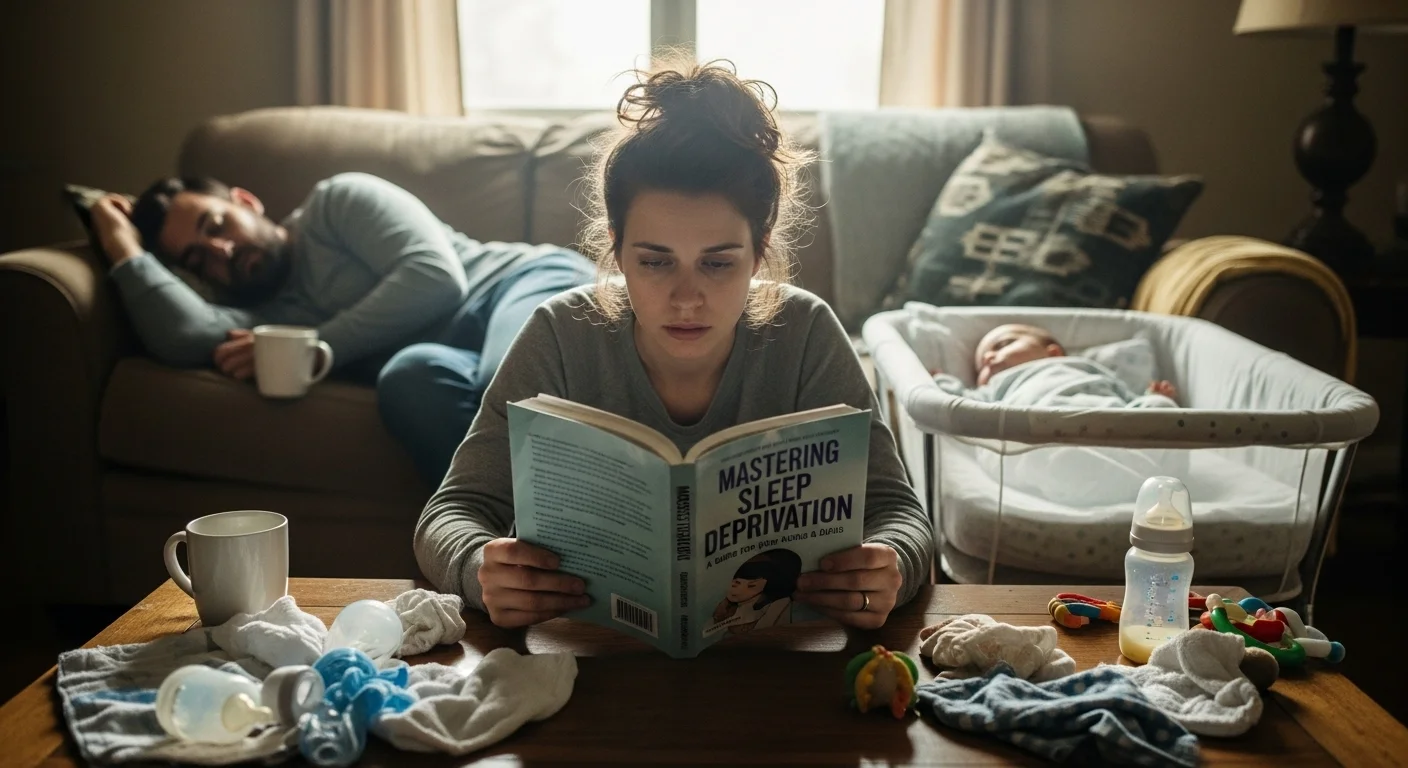
Becoming a new parent is a beautiful yet exhausting journey, often filled with sleepless nights. Mastering sleep deprivation is essential for both your well-being and your baby’s development. Let’s dive into understanding this challenging yet rewarding phase. Read Interesting article: Survive Sleep Deprivation: Essential Tips for New Parents
Mastering Sleep Deprivation: A Guide for New Moms & Dads
Understanding Sleep Deprivation in New Parents
The Science of Sleep: Why Sleep Matters
Sleep is a fundamental part of our lives, and I’ve come to realize just how crucial it is, especially after becoming a parent. It’s not just about feeling rested; sleep plays a vital role in our physical health, mental clarity, and emotional stability. During sleep, our bodies undergo processes that repair muscles, synthesize proteins, and release hormones that regulate growth and appetite. I remember learning that sleep helps consolidate memories and enhances our ability to learn new information, which is something I desperately wanted to do as I navigated parenthood.
The science of sleep reveals that adults generally need between seven to nine hours of sleep per night for optimal functioning. However, as new parents, we often find ourselves with drastically less. I’ve spoken to many friends who felt almost like zombies in those early weeks, questioning their ability to function at all. Our bodies are resilient, but prolonged sleep deprivation can lead to serious health issues. It’s important to understand this, as it can motivate us to seek solutions rather than surrender to exhaustion.
Common Causes of Sleep Deprivation for New Moms and Dads
When I first brought my baby home, I quickly discovered the various factors contributing to my sleep deprivation. One of the most obvious causes is, of course, the baby’s sleep schedule. Newborns often wake every few hours to feed, which disrupts our sleep cycles. I also noticed that the anxiety and excitement surrounding a new baby can keep our minds racing when we do have a moment to rest. I often laid awake, worrying about whether I was doing everything right.
Other common causes include the physical recovery needed after childbirth, especially for moms who may be dealing with postpartum healing. For dads, the emotional transition into parenthood can be overwhelming too. Then there are household responsibilities—cooking, cleaning, and, of course, taking care of the baby. All of this can pile up and take away from precious sleep time. I learned that it’s essential to recognize these factors, as acknowledging them can help us figure out how to manage our time and energy better. Read Interesting article: Essential Support Systems for New Parents: A Complete Guide
Physical and Mental Effects of Sleep Deprivation
The effects of sleep deprivation can be quite profound, and I experienced many of them firsthand. Physically, I felt run down, my immune system took a hit, and I was constantly battling fatigue. I noticed I was more prone to catching colds and I felt achy and sluggish. My body simply didn’t have the energy it needed to support both myself and my newborn.
Mentally, the effects were even more noticeable. I often struggled with concentration and memory; simple tasks felt overwhelming. I remember leaving my keys in the fridge one morning, which I found hilarious at the time but also a bit concerning. I realized that my cognitive functions were indeed impaired. The emotional toll was equally significant. I experienced mood swings and sometimes felt anxious or overwhelmed, which can be quite typical for new parents. I found myself longing for just a few hours of uninterrupted sleep, yet it felt elusive.
Sleep deprivation can lead to feelings of isolation as well. I think many new parents can relate to the feeling of being trapped in a cycle of exhaustion and anxiety. It’s vital to understand that we are not alone in this; many of us are navigating this challenging phase together. Recognizing the physical and mental effects can be the first step toward finding ways to cope.
In our case, it became essential to talk openly with each other about our experiences with sleep deprivation. This helped us feel less isolated and more connected as partners. Understanding these effects can empower us to seek help and explore strategies that can improve our situation. After all, we’re in this together, and finding ways to support one another is crucial for our journey through parenthood.
Strategies for Managing Sleep Deprivation
Creating a Sleep-Friendly Environment
Once I started to understand the impact of sleep deprivation, I realized that creating a sleep-friendly environment was crucial. My bedroom became my sanctuary. I made a few simple changes that made a world of difference. For starters, I invested in blackout curtains to block out the morning light. I found that even a little sunlight streaming in could wake me up too early, especially when I desperately needed those extra minutes of rest.
I also focused on keeping the room at a comfortable temperature. I learned that a cooler environment is generally more conducive to sleep. I remember those nights when I was too hot; it felt impossible to drift off. So, I adjusted the thermostat and made sure to use breathable bedding. Additionally, I added a white noise machine, which helped drown out any potential disturbances from outside. The soothing sound became a signal for my body that it was time to relax and sleep.
Establishing a Bedtime Routine
One of the most effective strategies I found was establishing a bedtime routine, both for myself and for my baby. In the early days, I was so focused on the baby’s routine that I neglected my own. However, I soon realized that having a consistent bedtime ritual helped signal to my body that it was time to wind down. I began to carve out about 30 minutes each night for myself before going to bed.
This modest routine included activities that helped me relax—like reading a book I enjoyed or practicing a few deep breathing exercises. I also made it a point to avoid screens during this time. I noticed that scrolling through my phone or watching TV could keep my mind too active. Creating that little bubble of calm was a game changer. Plus, I started implementing a similar routine for my baby, making bedtime smoother for both of us.
Utilizing Naps Effectively
Naps became my best friend during those early months. I had heard about the power of napping, but it wasn’t until I was a sleep-deprived parent that I truly appreciated it. I learned to seize any opportunity for a quick snooze, even if it was just for 20 minutes. I remember those afternoons when my baby would fall asleep in my arms. Instead of trying to put her down and risk waking her, I would recline on the couch and close my eyes, letting the world drift away for a little while.
What I found helpful was not just napping, but also being strategic about it. I learned that short naps can boost alertness without making me feel groggy. Anytime I felt that mid-afternoon slump creeping in, I’d take advantage of nap time. I also made sure to sync my naps with my baby’s sleep schedule when possible. Those little bursts of rest provided me with the energy I needed to tackle the rest of the day.
Sharing Responsibilities with Your Partner
One of the most important lessons I learned was the value of sharing responsibilities with my partner. I know it can be tempting to take on everything ourselves, especially when we feel that we can do it better. But I quickly realized that teamwork was essential. We sat down and discussed how to split nighttime duties. This simple step made a world of difference. We decided to alternate nights, so one of us would handle the late-night feedings while the other could catch up on sleep.
We also learned to support each other in other household tasks. On days when one of us felt particularly drained, the other would step in to handle chores or even cook meals. I remember feeling relieved when my partner offered to take care of dinner after a particularly sleepless night. It was a reminder that we were in this together, and leaning on each other made the challenges more manageable.
By communicating openly about our needs and how we felt, we found a rhythm that worked for our family. It was amazing how much lighter the load felt when we shared it. For anyone in a partnership, I highly recommend having those candid conversations. It can transform your experience and help maintain a sense of balance during this hectic time.
Sleep Training Techniques for Newborns and Infants
Understanding Different Sleep Training Methods
As I delved deeper into managing sleep deprivation, I discovered that sleep training my baby could offer us some much-needed relief. There are various methods, each with its own philosophy and approach. I remember feeling a bit overwhelmed by the choices at first, but understanding the basics helped me make a more informed decision.
One popular method is the Ferber method, which involves letting your baby cry for progressively longer intervals before comforting them. I was hesitant about this at first, but I learned that it aims to teach babies how to self-soothe. There’s also the no-tears method, which focuses on gradually helping your baby fall asleep without crying. This approach resonated more with me since I wanted to ease my baby into sleep without distress.
Another method is the chair method, where you gradually move further away from your baby each night until they learn to fall asleep on their own. I found this idea appealing because it offered a balance between support and fostering independence. Whatever method you choose, I think it’s vital to be consistent and patient, as every baby is different and may respond in their own time.
When to Start Sleep Training
Deciding when to start sleep training can be tricky. From my experience, it’s best to wait until your baby is at least four to six months old. By this age, they usually have more regular sleep patterns and can sleep for longer stretches. I remember feeling anxious about starting too early, fearing it might add to the stress. I wanted to ensure my baby was developmentally ready for this step.
Another factor to consider is your own family dynamics. I realized that if I was too sleep-deprived or stressed, it might not be the right time for us. I wanted to approach sleep training with a clear mind and a supportive environment. It’s crucial to listen to your instincts as a parent; if it doesn’t feel right, it’s okay to wait a little longer.
Tips for Successful Sleep Training
Once we decided to dive into sleep training, I found a few strategies that worked well for us. First, creating a calming bedtime routine was essential. This routine became our ritual—a signal that it was time to wind down for the night. I incorporated soft lullabies and gentle rocking, which helped my baby feel relaxed before sleep.
Another important tip I discovered was to be consistent with our approach. I made a point to stick to the same method each night, which helped reinforce what we were trying to achieve. I also learned to give it time. There were nights when it felt like we were taking one step forward and two steps back, but I had to remind myself that progress takes time. Patience became my mantra.
It was also beneficial to document our journey. I kept a sleep log to track my baby’s sleep patterns, which helped us see trends and adjust our approach accordingly. This practice not only provided me with insights but also reassured me that we were making progress, even when it felt slow.
Lastly, I think it’s crucial to be flexible. Sometimes, life happens, and things don’t go as planned. I learned to adapt our approach when necessary, whether it was due to teething or illness. Being able to pivot allowed me to maintain a sense of calm during those challenging times.
Self-Care for New Parents to Combat Sleep Deprivation
Nutrition and Hydration Tips for Better Sleep
While navigating through sleep deprivation, I quickly realized that taking care of my body was essential. I learned that nutrition plays a significant role in how well we sleep. I started paying attention to what I was eating and drinking, which made a noticeable difference in my energy levels.
I began to focus on a balanced diet, rich in whole foods like fruits, vegetables, and lean proteins. I remember how important it felt to fuel my body properly, especially when I was running on empty. I also made a conscious effort to stay hydrated. I found that drinking enough water throughout the day helped me feel more alert and less fatigued. I kept a water bottle handy and tried to sip regularly, which became a small but effective practice.
Avoiding caffeine in the late afternoon and evening was another change I made. I used to love my afternoon coffee, but I noticed it was interfering with my ability to fall asleep at night. Switching to herbal tea or simply opting for water helped me enjoy a more restful night.
Exercise and Its Impact on Sleep Quality
Staying active became another vital part of my self-care routine. I had heard about the benefits of exercise on sleep quality, but I didn’t fully appreciate it until I began incorporating some movement into my day. Whether it was a short walk with my baby in the stroller or a quick workout at home, I found that getting my heart rate up helped me feel more energized.
I also noticed that exercising during the day made it easier for me to fall asleep at night. The exhaustion from physical activity created a natural craving for rest. I remember those days when I was too tired to get moving; I’d remind myself that even a little bit of movement could lift my mood and help me sleep better.
Mindfulness and Stress Management Techniques
As a new parent, I realized that managing stress was just as important as getting enough sleep. I started exploring mindfulness techniques to help calm my racing mind. Simple practices like meditation or deep breathing exercises became my go-to tools during moments of overwhelm.
Taking a few minutes to pause, breathe, and center myself made a significant difference in how I handled challenging situations. I remember sitting quietly in a cozy spot in my house, focusing on my breath and letting the worries of the day slip away. This practice not only helped reduce my stress but also improved my overall well-being.
Another technique I found helpful was journaling. I started jotting down my thoughts and feelings, which provided an outlet for my emotions. It was a way for me to reflect on my experiences and process the challenges of parenthood. I often felt lighter after writing, almost like I was sharing my burdens with the page.
When to Seek Professional Help
Recognizing Signs of Severe Sleep Deprivation
As I navigated the early days of parenthood, I learned to pay attention to my own mental and physical health. It became clear that while sleep deprivation is common, there are times when it can become more serious. I found myself feeling increasingly irritable, unable to focus, and even experiencing mood swings that were tougher to manage. I realized that severe sleep deprivation can lead to heightened anxiety or feelings of depression.
If you start noticing that your exhaustion is affecting your ability to care for your baby or yourself, it might be time to seek help. This could manifest as extreme fatigue, persistent sadness, or a sense of hopelessness. In my experience, it’s important to trust your instincts. If something feels off, don’t hesitate to reach out for support. I learned that acknowledging these feelings is a vital part of the journey, and seeking help is not a sign of weakness but rather a step towards healing.
Consulting a Pediatrician or Sleep Specialist
Recognizing when to consult a pediatrician or sleep specialist was another essential lesson for me. If your baby is consistently struggling to sleep despite your best efforts at creating a sleep-friendly environment and implementing sleep training, it might be time to get some professional insight. I remember feeling overwhelmed by the abundance of advice out there, and consulting a professional helped me cut through the noise.
Pediatricians can provide valuable guidance on sleep patterns and offer reassurance about what to expect at various developmental stages. They can also help rule out any underlying health issues that might be affecting your baby’s sleep. For parents like me, who were feeling the weight of sleep deprivation, sharing my concerns with a pediatrician was a relief. They were able to suggest strategies tailored to our unique situation.
Support Groups and Resources for New Parents
Connecting with other parents was a game changer for me. I discovered that support groups, whether in-person or online, provided a safe space to share experiences and feelings about sleep deprivation. Hearing from others who were going through similar struggles made me feel less isolated. I remember joining a local parenting group where we could vent our frustrations, share tips, and even laugh about the challenges we faced. It was refreshing to know that I wasn’t alone in this journey.
Additionally, there are numerous online resources, forums, and books dedicated to parenting and sleep strategies. I found myself diving into blogs and podcasts filled with tips and personal stories that resonated with my experience. These resources can offer practical advice and the comfort of knowing that others have walked this path. Together, we can navigate this challenging yet rewarding phase of parenthood. Read Interesting article: Coping with Postpartum Emotions: A Guide for New Moms
FAQs About Sleep Deprivation and Parenthood
How long does sleep deprivation last after childbirth?
From my experience, the intensity of sleep deprivation can vary widely among new parents. Typically, it can last for several months, often improving as your baby develops more regular sleep patterns around three to six months of age. However, every family is different, and it’s important to be patient with yourself as you adjust to this new reality.
Can sleep deprivation affect breastfeeding?
Absolutely. I noticed that my milk supply was more difficult to maintain when I was overly exhausted. Sleep deprivation can impact hormone levels that are critical for milk production. It’s essential to prioritize rest as much as possible, even if it feels impossible at times.
What are the best sleep aids for new parents?
While I preferred to avoid medication, I found natural sleep aids like herbal teas or essential oils helpful. Chamomile tea, for example, became a nightly ritual for me. Additionally, white noise machines and blackout curtains really improved my sleep environment, making it easier to drift off even when the world was chaotic around me.
What are common causes of sleep deprivation for new parents?
Common causes include the baby’s sleep schedule, anxiety and excitement surrounding a new baby, physical recovery after childbirth, emotional transitions into parenthood, and household responsibilities like cooking and cleaning.
What strategies can help manage sleep deprivation?
Strategies include creating a sleep-friendly environment, establishing a bedtime routine, utilizing naps effectively, and sharing responsibilities with your partner to ensure both parents get some rest.
When is the best time to start sleep training for infants?
It’s best to wait until your baby is at least four to six months old, as they usually have more regular sleep patterns and can sleep for longer stretches by this age.
What are some tips for successful sleep training?
Tips for successful sleep training include creating a calming bedtime routine, being consistent with your approach, giving it time, documenting your baby’s sleep patterns, and remaining flexible to adapt when necessary.
How can nutrition and hydration impact sleep for new parents?
Nutrition plays a significant role in sleep quality. A balanced diet rich in whole foods and proper hydration can improve energy levels and help combat fatigue. Avoiding caffeine in the late afternoon and evening also contributes to better sleep.
What role does exercise have in improving sleep quality?
Staying active can improve sleep quality by helping to energize you during the day and creating a natural craving for rest at night. Even short walks or quick workouts can be beneficial.
When should new parents consider seeking professional help for sleep deprivation?
If exhaustion is affecting your ability to care for your baby or yourself, or if you notice signs of severe sleep deprivation like persistent sadness or anxiety, it might be time to seek help from a professional.
Final Thoughts
Embracing the journey of parenthood can be incredibly rewarding, but it also comes with its share of sleepless nights and challenges. Through my experience, I’ve learned the importance of understanding sleep deprivation—not just for myself, but for my family as a whole. By sharing responsibilities, creating a supportive environment, and recognizing when to seek help, we can navigate this phase together. Remember, it’s okay to ask for assistance and connect with others who understand your struggles. Parenthood is a journey best traveled together, and with patience and love, we can overcome the hurdles that come our way.
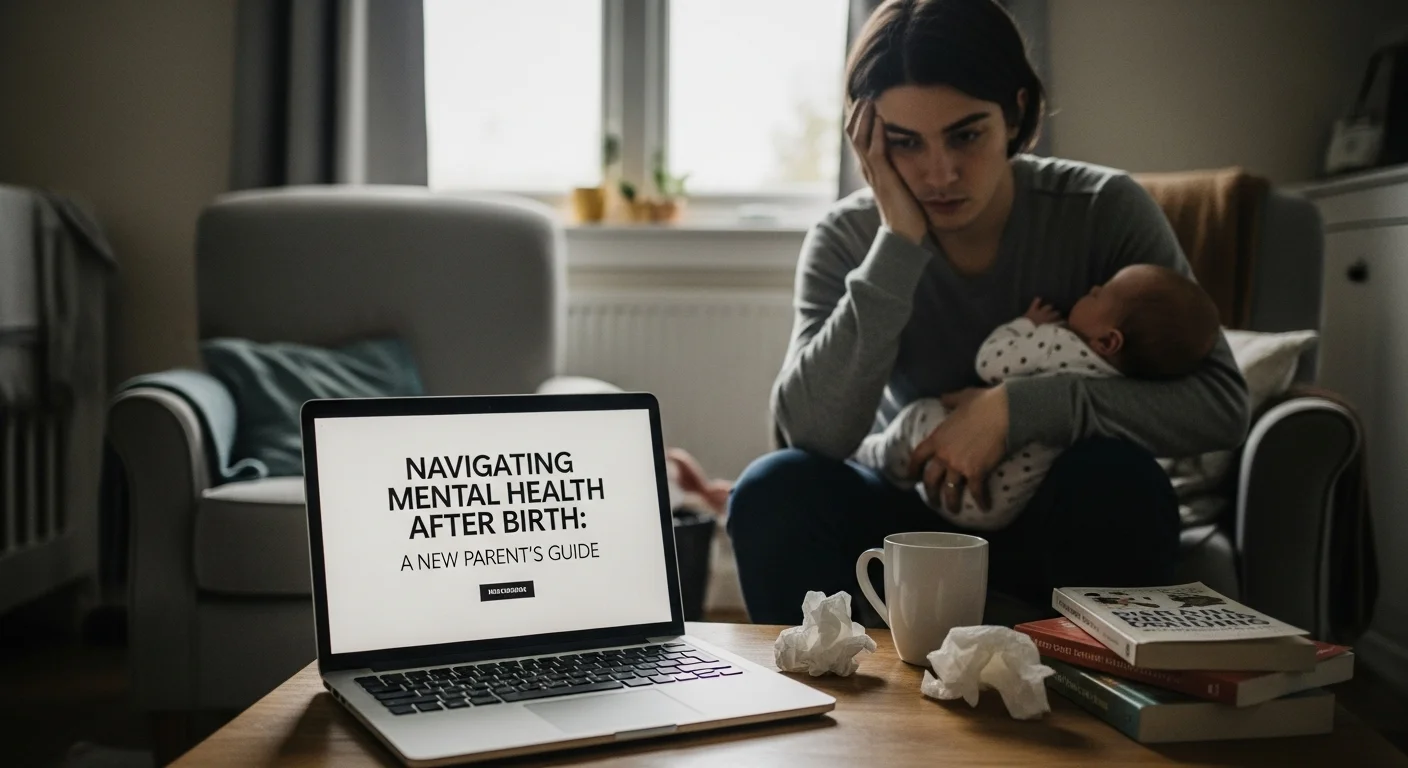
Becoming a parent is one of the most life-changing experiences, yet it can also come with unexpected mental health challenges. Understanding these struggles is the first step toward healing and support. Read Interesting article: Navigating Postpartum Recovery: What New Parents Need
Navigating Mental Health After Birth: A New Parent's Guide
Understanding Postpartum Mental Health
When I first became a parent, I was overwhelmed with joy and love, but I quickly realized that the transition also brought a whirlwind of feelings I hadn’t anticipated. I remember those early days vividly, filled with sleepless nights and constant worry. One of the most important lessons I learned during that time was about postpartum mental health, which is crucial for new parents to understand.
What is Postpartum Depression?
Postpartum Depression (PPD) is more than just the baby blues; it’s a serious condition that can affect anyone who has given birth. It’s characterized by persistent feelings of sadness, anxiety, and fatigue. I remember feeling like I was on an emotional roller coaster. Some days, I felt elated, while other days, I struggled to get out of bed. PPD can manifest weeks or even months after childbirth, and it doesn’t just go away on its own. It often requires support and intervention.
Signs and Symptoms of Postpartum Anxiety
Alongside PPD, many new parents also experience postpartum anxiety. For me, this was just as challenging as the depression. I constantly worried about my baby’s health and safety. Symptoms of postpartum anxiety can include excessive worry, irritability, and racing thoughts. I found myself unable to relax, even during moments when I should have felt content. Recognizing these signs in myself was crucial, as it helped me seek the right kind of help.
Understanding Baby Blues
It’s also essential to differentiate between PPD and “baby blues.” The baby blues typically occur within the first few days after birth and can last up to two weeks. Most new parents experience this temporary phase characterized by mood swings, irritability, and fatigue. I felt a sense of sadness wash over me at times, but I also knew it was a transient phase. Knowing that many others go through this helped me feel less isolated and more supported.
Risk Factors for Mental Health Issues After Birth
Understanding the risk factors that contribute to postpartum mental health issues can help us be more prepared and aware. I learned that several biological, psychosocial, and environmental influences can play a role in how we feel after welcoming a child.
Biological Factors
Hormonal changes after childbirth are significant. I remember hearing about how fluctuating hormones could affect mood, but experiencing it firsthand was another story. In my case, the hormonal shift left me feeling emotionally unstable. Factors such as a history of mental health issues or family history of postpartum conditions can also increase the risk, making it essential to talk openly about our backgrounds.
Psychosocial Factors
Psychosocial factors can also contribute to our mental health after birth. Stress from the demands of parenting, lack of sleep, and feeling overwhelmed can all take a toll. I found myself grappling with feelings of inadequacy and pressure to be the perfect parent. It’s vital to acknowledge that we’re all doing our best, and it’s okay to struggle sometimes.
Environmental Influences
Finally, environmental influences can significantly impact our mental health. Support systems, financial stability, and relationship dynamics can all play a part. In my experience, having a supportive partner and family made a world of difference. However, I also saw how isolation and lack of community support could lead to increased stress and anxiety.
Navigating mental health after birth is a journey, one filled with ups and downs. Understanding the complexities of postpartum mental health is a crucial step for new parents. It’s about giving ourselves grace and seeking help when needed. The more we share our experiences, the more we empower others to do the same. Read Interesting article: Top Strategies for Quick Postpartum Recovery at Home
Recognizing When to Seek Help
As I navigated the roller coaster of emotions after becoming a parent, there were moments when I questioned whether what I was feeling was typical or if I needed to seek help. I realized that recognizing when to reach out for support is vital for our well-being as new parents. It can be tough to admit we are struggling, but doing so can lead us to the help we need.
Signs You Should Talk to a Professional
In my experience, there were specific signs that indicated it was time to talk to someone. I found it helpful to keep an eye out for these warning flags. If you’re feeling consistently overwhelmed, having difficulty bonding with your baby, or experiencing persistent feelings of sadness or anxiety, these are strong indicators that you might benefit from professional help. I remember feeling a heaviness that wouldn’t lift, despite my attempts to push through it.
Additionally, if your daily functioning is impaired—like struggling to complete simple tasks or having difficulty engaging with others—these could be signs too. I remember feeling disconnected from my friends and family, and that isolation only added to my worries. Seeking help is not a sign of weakness; it’s an act of strength, and acknowledging that we need support is a critical step in the healing process.
Emergency Situations to Watch For
There are also situations where immediate help is crucial. If you ever have thoughts of harming yourself or your baby, it’s essential to seek emergency care right away. I can remember a friend who confided in me about her scary thoughts during her postpartum period, and it was a wake-up call for both of us to understand the seriousness of the situation. It’s crucial to take these feelings seriously and reach out to a healthcare provider, a trusted friend, or a family member who can help guide you to the right resources.
Other emergency signs include severe mood swings, hallucinations, or delusions. These symptoms may indicate a more severe condition, such as postpartum psychosis. I think the more we talk about these experiences, the more we can help break down the stigma surrounding mental health and encourage others to seek help without fear.
Types of Support Available
Once I recognized the importance of seeking help, I discovered that there are numerous types of support available for new parents. Knowing what options exist can empower us to take the next step toward healing.
Therapy Options for New Parents
One of the most impactful forms of support I found was therapy. Talking to a professional who understands postpartum mental health made a world of difference for me. Therapy can provide a safe space to process emotions and experiences, which I found incredibly valuable. Whether it’s cognitive behavioral therapy (CBT), talk therapy, or even group therapy, the right fit can help us navigate our feelings and develop coping strategies.
Medication for Postpartum Conditions
For some, medication may also be an option worth considering. I was hesitant at first, but I learned that it can offer relief for many new parents struggling with severe symptoms. Antidepressants or anti-anxiety medications can help rebalance brain chemistry, making it easier to cope with daily challenges. It’s essential to consult with a healthcare provider to discuss potential benefits and side effects, and to determine a plan that works best for you.
Support Groups and Community Resources
Support groups can also be incredibly beneficial. Sharing experiences with others who are going through similar challenges made me feel less isolated. We often laughed, cried, and supported each other in ways that felt genuine and healing. Many organizations offer support groups both in-person and online, providing accessible avenues to connect with others. I found that just knowing I wasn’t alone in my struggles was comforting. Read Interesting article: Budget-Friendly Postpartum Recovery Essentials for Moms
Self-Care Strategies for New Parents
While seeking help is crucial, I also discovered that self-care is an essential part of the equation. I learned the importance of taking care of myself, even on the days when it felt impossible.
Importance of Sleep and Rest
Sleep deprivation can be a significant factor in postpartum mental health. I noticed that when I didn’t get enough rest, everything felt more overwhelming. I made a conscious effort to nap when my baby napped, even if it was just for short periods. I think prioritizing rest is vital for our mental clarity and emotional regulation. It’s okay to ask for help from family and friends to allow some time to recharge.
Nutrition and Physical Activity
Nutrition also plays a crucial role in how we feel. I tried to focus on eating balanced meals, even when I was exhausted. Simple things like keeping healthy snacks on hand made a difference. Physical activity is another essential piece; even a short walk with my baby in the stroller could lift my spirits. I found that being active, even in small ways, helped me feel more energized and positive.
Mindfulness and Relaxation Techniques
Lastly, I learned about mindfulness and relaxation techniques. Practicing deep breathing, meditation, or even gentle yoga at home helped ground me during stressful moments. I remember finding a few minutes to focus on my breath while my baby napped made me feel more centered and calm. Taking time for ourselves, no matter how short, is crucial in the journey of parenthood.
Building a Support Network
As I reflected on my journey, I realized that building a robust support network was vital. Surrounding myself with understanding and compassionate people made a world of difference.
Involving Family and Friends
Engaging family and friends in our parenting journey can provide a safety net. I found it helpful to communicate my needs openly with loved ones. Whether it was asking for help with childcare, running errands, or just needing someone to talk to, involving my support system helped lighten the load. I think it’s essential to remember that it’s okay to lean on others.
Connecting with Other New Parents
Connecting with other new parents can also be a fantastic source of support. I found that joining local parenting groups or online forums allowed me to share my experiences and learn from others. Knowing I wasn’t alone in my feelings made the challenges of parenthood feel more manageable. We can often find strength in shared experiences, and those connections can turn into lifelong friendships.
Tips for Partners and Supportive Family Members
As I navigated my own challenges, I began to realize how important it was for partners and family members to be aware of the signs of distress in new parents. Their support can make a significant difference in the healing process.
How to Recognize Signs of Distress
It’s essential for partners to pay attention to changes in mood, behavior, and communication. I appreciated when my partner noticed when I was feeling overwhelmed or distant and gently encouraged me to talk about it. Being attuned to these signs can help create an environment where new parents feel safe to share their feelings.
Ways to Provide Emotional Support
Emotional support is critical during this time. Simple acts like listening without judgment, offering reassurance, or just being present can mean the world. I remember times when my partner would hold my hand and let me vent my worries. It reminded me that I wasn’t alone in this journey.
Encouraging Professional Help
Lastly, if a partner or family member notices concerning signs, encouraging professional help is crucial. It can be challenging to suggest this, as it may feel overwhelming for the new parent. However, approaching the conversation with empathy and understanding can help. I remember feeling hesitant about seeking help initially, but having my partner by my side made me feel supported and more open to the idea.
Resources for New Parents
As I navigated my own journey, I discovered a wealth of resources available for new parents seeking support. Knowing where to turn can make all the difference.
Books and Articles on Postpartum Mental Health
There are many excellent books and articles focusing on postpartum mental health. I found reading personal stories and expert advice comforting and enlightening. Books like “The Fourth Trimester” by Kimberly Ann Johnson and “This Isn’t What I Expected” by Karen Kleiman helped me feel understood and less alone in my struggles.
Websites and Online Communities
Websites like Postpartum Support International and 2020 Moms offer valuable information and resources for new parents. Online communities can provide a platform for sharing experiences and finding support from others who are going through similar challenges. Engaging with these platforms allowed me to connect with others and feel part of a larger conversation about postpartum mental health.
Hotlines and Emergency Contacts
If you or someone you know is in crisis, it’s essential to have access to emergency contacts. Hotlines like the National Suicide Prevention Lifeline or the Crisis Text Line are available 24/7 and can provide immediate support. I think it’s crucial to remember that reaching out for help at any moment is a brave and important step toward healing.
Understanding Postpartum Mental Health
What is Postpartum Depression?
When I first encountered the term postpartum depression (PPD), I had no idea just how deeply it could affect a new parent’s life. I thought it was just another label thrown around in the parenting world, but as I learned more, I realized that PPD is a genuine mental health concern. It goes beyond feeling sad or overwhelmed; it’s an all-consuming experience that can make even the simplest tasks feel like climbing a mountain. I remember days when getting out of bed felt like a monumental effort, and the guilt that accompanied that struggle was equally paralyzing.
Signs and Symptoms of Postpartum Anxiety
Along with PPD, I also confronted postpartum anxiety, which can be just as debilitating. It was as if my mind was constantly racing with worries about my baby’s future, health, and safety. I would spiral into ‘what-if’ scenarios that never seemed to end. I found myself checking on my baby repeatedly, convinced something was wrong. The racing heart, constant tension in my body, and an ever-present sense of dread were exhausting. Recognizing these signs was essential for me; it allowed me to focus on my mental health and seek support where needed.
Understanding Baby Blues
In my early days of motherhood, I often heard the term “baby blues.” At first, I thought it was a catchphrase for every new mom’s experience, but it’s important to understand that it doesn’t equate to PPD. Baby blues typically happen a few days after giving birth and can last up to two weeks. I experienced moments of crying and slight mood swings that felt overwhelming but temporary. Knowing this phase was common helped me feel less isolated. I learned that while it’s natural to have ups and downs, keeping an eye on how long those feelings last is crucial.
Risk Factors for Mental Health Issues After Birth
As I delved deeper into postpartum mental health, I discovered various risk factors that could influence how I felt after giving birth. Understanding these factors was eye-opening and made me realize that it wasn’t just about my personal experiences but a combination of biological, psychosocial, and environmental elements.
Biological Factors
One aspect I found particularly interesting was the role of biological factors. Hormonal changes play a significant part in our emotional landscape after childbirth. I noticed how my body was adjusting to the new normal, and this fluctuation often left me feeling emotionally drained. Additionally, if there’s a history of mental health issues in one’s family, or if a new parent has faced previous mental health challenges, they might have a higher risk of experiencing PPD or anxiety. This awareness made me realize how vital it is to have open conversations about mental health in our families.
Psychosocial Factors
Psychosocial factors also came into play. The stress of adjusting to parenthood, coupled with feelings of inadequacy and the pressure to parent perfectly, often felt like an unbearable burden. I found that societal expectations could add to the stress. Acknowledging that I wasn’t alone in this struggle was liberating. It’s essential to remember that it’s okay to seek help and that being vulnerable about our feelings can foster a sense of community and support.
Environmental Influences
Environmental influences also significantly impacted my mental health. I realized how crucial having a solid support system is. My journey was made easier by friends and family who offered to help, but I also saw how isolation could worsen feelings of anxiety and depression. In my case, participating in local parenting groups provided a sense of belonging, and I learned how important it is to build a community around ourselves during this challenging time.
Recognizing When to Seek Help
Recognizing when to seek help was a turning point for me. I had moments of doubt where I questioned if what I was experiencing was typical or something I should discuss with a professional. However, understanding the signs made it clearer that reaching out was essential for my well-being and my family’s.
Signs You Should Talk to a Professional
For me, the signs were often subtle at first. I’d feel persistently anxious, unable to enjoy moments with my baby, or struggle with simple tasks that used to be manageable. If you find yourself feeling overwhelmed or unable to bond, these could be indicators that talking to a professional might be beneficial. I remember feeling like I was in a fog, unable to see a way forward, but acknowledging that I needed help was the first step toward healing.
Emergency Situations to Watch For
It’s also important to recognize when immediate help is necessary. I learned from others that if you experience thoughts of harming yourself or your baby, reaching out for emergency care should be your top priority. I remember a close friend sharing her experience with intrusive thoughts, which was a wake-up call for me. Those feelings should never be dismissed, and it’s crucial to approach a healthcare provider or a trusted loved one. Taking those thoughts seriously could save a life.
Types of Support Available
As I sought help, I was pleasantly surprised by the variety of support options available. Knowing what resources were out there empowered me to take the next step in my healing journey.
Therapy Options for New Parents
One of the first steps I took was seeking therapy. The right therapist can provide a safe space to explore your feelings without judgment. Cognitive Behavioral Therapy (CBT) and talk therapy helped me process my emotions and develop coping strategies. I found it reassuring to know that I wasn’t alone in my journey, and having a professional to guide me was invaluable.
Medication for Postpartum Conditions
Medication is another aspect that I learned can be beneficial for some new parents. Initially, I was hesitant, but once I understood how medications like antidepressants could help stabilize mood and alleviate anxiety, I felt more open to exploring this option. It was essential for me to consult with a healthcare provider to discuss what might work best for my situation.
Support Groups and Community Resources
Support groups proved to be an incredible lifeline. Sharing my experiences with others who understood what I was going through was both comforting and healing. I found that many organizations offer support groups tailored to new parents, providing a safe space to connect and share. Just knowing that I wasn’t alone made a significant difference in my mental health journey.
Frequently Asked Questions
What is Postpartum Depression (PPD)?
Postpartum Depression (PPD) is a serious mental health condition that can affect anyone who has given birth. It is characterized by persistent feelings of sadness, anxiety, and fatigue, and can manifest weeks or even months after childbirth. PPD often requires support and intervention to heal.
What are the signs and symptoms of postpartum anxiety?
Symptoms of postpartum anxiety can include excessive worry, irritability, and racing thoughts. New parents may find themselves unable to relax and constantly worrying about their baby’s health and safety.
How do baby blues differ from postpartum depression?
Baby blues typically occur within the first few days after birth and can last up to two weeks. They are characterized by temporary mood swings and irritability. In contrast, postpartum depression is a more severe condition that persists beyond this timeframe and requires intervention.
What are some risk factors for postpartum mental health issues?
Risk factors for postpartum mental health issues include biological factors such as hormonal changes, a history of mental health issues, psychosocial stressors like lack of sleep and feelings of inadequacy, and environmental influences such as the presence of a supportive community.
When should a new parent seek help for mental health issues?
New parents should seek help if they feel consistently overwhelmed, have difficulty bonding with their baby, experience persistent sadness or anxiety, or find that their daily functioning is impaired.
What are some emergency situations that require immediate help?
Immediate help is crucial if a new parent has thoughts of harming themselves or their baby, experiences severe mood swings, hallucinations, or delusions, which may indicate postpartum psychosis.
What types of support are available for new parents dealing with mental health issues?
Support options for new parents include therapy (such as cognitive behavioral therapy), medication, support groups, and community resources. Therapy provides a safe space for processing emotions, while support groups offer shared experiences with others facing similar challenges.
What self-care strategies can new parents implement to improve their mental health?
Self-care strategies for new parents include prioritizing sleep and rest, maintaining good nutrition, engaging in physical activity, and practicing mindfulness and relaxation techniques to help manage stress.
How can family and friends support new parents facing mental health challenges?
Family and friends can support new parents by recognizing signs of distress, providing emotional support, listening without judgment, and encouraging professional help when necessary.
What resources are available for new parents seeking information on postpartum mental health?
Resources for new parents include books and articles on postpartum mental health, websites like Postpartum Support International, online communities for sharing experiences, and crisis hotlines for immediate support.
Becoming a new parent is one of the most exhilarating yet challenging experiences in life. The transition can feel overwhelming, but with the right support systems, it can also be incredibly rewarding. Read Interesting article: Navigating Postpartum Recovery: What New Parents Need
Essential Support Systems for New Parents: A Complete Guide
Understanding the Transition to Parenthood
Emotional and Psychological Changes
The journey into parenthood often brings a whirlwind of emotions. I remember feeling joy, fear, exhaustion, and love, all at the same time. For many new parents, the emotional landscape can shift rapidly. One moment, I’d be marveling at my newborn’s tiny fingers, and the next, I’d feel an overwhelming sense of anxiety. It’s completely normal to experience these fluctuations in mood and feelings of anxiety about the responsibilities ahead.
From my experience, it’s vital to acknowledge these emotions without judgment. It’s not uncommon for new parents to face postpartum depression or anxiety. I found that being open about my feelings with loved ones helped lighten the burden. It was comforting to know that I wasn’t alone in this emotional rollercoaster.
Moreover, the identity shift can be profound. You are no longer just you; you are now a parent, and that role comes with its own set of expectations and responsibilities. I learned to take things one day at a time, which made the transition feel less daunting.
Physical Adjustments
The physical changes that come with becoming a parent can be just as challenging as the emotional ones. My body went through significant transformations after childbirth, and I often found myself feeling exhausted and out of sync with my old self. Sleep deprivation became my new normal, and I quickly realized how essential rest was for my well-being. I had to learn to prioritize self-care, even if it felt impossible at times. Read Interesting article: Essential Postpartum Recovery Tips for New Parents
It’s common for new parents to experience physical discomfort, whether from the recovery of childbirth or the demands of nighttime feedings. I found that gentle postpartum exercises and stretching helped me regain some strength and comfort. Connecting with other new parents also provided a sense of camaraderie as we shared our experiences and tips for managing the physical tolls of parenthood.
Ultimately, understanding these emotional and physical adjustments is crucial. It’s important to give ourselves grace and recognize that we are navigating an entirely new world.
Types of Support Systems for New Parents
Family Support
Family can be one of the most invaluable resources when transitioning into parenthood. I was fortunate enough to have my parents nearby, and they were eager to help. Whether it was cooking meals, babysitting, or simply offering a listening ear, their support made a significant difference. I often leaned on them for advice, finding solace in their experience and wisdom. It’s essential to tap into this resource; don’t hesitate to ask family members for help when you need it.
However, it’s also important to establish boundaries. While I appreciated the support, there were times when I needed to carve out my space as a new parent. Communicating openly about what I needed was key to ensuring that my family could assist without overstepping. We all want to feel empowered in our parenting choices, and a supportive family can help reinforce that empowerment.
Friends and Community
Along with family, friends and community play a vital role in providing support. I found that my friends, especially those who had babies or young children, were often my best allies. We formed a tight-knit group that shared our joys and challenges, and I learned so much from their experiences. The importance of a parent support group cannot be overstated. Just having someone to talk to who understands your struggles can be a game changer.
In addition to friends, community resources like local parenting groups or meet-ups can offer a wealth of support. I discovered a wonderful parenting class in my area that allowed me to connect with other new parents. These interactions helped me feel less isolated and provided practical advice on everything from breastfeeding to baby sleep strategies. Building these connections has been crucial for my mental health and overall parenting experience.
Professional Services
Sometimes, family and friends simply aren’t enough, and that’s okay. Seeking professional services can be a significant step in ensuring you have the right support. It can be daunting to consider bringing in professionals, but I found it incredibly beneficial. I started with a postpartum doula who provided hands-on help and guidance in those chaotic early days. Their knowledge was invaluable in easing my worries and helping me navigate this new chapter.
Additionally, consulting with lactation specialists, pediatricians, or childcare specialists can provide clarity and reassurance. I remember feeling overwhelmed by conflicting advice on feeding and sleep. Speaking with professionals helped me tailor my approach to what worked best for my baby and me. Don’t hesitate to reach out for help when you feel lost; professional guidance can be a powerful tool in your parenting toolkit.
Family Support: How to Leverage It
Involving Parents and Siblings
When I became a parent, I soon realized that my own parents were more than just a support system; they were a treasure chest of wisdom. I decided to involve them actively in our new family life. I asked my mom to help with baby care while I caught up on sleep, and I noticed how much joy it brought her to be part of her grandchild’s life. I think it’s crucial to involve grandparents and siblings in this journey. Their experience can be invaluable, and they often have a wealth of practical advice to share.
For my partner’s siblings, we made it a point to invite them over as well. Not only did it help us, but it also allowed them to bond with the baby and participate in family activities. Watching my siblings-in-law hold my child for the first time was a beautiful experience. It deepened our connections and helped build a family support network that we could lean on. I recommend actively involving family members who express interest and willingness to help—it creates a sense of community for everyone involved.
Creating a Supportive Environment
Creating a supportive home environment is essential for new parents. I took some time to set up a space in our home that felt comforting and welcoming. It was important for me to have a designated area for baby care, complete with essentials like diapers, wipes, and a cozy chair for feeding. This small effort helped me feel more organized and less overwhelmed during those chaotic early weeks.
Additionally, I learned to communicate my expectations with family members who offered assistance. I found it helpful to express specific needs, such as, “It would be great if you could help with dinner on Wednesdays,” or “Can you watch the baby while I run errands?” Setting clear expectations made it easier for everyone involved and ensured that I received support in a way that was genuinely helpful.
Friendship Networks: The Power of Peers
Building a Parent Support Group
As much as I relied on family, I found that friendships were equally important. I decided to create a parent support group with some friends who were also navigating the world of new parenthood. This group became my lifeline. We met regularly, sometimes just for coffee, and other times for playdates with our babies. Sharing our experiences and challenges made me realize that I was not alone in my feelings of uncertainty or exhaustion.
We also exchanged practical advice on everything from baby gear to parenting strategies. I remember one friend sharing her tips on establishing a sleep routine, which made a noticeable difference in our household. I highly recommend forming or joining a support group; it can be an incredible source of encouragement and practical tips.
Utilizing Online Communities
In today’s digital age, online communities can be a remarkable resource for new parents. I discovered several parenting forums and social media groups that offered a wealth of information and support. These platforms became my go-to when I had questions or needed advice at odd hours, especially during those late-night feedings when it felt like the world was asleep.
Interacting with other parents online helped me gain new perspectives and solutions to common parenting challenges. I learned about different parenting styles, products, and resources that I might not have encountered otherwise. I often found comfort in sharing my thoughts and experiences in these online spaces, where members were understanding and encouraging. I think it’s essential to explore these communities if you’re looking for support—they can be a game changer in feeling connected and informed.
Professional Services: When to Seek Help
Postpartum Doulas and Lactation Consultants
As I ventured further into parenthood, I realized that professional services could be a significant asset. One of my best decisions was hiring a postpartum doula. She provided hands-on support, helping me with baby care and household tasks. It eased so much of my stress. I found myself feeling more relaxed and able to focus on bonding with my baby. The doula also offered invaluable insights into infant care and recovery, which helped me feel more confident in my new role.
If you’re considering breastfeeding, connecting with a lactation consultant can make a world of difference. I remember feeling overwhelmed in the early days and unsure about my feeding choices. The lactation consultant I consulted guided me through various techniques and reassured me that my struggles were common. They can help troubleshoot issues, which is incredibly beneficial if you’re feeling frustrated or confused. I strongly recommend reaching out to professionals who can support you in your unique parenting journey.
Pediatricians and Childcare Specialists
Regular visits to the pediatrician became a central part of our routine. I found that building a relationship with our pediatrician was essential for both my baby’s health and my peace of mind. I felt comfortable discussing my concerns, whether they were about feeding, sleeping, or development. Having that open line of communication helped me feel more secure in my parenting decisions.
Moreover, I learned about childcare specialists who could provide additional resources, like early childhood development programs. These resources can help you understand your baby’s milestones and when to seek further assistance. If you ever feel uncertain about your child’s health or development, don’t hesitate to consult a pediatrician or specialist; having professional support can give you the clarity and confidence you need to navigate this new chapter.
Emotional and Mental Health Resources
Therapists and Counselors for New Parents
As I navigated the early days of parenthood, I quickly learned that emotional well-being is just as important as physical health. I found that seeking help from a therapist or counselor was a game changer. At first, I hesitated, thinking I should be able to handle everything on my own. But I realized that talking to someone who understands the challenges of new parenthood could provide me with valuable insights and coping strategies.
Engaging with a mental health professional allowed me to process my feelings and fears without judgment. I remember discussing my experiences with anxiety and even my identity shift as a new parent. The therapist helped me identify triggers and develop healthier coping mechanisms. In my case, I learned breathing exercises and mindfulness techniques that significantly improved my ability to manage stress. If you find yourself feeling overwhelmed, I strongly encourage you to consider therapy. It can be a wonderful step towards nurturing your mental health during this transformative time.
Support Hotlines and Online Resources
Sometimes, we need immediate support, especially during those tough moments that can happen at any hour. I discovered that there are several resources available, including support hotlines specifically for parents. I remember calling a hotline during a particularly difficult night when I felt completely overwhelmed. Speaking with someone who was trained to help parents in crisis provided me with immediate comfort and reassurance. They listened without judgment and offered practical advice that helped me navigate that tough moment.
In addition to hotlines, I found a treasure trove of online resources—from forums to websites dedicated to parenting support. These platforms were fantastic for connecting with others who were experiencing similar challenges. I often found myself diving into articles and discussions that addressed various topics, from postpartum anxiety to self-care tips. I think it’s essential to be aware of these resources; they can make a world of difference when we feel isolated or in need of guidance.
Practical Support Systems
Meal Delivery Services
One of the biggest challenges I faced in the early days of parenthood was managing meals. Between feedings and diaper changes, cooking often fell to the bottom of my to-do list. That’s when I discovered meal delivery services. I decided to try one, and it turned out to be a lifesaver for my family. Not only did it save me time, but it also relieved the pressure of meal planning.
Having ready-to-cook meals delivered to my door allowed me to focus on bonding with my baby instead of worrying about what to make for dinner. I was amazed by the variety of options available, catering to different dietary preferences. I remember feeling a sense of relief knowing that I could enjoy nutritious meals without the hassle. I highly recommend exploring meal delivery services; they can provide quick and healthy options, allowing you to reclaim some of your precious time.
House Cleaning and Errand Services
As a new parent, I quickly learned that keeping a tidy home while juggling a newborn is no small feat. I decided to hire a cleaning service, and it was one of the best decisions I made during that time. I remember the first time I walked into a freshly cleaned home—it felt like a breath of fresh air. With so much on my plate, having someone take care of the cleaning allowed me to focus on my baby and my mental health.
Additionally, I found that using errand services could be a huge help. Whether it was grocery shopping or picking up supplies, having someone else handle these tasks freed up time for me to rest or enjoy some moments with my little one. I think it’s essential to consider how practical support can help ease the load; it’s okay to seek help in managing household responsibilities so you can prioritize your family and your well-being.
Childcare Options: Nannies and Daycares
As my baby began to grow, I started thinking about childcare options. I felt a mix of emotions—excitement for the freedom it would bring but also anxiety about leaving my child with someone else. I explored both nannies and daycare centers, weighing the pros and cons of each. I remember feeling overwhelmed by the decisions, but talking to other parents helped me navigate this process.
Hiring a nanny offered the comfort of personalized care, which I found appealing. I loved the idea of having someone who could cater to my child’s needs while also becoming a part of our family dynamic. On the other hand, enrolling my child in daycare provided socialization opportunities with other children, which I knew would be beneficial in the long run. Ultimately, it came down to understanding what felt right for my family. I recommend exploring all available options and trusting your instincts—there’s no one-size-fits-all solution in childcare, and what works for one family may not work for another.
Frequently Asked Questions
What emotional changes can new parents expect during the transition to parenthood?
New parents often experience a whirlwind of emotions, including joy, fear, exhaustion, and love. Fluctuations in mood and feelings of anxiety are common, and it’s vital to acknowledge these emotions without judgment. Some may also face postpartum depression or anxiety.
How can new parents manage physical adjustments after childbirth?
New parents commonly face physical changes, including exhaustion and discomfort. Prioritizing self-care, engaging in gentle postpartum exercises, and connecting with other new parents can help manage these physical adjustments.
What role does family support play in the transition to parenthood?
Family can be an invaluable resource for new parents, offering help with tasks such as cooking meals, babysitting, and providing emotional support. However, it’s important to establish boundaries and communicate openly about specific needs to ensure that family members can assist without overstepping.
How can friends and community contribute to the support system for new parents?
Friends, especially those with children, can provide essential support and advice. Joining local parenting groups or classes can also help new parents feel less isolated and offer practical tips on various parenting challenges.
When should new parents consider seeking professional services?
New parents may consider professional services, such as postpartum doulas or lactation consultants, when they feel overwhelmed. Professional guidance can help in navigating infant care and addressing feeding challenges, which can ease stress and provide comfort.
What are some ways to create a supportive home environment for new parents?
Creating a supportive home environment involves setting up a designated area for baby care and clearly communicating needs to family members who offer assistance. This organization can help new parents feel more comfortable and less overwhelmed.
How can new parents build a support group with peers?
New parents can build a support group by connecting with friends who are also navigating parenthood. Regular meet-ups for sharing experiences and exchanging practical advice can provide encouragement and help alleviate feelings of isolation.
What mental health resources are available for new parents?
New parents can benefit from seeking help from therapists or counselors to process their feelings and learn coping strategies. Support hotlines and online resources are also available for immediate assistance during challenging moments.
What practical support systems can help new parents manage their responsibilities?
Meal delivery services and house cleaning or errand services can significantly ease the burden on new parents, allowing them to focus more on their baby and themselves rather than household tasks.
What childcare options should new parents consider as their child grows?
New parents can explore various childcare options, including hiring a nanny for personalized care or enrolling their child in daycare for socialization opportunities. It’s essential to weigh the pros and cons of each option and choose what feels right for the family.
Uninvolved parenting, also known as neglectful parenting, is a style characterized by a significant lack of responsiveness and engagement with a child's emotional and developmental needs [1]. This...
5Permissive and authoritative parenting represent two distinct styles that significantly impact child development [1]. Permissive parenting is characterized by high warmth and low boundaries, while...