
Becoming a parent is an incredible journey, but it can also bring unexpected challenges. Postpartum mental health is crucial for new parents, and understanding it can lead to a more peaceful experience. Read Interesting article: Navigating Mental Health After Birth: A New Parent’s Guide
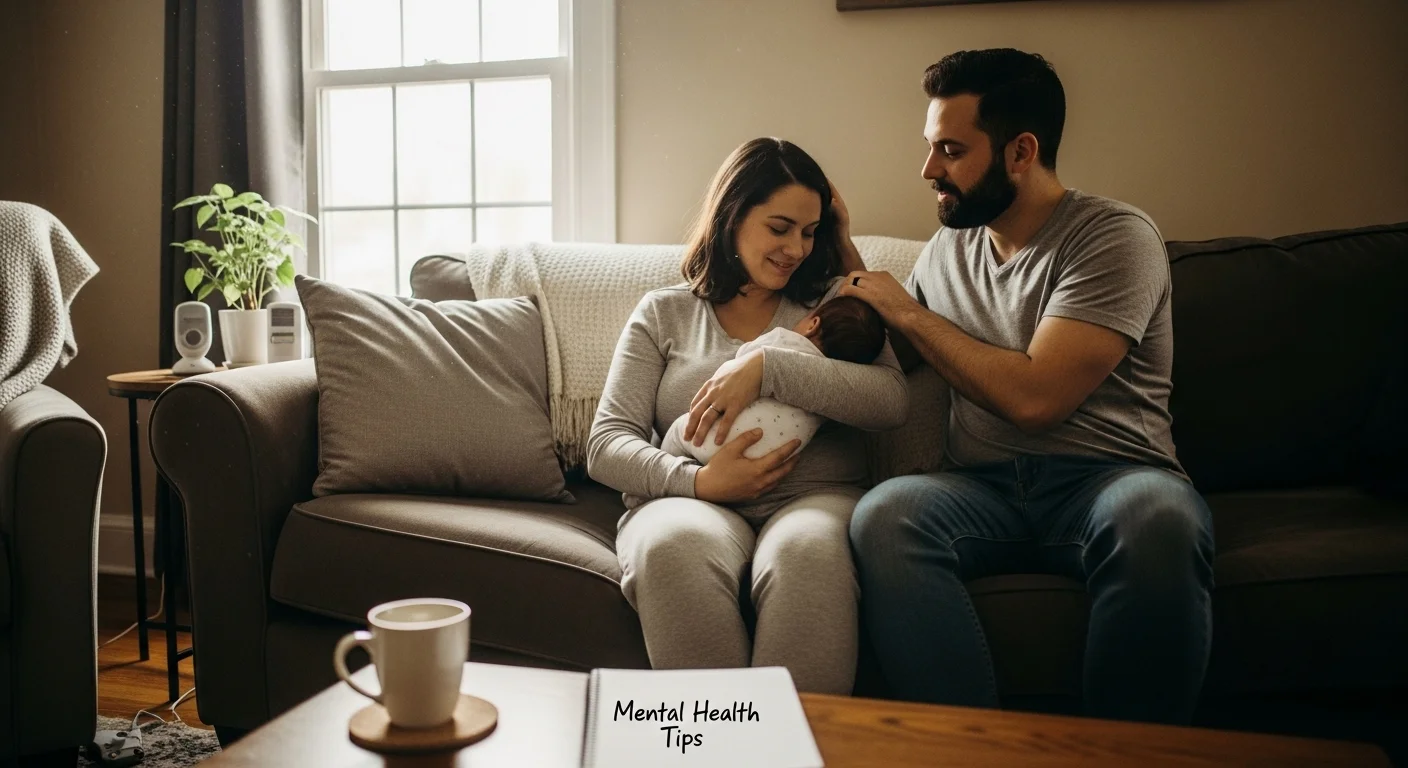
Understanding Postpartum Mental Health
As new parents, we often find ourselves in a whirlwind of emotions and responsibilities. One of the most important areas to explore is postpartum mental health. This phase can be overwhelming, filled with joy, anxiety, and sometimes sadness. It’s essential to understand what we might experience, as this knowledge can help us navigate those rocky waters.
What is Postpartum Depression?
Postpartum depression (PPD) is more than just the “baby blues.” While many parents experience mood swings and slight sadness after childbirth, PPD is a more severe condition that affects around 1 in 7 women. I remember feeling a deep sense of anxiety after my first child was born, thinking I should be overjoyed, but instead, I felt lost. PPD can manifest as persistent sadness, irritability, and changes in sleeping or eating patterns. It’s crucial to recognize that these feelings aren’t a reflection of our abilities as parents; they are a common reaction to significant life changes.
Signs and Symptoms of Postpartum Anxiety
Alongside PPD, postpartum anxiety (PPA) can also emerge. I didn’t realize that anxiety could be such a prominent part of the postpartum experience until I started noticing my racing thoughts and overwhelming worries. Symptoms of PPA include constant worrying, feeling restless, difficulty concentrating, and physical symptoms like heart palpitations. It’s important to acknowledge these feelings and understand that seeking help is not a sign of weakness, but rather a step towards healing. Read Interesting article: Top Strategies for Quick Postpartum Recovery at Home
The Impact of Hormonal Changes
The hormonal shifts that occur after childbirth can significantly impact our mental health. After delivery, levels of hormones like estrogen and progesterone drop sharply, which can contribute to mood swings. I often felt like I was on an emotional rollercoaster, and I later learned that these fluctuations were partly due to my body adjusting to the changes. Understanding this connection between hormones and mood can help us be more compassionate with ourselves during this transition.
Common Misconceptions About Postpartum Mental Health
There are many myths surrounding postpartum mental health that can perpetuate feelings of shame or confusion. For example, some believe that if you’re a good parent, you won’t struggle with mental health issues. I certainly thought that way, feeling guilty for not being the perfect parent. The truth is, experiencing mental health challenges does not diminish our love for our children or our capabilities as parents. It’s essential to debunk these misconceptions and create a space where we can talk openly about our struggles.
Importance of Self-Care for New Parents
One of the most valuable lessons I learned during my postpartum journey is the importance of self-care. It’s easy to forget about ourselves when there’s a little one depending on us, but prioritizing our well-being is crucial for both our mental health and our ability to care for our child.
Physical Self-Care: Nutrition and Exercise
When my baby arrived, I often found myself skipping meals or grabbing whatever was easiest. However, I discovered that nourishing my body with healthy foods made a significant difference in my mood and energy levels. Eating balanced meals and staying hydrated helped me feel more like myself. Along with nutrition, incorporating gentle exercise, like walking with the stroller, became a cherished routine that boosted my spirits and helped alleviate anxiety.
Mental Self-Care: Mindfulness and Meditation
Finding moments of peace amidst the chaos can feel impossible, but mindfulness practices, like meditation, can help. I started with just five minutes a day, focusing on my breath or listening to calming music while my baby napped. These small moments of mindfulness allowed me to reconnect with myself and cultivate a sense of calm, even on the toughest days.
Emotional Self-Care: Journaling and Expressing Feelings
Journaling became a lifeline for me during those early weeks. Putting my thoughts and feelings on paper helped me process my emotions without judgment. I found that expressing my worries and joys was incredibly therapeutic. Whether it’s through writing or talking with someone, expressing our feelings is essential for emotional well-being.
Setting Realistic Expectations
One of the hardest lessons was learning to set realistic expectations for myself. I had envisioned a perfect postpartum period filled with blissful bonding moments. Instead, I found myself navigating sleepless nights and moments of frustration. I had to remind myself that it’s okay to not have everything figured out. Embracing the ups and downs of parenthood helped me cultivate a sense of peace amidst the chaos. Read Interesting article: Navigating Postpartum Recovery: What New Parents Need
Building a Support System
One of the most valuable lessons I learned during my postpartum journey is the significance of having a robust support system. It can seem daunting to navigate the challenges of parenthood alone, and I found that surrounding myself with supportive people made a world of difference in my mental health.
Involving Family and Friends
When my baby was born, I realized how crucial it was to lean on family and friends. I used to hesitate to ask for help, thinking I could manage everything by myself. But I quickly learned that reaching out to loved ones was a strength, not a weakness. I remember the day my sister came over unannounced, armed with a homemade meal and an offer to babysit for a few hours. It felt like a breath of fresh air. The time I got to spend resting while knowing my baby was safe and loved helped me recharge immensely. I encourage you to tap into your own circle of family and friends. They can offer practical support, like cooking, cleaning, or simply being there to listen to our fears and joys.
Joining Parenting Groups and Communities
Another great way to build a support network is by joining parenting groups. I remember feeling isolated in my postpartum journey, but once I found a local parenting group, everything changed. Meeting other parents who were experiencing similar challenges made me feel less alone. We shared tips, swapped stories, and even vented about sleepless nights. There’s something so empowering about connecting with others who truly understand what you’re going through. Whether it’s a local meetup or an online forum, finding your tribe can provide a sense of belonging and comfort.
Professional Help: When to Seek Therapy
There were moments when I felt overwhelmed to the point that I realized I needed more than just support from family and friends. I had heard about postpartum therapy but didn’t think it was for me. However, after talking with a close friend who had sought help, I decided to give it a try. Connecting with a therapist who specializes in postpartum mental health opened up a safe space for me to express my feelings without judgment. It was eye-opening to discuss my experiences and emotions with someone who truly understood the complexities of this journey. I encourage anyone who feels persistently sad or anxious to consider reaching out to a professional. It can be the first step towards feeling more like ourselves again.
Online Resources and Support Networks
In today’s digital age, we have access to a wealth of online resources and support networks. I turned to various websites and social media groups where I could find information and connect with others. Platforms like Facebook have numerous groups dedicated to postpartum support. I found it comforting to read about others’ experiences and share my own. There are also websites filled with valuable articles, forums, and resources that can provide guidance and encouragement. If you’re feeling alone, exploring these online communities can be a game-changer. They remind us that we’re not alone on this journey and that there’s a world of support available at our fingertips.
Practical Tips for Daily Peace
Amidst the whirlwind of parenting, finding small moments of peace can seem like a luxury. However, I discovered that implementing some practical tips into my daily routine helped me cultivate a sense of calm and balance.
Establishing a Routine
One of the first things I did was try to establish a routine for myself and my baby. I found that having a loose schedule helped me feel more in control. I began to create a simple flow for our days—time for feeding, napping, and play. While it’s essential to remain flexible, having a general idea of what to expect each day provided a comforting structure. It also helped me carve out time for self-care, which was a game-changer. I recommend starting small, setting realistic goals for your day, and being gentle with yourself if things don’t go as planned.
The Role of Napping and Rest
Speaking of routines, I learned that rest is non-negotiable. In the early days, I often sacrificed my own sleep to tend to my baby. However, I quickly realized that I couldn’t pour from an empty cup. Whenever my baby napped, I made it a priority to rest, even if it was just for a short while. I would lie down, close my eyes, and embrace the quiet. I encourage you to take those moments for yourself, even if it feels indulgent. Sleep is vital for our mental health and overall well-being.
Mindful Parenting Techniques
Embracing mindfulness in my parenting journey has been transformative. I started practicing being present with my baby during feeds and playtime. Instead of worrying about what needed to be done, I focused on the joy of the moment. I found that taking deep breaths and savoring small interactions helped me feel more connected and grounded. Mindful parenting isn’t about perfection; it’s about being aware and appreciating the little things. I found that these techniques brought a sense of peace and contentment to my days.
Setting Boundaries and Saying No
Finally, I learned the power of saying no. As new parents, we can feel pressure to do it all, whether it’s attending social gatherings or taking on extra responsibilities. I had to remind myself that it’s okay to prioritize my well-being and my family’s needs over pleasing others. Setting boundaries helped me create a safe space for myself to recharge. When I started saying no to things that drained my energy, I became more present for the moments that mattered most.
Effective Communication with Your Partner
One of the most vital aspects of navigating the postpartum period is effective communication with our partner. We often find ourselves overwhelmed, and without clear communication, misunderstandings can arise. I remember how easy it was to feel isolated even when my partner was right there with me. Taking steps to openly share our thoughts and feelings can strengthen our relationship and improve our overall well-being.
Sharing Responsibilities and Roles
After our baby was born, I quickly realized that it was essential to share the responsibilities of parenting. In the beginning, I felt the urge to do everything myself, thinking I had to prove my dedication as a mother. However, I soon learned that sharing roles not only lightened my load but also allowed my partner to bond with our baby. I recommended sitting down together to discuss and outline responsibilities, such as nighttime feedings, diaper changes, and household chores. This way, we both felt involved and supported. I’ve found that having clear expectations helps us avoid frustration and ensures that we are both contributing to our family’s well-being.
Discussing Mental Health Openly
Talking about mental health can feel daunting, but I believe it’s crucial for both partners to express their feelings openly. I once hesitated to share my anxiety for fear of burdening my partner, but when I finally did, it lifted a weight off my shoulders. We need to create a safe space to discuss our struggles and victories. I learned that checking in with each other regularly about our mental health can be incredibly beneficial. Simple questions like, “How are you feeling today?” or “Is there anything on your mind?” can open the door to deeper conversations. This practice not only strengthens our bond but also normalizes discussions around mental health, making it easier to address when challenges arise.
Building Empathy and Understanding
Becoming parents is a significant transition, and it’s essential to cultivate empathy and understanding between partners. I realized that we were both experiencing this journey differently, and what worked for one of us might not work for the other. Taking the time to listen to each other’s perspectives and acknowledging our feelings fosters a sense of teamwork. I remember having moments where I felt overwhelmed and my partner simply reminding me that it was okay to feel that way. It’s about being there for each other, validating our experiences, and recognizing that we’re in this together. Practicing empathy means understanding that both partners are likely facing challenges, and sometimes, just listening can be the most powerful support.
Resources for Postpartum Mental Health
Finding the right resources can be a game-changer for new parents navigating postpartum mental health challenges. I discovered that having access to various forms of support and information made a world of difference in my journey.
Books and Literature on Postpartum Wellness
I found that reading books on postpartum wellness helped me feel less alone. There are many excellent resources available that explore both the emotional and physical aspects of this journey. One of my favorites is “The Fourth Trimester” by Kimberly Ann Johnson. It offers valuable insights and practical advice for new parents. I encourage you to explore literature that resonates with you, as it can provide comfort and guidance during this time.
Websites and Online Courses
The digital space is filled with resources for postpartum mental health. I stumbled upon websites dedicated to maternal mental health, such as Postpartum Support International, which offer valuable information and support networks. Additionally, online courses on topics like mindfulness, self-care, and parenting can equip us with tools to navigate this transition more smoothly. I remember signing up for a mindfulness course that taught me practical techniques to manage stress, and it was incredibly helpful!
Local Workshops and Classes
Sometimes, connecting with others in person can be really beneficial. I found local workshops and classes focused on parenting, mental wellness, and self-care. These gatherings allowed me to interact with other new parents and share experiences. In my case, participating in a postpartum yoga class was not only relaxing but also a fantastic way to meet others who understood what I was going through. Check community centers, hospitals, or local parenting groups for resources available in your area.
Hotlines and Emergency Support
In moments of crisis or if you’re feeling overwhelmed, knowing where to turn for help is essential. I discovered that there are hotlines specifically for postpartum mental health support. These resources are invaluable if you need immediate assistance or someone to talk to. I remember feeling a wave of relief knowing that help was just a phone call away. It’s essential to prioritize our mental health and seek support when we need it. Remember, reaching out for help is a sign of strength, and there are people ready to listen and support you.
Frequently Asked Questions
What is postpartum depression (PPD)?
Postpartum depression (PPD) is a severe condition affecting around 1 in 7 women after childbirth. It manifests as persistent sadness, irritability, and changes in sleeping or eating patterns, and is more than just the “baby blues.”
What are the symptoms of postpartum anxiety (PPA)?
Symptoms of postpartum anxiety (PPA) include constant worrying, feeling restless, difficulty concentrating, and physical symptoms like heart palpitations. It’s important to acknowledge these feelings and seek help.
How do hormonal changes affect postpartum mental health?
After childbirth, levels of hormones like estrogen and progesterone drop sharply, leading to mood swings and emotional fluctuations. Understanding this connection can help new parents be more compassionate towards themselves during the transition.
Why is self-care important for new parents?
Self-care is crucial for both mental health and the ability to care for a child. Prioritizing well-being allows new parents to recharge and better handle the responsibilities that come with parenting.
What are some practical self-care tips for new parents?
Practical self-care tips include maintaining proper nutrition and hydration, incorporating gentle exercise, practicing mindfulness and meditation, journaling, and setting realistic expectations for oneself during the postpartum period.
How can new parents build a support system?
New parents can build a support system by involving family and friends, joining parenting groups and communities, and seeking professional help when necessary. Connecting with others who share similar experiences can provide comfort and practical support.
When should new parents consider seeking therapy?
New parents should consider seeking therapy if they feel persistently sad or anxious and need more than just support from family and friends. Therapy can provide a safe space to express feelings and navigate the complexities of postpartum mental health.
What resources are available for postpartum mental health support?
Resources for postpartum mental health include books on wellness, websites and online courses focusing on maternal mental health, local workshops and classes, and hotlines for immediate support.
How can effective communication with a partner improve postpartum experiences?
Effective communication with a partner is essential for sharing responsibilities and discussing mental health openly. This practice fosters understanding and empathy, helping both partners navigate the challenges of parenthood together.
What are some mindful parenting techniques that can help new parents?
Mindful parenting techniques include being present during interactions with the baby, taking deep breaths, and savoring small moments. These practices can help new parents feel more connected and grounded in their parenting journey.