
Pregnancy is a beautiful journey, filled with anticipation and excitement. One of the most critical aspects of this journey is nutrition. What you eat can significantly impact your baby’s health and development. To learn more about this, check out Top Foods to Boost Your Pregnancy Nutrition Today.
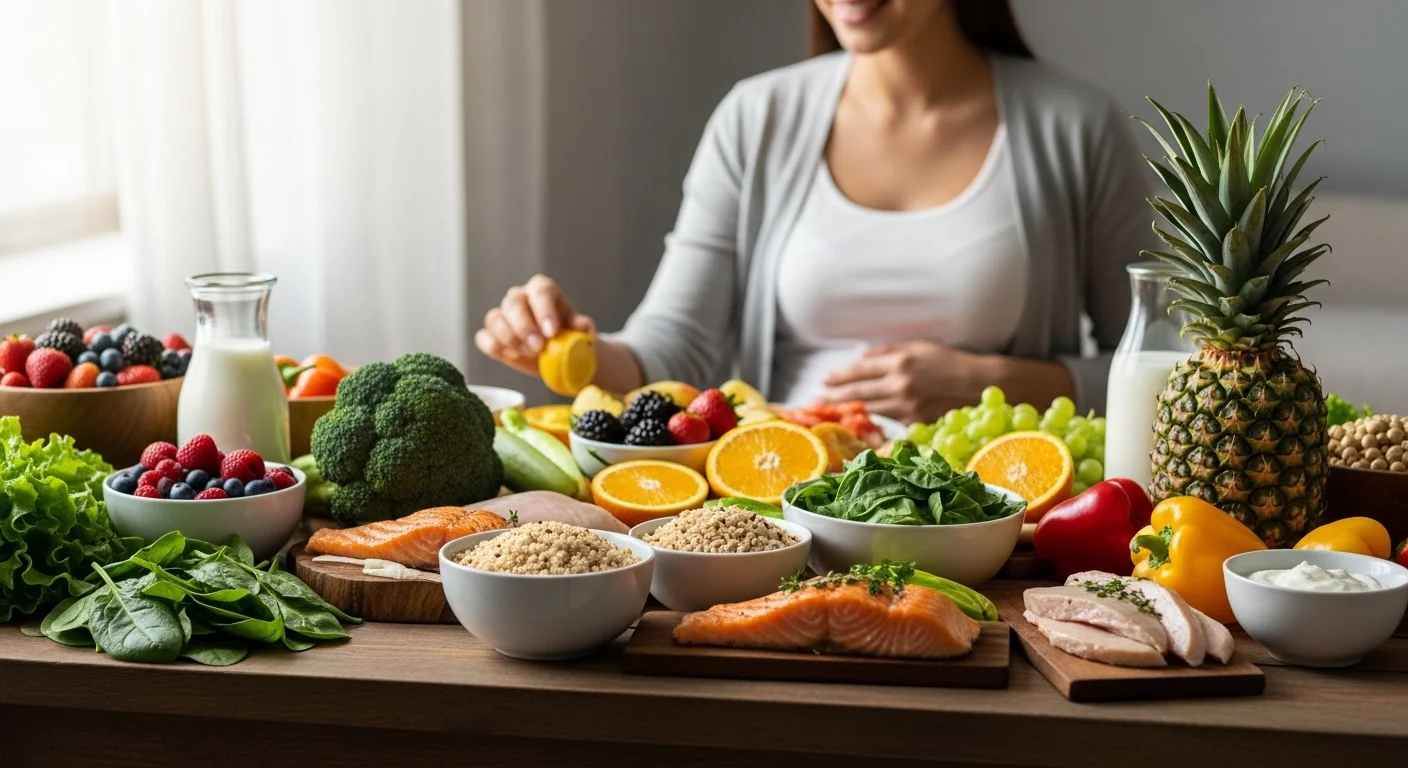
Understanding Pregnancy Nutrition
The Importance of Nutrition During Pregnancy
When I first discovered I was pregnant, I felt a mix of joy and nervousness. I knew that what I ate would affect not just my health, but also the health of my growing baby. Nutrition during pregnancy is vital; it supports the development of the fetus and helps maintain the mother’s health. I learned that a balanced diet can reduce the risk of complications, premature birth, and low birth weight. Everything I consumed felt more important than ever, and I quickly realized that nourishing my body was essential for both of us.
Key Nutrients for a Healthy Pregnancy
While I was navigating through pregnancy, I stumbled upon several key nutrients that became my focus. Each nutrient has a specific role to play in supporting a healthy pregnancy. I discovered that folic acid is crucial for preventing neural tube defects, while iron helps in building healthy blood. Calcium became a priority for supporting my baby’s bones, and I learned about the importance of protein for growth and development. Omega-3 fatty acids turned out to be essential for brain development, and vitamin D was key for both immunity and bone health. It was fascinating to see how each nutrient worked like a puzzle piece, coming together to support my baby’s growth.
Recommended Dietary Guidelines for Pregnant Women
As I delved deeper into pregnancy nutrition, I found myself referring to various dietary guidelines. It was recommended that pregnant women consume around 300 extra calories daily, which was a bit daunting at first. I learned that focusing on nutrient-dense foods rather than just extra calories was more beneficial. I decided to aim for a balanced diet that included a variety of food groups. The guidelines emphasized the importance of fruits, vegetables, whole grains, lean proteins, and healthy fats. I realized that maintaining a balanced diet was not just about quantity, but also about quality.
In my experience, keeping track of my meals helped me stay focused. I started planning my meals and snacks, ensuring that I included all the necessary food groups. I found it useful to think of my plate as a colorful array of foods, filled with nutrients that would help my baby thrive. I also learned to listen to my body; sometimes, I craved certain foods, and I found that those cravings often pointed towards what my body needed at that moment.
Another thing I discovered was the significance of portion sizes. Eating smaller, more frequent meals helped me manage my energy levels and kept my hunger at bay. I made it a point to include a source of protein at every meal, which I found incredibly satisfying. This not only kept me full but also provided essential amino acids needed for my baby’s development.
As I continued my pregnancy journey, I found that staying educated about nutrition was empowering. I started reading books, following trusted websites, and even talking to friends who had been through the same experience. Each piece of information added to my understanding of how vital nutrition truly is during this special time. For more tips, you can refer to Essential Nutrition Tips for a Healthy Pregnancy Journey.
Ultimately, embracing a healthy diet during pregnancy was about creating a positive environment for both me and my baby. I felt a sense of responsibility to make informed choices that would benefit our health. By focusing on what I could add to my diet rather than what I had to take away, I found myself feeling more optimistic and motivated. It was about creating a lifestyle that would support not just my pregnancy, but also my overall well-being.
In summary, understanding pregnancy nutrition is a journey in itself. It involves learning about the importance of various nutrients, following dietary guidelines, and making conscious choices. I found that being proactive about my diet not only helped me feel better physically but also gave me peace of mind as I approached motherhood. This experience made me appreciate the connection between what we eat and how it affects our health in profound ways.
Essential Nutrients for Pregnant Women
Folic Acid: Why It’s Crucial
Folic acid was one of the first nutrients I learned about when I started my pregnancy journey. I quickly discovered that it’s not just a vitamin; it’s a powerhouse. Folic acid, also known as vitamin B9, plays a key role in preventing neural tube defects, which affect the brain and spine. I remember reading that the neural tube forms in the first few weeks of pregnancy, often before many women even know they’re pregnant. This realization made me understand the importance of starting my folic acid intake as soon as I found out about my pregnancy.
In my case, I opted for a prenatal vitamin that contained folic acid, but I also made sure to include folate-rich foods in my diet. Dark leafy greens, beans, lentils, and fortified cereals became staples on my plate. I felt empowered knowing I was actively contributing to my baby’s healthy development right from the start.
Iron: Building Healthy Blood
Another nutrient that caught my attention was iron. I learned that during pregnancy, my blood volume increases significantly to support my growing baby, which means I needed extra iron to build healthy blood. I found out that iron helps in the production of hemoglobin, the protein in red blood cells that carries oxygen. This was fascinating to me, as I never realized how much my body was working to fuel not just me, but my baby too.
To boost my iron intake, I included foods like lean meats, spinach, and beans in my meals. I also learned that vitamin C can help absorb iron better, so I started pairing iron-rich foods with oranges or bell peppers. It made me feel good to know I was making decisions that would benefit both of us. Plus, I noticed that my energy levels improved as I became more consistent with my iron intake.
Calcium: Supporting Bone Development
Calcium was another nutrient that I felt was essential. I remember thinking about how my baby needed a solid foundation for bone development, and calcium was key to that. The more I read, the more I understood that if I didn’t get enough calcium from my diet, my body would take it from my bones, which was a bit alarming to me.
I made it a goal to include calcium-rich foods in my diet, such as dairy products like yogurt and cheese, as well as fortified plant-based milks. I even started experimenting with calcium-rich snacks like almonds and sesame seeds. Knowing that I was contributing to my baby’s skeletal health brought me a sense of calm and reassurance.
Protein: Essential for Growth
Protein was another nutrient that became a focus for me. I learned that it’s crucial for the growth of my baby’s tissues and organs, including the brain. During those months, I made sure to include a variety of protein sources in my meals. I loved the idea that every bite was helping my baby grow stronger.
My go-to sources included lean meats, eggs, legumes, and nuts. I also discovered that protein snacks like hummus with veggies or a handful of nuts could keep me satisfied between meals. It was a win-win: I was taking care of my nutritional needs while also feeling full and energized.
Omega-3 Fatty Acids: Brain Development
When it came to brain development, I learned that omega-3 fatty acids are superstars. I found out that these healthy fats help form the baby’s brain and eyes. It was interesting to see how something as simple as including fish in my diet could impact my baby’s cognitive development.
I made sure to include sources of omega-3s like salmon, walnuts, and flaxseeds in my meals. I even started to experiment with delicious recipes that combined these ingredients. I felt like I was not only nourishing my baby but also treating myself to some delicious meals.
Vitamin D: Immunity and Bone Health
Vitamin D was another important nutrient I discovered. I realized it plays a critical role in immunity and bone health for both me and my baby. I learned that getting enough vitamin D can help ward off complications during pregnancy. With this in mind, I aimed to spend some time in the sun and included vitamin D-rich foods like fortified milk and egg yolks in my diet.
Tracking my vitamin D levels became part of my routine, and I made sure to discuss it with my healthcare provider. It felt reassuring to know that I was taking the necessary steps to ensure both my health and my baby’s.
What to Eat During Pregnancy
Fruits and Vegetables: The Colorful Plate
One of the first things I did when I began focusing on my pregnancy nutrition was to fill my plate with a rainbow of fruits and vegetables. I quickly learned that these foods are packed with vitamins, minerals, and antioxidants that are essential for both my health and my baby’s. I remember being amazed at how something as simple as a brightly colored bell pepper could provide so many nutrients!
In my experience, eating a variety of fruits and vegetables not only kept my meals interesting but also helped me meet my daily nutrient requirements. I made it a point to include leafy greens, berries, oranges, and carrots in my diet. Smoothies became a favorite way to blend several servings of fruits and vegetables at once, and I loved experimenting with different combinations. It felt great knowing I was giving my baby the best start possible with healthy choices!
Whole Grains: Fueling Your Body
When I learned about whole grains, I realized how important they were for providing sustained energy during pregnancy. Unlike refined grains, which can leave me feeling sluggish, whole grains like brown rice, quinoa, and whole wheat bread provided essential fiber and nutrients. I found that incorporating these grains into my meals helped keep my digestive system running smoothly, which was a relief given how pregnancy can sometimes disrupt things.
For me, breakfast was the perfect opportunity to include whole grains. I started my mornings with oatmeal topped with fresh fruit and nuts, which kept me full for hours. I loved how adding whole grains to my diet felt like giving my body the fuel it needed to support my growing baby.
Lean Proteins: Meat, Fish, and Alternatives
As I mentioned earlier, protein was a key focus for me during pregnancy, and I quickly discovered the importance of choosing lean sources. I made sure to include options like chicken, turkey, and fish while also exploring plant-based proteins like lentils, chickpeas, and tofu. I realized that variety was essential, as it not only kept my meals exciting but also ensured I was getting a range of amino acids.
I also learned about the importance of omega-3 fatty acids in fish, especially fatty fish like salmon. I remember feeling proud whenever I cooked a delicious salmon dish, knowing I was supporting my baby’s brain development. Finding ways to incorporate protein into my snacks, like Greek yogurt and nut butter, helped me feel satisfied throughout the day.
Dairy Products: Calcium Sources
Dairy products became a staple in my diet as I focused on getting enough calcium for my baby’s bone development. I enjoyed incorporating yogurt, cheese, and milk into my meals. I found that smoothies were a great way to include dairy; blending yogurt with fruits created a satisfying snack that I could enjoy any time of day.
I also discovered dairy alternatives like almond milk and coconut yogurt, which were delicious and packed with nutrients. Reading labels became essential because I wanted to ensure I was choosing fortified options that provided the calcium and vitamin D my body needed. It felt reassuring to know I was making intentional choices that benefited both my health and my baby’s growth.
Healthy Fats: Avocados, Nuts, and Seeds
In my quest for a balanced diet, I learned that healthy fats are vital for both of us. Avocados quickly became a favorite food of mine. I loved how creamy they were, and how easy they were to include in meals, whether on toast or in salads. Nuts and seeds also made their way into my daily routine, providing essential fatty acids and a good source of energy.
Snacking on a handful of mixed nuts became my go-to when I needed a quick pick-me-up. I also loved adding chia seeds to my smoothies or oatmeal for an extra boost of nutrition. These healthy fats not only kept me feeling satisfied but also contributed to my baby’s brain development. I felt good knowing I was nurturing my body with wholesome fats that would support both of our health.
Foods to Avoid During Pregnancy
Raw or Undercooked Foods
As I learned more about pregnancy nutrition, one of the most crucial lessons was to avoid raw or undercooked foods. I remember the first time I thought about having sushi after a long time, but then I was reminded that raw fish could harbor harmful bacteria or parasites. This realization made me reconsider what I was eating. I wanted to ensure that I was protecting my baby from any potential risks.
Undercooked meats and eggs also became off-limits for me. I made a point to cook all my meats thoroughly and ensure that eggs were well-cooked. This shift in my eating habits felt like a small but significant way to safeguard my health and my baby’s.
Certain Fish High in Mercury
During my pregnancy, I learned about the importance of being cautious with certain types of fish. While fish is rich in nutrients and omega-3 fatty acids, I discovered that some species are high in mercury, which can be harmful to my baby’s development. I found myself checking lists of fish to avoid, such as shark, swordfish, and king mackerel. It felt empowering to be informed about these choices.
I opted for safer fish options, like salmon and sardines, which not only provided nutrients but also aligned with my goal of supporting my baby’s growth. It was all about finding the right balance and making informed decisions.
Unpasteurized Dairy Products
As I focused on getting enough calcium, I had to be cautious about dairy products. I learned that unpasteurized dairy can carry harmful bacteria. This was an easy fix, as I made sure to choose pasteurized options when shopping. Enjoying cheese became a bit of a game for me; I often checked labels to ensure I was making safe choices while still indulging in my cravings.
This awareness helped me feel more in control of my diet. I even found that there were plenty of delicious pasteurized cheeses and yogurts that I could enjoy without worry.
Processed Foods and Sugars
While it was tempting to reach for quick snacks, I discovered that processed foods and excessive sugars weren’t the best for my pregnancy. I remember reading about how these foods could lead to excessive weight gain and other complications. I made a conscious effort to limit my intake of sugary snacks and opt for whole, nutrient-rich foods instead.
In my daily life, I started making healthier snack choices. After that realization, I often turned to fruits, nuts, and homemade treats that satisfied my cravings while providing nutrition. This shift not only made me feel better physically but also mentally, knowing I was making choices that would benefit both my baby and myself.
Sample Meal Plans for Pregnant Women
Breakfast Ideas
Breakfast became one of my favorite meals during pregnancy. I loved starting my day with oatmeal topped with berries and a drizzle of honey. It was a warm, comforting bowl that made me feel ready to tackle the day. On busy mornings, I would whip up a smoothie with spinach, banana, and Greek yogurt for an easy nutrient boost.
Lunch Suggestions
For lunch, I often prepared a colorful salad loaded with leafy greens, cherry tomatoes, cucumbers, and grilled chicken. I would dress it lightly with olive oil and lemon. Another go-to was a wrap filled with hummus, veggies, and turkey, which kept me satisfied and energized through the afternoon.
Dinner Options
Dinner was my chance to experiment with a variety of foods. I loved cooking baked salmon with quinoa and steamed broccoli. Another favorite was stir-fried tofu with colorful bell peppers and brown rice. It was fulfilling to know that each meal was packed with nutrients essential for my baby’s development.
Healthy Snacks
Snacking was crucial for me, especially during those first trimesters when I felt hungrier than usual. My go-to snacks included sliced apples with almond butter, yogurt with granola, and a handful of mixed nuts. I found that keeping healthy snacks at hand helped me resist the urge for less nutritious options.
Hydration and Pregnancy
Importance of Staying Hydrated
I quickly realized that staying hydrated was just as important as what I was eating. I made it a habit to carry a water bottle with me everywhere. I learned that proper hydration can help reduce swelling, improve digestion, and support overall health during pregnancy.
Best Beverages to Drink
Water was my go-to, of course, but I also enjoyed herbal teas that were safe during pregnancy. I loved making refreshing herbal infusions with mint or ginger. Coconut water became another favorite, as it was not only hydrating but also packed with electrolytes.
How Much Water to Drink
As for how much water I should drink, I found that aiming for about 8-10 cups daily was a good guideline. I paid attention to my body’s signals, and on hotter days or after workouts, I made sure to drink even more. Staying hydrated made a noticeable difference in how I felt throughout the day.
Managing Cravings and Aversions
Understanding Pregnancy Cravings
Oh, the cravings! They were real and sometimes surprising. There were days when all I wanted was pickles, and others when I craved sweet treats. This was something I hadn’t anticipated, but I learned to embrace these cravings as part of my pregnancy experience.
Healthy Alternatives to Common Cravings
When I craved something sweet, I often reached for fruit instead of candy. I discovered that frozen grapes were a delicious treat, especially on warm days. For salty cravings, I loved snacking on air-popped popcorn sprinkled with a bit of nutritional yeast. Finding healthier alternatives made it feel like I was satisfying my cravings while still making good choices.
Dealing with Food Aversions
Food aversions were another challenge I faced. I remember suddenly disliking certain foods I once loved, like chicken. It was baffling! I learned to listen to my body and adjust my meals accordingly. When I couldn’t stand the thought of meat, I turned to plant-based proteins and found new favorites that worked for me.
Consulting with Healthcare Providers
When to Seek Nutritional Advice
Throughout my pregnancy, I found it incredibly helpful to consult with my healthcare provider about my nutrition. They were a fantastic resource for answering questions and addressing any concerns I had. I learned that seeking nutritional advice was especially important if I had specific dietary restrictions or health issues.
The Role of a Registered Dietitian
I also considered visiting a registered dietitian who specialized in pregnancy nutrition. I found that their expertise could provide tailored guidance to help me meet my unique needs. It felt reassuring to know that I could have a personalized plan that aligned with my health goals.
Supplement Recommendations
As I navigated through my pregnancy, I learned about the importance of prenatal vitamins. My healthcare provider recommended specific supplements to ensure I was getting all the necessary nutrients, especially folic acid and iron. I made a habit of taking them daily, feeling good that I was supporting my baby’s development with the right building blocks.
FAQs About Pregnancy Nutrition
How Much Weight Should I Gain During Pregnancy?
One of the questions I had was about weight gain during pregnancy. I learned that the amount depends on my starting weight and individual circumstances. My healthcare provider guided me on what was healthy for my body type, which helped alleviate some of my worries.
Can I Follow a Vegetarian or Vegan Diet?
During my journey, I also wondered about following a vegetarian or vegan diet while pregnant. I discovered that it is possible, but it requires careful planning to ensure I get all the necessary nutrients. Consulting with a dietitian was a great way to navigate this path safely.
What Are the Risks of Poor Nutrition During Pregnancy?
Lastly, I learned about the risks associated with poor nutrition during pregnancy. It can lead to complications like gestational diabetes, preterm labor, and low birth weight. This knowledge made me more committed to making healthy choices, knowing how crucial my diet was for my baby’s well-being.
Final Thoughts
Reflecting on my pregnancy nutrition journey, I realize how much it shaped my experience. I learned the importance of being informed and proactive about what I ate. Each decision I made felt like a step toward creating a healthy environment for my baby. I discovered new foods, embraced healthy habits, and even learned to listen to my body better. I believe that this journey has made me a more mindful eater, not just during pregnancy but in life as well. I hope that sharing my experiences will inspire others to embrace the beauty of nourishing themselves and their babies during this incredible journey.
Frequently Asked Questions
What is the importance of nutrition during pregnancy?
Nutrition during pregnancy is vital as it supports the development of the fetus and helps maintain the mother’s health. A balanced diet can reduce the risk of complications, premature birth, and low birth weight.
What key nutrients should pregnant women focus on?
Pregnant women should focus on several key nutrients, including folic acid, iron, calcium, protein, omega-3 fatty acids, and vitamin D. Each of these nutrients plays a specific role in supporting a healthy pregnancy and fetal development.
How many extra calories should pregnant women consume daily?
It is recommended that pregnant women consume around 300 extra calories daily, focusing on nutrient-dense foods rather than just increasing calorie intake.
What foods are recommended for a healthy pregnancy diet?
A healthy pregnancy diet should include a variety of food groups such as fruits, vegetables, whole grains, lean proteins, and healthy fats. These foods provide essential nutrients for both the mother and the baby.
What types of foods should be avoided during pregnancy?
Pregnant women should avoid raw or undercooked foods, certain fish high in mercury, unpasteurized dairy products, and processed foods with excessive sugars to reduce health risks for both mother and baby.
How can hydration impact pregnancy?
Staying hydrated is crucial during pregnancy as it can help reduce swelling, improve digestion, and support overall health. Drinking about 8-10 cups of water daily is a good guideline.
What should I do about pregnancy cravings?
Embrace cravings as part of the pregnancy experience, but seek healthy alternatives, such as choosing fruit for sweet cravings or air-popped popcorn for salty ones.
When should I consult with my healthcare provider about nutrition?
Consulting with a healthcare provider about nutrition is important if you have specific dietary restrictions, health issues, or questions regarding your diet during pregnancy.
Can I follow a vegetarian or vegan diet during pregnancy?
Yes, it is possible to follow a vegetarian or vegan diet while pregnant, but it requires careful planning to ensure all necessary nutrients are obtained. Consulting with a dietitian can help navigate this safely.
What are the risks of poor nutrition during pregnancy?
Poor nutrition during pregnancy can lead to complications such as gestational diabetes, preterm labor, and low birth weight, making it crucial to make healthy dietary choices.