
Preparing for a journey while pregnant can be exciting yet daunting, especially when considering pelvic health. Let’s explore why maintaining pelvic floor strength is vital for active travelers during this transformative time.
Understanding the Importance of Pelvic Floor Health During Pregnancy
When I first learned about the pelvic floor, I was surprised by how much it impacted not just pregnancy, but overall health too. The pelvic floor is a group of muscles and connective tissues that form a hammock-like structure at the base of the pelvis. These muscles support the bladder, uterus, and rectum, playing a crucial role in bodily functions like urination, defecation, and sexual activity. For pregnant women, the pelvic floor endures significant stress as the body changes and grows to accommodate the developing baby. That’s why, understanding the importance of pelvic floor health during pregnancy is so essential. Read Interesting article: How to Strengthen Your Pelvic Floor During Pregnancy
What is the Pelvic Floor?
The pelvic floor comprises several muscles, ligaments, and tissues that stretch from the pubic bone at the front of the pelvis to the tailbone at the back. Imagine these muscles as a supportive sling, holding up vital organs. During pregnancy, hormonal changes and the weight of the growing baby can strain this area. I remember feeling a bit overwhelmed by how much I needed to consider my pelvic health as my belly started to grow. It wasn’t just about staying active; it was also about ensuring I was doing the right kinds of exercises to keep everything functioning well down there.
Benefits of Strong Pelvic Floor Muscles
Having strong pelvic floor muscles offers numerous benefits, particularly during pregnancy. First, it can help reduce the risk of urinary incontinence, a common issue for many women during and after pregnancy. I found that being proactive about this helped me feel more confident about my body’s changes. Strong pelvic floor muscles also contribute to better posture and stability, which can help alleviate back pain as the pregnancy progresses. Furthermore, these muscles assist during labor and delivery, potentially leading to a smoother experience. I learned that the better care I took of my pelvic floor, the more benefits I would reap, both during pregnancy and after giving birth. For more information, check out Top Pelvic Floor Exercises for Pregnant Travelers.
Common Issues Related to Weak Pelvic Floor During Pregnancy
Unfortunately, many women experience pelvic floor dysfunction due to weakened muscles. Issues like urinary incontinence, pelvic pain, and even prolapse can occur when the pelvic floor isn’t strong enough to support the added weight and pressure during pregnancy. I remember hearing stories from friends who struggled with these problems and wished they’d prioritized their pelvic floor health earlier. Experiencing these issues can be quite distressing and may affect daily activities, including travel. I realized that keeping our pelvic floors strong can help mitigate these concerns and keep us feeling active and engaged, even while on the go.
Travel Considerations for Pregnant Women
Traveling during pregnancy brings its own set of challenges and considerations. I found myself planning every detail of my trips more carefully, ensuring I was comfortable and safe. Traveling while pregnant can be a wonderful experience, but it also requires some thoughtfulness regarding health and safety.
Health and Safety Guidelines for Traveling While Pregnant
Before embarking on any trip, I recommend checking with your healthcare provider. They can give personalized advice based on your pregnancy and any potential complications. It’s crucial to consider factors like your due date, health history, and travel destination. I learned that it’s generally safe to travel until around 36 weeks of pregnancy, but it’s always best to consult with a professional. Also, staying hydrated and taking regular breaks during travel can help maintain comfort and health.
Choosing the Right Destination for Active Travelers
When it came to selecting travel destinations, I realized that some places are more pregnancy-friendly than others. For me, I found that locations with access to healthcare facilities, comfortable accommodations, and opportunities for light activities were ideal. Beach vacations offered relaxing vibes, while cities with walkable neighborhoods allowed me to stay active without overexerting myself. I also enjoyed destinations that had plenty of parks and nature trails, making it easy to incorporate gentle walks into my daily routine.
Traveling by Air vs. Land: What to Know
Traveling by air can feel daunting when pregnant. I’ve learned that if I chose to fly, timing was everything. I preferred flights that were shorter and made sure to get up and walk around every couple of hours. Compression socks became my best friend for longer flights, helping to prevent swelling. On the other hand, road trips allowed for more flexibility, which I appreciated. I could stop whenever I needed, stretch out, and take breaks, making the journey more comfortable. Understanding these dynamics made my travel experience much more enjoyable, allowing me to focus on the adventure ahead.
Essential Pelvic Floor Exercises for Pregnant Travelers
Kegel Exercises: Techniques and Benefits
Kegel exercises became my go-to routine during pregnancy. Learning to engage my pelvic floor muscles not only strengthened them but also gave me a sense of control over my body. To perform a Kegel, I would first identify the right muscles by trying to stop the flow of urine midstream—definitely a unique experience! Once I knew I was targeting the correct area, I would squeeze and hold for about 5 seconds, then relax for 5 seconds. I aimed for 10 repetitions at least three times a day. I found that doing these exercises regularly could help prevent urinary incontinence and promote better muscle tone, which is especially important as my body changed. I loved that I could do them anywhere—whether sitting in an airport, waiting for a flight, or even in the comfort of my hotel room.
Squats: Strengthening the Pelvic Floor
Squats were another fantastic exercise that I incorporated into my routine. They not only helped strengthen my pelvic floor but also worked my legs and glutes, which needed support as my belly grew. I would stand with my feet shoulder-width apart and slowly lower my body as if I were going to sit back in a chair, keeping my back straight and my knees aligned with my toes. I found that holding onto something, like a wall or the back of a chair, made it easier to maintain balance. I often set a goal of three sets of 10 squats throughout the day. This simple exercise kept my muscles engaged and made me feel more energetic, especially during long travel days. I discovered that even a few squats here and there during layovers could make a significant difference in how I felt.
Bridge Exercise: Targeting the Pelvic Area
The bridge exercise became one of my favorites for targeting the pelvic area and strengthening my lower back. Lying on my back with my knees bent and feet flat on the ground, I would lift my hips towards the ceiling, squeezing my glutes and engaging my pelvic floor as I held the position for a few seconds. Lowering back down, I repeated this 10 to 15 times. This exercise not only helped with pelvic floor strength but also alleviated some discomfort I sometimes felt in my lower back during pregnancy. The best part was that I could do it in my hotel room or even on a yoga mat in a park. It felt empowering to know I was doing something positive for my body, especially while I was away from my regular routine.
Hip Rolls: Flexibility and Core Stability
Hip rolls added a nice, gentle way to improve flexibility and core stability. This exercise felt particularly good after a long day of travel. I would sit cross-legged on the floor, place my hands on my knees, and slowly roll my hips in a circular motion. This helped relieve tension and loosen up tight muscles in my lower back and hips. I enjoyed incorporating this into my routine as a way to stretch and relax, especially when adjusting to new environments. I often found myself doing hip rolls during downtime, leaving me feeling refreshed and centered.
Creating a Travel-Friendly Exercise Routine
Incorporating Exercises into Your Travel Schedule
Creating a travel-friendly exercise routine was a game-changer for me. I learned to think of my workouts as part of my travel plans rather than an obligation. I would set aside specific times during the day for my exercises, often early in the morning or during quiet moments in the afternoon. I found that even short 15-minute sessions could make a significant difference in my energy levels and overall mood. By treating these workouts as self-care, I felt more enthusiastic about maintaining my routine while away from home.
Finding Spaces for Exercise While Traveling
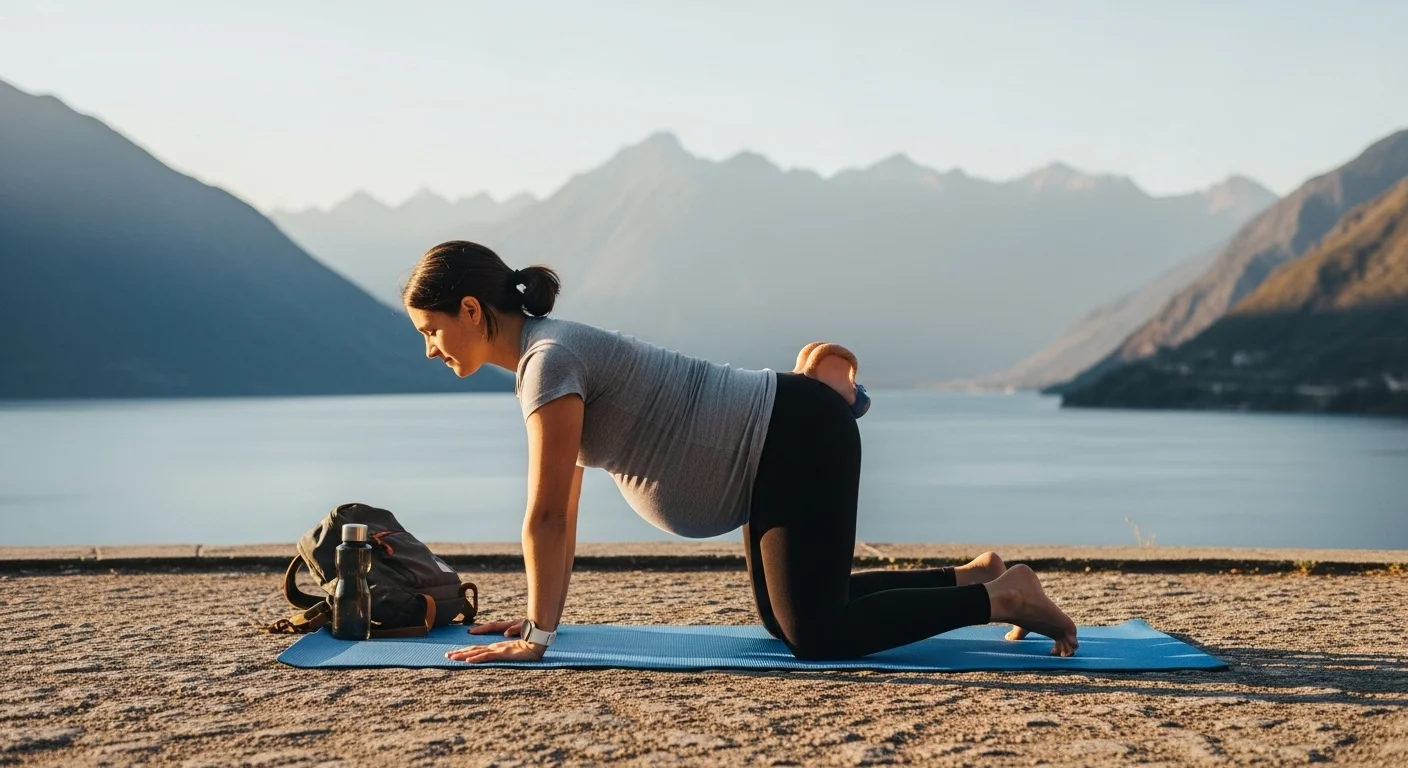
Finding suitable spaces for exercise was another aspect I had to navigate. I discovered that many hotels have fitness centers or offer classes, which I eagerly took advantage of. However, I also found that I could create my own workout space almost anywhere. A hotel room, a quiet corner of a beach, or even a local park could serve as my gym. I made it a point to pack a lightweight yoga mat for comfort, which made exercises like Kegels or bridges feel more inviting. It was amazing to see how adaptable I could be, and it reinforced my commitment to staying active.
Using Travel Accessories to Aid Your Workouts
I found that using travel accessories could significantly enhance my workouts. Resistance bands became my best friends while traveling. They were lightweight and fit easily into my suitcase, allowing me to perform a variety of exercises that targeted my pelvic floor and other muscle groups. I also brought along a small foam roller to help with muscle tension after long days of exploring. Utilizing these tools made it easier for me to stay on track with my fitness goals, no matter where my travels took me. I learned that with a little creativity and the right accessories, I could keep my body healthy and strong throughout my pregnancy. For more great ideas, check out Essential Pelvic Floor Workouts for Expecting Moms.
Staying Active While Traveling: Tips for Expectant Mothers
Choosing Active Activities: What to Consider
When I was planning my trips, I quickly realized that staying active didn’t mean I had to do high-intensity workouts or push myself too hard. Instead, I sought out activities that felt enjoyable and safe. I made a point to explore options like walking tours, leisurely hikes, and even gentle yoga classes. These activities allowed me to keep moving without overexerting myself. I remember one day in a beautiful coastal town, where I joined a guided walking tour. It was a perfect way to soak in the sights while keeping my body engaged without feeling fatigued. Plus, I loved the social aspect of meeting other expectant mothers who shared similar interests in staying active during pregnancy.
Another aspect I considered was my comfort level with various activities. For example, while I was tempted to try kayaking, I decided against it after weighing the potential risks. I found that sticking to low-impact sports suited me best, and I felt empowered by the choices I made to keep myself safe while still enjoying my travels. Planning these kinds of activities not only kept me active but also enriched my travel experience in ways I hadn’t expected.
Hydration and Nutrition on the Go
Staying hydrated was a top priority for me while traveling. With the extra demands of pregnancy, I knew I needed to drink plenty of water, especially during outings. I always carried a reusable water bottle with me, which helped remind me to sip throughout the day. I felt proud of myself for making this a non-negotiable part of my travel routine. I recall being in a bustling city, and I made it a point to stop at local markets to grab fresh fruits and snacks. Eating healthy was essential, and I enjoyed discovering local options that were both nutritious and delicious.
I also learned to be mindful of my meal timing. I found that carrying a few healthy snacks, like nuts or protein bars, helped keep my energy levels stable and prevented me from feeling sluggish or overly hungry. This became especially important during long days of sightseeing. I can’t tell you how many times I appreciated having a quick snack on hand when I needed a boost. It made all the difference in how I felt throughout the day.
Listening to Your Body: Recognizing Limitations
One of the most valuable lessons I learned during my travels was the importance of listening to my body. Pregnancy can be unpredictable, and I found that some days I felt more energetic than others. I started paying attention to my body’s signals, which helped me pace myself. If I felt tired, I’d take a break and rest, rather than pushing through a planned activity. I remember being on a lovely afternoon walk and suddenly feeling a wave of fatigue wash over me. Instead of trying to keep up with my travel companions, I chose to sit on a nearby bench and take a moment to breathe and relax. That little break re-energized me and allowed me to enjoy the rest of the day without overdoing it.
Adjusting my plans based on how I felt became a common practice. If I needed to skip a museum visit because I was feeling particularly drained, I wouldn’t hesitate to do so. I discovered that giving myself permission to rest wasn’t just okay; it was necessary. This approach allowed me to fully enjoy my travels while respecting the changes my body was going through.
Resources for Further Learning and Support
Online Classes and Workshops for Pregnancy Fitness
During my pregnancy, I found online classes and workshops to be incredibly helpful. They offered a way to stay connected with my fitness routine from the comfort of my home or hotel room. I particularly enjoyed classes that focused on prenatal yoga and pelvic floor exercises. These resources allowed me to learn new techniques and get guidance from professionals who understood the unique challenges of exercising during pregnancy. I loved being able to join live classes or access recorded sessions whenever I had a spare moment. I recommend looking for reputable online platforms that specialize in prenatal fitness, as they often offer a variety of classes tailored to different stages of pregnancy.
Apps for Tracking Pelvic Floor Exercises
Apps became another tool in my journey to maintain pelvic floor health. I discovered several apps designed specifically for tracking Kegel exercises and other pelvic floor workouts. They provided reminders to help me stay consistent, which was particularly useful when I was traveling and out of my usual routine. I found it motivating to see my progress over time and appreciated the instructional videos that guided me through different exercises. Keeping track of my workouts in an app helped me feel a sense of accomplishment, especially when I was away from my normal fitness environment.
Consulting Healthcare Professionals: When and Why
Consulting with healthcare professionals was a crucial piece of my travel planning. I made sure to have regular check-ups with my doctor and even sought advice from pelvic floor specialists. They offered personalized insights based on my health history and lifestyle, which gave me the confidence to travel while prioritizing my well-being. I recommend reaching out to your healthcare provider if you have any concerns or questions about staying active during your pregnancy. They can provide tailored advice and help you create a plan that suits your needs.
Frequently Asked Questions
Why is pelvic floor health important during pregnancy?
Pelvic floor health is crucial during pregnancy because the pelvic floor supports the bladder, uterus, and rectum, and can endure significant stress as the body changes to accommodate the developing baby. Strong pelvic floor muscles can reduce the risk of urinary incontinence, improve posture, alleviate back pain, and assist during labor and delivery.
What are common issues related to weak pelvic floor muscles during pregnancy?
Common issues related to weak pelvic floor muscles during pregnancy include urinary incontinence, pelvic pain, and prolapse. These issues can cause distress and affect daily activities, including travel.
What should pregnant women consider when traveling?
Pregnant women should consider their health and safety by consulting with their healthcare provider before traveling. Factors like due date, health history, and travel destination should be taken into account to ensure a safe and comfortable experience.
What types of exercises can help strengthen the pelvic floor during pregnancy?
Exercises that can help strengthen the pelvic floor during pregnancy include Kegel exercises, squats, the bridge exercise, and hip rolls. These exercises promote pelvic strength and can be performed in various settings, including during travel.
How can pregnant women stay active while traveling?
Pregnant women can stay active while traveling by choosing low-impact activities like walking tours, leisurely hikes, and gentle yoga classes. It’s important to select activities that are enjoyable and safe, without overexerting themselves.
What are some hydration and nutrition tips for pregnant travelers?
Pregnant travelers should prioritize hydration by carrying a reusable water bottle and drinking plenty of water throughout the day. Packing healthy snacks, like nuts or protein bars, can help maintain energy levels during long outings.
How can pregnant women create a travel-friendly exercise routine?
Creating a travel-friendly exercise routine involves setting aside specific times for workouts and being flexible with exercise locations. Many hotels offer fitness centers, and exercises can be performed in hotel rooms or local parks.
What travel accessories can enhance workouts for pregnant travelers?
Travel accessories like resistance bands and small foam rollers can enhance workouts for pregnant travelers. These tools are lightweight and easy to pack, allowing expectant mothers to perform a variety of exercises targeting the pelvic floor and other muscle groups.
What should pregnant women do if they feel fatigued while traveling?
If pregnant women feel fatigued while traveling, they should listen to their bodies and take breaks as needed. Resting when feeling tired is important for respecting the changes their bodies are undergoing and allows them to enjoy their travels more fully.
How can online resources help pregnant women maintain pelvic floor health?
Online resources, such as classes and apps, can help pregnant women maintain pelvic floor health by providing guided exercises and tracking progress. These resources are convenient for accessing information and support from home or while traveling.